
能源

Search documents
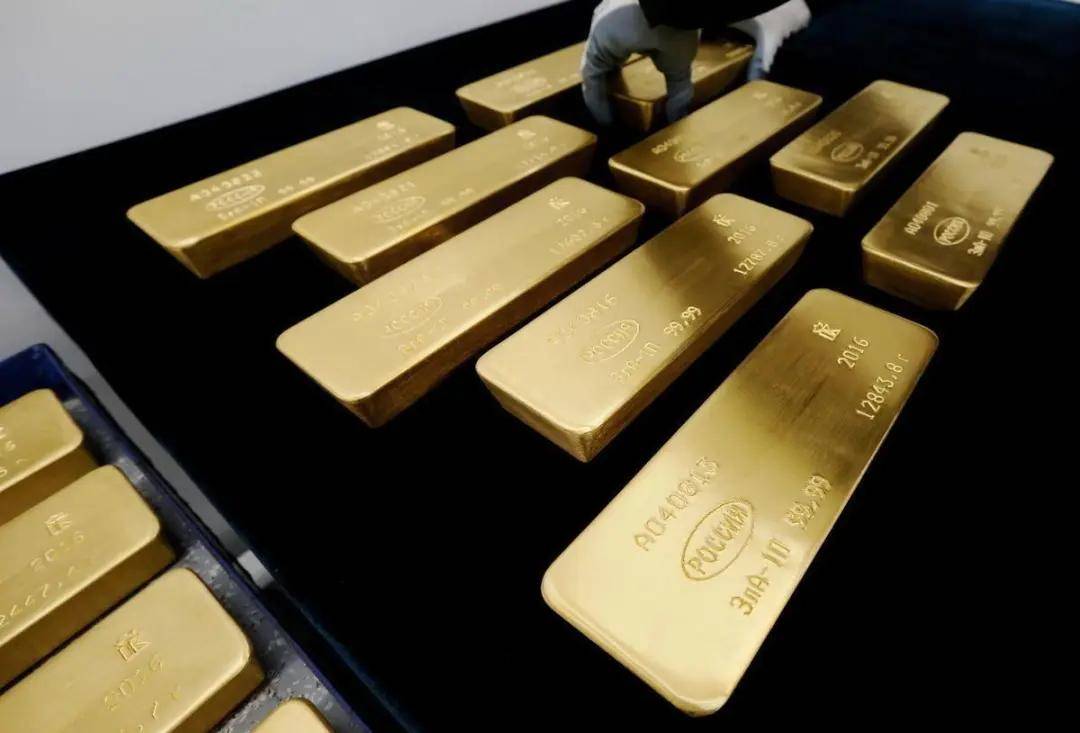
俄罗斯的钱去哪了?三年狂卖近400吨黄金,财政压力藏不住了
Sou Hu Cai Jing· 2026-01-23 15:47
Core Insights - Russia's financial situation is deteriorating, with its available "safety cushion" becoming increasingly thin, particularly in terms of gold reserves [1][3] - The country has sold nearly 400 tons of gold from its national welfare fund over the past three years, indicating a reliance on past accumulations to stabilize current finances [1][3] - The gold is not being used for investment or structural adjustments but is directly funding the budget and covering rigid national expenditures [3][5] Financial Condition - By early this year, the gold reserves in the national welfare fund had significantly decreased to about 30% of their pre-conflict levels, indicating a heavy reliance on these reserves to meet increased financial obligations [3][5] - The welfare fund, originally designed for "emergency situations," is now tasked with covering not only regular welfare expenditures but also substantial costs related to military conflicts, such as compensation for casualties and support for military families [3][5] Economic Dynamics - The expenditures funded by gold sales do not generate long-term returns and only maintain the status quo, leading to a weakening of the financial model as gold reserves are depleted [5][7] - Despite the economic pressure, the Russian economy has not collapsed, partly due to domestic investments stimulated by capital restrictions and a wartime economic structure that has absorbed significant labor in sectors like military, energy, and transportation [5][7] Challenges Ahead - The internal economic cycle remains incomplete, as many essential technologies and materials still need to be imported, limiting the effectiveness of domestic production [7][9] - The shift in transaction methods, with a preference for gold and energy over the ruble, has accelerated the consumption of gold reserves, making it a critical payment tool for military procurement and essential goods [7][9] Future Outlook - While Russia's gold reserves have not yet reached a critical level, the ongoing reliance on these reserves for funding indicates a persistent financial pressure that could lead to challenges in the future [9] - The sustainability of this financial model is in question, as continued high expenditure rates could outpace the ability to replenish reserves, leading to increased economic and social costs down the line [9]

对比中国,马斯克最新发声
Xin Lang Cai Jing· 2026-01-23 14:22
Group 1 - Elon Musk highlighted that the development of AI technology in the U.S. is constrained by insufficient power supply, while China has already addressed this issue [1][3] - Musk warned that the U.S. may soon face a situation where there is an oversupply of chips that cannot be utilized due to power shortages [3] - The production of AI chips is experiencing exponential growth, but the lack of power supply is affecting the efficiency of AI data centers in training and deploying large models [3] Group 2 - Musk pointed out the significant differences in energy supply structures between the U.S. and China, noting that China has a clear lead in power capacity, especially in solar energy [3] - The aging U.S. power grid and decades of underinvestment in infrastructure are increasingly problematic, slowing down the advancement of AI applications and raising concerns about an "AI bubble" in the U.S. [3] - President Trump mentioned at the Davos forum that his administration encourages tech companies to build nuclear power plants, with related projects expected to receive government approval within three weeks [4]
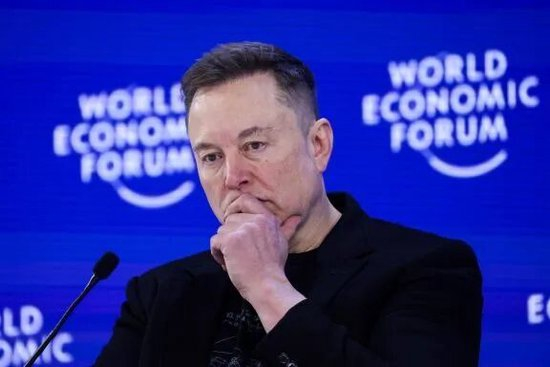
马斯克:美国AI发展遭电力卡脖 中国电力增长十分惊人
Xin Lang Cai Jing· 2026-01-23 12:57
全球首富埃隆·马斯克日前警告称,在美国,人工智能(AI)发展面临的最大阻碍是电力不足,而中国 却不存在这一问题。 周四,马斯克在与贝莱德首席执行官、世界经济论坛临时联合主席拉里·芬克的对话中表示,人工智能 芯片的生产正呈指数级增长,但电力供应不足,这制约了AI数据中心在训练和部署AI模型方面的效 率。 美国一直深陷电网系统陈旧落后的困局,这是数十年投资不足和基础设施老化的后果。随着科技公司越 来越依赖电网运营商提供电力,电网的可靠性问题和供电能力限制已威胁到AI部署的速度,并引发担 忧:美国可能会因电力短板在AI竞赛中落后于人。 能源专家透露,英伟达总部所在地加州圣克拉拉市的两座大型数据中心,或因电力供应不足而闲置数 年。与此同时,AI巨大的耗电量推高相关地区的能源成本,引发了民众对数据中心建设的抵制。 美国总统特朗普周三在达沃斯演讲中鼓励科技企业在布局人工智能时自建核电站,并声称,政府将在短 短三周内批准此类项目——尽管核电站的审批流程历来需要数年时间。 全球首富埃隆·马斯克日前警告称,在美国,人工智能(AI)发展面临的最大阻碍是电力不足,而中国 却不存在这一问题。 周四,马斯克在与贝莱德首席执行官、世界经 ...

港股上市中的国际制裁风险与应对实务
Sou Hu Cai Jing· 2026-01-23 11:49
在国际制裁规则不断扩张与域外适用日益强化的背景下,港交所于2024年5月发布的《新上市申请人指南》首次明确将制裁风险纳入港股上市审核的重点 披露事项。本文全面梳理相关风险及应对路径,为拟赴港上市企业及其专业顾问提供实务参考。 作者丨张国勋 王大坤 刘珂 一、引言 近年来,国际制裁已从传统的外交与安全工具,演变为直接影响全球资本流动、企业经营与跨境交易结构的重要合规变量。以美国、欧盟及其盟友为代表 的制裁体系,正在不断扩大其适用范围,涵盖的对象和交易类型日益多样化,措施种类更加细化,执法力度不断加强。特别是在金融、能源、半导体及航 空航天等关键行业,制裁规则已深度嵌入企业的日常经营、投融资和供应链管理之中,国际制裁环境的整体复杂性显著提升。 二、港交所关于"制裁风险"的要求 在港股上市语境下讨论"制裁风险",有必要首先回到香港交易所的监管文件《新上市申请人指南》本身。从港交所的表述来看,其对制裁风险的分析,核 心建立在"一级被制裁活动(Primary Sanctioned Activity)"与"次级被制裁活动(Secondary Sanctioned Activity)"的区分之上。 所谓一级被制裁活动[2] ...
AI、能源、太空探索、机器人……马斯克最新预言
Zheng Quan Shi Bao Wang· 2026-01-23 10:45
Group 1: Robotics - Elon Musk predicts that humanoid robots will become standard in households, addressing labor shortages in caregiving and other essential areas [2] - The Tesla humanoid robot, Optimus, is expected to be available for public sale by the end of 2027, with prototypes already performing tasks in Tesla factories [2] - Musk emphasizes that the rise of robots will lead to the disappearance of traditional jobs, necessitating a redefinition of human existence [2] Group 2: Energy - Musk identifies electricity as the primary bottleneck for AI development, rather than chip production, with global electricity supply growth at only 3-4% annually [3] - China leads in solar energy production, with an annual capacity of 1500 GW and deployment exceeding 1000 GW, contributing significantly to stable electricity supply [3] - Tesla and SpaceX are forming specialized teams to achieve a breakthrough in solar panel production, targeting an annual output of 100 GW within three years [4] Group 3: Space Exploration - Musk envisions that within 2-3 years, space will become the most cost-effective location for deploying AI data centers due to the efficiency of solar energy in space [5] - The development of fully reusable rockets, such as SpaceX's Starship, is crucial for reducing space access costs by 100 times [5] - Musk expresses a desire to establish a human presence on Mars, emphasizing the importance of becoming a multi-planetary species [5] Group 4: Autonomous Driving - Musk claims that Full Self-Driving (FSD) technology is essentially solved, with some insurance companies already recognizing its safety [6] - Tesla is expanding its Robotaxi service to major cities, with regulatory approvals expected soon in Europe and China [6] Group 5: Longevity and Philosophy - Musk believes that reversing aging is a solvable problem, but warns that immortality could lead to societal stagnation [6] - His curiosity-driven philosophy aims to transform science fiction into scientific reality, focusing on understanding life's meaning and the universe [6] Group 6: Overall Vision - Musk's dialogue presents a comprehensive engineering roadmap where AI surpasses human intelligence, driven by electricity supply from solar energy, with space as the optimal environment for energy utilization [7] - Each sector, from AI to energy, space, and robotics, is interconnected in supporting humanity's transition to an era of abundance [7]

国际观察|马斯克“隔空对垒”特朗普,揭示美国AI发展之困
Xin Hua She· 2026-01-23 09:45
Core Viewpoint - The confrontation between Elon Musk and Donald Trump at the World Economic Forum highlights the conflicting paths of AI development in the U.S., with Washington's reliance on fossil fuels clashing with Silicon Valley's push for renewable energy to support technological advancement [1][2]. Group 1: Energy Policy Discrepancies - Trump's public criticism of clean energy and support for fossil fuels contrasts sharply with Musk's assertion that the deployment of AI is fundamentally limited by electricity supply [2]. - Musk emphasized that while AI chip production is growing exponentially, the slow growth of electricity supply hinders the efficiency of AI data centers [2]. - Musk's plans to deploy solar-powered AI satellites indicate a direct connection between his business model and renewable energy development, suggesting that current U.S. energy policies are obstructing progress [2]. Group 2: Foundation of AI Development - Jensen Huang, CEO of NVIDIA, described AI as a "five-layer cake," with energy as the foundational layer, indicating that reliance on volatile fossil fuels or restricted clean energy undermines the stability of higher layers like chip computing and AI applications [3]. - Google has purchased approximately 1.2 gigawatts of carbon-free energy to power its data centers, reflecting a shift towards sustainable energy solutions among tech companies [3]. - The disconnect between government policies and the needs of tech companies is evident, as many in Silicon Valley express disappointment over Washington's outdated energy strategies [3]. Group 3: Trade Protectionism Impact - The U.S. government's trade protectionist policies are counterproductive, as they inadvertently harm the domestic AI industry by raising the costs of solar energy deployment due to high tariffs [4]. - Musk pointed out that tariffs on solar energy create significant barriers, which he identified as constraints on AI growth [4]. - Rising electricity demand and infrastructure upgrades are increasing costs for American households, further complicating the operational expenses for data centers and hindering AI development [4].
以高端化产品铸就品牌新高度——潞安化工集团“十四五”推动品牌价值跃升巡礼
Zhong Guo Hua Gong Bao· 2026-01-23 03:36
Core Viewpoint - Lu'an Chemical Group has successfully transitioned from a traditional energy enterprise to a modern energy and chemical group by focusing on technological breakthroughs and high-end products, enhancing brand value and market recognition [1] Group 1: High-End Product Matrix - The company has shifted its strategic focus from resource-dependent development to high value-added, high-tech, and market-adaptable products in response to unprecedented transformation pressures in the traditional energy sector [2] - By systematically laying out clean coal utilization, high-end equipment manufacturing, and new energy materials, the company has transformed from a single resource supplier to a comprehensive solution provider, enhancing resource utilization efficiency and creating value in the energy sector [2] Group 2: Differentiated Competitive Advantage - Lu'an Chemical Group has converted its resource endowment into technological advantages, which have been solidified into brand value through increased R&D investment and the establishment of an independent intellectual property system [3] - The company has achieved breakthroughs in key processes, core materials, and system integration, ensuring that its products remain at the forefront of reliability, stability, and green low-carbon standards through stringent quality control and lean management [3] Group 3: Brand Value Enhancement - The company integrates brand building throughout its operations, actively participating in the formulation of national standards and industry norms, thereby establishing technical authority [4] - It is expanding its international presence to serve global customers with high-end products while addressing critical industry challenges and promoting technological advancements [4] - The company has transformed its brand from "scale leadership" to "value excellence," contributing to a comprehensive upgrade in its development through a series of high-end and differentiated products [4]
未知机构:股东变更锋龙股份江化微商业航天中超控股巨力索具数据中心-20260123
未知机构· 2026-01-23 02:35
Summary of Key Points from Conference Call Records Industry or Company Involved - **Aerospace Industry**: Blue Arrow Aerospace Technology Co., Ltd. (蓝箭航天) - **Retail Pharmacy**: Various companies including Yao Yi Gou (药易购), Shuyu Pingmin (漱玉平民), and others - **Quantum Technology**: Companies like Guo Dun Quantum (国盾量子), Ke Da Guo Chuang (科大国创) - **Electric Vehicle and Robotics**: Tesla and its developments in humanoid robots Core Insights and Arguments - **Blue Arrow Aerospace**: The company is undergoing an IPO process, with its status changing to "inquiry" as of January 22, marking the fastest inspection record [1][1][1] - **Commercial Space Conference**: The third Beijing Commercial Aerospace Industry High-Quality Development Conference will be held from January 23 to 25, 2026, focusing on the modernization of the industrial chain and innovation in business models [2][2][2] - **Quantum Technology Development**: The "14th Five-Year Plan" emphasizes quantum technology as a priority, with significant investments and collaborations being made to enhance capabilities in quantum computing [5][7][7] - **Retail Pharmacy Mergers**: The government encourages horizontal mergers and restructuring among retail drug enterprises to optimize the industry [8][9][10] Other Important but Possibly Overlooked Content - **Space Tourism**: Beijing Chuan Yue Zhe's "CYZ1" spacecraft is set for its first manned flight by 2028, with over 20 tourists already booked [5][5][5] - **Tesla's Robotics Future**: CEO Elon Musk indicated that Tesla's future will increasingly rely on humanoid robots, with expectations for more complex tasks by 2026 [12][14][14] - **SpaceX's Second-Generation Starlink**: Planned for launch in 2027, this system aims to provide significantly enhanced internet services, with a capacity increase of over 100 times compared to the first generation [15][15][15] - **Meta's AI Smart Glasses**: Meta is set to launch AI smart glasses powered by MTK chips, with production handled by Longqi Technology [15][15][15]
企业获得感是最好的代言
Hai Nan Ri Bao· 2026-01-23 01:58
Core Insights - The Hainan Free Trade Port has successfully implemented core policies such as "zero tariffs" and "low tax rates," which have significantly benefited enterprises, enhancing their confidence and stabilizing expectations for investment in Hainan [1][2] Group 1: Business Environment and Growth - Entrepreneurs shared their experiences at a recent conference, highlighting how policies like "zero tariffs" have reduced costs and attracted talent, leading to innovation and growth [1] - For instance, Oscar Grain and Oil achieved a remarkable increase in output value from 1.08 billion to 6.83 billion within four years, demonstrating the effectiveness of the Free Trade Port policies [1] Group 2: Government Support and Policy Implementation - Government departments are actively optimizing services to address the growth challenges faced by enterprises, which has been positively acknowledged by business representatives [2] - The establishment of a one-stop policy query platform and various initiatives to promote policy implementation have been introduced to enhance the understanding and application of Free Trade Port policies [3] Group 3: Investment Trends and Market Dynamics - Hainan has entered a new phase of reform and opening up, with a significant increase in new business entities, indicating a robust market demand and diverse business landscape [4] - The proportion of new enterprises has risen from 42% before the closure to nearly 80%, reflecting heightened investment enthusiasm and the effectiveness of the Free Trade Port policies [4]
云南资源经济稳步前行——调结构 提质效 显韧性
Xin Lang Cai Jing· 2026-01-22 20:14
Group 1 - Yunnan has positioned its resource economy as a core component of its economic strategy, focusing on traditional industries like energy and non-ferrous metals while also promoting new sectors such as green aluminum, silicon photovoltaic, and new energy batteries [1] - The province aims to transform its resource advantages into industrial and developmental strengths, enhancing the overall structure of its economy [2] - Significant improvements in mining recovery rates and resource utilization have been observed, with some mines exceeding industry averages in key performance metrics [2] Group 2 - Yunnan has made strides in highland specialty agriculture, increasing the value of coffee and flower products through deep processing and innovative sales models [3] - The province is enhancing its policy and financial support to accelerate the development of key industries, ensuring efficient resource allocation and project implementation [3] - Technological innovation is driving the resilience of Yunnan's resource-based industries, with a shift from raw material sales to product and technology sales [4] Group 3 - Yunnan has become a significant base for clean energy, strategic non-ferrous metals, and modern ecological agriculture, with substantial achievements in renewable energy capacity and production chains [4][5] - The province's agricultural output has surpassed 2.7 trillion yuan, with a strong export performance in agricultural products [5] - Yunnan's resource economy aligns with national strategies, leveraging technology and ecological priorities to maximize resource value and contribute to high-quality development [5]