贵金属

Search documents
A股,全线高开!
Shang Hai Zheng Quan Bao· 2026-02-24 02:14
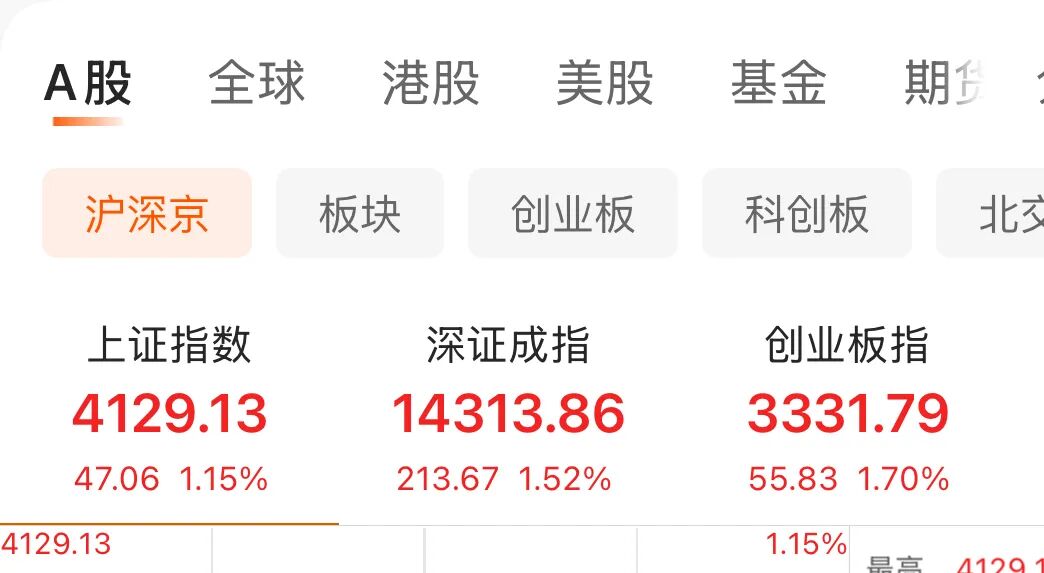
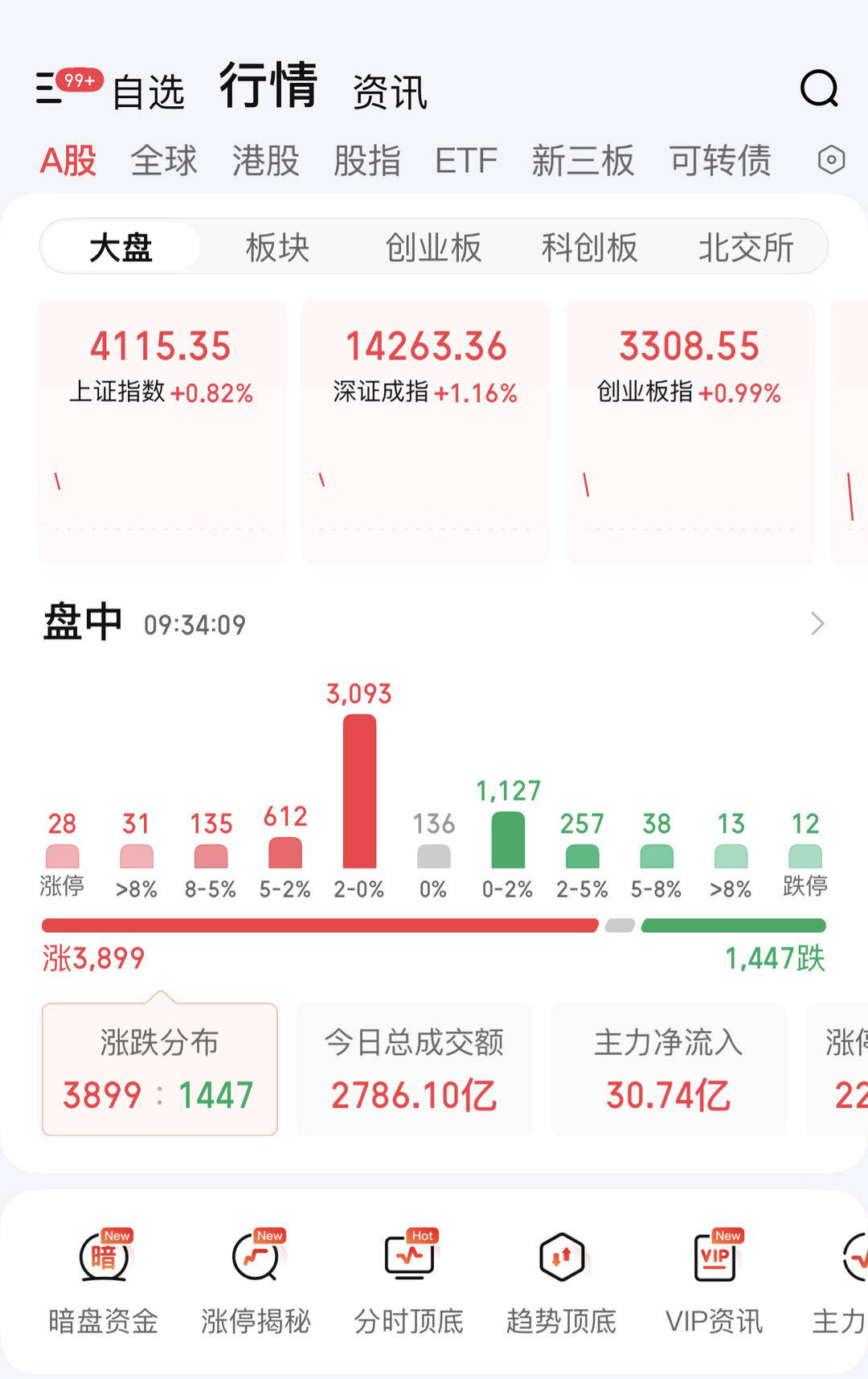
A股早盘,三大指数均大幅高开。沪指高开1.15%,深证成指高开1.52%,创业板指高开1.70%,有色金属、油气、算力等板块指数涨幅居前。 | 贵金属 < V ા છે વ | | --- | | BK0732 二级行业 ▼ | | 3157.88 今开 3102.54 最高 3164.19 最低 3093.89 | | 6.79% 200.79 换手 1.12% 总手 252万 金额 76.71亿 | | 0 更多 上涨家数 | | 分时 五日 日K 周K 月K 更多 ◎ | | 3164.19 7.00% | | 2957.09 | | 2749.99 -7.00% | (文章来源:上海证券报) 贵金属板块开盘快速拉升,截至发稿涨6.79%,晓程科技、湖南白银等多股大涨。 ...

马年首个交易日 贵金属一马当先
Sou Hu Cai Jing· 2026-02-24 01:56
Market Overview - On the first trading day of the Year of the Horse, A-shares opened higher with the Shanghai Composite Index up by 1.15%, the Shenzhen Component Index up by 1.52%, and the ChiNext Index up by 1.70% [1] - Precious metals, oil and gas, and computing power sectors showed significant gains [1] Precious Metals Sector - The precious metals concept saw a rapid increase, with notable stocks such as Xiaocheng Technology rising over 13% and Hunan Silver approaching the daily limit [6] - Other companies in the sector, including Sichuan Gold, Hunan Gold, and Zhaojin Mining, also experienced upward movement [6] - Spot gold prices reached $5,200 per ounce, marking a nearly 2% increase, the first time since January 30 [6] - The main contract for silver on the Shanghai Futures Exchange surged by 13%, reaching 22,366 yuan per kilogram [6] Key Stocks Performance - Xiaocheng Technology: 64.19, up 12.46%, market cap 14.999 billion [4] - Hunan Silver: 15.05, up 10.01%, market cap 34.989 billion [4] - Sichuan Gold: 49.10, up 6.65%, market cap 14.163 billion [4] - Hunan Gold: 34.52, up 6.22%, market cap 53.938 billion [4] - Zhaojin Mining: 20.39, up 6.14%, market cap 18.936 billion [4] - Other notable stocks include Chifeng Jilong Gold and Western Gold, with respective increases of 5.50% and 5.37% [4]





贵金属板块盘初走强,湖南白银涨停
Jin Rong Jie· 2026-02-24 01:45
Group 1 - The precious metals sector showed strength at the beginning of trading, with Hunan Silver reaching the daily limit up [1] - Other companies such as Xiaocheng Technology, Silver Industry, Xingye Yinxin, Shengda Resources, Sichuan Gold, and Hunan Gold also experienced gains [1]
贵金属概念快速拉升 晓程科技涨超13%
Jin Rong Jie· 2026-02-24 01:45
Group 1 - Precious metals concept experienced a rapid surge, with Xiaocheng Technology rising over 13% [1] - Hunan Silver approached the daily limit increase, while Sichuan Gold, Hunan Gold, Shengda Resources, Xingye Silver Tin, Zhaojin Gold, and Chifeng Gold also saw gains [1] - Spot gold reached $5,200 per ounce, marking the first increase since January 30, with a daily rise of nearly 2% [1] Group 2 - The main contract for silver on the Shanghai Futures Exchange surged by 13%, reaching 22,366 yuan per kilogram [1]
国际金价假期内上涨近4%,突破5200美元大关,上海金ETF(159830)近4日“吸金”1.24亿元
Sou Hu Cai Jing· 2026-02-24 01:34
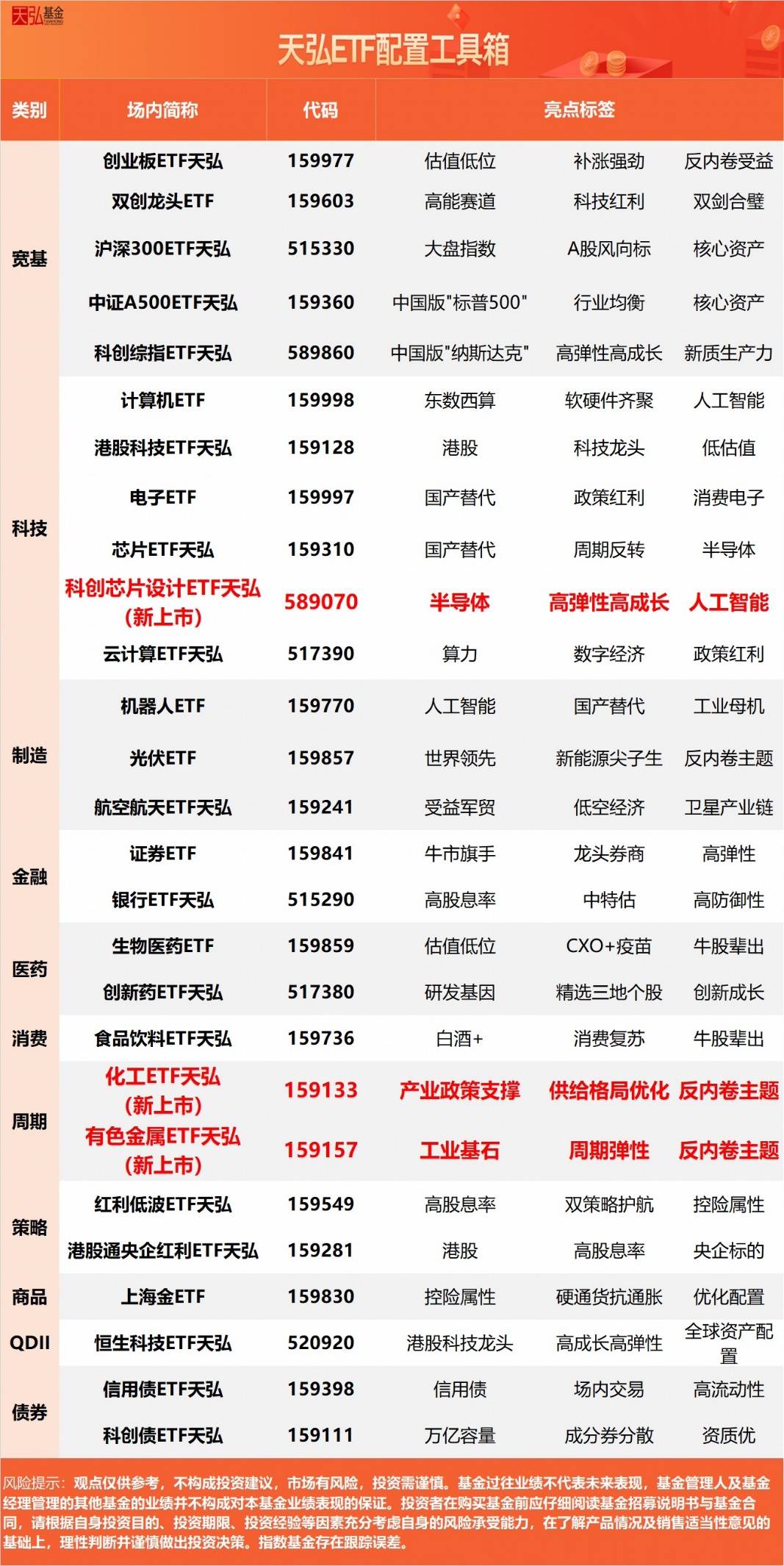
Core Insights - The Shanghai Gold ETF (159830) has seen a turnover of 5.94% and a transaction volume of 221 million yuan as of February 13, 2026, with a net inflow of 9.92 million yuan [1] - International gold prices have risen nearly 4% during the holiday period, surpassing the 5200 USD mark, driven by increased market risk aversion due to new tariff policies and economic data from the U.S. [2] - UBS maintains a positive outlook on gold, projecting a target price of 6200 USD per ounce in the coming months, citing geopolitical risks and continued central bank purchases as key drivers [2] Product Highlights - The Shanghai Gold ETF (159830) has a total management and custody fee of 0.30%, which is lower than the average fee of 0.60% for most gold ETFs [1] - The ETF has reached a new high in shares since its inception, indicating strong investor interest and confidence [1] Related Products - The Shanghai Gold ETF (159830) is linked to off-market funds, including Connect Fund A (014661) and Connect Fund C (014662) [1] - Other ETFs mentioned include various sector-focused funds such as the Technology ETF, Biopharmaceutical ETF, and Aerospace ETF, indicating a diverse range of investment opportunities in the market [3][4]
特朗普拟上调关税至15%:申万期货早间评论-20260224
申银万国期货研究· 2026-02-24 00:44
Group 1: Trade and Tariff Developments - The U.S. Supreme Court ruled that the government's imposition of tariffs under the International Emergency Economic Powers Act was illegal, prompting China to call for the removal of unilateral tariffs and expressing concerns over U.S. trade policies [1] - Following the ruling, President Trump announced an increase in tariffs on global imports from 10% to 15%, raising concerns about U.S. fiscal sustainability and trade policy uncertainty, which supports gold prices [2][19] Group 2: Commodity Market Insights - Gold prices showed a strong upward trend during the Spring Festival, driven by three main factors: changes in U.S. tariff policies affecting dollar credibility, ongoing tensions in Iran boosting safe-haven demand, and rising inflation risks enhancing gold's appeal as an inflation hedge [2][19] - Oil prices increased by over 5% during the holiday period due to geopolitical tensions, particularly between the U.S. and Iran, with potential military actions being considered by the U.S. government [3][13] Group 3: Industry-Specific Developments - The National Energy Administration plans to implement a new energy system and various energy sector plans starting in 2026, focusing on renewable energy projects and advanced technologies [8] - The domestic methanol market is expected to remain strong due to reduced imports and increased demand from downstream sectors, with prices likely to stabilize [14] Group 4: Financial Market Trends - The U.S. 10-year Treasury yield remained stable at 4.037% during the holiday, reflecting economic concerns and inflationary pressures, with expectations for interest rate cuts being pushed back [12] - The A50 futures market showed fluctuations influenced by U.S. stock performance, with potential implications for the A-share market post-holiday [11]

春节假期期间贵金属和原油价格强势上行 业内称需警惕后市波动风险
Sou Hu Cai Jing· 2026-02-24 00:08
Group 1: Precious Metals Performance - The precious metals sector showed strong performance during the Spring Festival holiday, with COMEX silver futures rising over 11%, leading among major commodities, while COMEX gold futures increased by over 3% [2] - Geopolitical tensions between the US and Iran were identified as a key driver for the price fluctuations in precious metals, with the market reacting to developments in negotiations and conflicts [2][3] - The US Supreme Court's ruling on the legality of large-scale tariffs imposed by the Trump administration is seen as a significant event affecting precious metal prices, with potential implications for inflation and market risk preferences [2][3] Group 2: Oil Market Dynamics - The international oil market experienced a strong rebound during the Spring Festival, with Brent crude oil futures rising over 5% and WTI crude oil futures increasing by over 4% [5] - The core pricing of the oil market remains influenced by geopolitical risks in the Middle East, particularly the developments related to the US-Iran situation [5][6] - The reduction in US crude oil inventories reported by the Energy Information Administration (EIA) during the holiday period provided additional support for market prices [5] Group 3: Future Price Volatility - Looking ahead, the oil market faces several core issues, including uncertainties regarding OPEC+ production policies and the growth of non-OPEC oil production [6] - Seasonal demand fluctuations are expected as global refineries enter a traditional maintenance period, which may lead to temporary demand contraction [6] - The precious metals market is characterized by high uncertainty, with recommendations for cautious trading strategies, particularly for gold and silver, based on geopolitical tensions and central bank activities [7]
春节假期期间贵金属和原油价格强势上行,业内称需警惕后市波动风险
Xin Lang Cai Jing· 2026-02-23 23:45
Group 1 - The global commodity market showed a mixed trend during the Spring Festival holiday, with precious metals leading the gains and a strong performance in the energy sector [1] - Significant increases were observed in COMEX silver and gold futures, as well as Brent and WTI crude oil futures, drawing market attention [1] - Factors such as geopolitical tensions between the US and Iran, US tariff policy decisions, and tight silver inventories supported the price increases of precious metals and crude oil [1] Group 2 - Future market outlook indicates that commodity price volatility is likely to increase due to supply uncertainties, seasonal demand fluctuations, and macroeconomic disturbances [1] - Precious metals and crude oil are expected to remain the core commodities driving market volatility, necessitating close attention to related risks [1]
世界黄金协会美洲区CEO:全球央行连续16年净买入,定价逻辑生变
Mei Ri Jing Ji Xin Wen· 2026-02-23 23:34
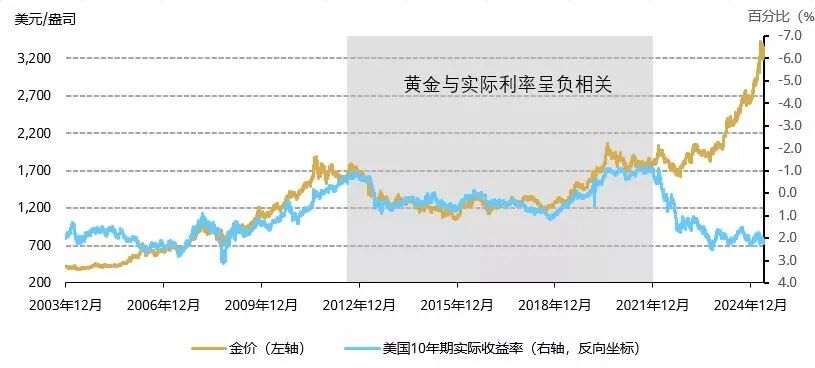
Core Viewpoint - The global gold market is undergoing a structural transformation driven by central bank demand and risk aversion, making gold an essential liquidity buffer in asset allocation [1]. Group 1: Key Drivers of Gold Prices - In 2026, the primary driver for gold valuation is the increased risk and uncertainty in the macroeconomic environment, influenced by geopolitical tensions and financial market pressures [2]. - The demand for gold as a high-quality safe-haven asset has significantly risen due to these factors, alongside a decrease in the opportunity cost of holding gold as the international situation pressures the US dollar [2]. - Despite recent market volatility, gold's stable price performance has attracted substantial cash inflows, creating positive momentum for its growth [2]. Group 2: Relationship with Real Interest Rates - The traditional negative correlation between gold prices and US 10-year real interest rates has weakened, primarily due to other supporting factors like geopolitical risks and strong central bank purchases offsetting the negative impact of rising real rates [3][4]. - The relationship between gold and real interest rates has not disappeared; rather, other macroeconomic forces have become more critical, diminishing the dominance of real yields [4]. Group 3: Central Bank Gold Purchases - Global central banks have maintained a net buying trend for 16 consecutive years, indicating a significant structural change in the gold market [6]. - Although central bank gold purchases slowed in 2025 to 863 tons, this figure remains well above historical averages, reflecting ongoing interest in gold for its crisis performance and inflation-hedging properties [6]. - Emerging market central banks hold about 15% of their foreign exchange reserves in gold, which is half of that of developed markets, suggesting substantial growth potential in future gold demand [7]. Group 4: Gold as a High-Quality Liquid Asset - Gold is increasingly viewed as a major competitor to US Treasuries in the realm of high-quality liquid assets (HQLA), despite not being officially classified as such under Basel III [8]. - During market stress, gold has demonstrated superior liquidity compared to long-term US Treasuries, characterized by deep market depth and stable bid-ask spreads [9]. Group 5: Gold's Role in Diversified Investment Portfolios - In a world of persistent inflation volatility, traditional 60/40 investment portfolios are struggling, and gold is seen as a stabilizing asset that enhances diversification and reduces drawdowns [11]. - Historical analysis indicates that gold improves risk-adjusted returns, particularly in environments where stock-bond correlations rise due to inflation shocks or monetary policy tightening [11]. Group 6: Market Dynamics and Demand Measurement - The surge in over-the-counter (OTC) purchases and unallocated gold accumulation has prompted the World Gold Council to refine its methodologies for capturing this "hidden" demand [12]. - While OTC transactions can significantly influence prices during specific periods, the overall gold market is shaped by a diverse range of participants, including jewelry consumers, technology sectors, and various investors [12].