啤酒

Search documents
喜力:全球裁减最多6000个职位,下调2026年利润增长预期
Ge Long Hui· 2026-02-11 07:59
Core Viewpoint - Heineken announces a global workforce reduction of up to 6,000 positions and lowers its profit growth forecast for 2026, citing multiple challenges affecting beer demand [1] Group 1: Company Actions - Heineken plans to implement a productivity enhancement program aimed at achieving significant cost savings over the next two years, which will involve cutting 5,000 to 6,000 jobs globally [1] - The company has committed to a new strategy that aims to achieve higher growth with fewer resources by 2030 [1] Group 2: Financial Projections - Heineken has revised its profit growth rate forecast for 2026 to a range of 2% to 6%, which is narrower than the previous year's prediction [1] - The updated profit growth target for 2026 is lower than the previously set goal of 4% to 8% for 2025 [1] Group 3: Industry Context - The beer industry is facing weak demand due to factors such as consumer financial strain, geopolitical instability, and adverse weather conditions, impacting sales growth across major breweries [1]
封面观酒丨推黄酒年轻化全国化,会稽山聘啤酒高管唐桂江为总经理
Sou Hu Cai Jing· 2026-02-10 13:37
Group 1 - The core point of the article is the appointment of Tang Guijiang as the new general manager of Kuaijishan, which aligns with the company's strategy of youthfulness and national expansion [1][5][7] - Kuaijishan held its first temporary shareholders' meeting in 2026 on February 9, where the seventh board of directors was elected, including key members such as Chairman Fang Chaoyang and Vice Chairman Fu Zukang [1][5] - Tang Guijiang has extensive experience in the beer industry, having held various managerial positions at Budweiser and China Resources Snow Beer, which is expected to benefit Kuaijishan's marketing and management strategies [4][5] Group 2 - Kuaijishan, a leading company in China's yellow wine industry, reported a revenue of 1.631 billion yuan and a net profit of 196 million yuan in 2024, with a 14.12% year-on-year revenue growth in the first three quarters of 2025 [5][7] - The yellow wine industry is facing challenges related to aging consumer demographics and limited market scenarios, prompting Kuaijishan to innovate with products like sparkling yellow wine aimed at younger consumers [5][7] - The appointment of Tang Guijiang is seen as a strategic move to leverage his experience in channel management and marketing from the beer industry to accelerate Kuaijishan's national market expansion [5][7]


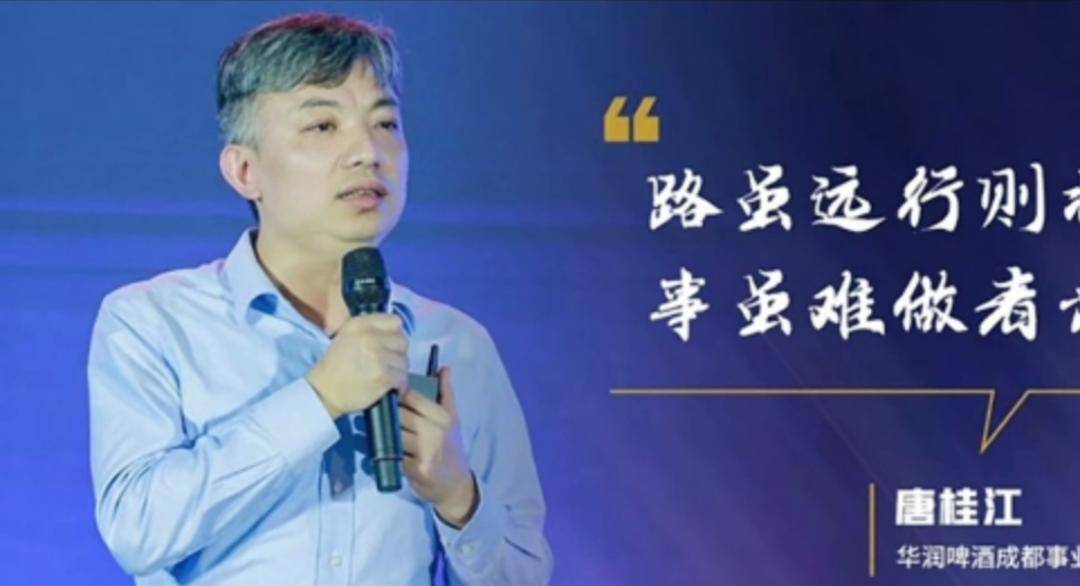
会稽山总经理一职人事变动
Bei Jing Shang Bao· 2026-02-10 10:05
Core Viewpoint - The company has appointed Tang Guijiang as the new general manager, aligning his term with the seventh board of directors [1] Group 1: Company Leadership - Tang Guijiang has a background in the beverage industry, having held various managerial positions at Budweiser China and China Resources Snow Beer [1] - His previous roles include project manager for high-end beer in Central and Western China, regional manager for Chengdu, and general manager for marketing centers in Sichuan and Guizhou [1]
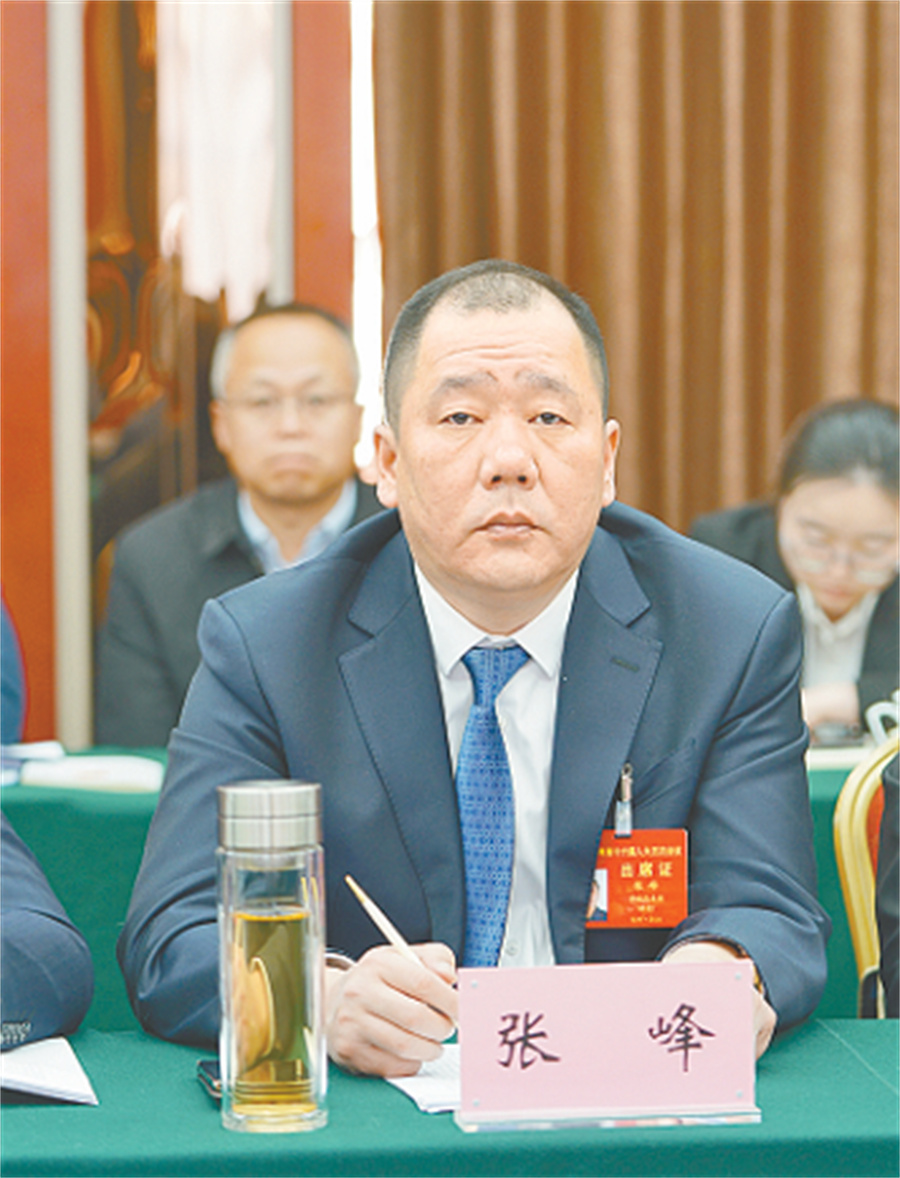
金星啤酒副董事长张峰:以中式精酿铸国潮名片 金星啤酒擘画国际化新征程
Jing Ji Wang· 2026-02-10 07:50
Core Viewpoint - The article highlights the journey of Jin Xing Beer from a local brand to a contender in the international capital market, emphasizing its role in the high-quality transformation of Zhengzhou's manufacturing industry through innovation and cultural integration [1][9]. Group 1: Company Background and Development - Jin Xing Beer has been rooted in the Zhengzhou Guan Cheng area for over 40 years, evolving from a local small factory to a national beer group, reflecting the city's manufacturing development [3]. - The company has maintained its commitment to producing quality beer for the Chinese people while contributing to local employment and agricultural income [3]. - Jin Xing Beer is transitioning from traditional food manufacturing to intelligent, green, and high-end production, embodying the microcosm of Zhengzhou's shift from a "manufacturing city" to a "strong manufacturing city" [3][6]. Group 2: Innovation and Product Development - In response to industry changes, Jin Xing Beer is pioneering the "Chinese Craft Beer" segment, integrating cultural elements and unique brewing techniques to create a distinct product line [4]. - The company has developed a proprietary brewing system called "1258," which includes a one-month low-temperature brewing cycle and a dual sterile brewing process, enhancing flavor and quality [4]. - Jin Xing Beer has launched products that blend Chinese culinary culture with beer, such as tea-infused and fruit-flavored brews, appealing to younger consumers and promoting local agricultural sourcing [4][5]. Group 3: Strategic Goals and Market Expansion - Jin Xing Beer aims to submit its listing application to the Hong Kong Stock Exchange in 2026, aspiring to become the first publicly listed Chinese craft beer company [7]. - The company has already expanded its market reach to over 20 countries, positioning itself as a representative of Chinese craft beer on the global stage [7]. - Jin Xing Beer emphasizes cultural output and brand recognition in its international strategy, aiming to resonate with global consumer preferences while maintaining its Chinese identity [7]. Group 4: Future Outlook and Community Engagement - The company plans to continue its focus on high-quality development, expanding its product range and investing in intelligent, green production capabilities [8]. - Jin Xing Beer is committed to fulfilling its social responsibilities by supporting local industry development and contributing to Zhengzhou's goals of becoming a strong manufacturing and cultural city [8][9].
年货怎么选?从青岛啤酒马年新品看春节消费新动向
Xin Lang Cai Jing· 2026-02-10 01:36
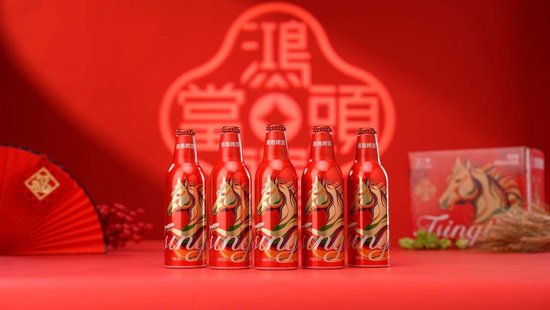
Core Insights - Qingdao Beer is launching a series of new products for the upcoming Year of the Horse in 2026, including zodiac-themed items, festive packaging, and cultural gift boxes, reflecting changes in consumer behavior regarding New Year purchases [1][17] - The Year of the Horse is culturally significant in China, symbolizing strength and hope, and Qingdao Beer has been creating zodiac-themed products since 2014, marking 2026 as the start of a new cycle for their zodiac series [2][18] Product Offerings - The new product line includes the "Hongyun Dangtou" zodiac edition as a high-end festive representation, a New Year packaging series for popular products, and cultural gift boxes that combine beer with artistic elements [4][20] - The overseas version of the Year of the Horse products incorporates local aesthetic elements, enhancing cultural exchange through beer [4][20] Market Trends - Current consumer behavior shows a shift towards rational purchasing, with a focus on quality and practicality, while also balancing emotional value during the festive season [6][22] - Social media's influence has transformed the way younger consumers approach New Year purchases, making it more of a festive experience rather than just a family obligation [6][22] Packaging and Experience - The "Hua Cong Xian Rui" cultural gift box combines drinking experience with collectible attributes, enhancing emotional value in New Year purchases [8][24] - Qingdao Beer has been exploring gift packaging as a significant direction, offering high-value multi-flavor options for various social settings [8][24] Health Trends - There is a growing trend towards health-conscious drinking, with consumers increasingly aware of calorie, sugar, and alcohol intake during traditional festive drinking occasions [11][27] - Qingdao Beer has recognized this trend, launching the first non-alcoholic beer flavor drink in China in 2012 and achieving breakthroughs in various brewing technologies [13][29] Consumer Behavior Changes - The evolution of New Year purchases reflects a broader transformation in consumer expectations, moving from functional consumption to a more integrated expression of emotions, culture, and lifestyle [16][32] - Qingdao Beer's new product series serves as a case study for how established brands can adapt to changing consumer demands through cultural expression and product innovation [16][32]
山东口岸1月份客流量同比增长9.5%
Feng Huang Wang Cai Jing· 2026-02-09 23:56
2月9日,中国与新加坡互免签证政策实施两周年。自2024年中新互免签证协定正式生效以来,政策红利 持续深度释放,叠加春节、春运客流高峰与中外互免签证范围持续扩大的利好,今年山东出入境客流迎 来平稳式增长。记者从山东出入境边防检查总站获悉,今年一月份,全省口岸出入境旅客达48万余人 次,同比增长9.5%,入境外籍旅客7.4万余人次,其中免签入境占比82%,口岸跨境游、探亲、商贸等 各类客流叠加迸发新活力。 中新互免两周年,是山东口岸对外开放的一个重要节点,更是中外双向交流的新起点。山东边检总站将 持续依托中外互免签证、过境免签等政策红利,紧盯口岸客流变化趋势,不断优化通关服务举措,升级 口岸便利化设施,提升口岸通关效能,以更高效的边检保障、更优质的通关服务,助力山东口岸成为中 外人员往来、经贸合作、人文交流的重要枢纽,为山东高水平对外开放注入更强边检力量。 政策的便利化,让中外旅客的双向奔赴变得更加便捷。春运期间,口岸随处可见港澳同胞回乡探亲、海 外留学务工人员回国团聚、外籍旅客随家属入境过年的身影,"家庭式""组团式"出行成为外籍旅客来华 的主流方式。 (大众新闻记者张依盟通讯员钱程徐哲) 客流的持续攀升,对 ...
食品饮料行业深度分析:金星啤酒“中式风味精酿”带来的启示
Sou Hu Cai Jing· 2026-02-09 15:43
Group 1 - The report focuses on the transformation of Jin Xing Beer into a "Chinese-style craft beer" and analyzes the development logic and local characteristics of the craft beer industry in China, showcasing the transformation paths of regional beer companies and new industry trends [1][2] - Jin Xing Beer, a regional brewery with over 40 years of experience in Central China, successfully entered the craft beer market in 2024, launching tea-based craft beer products that significantly boosted its performance. By Q3 2025, the revenue share of these products reached 78.1%, increasing the overall gross margin from 27.3% in 2023 to 47.0% [1][9] - As of 2024, Jin Xing has become the eighth largest beer company in China and the largest flavor craft beer company, successfully transitioning from traditional industrial pale beer to high-margin craft beer [1][9] Group 2 - The report highlights that the development of the craft beer industry in China combines international commonalities and local characteristics. The growth of craft beer aligns with the global trend of compensatory consumption following high concentration in the beer industry, with the current CR5 in China reaching a high level [2][3] - Local characteristics are driven by flavor innovation and the re-industrialization of craft beer, with domestic companies holding market power. The rich resources of tea, fruits, and traditional Chinese medicine provide natural conditions for product innovation, as consumers prefer flavor-driven experiences [2][3] - Jin Xing's success is attributed to its industrialized craft beer approach, utilizing the 1258 brewing process and cold brew technology to ensure flavor stability, and establishing a product matrix that combines online retail and offline quality channels for nationwide penetration [2][3] Group 3 - The report clarifies the differences between lager, ale, industrial beer, and craft beer, and outlines the global development history and policy impacts on the craft beer industry. It notes that the current penetration rate of craft beer in China is still low, with consumption upgrades, the rise of new consumer groups, and cultural trends driving continued growth [3][9] - Jin Xing Beer has built a product matrix of "1+1+N," focusing on a core tea beer and various regional flavor craft beers, achieving a market share of 14.6% in the flavor craft beer segment and 3.1% in the overall craft beer market by Q3 2025 [29][30]

会稽山聘任唐桂江为总经理 啤酒“悍将”转战黄酒胜算几何?
Nan Fang Du Shi Bao· 2026-02-09 15:13
Core Viewpoint - The appointment of Tang Guijiang as the new general manager of Kuaijishan, coming from the beer industry, signifies a strategic shift towards youthfulness and national expansion in the yellow wine sector [5][8]. Group 1: Management Changes - Kuaijishan held its first extraordinary shareholders' meeting on February 9, 2026, to elect the seventh board of directors and appoint new executives, including Tang Guijiang as general manager, Dong Yajie as CFO, and Fu Zheyu as board secretary [2][5]. - Tang Guijiang has extensive experience in the beer industry, having worked with companies like Budweiser and China Resources Snow Beer, but lacks prior experience in the yellow wine sector [5][6]. Group 2: Strategic Considerations - The choice of a beer industry executive reflects Kuaijishan's clear strategy for youthfulness and national expansion, aiming to break into key markets such as Shandong, Guangdong, and Sichuan [8]. - Analysts suggest that Tang's expertise in channel construction, market expansion, and brand youthfulness aligns well with Kuaijishan's goals of addressing the yellow wine industry's shortcomings in national distribution and consumer engagement [8][9]. Group 3: Industry Context - The yellow wine industry is at a critical juncture, with projected sales revenue for 2024 at approximately 18 billion yuan, representing only 2% of the white wine industry and 5% of the beer industry [10]. - Young consumers often perceive yellow wine as a cooking ingredient or a drink for older adults, highlighting the need for effective market strategies to shift this perception [10]. - The trend of integrating beer industry practices into yellow wine is gaining traction, with other companies also exploring innovative product forms to attract younger consumers [10][11].
2026年2月:中国酒类行业展望
Zhong Cheng Xin Guo Ji· 2026-02-09 11:21
Investment Rating - The report maintains a stable investment rating for the Chinese liquor industry, indicating that the overall credit quality of the industry is not expected to change significantly in the next 12 to 18 months [5]. Core Insights - The liquor industry is closely tied to macroeconomic conditions and per capita income levels. Recent years have seen consumption pressures due to economic slowdown, low investment, and policy restrictions, leading to negative revenue and profit growth for large-scale enterprises [6][8]. - The white liquor sector has been experiencing a continuous decline in production since 2017, with a "volume and price drop" scenario expected to persist into 2025 due to high inventory and slow market movement [6][14]. - The beer industry remains stable with high market concentration, but faces challenges from reduced consumption in dining and entertainment venues. The trend towards product premiumization and innovation continues to drive growth [5][26]. - Overall, the liquor industry is under pressure from weak economic recovery and consumption policies, with expectations of continued downward pressure on revenue and profits in the future [10][39]. Summary by Sections Key Points - The liquor industry's demand is significantly affected by macroeconomic conditions and per capita income. Recent economic factors have led to a decline in revenue and profit growth for large-scale enterprises [6][9]. - White liquor production has been decreasing since 2017, with a projected "volume and price drop" scenario continuing into 2025 due to high inventory levels and slow market activity [14][25]. - The beer industry maintains a high concentration level, with stable production capacity utilization. However, the reduction in dining and entertainment venues has negatively impacted beer consumption [26][37]. Analytical Approach - The analysis focuses on the credit fundamentals of the liquor industry, examining key indicators affecting consumption since 2025, including disposable income, consumer confidence, and policy adjustments [7]. Industry Fundamentals - The liquor industry's demand is closely linked to macroeconomic conditions and disposable income levels. Recent years have seen consumption pressures due to economic slowdown and policy restrictions [8][9]. - The white liquor sector has been facing a continuous decline in production, with a significant drop in output expected in 2025 due to high inventory and slow market movement [14][25]. Financial Performance - Since 2025, white liquor enterprises have generally experienced significant declines in operating performance, while beer companies have benefited from optimized product structures [39][40]. - The overall debt levels of liquor companies are low, and while debt service indicators have declined, they remain favorable. Group companies have access to financing channels that support their debt repayment capabilities [39][40].
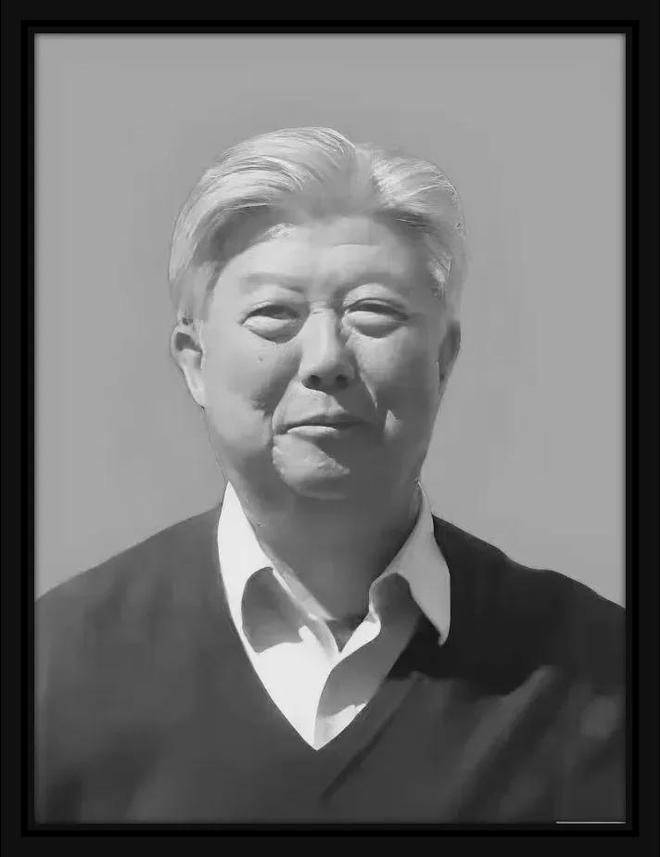
著名啤酒专家顾国贤病逝,享年88岁
Xin Lang Cai Jing· 2026-02-09 09:12
顾国贤是中国著名的啤酒专家。公开资料介绍,顾国贤教授几十年来主要从事酶制剂和酒类酿造研 究与开发,注重理论与实践相结合,重视和关心啤酒企业发展。他积极提倡和推广"无氧酿造"、"无菌 酿造"及"两罐发酵"等先进技术,对中国啤酒行业的发展做出了杰出贡献。先后荣获国家技术进步一等 奖、国家优秀科技成果奖、河南省星火计划一等奖等奖项。 顾国贤还曾担任中国酿酒协会啤酒分会副理事长,中国啤酒专业协会副会长,中国普通高校轻工类 教学指导委员会委员。主编《酿造酒工艺学》、《啤酒工艺化学基础》,参编《啤酒工艺手册》、《酒 精与蒸馏酒工艺学》,译著《麦芽与啤酒蛋白质理论和实践》等著作。 著名啤酒专家、江南大学教授顾国贤病逝,享年88岁 【中国国际啤酒网】据江南大学方面发布的讣告,原生物工程学院教授顾国贤同志,因病医治无 效,于2026年2月5日不幸去世,享年88岁。 ...