
商业服务

Search documents
爱沙尼亚2025年第三季度服务进出口同比增长12.4%
Shang Wu Bu Wang Zhan· 2025-12-02 17:21
Core Insights - Estonia's service trade total reached €6.4 billion in Q3 2025, reflecting a year-on-year growth of 12.4% [1] - Service exports amounted to €3.62 billion, up 11.8% year-on-year, while imports were €2.785 billion, increasing by 13.2% [1] - The service trade surplus stood at €830 million [1] Summary by Category Service Exports - The highest service export category was business services, totaling €1.16 billion, accounting for 32.1% of total exports, with a year-on-year growth of 33% [1] - Telecommunications, computer, and information services exports reached €800 million, representing 22% of total exports, with a growth of 2% [1] - Transportation services exports were €680 million, making up 18.8% of total exports, showing a decline of 1% [1] - Tourism services exports totaled €530 million, accounting for 14.7% of total exports, with a growth of 9% [1] Service Imports - Business services led imports with €980 million, comprising 35% of total imports, and a significant year-on-year increase of 38% [1] - Transportation services imports were €620 million, representing 22.3% of total imports, with a decline of 3% [1] - Telecommunications, computer, and information services imports reached €490 million, accounting for 17.7% of total imports, with a growth of 7% [1] - Tourism services imports totaled €460 million, making up 16.6% of total imports, also growing by 7% [1] Trade by Region - Service exports to EU countries constituted 68.5% of total exports, with a year-on-year increase of 15% [2] - Major export partners included Finland (14.1%), Germany (9.4%), and the United States (7%) [2] - Service imports from EU countries accounted for 71.7% of total imports, increasing by 14% year-on-year [2] - Key import partners were Lithuania (7.7%), Finland (7.4%), and Germany (6.7%) [2]
迪拜与马来西亚经济合作加速发展
Shang Wu Bu Wang Zhan· 2025-12-01 16:27
Core Insights - The economic cooperation between Dubai and Malaysia is rapidly developing, with a significant increase in Malaysian companies registered in Dubai [1] Group 1: Company Registration - As of the end of September, there are 318 Malaysian companies registered with the Dubai Chamber, with 73 of these being newly registered this year, indicating strong confidence from Malaysian businesses in Dubai [1] Group 2: Areas of Cooperation - The primary areas of cooperation between Dubai and Malaysia are focused on financial services, followed by software and information technology, food and beverage, business services, and consumer goods [1]
北京老字号工匠队伍扩容至150人,老中青三代共同传承匠心
Xin Jing Bao· 2025-11-28 08:52
Core Insights - The event "Guarding Tradition and Continuing Craftsmanship: 2025 Beijing Time-honored Craftsman Award Ceremony" was held, awarding 25 new craftsmen, bringing the total number of Beijing time-honored craftsmen to 150, which enhances the talent pool for the inheritance of traditional skills and brand innovation [1] Group 1 - The event was guided by four departments including the Beijing Municipal Bureau of Commerce and organized by the Beijing Time-honored Brand Association, establishing a standardized mechanism for selecting craftsmen since 2019 [1] - The selection process has evolved from initially recognizing 20 leading figures in intangible cultural heritage to now encompassing over 150 craftsmen across various fields such as catering, food processing, cultural arts, commercial services, pharmaceuticals, and garment manufacturing [1] - The 150 craftsmen represent over a hundred time-honored enterprises, with an age range from 31 to 82, creating a talent ladder that includes seasoned experts, core practitioners, and innovative young inheritors [1] Group 2 - The newly recognized craftsmen each showcase unique characteristics that reflect the development philosophy of "guarding tradition and innovating," with examples including Fu Boyang revitalizing the century-old Jixiang Theater and Xie Daoyun innovating traditional pastry techniques at Beijing Daoxiangcun [2] - The event featured a special exhibition area showcasing limited edition products from over ten time-honored brands, allowing attendees to experience the unique charm of traditional craftsmanship through live demonstrations [2] - Craftsmen like Li Lanyue and Liu Chunxiu demonstrated traditional skills, such as making horse-shaped qipao buttons and the entire process of handcrafting incense, providing a close-up experience of traditional arts [2]
以赛为媒筑巢引凤 绘就城市服务新图景
Zhong Jin Zai Xian· 2025-11-27 11:29
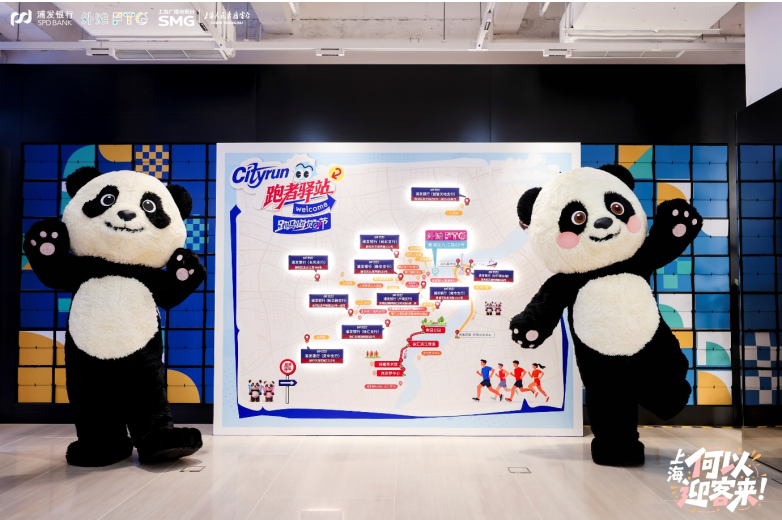
Core Insights - The event themed "How Shanghai Welcomes Guests" aims to enhance Shanghai's status as an international service benchmark city, gathering representatives from various sectors to discuss service, ecology, and responsibility [1] Group 1: Event Overview - The event took place on November 27 at the Bund FTC, coinciding with the upcoming 2025 Shanghai Marathon, with notable attendees from finance, government, and cultural sectors [1] - The Bund FTC is being positioned as a global visitor "preferred destination," with initiatives launched to enhance visitor experience [3] Group 2: Financial Services Initiatives - SPDB (Shanghai Pudong Development Bank) has introduced a range of exclusive financial products for marathon participants, including customized debit and credit cards, and special savings accounts for running enthusiasts [3] - The bank's branches near the marathon route are being upgraded to provide services such as free baggage storage, emergency charging, and medical consultations, transforming them into service hubs for runners [3] Group 3: Economic and Consumer Engagement - The "Run and Shop Festival" was launched to convert short-term visitor traffic from the marathon into long-term economic vitality for the city, promoting sectors like accommodation, tourism, and dining [4][5] - The festival integrates various resources to create a comprehensive discount network, connecting 456 food brands and 7,700 offline stores, thereby enhancing consumer engagement [5] Group 4: Collaborative Discussions - The event featured discussions among industry leaders on how to effectively respond to the question of "How to Welcome Guests," emphasizing the importance of detail, ecological sustainability, and warmth in service [6] - A consensus emerged on the need for collaboration between government and enterprises to enhance the visitor experience, focusing on quality service and detail-oriented approaches [6]


河南省零工市场专场招聘会明日举行
Zheng Zhou Ri Bao· 2025-11-27 01:00
Group 1 - The core event is the "Gig Job" recruitment fair organized by the Henan Gig Market and the Zhengzhou Economic and Technological Development Zone, scheduled for November 28, which aims to connect job seekers with employers [1] - The recruitment fair will feature over 7,780 quality job positions across various sectors, including IT, biomedicine, finance, logistics, manufacturing, environmental technology, and cultural media, providing a wide range of options for job seekers with different professional backgrounds [1][2] - Participating companies include notable firms such as Food Creation Space Technology Development Co., Ltd., Henan Tianyu Environmental Engineering Co., Ltd., and Zhengzhou Xindong Entertainment Culture Media Co., Ltd., among others [2] Group 2 - The job positions available will range from entry-level to mid and senior management roles, covering areas such as administration, finance, procurement, customer service, and technical positions, catering to diverse employment needs [2] - The recruitment fair will also feature unique activities, including a live audition for short drama actors and free training in handcraft skills, aimed at enhancing job seekers' employability and providing them with additional skills [2]
价值千万的教训:香港公司转股,这个细节可能毁掉您的上市梦
Sou Hu Cai Jing· 2025-11-21 01:41
各位企业主都知道,香港公司股份转让是常见的商业操作。但您是否清楚——转股对价的设定,可能在 未来让您付出惨痛代价? 最近我们接手一个紧急案例:某客户2023年通过其他代理办理转股,将200万普通股以1港币"象征性"转 让。结果在需要审计报告时,因公司实际拥有七位数资产,转股价值严重不符,审计师拒绝签署。我们 团队耗费大量时间重新准备文件,才帮客户化解危机。 虽然从法律上说,转股对价是商业决定,但随意设定可能带来三大风险: 上市计划可能搁浅 香港上市审批极其严谨,如发现转股对价被刻意压低,整个上市申请可能被拒。监管机构会严格审查历 史转股是否符合当时股份价值。 我们的回答是:不可以,也不应该。 如果公司有实际业务、资产或未来有上市计划,转股对价必须合理反映公司价值。单纯为了"省 事"或"省钱"而随意设定转股对价,后续补救成本可能远超当初节省的费用。 选择专业服务,规避潜在风险 我们理解企业有时需要快速完成转股,但专业与负责永远排在第一位。我们的做法: 合理设定转股对价,符合监管要求; 完整准备转股文件,确保合法合规; 提供专业税务建议,优化整体方案。 审计报告无法出具 审计师会核查所有转股文件。若发现转股价值与 ...
就业企稳掣肘降息——9月美国非农数据解读【陈兴团队•财通宏观】
陈兴宏观研究· 2025-11-21 01:04
Group 1 - The core viewpoint of the article highlights a stabilization in the labor market, with non-farm employment increasing by 119,000 in September, although previous months' figures were revised down by a total of 33,000 [2][18] - The unemployment rate rose slightly to 4.4%, primarily due to an increase in the labor participation rate, indicating more individuals are re-entering the workforce [7][18] - The report indicates that the labor supply is exceeding demand, with job vacancies rising to 7.23 million, leading to a labor market that is gradually shifting towards oversupply [9][18] Group 2 - Employment growth in September was mainly supported by the education, healthcare, and leisure sectors, with government and construction jobs seeing the largest increases [4][18] - Wage growth has shown signs of slowing, with average hourly earnings increasing by only 0.2% month-over-month and remaining stable at 3.8% year-over-year [11][18] - The construction and education/healthcare sectors experienced the most significant declines in wage growth, each decreasing by approximately 0.4 percentage points [13][18] Group 3 - The actual wage growth, adjusted for inflation, saw a slight decline, with real hourly earnings increasing by 0.7% year-over-year in August, down by 0.5 percentage points from the previous month [16][18] - The Federal Reserve's decision-making regarding interest rate cuts in December has become more uncertain, as this report serves as the last employment data before the December FOMC meeting [18]

澳洲会计师公会调查:中国内地人工智能应用激增,财会人才需求加速转型
Guo Ji Jin Rong Bao· 2025-11-20 12:32
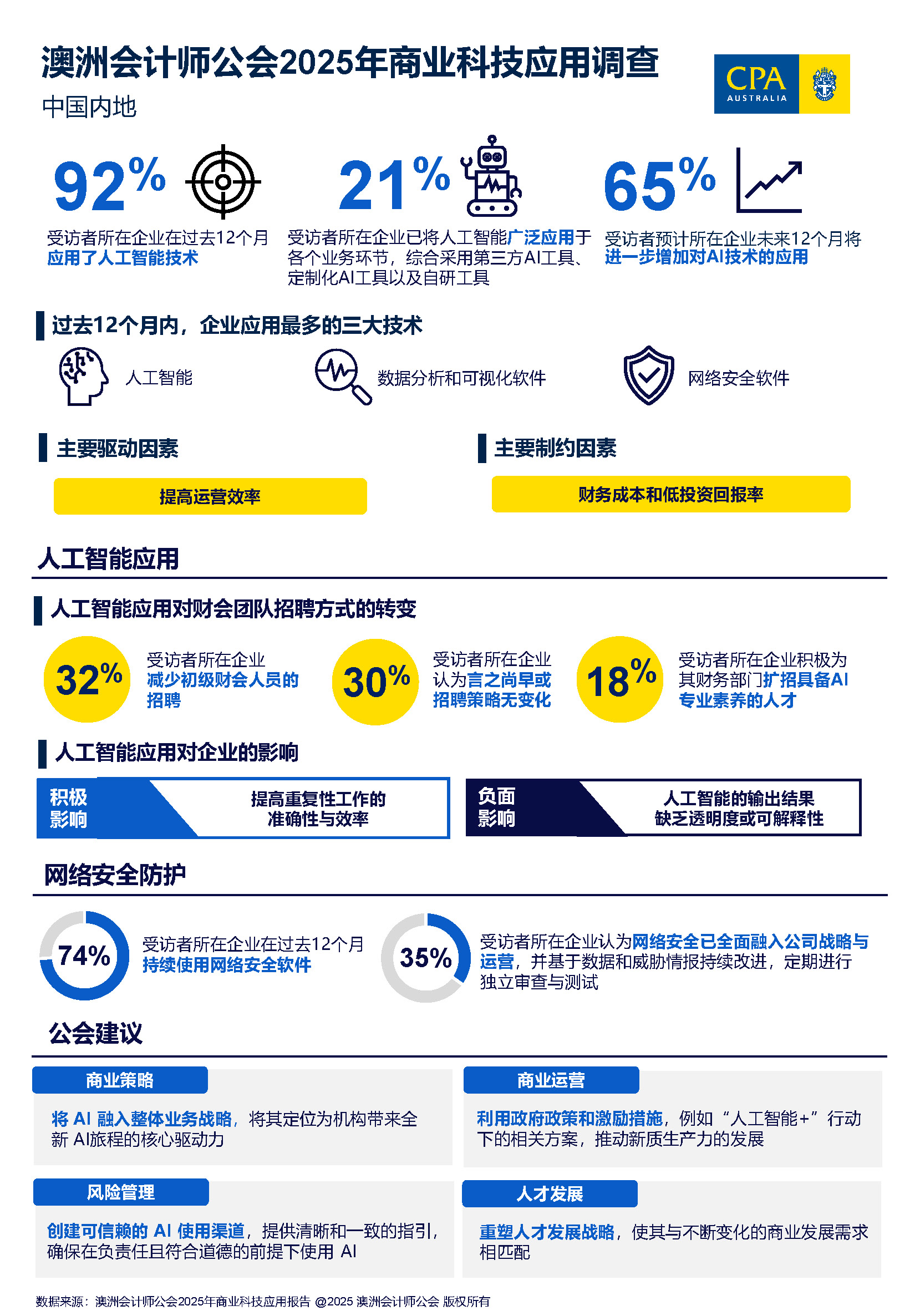
Core Insights - The application and maturity of artificial intelligence (AI) in mainland China have significantly increased over the past year, reshaping the core skill requirements in the accounting field and driving talent transformation [1][4] - Companies are increasingly focused on the return on investment (ROI) from AI projects, reflecting a more pragmatic approach to technology application [1][4] Group 1: AI Adoption and Trends - AI, data analytics, and cybersecurity software are the top three technologies adopted by mainland Chinese enterprises in the past year [4] - 92% of respondents from mainland China reported using AI tools like DeepSeek, a significant increase from 72% in the previous year [4] - 21% of respondents indicated that AI is widely integrated into various business processes, up from 9% in the last survey, making it the highest among all surveyed markets [4] - 65% of respondents expect their companies to further increase AI technology applications in the next 12 months, a rise of 17 percentage points from the previous survey [4] Group 2: Human Resource Strategies - 32% of respondents noted that their companies reduced hiring for junior accounting positions due to the proliferation of AI applications, while 18% are actively recruiting talent with AI expertise [5] - The demand for hybrid talent with both traditional accounting knowledge and technological skills is increasing, as companies seek to empower digital transformation [5] - Employers are encouraged to enhance or retrain existing employees' technological skills to adapt to the evolving workplace [5] Group 3: Investment and ROI Challenges - Approximately 40% of respondents indicated that the ROI from technology investments is low, particularly among small and medium-sized enterprises (SMEs) [7] - Companies are advised to clearly define their core business challenges before investing in new technologies and to consult with technology experts for tailored solutions [7] - SMEs should prioritize technology solutions that enhance core business functions and adopt phased investment strategies to ensure alignment with strategic goals [7] Group 4: Cybersecurity Concerns - 74% of respondents reported ongoing use of cybersecurity software, with 35% integrating cybersecurity into their overall business strategy [7][8] - The rise of generative AI and other public large language models has increased data breach risks, necessitating heightened employee awareness and responsible AI usage [8] - Companies are encouraged to regularly assess and update their cybersecurity measures to mitigate evolving threats, with options like security operation centers being viable solutions [8]
一键玩转“吃住行游购娱” 丰台发布数字化全域消费示范平台
Sou Hu Cai Jing· 2025-11-18 03:37
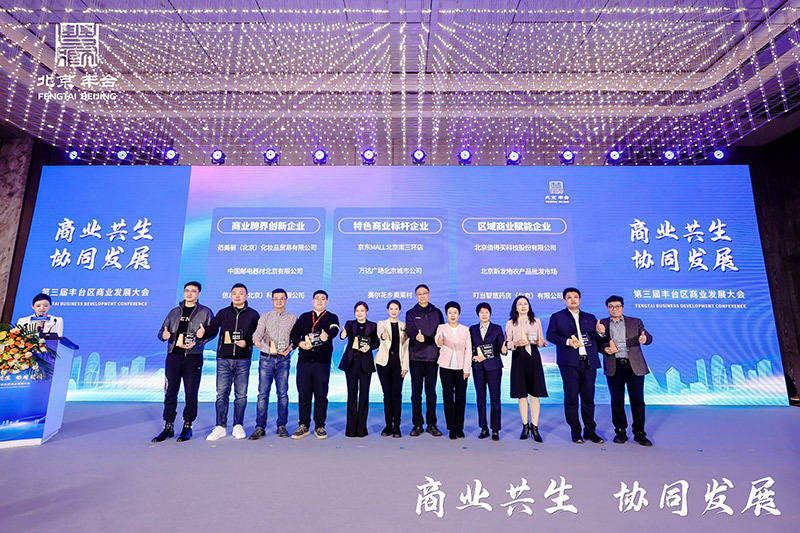
Core Insights - The third Fengtai District Commercial Development Conference was held, introducing the first comprehensive regional consumption platform in Fengtai, allowing consumers to access local merchant benefits and activities through a WeChat mini-program [1][5] - The conference focused on the theme of "Commercial Coexistence and Collaborative Development," with participation from over 120 commercial brands and various industry associations, aiming to promote the upgrade of the regional commercial ecosystem [1][3] Group 1: New Consumption Initiatives - Fengtai District is advancing 28 pilot projects related to new consumption scenarios and business models, focusing on the development of a service system for the first-release economy and innovative multi-service consumption scenarios [3][5] - Nine outstanding enterprises were awarded special titles for their contributions in the "three new" areas, highlighting the district's strategic cooperation with quality brands [3][5] Group 2: Digital Consumption Platform - The "Exciting Consumption in Fengtai" digital consumption demonstration platform was launched, designed to connect consumers with quality resources efficiently, featuring over 1,717 registered businesses [5][6] - The platform aims to enhance consumer experience by providing access to local merchant benefits, consumption maps, and popular event queries through a single interface [5][6] Group 3: Commercial Space Availability - A display area for vacant commercial spaces was set up at the conference, showcasing over 600,000 square meters of rentable space across various districts, catering to diverse business needs [6] - Notable projects include the Xiaowayao Industrial Park, offering 145,000 square meters for commercial and office use, and the Xiguotao Auto Service Base, providing 8,100 square meters for automotive-related businesses [6]

北交所策略专题报告:北交所开市四周年:专精特新“沃土”深耕不辍,打造新质生产力“新引擎”
KAIYUAN SECURITIES· 2025-11-16 12:44
Group 1 - The report highlights that the Beijing Stock Exchange (BSE) has evolved from a "testing ground" to a main battleground for specialized and innovative enterprises, with 282 listed companies and a total market capitalization of 900.835 billion yuan as of November 14, 2025 [2][12][14] - Among the listed companies, 254 are classified as specialized and innovative "little giants," accounting for 90.07% of the total, with 152 being national-level little giants [2][33] - The report identifies key industry chains within the BSE, including smart connected new energy vehicles, hydrogen energy, new materials, innovative pharmaceuticals, and artificial intelligence [2][38] Group 2 - The BSE's market performance shows a decline in the North BSE 50 index, which reported 1,514.20 points, with a TTM PE ratio of 71.80X, while the specialized and innovative index reported 2,500.55 points with a TTM PE of 80.59X [3][62][66] - The average market capitalization of BSE companies is lower than that of the ChiNext and STAR Market, with the average market cap at 31.94 million yuan compared to 126.11 million yuan and 175.43 million yuan respectively [22][23] - The report notes that the liquidity of the BSE has improved, with the turnover rate now higher than that of the STAR Market and slightly above the ChiNext [41][42][47] Group 3 - The report indicates that the IPO review process is active, with two companies approved and three pending approval, reflecting a steady increase in the number of companies entering the market [3][28] - The report emphasizes the growing interest from public funds in the BSE, with 39 public institutions investing in BSE stocks by mid-2025, marking a significant increase in both the number of institutions and the amount invested [45][46] - The BSE is expected to enhance its index system and introduce the North BSE 50 ETF, which could further improve liquidity and attract more institutional investors [50][51]