
户外运动

Search documents
广东户外运动人口达3000万 把握机遇紧扣“新”字谋发展
Xin Lang Cai Jing· 2025-12-26 05:40
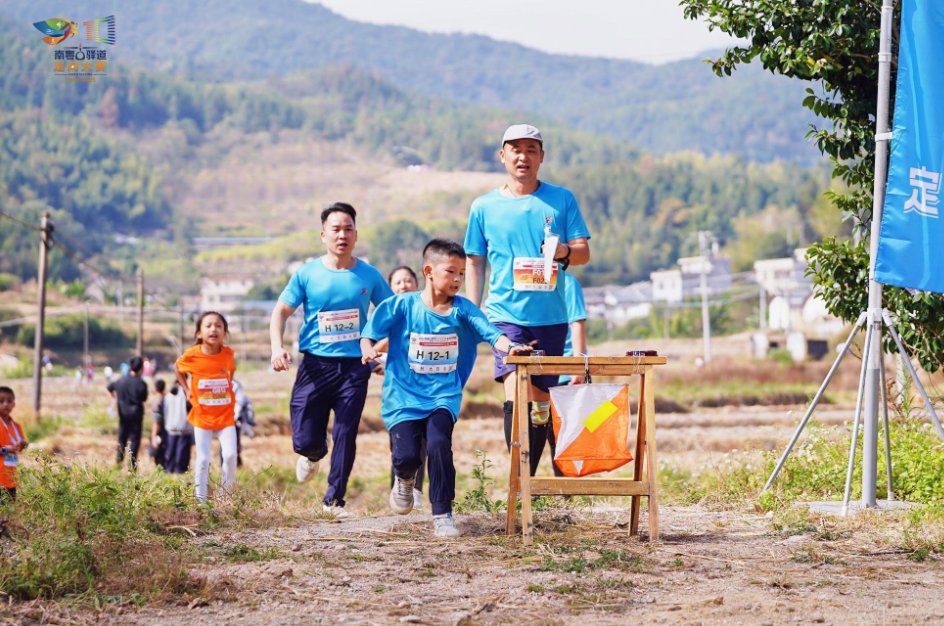
Core Insights - The outdoor sports industry in China is projected to exceed 3 trillion yuan by 2025, with Guangdong province playing a significant role in this growth due to policy support and market demand [1] - The number of people regularly participating in outdoor sports in Guangdong has reached 30 million, contributing to an industry scale of 300 billion yuan [1] Group 1: Industry Development - The Guangdong Outdoor Sports Association was established in January 2017 and has been promoting outdoor sports through various initiatives, including the South Guangdong Ancient Trail Orienteering Competition [3] - The association has modified its charter to expand the range of sports activities, now including marathon, triathlon, mountain climbing, and various water and aerial sports [3][4] - Outdoor sports are recognized as a crucial part of mass sports, contributing to national health and economic strategies, and there is a growing demand for talent in this sector [4] Group 2: Growth Opportunities - The rapid development of outdoor sports in Guangdong is supported by increasing participation, a diverse supply of products, improved facilities, and a robust policy framework [4] - The province is positioned to leverage favorable conditions for high-quality development in outdoor sports, indicating a promising future for the industry [4]

怒刷200亿流量“紧急叫停”,荒野求生太难了
3 6 Ke· 2025-12-22 12:07
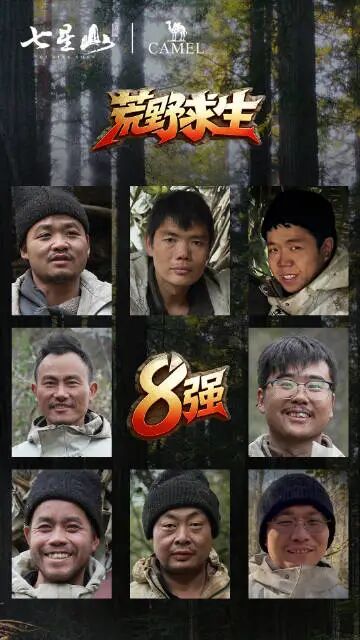
Core Insights - The second "Qixing Mountain Wilderness Survival Challenge" concluded, leading to a significant increase in hotel occupancy rates and local agricultural sales, while creating new job opportunities in outdoor survival coaching [1][16] Group 1: Event Overview - The event garnered nearly 20 billion online views, showcasing a raw and unedited portrayal of survival, contrasting sharply with polished international survival shows [1][3] - Participants, primarily ordinary individuals, faced primitive survival tasks in a challenging environment, leading to a unique viewing experience [3][5] Group 2: Safety and Environmental Considerations - A comprehensive safety system was implemented, including real-time monitoring and medical support, ensuring zero safety incidents during the event [7][8] - Environmental protection was integrated into the competition rules, with a fund allocated for ecological restoration post-event [10][8] Group 3: Economic Impact - The event significantly boosted local tourism, with hotel occupancy rates nearly doubling and agricultural sales exceeding 8 million [16] - The event also created 120 new jobs related to outdoor survival and ecological guidance, enhancing the local economy [16] Group 4: Brand and Participant Benefits - The sponsoring brand "Camel" experienced a surge in visibility, with sales skyrocketing during promotional events, demonstrating effective brand integration [14][16] - Participants gained not only monetary rewards but also long-term benefits such as free access to local attractions and increased social media presence, leading to new business opportunities [11][13] Group 5: Future Implications - The success of the event has sparked interest in replicating similar events across China, though caution is advised regarding safety and environmental standards [18][20] - The desire for authentic experiences in outdoor activities reflects a broader trend in consumer behavior, emphasizing the importance of unique storytelling in future events [22][21]
惠州“环两山”,一条路“跑”出一个融合型乡村振兴样本
Nan Fang Du Shi Bao· 2025-12-22 06:55
Core Insights - The newly opened 218-kilometer demonstration road in Huizhou has catalyzed a multi-faceted rural revitalization experiment, impacting sports, manufacturing, and agriculture since its opening in June 2025 [1][2] - The road has facilitated the relocation of the headquarters of the company Mofang from Shenzhen to Huizhou, highlighting its significance in unlocking local resources [1] Group 1: Impact on Local Industries - The road has served as a probe for discovering local industries, particularly in sports equipment manufacturing, where Huizhou has several high-market-share companies that are not well-known domestically [2] - A local company produces pure carbon fiber electric bicycles, capturing over 50% of the market share in Germany and Japan, with a selling price exceeding 2,000 euros [2] - The opening of the road has led to a significant increase in occupancy rates of high-end accommodations along the route, with rates nearing full capacity by October, alongside growth in surrounding retail and dining sectors [2] Group 2: Public Accessibility and Community Engagement - The project emphasizes public accessibility, with 39 outdoor sports projects planned, including free access to 3D running and trail running routes along the road [3] - The revenue model focuses on professional services and event operations, while maintaining a commitment to public service and accessibility [3] - The initiative aims to create a "shared sports park" for the community rather than a closed-off tourist attraction [3] Group 3: Agricultural Innovation - The founder's passion for brewing has introduced a unique cultural and industrial dimension to the project, with plans to use local fruits for brewing, enhancing the value-added potential of local agricultural products [4] - The team has successfully brewed trial products like mango and lychee beers, with plans to open tasting sessions for visitors in January [4] - The long-term vision includes promoting brewing techniques to local villagers and developing a geographical brand for "Luofu Mountain," potentially creating a unique local whiskey using regional ingredients and methods [4] Group 4: Sustainable Development Model - The approach is characterized as "soft development," which relies on a road as a medium to connect local industries, natural resources, and cultural assets, focusing on light operations and strong experiences for sustainable growth [5] - The project exemplifies a model where local manufacturing, products, and public life interact synergistically, benefiting residents and attracting tourists [6]
1年闭店37%,新能源汽车逃离购物中心
首席商业评论· 2025-12-21 04:33
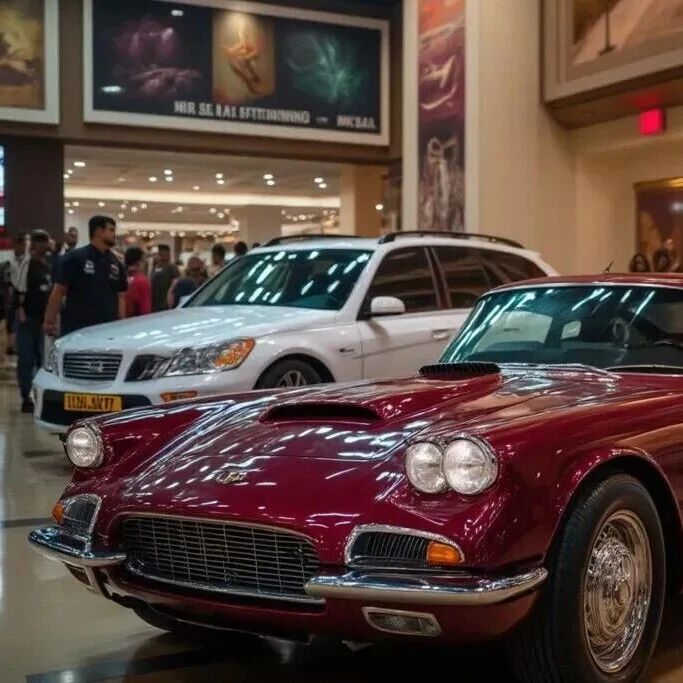
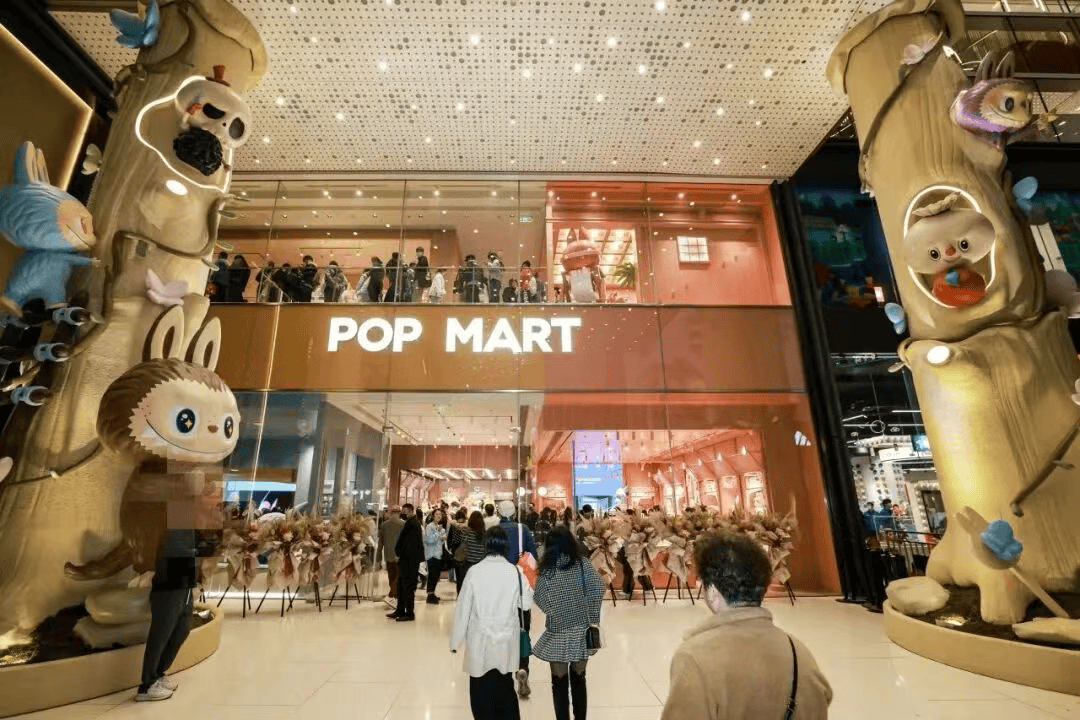
Core Viewpoint - The article discusses the shift in the automotive retail landscape in China, particularly the retreat of electric vehicle (EV) brands from shopping centers in first and second-tier cities, and their focus on expanding into lower-tier markets [6][8][10]. Group 1: Withdrawal of EV Brands - Many EV brands, including Tesla and NIO, initially established a presence in prime shopping locations to reach consumers but are now retreating due to intense competition and low profitability [7][8]. - The number of EV stores in shopping centers has decreased by 37% year-on-year in 2024, with over 70% of closures attributed to smaller brands like Neta and Leap Motor [8][10]. - Major brands are adapting by closing stores in core urban areas and shifting to service centers in suburban locations, reducing operational costs significantly [10]. Group 2: Expansion into Lower-Tier Markets - The competition has shifted from first and second-tier cities to third and fourth-tier cities, where price and test drive experiences are crucial for survival [8][10]. - Sales of EVs in third and fourth-tier cities have increased, accounting for over 45% of total sales in 2024, a 12 percentage point increase from the previous year [10]. - Brands like Leap Motor and Xpeng are successfully implementing new retail models in these markets, such as community-based stores and service stations along highways [10]. Group 3: Rise of Tech Companies - Companies like Huawei and Xiaomi are expanding their presence in the EV market, leveraging their technology and ecosystem to attract consumers [11][14]. - Huawei's sales of its EV brand, AITO, reached 81,900 units in November, marking a historical high [12]. - Xiaomi has also entered the top ten in EV sales, with plans to deliver over 400,000 vehicles in 2025, supported by a strong retail presence in key urban areas [14]. Group 4: Transformation of Shopping Centers - The departure of EV brands from shopping centers has allowed for the rise of new consumer categories, including trendy toys, outdoor sports, and new tea beverages [16][18][19]. - Brands like Pop Mart and Lululemon are taking over prime retail spaces, reflecting a shift in consumer preferences towards experiential and lifestyle products [16][18]. - The rapid growth of tech and digital brands in shopping centers indicates a significant transformation in consumer behavior and retail strategies [20].


专家解读广东农文旅27条:从相加到相融,打造全国样板
Nan Fang Du Shi Bao· 2025-12-20 05:57
Core Insights - The article discusses the recent measures introduced by Guangdong Province to promote the high-quality integration of agriculture, culture, and tourism (农文旅融合), aiming to transform rural areas into outdoor sports havens, digital immersive theaters, and wellness travel destinations. Group 1: Policy Measures - Guangdong's "Hundred Counties, Thousand Towns, and Ten Thousand Villages High-Quality Development Project" has issued 27 action guidelines to enhance the integration of agriculture, culture, and tourism [1] - The measures indicate a shift from pilot exploration to systematic promotion across the province, emphasizing a transition from traditional models to a multi-value chain integration [1][2] - The focus is on creating a nationally leading and globally recognized model for the deep integration of agriculture, culture, and tourism, showcasing Guangdong's unique characteristics and cultural richness [1] Group 2: Development Strategies - The measures advocate for the full integration of agriculture, culture, and tourism by breaking down industry boundaries and activating resource elements [3] - Specific strategies include developing high-quality immersive cultural tourism projects that incorporate local cultural elements, enhancing historical and cultural sites, and promoting non-heritage workshops [3] - The document encourages the development of leisure activities such as agricultural sightseeing, fishing experiences, and cultural tourism, while also enhancing rural tourism routes [3] Group 3: Health and Wellness Focus - The integration of agriculture, culture, and tourism is extending into wellness tourism, with encouragement for the development of health tourism bases and eco-friendly wellness products [4] - The Guangzhou area is highlighted as a model for multi-industry integration, focusing on wellness, culture, and agriculture to create high-quality wellness vacation products [4] Group 4: Market-Driven Innovation - The measures emphasize a market-oriented approach to developing tourism experiences, shifting from a supply-driven model to one that responds to market demands [7] - Initiatives include promoting local cuisine through campaigns like "Hundred Counties, Thousand Bowls" to enhance the culinary tourism experience [8] Group 5: Cultural and Historical Resource Activation - The measures propose revitalizing local cultural resources by developing unique performance spaces and themed tourism projects, as well as utilizing industrial heritage for tourism [9] - The integration of digital technology is highlighted as a means to enhance the visitor experience, with examples of AR and VR applications in tourism [10] Group 6: Branding and Promotion - The measures outline plans for branding and promoting the integration of agriculture, culture, and tourism, including the establishment of demonstration benchmarks and unique local activities [10][11] - The "Media+" initiative aims to create engaging content to attract diverse consumer groups and enhance the visibility of rural tourism projects [11]
消费出海下半场:从“中国供给”到“全球品牌”|直击新消费大会
2 1 Shi Ji Jing Ji Bao Dao· 2025-12-19 12:12
Core Insights - The "New Consumption Conference" highlighted the trend of Chinese brands expanding internationally, with a focus on brand and cultural globalization as a core strategy for growth [1][2] - The conference discussed whether going global is a necessary path for companies or a strategic choice that requires careful consideration [1] - The growth opportunities presented by international markets are a significant attraction for companies looking to expand [2] Group 1: Reasons for Going Global - Chinese brands are increasingly seeking to expand internationally as their domestic market capabilities reach saturation, transitioning from seeking initial profits to leveraging their established competencies [1][2] - The need for Chinese brands in the global market is evident, as international consumers are increasingly recognizing and requiring Chinese products [2] - Companies like MOVA have set global market entry as a strategic goal from their inception, indicating a shift towards long-term global competitiveness [3] Group 2: Challenges and Strategies - Establishing a global brand is challenging, with the primary hurdle being consumer understanding and acceptance of "Brand from China" [3][4] - Companies must adapt their products and branding strategies to local markets, as relying solely on product offerings can lead to vulnerability in competitive pricing environments [4] - The lifecycle of international expansion involves initial market intelligence gathering, followed by operational integration with local suppliers and customers [4] Group 3: Market Trends and Future Outlook - Southeast Asia is becoming a key market for Chinese brands, with Malaysia and Vietnam identified as primary targets for expansion [4] - The trend of Chinese brands going global is evolving from an optional strategy to a necessary capability, emphasizing the importance of product localization and operational depth [4] - The future of international expansion will require companies to build local supply chains and adapt to regional consumer preferences to ensure sustainable growth [4]
冰天雪地,如何乐享户外运动
Ren Min Ri Bao· 2025-12-19 05:24
Group 1: Winter Sports Safety Guidelines - The article emphasizes the importance of preparation and knowledge for safely enjoying winter sports like skiing and winter swimming [2][3][4] - For skiing, it is recommended to choose appropriate equipment, such as skis that are 10-15 cm shorter than the skier's height, and to wear essential protective gear including helmets and goggles [3] - New skiers should start on gentle slopes and learn to control speed and direction before attempting more advanced trails, maintaining a proper posture while skiing [3][6] Group 2: Winter Swimming Precautions - Winter swimming can effectively enhance cardiovascular health and immune function, but it is not suitable for everyone; health screenings are advised before participation [4][5] - Swimmers should gradually acclimate to cold water temperatures and limit their time in water below 14 degrees Celsius to 14 minutes, reducing time as temperature decreases [5] - Post-swimming, it is crucial to dry off in a specific order and consume warm drinks to help restore body temperature [5] Group 3: Outdoor Hiking Recommendations - For winter hiking, a layered clothing approach is recommended, with moisture-wicking base layers and insulated middle layers to retain heat [6] - Proper footwear with good traction is essential, and hikers should consider using ice grips and trekking poles for stability [6][7] - High-calorie foods and hot drinks are advised for energy, and carrying emergency gear such as thermal blankets and GPS devices is recommended [6][7] Group 4: Snow Blindness Awareness - Snow blindness, caused by UV exposure in snowy environments, can lead to temporary eye inflammation and requires preventive measures such as wearing UV-protective goggles [7] - Symptoms include tearing, redness, and pain in both eyes, and treatment involves resting the eyes and using antibiotic eye drops if necessary [7]

专家解读广东农文旅27条:从相加到相融,打造全国样板丨品粤百千万
2 1 Shi Ji Jing Ji Bao Dao· 2025-12-18 07:17
Core Insights - The article discusses the recent measures introduced by Guangdong Province to promote the integration of agriculture, culture, and tourism (referred to as "农文旅融合") as part of the "百县千镇万村高质量发展工程" initiative, aiming to create a national model for high-quality development in this sector [1][3][4]. Group 1: Development Strategy - Guangdong's agricultural, cultural, and tourism development is transitioning from pilot exploration to systematic promotion across the province, indicating a shift towards institutionalization and comprehensive integration [1][2]. - The measures emphasize breaking down industry boundaries and activating resource elements to reconstruct rural value, focusing on full-domain and full-industry integration [3][4]. Group 2: Cultural and Tourism Integration - The measures propose deep exploration of Lingnan culture, integrating traditional agricultural and fishing practices, and developing high-quality immersive cultural tourism projects [3]. - There is a focus on enhancing historical and cultural sites, supporting the construction of themed tourism routes, and promoting intangible cultural heritage workshops [3][4]. Group 3: Health and Wellness Tourism - The integration of agricultural and cultural tourism extends to health and wellness, encouraging the development of coastal, hot spring, mountain, and lake tourism resorts, as well as traditional Chinese medicine health tourism bases [4]. - The Guangzhou area is highlighted as a model for multi-industry integration, focusing on wellness, culture, agriculture, and innovation [4]. Group 4: Market-Oriented Development - The integration of agriculture, culture, and tourism is seen as a potential pillar industry for counties, with a market-driven approach to developing products and experiences based on user needs [6]. - The measures advocate for innovative leisure experiences and brand promotion, including the "广东美食" initiative to enhance local culinary offerings [7]. Group 5: Digital Transformation - The application of digital technology is emphasized as a means to revitalize rural tourism experiences, with initiatives to enhance digital immersion in agricultural and cultural tourism projects [9]. - The measures include promoting the use of virtual reality (VR) and augmented reality (AR) technologies to create new immersive experiences [9]. Group 6: Media and Promotion - The "媒体+" initiative aims to enhance the promotion of agricultural, cultural, and tourism integration through various media campaigns, including short videos and thematic storytelling [10]. - This approach is designed to respond to the trends of instant and fragmented cultural consumption, helping to consolidate rural projects into recognizable brand clusters [10].
逆势开大店,这些品牌在商场开出“经济上行期的美”?
Sou Hu Cai Jing· 2025-12-18 06:40
Core Insights - The essence of business is to create value that meets social needs while earning profits through reasonable transactions and operations. This principle applies to the expansion of brand stores in the market, where brands and distributors are generally cautious about store expansion amid rational consumer sentiment. However, some brands are still opening large stores in shopping centers despite the prevailing trend of store closures and market exits [1][2]. Group 1: Brand Expansion Trends - Pop Mart opened its largest flagship store in Shanghai on November 29, covering nearly 800 square meters, and has plans for more large stores in various shopping centers [4][10]. - Miniso is implementing a "big store strategy + global IP" expansion model, with new store formats like MINISO LAND and MINISO FRIENDS, focusing on immersive experience spaces [14][18]. - On has rapidly expanded its presence in the Greater Bay Area, opening its largest direct store in Hong Kong and a significant store in Guangzhou, reflecting a strong growth trajectory [41][46]. Group 2: Consumer Electronics Growth - The consumer electronics sector is experiencing rapid growth in offline retail, with the share of electronic products in Shanghai's retail market increasing from 21% in 2023 to 36% by Q3 2025 [21]. - Huawei opened over 1,400 stores in August and October 2025, including a 2,800 square meter smart living store in Hangzhou, showcasing a trend towards larger retail spaces [22][24]. - Xiaomi's sales have surged, with over 35,000 cars sold in November 2023 alone, supported by a significant increase in physical store openings [33][35]. Group 3: Outdoor Sports Market Dynamics - The outdoor sports industry in China is projected to reach a total scale of 852.6 billion yuan by 2025, with a 13.48% year-on-year growth in the outdoor products market [40]. - On has opened new stores in Guangzhou and Hong Kong, with plans for further expansion, indicating strong market demand and brand performance [41][47]. - Decathlon has launched its first outdoor concept store in Chengdu, focusing on specialized outdoor categories, which reflects a shift towards professional and segmented offerings in the outdoor market [48][51].
广东:发展生态康养度假,推进中医药健康旅游、森林康养基地等建设
Cai Jing Wang· 2025-12-18 02:39
Group 1 - The core viewpoint of the article emphasizes the promotion of integrated development across agriculture, culture, and tourism, with a focus on creating a comprehensive roadmap for high-quality development [1] - The measures include 27 specific actions aimed at enhancing the integration of agricultural, cultural, and tourism sectors, ensuring practical implementation and effectiveness [1] - The initiative aims to expand rural leisure functions by developing various activities such as rural sightseeing, agricultural experiences, and leisure fishing, while also promoting high-quality development of unique accommodations and educational experiences in rural areas [1] Group 2 - The measures propose the development of ecological health and wellness tourism, including the construction of coastal, hot spring, mountain, and lake resort areas, as well as traditional Chinese medicine health tourism and forest wellness bases [1] - There is a focus on enhancing outdoor sports by expanding new activities such as rural hiking, water sports, and mountain off-road racing, with plans to build high-quality outdoor sports destinations [1] - The article highlights the need for innovative and diverse leisure experience scenarios, including the promotion of local cuisine through initiatives like "Guangdong Cuisine" and the development of immersive experiences using technologies such as VR and AR [2]