
油菜籽

Search documents
中方一单不买,反倒下令加税100%!加拿大高官喊话要来中国,想当面求放过?
Sou Hu Cai Jing· 2025-10-03 17:34
Group 1: Canada-China Relations - Canada has shifted from a hardline stance against China to seeking reconciliation, as indicated by Prime Minister Trudeau's signals for dialogue and Foreign Minister Anand's upcoming visit to China [1][10] - The previous strategy aligned with the US "Indo-Pacific Strategy" led to significant tariffs on Chinese products, including a 100% tariff on electric vehicles and a 25% tariff on steel, which strained Canada-China relations [1][10] - The Canadian government is now under pressure to repair relations with China due to the economic fallout from these tariffs, particularly in the agricultural sector [10][11] Group 2: Economic Impact on Canada - China's retaliatory measures included imposing a 100% tariff on Canadian canola seeds and a 25% tariff on pork, severely impacting Canadian farmers and leading to significant financial losses [4][5] - The canola seed industry, which previously relied heavily on China, is facing a crisis with nearly 90% of its exports to China now at risk, resulting in average losses of tens of thousands of dollars per farmer [5][10] - The lack of support from the US, coupled with ongoing tariffs on Canadian steel and aluminum, has compounded the economic difficulties faced by Canada [5][10] Group 3: Strategic Lessons and Future Considerations - The trade conflict has highlighted the importance of diversifying trade partners, as China quickly turned to Australia for canola seed imports, demonstrating the risks of over-reliance on a single market [7][10] - Canadian businesses are advocating for improved trade relations with China to facilitate market expansion and economic growth, indicating a shift in the business community's perspective on foreign policy [11] - The current situation serves as a critical lesson for Canada regarding the consequences of aligning too closely with US policies at the expense of its own economic interests [11]

澳大利亚刚拿中国3亿订单,转头就在稀土问题上开火,打什么算盘
Sou Hu Cai Jing· 2025-09-27 07:47
Core Viewpoint - Australia is balancing a significant agricultural order with China while simultaneously engaging in a geopolitical confrontation over rare earth elements, raising questions about the sustainability of this dual approach [1][9][32] Group 1: Agricultural Trade - Australia is preparing to ship 540,000 tons of canola to China, a deal valued at over $300 million, which supports the livelihoods of approximately 12,000 Australian farmers [1][8] - The importance of the Chinese market for Australian agricultural exports is highlighted, as it plays a crucial role in the sector's economic stability [8][13] Group 2: Rare Earth Elements - Australia possesses substantial rare earth resources, but lacks the technology and infrastructure to process these materials effectively, relying on imports for key components [5][19] - Lynas Corporation, Australia's largest rare earth producer, struggles to establish a complete production line, with 30% of its separation equipment parts sourced from China [5][19] - China's dominance in rare earth refining, with over 90% of global capacity and advanced technology, poses a significant challenge for Australia in establishing an independent supply chain [3][5][27] Group 3: Geopolitical Dynamics - The U.S. Department of Defense's commitment to purchase 60% of Lynas's production presents a tempting opportunity for Australia, but the scale of U.S. orders pales in comparison to the Chinese market [11][29] - Historical precedents, such as Canada's experience with China after imposing tariffs, serve as a cautionary tale for Australia regarding the potential repercussions of antagonizing a major trading partner [13][29] Group 4: Economic Interdependence - The complex interdependence between Australia and China is underscored, with Australia's attempts to "have it both ways" potentially jeopardizing its agricultural exports [15][31] - China's recent export controls on key rare earth elements have already led to price increases, indicating the potential economic impact of Australia's confrontational stance [17][19] - The establishment of a traceability system for rare earths by China aims to prevent their use in activities that threaten national security, further complicating Australia's position [23][27] Group 5: Future Considerations - The ongoing geopolitical and economic tensions reflect broader changes in global supply chains, emphasizing the need for cooperation rather than confrontation [25][29] - Australia's strategy of trying to benefit from both the U.S. and China may ultimately backfire, as the interconnected nature of the global economy makes unilateral actions risky [31][32]
8国密谋反华,澳大利亚想对中国稀土开枪,54万吨油菜籽白买了?
Sou Hu Cai Jing· 2025-09-26 12:32
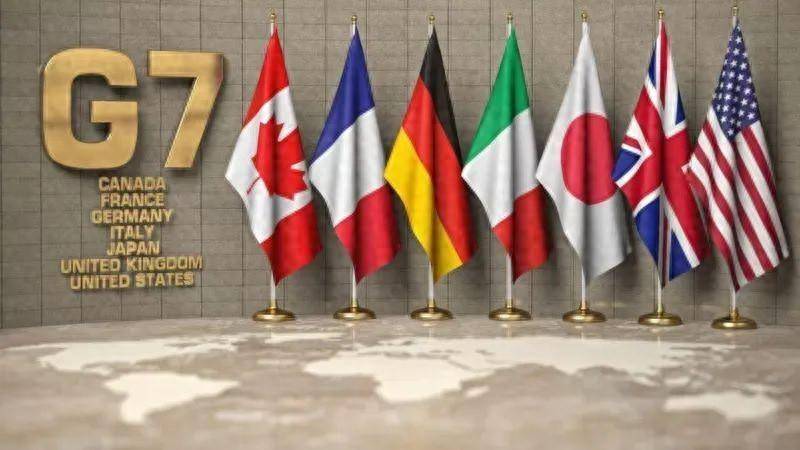
Group 1 - Australia, along with G7 and EU, is planning to impose restrictions on China's rare earth exports, including price floors and carbon taxes [2][4] - In April, China implemented export controls on heavy rare earths, leading to a strategic tug-of-war over global resources [2][4] - The G7's proposed measures are seen as ineffective due to China's dominance in rare earth processing, controlling 92% of global capacity [5] Group 2 - China's countermeasures include sanctions against U.S. companies and halting soybean purchases from the U.S., impacting American agriculture [7][9] - Australia previously exported a significant amount of canola to China, but now faces challenges as it aligns with G7 against China [13] - China's strengthening of agricultural cooperation with South American countries and its strategic resource initiatives indicate a shift in global resource control [16][19] Group 3 - The G7's plan appears to lack consensus and may backfire on Western economies, particularly affecting EU manufacturing [19] - The U.S.-China soybean trade has significantly declined, with a 22.7% drop expected in 2024, undermining U.S. leverage [21] - China's control over the rare earth supply chain positions it as a strategic player in the global market, challenging the effectiveness of G7's pricing strategies [21]

特朗普彻底着急,威逼30国对华动手,加拿大:正考虑取消对华关税
Sou Hu Cai Jing· 2025-09-13 08:44
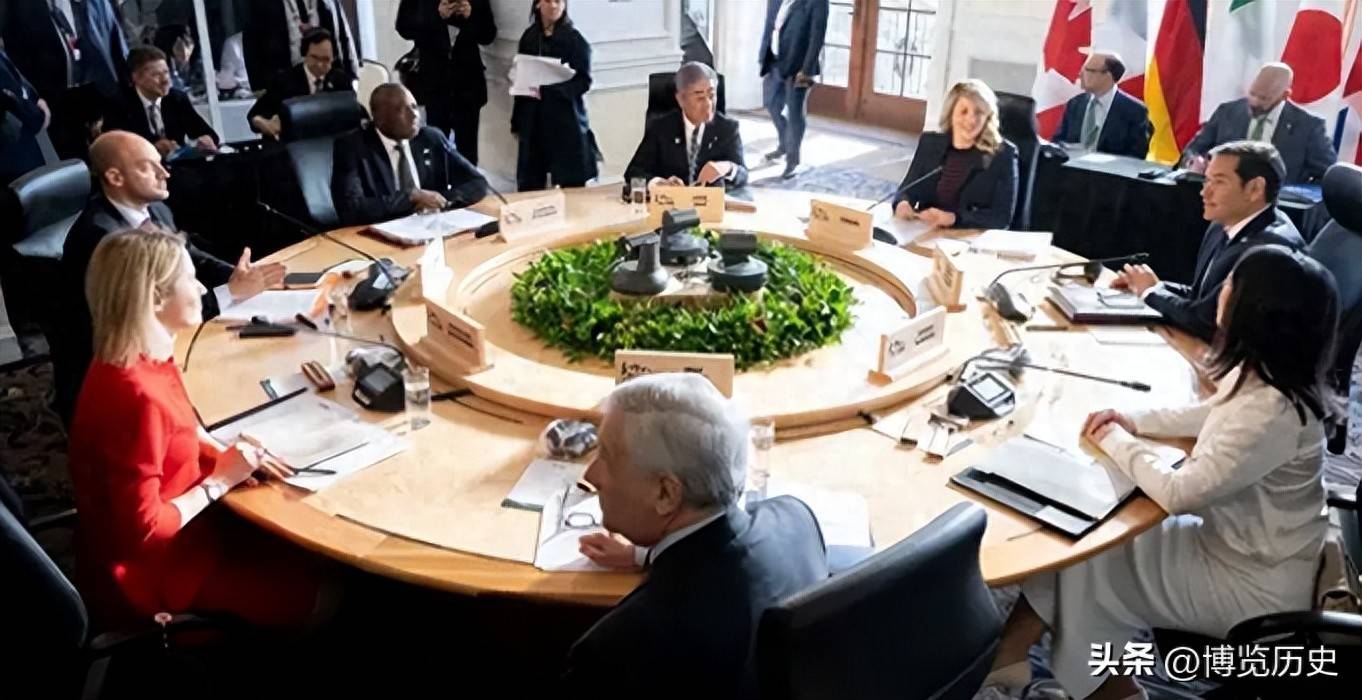
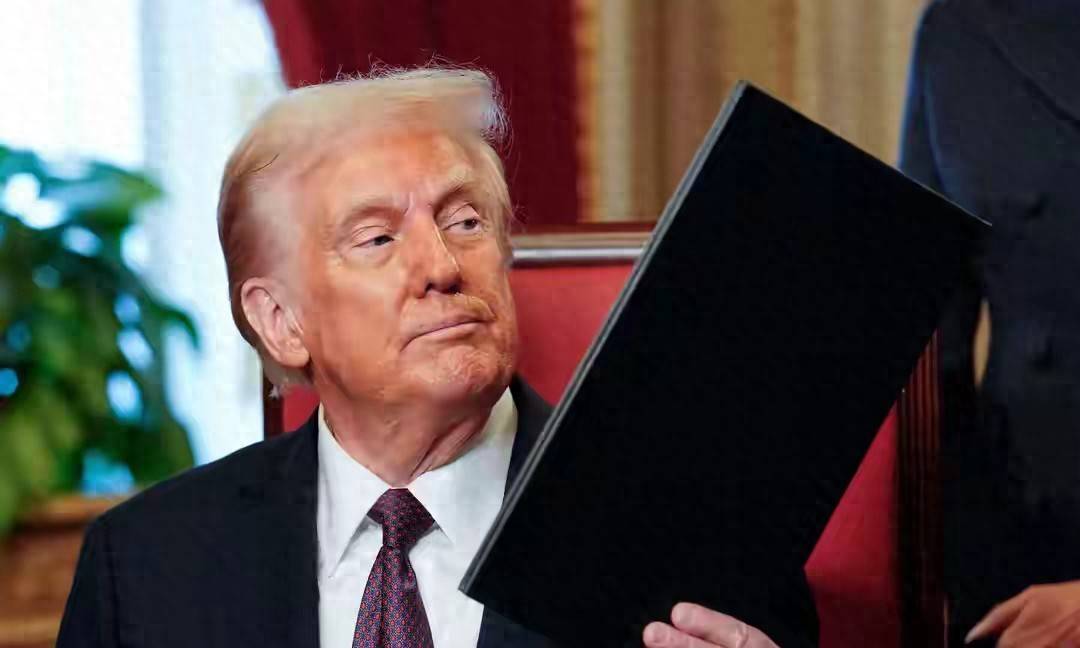
Core Viewpoint - The Trump administration is attempting to form a "tariff alliance" with over 30 countries, including G7 nations, to impose tariffs on Chinese goods, with some rates potentially reaching 100% [1][3][5] Group 1: Economic Strategy - The strategy is framed as a means to pressure China to sever ties with Russia, but it is fundamentally an economic containment strategy against China [1][3] - The U.S. has already begun pressuring EU countries to adopt a tougher trade policy towards China, aiming to create a Western-led tariff network against China [3][5] Group 2: Canada's Position - Canada initially announced a 100% tariff on Chinese electric vehicles but has since indicated it is "considering" canceling or lowering this tariff due to economic pressures from China [7][9] - The Canadian government is responding to China's temporary anti-dumping measures on Canadian canola, which is a significant export for Canada, highlighting the economic stakes involved [9][11] Group 3: Global Implications - Many countries targeted by Trump’s strategy face a dilemma of maintaining traditional alliances with the U.S. while not alienating China, a crucial trade partner [13][15] - European nations, heavily reliant on trade with China, may suffer more from joining the tariff alliance than from the tariffs themselves, indicating a potential backlash against U.S. pressure [13][15] Group 4: Strategic Weakness - The lack of a broad consensus among allies suggests that the proposed alliance is fragile and may not withstand economic pressures [15][17] - The shift in Canada’s stance reflects a broader trend where countries prioritize their economic interests over political posturing, signaling potential challenges for the U.S. strategy [17][18]
加拿大开始求饶,准备取消对华电动车关税,但需要中方答应一个请求
Sou Hu Cai Jing· 2025-09-11 10:41
Core Viewpoint - The Canadian government is facing significant pressure due to its trade policies, particularly regarding high tariffs on Chinese electric vehicles, which have led to retaliatory measures from China that threaten the Canadian canola industry [1][3]. Group 1: Trade Policies and Economic Impact - The Canadian government initially imposed high tariffs on Chinese electric vehicles as a symbolic gesture to align with North American allies, but this decision has backfired, leading to severe economic repercussions [1]. - China's response included targeted actions against Canadian canola, including anti-dumping investigations and deposit measures, which directly impact the livelihoods of thousands of farmers and the overall economic structure of Canada [1][3]. - In 2024, Canadian canola exports to China are projected to be nearly CAD 5 billion, supporting approximately 200,000 jobs, highlighting the critical nature of this trade relationship [3]. Group 2: Government Response and Industry Reaction - The Canadian government has recognized the severity of the situation and is considering adjustments to its trade policies, including potential tariff cancellations, while also providing financial subsidies to the canola industry [3][5]. - Industry leaders, such as Chris Davidson, have expressed dissatisfaction with government subsidies, emphasizing the need for market access rather than financial compensation [3][5]. - Politicians from key provinces are pressuring the government to reassess its trade policies with China, with some openly supporting the removal of tariffs on electric vehicles to restore canola market access [3][5]. Group 3: Diplomatic Challenges and Future Outlook - The Canadian government is navigating a complex situation where any policy changes must not adversely affect other industries or the interests of the United States, its crucial trading partner [5]. - The ongoing trade tensions illustrate China's adaptive strategies in international trade, opting for precise retaliatory measures rather than direct confrontation [5][7]. - The future of this trade dispute will test Canada's diplomatic acumen, as it seeks to balance domestic industry needs with international relations, particularly with the U.S. [7].
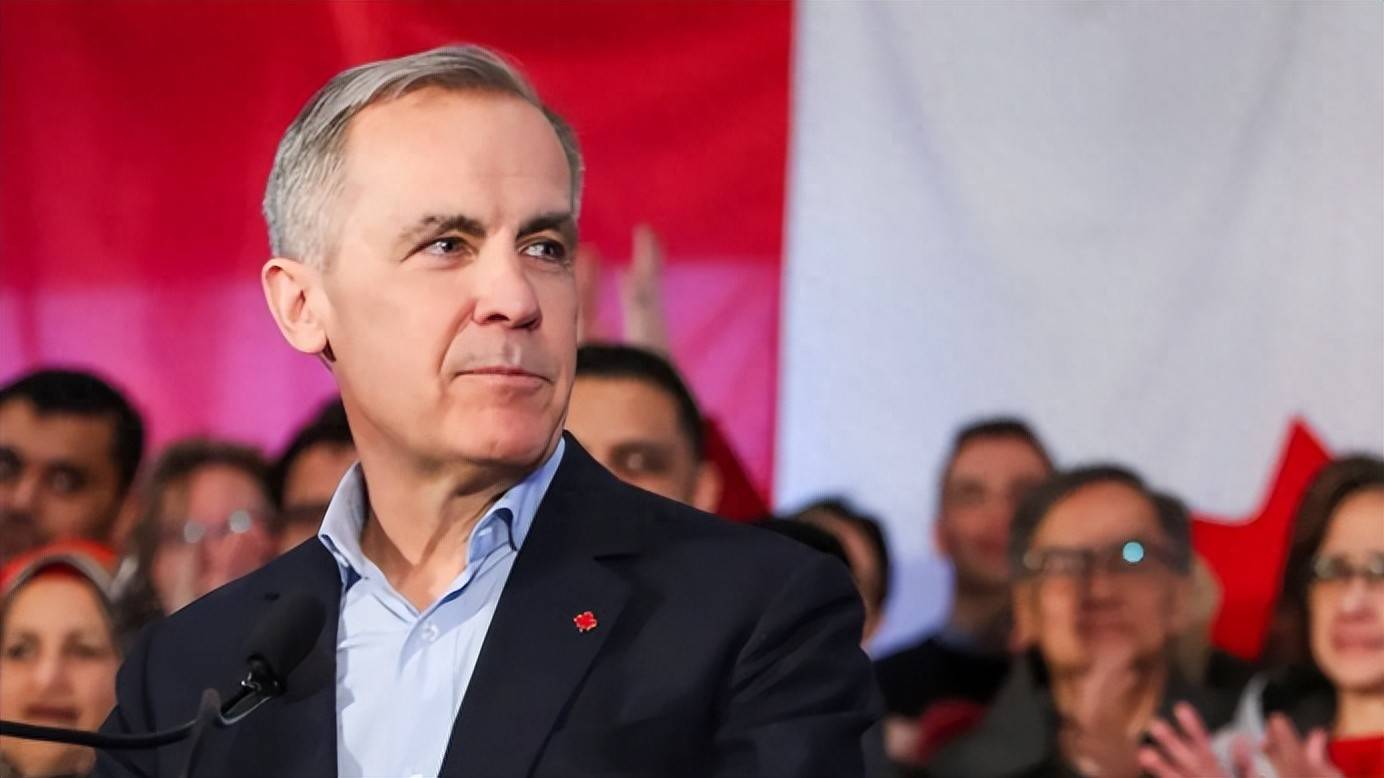
加拿大财长办公室:将评估对华电动车、钢铝关税是否适用
Sou Hu Cai Jing· 2025-09-05 13:57
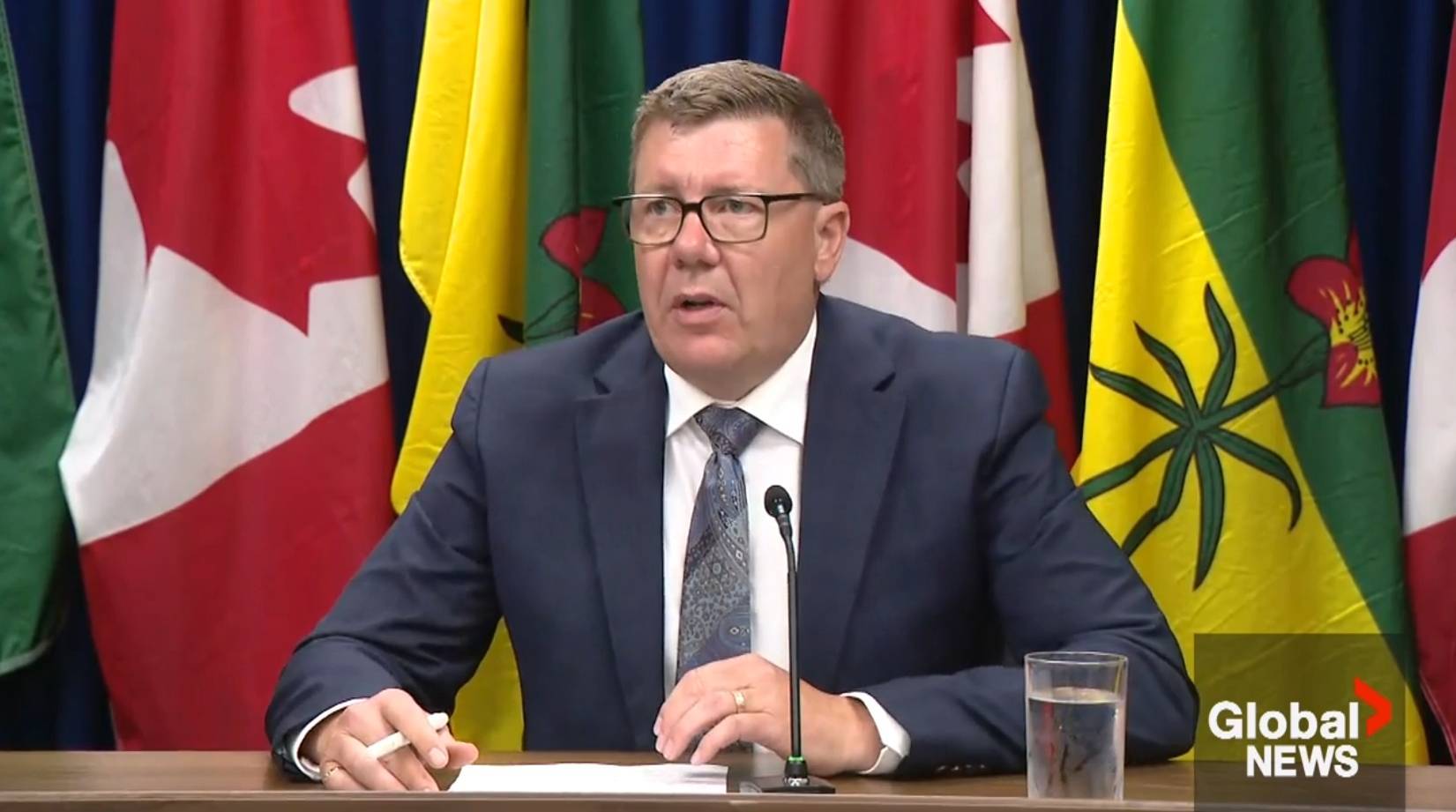
Core Viewpoint - Canada is reviewing tariffs imposed on Chinese electric vehicles, steel, and aluminum, following a year of significant trade tensions between Canada and China, particularly regarding canola products [1][2]. Group 1: Tariff Review and Government Actions - The Canadian government has initiated a review of the tariffs on Chinese electric vehicles, steel, and aluminum to assess the current tax rates' validity [1]. - The review is expected to officially start next month, with updates to be provided at appropriate times [1]. - Since the implementation of these tariffs, the import volume of the affected products has significantly decreased [1]. Group 2: Trade Delegation to China - A parliamentary secretary will accompany a trade delegation to China, indicating a potential shift in the Canadian government's approach to trade relations with China [2][8]. - The delegation, led by Saskatchewan Premier Scott Moe, aims to negotiate the canola import guarantee issue and foster dialogue for a closer trade relationship [3][6]. - This visit marks the first time in six years that a Canadian provincial leader has led a delegation to China [6]. Group 3: Broader Trade Implications - The Saskatchewan government is seeking to address not only canola but also tariffs on other Canadian products such as peas, pork, and seafood during the visit [6]. - The Canadian government is also taking measures to protect jobs in the canola industry and plans to announce additional support for Canadian producers [8][10]. - There is an acknowledgment from Canadian officials that there is still room for growth in trade with China, particularly in the agricultural sector [10].
特朗普让步,中美成最大赢家?欧盟加拿大日本,被中方下重手反制
Sou Hu Cai Jing· 2025-08-19 13:12
Group 1 - The core point of the article is the recent decision by Trump to extend the tariff suspension on certain Chinese goods for 90 days, indicating a shift in the U.S. stance amid economic pressures [1][3] - The U.S. manufacturing data is declining, consumer prices are rising, and there is significant inventory buildup, leading to concerns about unemployment potentially exceeding 1.2% [3] - The bilateral trade between the U.S. and China has surpassed $450 billion in the first half of the year, making the tariff suspension beneficial for Chinese exporters [3] Group 2 - The U.S. stock market rose by 1.5% on the day the tariff suspension was announced, providing a respite for Chinese exporters [5] - The negotiations in Stockholm between the U.S. and China covered critical issues such as chips and energy, suggesting a more pragmatic approach to future competition and cooperation [5][7] - The geopolitical context includes Trump's recent meeting with Putin and the weakening of NATO alliances, making a prolonged trade war with China less favorable [5] Group 3 - China initiated anti-dumping investigations against Canadian canola seeds, with a preliminary ruling indicating a dumping margin of 75.8%, impacting Canadian agriculture significantly [8][10] - China also imposed anti-dumping measures on Japanese halogenated butyl rubber, affecting Japan's supply chains and economic interests [10] - The Chinese government retaliated against the EU by implementing sanctions on two financial institutions, highlighting the use of legal measures alongside economic tools [10][11] Group 4 - The trade war reflects a profound change in the global trade landscape, with tariffs imposed by the U.S. on various countries, leading to retaliatory measures and economic strain on allies [11][12] - The EU, Canada, and Japan are facing economic challenges due to U.S. tariffs, prompting them to seek alternative markets and partnerships [14] - The ongoing negotiations between the U.S. and China during the 90-day period may reshape the global trade system, with China taking actions to protect its interests [14][15]

后悔已经晚了!中国重锤加拿大之后,全球超160国接到中方通知
Sou Hu Cai Jing· 2025-08-19 12:25
Group 1 - China has filed a complaint against Canada at the WTO regarding import restrictions on steel and other products, indicating a significant escalation in trade tensions [1][13] - Canada has imposed a 100% tariff on electric vehicles imported from China, alongside targeted measures against the Chinese steel and aluminum industries, reflecting a strategic economic confrontation [4][9] - The Canadian government's steel tariff measures, which include a 25% direct tariff and strict import quotas, are seen as a violation of international trade rules and a part of a broader U.S. strategy to contain China [5][7] Group 2 - China's response to Canada's actions has been swift and severe, with significant retaliatory measures including high anti-dumping duties on Canadian canola, leading to a loss of approximately $2 billion in market value for Canadian exports [15][17] - The impact of these trade restrictions has severely affected Canadian agricultural exports, including canola, seafood, pork, and peas, resulting in price drops and financial distress for Canadian farmers [19][21] - The economic relationship between Canada and the U.S. has been strained, with Canada facing a trade surplus with the U.S. while simultaneously dealing with high tariffs and pressures on key industries [23][24] Group 3 - The Canadian economy is experiencing significant challenges, with a rising unemployment rate of 7.4% and GDP growth slowing to 1.2%, largely due to the decline in agriculture and manufacturing sectors [29][32] - The Canadian government is struggling to find effective solutions to the economic fallout from its trade policies, with attempts to negotiate with Southeast Asian countries yielding little progress [31][32]
特朗普刚签中美“休战令”,不到48小时,中方接连反制,美国两盟友先后中招,信号意味深长
Sou Hu Cai Jing· 2025-08-16 18:32
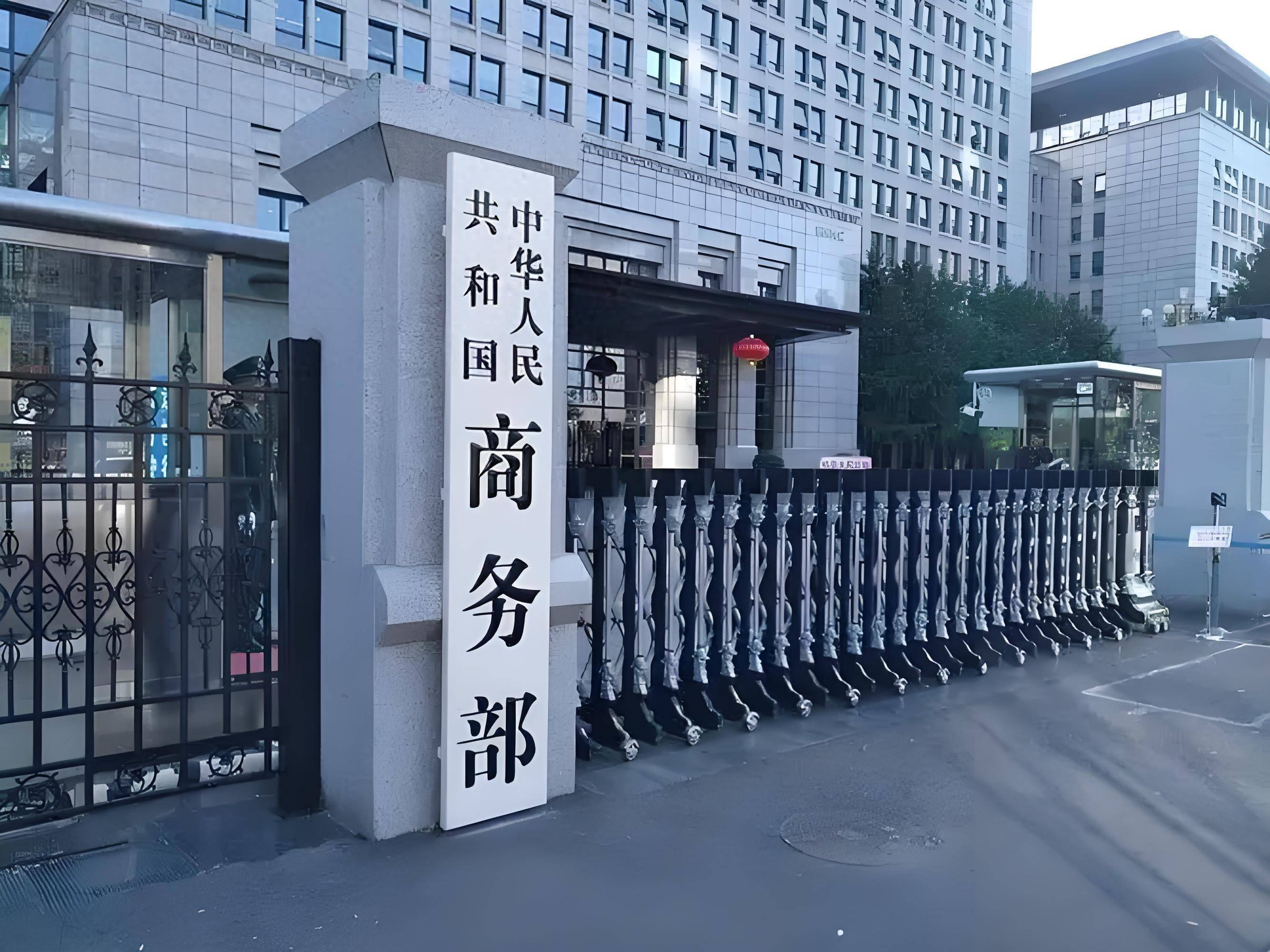
Group 1 - The extension of the US-China tariff truce for 90 days has led to immediate retaliatory measures from China against Canada and Japan [1][3] - China imposed a temporary anti-dumping deposit of 75.8% on Canadian canola seeds, following a year-long investigation that concluded Canada engaged in dumping practices [1][3] - The canola seed industry in Canada, which exports approximately CAD 5 billion annually to China, is significantly impacted by this high deposit, leading to a drop in canola prices [3][5] Group 2 - China also targeted Japan, imposing anti-dumping measures on halogenated butyl rubber, with Canadian companies facing a maximum deposit of 40.5% and Japanese companies 30.1% [3][5] - Japan's recent cooperation with the US to limit China's strategic advantages, including reducing reliance on Chinese rare earths and restricting semiconductor exports, has contributed to its negative standing in China [3][5] - The Chinese government has indicated that countries aligning with the US against China will face consequences, as seen in the recent actions against Canada and Japan [5][8] Group 3 - In addition to Canada and Japan, China has taken retaliatory measures against the EU, specifically targeting two Lithuanian banks due to sanctions imposed by the EU on Chinese financial institutions [5][6] - The Chinese Ministry of Commerce's actions against the EU are framed as a response to perceived violations of international law and damage to Chinese enterprises [6][8] - China's series of retaliatory measures signal a clear message that while negotiations with the US may continue, other nations should reconsider their alignment with US policies that harm Chinese interests [8]
四国背刺中国,商务部反制裁,美专家:下一个世界领导者将是中国
Sou Hu Cai Jing· 2025-08-16 03:20
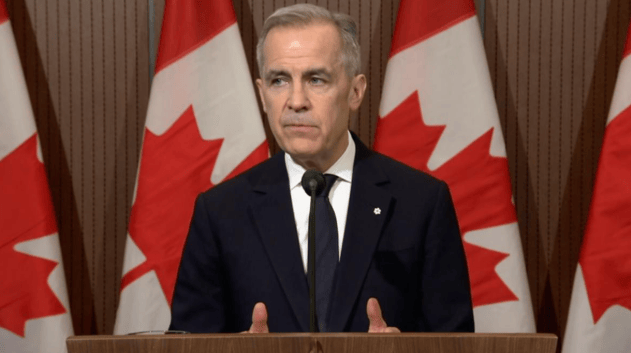
Core Viewpoint - China's recent countermeasures against countries perceived as adversaries have shifted the narrative, with some Western experts now predicting that China will emerge as the next global leader [1][20][29]. Group 1: Countermeasures Against Adversaries - On August 12, China's Ministry of Commerce announced an anti-dumping preliminary ruling against Canadian canola seeds, imposing a 75.8% tariff, which directly impacts Canada's agricultural sector [1][8]. - Japan faced a similar fate with a 26% to 40% anti-dumping duty on halogenated butyl rubber, a critical material for vaccine vials, causing panic among Japanese chemical companies [4][8]. - Two EU banks in Lithuania were added to China's countermeasure list, prohibiting domestic institutions from engaging in transactions with them, highlighting the repercussions of Lithuania's alignment with U.S. anti-China policies [6][8]. Group 2: Reactions from Affected Countries - The Canadian agricultural sector reacted urgently to the tariffs, while Japanese chemical firms began to express concern over their market positions [8]. - Within the EU, there are emerging doubts regarding the decisions made to align with U.S. sanctions, as these actions could adversely affect European businesses [14][18]. Group 3: Expert Predictions and Analysis - Melamed, a prominent figure in the financial sector, stated that China is poised to become the next world leader, citing its rapid development and innovation capabilities [20][23]. - Historical patterns indicate that shifts in global power dynamics are often driven by changes in production capabilities, with China's manufacturing output now surpassing that of the U.S., Japan, and Germany combined [27][39]. - The combination of China's large population, robust education system, and strategic economic policies positions it favorably for future leadership [29][31]. Group 4: Strategic Insights - China's response to U.S. chip tracking and allied nations' actions has been characterized by a measured approach, utilizing WTO rules for trade remedies rather than emotional reactions [31][39]. - The decision to open rare earth exports to the U.S. under strict conditions reflects a sophisticated strategy that balances cooperation with assertiveness [35][39]. - The ongoing discussions about de-dollarization among various nations indicate a growing recognition of China's economic influence and the potential for a shift away from U.S. dollar dominance [37][39].
