
啤酒

Search documents
日销3000杯,把吃饭变“炒股”,年轻人集体上头
虎嗅APP· 2026-01-31 09:38
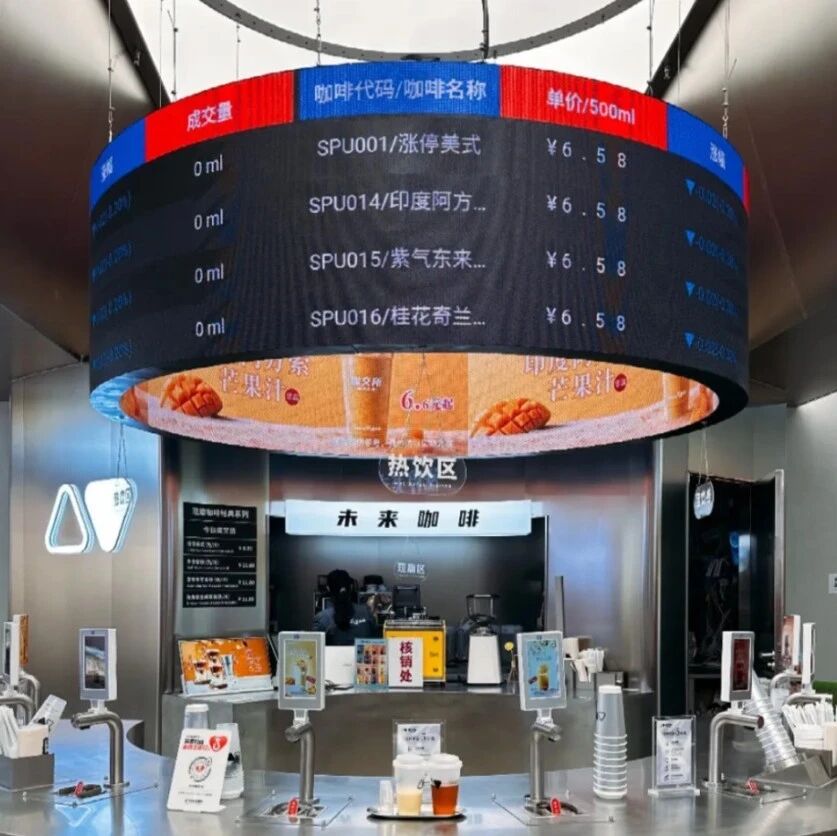
Core Viewpoint - The article discusses the emerging trend of "exchange-style" restaurants, where dining experiences are enhanced by real-time displays of product prices and sales, resembling stock trading environments. This trend is gaining popularity across various types of eateries, including beer and coffee shops, but raises questions about its sustainability and actual consumer engagement [4][5][6]. Group 1: Emergence of Exchange-Style Restaurants - The "exchange" trend began with beer trading venues, notably the Qingdao Beer Exchange, which became popular for its real-time display of beer prices and sales [6][7]. - Over the past six months, numerous beer exchanges have appeared in cities across China, with some attempting to establish chains [8][9]. - The popularity of these venues is evident, with related topics on social media platforms like Douyin garnering over 40 million views [10]. Group 2: Consumer Experience and Engagement - Consumers find the "exchange" concept intriguing and fun, often sharing positive experiences on social media [14][15]. - Initial customer traffic is high, but there are concerns about sustaining interest, especially as seasonal changes affect foot traffic [16][17]. - Some venues have already rebranded or changed their business model due to declining customer numbers after the novelty wore off [16][17]. Group 3: Operational Challenges - The initial investment in smart equipment for these venues is significant, with costs ranging from 35,000 to 400,000 yuan depending on the complexity of the setup [18][19]. - High usage rates lead to increased wear and tear on equipment, raising maintenance costs and operational challenges [20]. - Some establishments have opted for lower-cost solutions, which may compromise the "exchange" experience [21]. Group 4: Pricing Mechanism and Product Quality - The pricing mechanism mimics stock trading, with limited price fluctuations based on sales volume, typically ranging from 5% to 30% [22][23]. - The products offered are often simpler and may lack complexity in flavor, which could affect long-term customer loyalty once the novelty fades [25].

大爆发!“组团”来了:君乐宝、钱大妈、袁记食品......知名消费企业掀港股上市潮
Zhong Guo Ji Jin Bao· 2026-01-31 06:58
Core Viewpoint - The Hong Kong capital market is experiencing a surge in listings from consumer companies, with notable firms like Junlebao, Qian Dama, and Yuanji Food preparing to go public, indicating a strategic move amidst a challenging domestic consumption environment [1][5]. Group 1: Market Trends - In early 2026, 14 consumer companies have disclosed H-share prospectuses, a significant increase compared to the same period in 2025 [1]. - The IPO of Dongpeng Beverage, expected to raise HKD 10 billion, marks the largest IPO in the Asian beverage sector in recent years [1]. - The trend of consumer companies going public in Hong Kong reflects a strategic response to various market conditions, including policy support and capital market changes [5][6]. Group 2: Company Highlights - Junlebao, a leading player in the dairy industry, aims to raise funds for factory construction, capacity expansion, brand marketing, and digital transformation, with annual revenue around RMB 20 billion [2]. - Jin Xing Beer, a traditional brewery, has shown explosive growth, with revenue increasing from RMB 356 million to RMB 1.109 billion and net profit soaring from RMB 12 million to RMB 305 million over two years [3]. - The emerging beauty brand Banmu Huatian is also pursuing a Hong Kong listing to enhance R&D and brand development in a competitive market [3]. Group 3: Factors Driving Listings - Policy support from the Chinese government has facilitated the process for consumer companies to list in Hong Kong, with measures introduced to encourage leading firms to access capital markets [5][6]. - The shift towards Hong Kong listings is also driven by tightening A-share market conditions for consumer companies, making Hong Kong a more attractive option for capital raising [6]. - The influx of venture capital and private equity into emerging consumer firms has created pressure for exits, making public listings a viable path for capital recovery [7]. Group 4: Market Performance and Challenges - There is a noticeable divergence in stock performance among consumer companies listed in Hong Kong, with some achieving high valuations while others struggle post-IPO [8][9]. - The market favors companies with strong brand presence and visible cash flow, while smaller brands face liquidity discounts due to lack of profitability [9]. - Successful expansion in the consumer sector requires matching growth with profitability, as merely increasing store numbers is no longer sufficient to attract capital [9].
每日并购资讯 | 招商局商业房托完成收购香港柯士甸路酒店 总代价2.05亿港元;苹果斥资20亿美元收购以色列AI公司 CEO将入职苹果
Sou Hu Cai Jing· 2026-01-31 04:43
Group 1 - China Merchants Commercial REIT completed the acquisition of a hotel on Kossuth Road in Hong Kong for a total price of HKD 205 million, with a discount of approximately 3.3% compared to the appraised value [2] - Haohan Deep announced a cash acquisition of 34% equity in Yunbian Cloud Technology for CNY 85.75 million, aiming to enhance its AI strategy by integrating cloud and edge computing [3] - Ying Tang Intelligent Control plans to issue shares and pay cash to acquire 100% equity of Guilin Guanglong Integration Technology and Shanghai Aojian Microelectronics for a total of CNY 808 million [4][6] Group 2 - ST Xifa intends to acquire 50% equity of Lhasa Beer for CNY 292 million, aiming for full ownership to enhance asset integrity and management control [4][5] - China Aluminum, in partnership with Rio Tinto, is set to acquire approximately 68.6% of Brazil's aluminum company for a base transaction price of BRL 46.89 billion, equivalent to approximately CNY 62.86 billion [7] - China Foreign Trade's subsidiary plans to establish a joint venture with Nanshan Hungary to acquire a warehouse in Hungary, with a total investment commitment of approximately EUR 49.83 million [8] Group 3 - Apple has acquired Israeli AI startup Q.ai for nearly USD 2 billion, marking one of its largest acquisitions to date, with a focus on innovative imaging and machine learning applications [9]

中国必选消费品1月成本报告:涨价现实弱于预期,成本仍处低位
Haitong Securities International· 2026-01-30 13:53
Investment Rating - The report provides various investment ratings for companies in the consumer staples sector, with several companies rated as "Outperform" and one as "Neutral" [1]. Core Insights - The report indicates that price hikes in the consumer staples sector are weaker than expected, while costs remain low [1]. - The monitored spot cost indices for six consumer goods categories have declined, while futures cost indices have primarily increased [34]. Summary by Category Beer - The spot cost index decreased by 1.87% month-on-month, while the futures index increased by 3.15%. Year-to-date, the spot index has changed by -0.6% and the futures index by +1.81% [35]. - Glass prices have shown a month-on-month decrease of 1.2% for spot prices and an increase of 3.4% for futures prices [35]. Condiments - The spot cost index decreased by 1.37% month-on-month, while the futures index increased by 3.03%. Year-to-date changes are -0.42% for spot and +2.23% for futures [36]. - Soybean prices have decreased by 2.4% month-on-month for spot prices, while futures prices increased by 6.7% [36]. Dairy Products - The spot cost index decreased by 1.93% month-on-month, while the futures index increased by 1.58%. Year-to-date changes are -0.43% for spot and +1.68% for futures [37]. - Fresh milk prices rose to 3.04 yuan/kg, with corn prices increasing by 0.4% month-on-month [37]. Instant Noodles - The spot cost index decreased by 0.51% month-on-month, while the futures index increased by 3.31%. Year-to-date changes are +0.79% for spot and +3.46% for futures [38]. - Palm oil prices increased by 9.6% month-on-month for spot prices [38]. Frozen Food - The spot cost index decreased by 1.74% month-on-month, while the futures index decreased by 0.61%. Year-to-date changes are -1.44% for spot and -0.14% for futures [39]. - Vegetable prices fell by 1.8% month-on-month [39]. Soft Drinks - The spot cost index decreased by 3.71% month-on-month, while the futures index remained unchanged. Year-to-date changes are -1.12% for spot and -0.19% for futures [40]. - PET chip prices increased by 5.4% month-on-month [40].




西藏发展将全资控股拉萨啤酒,拟2.9亿元买下嘉士伯所持50%股权
Xin Lang Cai Jing· 2026-01-30 07:47
Core Viewpoint - ST Xizang Development Co., Ltd. (ST Xifa) announced a significant asset restructuring plan to acquire 50% equity of Tibet Lhasa Beer Co., Ltd. from Carlsberg for a cash consideration of 292 million yuan, aiming to achieve 100% control over the beer company [1][2]. Group 1: Transaction Details - The acquisition price is based on an evaluation report from Beijing Zhongqi Hua Asset Appraisal Co., Ltd., which valued the entire company at 1.196 billion yuan, with the 50% equity valued at approximately 590 million yuan [1]. - The transaction constitutes a major asset restructuring as the net assets of the target company exceed 50% of ST Xifa's audited net assets for the last fiscal year, and the transaction amount exceeds 50 million yuan [1]. - The deal does not involve issuing new shares and will not change the controlling shareholder or actual controller of ST Xifa, but it is expected to enhance asset integrity and operational decision-making efficiency [1]. Group 2: Legal and Financial Context - ST Xifa previously faced a share transfer dispute regarding the 50% equity of Tibet Lhasa Beer, which has been resolved through a settlement payment of 35 million yuan to Daohe Industrial, clearing obstacles for the acquisition [2]. - The company has been in a pre-restructuring phase, and successful court approval of the restructuring application could improve its financial structure and promote sustainable development [2]. - Tibet Lhasa Beer is a key profit driver for ST Xifa, with projected revenues of 390 million yuan and a net profit of 102 million yuan for 2024, contributing significantly to ST Xifa's turnaround [3]. Group 3: Financial Impact - Following the acquisition, ST Xifa expects significant improvements in liabilities, equity, net profit attributable to shareholders, and basic earnings per share [3]. - The latest financial report anticipates a net profit attributable to shareholders of 110 million to 160 million yuan for the full year of 2025, representing a year-on-year growth of 319.91% to 510.77% [3]. - The expected growth is primarily driven by the recovery of large receivables and a significant reduction in credit impairment losses [3].

A股收评:沪指跌近1%!创业板指涨1.27%,贵金属、有色金属重挫
Ge Long Hui· 2026-01-30 07:09
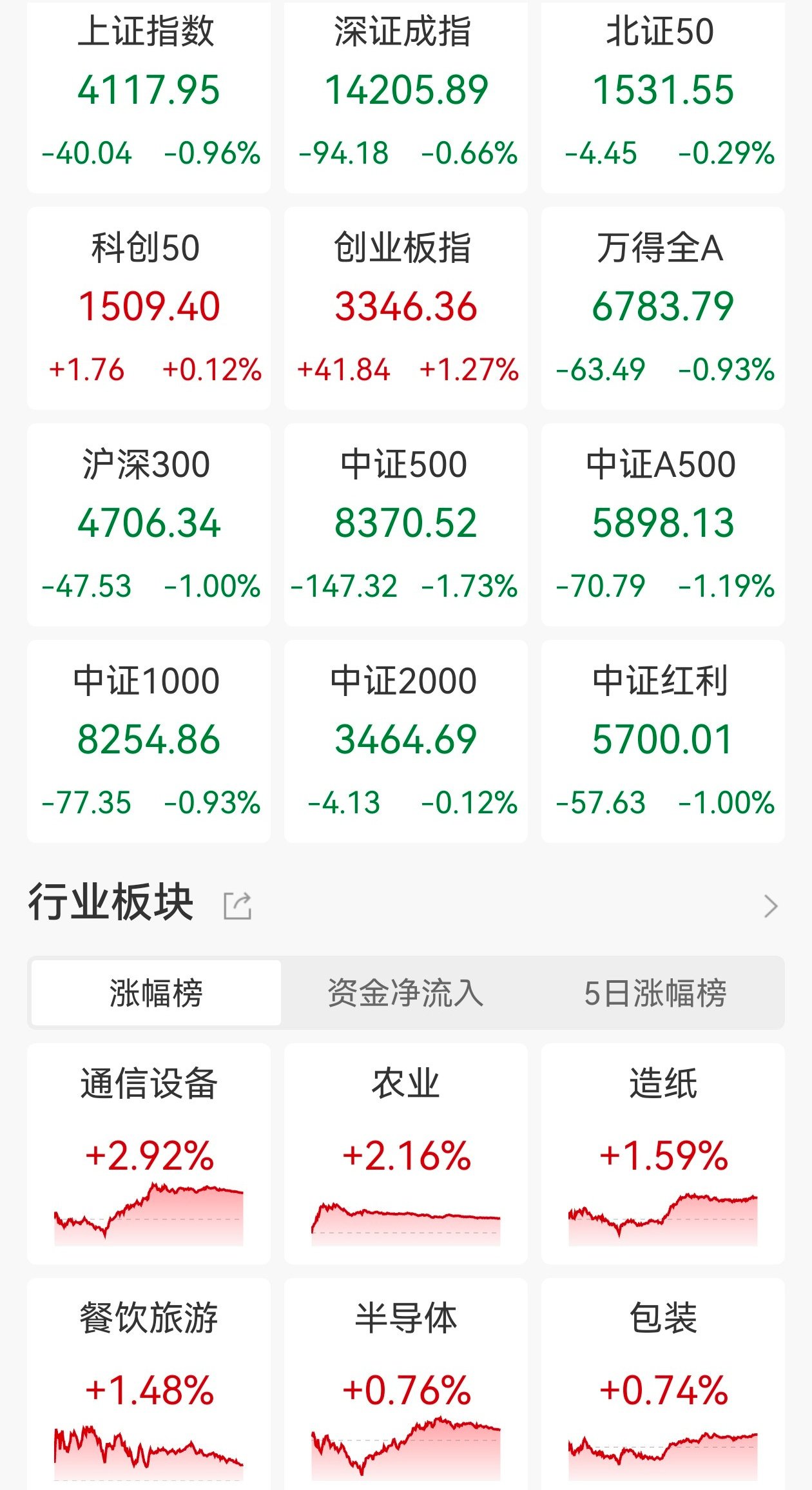
Market Overview - The A-share market showed mixed performance with the Shanghai Composite Index down by 0.96% closing at 4117 points, while the Shenzhen Component Index fell by 0.66%. In contrast, the ChiNext Index increased by 1.27% [1] - The total market turnover was 2.86 trillion yuan, a decrease of 397 billion yuan compared to the previous trading day, with nearly 2900 stocks declining [1] Sector Performance - The CPO concept stocks rose significantly, with companies like Hengtong Optic-Electric and Yangtze Optical Fibre achieving daily price limits [1] - The genetically modified and grain sectors also performed well, with Dunhuang Seed Industry and Nongfa Seed Industry hitting daily price limits [1] - The paper and printing sector saw gains, with Songyang Resources reaching its daily price limit [1] - The communication module, aquaculture, and communication equipment sectors had notable increases [1] Declining Sectors - Precious metals and non-ferrous metals sectors experienced sharp declines, with nearly twenty stocks including Zhongjin Gold and Shandong Gold hitting daily price limits [1] - Lithium mining stocks fell, with Xibu Mining reaching its daily price limit [1] - The previously strong-performing liquor and beer stocks saw widespread declines, with Guyue Longshan leading the drop [1] - The automotive dismantling, oil and gas service, and cultivated diamond sectors had significant losses [1] Top Gainers and Fund Flows - The top gainers included the communication equipment sector with a rise of 2.92%, followed by the restaurant and tourism sector at 1.48% [2] - Net capital inflows were observed in the agriculture sector, which increased by 2.16% [2] - The five-day performance showed the paper sector with a rise of 1.599% [2]

双合盛加码跨界合作 与百花蜂业打造啤酒新品
Bei Jing Shang Bao· 2026-01-30 03:33
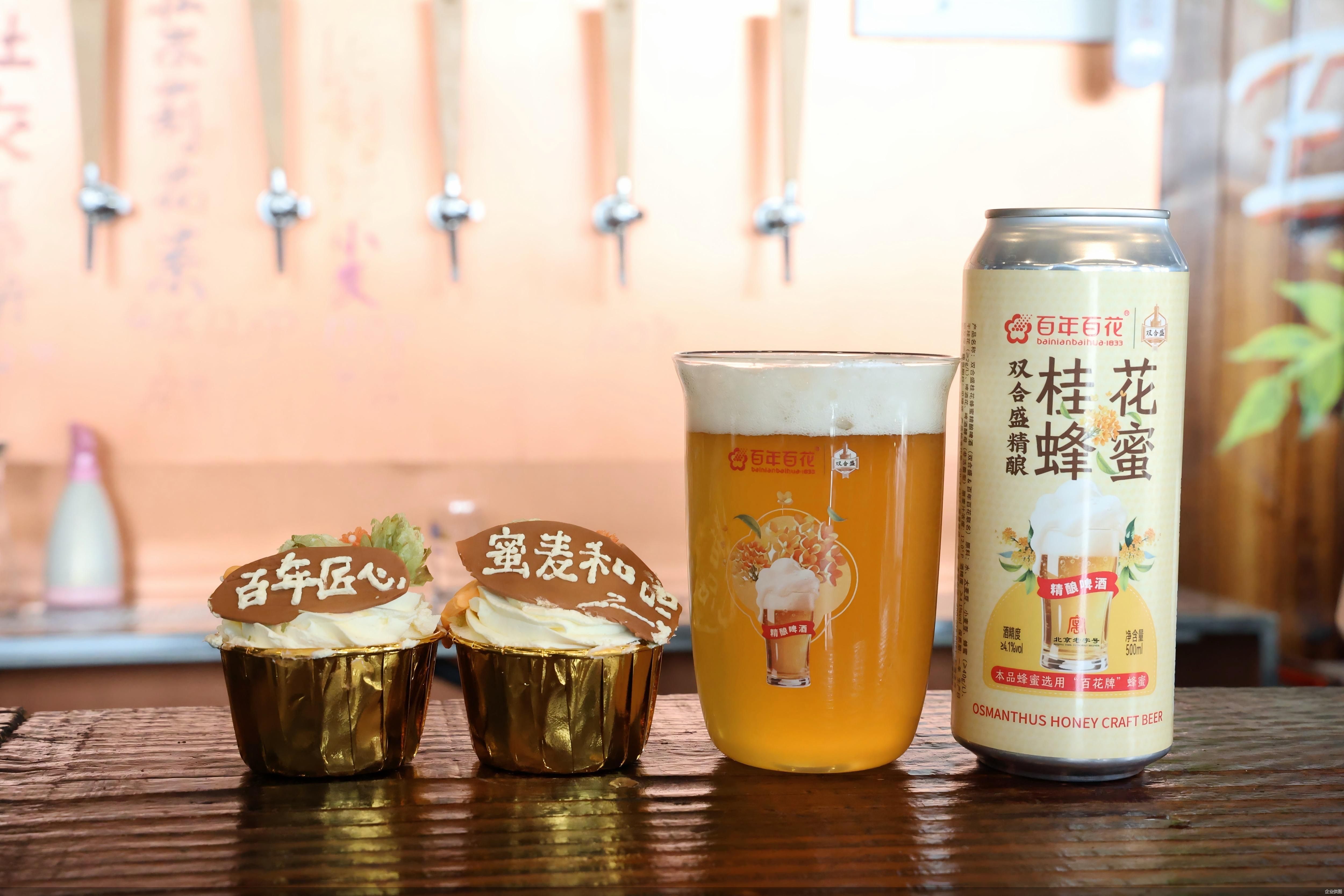
Group 1 - The core viewpoint of the article highlights the strategic collaboration between Shuanghe Sheng Wuxing Beer and the time-honored brand Baihua Honey Industry, focusing on the launch of honey osmanthus wheat beer as a product innovation that embraces market changes [1] - The partnership integrates "craft + raw materials," creating a complementary flavor profile that meets the consumption needs of the mid-to-high-end demographic aged 25-40 [1] - The collaboration reflects a broader trend of traditional brands engaging in cross-industry partnerships as a vital path for the revival of domestic products, driven by the rise of domestic consumption in China [1]
当前时点如何看酒类投资
2026-01-30 03:11
Summary of Key Points from Conference Call Records Industry Overview: Baijiu (Chinese Liquor) - **Strong Sales Performance**: Moutai's sales velocity is robust, with prices recovering to over 1,600 RMB, exceeding market expectations. From January 1 to January 9, over 400,000 transactions occurred, with an average daily supply exceeding 50 tons, indicating strong market demand [1][2]. - **Market Bottom Indicators**: The baijiu industry is showing signs of bottoming out, with the 1,499 RMB Moutai indicating clear volume and price bottom characteristics. Historical data suggests that Moutai and Wuliangye's volume increases signal industry recovery [1][6]. - **Investment Recommendation**: Guizhou Moutai is the preferred investment target, historically outperforming in price, stock performance, and earnings when the industry enters a recovery phase. Revenue growth rates exceeded 20% in 2016 and over 50% in 2017 [1][7]. - **Valuation of Other Baijiu Companies**: Leading baijiu companies like Wuliangye, Luzhou Laojiao, Fenjiu, and Gujing Gongjiu are currently undervalued, with valuations around 15 times earnings or lower. These companies also have high dividend yields, making them attractive for investment [1][10]. Yellow Wine Sector - **Market Expansion**: The yellow wine sector is expanding through price increases, new product launches, and innovative marketing strategies. Leading companies like Kuaijishan are performing well, and Guolongshan is actively pursuing high-end, youth-oriented, and national strategies [1][12]. Beer Industry Insights - **Resilience in Sales**: The beer industry is showing resilience with positive sales growth, particularly as the restaurant sector recovers, which is expected to positively impact beer consumption. Yanjing Beer has high expectations for operational improvement, with significant profit contributions from its health product line [1][4][14]. - **Investment Opportunities**: Yanjing Beer is recommended due to its improving operational metrics and expansion into health products, with projected profit growth. Qingdao Beer and China Resources Beer are also noteworthy, with attractive dividend yields and low valuations [1][15]. Cost Factors - **Cost Management**: The cost of aluminum cans is under control, and there are signs of improvement in malt costs. The overall impact on ton costs is minimal, suggesting a focus on revenue recovery and price increases is essential [1][16]. Conclusion - **Overall Market Sentiment**: The baijiu industry is at a critical juncture, with Moutai leading the recovery. Other sectors like yellow wine and beer are also showing potential for growth, driven by strategic initiatives and market recovery trends. Investors are encouraged to consider both Moutai and other leading brands for their strong fundamentals and growth prospects [1][9][10].




重大资产重组!净利最高预增510%
Zhong Guo Zheng Quan Bao· 2026-01-29 23:17
Group 1: Government Initiatives - The State Council issued a plan to optimize and expand service supply, aiming to enhance service consumption quality and support high-quality economic development [1] - The National Development and Reform Commission announced that this year's Spring Festival transportation will strengthen capacity guarantees and optimize transportation organization [2] Group 2: Company News - ST Xifa plans to acquire 50% equity of Lhasa Beer for 292 million yuan, which is expected to constitute a major asset restructuring [7] - ST Xifa forecasts a net profit of 110 million to 160 million yuan for 2025, representing a year-on-year increase of 319.91% to 510.77% [8] - Jiangfeng Electronics intends to acquire control of Kaide Quartz, with the transaction expected to complete soon [8] Group 3: Industry Performance - North Mo High-tech expects a net profit of 190 million to 220 million yuan for 2025, a year-on-year increase of 1076.16% to 1261.87% [6] - Huibai New Materials anticipates a net profit of 62 million to 75 million yuan for 2025, reflecting a growth of 672.68% to 834.70% [6] - Mingyang Circuit expects a net profit of 78 million to 95 million yuan for 2025, indicating a growth of 585.19% to 734.52% [6]
全力打造具有屯昌特色和优势的现代化产业体系
Xin Lang Cai Jing· 2026-01-29 16:41
Group 1 - The core viewpoint is that Tun Chang is actively planning industrial development based on its regional advantages and resource endowments, adhering to the provincial "45432" development framework [1] - Tun Chang is developing an industrial spatial layout of "one park, three districts, and two centers," which includes the Datong Industrial Park and its three satellite areas: green low-carbon circular economy industry area, new stone and building materials industry area, and deep processing of forest products industry area [1] - The land reserve for "one park, three districts" is 3,900 acres, with 9.54 kilometers of main road network construction completed, and industrial supporting facilities are continuously improving [1] Group 2 - Seven key industrial chains are being actively cultivated around "one park, three districts, and two centers," focusing on specialty agricultural products, deep processing of forest products, new stone and building materials, and health pharmaceuticals [1] - The implementation of a "chain leader system" is underway, with county leaders spearheading efforts to enhance, extend, and strengthen industrial chains, achieving initial results [2] - The total output value of the black pig breeding, feeding, slaughtering, and processing industry chain in Tun Chang exceeds 1 billion yuan [2]