宠物

Search documents
“厦门帮”求生记
Hu Xiu· 2025-10-10 13:58
Core Insights - The "Xiamen Gang" has become a prominent name in the beauty industry, with many brands looking to adopt its strategies for channel and content operation [1][2] - The Xiamen Gang consists of companies deeply rooted in Xiamen, focusing on beauty and health, known for producing high-margin products and creating replicable white-label hits [1][2] - Despite the initial success, many brands attempting to replicate the Xiamen Gang's strategies in other regions have faced challenges and failures [3][4] Group 1: Industry Trends - The beauty industry is experiencing intense competition, prompting both established and emerging brands to learn from the Xiamen Gang's live-streaming e-commerce tactics [2] - The Xiamen Gang's approach has led to significant sales, with brands like 温博士 and VC achieving sales of 5 billion and 3.5 billion respectively in early 2024 [9] - However, rising traffic costs and stricter platform regulations have made it difficult for many white-label brands to maintain profitability [10][11] Group 2: Challenges and Transformations - The Xiamen Gang is undergoing significant changes, with leading companies like 海尼 and 跑红 focusing on brand transformation and reducing reliance on aggressive traffic spending [5][32] - Many workshop-style studios are diversifying into new sectors like education and health, seeking to replicate past successes in less competitive markets [6] - The shift in consumer behavior and increased scrutiny from platforms have led to a decline in the lifecycle of white-label products, with many failing to sustain sales momentum [16][17] Group 3: Brand Development and Strategy - The Xiamen Gang is increasingly prioritizing brand development, hiring brand consultants and reducing reliance on traffic-driven models [5][35] - Companies are investing in product quality and supply chain improvements, with some establishing their own research and development facilities [40][41] - The focus is shifting towards creating compelling content and leveraging KOC (Key Opinion Consumers) to enhance brand visibility and consumer trust [27][31] Group 4: Market Position and Future Outlook - Despite the challenges, there is a strong determination within the Xiamen Gang to establish respected brands, moving away from the "quick profit" mentality [46][47] - The transition to brand-focused operations is seen as a long-term strategy, with companies willing to invest in building a sustainable business model [46][47] - The Xiamen Gang's ability to adapt and innovate in response to market changes may lead to the emergence of successful beauty brands in the future [47]


宠物寄养假期爆满,宠物经济赛道“拥挤”暗藏隐忧
Qi Lu Wan Bao Wang· 2025-10-10 06:19
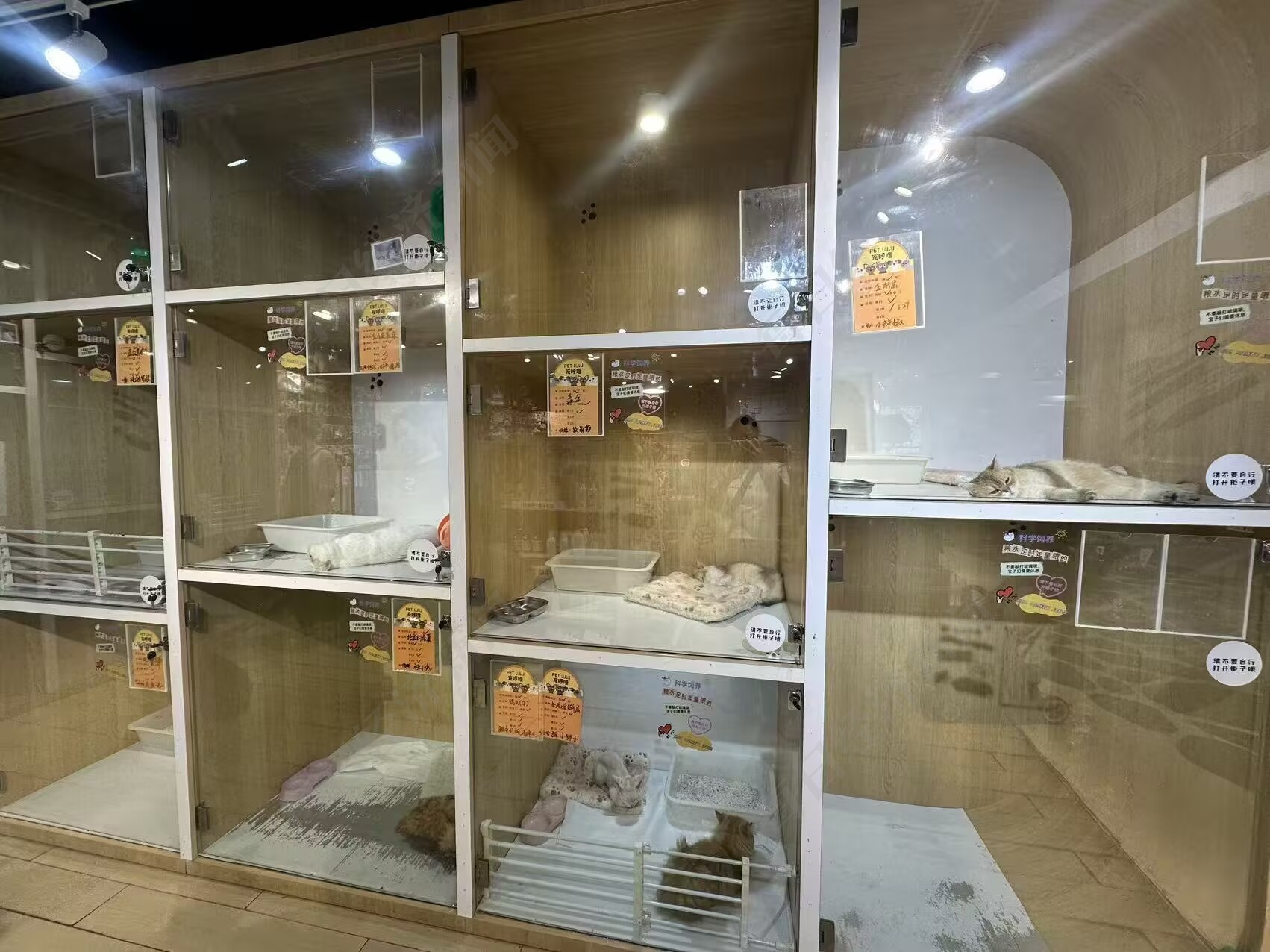
Core Insights - The pet economy is rapidly evolving, with pet ownership becoming a lifestyle choice, leading to diverse consumption patterns and a burgeoning market [10][12] Group 1: Pet Care Services - There is a high demand for pet-sitting services, particularly during holidays, with many pet owners opting for home visits or boarding facilities [2][6] - The market for pet-sitting in Jinan is characterized by a shortage of certified pet sitters, leading to reliance on non-platform channels, which often lack service quality assurance [5][6] - The pricing for pet boarding varies, with dog boarding costing between 40 to 80 yuan per day depending on size, and cat services being more limited due to their sensitive nature [7][8] Group 2: Market Trends and Consumer Behavior - The pet economy is witnessing a shift towards premium services, including pet hotels and specialized care, reflecting the increasing value placed on pet welfare [6][10] - Pet owners are increasingly seeking fresh food options for their pets, with a notable rise in the popularity of pet fresh food, which is made from natural ingredients [11][12] - The pet industry is projected to grow significantly, with the urban pet consumption market expected to exceed 300 billion yuan by 2024, indicating a robust growth trajectory [12] Group 3: Industry Challenges - The influx of non-professional entrants into the pet care industry is creating competitive pressure, leading to concerns about service quality and sustainability [8][9][13] - The lack of standardized services and the prevalence of unregulated providers pose risks to the overall health of the pet economy [12][13] - Industry professionals emphasize the need for enhanced service quality and professionalism to navigate the competitive landscape and ensure long-term viability [13]
建信基金:Labubu风靡全球,新消费为何持续火爆?
Xin Lang Ji Jin· 2025-10-09 09:35
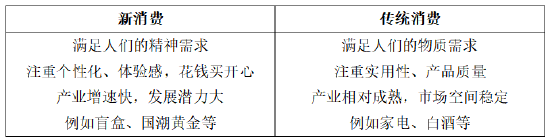
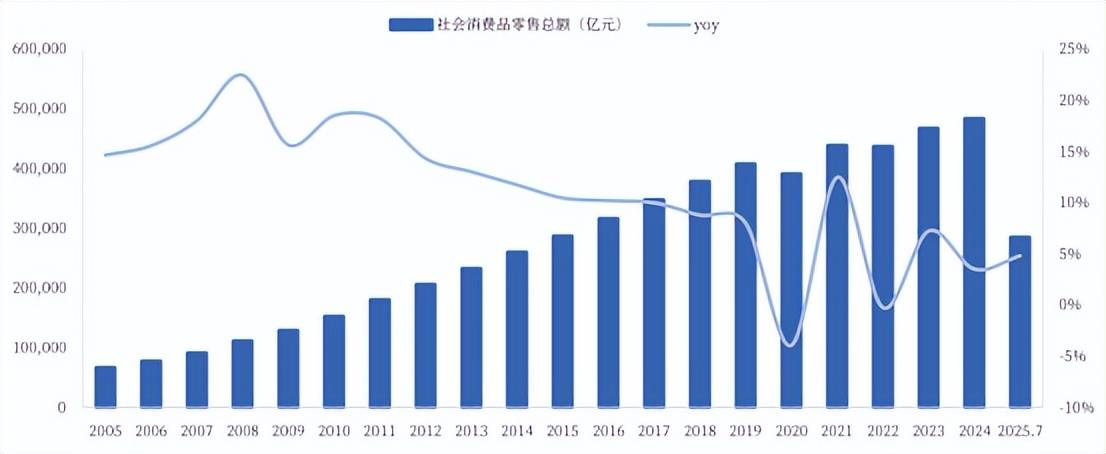
Core Viewpoint - The new consumption sector has emerged strongly in the market, driven by changing consumer preferences and the rise of younger generations as the main consumer force [1][8]. Group 1: Definition of New Consumption - New consumption is a relative concept that focuses on fulfilling people's spiritual needs, contrasting with traditional consumption that meets material needs [2][3]. - New consumption emphasizes personalization and experience, while traditional consumption prioritizes practicality and product quality [3]. Group 2: Segments of New Consumption - The "Guzi Economy," which includes merchandise derived from copyright works like comics and games, is projected to reach a market size of 168.9 billion yuan in 2024, with a year-on-year growth of 40.6% [5][6]. - The ready-to-drink tea market is expected to reach 312.7 billion yuan in 2024, growing by 20.97% compared to the previous year [7]. - The pet economy is projected to reach 300.2 billion yuan in 2024, with a compound annual growth rate of 9.9% from 2018 to 2024, and is expected to exceed 400 billion yuan by 2027 [7][8]. Group 3: Reasons for Popularity of New Consumption - The rise of the Z generation as the main consumer group, coupled with their optimistic outlook on consumption, has contributed to the popularity of new consumption [8]. - Changing consumer psychology emphasizes emotional value and personalization, leading to a preference for unique and resonant products [8]. Group 4: Performance of New Consumption Sector - Companies in the new consumption sector, such as certain brands in the Hong Kong market, have seen significant stock price increases, outperforming the Hang Seng Index [10]. - Investment institutions are increasingly conducting research on companies in the new consumption field, indicating growing interest [10]. Group 5: Future Investment Outlook - China's consumer market is vast, with a projected retail sales total of 48.8 trillion yuan in 2024, contributing 44.5% to economic growth [14]. - Recent policies aimed at fostering new consumption growth and enhancing service consumption quality are expected to support the sector's development [14][15]. - The export potential of new consumption sectors, such as the pet industry, is significant, with exports to the EU expected to reach 1.12 billion USD in 2024 [15].
消费板块有没有“黄金坑”?现在正是逆周期布局的好时机!
Sou Hu Cai Jing· 2025-10-08 09:05
Core Insights - The consumer sector is not failing but undergoing structural differentiation, with significant valuation compression creating attractive entry points [1][11][15] - The traditional consumption market in China is transitioning from rapid expansion to a phase of slower growth and structural changes, indicating ongoing market vitality [2] Group 1: Current Consumer Market Dynamics - The consumer sector is in a phase of "structural transformation and confidence restoration," with government policies aimed at boosting consumption [1][2] - Traditional consumption categories like liquor are stabilizing, while new consumption trends in areas such as pet care and beauty are emerging due to the rise of the "self-indulgence economy" [5][6] - The current market is characterized by low attention and capital inflow, but upcoming festive seasons may catalyze stock price improvements [8][11] Group 2: Investment Timing and Valuation - The current period is identified as a "value window" for consumer investments, particularly before major holidays [7][11] - Consumer sector valuations are at historically low levels, with the mainland consumer index PE ratio at 19 times, indicating potential for valuation recovery [11][15] - Not all consumer stocks are advisable for investment; focus should be on "good student" companies that invest in product, channel, and brand development [11][15] Group 3: Investment Direction and Strategy - For traditional consumption, focus on leading brands with strong channel control, particularly in liquor and retail sectors [12] - In new consumption, sectors like pet care and beauty are still in growth phases, but caution is advised regarding high valuations [12] - The shift from "capacity export" to "brand export" is highlighted, with significant opportunities in Southeast Asia and the Middle East for food, beverage, and apparel sectors [12] Group 4: Generational Consumption Trends - The report outlines consumption drivers across different generations, emphasizing the "self-indulgence economy" for Generation Z and the "silver economy" for older generations [13] - New consumption growth points are expected to emerge from technological advancements and evolving consumer experiences [13][14] - The importance of a "cycle thinking" approach in investment strategy is emphasized, focusing on buying below value lines and selling above [14]
“双节”驱动成都中秋消费升温 文旅新体验引流消费潮
Sou Hu Cai Jing· 2025-10-07 10:56
Core Insights - Chengdu's consumption market is experiencing a "super golden week" during the overlapping Mid-Autumn Festival and National Day, with significant increases in both domestic and inbound tourist numbers, leading to a boost in consumer spending [1][8] Mooncake Market - Traditional mooncakes remain popular, with consumers favoring smaller, less oily options, while innovative mooncakes are gaining traction, exemplified by the locally produced "ugly mooncake" that has attracted attention for its unique flavor and quality [3][4] - Health-conscious mooncakes, such as those developed by Chengdu University of Traditional Chinese Medicine, are also trending, combining traditional recipes with health ingredients like donkey-hide gelatin and ginseng [4] Pet Market - The pet mooncake market is emerging as a new highlight, with sales of pet mooncakes increasing by approximately 10% compared to the previous year, reflecting a growing trend in pet-related consumer goods [4] Dining and Cultural Experiences - The dining sector is leveraging new scenarios and experiences, such as the combination of camping and hotpot at Hai Di Lao, which is particularly appealing to younger consumers [5] - Cultural events, like the World Line Animation Exhibition and the integration of local heritage with modern festivities, are enhancing consumer engagement and driving foot traffic [7] Promotional Activities - Chengdu is actively promoting consumption through various platforms, distributing dining coupons and hosting over 600 promotional events, which are significantly boosting sales across multiple sectors [8]

宠物月饼火爆中秋,宠物品牌如何抓住新消费需求?
Sou Hu Cai Jing· 2025-10-06 15:41
Core Insights - The rising popularity of pet mooncakes during the Mid-Autumn Festival reflects the booming "pet economy" in China, indicating a significant transformation in consumer behavior and market dynamics [4][10]. Group 1: Market Trends - Pet mooncakes have seen a surge in demand, with active search users increasing over 400% in the month leading up to the festival, resulting in daily sales of 3,000 units [2]. - The trend is not limited to e-commerce; pet mooncakes are also appearing in offline supermarkets and retail chains, indicating a broadening market presence [2]. Group 2: Consumer Behavior - The role of pets in households has evolved, leading to a shift in consumption from mere feeding to emotional expression and family rituals, driving demand for anthropomorphized pet products [4][10]. - The new generation of pet owners prioritizes emotional companionship, scientific pet care, and quality of life, which enhances the social aspect of pet mooncake purchases [5]. Group 3: Economic Factors - The rise of e-commerce and social media has facilitated consumption equality, allowing pet owners in lower-tier cities to access the same quality products as those in first-tier cities, thus expanding the market base for pet mooncakes [4][10]. - New-generation consumers value self-expression and shared values, leading to innovative business models that cater to emotional and social needs, which pet mooncakes fulfill [8]. Group 4: Future Outlook - The current trend of pet mooncakes may be a precursor to more diverse and personalized pet products as the pet ownership demographic continues to grow and their purchasing power increases [12]. - The ongoing evolution of the "pet economy" suggests that understanding emotional connections rather than just transactional relationships will be key for brands in developing products and marketing strategies [12].

“i人经济”爆发,改造七大消费场景
创业邦· 2025-10-04 10:08
Core Viewpoint - The rise of the "i-person economy" reflects a shift in consumer behavior towards low-interaction, personalized experiences, driven by the increasing popularity of the MBTI personality test and the growing preference for solitude among consumers [4][6][37]. Group 1: One-Person Dining - The "one-person dining" model is gaining traction, with the market expected to exceed 18 trillion yuan by 2025, showing a compound annual growth rate of 15.3% [6][8]. - Restaurants designed for solo dining, such as "Ichiran Ramen" and "23 Seat Noodle House," cater to the need for independent spaces while minimizing social discomfort through private booths and call buttons [6][8]. - Unmanned restaurants are emerging as innovative alternatives, utilizing a "three-no" model (no ordering staff, no cooking chefs, no cashiers) to enhance efficiency and meet the demand for a quiet, autonomous dining experience [8][9]. Group 2: Unmanned Hotels - Unmanned hotels are transforming the hospitality industry by eliminating social interactions during check-in and stay, thus providing a truly "no-disturb" experience for introverted consumers [11][13]. - The global smart hotel market is projected to grow from approximately $5 billion in 2020 to $15 billion by 2027, with a compound annual growth rate of around 15% [13]. - These hotels leverage technology to enhance user experience, including soundproofing, high-quality entertainment systems, and personalized service options [11][13]. Group 3: Unmanned Supermarkets - Unmanned supermarkets address the social pressures faced by introverted consumers and the efficiency challenges encountered by busy professionals, minimizing unnecessary interactions and wait times [15][17]. - The operational model relies on digital technologies such as RFID and computer vision to streamline the shopping experience, allowing for 24-hour operation and improved supply chain management [17][18]. - Despite their potential, unmanned supermarkets face challenges in accurately identifying products and providing assistance to customers when needed [17][18]. Group 4: Unmanned Study Rooms - Unmanned study rooms are emerging to meet the growing demand for quiet, independent study spaces among students and professionals, offering flexible rental options [20][21]. - The market for study rooms is expanding rapidly, with over 85,300 related businesses currently operating in China [23]. - However, the industry faces challenges such as reliance on a single revenue stream and intense competition, which may impact profitability [23]. Group 5: Unmanned Pet Grooming Shops - Unmanned pet grooming shops cater to pet owners seeking convenience and cost-effectiveness, allowing for a stress-free grooming experience without social interactions [25][27]. - These shops utilize smart technology for precise service and pricing, ensuring that consumers only pay for the services they need [27]. - The growth of the pet economy and the integration of technology into pet services are expanding the market for unmanned grooming options [27]. Group 6: Self-Service Car Washes - Self-service car washes are becoming increasingly popular among car owners due to their affordability and convenience, allowing for a flexible and stress-free experience [28][30]. - The average cost for a self-service wash ranges from 10 to 20 yuan, significantly lower than traditional car wash services [28][30]. - The rise in vehicle ownership in China, with over 353 million cars by the end of 2024, presents a significant opportunity for the self-service car wash industry [30]. Group 7: Self-Service Clothing Stores - Self-service clothing stores are gaining popularity by offering a no-interaction shopping experience that appeals to younger consumers seeking value and a pleasant shopping environment [31][33]. - These stores fill a gap in the traditional retail experience by allowing customers to try on clothes without the pressure of sales staff, enhancing the overall shopping experience [33][36]. - However, challenges such as inventory management and maintaining store cleanliness need to be addressed for sustained success [35][36].

金店退租,商场欲引入宠物摄影店 一只猫卖5万8,毛孩子成了商场新流量密码?
Mei Ri Jing Ji Xin Wen· 2025-10-03 01:07
Core Insights - The pet industry is increasingly becoming a focal point for shopping malls in China, with a notable shift in attitude from passive acceptance to active integration of pet-related businesses into commercial planning [3][6][10] Industry Trends - The urban pet consumption market in China is projected to exceed 300 billion yuan in 2024 and is expected to surpass 400 billion yuan by 2027, with a growing proportion of young pet owners [3][4] - Shopping malls are actively seeking to attract consumers through pet-related offerings, which serve as a significant draw for both young and middle-aged demographics [3][4] Business Models - Pet stores that focus on live sales and services are finding more profitability compared to traditional retail models, with live sales being particularly lucrative due to higher profit margins [7][8] - The service segment of the pet industry is expected to grow, with a projected revenue of 154.38 billion yuan in 2024, reflecting a 6.59% increase year-on-year [7] Operational Challenges - The success of pet stores in malls is heavily dependent on location, foot traffic, and the operational capabilities of the mall itself, with some stores struggling to achieve profitability despite the influx of customers [5][9] - There is a need for effective planning and execution of mall events to genuinely attract foot traffic, as many current initiatives are perceived as ineffective [9] Consumer Behavior - Consumers are increasingly willing to spend on pet services, with grooming and care services often priced higher than pet products, indicating a shift in spending patterns [8][9] - The presence of pets in shopping environments is becoming more accepted, but there are still regulatory adjustments needed to fully accommodate pet owners in various commercial settings [10][11]
金店退租,商场欲引入宠物摄影店 一只猫卖5万8,毛孩子成了商场新流量密码?丨宠物经济④
Mei Ri Jing Ji Xin Wen· 2025-10-03 00:22
Core Insights - The pet industry is experiencing significant growth in China, with the urban pet consumption market expected to exceed 300 billion yuan in 2024 and surpass 400 billion yuan by 2027, driven by a growing young pet owner demographic [4][6][10] Group 1: Market Trends - Shopping malls are increasingly welcoming pet stores, with many actively seeking to incorporate pet-friendly spaces to attract younger and middle-aged consumers [4][6] - The shift in attitude from shopping malls towards pet businesses has become particularly evident in the last two years, with a notable increase in invitations for pet-related businesses to enter malls [4][6] - Pet stores are becoming a key strategy for shopping centers to drive foot traffic, similar to the appeal of the "二次元" (anime) culture [4][11] Group 2: Business Models - The pet retail landscape is evolving, with a focus on services rather than just product sales; the service sector is projected to grow, while product sales are declining [10][11] - Active sales of live pets are identified as a lucrative business model, with some stores achieving monthly sales of around 600,000 yuan [8][10] - Pet grooming and care services are becoming increasingly popular, often commanding higher prices than pet products, indicating a shift towards service-oriented revenue streams [10][11] Group 3: Operational Challenges - The success of pet stores in malls heavily relies on location, foot traffic, and the operational capabilities of the shopping centers [11][13] - Some pet store owners report challenges in profitability despite the influx of customers, highlighting the need for effective marketing and event planning by mall operators [11][13] - The balance between accommodating pet-friendly environments and maintaining consumer satisfaction is crucial for the sustainable growth of the pet-friendly concept in commercial spaces [13]
未来10年,最挣钱的注定是这群人
创业家· 2025-10-02 09:55
Core Insights - Amazon's report on global e-commerce trends highlights emerging consumer demands and market opportunities driven by technology and emotional needs [1][2]. Group 1: AI-Driven Consumer Trends - Trend 1: AI Quality Space - Over 65% of consumers in Europe and the US are willing to spend more on smart home products that enhance emotional interaction and provide a sense of security [3][6]. - Trend 2: Sleep Economy - 37% of American adults reported a decline in sleep quality in 2023, leading to increased consumer spending on sleep-related products and services [9][10][11]. - Trend 3: Happy Office - There is a growing expectation for ergonomic office designs that enhance comfort and productivity, reflecting a shift towards improving workplace happiness [12][13]. Group 2: Lifestyle and Experience Trends - Trend 4: Subtle Technology - Consumers are seeking technology that seamlessly integrates into their lives, enhancing quality without being intrusive [14]. - Trend 5: Pet Economy - The global pet industry is projected to grow by 45% over the next six years, with 55% of pet owners in developed markets willing to invest more in pet health and wellness [15][16][18]. - Trend 6: Outdoor Cooking - The rise of camping and outdoor cooking reflects a demand for products that facilitate social experiences and lifestyle enjoyment [19][21]. Group 3: Demographic and Health Trends - Trend 7: Mobile Treasure Chest - Vehicles are evolving into multifunctional spaces, offering comfort and utility beyond transportation [22][26]. - Trend 8: Modern Generation Z - This demographic values sustainability, personalization, and emotional connection in their purchasing decisions [27][28][29]. - Trend 9: Fitness Pioneers - There is a growing focus on personalized and efficient fitness solutions, supported by technological advancements in health and wellness [30][33]. Group 4: Market Dynamics - Trend 10: E-sports Enthusiasts - Emerging markets are experiencing rapid growth in e-sports, with consumers seeking high-performance equipment and immersive experiences [34][36]. - The report identifies three key drivers of these trends: accelerated technology, emotional shifts, and evolving lifestyles, reflecting the complex needs of contemporary consumers [37][38].