
生物科技

Search documents
首批生物制造中试平台名单发布 湖北4家平台入选数量居全国第一
Chang Jiang Shang Bao· 2025-12-21 23:13
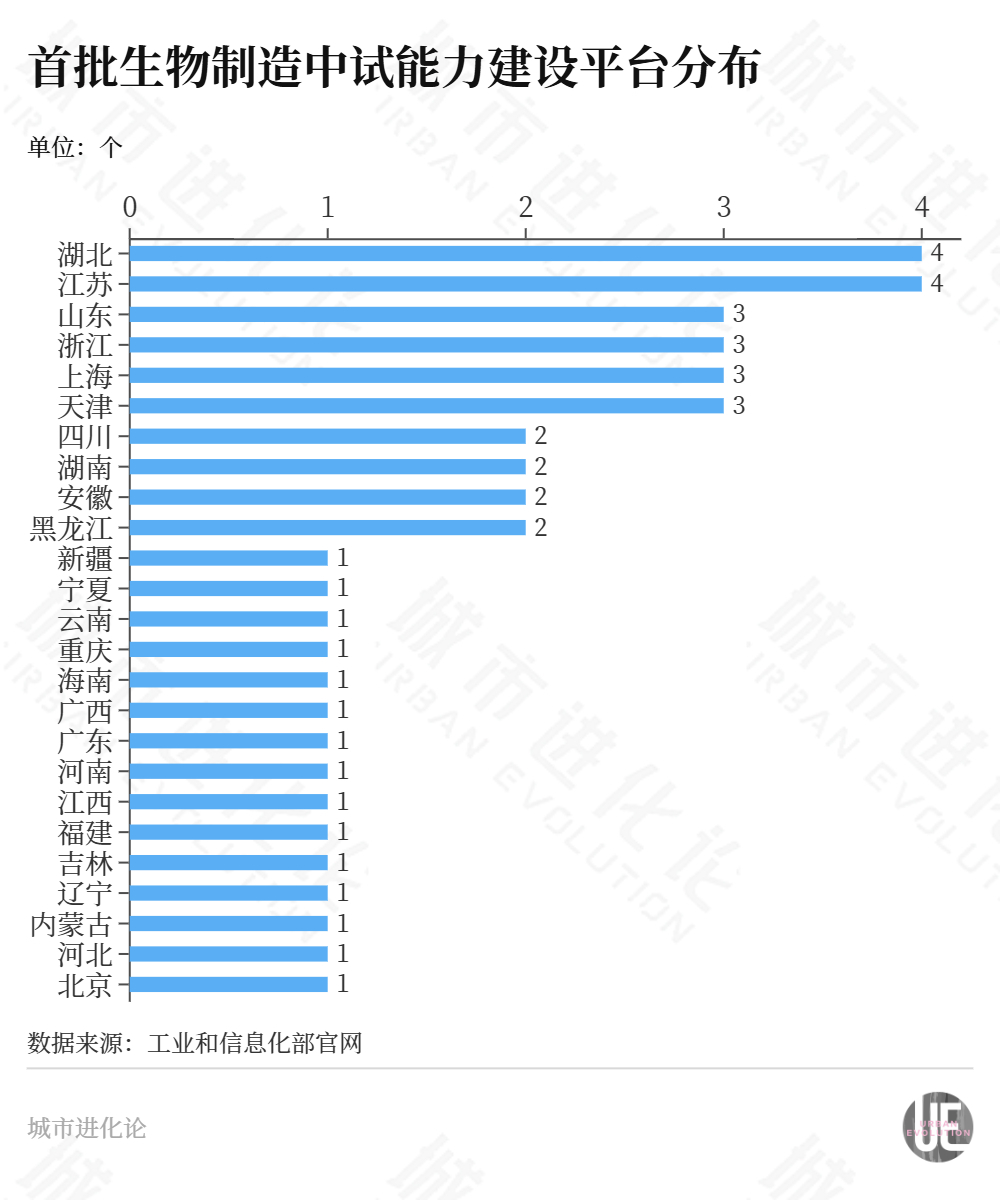
Core Viewpoint - Hubei is accelerating its development into a national hub for the biomanufacturing industry, with significant investments and advancements in technology [1][4]. Group 1: Biomanufacturing Platforms - The Ministry of Industry and Information Technology (MIIT) announced the first batch of biomanufacturing pilot platforms, with 43 platforms selected, including four from Hubei, which ranks first nationally [2][4]. - The selected platforms are distributed across 25 provinces, with Hubei and Jiangsu each having four platforms, while Tianjin, Shanghai, Zhejiang, and Shandong have three [2]. Group 2: Investment and Research - During the 14th Five-Year Plan period, Hubei's total R&D investment in biomanufacturing exceeded 5.7 billion yuan, with 11,000 valid invention patents [1][5]. - Hubei has achieved significant breakthroughs in cutting-edge areas such as synthetic biology, protein engineering, and gene editing, with several key green biomanufacturing technologies reaching international advanced levels [5]. Group 3: Industry Development and Future Plans - By 2025, Hubei plans to implement 23 projects in critical areas such as enzyme preparations and industrial strains, aiming to break through 18 key technologies [5]. - The province is focusing on optimizing regional layout, accelerating the integration of science and industry, and expanding industrial scale to build a specialized service system [1][5].

中试平台建设迈向体系化
Xin Lang Cai Jing· 2025-12-21 22:46
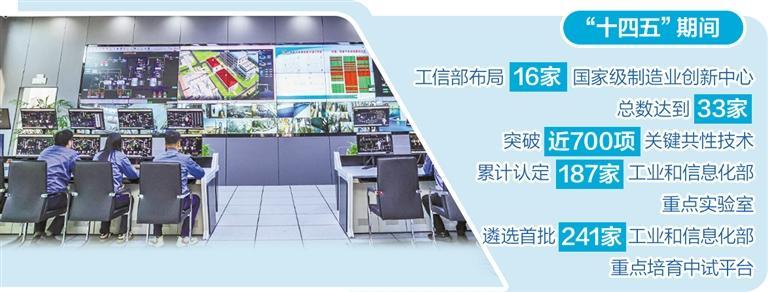
Core Viewpoint - The article emphasizes the importance of establishing a systematic layout and high-level construction of manufacturing pilot testing platforms in China to facilitate the efficient transformation of major scientific and technological achievements into productive forces, thereby promoting deep integration of technological and industrial innovation [2][4]. Group 1: Policy and Framework - The Ministry of Industry and Information Technology (MIIT) has issued a notice to accelerate the systematic layout and high-level construction of manufacturing pilot testing platforms, focusing on key tasks of new industrialization [2][4]. - The notice aims to address bottlenecks in the current pilot testing platform construction and provides a systematic and actionable implementation path for enhancing the service capabilities of these platforms [6][9]. - Over 2,400 pilot testing platforms have been established across various regions, with 241 selected as key cultivation platforms by MIIT, significantly enhancing service effectiveness for nearly 10,000 enterprises [3][4]. Group 2: Development Strategies - The notice outlines a three-pronged approach: strengthening, activating, and supplementing pilot testing platforms to enhance their capabilities and service functions [6][7]. - The strategy includes a gradient path for development, guiding platforms from basic to national-level status based on their strategic positioning, technical advantages, and service outcomes [6][7]. - Specific focus areas for development include artificial intelligence, quantum technology, and biomedicine, among others, to ensure that pilot testing platforms meet future industrial needs [7][8]. Group 3: Collaborative Support - The development of pilot testing platforms requires a multi-dimensional collaborative support system involving funding, technology, and talent [9]. - There is a need for increased financial support and the establishment of a stable investment mechanism to address the high costs associated with pilot testing platform construction [9]. - The MIIT emphasizes the importance of scientific layout and regional adaptability in promoting the high-quality development of pilot testing platforms, ensuring effective collaboration between central and local resources [9].

以创新驱动书写高质量发展新篇章
Xin Lang Cai Jing· 2025-12-21 21:43
Group 1: Technological Innovation and Achievements - Qinghai Province has made significant breakthroughs in key core technologies, including a major project that addresses the global challenge of magnesium chloride dehydration and the development of the "Qingshu 9" potato variety, which has set a new domestic record for yield at over 10,000 jin per mu [4][5] - The average vegetation coverage in the demonstration area has increased to 80%, showcasing successful low-cost ecological restoration in fragile alpine mining regions [4] - The "Qingshu 9" potato variety has a promotion area of 7.47 million mu, ranking first in the national promotion area for four consecutive years [5] Group 2: Innovation-Driven Development - The province has implemented an innovation-driven development strategy since the 14th Five-Year Plan, focusing on integrating technological research and development with industrial innovation [4][8] - Qinghai's agricultural technology innovation roadmap has been effectively promoted, enhancing the quality of the plateau potato industry and increasing the province's international influence in potato breeding [7] Group 3: Corporate Innovation and Economic Growth - Enterprises play a crucial role in technological innovation, with 66.2% of R&D investment coming from companies and 54% of R&D personnel working in enterprises [10] - Qinghai Kangpu Biotechnology Co., Ltd. is recognized as a national high-tech enterprise, focusing on the deep development of highland specialty plants and converting ecological resources into high-value products [10][11] - The province has initiated a "Technology Commissioner Service for Enterprises" mechanism to enhance corporate innovation capabilities [10] Group 4: Policy and System Reforms - Qinghai has completed 15 key tasks in its three-year action plan for technological system reform, with new measures being deployed to further enhance innovation resource allocation [8] - The province has streamlined the application and management processes for provincial scientific plans, reducing the budget reporting forms by 50% and achieving "zero-run" approvals for scientific achievements [8] Group 5: Collaborative Innovation and Regional Development - Qinghai has expanded its collaborative innovation efforts, establishing a "Science and Technology Innovation Base" in Beijing to facilitate a model of "Beijing R&D + Qinghai Transformation" [13] - The province is actively integrating into the national innovation system, with significant projects like the Cold Lake world-class astronomical observation research base and the establishment of a national sustainable development agenda innovation demonstration zone [13]
农行赋能 红河回响——农行红河分行“十四五”金融成效综述
Zheng Quan Ri Bao Zhi Sheng· 2025-12-21 15:11
Core Viewpoint - Agricultural Bank of China Honghe Branch is actively contributing to the economic and social development of Honghe Prefecture through targeted financial services and innovative products during the 14th Five-Year Plan period [2] Financial Performance - As of November 2025, the bank's deposit and loan scale exceeded 81.42 billion yuan, with deposits at 45.52 billion yuan (122% of 37.38 billion yuan in 2020) and loans at 35.89 billion yuan (168% of five years ago) [2] - Cumulative corporate loans amounted to 59.86 billion yuan and personal loans reached 50.77 billion yuan, injecting financial momentum into major projects and economic adjustments in Honghe [2] Support for Rural Revitalization - The bank has signed strategic cooperation agreements with 13 county governments to support rural revitalization, focusing on infrastructure projects in transportation, energy, and water resources [3] - Cumulative loans for major projects like the 1.93 million tons low-carbon aluminum project and wind power projects reached 4.568 billion yuan [3] Agricultural Financing - As of November 2025, the bank's agricultural loan balance was 22.21 billion yuan, with a year-to-date increase of 3.23 billion yuan (17.04% growth) [5] - The bank has established over 86,205 farmer information files and disbursed 33.36 billion yuan in "Huinong e-loans" over five years [5] Cultural and Tourism Integration - The bank supports the cultural and tourism development of Honghe, providing loans to local tourism businesses and projects, including 44.93 million yuan for 124 tourism merchants and 4.116 million yuan for 66 purple pottery merchants [7] - A strategic cooperation agreement was signed with the Honghe Cultural and Tourism Bureau to jointly promote the "Traveling in Honghe" brand [8] Innovative Financial Products - The bank launched the "Blueberry Loan" product to address financing challenges in the blueberry industry, with over 700 million yuan in loans disbursed to support the entire supply chain [9] - The bank has also introduced a new "Facility Loan" product tailored for high-investment blueberry growers, offering credit up to 2 million yuan [9] Support for Small and Micro Enterprises - The bank has focused on alleviating financing difficulties for small and micro enterprises, with a balance of 7.92 billion yuan in inclusive loans, a year-on-year increase of 25.02% [13] - The bank's "Technology e-loan" product has been utilized to provide 10 million yuan in credit to small enterprises facing liquidity issues [12] Digital Financial Services - The bank is integrating digital services into its operations, enhancing convenience for customers through various online platforms and services [14] - A framework cooperation agreement was signed with the Honghe Education and Sports Bureau to promote information technology in school food procurement and payment systems [14] Future Outlook - The bank aims to continue supporting rural revitalization, agricultural modernization, and infrastructure financing while accelerating digital transformation in the upcoming 15th Five-Year Plan [15]
科技赋能强县域 智汇基层解难题?——甘肃省科学院博士后服务团赴平凉开展服务基层活动
Xin Lang Cai Jing· 2025-12-21 14:32
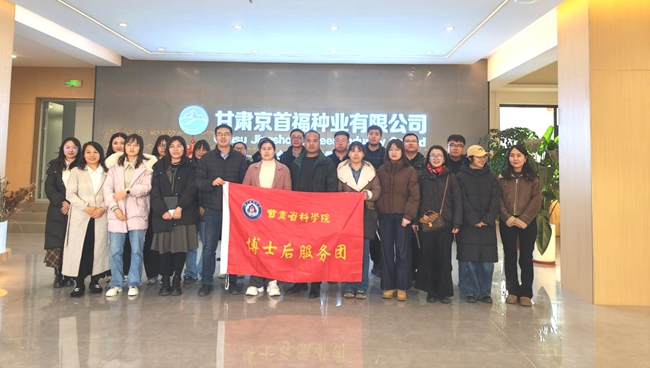
寒冬腊月,暖意涌动。为全面加快实施"四强"行动,充分发挥甘肃省科学院科技创新支撑作用,12月10 日—12月13日,甘肃省科学院组织"博士后服务团"赴平凉市、崆峒区、静宁县开展服务基层科技行活 动。 此次科技行成效显著,"精准对接、按需服务"的模式实现了"强科技"与"强县域"有机融合。服务团负责 人表示,科学院将以此次科技行为契机,进一步集聚科技人才力量,持续深化与基层企业的合作对接, 在提升研发能力、促进成果转化、服务地方发展方面勇担使命。未来,将继续组织高层次人才深入一 线,把实验室建在产业基地,把科研成果落到生产实处,以实际行动践行创新驱动发展战略,为甘肃科 技自立自强、县域经济高质量发展作出新的更大贡献。 责任编辑:李靓 作为全省人才工作重要践行者,甘肃省科学院始终将人才工作置于首位。服务团紧扣地方产业需求,先 后走进静宁县德美地缘、国草药业、京首福种业,平凉市红峰机械、国维亮维淀粉、仰韶生物科技集团 等企业,通过现场洽谈、技术研讨、实地勘查等形式,与企业技术人员面对面沟通,精准把握生产现状 与技术痛点。 "博士们从实验室走进生产一线,带来的不仅是专业技术,更是解决问题的新思路、新方法。"静宁县国 草 ...
毕盛资产创始人王国辉:长牛已至,给中国贴上“不可投资”标签的可能并不懂投资|Alpha峰会
Hua Er Jie Jian Wen· 2025-12-21 02:50
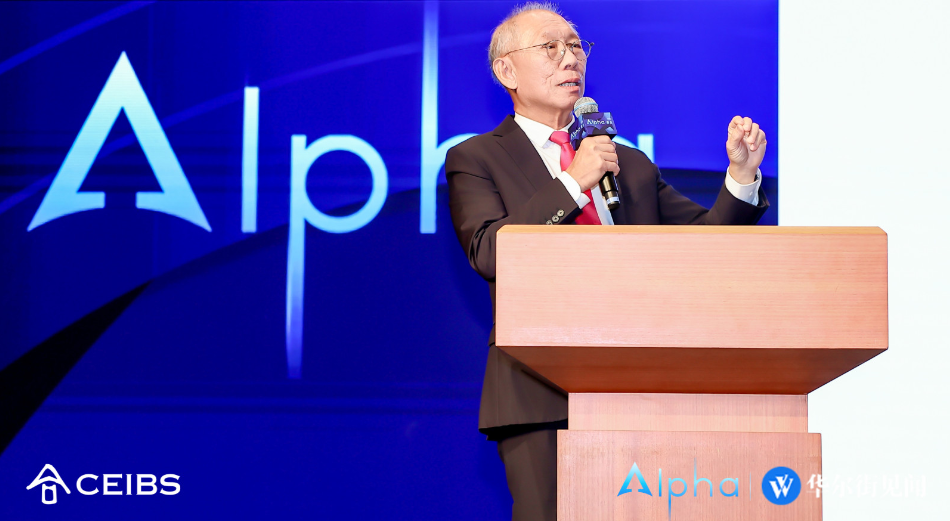
精彩观点: 12月19日,毕盛资产(APS Asset Management)创始人、执行主席兼首席策略官王国辉(Wong Kok Hoi)做客由华尔街见闻和中欧国际工商学院 联合主办的「Alpha峰会」,就2025年后的中国经济前景与全球资产配置逻辑发表了深度演讲。 王国辉是亚洲最负盛名的基金经理之一,拥有超过44年的全球投资经验。他于1995年创立的毕盛资产,是亚洲最早且业绩卓越的对冲基金管理公 司之一。王国辉以其逆向思维和基本面研究著称,曾多次在市场极度悲观时准确捕捉到中国资产的底部机会。 在本次峰会上,王国辉面对全球市场对中国的种种误解,用详实的数据和亲历的视角,从"MIT"(制造业、创新、人才)三个维度重构了中国经 济的增长逻辑,并直言给中国贴上"不可投资"标签的人,要么别有用心,要么根本不懂投资。 以下是华尔街见闻整理的精华内容: 首先,感谢主办方邀请我分享关于中国股市未来的看法。 古人云:"知者不言,言者不知。"我虽然属于后者,但作为一名在亚洲市场深耕四十多年的基金经理,我想基于我的观察,谈谈为什么我认为中 国资产正处于一个关键的历史转折点。 "不可投资"论纯属谬误 近年来,我们在国际舆论场上看 ...
云南临沧鑫圆锗业股份有限公司 对外投资进展公告
Zhong Guo Zheng Quan Bao - Zhong Zheng Wang· 2025-12-20 06:22
一、对外投资事项前期公告情况 2025年12月12日,云南临沧鑫圆锗业股份有限公司(以下简称"公司")第八届董事会第三十二次会议审 议通过《关于对外投资设立控股子公司的议案》,同意公司与昆明哈傈佤企业管理合伙企业(有限合 伙)共同出资1,000万元设立控股子公司云南锗业生物科技有限公司(暂定名,以工商登记信息为 准)。 本公司及董事会全体成员保证公告内容真实、准确和完整,没有虚假记载、误导性陈述或重大遗漏。 成立日期:2025年12月18日 住所:云南省昆明高新技术产业开发区马金铺街道办事处大营社区居委会魁星街666号 经营范围:许可项目:化妆品生产;第三类医疗器械生产;第三类医疗器械经营;检验检测服务;消毒 剂生产(不含危险化学品);用于传染病防治的消毒产品生产。(依法须经批准的项目,经相关部门批 准后方可开展经营活动,具体经营项目以相关部门批准文件或许可证件为准) 一般项目:细胞技术研 发和应用;生物化工产品技术研发;技术服务、技术开发、技术咨询、技术交流、技术转让、技术推 广;化妆品批发;化妆品零售;技术进出口;货物进出口;健康咨询服务(不含诊疗服务);日用化学 产品制造;基础化学原料制造(不含危险化学 ...

万亿新赛道,谁拿到了首批国家级“入场券”
Mei Ri Jing Ji Xin Wen· 2025-12-19 15:24
据工业和信息化部官网消息,根据《关于开展生物制造中试能力建设平台培育工作的通知》(工信厅联消费函〔2025〕234号),经省级主管部 门推荐、专家评价、面向社会公示等程序,工业和信息化部办公厅近日印发《生物制造中试能力建设平台名单(第一批)》。共有43个平台入 选。 中试是生物科技创新成果向工业生产转化的关键环节。研究表明,生物制造创新成果经过中试产业化成功率可达80%;而未经过中试的,产业 化成功率只有30%。随着我国生物制造产业发展,一大批生物制造初创企业涌现。面对爆发式的中试验证需求,需要更多的中试平台和基地, 帮助企业跨越"创新"与"产业"之间的"死亡谷"。 今年6月,工业和信息化部、国家发展改革委联合发布《关于开展生物制造中试能力建设平台培育工作的通知》,提出到2027年,力争培育生 物制造中试能力建设平台20个以上,服务企业数量超过200家,孵化产品400个以上。 中试平台数量一定程度上反映了各地的产业转化能力。从此次公布的名单来看,34个平台分布在全国25个省份中。从入选数量来看,江苏、湖 北各有4个平台入选,排名第一,位列其后的天津、上海、浙江、山东,各有3个平台入选。 工业和信息化部将按年度 ...
中环观察 | 海南封关:琼港如何实现"错位发展、互利共赢"?
2 1 Shi Ji Jing Ji Bao Dao· 2025-12-19 11:39
Core Viewpoint - The establishment of the Hainan Free Trade Port marks a significant step in China's commitment to high-level opening up and building an open world economy, with Hong Kong playing a crucial role in connecting Hainan to international markets and global capital [1][2]. Group 1: Economic Relations - Hong Kong is the largest source of foreign investment in Hainan, contributing over 70% of the total actual foreign investment [1]. - From January to July 2025, Hong Kong established 382 new enterprises in Hainan, a year-on-year increase of 7.3%, while actual use of Hong Kong capital reached 11.872 billion yuan, a 99.3% increase [1]. Group 2: Strategic Positioning - Hong Kong's mature international financial system contrasts with Hainan's focus on innovation and industrial upgrading, providing a foundation for cooperation through complementary advantages [2]. - Hainan is still in the early stages of development, with significant gaps in business environment, market maturity, and brand advantages compared to Hong Kong [2]. Group 3: Policy Differences - Hainan's policy encourages the development of processing and manufacturing industries, allowing goods with over 30% added value from imported materials to enter the mainland without import tariffs, differing fundamentally from Hong Kong's zero-tariff policy for global trade [3][4]. Group 4: Financial Cooperation - Hong Kong plays a dual role in Hainan's development as a core partner for attracting international capital and as a platform for Hainan enterprises to access global markets [4][6]. - Hainan's issuance of offshore RMB bonds in Hong Kong has attracted significant international interest, indicating strong market recognition [4]. Group 5: Digital Economy and Professional Services - The existing international submarine cable connection between Hainan and Hong Kong provides a technical foundation for cooperation in data trade and artificial intelligence [4]. - Progress has been made in mutual recognition of professional qualifications, facilitating Hong Kong professionals' practice in Hainan [5]. Group 6: Industry Collaboration - There are broad cooperation opportunities in biotechnology, environmental technology, intellectual property trading, and cultural tourism between Hainan and Hong Kong [5][6]. - Hong Kong's strong research capabilities can be leveraged in Hainan's medical and healthcare sectors, enhancing innovation and product development [7][8].
昊海生物科技12月19日斥资28.88万港元回购1.13万股
Zhi Tong Cai Jing· 2025-12-19 09:11
昊海生物科技(06826)发布公告,该公司于2025年12月19日斥资28.88万港元回购1.13万股股份,每股回 购价格为25.54-25.56港元。 ...