新能源汽车制造

Search documents
“青知讲说人·这young探北京”青年体验活动:打开学子求职新视野
Zhong Guo Qing Nian Bao· 2026-01-03 02:15
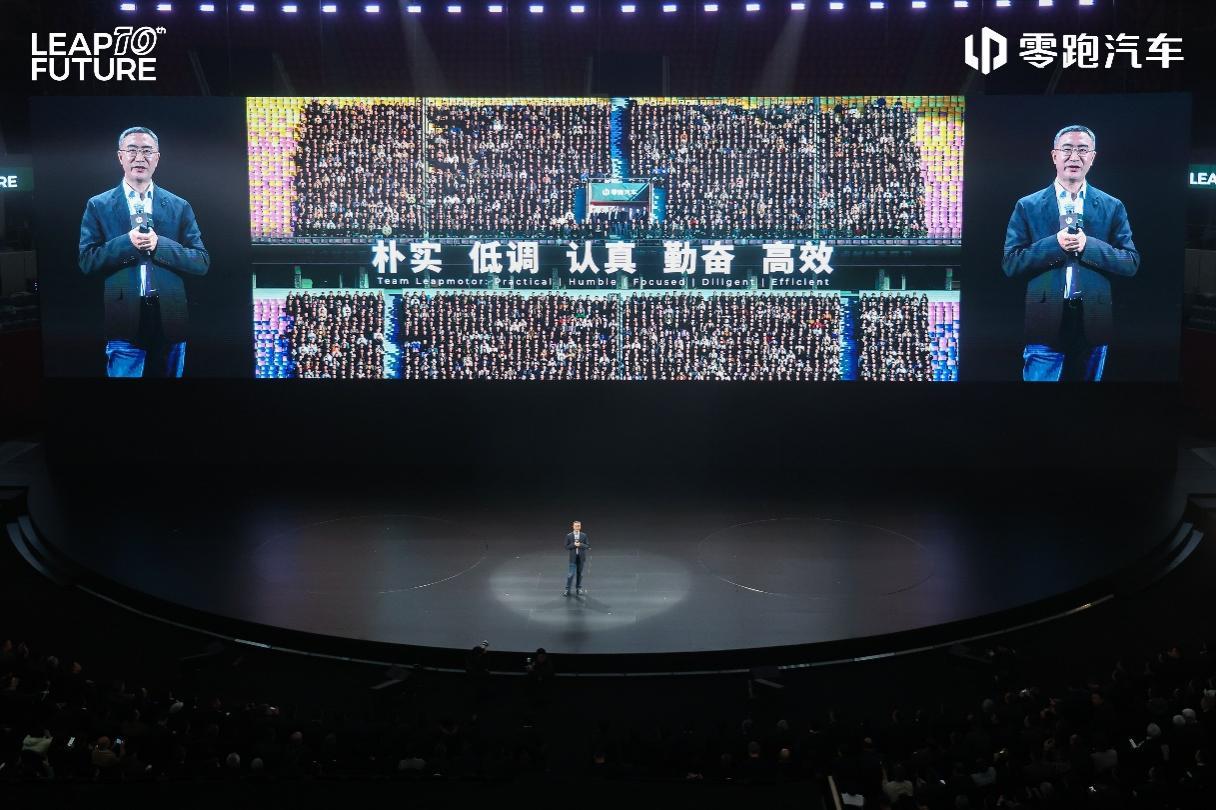
Group 1 - The "Youth Experience Activity" aims to immerse university students in practical learning about cultural heritage preservation, transportation history, and smart manufacturing, aligning with Beijing's high-quality development goals [4][5][9] - The event is supported by various organizations, including the Beijing Municipal Employment Promotion Center and several universities, facilitating direct interaction between students and industry professionals [2][4] - The activity emphasizes the need for interdisciplinary talents in cultural heritage preservation, combining traditional skills with modern technology, highlighting a talent gap in this field [5][9] Group 2 - The 京张 Railway, a significant historical engineering achievement, serves as a backdrop for students to explore the evolution of transportation and its impact on national development [6][7] - The North Vehicle Group's smart manufacturing facility showcases advancements in electric and intelligent vehicle production, providing students with hands-on experience in modern manufacturing processes [8][9] - The event encourages students to integrate their personal career aspirations with national needs, fostering a sense of responsibility and connection to the country's development [9]

异动盘点0102 |商业航天概念股全线飙升,SaaS概念涨幅居前;万达生物制药涨25.46%,Corcep医疗暴跌50.42%
贝塔投资智库· 2026-01-02 04:01
Group 1 - NetEase-S (09999) rose over 6.5% after the announcement of the anniversary version of "Yanyun Sixteen Sounds" launching on December 27, 2025, which topped the iOS game sales chart. Huatai Securities previously indicated that the first-year revenue could reach 20-30 billion [1] - Commercial aerospace concept stocks surged, with Asia Pacific Satellite (01045) up 31.29%, Aerospace Holdings (00031) up 20%, and Goldwind Technology (02208) up 18.27%. Blue Arrow Aerospace's IPO application was accepted, marking it as the first company to be accepted under the new listing standards since the expansion [1] - Li Auto-W (02015) increased over 5.6% after reporting 44,246 vehicle deliveries in December 2025, totaling 109,194 for Q4. By December 31, 2025, cumulative deliveries reached 1,540,215, making it the first new force brand to achieve the 1.5 million delivery milestone [1] Group 2 - Hua Hong Semiconductor (01347) surged over 11% after announcing plans to acquire 97.4988% of Huali Micro's shares and raise funds through a stock issuance to specific investors [2] - Skyworth Group (00751) rose over 10% following the signing of a 10MW distributed photovoltaic power station project in Italy, marking a significant step in its overseas market expansion [2] - Baidu Group-SW (09888) increased over 8.1%, with a cumulative rise of over 15% this week, after announcing the submission of a listing application for Kunlun Chip on the Hong Kong Stock Exchange [2] Group 3 - SaaS concept stocks saw significant gains, with Lion Holding (02562) up 16.48%, Kingdee International (00268) up 7.22%, and Huily Technology (01860) up 4.52%. Meta announced a multi-billion dollar acquisition of the AI product developer Manus [3] - Xirui (02507) rose nearly 10% following the release of the U.S. Department of Transportation's strategic plans aimed at advancing the future of aviation [3] Group 4 - Meitu Company (01357) increased over 5.7% after announcing a $250 million convertible bond issuance to Alibaba, which could result in Alibaba holding 6.82% of Meitu's shares, making it the third-largest shareholder [4] Group 5 - Bitcoin surpassed $88,000, leading to a rise in some cryptocurrency mining stocks, including TeraWulf (WULF.US) up 3.05% and Applied Digital (APLD.US) up 1.83% [5] - Mindonghong (ORIS.US) surged 22.13% after signing a non-binding letter of intent to acquire Hubei Daguan Tea Industry Group, aiming to strengthen upstream supply control [5] - Wanda Biopharmaceuticals (VNDA.US) rose 25.46% after announcing FDA approval for its new drug Nereus, intended for preventing exercise-induced vomiting [5] Group 6 - Storage concept stocks fell, with SanDisk (SNDK.US) down 1.18%, Western Digital (WDC.US) down 2.15%, and Micron Technology (MU.US) down 2.47% [6] - Corcep Medical (CORT.US) plummeted 50.42% after receiving a complete response letter from the FDA regarding its new drug application for Relacorilant [6] - TSMC (TSM.US) rose 1.44% as Nvidia is negotiating new orders for its H200 chip, with TSMC expected to expand capacity by Q2 2026 [6] Group 7 - New energy vehicle stocks declined, with Tesla (TSLA.US) down 1.04%, NIO (NIO.US) down 7.27%, and Li Auto (LI.US) down 1.97% [7] - Pony.ai (PONY.US) fell 0.96% despite announcing that its Robotaxi fleet exceeded 1,159 vehicles, surpassing its 1,000 vehicle target for 2025 [7]


申万宏源证券晨会报告-20251231
Shenwan Hongyuan Securities· 2025-12-31 00:45
Group 1: China Ping An (601318) - The insurance sector is expected to undergo a value reassessment, with China Ping An demonstrating significant advantages in managing liability costs and outperforming peers in interest spread performance. The stabilization of long-term interest rates and the ongoing entry of insurance funds into the market indicate a clear trend of asset improvement, suggesting that the insurance sector will benefit from this reassessment [3][13]. - Investment analysis suggests an upward revision of profit forecasts, maintaining a "buy" rating. The projected net profit for 2025-2027 is adjusted to 146.8 billion, 161.2 billion, and 188 billion RMB, respectively, with a target price of 93.8 RMB per share, corresponding to a P/EV of 0.99x for 2026 [3][13]. - The company has a high dividend yield, with a focus on shareholder returns, and is expected to see a recovery in OPAT growth in 2026. The public fund's holding in China Ping An is below the weight of the CSI 300, indicating potential for increased capital inflow [3][13]. Group 2: 37 Interactive Entertainment (002555) - The company has demonstrated strong operational capabilities through strategic transformations over the years, maintaining a stable management team and timely adjustments to its systems. The gaming pipeline is expected to validate its product offerings in 2025 [12][15]. - The revenue forecast for 2025-2027 is adjusted to 16.2 billion, 18.6 billion, and 20.9 billion RMB, with net profit estimates of 3.22 billion, 3.54 billion, and 3.81 billion RMB, respectively. The current price corresponds to a PE of 15/14x for 2026-2027 [12][15]. - The company is actively integrating AI into its production and content innovation, with a focus on expanding its product pipeline in the gaming sector, particularly in the SLG and casual gaming markets [12][15]. Group 3: Baidu Group (09888) - Baidu is advancing its AI stack, with significant growth in its intelligent cloud business. The company has released new AI chips and models, positioning itself as a leader in the AI large model solution market [14][15]. - Revenue projections for Baidu from 2025 to 2027 are set at 128.5 billion, 133.1 billion, and 141 billion RMB, with corresponding growth rates of -3%, 4%, and 6%. The target valuation for the group is 430.2 billion RMB, with a target price of 172.54 HKD per share [14][15]. - The company is also seeing substantial growth in its autonomous driving segment, with a significant increase in order volume and profitability, indicating a strong market position in the next-generation mobility space [14][15]. Group 4: Real Estate Industry - The real estate sector has experienced significant adjustments, with a focus on repairing household balance sheets as a key to recovery. The government is expected to introduce further supportive policies to stabilize the market [18][22]. - The recent reduction in the value-added tax for housing sales is aimed at lowering transaction costs for sellers, which may help restore the transaction chain, although the overall impact on demand remains limited [18][20]. - Investment recommendations include focusing on commercial real estate and high-quality housing companies, with expectations of value reassessment in the sector as supportive policies are anticipated [18][22]. Group 5: Electric Vehicle Industry - The continuation of subsidies for electric vehicles in 2026 is expected to enhance the penetration rate of electric vehicles, with specific measures aimed at promoting the replacement of old vehicles and supporting the electrification of public transport [24][25]. - The policy changes reflect a commitment to boosting consumer demand for electric vehicles, with expectations of strong sales growth in the coming year [24][25]. - Investment opportunities are highlighted in battery manufacturers and material suppliers, with a focus on the long-term growth potential of the electric vehicle market [24][25].



【新能源周报】新能源汽车行业信息周报(2025年12月22日-12月28日)
乘联分会· 2025-12-30 08:39
Industry Information - The 2025 Globalization and Sustainable Development Forum for the automotive industry released three key industry consensus points, emphasizing the integration of electric intelligence with ESG responsibilities, the importance of safety and user value in smart vehicles, and the necessity of sustainable development as a core requirement for the automotive industry [7] - Wuhan's 14th Five-Year Plan suggests accelerating the development of emerging industries such as embodied intelligence, high-end chips, quantum technology, and brain-computer interfaces [8] - As of November 2025, the total number of electric vehicle charging infrastructure in China reached 19.322 million, a year-on-year increase of 52.0%, with public charging facilities accounting for 4.625 million [9][10] - The total investment for the EVE Energy headquarters and Jin Yuan Robot AI Center project is approximately 1 billion yuan, focusing on sodium battery products and AI robotics [12] - Guangzhou aims to create a trillion-level smart connected new energy vehicle industry cluster as part of its 14th Five-Year Plan [13] - The "Shenzhen-Hong Kong Automotive Fast Pass Plan" has been officially implemented, streamlining the import process for electric vehicles [14] - The National Energy Administration is promoting the construction of charging piles in rural areas to support the growth of electric vehicles [15] - Huawei's ADS MAX 4.1 upgrade significantly enhances the experience in urban congestion scenarios [16] - The first batch of L3-level autonomous driving vehicle special license plates has been issued in Beijing, marking a milestone in the commercialization of autonomous vehicles [16] - By 2026, over 10,000 charging guns will be built in highway service areas across the country [16] - The National Energy Administration reported a 60.2% year-on-year increase in electricity consumption for charging and swapping services in November 2025 [18] - The first automotive intelligent chassis testing report was released, with BYD's Yangwang U7, NIO ES8, and Zhijie R7 recognized as benchmark models [20] - Hunan's electric vehicle exports exceeded 10 billion yuan for the first time, with a year-on-year growth of 105.3% [22] - Guangzhou's new energy vehicle production increased by 22.6% in the first 11 months of 2025 [22] - A total investment of 7.47 billion yuan was signed at the Ningde lithium battery new energy industry promotion conference, with an expected annual output value of 12.14 billion yuan [27] - The annual export of new energy vehicles from the Xiangyang Comprehensive Bonded Zone exceeded 10,000 units for the first time, marking a 350% year-on-year increase [27] - Inner Mongolia's Chifeng City has built 3,453 charging piles during the 14th Five-Year Plan period [29] Policy Information - The Guizhou Qiannan Prefecture government issued a plan for high-quality energy industry development from 2025 to 2027, focusing on expanding charging infrastructure [30] - The Henan Sanmenxia government released a plan for the construction of charging facilities in residential areas [31] - The Jiangsu province is adjusting its electric vehicle charging fee subsidy policy for 2026 [32] - The National Development and Reform Commission emphasized the need to regulate competition in the new energy vehicle, lithium battery, and photovoltaic industries to avoid "involution" [23][24]




一汽战略入股开启新篇,零跑如何以全域自研穿越周期
Xin Lang Cai Jing· 2025-12-30 07:56
Core Insights - The article highlights the significant achievements of Leap Motor as it celebrates its 10th anniversary, marking its evolution from a pure vehicle manufacturer to a technology enabler in the Chinese electric vehicle (EV) industry [1][5][10] Group 1: Strategic Partnerships and Collaborations - On December 28, 2025, China FAW Group and Leap Motor announced a deepened capital and technology cooperation, with FAW's equity investment company strategically investing in Leap Motor [3] - This partnership signifies a rare integration between a traditional state-owned enterprise and a new automotive force, reinforcing Leap Motor's position in the industry [5][10] - The collaboration with FAW and Stellantis provides Leap Motor with a stable triangular equity structure, ensuring control for the founding team while gaining support from major industry players [13] Group 2: Technological Advancements and R&D - Leap Motor has established a comprehensive self-research system over the past decade, achieving self-manufacturing of over 65% of vehicle components and maintaining an 80% ratio of R&D personnel [9][10] - The company has built 17 major component factories, covering the entire core technology chain of smart electric vehicles, including batteries, electric drives, and advanced driver-assistance systems [9][10] - Leap Motor's focus on core technology has resulted in continuous quarterly profitability, distinguishing it as a stable profit-making entity among new automotive forces [10] Group 3: Global Expansion Strategy - Leap Motor has adopted an innovative "borrowed boat" strategy for global expansion, partnering with Stellantis to leverage its extensive global channel network and supply chain resources [11] - Within a year, Leap Motor has expanded its business to 35 countries and regions, establishing over 800 service points, including entry into high-regulation markets like France and Germany [11] - The company aims to achieve overseas deliveries of over 60,000 units in 2025, positioning itself as a leader in overseas sales among new automotive brands [11] Group 4: Future Goals and Product Development - Leap Motor has launched two flagship models, D19 and D99, reflecting its strategic ambition to move upmarket and redefine luxury in the automotive sector [15] - The company aims to sell 4 million vehicles annually by 2026, with a focus on five strategic directions, including continuous technological innovation and the development of an integrated marketing service system [15][18] - Leap Motor's commitment to practical technology and efficiency, rather than speculative concepts, sets it apart in the competitive landscape of the EV industry [16][18]
极氪美股退市仅3天即发起23亿天价索赔 吉利实施私有化前是否刻意隐瞒重大信息?
Xin Lang Cai Jing· 2025-12-30 07:33
Core Viewpoint - Geely's subsidiary Zeekr has filed a lawsuit against battery supplier Sunwoda, claiming damages of 2.314 billion yuan due to quality issues with battery cells supplied over a period of two years, raising questions about the timing and motivations behind the lawsuit following Zeekr's recent privatization and delisting from the U.S. stock market [1][2][11]. Group 1: Lawsuit Details - The lawsuit was filed by Weir Electric Vehicle Technology, a key subsidiary of Zeekr, which has been involved in the development and manufacturing of core components for electric vehicles since its establishment in 2017 [2]. - Weir Electric claims that the battery cells delivered by Sunwoda from June 2021 to December 2023 had quality issues, leading to significant financial losses, including the principal claim of 2.314 billion yuan plus interest and legal costs [2][3]. - The relationship between Weir Electric and Sunwoda began in April 2021, with the first Zeekr model equipped with Sunwoda cells delivered in October 2021 [2]. Group 2: Market Impact and Financial Losses - Zeekr's rapid delisting from the U.S. market occurred just 19 months after its IPO, resulting in a direct loss of approximately 3.5 billion yuan for Geely, which raised concerns about the company's financial health and strategic decisions [7][8]. - The IPO raised a total of 3.62 billion yuan, but after accounting for underwriting fees and other costs, the net external funding was only about 1.496 billion yuan [8]. - Geely's total cash outlay for the privatization was around 24 billion yuan, with a significant portion of shareholders opting for cash payouts, leading to a direct cash loss of about 5 billion yuan [8]. Group 3: Quality Issues and Customer Feedback - The battery cells in question were primarily used in the Zeekr 001 WE86 model, which saw over 70,000 units sold in 2022, with more than 60% of those being the WE86 version [3]. - Customers reported issues such as slow charging speeds and discrepancies in advertised range, with complaints escalating in 2023 regarding battery performance and safety concerns [3][4]. - By the end of 2023, Weir Electric began reducing purchases from Sunwoda, shifting to products from CATL and Geely's own battery company [4]. Group 4: Strategic Implications of the Lawsuit - If Zeekr wins the lawsuit, the compensation could significantly improve its financial metrics, including net profit and cash flow, as the claimed amount exceeds its losses for the first three quarters of 2025 [9]. - The lawsuit could also help restore Zeekr's brand reputation by establishing supplier accountability for quality issues, potentially enhancing its negotiating power in future supply chain discussions [10]. - The timing of the lawsuit, following the delisting, raises questions about whether Geely aimed to avoid disclosure obligations under U.S. regulations, allowing for a more strategic approach to litigation [11][12].


十年磨一剑:零跑的坚守、普惠与长期主义
Zhong Guo Qi Che Bao Wang· 2025-12-30 07:25
Core Insights - The article highlights the ten-year journey of Leap Motor, showcasing its transformation from a startup to a leading player in the electric vehicle (EV) industry, emphasizing its commitment to self-research and technological innovation [2][4][18] Group 1: Company Overview - Leap Motor was founded in 2015 by engineer Zhu Jiangming, who aimed to revolutionize the automotive industry through IT, leading a team predominantly composed of engineers [4][6] - Over the past decade, Leap Motor has achieved significant milestones, including over 1.2 million users, nearly 600,000 annual sales, and a global network covering 35 countries with over 1,800 channels [4][6] - The company has established 17 major component factories, achieving 65% of vehicle costs through self-research, resulting in a 10% cost advantage [6][9] Group 2: Technological Innovation - Leap Motor's commitment to "technology for all" has redefined value standards in the automotive market, allowing consumers to access high-end features without the associated premium prices [9][11] - The company has introduced advanced technologies such as laser radar and central domain control in its vehicles, which were previously exclusive to luxury models, enhancing the user experience [9][11] - Leap Motor's focus on user-centric product innovation addresses real consumer pain points, ensuring that technology becomes an integral part of everyday life [11][12] Group 3: Global Expansion and Market Strategy - The company has formed strategic partnerships, such as with Stellantis, to facilitate its global expansion, breaking traditional market-entry barriers and promoting its value proposition internationally [12][15] - Leap Motor's domestic "1+N" channel model has established over 1,000 service points, ensuring efficient coverage and a transparent, responsive user experience [12][15] Group 4: Long-term Vision and Sustainability - Leap Motor emphasizes long-termism as a core principle, focusing on sustained technological innovation and maintaining a high percentage of R&D personnel [15][16] - The company has successfully created a diversified business model, acting as both an OEM and a Tier 1 supplier, which allows it to maximize technological output and foster industry-wide value enhancement [16][18] - Leap Motor's journey reflects the broader evolution of China's EV industry, demonstrating the capability of Chinese brands to master core technologies and create world-class products [18]

经营受托方落定,融资计划启动 哪吒汽车“复活”进入实质阶段
Sou Hu Cai Jing· 2025-12-29 09:20
Core Viewpoint - Neta Auto, under its parent company Hozon New Energy Automobile Co., Ltd., is undergoing a critical restructuring process after facing severe operational challenges, including a production halt of over 14 months and significant debt issues, while attempting to retain its valuable vehicle manufacturing qualifications [1][3][10]. Group 1: Crisis and Judicial Intervention - The crisis for Neta Auto escalated in June 2025, with reported employee salary and compensation arrears amounting to approximately 4 billion RMB, affecting over 3,000 employees [3]. - On June 12, 2025, the Jiaxing Intermediate People's Court officially accepted Hozon New Energy's restructuring application, marking the company's entry into judicial restructuring [3]. Group 2: Restructuring Process Key Milestones - In March 2025, over 100 suppliers, including major battery and component manufacturers, issued a joint initiative to support Neta Auto in resolving its debts and resuming production, leading to a debt-to-equity swap agreement [5]. - Starting in August 2025, the restructuring process accelerated, with the management announcing a public recruitment for restructuring investors, raising the deposit threshold to 50 million RMB, which did not deter investor interest [5]. - By early September 2025, one potential investor had submitted a 50 million RMB deposit and a preliminary restructuring investment proposal, likely from Shanzi High-Tech Co., Ltd., a diversified enterprise group [7][9]. Group 3: Asset Value and Core Challenges - Neta Auto's most valuable assets include its independent new energy vehicle production qualifications, accumulated intellectual property, and existing production line equipment [10]. - The company operates three domestic production bases and has developed multiple vehicle platforms, but its main production facility in Qianjiang has been largely inactive since October 2024, leading to a significant shrinkage in sales channels [10]. Group 4: Market Environment and Future Outlook - The Chinese new energy vehicle market has become highly competitive, with Neta Auto previously leading sales in 2022 with 152,000 units sold, but has since struggled due to strategic missteps and market positioning issues [11]. - If the restructuring is successful, Neta Auto is expected to rely on continued financial support from investors to gradually restart production of a limited number of validated models while maintaining minimal operational costs [11]. - The management's operational period is set until March 12, 2026, covering the critical negotiation phase for final restructuring investors [13].

五大战略方向引领 零跑汽车全面迈向世界级智能电动车企
Zheng Quan Ri Bao Wang· 2025-12-29 04:53
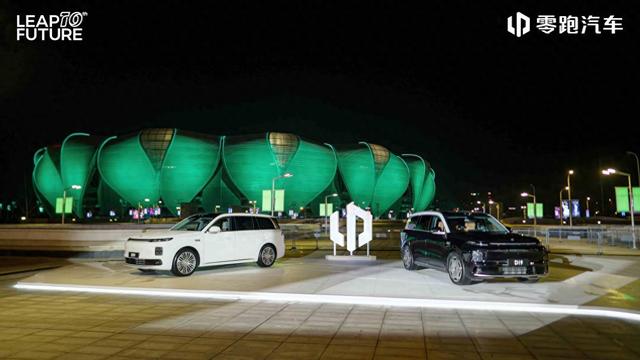
Core Insights - Leap Motor celebrated its 10th anniversary with a grand event in Hangzhou, showcasing its achievements in the electric vehicle sector and unveiling its strategic plan for the next decade [1] - The company aims to become a world-class intelligent electric vehicle manufacturer, with flagship models D19 and D99 highlighting its commitment to innovation and quality [1] Group 1: Company Development - Leap Motor has focused on "full self-research" as its core driving force, maintaining a high R&D personnel ratio of 80%, which has enabled it to master all core technologies required for electric vehicles [2] - The company has achieved significant market performance, with cumulative global deliveries exceeding 1.2 million vehicles and a projected annual sales volume of nearly 600,000 units by 2025, leading the new car-making forces in China [3] - Leap Motor has established over 1,800 service outlets globally, with more than 1,000 in China and over 800 overseas, covering 35 countries and regions [3] Group 2: Product Strategy - The company has developed a comprehensive product matrix covering all vehicle categories, including sedans, SUVs, and MPVs, with plans to launch several new models in 2025 [4] - The D19 and D99 models are positioned to redefine luxury standards in the market, featuring advanced technology and high-quality materials [5][6] - The D19 SUV offers flexible seating arrangements and high-end features, while the D99 MPV is set to become a benchmark in the 300,000 RMB segment, with both models available in extended range and pure electric versions [6] Group 3: Future Vision - Leap Motor's long-term goal is to achieve annual sales of 4 million vehicles, with a target of breaking the 1 million mark by 2026 [6] - The company plans to focus on five core areas: technological innovation, product series enhancement, AI technology research, localized industrial layout, and refined marketing management [6] - Leap Motor aims to leverage its technological advancements and efficient manufacturing systems to enhance its global influence and provide exceptional smart mobility experiences for users [6]

零跑汽车十周年发布会在杭州举办
Huan Qiu Wang· 2025-12-29 04:28
Core Insights - Leap Motor celebrated its 10th anniversary and unveiled its strategic plan for the next decade, highlighting its achievements and future goals [1][8] - The company aims to become a world-class automaker with an annual sales target of 4 million vehicles and plans to break the 1 million sales mark by 2026 [8] Company Performance - Leap Motor has delivered over 1.2 million vehicles to date, with an expected annual sales of nearly 600,000 units in 2025 and a monthly sales record exceeding 70,000 units [3][4] - The company has achieved continuous quarterly profitability, indicating a shift towards high-quality and sustainable development [3] Technological Advancements - Leap Motor has developed a comprehensive R&D system covering key areas such as vehicle architecture, electronic architecture, battery systems, and autonomous driving technologies, with self-research accounting for 65% of vehicle costs [3][4] - The company introduced several key technologies, including the first automotive-grade intelligent driving chip and integrated battery systems, aiming to bring advanced features to the mainstream market [3][4] Product Development - The launch of the D19 SUV and D99 MPV marks the expansion of Leap Motor's product lineup, which now includes a diverse range of vehicles from A0 to D-class, offering both pure electric and range-extended options [4][7] - The D19 features a flexible seating arrangement and advanced interior technologies, while the D99 emphasizes luxury and performance with high-capacity battery options [7] Strategic Partnerships - Leap Motor has established a strategic collaboration with Stellantis, leveraging its global resources for channel networks, after-sales service, and logistics, facilitating international expansion [5] - The company has successfully entered 35 countries and regions, with over 800 overseas sales and service outlets, enhancing its global presence [5] Future Outlook - Leap Motor plans to focus on five key areas for future growth: technology innovation, product evolution, ecosystem development, localized industrial layout, and refined marketing services [8] - The company aims to integrate its technological advancements and manufacturing capabilities to strengthen its market competitiveness and contribute to the growth of the electric vehicle industry [8]