
可再生能源

Search documents
中国拓展绿色贸易填补全球“绿色缺口”,多部门详解实施方案
2 1 Shi Ji Jing Ji Bao Dao· 2025-10-31 12:08
Core Viewpoint - The development of green trade is a crucial measure for optimizing trade and accelerating the construction of a strong trading nation, as outlined in the "Implementation Opinions" released by the Ministry of Commerce on October 30 [1][2]. Group 1: Green Trade Development - The Ministry of Commerce aims to enrich the global supply of green low-carbon products and services, filling the "green gap" and injecting more "green positive energy" into global climate governance [2]. - Green trade will promote trade optimization through a "dual drive" approach, focusing on exporting green products and technologies while pushing for innovation in production methods via green standards and supply chain management [2][3]. - The global market for electric vehicles, solar energy, and wind energy is projected to reach $2.1 trillion by 2030, five times its current size, indicating a significant market opportunity for green products [2]. Group 2: Performance of Green Products - China's exports of green low-carbon products have shown remarkable growth, with wind turbine components increasing by over 30% in the first three quarters of this year, and photovoltaic products exceeding 200 billion yuan in export value for four consecutive years [2][3]. - The export volume of electric vehicles surpassed 2 million units last year, with strong growth in green transportation tools such as electric motorcycles and bicycles [2]. Group 3: Policy and Structural Support - The "Implementation Opinions" propose measures covering the entire foreign trade supply chain, encouraging the use of recycled materials and eco-friendly packaging to minimize resource waste and environmental pollution [4][5]. - The Ministry of Industry and Information Technology has created 451 green design enterprises and developed over 40,000 green products, with green factories accounting for over 20% of total output [3][4]. Group 4: International Cooperation - China has received positive responses from over 50 economies regarding the "International Economic and Trade Cooperation Framework Initiative for Digital Economy and Green Development," promoting green trade on a global scale [6]. - The upgraded China-ASEAN Free Trade Area 3.0 agreement includes green economy initiatives, marking a significant step in regional cooperation for sustainable development [6][7]. - Eight priority cooperation areas have been established, including green trade, investment, and sustainable finance, to support the development of a green economy in the region [7].
新闻发布︱国家能源局举行季度例行新闻发布会
国家能源局· 2025-10-31 10:33
Core Viewpoint - The National Energy Administration (NEA) is actively implementing the spirit of the 20th National Congress of the Communist Party of China, focusing on building a new energy system and ensuring energy supply stability during peak seasons, while promoting renewable energy integration and electric vehicle charging infrastructure development [6][8][9]. Group 1: Energy Situation in the First Three Quarters - The energy supply in China has been stable and effective, with significant policy support leading to orderly industry development and a steady increase in energy investment [10][11]. - The maximum electricity load reached new highs during the summer peak, with July and August seeing electricity consumption exceed 1 trillion kilowatt-hours for two consecutive months [11][28]. - Coal production and oil and gas output have shown steady growth, with coal output increasing by 2%, oil by 1.7%, and natural gas by 6.4% year-on-year [11][12]. Group 2: Renewable Energy Integration - Renewable energy installed capacity has reached nearly 2.2 billion kilowatts, with wind and solar power exceeding 1.7 billion kilowatts, and a 47.7% year-on-year increase in new installations [13][14]. - Renewable energy generation has grown steadily, accounting for approximately 60% of industrial electricity consumption, with total generation reaching 2.89 trillion kilowatt-hours, a 15.5% increase year-on-year [14][15]. - The average utilization hours for hydropower reached 2,551 hours, with wind power achieving a utilization rate of 94% [15][16]. Group 3: Electric Vehicle Charging Infrastructure - The total number of electric vehicle charging facilities reached 18.06 million, a 54.5% increase year-on-year, effectively supporting the charging needs of 40 million electric vehicles [17][18]. - Policies have been implemented to enhance charging infrastructure, with a goal to build 28 million charging facilities by 2027 to meet the demand of over 80 million electric vehicles [18][19]. - New technologies in charging, such as high-power charging stations, have been rapidly adopted, significantly improving charging speed and efficiency [19]. Group 4: Market Mechanisms and Policies - The national unified electricity market has seen a steady increase in trading volume, with a total of 4.92 trillion kilowatt-hours traded, representing a 7.2% year-on-year growth [21][22]. - The NEA is focusing on enhancing the flexibility of the energy system through various measures, including the promotion of virtual power plants and the integration of electric vehicles into the energy grid [41][42]. - The NEA is also addressing the issue of negative electricity prices, which have become more frequent due to the increasing share of renewable energy, indicating a need for better market regulation [36][37]. Group 5: Future Plans and Goals - The NEA aims to achieve a clean, low-carbon, safe, and efficient new energy system by 2035, with specific targets for renewable energy capacity and consumption [37][38]. - Key strategies include expanding renewable energy supply, promoting integrated development, and enhancing the market mechanisms to support high proportions of renewable energy [38][39]. - The NEA is committed to ensuring energy security and stability during peak seasons, particularly in winter, by strengthening fuel supply and enhancing emergency management capabilities [30][31].

前三季度全国可再生能源新增装机同比增长47.7%
Xin Hua Wang· 2025-10-31 10:15
Core Insights - The National Energy Administration reported that by the third quarter of 2025, the newly installed capacity of renewable energy reached 310 million kilowatts, a year-on-year increase of 47.7%, accounting for approximately 84.4% of the total new installed capacity [1] - The installed capacity of renewable energy in China approached 2.2 billion kilowatts by the end of September 2025, representing a year-on-year growth of 27.2% and about 59.1% of the total power generation capacity [1] - Renewable energy generation reached 2.89 trillion kilowatt-hours in the first three quarters of 2025, an increase of 15.5% year-on-year, contributing to around 40% of total electricity generation [1] Renewable Energy Development - Hydropower added 7.16 million kilowatts, wind power added 61.09 million kilowatts, solar power (including solar thermal) added 240 million kilowatts, and biomass power added 1.05 million kilowatts in the first three quarters of 2025 [1] - The growth in renewable energy generation supports the overall electricity supply for society, reaching approximately 60% of industrial electricity consumption during the same period [1] Investment Trends - The investment in key energy projects in China maintained rapid growth, with the completed investment amounting to 1.97 trillion yuan in the first eight months of the year, reflecting an 18.2% year-on-year increase [2]
财经观察:“核能时代落幕”,德国电力靠什么保障
Huan Qiu Shi Bao· 2025-10-30 22:44
Core Viewpoint - Germany has officially abandoned nuclear power, marking the end of an era that has provided electricity for approximately 60 years, raising concerns about rising electricity costs for consumers and the impact on energy-intensive industries [1][2]. Group 1: Germany's Nuclear Phase-Out - Germany is the first major industrial nation to completely phase out nuclear power, which has been a significant source of electricity since the 1960s [1]. - The decision to abandon nuclear energy was solidified after the Fukushima disaster in 2011, leading to the closure of the last three nuclear plants in April 2023 [2]. - The closure of nuclear plants has resulted in increased carbon emissions, as Germany has had to rely more on coal to meet electricity demands, creating a conflict between environmental goals and energy policy [2][3]. Group 2: Public Sentiment and Economic Impact - A significant portion of the German public opposes the nuclear phase-out, with surveys indicating that nearly two-thirds of Germans are against closing the remaining nuclear plants [4]. - Since 2011, German consumers have incurred an additional cost of €57 billion due to the transition away from nuclear energy [4]. - The high electricity prices are prompting energy-intensive companies to relocate production to Eastern Europe or Asia, contributing to a decline in Germany's industrial competitiveness [5]. Group 3: Energy Transition Challenges - Germany aims for 80% of its electricity to come from renewable sources by 2030, but currently, renewables only account for about 57% of the energy supply, leading to instability [6]. - The country has become a net importer of electricity, with significant imports recorded in the second quarter of 2023, highlighting the challenges of domestic energy production [6]. - The reliance on gas-fired power plants is increasing, with plans to invest €20 billion in new gas plants to ensure energy security, but this may not lower electricity costs significantly [7]. Group 4: Future of Nuclear Energy in Europe - The EU plans to increase nuclear capacity from 98 GW to 109 GW by 2050, requiring an investment of €205 billion for new plants and €36 billion for extending existing reactors [3]. - Countries like Poland are moving forward with nuclear projects, contrasting Germany's phase-out, as the EU seeks to reduce dependence on foreign energy and achieve climate goals [2][3].
中外嘉宾2025金融街论坛年会共论数智科技助力绿色金融
Zhong Guo Xin Wen Wang· 2025-10-30 19:48
Core Viewpoint - The forum emphasizes the integration of digital technology and green finance to support global sustainable development, highlighting the critical role of green finance in achieving carbon neutrality and addressing climate change [1][2][3]. Group 1: Green Finance and International Cooperation - Green finance is essential for China's dual carbon goals and global sustainable development, serving as a necessary tool for international climate change efforts [1]. - The "Belt and Road" Green Development International Alliance is a key platform for promoting global green cooperation, focusing on green investment and financing [1]. - Denmark's experience in reducing carbon emissions while growing its economy showcases the potential of green finance, with China emerging as a global leader in this area [2]. Group 2: Policy and Framework Development - Beijing is enhancing its green development framework through policy guidance, promoting green buildings, and transitioning to renewable energy sources [3]. - The establishment of a new energy system and smart power grid is crucial for China's energy transition, with digital technology playing a vital role [4]. Group 3: International Collaboration and Knowledge Sharing - The forum featured discussions on the application of digital technology in green finance, with experts sharing insights on future challenges and opportunities [2]. - The launch of the International Expert Workstation for Green Innovation aims to create a collaborative space for research and technology transfer in the field of green and technological innovation [4].

中芬能源合作工作组第五次会议简报
国家能源局· 2025-10-30 14:13
Core Viewpoint - The meeting between China's National Energy Administration and Finland's Ministry of Economic Affairs and Employment emphasizes the commitment to renewable energy development, green energy transition, and technological innovation, highlighting the potential for cooperation between the two countries in addressing global energy security and climate change challenges [2] Group 1: Energy Cooperation - The meeting reviewed the progress since the signing of the Memorandum of Understanding on energy cooperation in 2017, noting the establishment and operation of the first two demonstration projects [2] - In 2025, three new cooperative projects were selected as the second batch of demonstration projects based on the first batch of Sino-European energy cooperation typical cases [2] - Representatives from both Chinese and Finnish enterprises introduced the three projects, facilitating discussions among attendees [2] Group 2: Technical Support - The meeting included participation from the Chinese technical support unit (Electric Power Planning and Design Institute) and the Finnish technical support unit (Business Finland) [2]
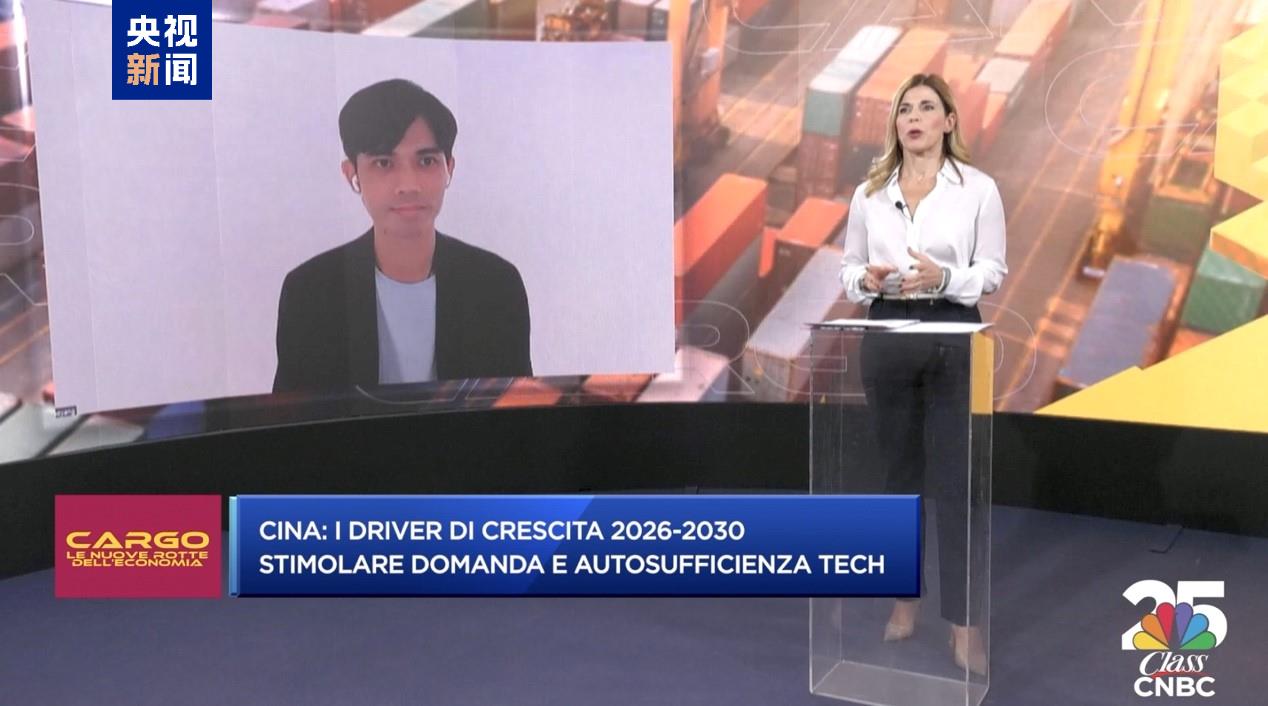
中国高质量发展蓝图引发国际关注 意大利主流媒体聚焦“十五五”规划
Yang Shi Xin Wen Ke Hu Duan· 2025-10-30 12:44
Core Viewpoint - The "14th Five-Year Plan" of China is not only a blueprint for domestic development but also provides confidence and direction for the global economy, showcasing China's commitment to open cooperation and mutual benefit in a complex international landscape [1][3]. Group 1: Economic Development - China's Five-Year Plans have been instrumental in driving economic and social development, enhancing national strength, and improving people's livelihoods since the first plan was implemented in 1953 [3]. - The "14th Five-Year Plan" serves as a critical juncture for laying a solid foundation for achieving socialist modernization by 2035 [3]. Group 2: Strategic Goals - The core objectives of the "14th Five-Year Plan" include strengthening technological self-reliance, expanding domestic demand, and deepening open cooperation, reflecting China's proactive approach to shaping its development path in the new era [4]. - The planning mechanism, guided by long-term strategy, is key to maintaining resilience and sustainable growth in China's economy, providing a reference for global stability amid uncertainties [4]. Group 3: Technological Innovation - China is advancing its technological innovation through systematic top-level design, enhancing self-sufficiency in key areas, and transitioning from isolated breakthroughs to a coordinated innovation system [6]. - The focus on independent innovation is crucial for maintaining strategic stability and sustainable technological iteration in the face of external uncertainties [6]. Group 4: Green Development - China's green development strategy is pivotal for domestic economic transformation and contributes positively to global sustainable development, with rapid advancements in renewable energy sectors [6][7]. - The shift towards green development by a large economy like China is expected to elevate global demand for green technologies and enhance environmental standards in supply chains [7]. Group 5: International Cooperation - China's significant progress in green technology and clean energy presents new cooperation opportunities for Europe and the world, with Chinese enterprises engaging in practical collaborations with European partners [7]. - The "green as a bond" cooperation model exemplifies a more open and mutually beneficial China, providing a practical example for achieving low-carbon growth during economic transitions [7].
东兴证券晨报-20251030
Dongxing Securities· 2025-10-30 11:57
Economic News - China's National Energy Administration issued 229 million green certificates in September, involving 306,500 renewable energy projects, with 158 million being tradable, accounting for 68.86% [4] - The price of storage chips has accelerated in the fourth quarter due to a shift in production capacity towards high-end chips for AI and data centers, leading to a significant reduction in traditional storage chip supply [6] - The global smartphone market is expected to reach a shipment volume of 320.1 million units in Q3 2025, reflecting a 3% year-on-year growth, indicating signs of recovery after a weak first half [7] Company Insights - Sinopec Easy Joy and Taobao Flash Purchase announced a strategic partnership, with plans to have over 5,000 stores on the Taobao platform by the end of the year [5] - Pop Mart opened its first store in the Middle East at Hamad International Airport in Qatar, marking its first 24/7 operational store globally [5] - Youyan New Materials reported Q3 revenue of 2.674 billion yuan, a year-on-year increase of 20.43%, and a net profit of 115 million yuan, up 56.31% [5] - Tianli Lithium Energy's Q3 revenue was 569 million yuan, a 33.25% year-on-year increase, but it reported a net loss of 28.85 million yuan, an increase of 67.68% in losses [5] - China Telecom showcased its "Beidou Voice Message" service, becoming the first operator to implement this technology [5] Industry Analysis - The food and beverage industry is expected to benefit from the expansion of overall consumption, with new retail channels like instant retail and membership supermarkets emerging as significant opportunities [8][9] - The non-ferrous metals industry is poised for improvement in profitability and valuation levels due to a favorable supply-demand structure, driven by high-quality green development paths [11] - The production of ten non-ferrous metals in China is projected to grow at an annual rate of approximately 1.5% from 2025 to 2026, indicating a shift towards stable, high-quality growth [13] - The demand for metals is expected to expand significantly due to the growth of new energy industries and structural changes in demand, particularly for copper, lithium, and other metals [15][16]





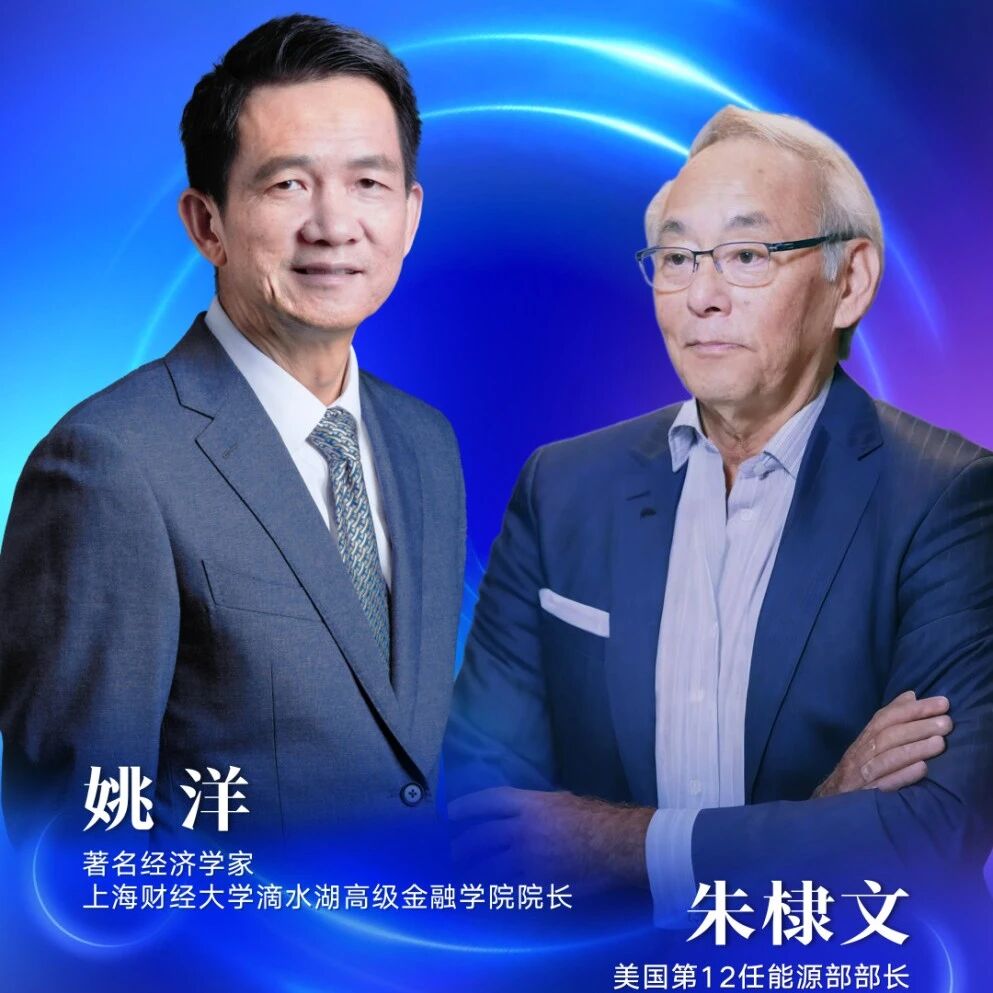
跨越科学与政治,应对人类能源的挑战 | 两说
第一财经· 2025-10-30 10:02
Core Viewpoint - The article discusses the journey of Nobel laureate Steven Chu from a scientist to the U.S. Secretary of Energy, highlighting his contributions to energy transition and his insights on global climate change challenges [1][5]. Group 1: Background and Achievements - Steven Chu became the 12th U.S. Secretary of Energy in 2009 and was the first Asian American cabinet member in U.S. history [3]. - He faced initial challenges in Washington, needing to adapt to a political environment that often diverged from scientific principles [5]. Group 2: Initiatives and Impact - Chu established the Advanced Research Projects Agency-Energy (ARPA-E), emphasizing that "not taking risks is not true success," and funded high-risk, high-reward energy technology research to tackle urgent national energy challenges [6]. - He promoted large-scale renewable energy projects, demonstrating that costly green technologies could be completed "on time and on budget," which garnered trust from major investors like Warren Buffett [6]. Group 3: Global Energy Transition Insights - Chu envisions a leapfrogging energy transition for developing countries, akin to moving directly from no phones to mobile technology, advocating for a combination of solar energy and batteries to bypass traditional grid systems [8]. - He predicts that within ten years, the costs of solar and storage technologies will decline to a level where they can meet demand without relying on the grid, reflecting his deep understanding of technological trends and human innovation capabilities [8]. Group 4: Observations on China's Green Technology - Chu notes that China is investing in foundational research similarly to what the U.S. did in the past, with Chinese companies eager to prove themselves and invest in the future while leveraging economies of scale to reduce costs [10]. - He provides a scientific analysis of China's advancements in green technology, including solar photovoltaics, electric vehicles, battery technology, and wind power, while also highlighting the strategic implications of these developments [10]. Group 5: Legacy and Future Aspirations - When asked about his message for future generations, Chu expressed a desire for his generation to create a better and safer world for the next, emphasizing the importance of addressing climate change and energy transition [13].
益美国际控股(01870) - 自愿性公告 有关就数码枢纽投资太阳能发电系统的协议备忘录
2025-10-30 09:40
(於開曼群島註冊成立的有限公司) (股份代號:1870) 自願性公告 Acme International Holdings Limited 益 美 國 際 控 股 有 限 公 司 香港交易及結算所有限公司及香港聯合交易所有限公司對本公告的內容概不負責, 對其準確性或完整性亦不發表任何聲明,並明確表示概不就因本公告全部或任何 部分內容而產生或因依賴該等內容而引致的任何損失承擔任何責任。 有關就數碼樞紐投資太陽能發電系統的協議備忘錄 本公告乃由益美國際控股有限公司(「本公司」,連同其附屬公司統稱「本集團」) 自願刊發,以讓本公司股東(「股東」)及潛在投資者了解本集團的最新業務發展。 茲提述本公司日期為2024年10月10日的公告(「該公告」),內容有關本公司全資附 屬公司Blooming Power Limited(「BPL」)與DCH Investment and Construction JSC(現 稱DCH Technology Group Joint Stock Company,「DCH」)訂立的合作諒解備忘錄, 據此,BPL與DCH同意於越南就該數碼樞紐投資、開發及營運可再生能源項目建立 合作架構。除 ...