电动汽车

Search documents
热点回应丨全球首个电动汽车电耗限值强制性标准即将实施 百分之四十车型需进行必要技术升级
Ke Ji Ri Bao· 2025-12-31 00:13
Group 1 - The new mandatory national standard for electric vehicle energy consumption will be implemented on January 1, 2026, and is the first of its kind globally [1] - The standard imposes stricter energy consumption limits, approximately 11% more stringent than the previous recommended standard, with a requirement of no more than 15.1 kWh per 100 km for vehicles around 2 tons [1][2] - The implementation of this standard is expected to lead to an average increase of about 7% in the range of electric vehicles, resulting in longer actual driving distances and lower operating costs for consumers [2] Group 2 - The establishment of this standard is part of a broader effort to enhance energy efficiency in the automotive industry, particularly as it transitions to new energy vehicles [3] - The standard aligns with national goals for carbon peak and carbon neutrality, serving as a crucial measure for promoting high-quality development in the automotive sector [3][6] - The new standard will require manufacturers to provide additional information on energy consumption in extreme temperature conditions, ensuring consumers are well-informed about vehicle performance [3] Group 3 - The introduction of the new standard will shift the industry from a model focused on large batteries for extended range to a more refined approach emphasizing high efficiency and low energy consumption [4] - Approximately 40% of current vehicle models do not meet the new energy consumption limits, necessitating technological upgrades to avoid being phased out [4][5] - The standard is expected to drive significant advancements in automotive energy-saving technologies, including lightweight design, improved electric drive system efficiency, and thermal management optimization [5][6]
8点1氪丨特斯拉“车顶维权”女车主被限高,申请人为特斯拉;多家品牌足金首饰价格大幅下跌;蔡磊渐冻症病情接近终末期
3 6 Ke· 2025-12-31 00:09
Group 1 - Old Buddha Department Store denies rumors of withdrawal from Shenzhen, stating that the reduction of some brand counters is part of normal brand updates [2][3] - Multiple brands of gold jewelry have seen significant price drops, with one store reporting a decrease of 42 yuan in a single day, which is described as unprecedented [3] - Tesla's global production reaches 9 million electric vehicles, with the latest unit rolling off the production line at the Shanghai Gigafactory [7][25] Group 2 - Dong Yuhui's live-streaming event achieved a record sales figure of 3.56 billion yuan, with a single sofa from Kuka Home exceeding 100 million yuan in sales [5][6] - Manus announces its acquisition by Meta, indicating that it will continue to operate independently while enhancing its product offerings [4] - SoftBank completes a total investment commitment of $40 billion in OpenAI, with the final tranche of $22-25 billion recently disbursed [6] Group 3 - Ningde Times enters the hydropower station business by partnering with State Power Investment Corporation and Sichuan Tieneng Electric Power to develop a hydropower project [8] - iMoutai is set to launch a new product priced at 1499 yuan per bottle starting January 2026, confirming the authenticity of the news [9] - Kuaishou's Vice President Zhou Guorui is reported to be leaving the company, with no official response from Kuaishou yet [11][12]



美媒:“四年变两年”,中国推动造车新速度
Huan Qiu Wang Zi Xun· 2025-12-30 22:42
技术是这种加速的主要驱动力。汽车制造商越来越依赖虚拟设计和模拟来缩短物理测试所花费的时间。 然而,车企高管表示,更深刻的转变在于文化层面——拥抱中国制造商的速度和务实精神,他们不仅重 新思考了使用工具,还重新思考了工作流程、层级制度和决策方式。 雷诺旗下安培电动汽车部门的高管维托里奥·达里恩佐表示,中国的生态系统能够加快原型制作速度, 因为供应商几乎能立即交付零部件。 全球主要汽车制造商如今面临着一个运营困境:速度已成为竞争力的关键要素,然而他们行动得越快, 容错的空间就越小。对于一个建立在精密工程和长期工业规划基础上的行业而言,这场为追赶中国速度 而展开的竞赛,不仅意味着节奏的转变,更是对汽车制造方式的根本性重塑。(作者斯凯·雅各布斯, 肖攀译) 来源:环球时报 美国"TechSpot"网站12月28日文章,原题:中国电动汽车制造商正使汽车行业加快步伐 副题:现在造 一辆新车需要两年时间,这就是新速度 全球汽车制造商正在缩短车辆开发周期,因为他们要努力跟上 中国电动汽车制造商的步伐,中国车企的上市速度已经重塑了行业预期。 设计、制作原型和生产一款新电动汽车曾经大约需要4年时间,如今在欧洲和日本往往只需一半甚 ...
德媒:“中国制造”和“德国制造”如何双赢
Huan Qiu Wang· 2025-12-30 22:36
Core Insights - The article discusses the evolution of "Made in China" from a low-cost, low-quality label to a competitive force in high-tech industries, particularly in Europe [1][2] - China's manufacturing sector is increasingly expanding its international market share, with significant investments in high-tech industries supported by government policies [1] - The article highlights the competitive pressure that Chinese manufacturers, particularly in clean energy and electric vehicles, are placing on European companies [2] Group 1: Industry Evolution - "Made in China" has transitioned from being a student of "Made in Germany" to becoming a strong competitor, particularly in sectors like automotive and clean energy [2] - The Chinese machinery manufacturing industry has seen exports to the EU grow from €20 billion in 2018 to approximately €50 billion in 2023 [2] - Chinese companies dominate global markets in solar energy, wind power, and electric vehicles, with over 70% of global electric vehicle sales coming from Chinese manufacturers [2] Group 2: Case Study - CATL - Chinese battery giant CATL has established a factory in Arnstadt, Germany, with an annual production capacity of 30 million battery cells, sufficient to power around 200,000 electric vehicles [3] - The factory employs mostly local workers and collaborates with nearby universities to train young talent, enhancing local employment opportunities [3] - CATL's partnership with the Fraunhofer Institute to establish a "Battery Innovation Technology Center" emphasizes the importance of continuous research funding for maintaining competitive advantages in battery technology [3]

2025,“中国风”的世界回响
Ren Min Wang· 2025-12-30 21:57
Group 1: Core Insights - In 2025, China's global image has significantly improved, with the country being perceived as "cool" and innovative, driven by technological advancements and cultural exports [15][19][22] - The emergence of Chinese brands like DeepSeek and the popularity of cultural IPs such as Nezha and Labubu highlight China's growing influence in technology and pop culture [16][20][21] Group 2: Technological Innovations - DeepSeek's R1 model, launched in January 2025, surpassed ChatGPT in downloads, achieving this with a training cost of only $294,000, showcasing China's competitive edge in AI technology [16] - China has entered the top ten most innovative economies globally, with the highest number of top innovation clusters for three consecutive years [16] Group 3: Cultural Influence - The animated film "Nezha: The Devil's Child" became one of the top five highest-grossing films globally, marking a significant achievement for Chinese animation [19] - Labubu, a toy character, has gained international popularity, with sales exceeding 10 million RMB on its opening day in Thailand, indicating the global reach of Chinese design [20] Group 4: Market Expansion - BYD captured 18% of the global electric vehicle market in Q2 2025, while Mixue Ice Cream became the largest fast-food chain globally with over 46,000 stores [20][21] - The expansion of brands like Bawang Tea and Meituan reflects China's growing presence in international markets, with plans for significant overseas store openings [21] Group 5: Global Perception - A historical shift in global public opinion occurred in April 2025, with more people believing China will positively impact world affairs compared to the U.S. [23][24] - China's net favorability score reached 8.8, surpassing the U.S. for the first time, indicating a significant change in global perceptions of China [24]




Rivian股价未能守住20美元关口,进一步印证动能正在减弱
Xin Lang Cai Jing· 2025-12-30 20:35
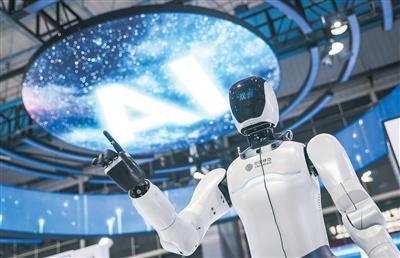
Rivian(RIVN)股价周二尾盘大幅下跌5.5%,可能录得连续第六个交易日下跌。 该股此前曾在2025年12月22日测试52周高点22.69美元,但此后持续走低,目前较该高点已下跌约 14%。此次回调使股价维持在其52周波动区间(10.36美元至22.69美元)的下半部分,进一步印证了该 股在短暂冲高后正面临新一轮逆风。 交易活动也显示出市场信心减弱。当日成交量为1390万股,远低于90日均值约4900万股。这种明显低于 平常的换手率表明,本轮下跌并未伴随通常代表机构坚定参与的强劲交易量。在更广泛的电动汽车与出 行领域,多家投机性同行——如小鹏汽车(XPEV)、QuantumScape Corporation(QS)、Lucid Group, Inc.(LCID)、固特异轮胎橡胶公司(GT)以及Kodiak AI, Inc.(KDK)——也曾经历剧 烈波动,但Rivian最近的回落使其在该板块中处于明显偏弱的价格走势行列。 从短期来看,股价未能守住20美元关口,进一步强化了动能正在减弱的印象:买盘退却,而卖盘持续施 压。随着股价显著脱离近期高点且成交低迷,当前趋势偏向负面,令Rivian的价格走势显得脆弱 ...

亚洲股市迎来丰收年:韩国暴涨76%,日本超越泡沫经济时代年末巅峰,印尼11年最佳
Hua Er Jie Jian Wen· 2025-12-30 18:17
Group 1: Market Performance Overview - Major Asian stock markets delivered impressive results in 2025, with South Korea, Japan, and Indonesia all recording double-digit gains. The South Korean KOSPI index surged nearly 76%, marking its largest increase since 1999 [1] - The Japanese TOPIX index closed at a record high, surpassing the peak from the 1989 bubble era, with a yearly increase of 22% [1][6] - The Indonesian Jakarta Composite Index rose approximately 22%, achieving its best performance since 2014 [1][10] Group 2: South Korea's Market Drivers - The KOSPI's performance was notably driven by semiconductor giants like Samsung Electronics and SK Hynix, as well as strong performances in the defense and nuclear power sectors [1][2] - AI infrastructure investments emerged as a key growth driver, with companies like Hyosung Heavy Industries and Doosan Enerbility seeing stock increases of over 320% due to rising demand for data center power [4] - Analysts from major firms like Citigroup and Morgan Stanley predict further upside for the South Korean market, estimating at least a 20% increase in 2026, supported by strong earnings growth [5] Group 3: Japan's Market Dynamics - The TOPIX index's rise was attributed to a broadening buying base, with interest expanding from AI-related stocks to financial and domestic demand sectors [6][8] - The index experienced a significant drop earlier in the year due to tariff announcements but rebounded as trade war concerns eased and corporate earnings expectations improved [6] - Small and mid-cap stocks outperformed large caps for the first time since 2022, indicating an expanding market appeal [8] Group 4: Indonesia's Retail Investor Influence - The surge in the Indonesian stock market was primarily driven by local retail investors, who increased their participation significantly, despite a net outflow of $1 billion from foreign investors [10] - The number of retail investors in Indonesia grew fivefold to over 20 million, as they sought higher returns amid declining bond yields [10] - Analysts expect the Jakarta Composite Index to reach 11,000 points in the coming year, representing a 27% increase from current levels, supported by factors such as accelerated loan growth and low fixed-income returns [10]
罕见举动!特斯拉官网破天荒公布预测:Q4交付量恐“大跳水”
美股IPO· 2025-12-30 16:23
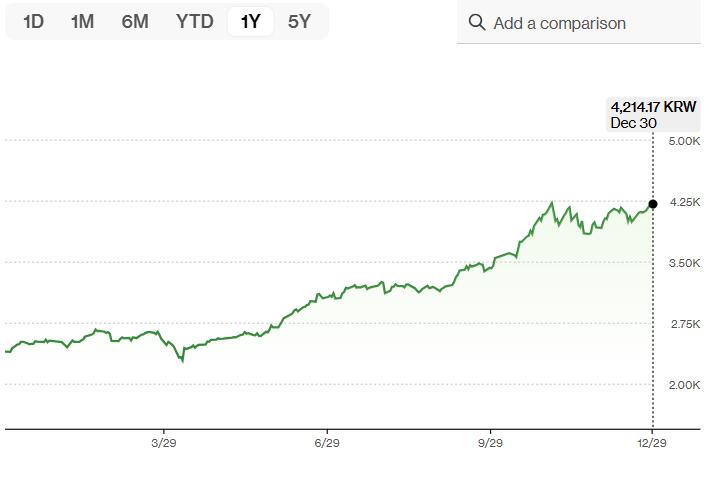
Core Viewpoint - Tesla is expected to face a significant decline in delivery volumes, with a projected 15% year-over-year drop in Q4 and an estimated annual delivery range of 1.6 to 1.65 million vehicles for 2025, marking an 8% decrease compared to the previous year, indicating a second consecutive year of declining sales [1][3][5]. Group 1: Delivery Projections - Analysts predict Tesla's Q4 delivery volume to be around 422,850 vehicles, a 15% decrease year-over-year, which is more pessimistic than Bloomberg's previous estimate of 445,061 vehicles, reflecting a 10% decline [3][5]. - For the full year of 2025, Tesla's total deliveries are expected to be between 1.6 million and 1.65 million vehicles, representing an approximate 8% decline compared to 2024 [1][3]. - The anticipated decline in deliveries is attributed to the expiration of the $7,500 federal tax credit, increased global competition, and demand being pulled forward in Q3 as buyers rushed to purchase vehicles before the incentive expired [5][6]. Group 2: Market Conditions and Competition - The expiration of the federal tax credit has significantly impacted demand, leading to a soft market in North America and Europe, where traditional automakers like Chevrolet and Ford are expected to introduce affordable electric vehicles in the coming years [5][6]. - Despite the introduction of lower-priced models, such as the Model Y SUV and Model 3 compact sedan, demand remains under pressure due to the lack of tax incentives and intensified competition from both traditional and new electric vehicle manufacturers [5][6]. Group 3: Stock Performance and Investor Sentiment - Despite the slowdown in vehicle sales, Tesla's stock price has increased by over 14% year-to-date, although this performance lags behind the S&P 500 index's 17% gain [7]. - Investor enthusiasm is largely based on CEO Elon Musk's strategic focus on Robotaxi, humanoid robots, and improved autonomous driving technology, while electric vehicle sales continue to be the primary revenue source for the company [9]. - Recent developments, including a court ruling that reinstated Musk's previously revoked compensation plan and shareholder approval of a new compensation package tied to ambitious delivery targets, have contributed to positive investor sentiment [9].
美经济学家:美国出现了严重战略失误,根本没料到中国会这么强大
Sou Hu Cai Jing· 2025-12-30 14:16
Core Viewpoint - The article highlights the misjudgments of the United States in economic decision-making, which stem from long-standing arrogance and misinterpretation of the international landscape [1] Group 1: Trade and Economic Competition - The U.S. initially believed it could easily maintain its leading position in trade and technology but has repeatedly faced setbacks in reality [3] - The U.S. underestimated China's ability to achieve comprehensive advancements within the existing rule framework, revealing shortcomings in U.S. strategic planning [4] - The U.S. has historically viewed China as a developing economy needing guidance, but China has instead followed a path suited to its own national conditions, focusing on long-term planning and industrial upgrades [6] Group 2: Industry and Technological Development - In the renewable energy sector, China began systematic investments over a decade ago, while the U.S. only recently started to catch up, resulting in a competitive disadvantage for the U.S. [6] - The electric vehicle industry exemplifies U.S. missteps, as China has built a complete industrial chain, achieving cost control and scale effects, while U.S. companies face supply chain dependencies and high costs [6] - The solar photovoltaic industry demonstrates U.S. strategic misjudgment, with China dominating global production capacity and continuously lowering costs through technological iterations [8] Group 3: Policy and Global Trade Dynamics - The U.S. has overestimated its control over global value chains, believing that technological barriers could indefinitely block latecomer countries [8] - U.S. trade policies, particularly during the Trump administration, have led to internal contradictions and inflationary pressures, while China has maintained stable growth and improved its export structure [10] - U.S. export controls in the semiconductor sector aimed at limiting China's development have inadvertently accelerated domestic R&D in China, increasing its self-sufficiency [10] Group 4: Renewable Energy and Supply Chain - China leads globally in wind and solar installation capacity, significantly outpacing Western countries due to long-term investments and policy support [12] - The U.S. struggles with supply chain dependencies on Chinese raw materials in the renewable energy sector, hindering its ability to achieve independence [12] Group 5: Global Supply Chain and Economic Governance - The U.S. attempts to relocate production to other countries have highlighted efficiency and cost issues, while China has expanded its partnership network through the Belt and Road Initiative [14] - The article emphasizes that the U.S. needs to reflect on its own model rather than solely blaming others, as China's development illustrates the viability of diversified paths within the framework of fair rule application [14]
罕见操作!特斯拉公布分析师预测:Q4交付量或下滑15%,税收补贴退坡与竞争加剧冲击需求
Hua Er Jie Jian Wen· 2025-12-30 13:12
Core Viewpoint - Tesla is facing significant sales contraction pressure in Q4 due to the expiration of U.S. tax credits and increasing global competition, with expectations of a second consecutive annual decline in delivery volume [1] Group 1: Q4 Delivery Expectations - Analysts predict Tesla's Q4 delivery volume to be 422,850 units, a 15% year-over-year decline, which is more pessimistic than Bloomberg's previous estimate of 445,061 units, reflecting a 10% drop [1] - This weak quarterly performance is expected to negatively impact the annual performance, with total deliveries for 2025 projected between 1.6 million and 1.65 million units, representing an approximately 8% year-over-year decline [1][4] - The decline in Q4 deliveries is largely attributed to the expiration of the $7,500 federal tax credit at the end of September, which led buyers to purchase vehicles earlier in Q3 to secure the incentive [4] Group 2: Market Dynamics and Competition - Despite the introduction of lower-priced versions of the Model Y SUV and Model 3 sedan in October, demand remains pressured due to the lack of tax credits and intensified competition from traditional automakers and Chinese EV companies [4] - Analysts from Deutsche Bank indicate that the sales decline will be primarily driven by weak performance in North America and Europe, where competition is expected to increase significantly over the next two years [4] Group 3: Market Sentiment and Stock Performance - Tesla's proactive disclosure of analyst estimates on its investor relations page is unusual, indicating a more cautious market outlook compared to external surveys [5] - Despite the slowdown in automotive sales, Tesla's stock price has increased by over 14% year-to-date, although this performance lags behind the S&P 500 index's 17% gain [6] - Investor enthusiasm is largely based on Musk's strategic focus on Robotaxi, humanoid robots, and improved autonomous driving technology, although electric vehicle sales remain the primary revenue source [8]