银行业

Search documents
浙江:用好结构性货币政策工具助力民营经济发展
Zhong Guo Jin Rong Xin Xi Wang· 2026-02-23 09:52
Core Viewpoint - The article highlights the implementation of structural monetary policy tools by the People's Bank of China to support technological innovation and equipment upgrades in enterprises, particularly in Zhejiang province, which is expected to enhance the productivity and financial health of local businesses [1][2][3]. Group 1: Policy Initiatives - The People's Bank of China has introduced eight measures to enhance structural monetary policy tools, aiming to guide financial resources towards key sectors and weak links in the economy [1][3]. - Zhejiang banks have quickly responded to these initiatives by facilitating financing for equipment upgrades and technological transformations, utilizing measures such as expedited approvals and interest rate discounts [1][2]. Group 2: Financial Support for Enterprises - A specific case is highlighted where a loan of 30 million yuan was provided to a company for its technological upgrade project, which is expected to generate over 100 million yuan in new output [1]. - Agricultural Bank of China tailored a five-year loan plan of 85 million yuan for a company, which is designed to match the project construction cycle and alleviate short-term financial pressure, saving the company approximately 225,000 yuan annually in financial costs [2]. Group 3: Economic Impact and Future Projections - By 2025, Zhejiang plans to utilize innovative re-loan methods, establishing a special quota of 20 billion yuan for supporting agriculture and small enterprises, aiming to drive over 200 billion yuan in new loans in foreign trade, consumption, and technological innovation sectors [2]. - Cumulatively, by the end of 2025, loans exceeding 210 billion yuan will be issued in specific fields supported by technological innovation and consumption, positioning Zhejiang among the top provinces in the country for these financial tools [2].
中东第二大黄金储备国考虑卖金,填补“庞氏骗局”窟窿
Jin Shi Shu Ju· 2026-02-23 08:40
Core Viewpoint - Lebanese bankers and politicians are considering a controversial plan to sell or lease part of the central bank's gold reserves to alleviate the country's severe economic crisis, despite public opposition to such measures [1][2]. Group 1: Economic Context - Lebanon has been in a financial crisis since 2019, characterized by banks cutting off access to depositors' funds, government debt defaults, and a currency devaluation exceeding 90% [1]. - The World Bank has described Lebanon's financial operations as a "Ponzi scheme," where banks offered unusually high interest rates on deposits in USD, while the central bank attempted to maintain the currency peg [1]. - The value of Lebanon's gold reserves has tripled since the onset of the crisis, reaching approximately $45 billion, which is more than half of the total economic losses [2]. Group 2: Legal and Political Challenges - Lebanese law prohibits the sale or leasing of gold, necessitating legislative approval for any such actions [3]. - A controversial law is being debated that would determine who is responsible for repaying depositors, which is a key requirement for an International Monetary Fund (IMF) aid agreement [3]. - The proposed "Fiscal Gap Law" excludes the possibility of using gold, but some analysts believe gold will ultimately be part of the solution due to the central bank's liquidity issues [3]. Group 3: Public Sentiment and Criticism - Critics argue that selling gold would sacrifice the interests of ordinary citizens to benefit banks and wealthy depositors [5]. - Proposals to liquidate approximately $15 billion of gold for investment-grade zero-coupon bonds have been made, but these are seen as favoring banks over the general populace [5]. - There is a reluctance among politicians to publicly advocate for the sale of gold, as it is politically sensitive and could provoke public backlash [6].
澳大利亚1月通胀数据需现上行意外 方能支撑3月加息预期
Xin Lang Cai Jing· 2026-02-23 08:01
Core Viewpoint - The Reserve Bank of Australia (RBA) may consider raising interest rates in March if the January monthly inflation data shows an unexpected increase [1] Group 1: Economic Indicators - The employment market remains tight, with the unemployment rate significantly below the current full employment level [1] - There is speculation that the RBA might raise rates again in mid-March following a potential increase in February [1] Group 2: Monetary Policy Outlook - It is more likely that the RBA will downplay the significance of the monthly Consumer Price Index (CPI) data and wait for the more comprehensive quarterly CPI data to be released in late April [1]
债市基本面点评报告:最长的假期,最热的出行
SINOLINK SECURITIES· 2026-02-23 07:55
1. Report Industry Investment Rating No relevant content provided. 2. Core View of the Report This year's Spring Festival holiday had unique advantages, including the longest duration in history and a consumption - stimulating activity. It showed excellent performance in multiple dimensions, especially in travel and consumption. The real - estate market showed signs of hitting the bottom, while the film market was dismal. Overseas capital markets had various trends due to factors like Fed's FOMC meeting minutes, geopolitical conflicts, and AI industry development [2][8]. 3. Summary by Related Catalogs Travel - The Spring Festival travel rush saw a continuous increase in long - distance travel. The total cross - regional passenger flow from February 2nd to 21st this year increased by 5.4% compared to the same period in 2025 and 26.3% compared to 2019, reaching a record high. The number of passengers in various transportation modes increased by about 5% - 6%. The self - driving travel enthusiasm was significantly boosted, with the national population migration scale index from the 15th day of the twelfth lunar month to the fifth day of the first lunar month increasing by 22.2% this year compared to 2025 [3][9][12]. - The difference in growth rates between the data from the Ministry of Transport and Baidu Migration was likely due to statistical methods. The non - operational passenger volume on roads accounted for 81.3% of the total cross - regional passenger flow, indicating that self - driving was the main mode of travel during the Spring Festival [16][17]. Consumption - Retail, catering, and service consumption were active. The average daily sales of key retail and catering enterprises in the first four days of the holiday increased by 8.6% compared to the same period in 2025, higher than the growth rates during the May Day and National Day holidays in 2025. The consumption of domestic tourism on key platforms increased by 4.5% in the first three days of the holiday. The rental car order volume on key platforms increased by 26%, and the north - south cross - region orders increased by 196% [4][19][22]. - The "trade - in" policy continued to release consumer demand. By February 19th, the trade - in of consumer goods benefited 28.88 million people, driving sales of 198.02 billion yuan. Smart devices maintained high growth, and Hainan's duty - free sales increased rapidly [22]. Film Market The film market continued its dismal performance since 2025, hitting a new low in the Spring Festival season in the past 7 years. As of the afternoon of the sixth day of the first lunar month, the cumulative box office of this year's Spring Festival season was 4.91 billion yuan, and it was unlikely to exceed 6 billion yuan. The number of screenings reached a new high, but the number of movie - goers hit a new low, mainly due to the lack of high - quality works [25]. Real - Estate Market The real - estate market showed a weak rebound at the bottom, with first - tier cities having a stronger rebound than second - and third - tier cities. From the first to the fifth day of the first lunar month, the average daily sales volume of commercial housing in 30 large and medium - sized cities was 1.04 million square meters, a 24.9% increase compared to the same period last year. The transaction and listing prices of second - hand houses in January also showed signs of stabilization. If the trend in the past 1 - 2 months continues, the real - estate sales may have hit the bottom [5][29]. Overseas Capital Markets - Most overseas bond yields declined. The 10 - year US Treasury yield adjusted upwards due to the hawkish FOMC meeting minutes and tariff policy fluctuations. European bond markets generally strengthened under the expectation of easing. The 10 - year Japanese government bond yield declined by 10.9bp, while the 10 - year Indian government bond yield increased by 4.8bp [6][32]. - The US dollar index strengthened, and the copper - gold ratio fluctuated weakly. Most overseas commodities rose, with oil and coal prices rising by more than 5%. Precious metals and some agricultural products also had varying degrees of increase [35][37]. - European and American stock markets rose collectively, while Asian stock markets were divided. The US stock market rebounded strongly, and European stock markets followed suit. The South Korean stock market hit a record high, while the Hong Kong and Japanese stock markets were weak. The FTSE A50 index rose 0.3% during the holiday [40].
锐评|压岁钱“涨声不断”?该卷心意而非面值
Xin Lang Cai Jing· 2026-02-23 06:20
Core Viewpoint - The rising trend of "red envelope" amounts during the Chinese New Year has sparked discussions about the implications of monetary comparisons among children and the societal pressures it creates [1][2][3] Group 1: Historical Context - The tradition of giving "red envelopes" has evolved significantly, with amounts increasing from tens to thousands of yuan over the past four decades [2] - In the late 1980s, the average amount of "red envelopes" began to rise, reflecting the increasing living standards and societal expectations [1] Group 2: Societal Implications - The competitive nature of "red envelope" giving has transformed it from a symbol of blessings to a burden for adults, who feel pressured to give substantial amounts [2] - The focus on monetary value may lead children to develop a materialistic mindset, overshadowing the genuine emotional connections intended by the tradition [3] Group 3: Emerging Trends - A movement towards reducing the monetary value of "red envelopes" is gaining traction, with initiatives promoting smaller amounts to emphasize the sentiment behind the gift rather than its financial value [3] - Social media campaigns and local government initiatives are advocating for a return to the original meaning of "red envelopes," encouraging a culture of heartfelt giving rather than monetary competition [3]


日央行前审议委员:日美峰会前日元若再贬,最早或于3月加息
智通财经网· 2026-02-23 05:59
Group 1 - The Bank of Japan may raise interest rates as early as March if the yen continues to decline before the upcoming Japan-US summit [1] - Prime Minister Fumio Kishida is expected to visit Washington around the time of the Bank of Japan's next policy meeting on March 18-19 [1] - The former policy committee member, Makoto Sakurai, suggests that the best way to combat yen depreciation is through interest rate hikes rather than currency intervention [1] Group 2 - Sakurai predicts that the Bank of Japan may need to raise rates twice in both 2026 and 2027, bringing the policy rate to 1.75%, a neutral level for the economy [2] - The Bank of Japan ended a decade-long stimulus program in 2024 and has raised rates multiple times, including a recent increase to 0.75%, the highest in 30 years [2] - The weak yen has become a political challenge for Japanese policymakers, as it raises import costs for fuel and food, negatively impacting households and retailers [2] Group 3 - The yen has depreciated approximately 8% since Kishida took office in October, reaching an 18-month low of 159.45 in January [2] - Currently, the yen is hovering around 155, significantly lower than the 147 level before Kishida's administration [3]
注意!今日金价再迎异动,黄金接下来或将出现大惊喜
Sou Hu Cai Jing· 2026-02-23 02:03
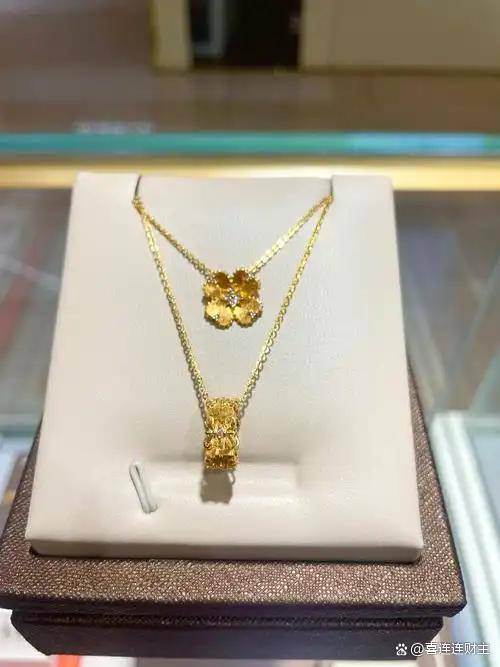
Core Viewpoint - The international gold market experienced a significant surge on February 22, 2026, with prices breaking through the psychological barrier of $5,100 per ounce, reaching a peak of $5,107, marking a daily increase of $117 or 2.35%, and closing at $5,104.24 [1][17] Price Discrepancy - The domestic gold market remained closed due to the Spring Festival holiday, with Shanghai Gold Exchange's T D gold price at 1,108.5 yuan per gram and the main futures contract at 1,110.1 yuan per gram, showing a slight decline compared to the last trading day before the holiday [3] - The stark contrast between the international price surge and the domestic market's stagnation led to confusion in gold pricing across different circulation channels, with retail prices at major brands like Chow Tai Fook reaching 1,560 yuan per gram, significantly higher than bank investment gold bars priced around 1,123.5 to 1,133.52 yuan per gram [3][4] Wholesale and Recovery Prices - In the upstream market, the wholesale price for 999 pure gold at Shenzhen's Shui Bei International Jewelry Trading Center was approximately 1,274 yuan per gram, with additional processing fees for consumers [4] - The gold recovery market showed a different pricing logic, with recovery prices for pure gold at about 1,100 yuan per gram, closely aligned with raw gold market prices, regardless of brand [6] Market Drivers - The surge in international gold prices was driven by heightened geopolitical risks, particularly the significant military buildup by the U.S. in the Middle East, leading to increased safe-haven buying in gold [6] - Expectations of a potential interest rate cut by the Federal Reserve in 2026, with a projected cumulative reduction of 50 to 75 basis points, contributed to a weaker dollar, further boosting gold prices [6][17] Central Bank Purchases - Global central banks have maintained a net buying trend for 16 consecutive years, with 2025 seeing a net purchase of 863 tons of gold, indicating strong structural support for gold prices [7][9] - The People's Bank of China has been actively increasing its gold reserves, reaching 7,419 million ounces by the end of January 2026, marking the 15th consecutive month of increases [9] Market Volatility - The gold market has experienced extreme volatility, with prices soaring from around $4,500 per ounce in January 2026 to a peak of $5,598.75, followed by a sharp drop of 9.25% in a single day [9][10] - Technical indicators showed extreme market sentiment, with the relative strength index exceeding 90 before the January price drop, indicating overbought conditions [10] Investment Strategies - Ordinary investors have shown varied strategies in response to gold price fluctuations, with some opting for gold ETFs that closely track domestic gold prices, while others prefer bank investment gold bars despite higher premiums [10][12] - The gold jewelry consumption market has seen a decline in demand volume, with global gold jewelry demand dropping to 1,542 tons in 2025, while the total consumption value increased by 18% to a record $172 billion [12] Changing Market Dynamics - The structure of market participants is evolving, with traditional Wall Street funds showing lower participation, while central banks, retail investors, and long-term option market funds are becoming more prominent [13] - The pricing logic of gold is undergoing significant changes, with geopolitical risk premiums and reassessment of the global monetary credit system becoming more critical drivers than traditional correlations with U.S. Treasury yields [13] Consumer Awareness - Consumers need to distinguish between investment and consumption in the gold market, as purchasing branded jewelry often involves high premiums that do not translate into recovery value [15] - Professional recommendations suggest that gold should constitute 5% to 15% of household investable assets, primarily as a risk hedging tool rather than for high returns [15]
价格飙涨41%!投资银条已经火了:是金条涨幅的4.8倍
Sou Hu Cai Jing· 2026-02-23 01:42
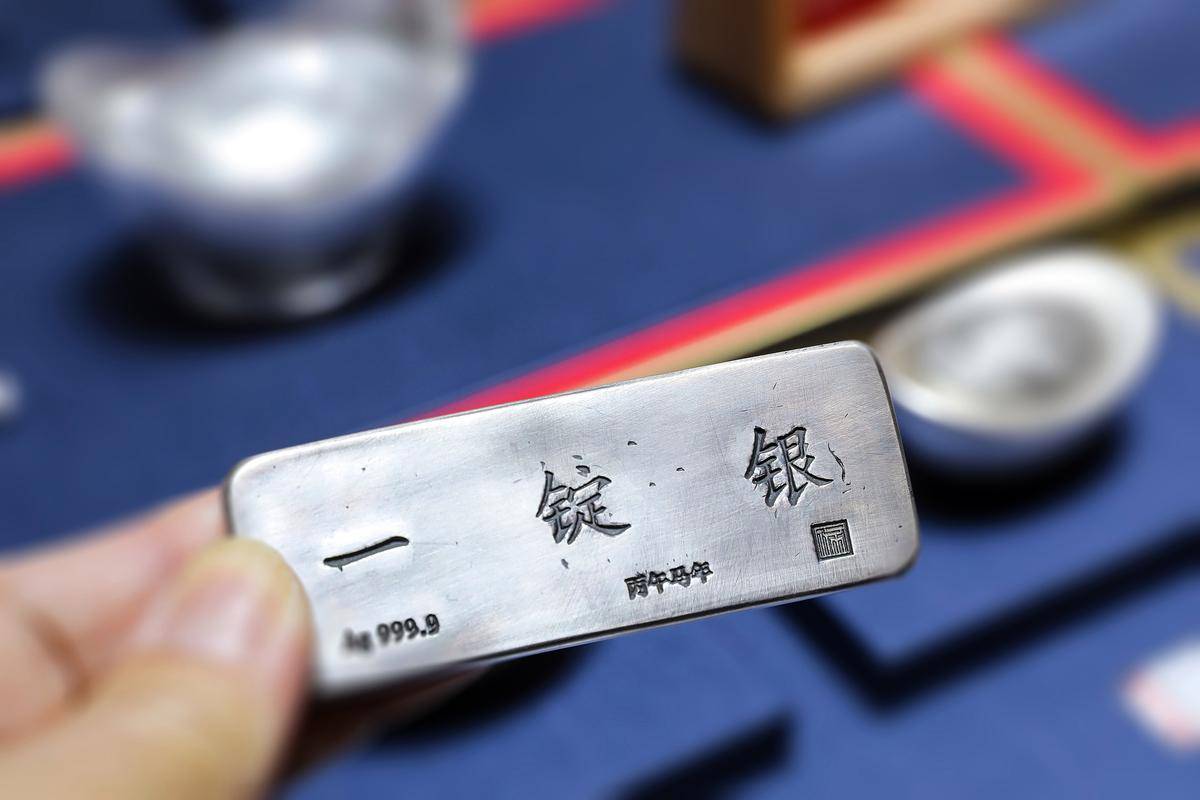
Core Viewpoint - The silver market has experienced unprecedented growth, with prices skyrocketing by 175% in 2025 and continuing to reach historical highs in 2026, surpassing $117.00 per ounce, which is ten times the low of $11.23 in 2020 [1][2]. Group 1: Market Dynamics - In Shenzhen, the price of a 1000g investment silver bar has reached 30,860 yuan, reflecting a rapid increase from just over 10,000 yuan in September 2025 to over 20,000 yuan in less than four months [2]. - The surge in silver prices has led factories, originally focused on jewelry production, to shift their strategies and prioritize silver bar production [2]. Group 2: Supply and Demand Factors - Silver's recent price surge is supported by significant changes in supply and demand fundamentals, with industrial demand accounting for 58% of total silver demand, compared to only 6% for gold [5]. - The demand for silver has increased dramatically due to technological advancements in AI infrastructure, photovoltaic industries, and electric vehicles, with the photovoltaic sector alone consuming approximately 6,000 tons of silver in 2025, a 1.6-fold increase over the past five years [5]. - The supply of silver is constrained, as over 70% of silver is produced as a byproduct of mining for copper, lead, and zinc, making it difficult to increase silver production even with rising prices [7]. - The global silver market has been in a state of shortage for five consecutive years, with a supply-demand gap of nearly 95 million ounces in 2025, leading to a 75% reduction in available silver inventory since 2019 [7]. Group 3: Market Volatility and Investment Strategies - The silver price has increased nearly 60% in less than 30 days in 2026, driven by speculative trading, raising concerns about the sustainability of such rapid growth [9]. - Major financial institutions, including JPMorgan and Goldman Sachs, have significantly increased their net long positions in silver, contributing to the price surge [9]. - Regulatory bodies in China have responded to the volatility by issuing warnings and increasing margin requirements for precious metals trading [9]. Group 4: Investment Options - Three primary investment avenues for silver are available: 1. Physical silver bars, suitable for long-term holders but with high transaction costs and storage issues [11]. 2. Silver ETFs, ideal for investors seeking liquidity and ease of trading, though they come with management fees [12]. 3. Silver CFDs and futures, appealing to traders looking to capitalize on short-term price movements, but requiring strict risk management due to high leverage [14]. Group 5: Conclusion - While silver has strong industrial demand supporting its price, the current market is also influenced by speculative behavior, necessitating a cautious approach for investors [15].
荷兰国际:本周一系列日本经济数据料展现积极信号 3月会议得以维持利率不变
Jin Rong Jie· 2026-02-23 01:01
Core Viewpoint - The recent economic activity data from Japan is expected to signal positive momentum for the economy in the early months of 2026, despite the fourth quarter GDP growth falling short of expectations [1] Group 1: Economic Activity - The Dutch International Group anticipates a strong rebound in monthly economic activity data, driven by fiscal spending and substantial winter bonuses [1] - Industrial production and retail sales are predicted to show significant growth in January [1] Group 2: Inflation Trends - Tokyo's consumer inflation, a leading indicator of national trends, is likely to slow further due to declining energy, utility, and food prices [1] - The core inflation rate, excluding fresh food, is expected to drop below 2%, which may allow the Bank of Japan to maintain the current interest rate of 0.75% in the March meeting [1]
黄金、白银,直线拉升
Xin Lang Cai Jing· 2026-02-23 01:01
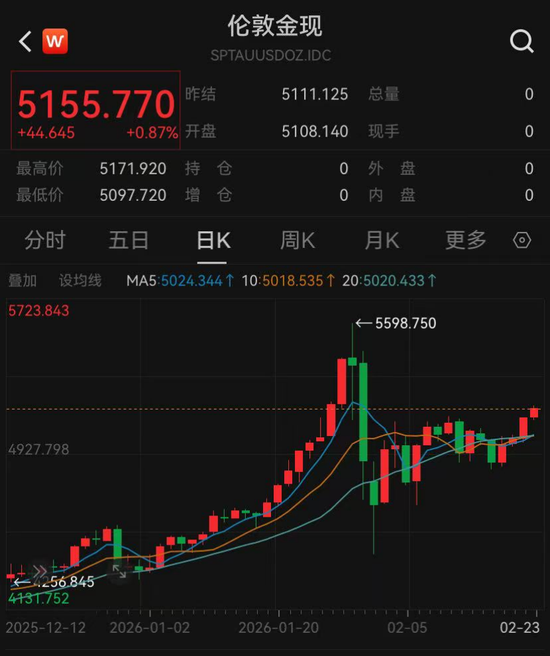
Market Performance - Despite high core PCE inflation data, large tech stocks supported the market, leading to gains in major US stock indices: Dow Jones up 0.25%, S&P 500 up 1.07%, and Nasdaq up 1.51% [1][9] Upcoming Events - AI giant Nvidia is set to release its significant earnings report on February 25, which is a focal point for global markets this week [10][17] - Apple will hold its annual shareholder meeting on February 24, focusing on new product development, AI technology implementation, and supply chain adjustments [10][18] - The US January PPI data will be released on February 27, providing insights into inflation trends [6][15] Precious Metals - Gold prices surged to approximately $5,140 per ounce, with silver prices increasing by over 2% [10] - As of February 23, gold was reported at $5,155.77 per ounce, up 0.87%, while silver was at $86.625 per ounce, also showing a significant increase [10] Trade Policy - President Trump announced an increase in the global import tariff from 10% to 15%, following a Supreme Court ruling on tariffs [4][13] - The administration plans to introduce new legally permissible tariff measures in the coming months [5][14] Economic Indicators - HSBC forecasts a 0.3% month-over-month increase in January's PPI, with the annual growth rate expected to slow from 3.0% in December to 2.8% [6][15] - The Federal Reserve's recent meeting minutes indicate significant internal disagreement regarding future interest rate paths, with some members suggesting the possibility of rate hikes if inflation remains above target [6][16]