锂电

Search documents
盐湖锂电2025年交出亮眼“成绩单”
Zhong Guo Hua Gong Bao· 2026-01-04 02:40
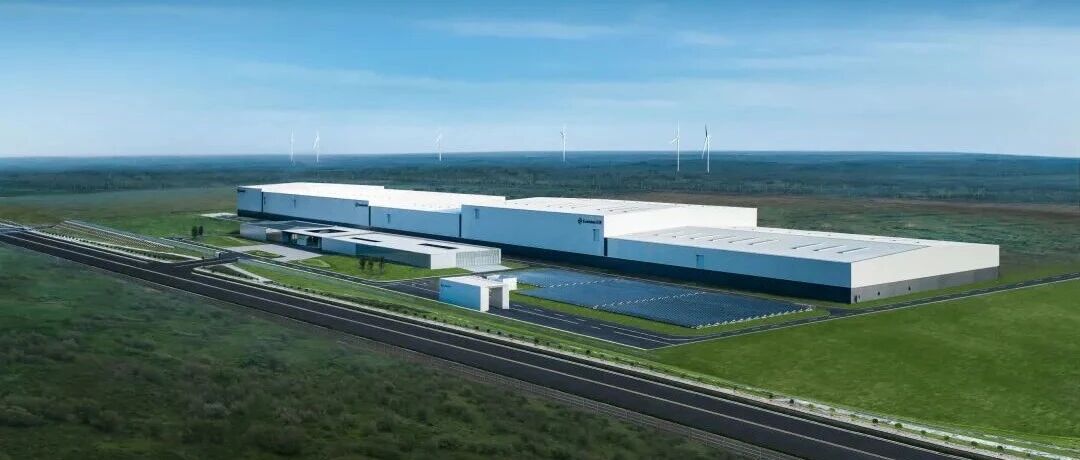
此外,通过降低解吸温度、回收低品位热能的创新实践,该公司碳酸锂单位生产成本较预算显著下降, 突破行业长期存在的"高耗低效"瓶颈,构建起突出的成本优势。目前,产品纯度稳定在99.7%以上,整 体运营效率保持在较高水平。 新建锂盐项目自2022年5月起立项建设,于2025年9月28日正式投产。该公司通过强化全过程管控,实 现"投产即量产"的高效开局,并在"决战四季度"的关键阶段,持续优化试车方案和运行参数,推动产量 节节攀升。2025年11月,碳酸锂产量达1700吨,完成月度计划的113%,环比增长4%。 中化新网讯 2025年12月29日,青海盐湖工业股份有限公司锂电科技分公司(以下简称盐湖锂电)圆满完成 年度生产经营任务,新建锂盐项目实现了产能的快速爬坡与品质的稳步提升,交出了一份亮眼的"成绩 单"。 在科技创新方面,盐湖锂电引入"连续离子交换移动床+膜耦合"先进工艺,推动产业高端化、智能化、 绿色化转型。实际运行数据显示,成锂卤水平均锂含量达0.2417g/L,明显优于0.2g/L的设计值,单吨碳 酸锂卤水消耗量显著下降,综合能耗指标持续优化。 在安全生产方面,盐湖锂电以"雷霆行动"为抓手,系统构建全员安全 ...

射洪经开区锂电产业园向260亿元产值冲锋——加快建成枝繁叶茂的产业“森林”
Si Chuan Ri Bao· 2026-01-04 01:47
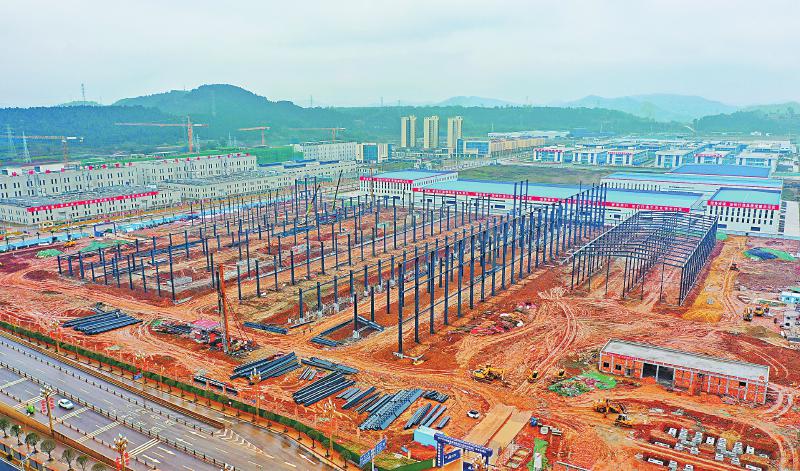
Core Viewpoint - The lithium battery industry in Suining is experiencing rapid growth, with significant investments and projects aimed at achieving a production value target of 26 billion yuan this year, representing a 70% increase from the previous year [4][7]. Group 1: Industry Development - The Suining lithium battery industry has become the largest production base for lithium materials in the Chengdu-Chongqing region, with 32 companies and 46 projects currently established in the industrial park [4]. - The lithium industry in Suining achieved a production value of over 15 billion yuan last year, accounting for 54% of the city's total lithium industry output [4]. - The park aims to reach a production value of 26 billion yuan this year, with ongoing projects expected to drive significant changes and improvements [4][7]. Group 2: Company Initiatives - Sichuan Fulin New Energy Technology Co., Ltd. has implemented a "penetrating" service list to ensure project advancement, addressing issues related to land use and power supply [6]. - The company has successfully completed a 50,000-ton production facility for lithium iron phosphate materials within 10 months, showcasing rapid construction and operational efficiency [6]. - Fulin New Energy is set to launch a second phase project for an additional 60,000 tons of lithium iron phosphate by August this year, with full production expected by October [6]. Group 3: Strategic Goals - The industry is focusing on maximizing economic benefits from existing projects while also launching new ones, aiming to create a closed-loop lithium battery production chain within two years [7]. - The park is working to cultivate several enterprises, with a goal of three companies achieving over 5 billion yuan in production value this year [7]. - The establishment of a comprehensive supply chain ecosystem is underway, with plans to enhance local product sales and collaborate with other industrial parks to integrate into larger supply systems [7][8].

布局2026,机构核心投资思路曝光!
天天基金网· 2026-01-04 01:06
Group 1 - The core viewpoint of the article emphasizes that technology remains a dominant investment theme for 2026, alongside structural opportunities in renewable energy and non-renewable resources due to economic recovery and currency appreciation [2][3]. - Institutions express strong confidence in equity assets for 2026, with a focus on technology innovation as a key driver of productivity [2]. - Key trends identified include advancements in AI technology, accelerated domestic production, and a recovery in the semiconductor industry, particularly in storage as a leading indicator [2]. Group 2 - Jiashi Fund highlights five major industrial directions for investment in 2026: manufacturing, information technology, materials, energy, and space industries, with a focus on smart manufacturing and advanced materials [3]. - Wanji Fund emphasizes strategic resource products, such as gold, silver, copper, and rare metals, as beneficiaries of overseas inflation cycles and fiscal expansion [3]. - Zhongjia Fund identifies AI as a critical area for both short-term performance and long-term narrative, while also noting potential in sectors like lithium batteries and commercial aviation, despite current market overheating [4].
布局2026,机构核心投资思路曝光
Xin Lang Cai Jing· 2026-01-03 23:45
Core Viewpoint - The investment outlook for 2026 remains optimistic, with technology continuing to be a dominant theme, alongside structural opportunities in renewable energy and non-renewable resources following a valuation recovery in 2025 [1][6]. Investment Insights - Institutions express strong confidence in equity assets for 2026, with a focus on three key trends: AI technology development, accelerated domestic production, and the recovery of industry cycles [2][7]. - The AI-related industry chain is expected to present incremental opportunities due to technological breakthroughs [2][7]. - The semiconductor industry is projected to continue its self-sufficiency push, with attention on equipment, materials, wafer foundry, and IC design sectors [2][7]. - The traditional semiconductor cycle is recovering, with storage as a key indicator, suggesting a healthier supply-demand structure across the industry [2][7]. Sector Focus - Jiashi Fund identifies five key sectors for investment in 2026: manufacturing (with a focus on smart manufacturing), information technology (including next-gen mobile communications and quantum information), materials (covering advanced materials and new material innovations), energy (focusing on nuclear, hydrogen, and biomass), and space industries [3][8]. - Wanji Fund emphasizes strategic resource products in the first half of 2026, particularly those benefiting from overseas fiscal expansion and monetary easing, such as gold, silver, copper, rare earths, and minor metals [3][8]. - Traditional sectors like service consumption, building materials, chemicals, and coal are expected to see improvements due to policy support and economic recovery [3][8]. Aggressive Sector Outlook - Zhongjia Fund maintains a focus on technology, particularly AI, as a key area for both short-term performance and long-term narratives [4][9]. - The lithium battery sector is viewed as at the bottom of its cycle, with potential for a reversal in 2026, particularly in the electrolyte segment [4][9]. - The commercial aviation sector may experience short-term overheating but is expected to have long-term sustainability due to clear timelines and national support [4][9].
碳酸锂:供需错配驱动价格强势上行
Xin Lang Cai Jing· 2026-01-02 09:37
Core Viewpoint - The lithium carbonate market is experiencing a strong rise, with prices increasing from 72,000 yuan/ton to over 130,000 yuan/ton, driven by supply bottlenecks and strong demand, alongside expectations of a tight supply-demand balance in the future [3][21]. Group 1: Market Review - The recent price increase began in mid to late October, primarily driven by limited supply growth and a surge in energy storage demand, reinforcing expectations of a tight supply-demand balance by 2026 [4][22]. - The price surged due to strong demand from leading battery manufacturers, with significant inventory reductions observed in October, November, and December [5][23]. - The price accelerated further in December, rising from around 90,000 yuan/ton to above 130,000 yuan/ton, as the expected resumption of the "Jian Ya Wo" mine was delayed [6][24]. Group 2: Fundamental Analysis - Supply constraints are evident, with lithium carbonate production reaching a peak, and the mining sector being the main bottleneck [7][24]. - Domestic mining operations are facing delays in resuming production due to safety permit approvals, while the operating rates of lithium spodumene and other lithium resources are at historical highs [8][25]. - Demand for energy storage is robust, with expectations for 900-1,000 GWh of storage demand by 2026, representing a 60%-70% increase from 2025 [9][26]. - Despite a slowdown in electric vehicle sales growth, battery production remains stable, providing strong support for demand in early 2026 [10][27]. Group 3: Market Outlook and Price Projection - The lithium carbonate market is expected to maintain a tight supply-demand balance or inventory reduction until the second quarter of 2026 [15][32]. - The key issue is the resumption timing of the "Jian Ya Wo" mine; delays could have minimal impact on the supply-demand balance in the first half of the year [16][32]. - Prices are likely to rise, with a target of 150,000 yuan/ton, and if demand remains strong, prices could challenge 200,000 yuan/ton [16][32]. - The current market is trading on a longer-term bullish logic, focusing on buying on dips [16][32]. Group 4: Key Conclusions and Focus Points - The strong price increase in lithium carbonate is driven by supply bottlenecks and surging energy storage demand, with a tight supply-demand balance expected to continue into the first half of 2026 [33][34]. - The trend is bullish, with opportunities to build long positions on price corrections [34][36].

锂业并购再升级:盛新锂能吃下启成矿业,盐湖股份补齐第二块盐湖
高工锂电· 2026-01-01 08:09
Core Viewpoint - The lithium price rebound has led to a new phase of resource mergers and acquisitions, characterized by a "full industry chain game" as companies seek to secure upstream resources amid rising lithium carbonate prices [2][3]. Group 1: Mergers and Acquisitions - Shengxin Lithium Energy announced a cash acquisition of 30% equity in Sichuan Qicheng Mining for 2.08 billion yuan, aiming for full control and securing lithium resources from two mines [2][5]. - Salt Lake Co. disclosed plans to acquire 51% of Wenkang Salt Lake for 4.605 billion yuan, integrating its lithium production capacity into its financial statements [2][8]. - The combined value of these transactions is approximately 6.685 billion yuan, coinciding with lithium carbonate prices surpassing 100,000 yuan per ton [3]. Group 2: Resource Valuation and Production Capacity - The valuation of Qicheng Mining is approximately 6.933 billion yuan, consistent with previous funding rounds [6]. - The core asset of Qicheng Mining is the Yajian Muro Lithium Mine, with proven lithium oxide resources of 989,600 tons and a planned extraction capacity of 3 million tons per year [7]. - Wenkang Salt Lake's core asset, the Yili Ping Salt Lake, has established production capacities of 15,000 tons/year for lithium carbonate and 200 tons/year for lithium phosphate, among others [8][11]. Group 3: Industry Trends and Strategic Shifts - The trend in mergers is shifting from speculative assets to those with visible production and core processes, with a focus on achieving over 51% control [12][13]. - Companies are increasingly targeting upstream resources and key materials, as seen with Shengxin Lithium Energy's multiple acquisitions and Huazhong Holdings' purchase of Argentum Lithium [14]. - The integration of assets is becoming a primary tool for restructuring within the industry, as companies seek to enhance their competitive positions and resolve historical issues [15][16].

喜迎2026,鑫椤锂电祝大家元旦快乐!
鑫椤锂电· 2026-01-01 00:09
关注公众号,点击公众号主页右上角" ··· ",设置星标 "⭐" ,关注 鑫椤锂电 资讯~ 鑫椤锂电 敬上 NEW YEAR 元 1 旦 / 快 / 乐 四气新元旦 万寿初今朝 尊敬的新老客户们: 岁月轮转,新元肇启。我们站在2026年的起点,向您致以最诚挚的问候:元旦快乐! 回首2025,感谢您一路相伴相持。您的每一次关注、每一次咨询、每一份信任,都是我们深耕锂电数据、打磨研究报告的最强动力。 展望2026,愿我们继续携手,在新能源的星辰大海中,共同书写锂电的下一个黄金篇章! ...

碳酸锂行情“V型反转” 2026年能否继续“狂飙”?
Zhong Guo Jing Ying Bao· 2025-12-31 15:21
Core Viewpoint - The lithium carbonate market is expected to experience a rebound in 2025, with prices showing a V-shaped recovery after hitting a low of 59,000 yuan/ton in June, eventually surpassing 130,000 yuan/ton by December, marking an increase of over 120% from the low point [1][2][3]. Price Trends - In early 2025, lithium carbonate prices fluctuated around 75,200 yuan/ton, dropping below 70,000 yuan/ton by the end of April and reaching a low of 59,000 yuan/ton in June [1]. - By July 2025, prices began to rebound, breaking through 65,000 yuan/ton on July 14, 70,000 yuan/ton on July 21, and closing at 76,680 yuan on July 24, eventually exceeding 120,000 yuan/ton by December 23 [2]. - The price trajectory for 2025 is characterized by a typical V-shaped curve, with significant recovery driven by demand from the energy storage sector and a reduction in inventory levels [1][2]. Demand and Supply Dynamics - The demand for lithium carbonate is supported by a substantial increase in global power battery installations, which reached approximately 867.4 GWh from January to October 2025, a year-on-year growth of 34% [3]. - The new energy storage capacity in China exceeded 100 million kilowatts by September 2025, representing a growth of over 30 times compared to the end of the 13th Five-Year Plan, accounting for over 40% of the global total [4]. - The long-term outlook for lithium demand remains optimistic, with projections indicating that global lithium demand could reach 2 million tons of lithium carbonate equivalent by 2026, driven by sectors such as electric vehicles and energy storage [7]. Industry Performance - The recovery in lithium prices has positively impacted the performance of lithium companies, with stock prices of Tianqi Lithium and Ganfeng Lithium increasing by over 160% and 173%, respectively, since their lows in April [3]. - Ganfeng Lithium reported a net profit increase of 364.02% year-on-year in its third-quarter report, reflecting improved financial performance amid rising lithium prices [3]. Future Outlook and Challenges - The market may face uncertainties in 2026, with potential downward pressure on prices if inventory levels rise significantly due to slower-than-expected growth in energy storage demand [8]. - The development of alternative technologies, such as sodium batteries, may introduce new variables into the market, potentially exerting downward pressure on lithium carbonate prices, although current production scales and costs differ significantly from lithium batteries [9].
8785份原产地证书落地!枣庄贸促会为企业减负添力
Sou Hu Cai Jing· 2025-12-31 14:35
Core Insights - The press conference highlighted the efforts of Zaozhuang's Trade Promotion Council to support local enterprises through various initiatives aimed at enhancing their international trade capabilities and addressing challenges in market expansion and risk management [5][12]. Group 1: Trade Promotion Initiatives - From January to November, Zaozhuang's Trade Promotion Council issued 8,785 certificates of origin, helping enterprises benefit from tariff reductions, with a year-on-year increase of 19.49% [10][11]. - The council implemented a series of actions titled "Trade Promotion to Assist Enterprises," focusing on providing precise, diverse, and professional services to empower businesses and promote high-quality economic development [5][6]. Group 2: Research and Needs Assessment - The council conducted in-depth research on nearly 50 leading import and export enterprises, gathering feedback on their needs in areas such as foreign communication, trade cooperation, and talent development [6]. - A dual-track approach was employed to visit over 170 foreign trade enterprises, collecting 126 questionnaires and identifying 235 suggestions, which informed a comprehensive research report [6]. Group 3: Training and Capacity Building - The council organized 16 specialized training sessions focusing on cross-border e-commerce, risk prevention, and market expansion, addressing urgent needs of enterprises [7]. - Over 300 small and micro foreign trade enterprises were engaged, with 238 of them included in the export credit insurance support system, enhancing their risk management capabilities [7]. Group 4: International Market Expansion - Zaozhuang's enterprises participated in over 60 high-profile trade events, including the Cologne Hardware Fair and the International Machine Tool Exhibition in Russia, significantly increasing the visibility of "Made in China - Zaozhuang Quality" [8][9]. - The council facilitated participation in the 2025 Shandong International New Energy Industry Expo, showcasing over 80 products from 14 local enterprises, emphasizing the region's strengths in the lithium battery industry [9][16]. Group 5: Legal and Risk Management Support - The Trade Promotion Council enhanced its legal services, successfully resolving cross-border disputes through international commercial mediation, marking a significant achievement in providing efficient dispute resolution pathways for enterprises [11]. - The council issued over 300 alerts on major trade friction and compliance risks throughout the year, along with hosting six specialized training sessions on trade regulations [11]. Group 6: Organizational Structure and Service Model - The Zaozhuang International Chamber of Commerce restructured its organization by establishing specialized and industry committees to provide targeted support for enterprises, moving from a generalized service model to a more precise and professional approach [17][18]. - The new committees focus on traditional industries and address specific challenges faced by enterprises, promoting resource integration and collaborative development [18]. Group 7: Overseas Networking and Support - The Zaozhuang International Chamber of Commerce expanded its overseas network by establishing partnerships with six friendly business associations and five overseas member homes, facilitating better support for local enterprises venturing abroad [19][20]. - The overseas member homes serve as operational hubs, providing essential services such as logistics support, market research, and business negotiation assistance to help enterprises integrate into foreign markets [20].

国家级零碳园区对准锂电扩产:52个项目释放哪些信号
高工锂电· 2025-12-31 11:56
Core Viewpoint - The first batch of national-level zero-carbon parks has been announced, with nearly 40% located in key lithium battery manufacturing bases, indicating a strong alignment between zero-carbon industrial parks and China's lithium battery and new energy industries [1][3][4]. Group 1: Overview of Zero-Carbon Parks - A total of 52 parks have been selected, serving as a sample to observe the coupling of China's new energy and industrial systems [2]. - The selected parks cover various types across eastern, central, and western regions, including national economic development zones, high-tech zones, resource-based development zones, and specialized industrial parks [6]. - The construction period for these parks is required to be completed between 2027 and 2030, with local governments encouraged to provide support in funding, resources, technology, and finance [7]. Group 2: Industry Chain and Structure - The parks related to lithium battery and new energy manufacturing encompass a complete chain from resource extraction to manufacturing and application [8]. - Key parks include those in Jiangxi, Yunnan, and Xinjiang, which focus on lithium resources and new energy materials, as well as manufacturing bases for major companies like CATL and BYD [8][10]. - Downstream applications include parks focused on electric vehicles, energy storage equipment, and data centers, indicating a multi-dimensional approach to energy and storage [10]. Group 3: Zero-Carbon Parks as Experimental Models - Zero-carbon parks are not merely single-factory transformations but aim to reconstruct energy systems and carbon management logic at the industrial cluster level [11]. - The selection of lithium battery and new energy industries as pilot projects is due to their foundational role in supporting energy transition and their strong linkage to emission reduction targets [13][14]. - The parks are expected to validate a replicable set of indicators and operational mechanisms under varying regional and industrial conditions [11][21]. Group 4: Case Study of Inner Mongolia - The Inner Mongolia Ordos Mongsu Economic Development Zone serves as a concrete example of a zero-carbon park, integrating wind, solar, storage, and hydrogen energy into a closed-loop system [22][25]. - The facility aims for full carbon neutrality across its value chain, utilizing high proportions of green electricity and a digital carbon management platform [26][30]. - This model is being expanded to other regions, demonstrating the potential for replicable solutions across different resource endowments and industrial structures [33]. Group 5: Implications for Future Investments - The first batch of zero-carbon parks reflects new constraints and implicit thresholds for the next round of lithium battery and new energy industry layouts [39]. - Local governments' ability to implement green electricity direct connections and integrated carbon monitoring systems will influence the feasibility of high-value new energy projects [40]. - Parks that have established comprehensive new energy and lithium battery industry clusters are more likely to be selected for future projects, shaping the spatial layout of the new energy industry [41][42].