
外贸

Search documents
外贸进出口突破8000亿元年均增长11%
Xin Lang Cai Jing· 2026-01-25 01:48
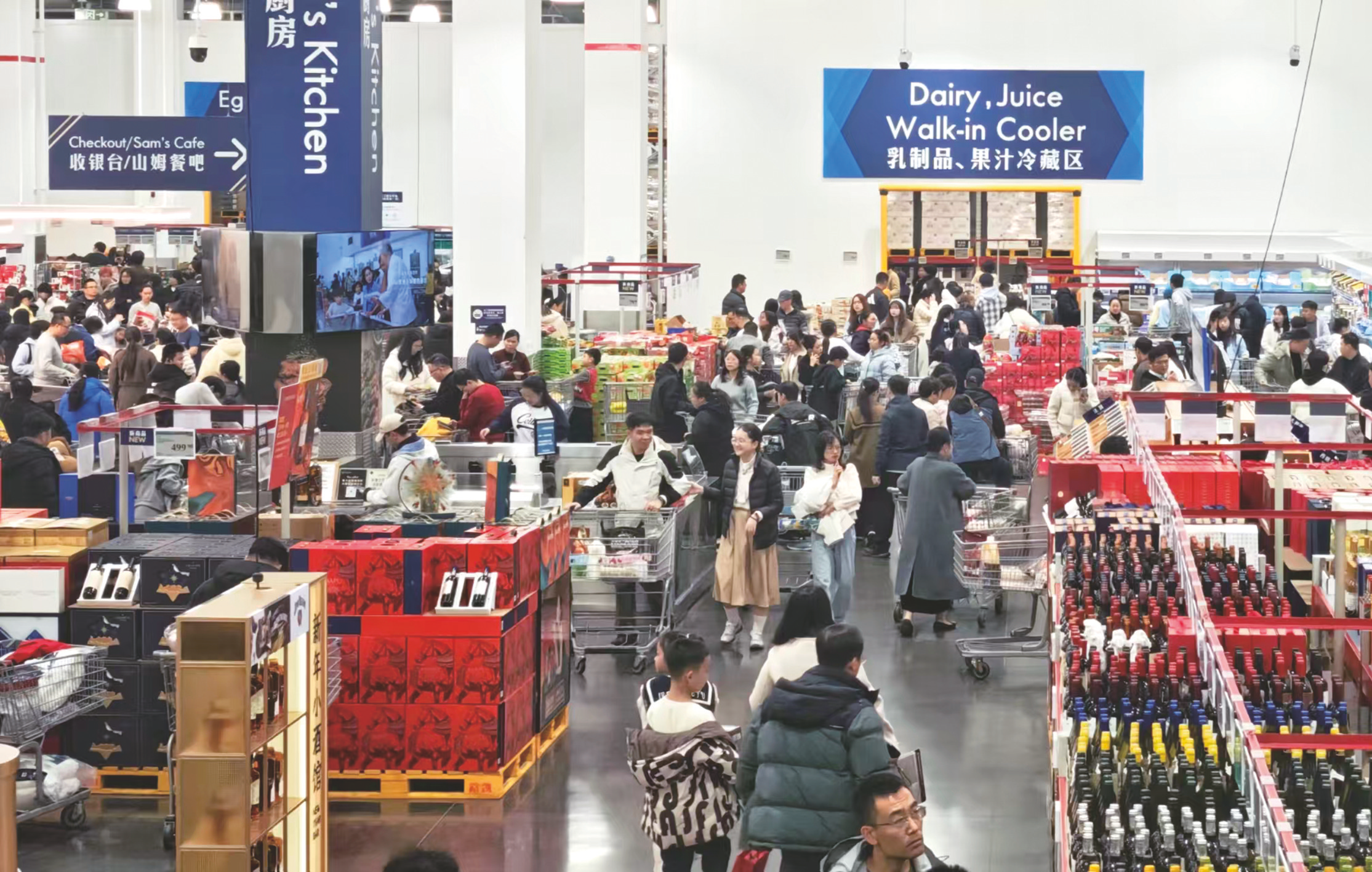
Core Insights - The report highlights the significant growth in Guangxi's foreign trade and consumption market, emphasizing the region's ongoing development and increasing quality of life for its residents [2][3][4]. Foreign Trade - During the 14th Five-Year Plan period, Guangxi's foreign trade imports and exports surpassed 800 billion yuan, with an average annual growth rate of 11%, and a 12.6% increase in trade with ASEAN countries [2]. - The "工贸强基" project aims to support 30 key projects, targeting a 36.9% increase in exports of electronic information industry intermediate products and an 18.4% increase in exports from leading industrial enterprises by 2025 [2]. - The "百展千企" initiative has expanded Guangxi enterprises' presence in ASEAN, the Middle East, and the EU, with expected growth rates of 8%, 21.6%, and 46.3% respectively in trade with these regions [2]. Consumption Market - The retail and catering sectors contributed approximately 13% to GDP growth during the 14th Five-Year Plan, with online retail sales growing over 10% annually [3]. - By 2025, the wholesale industry is projected to grow by 1.6%, retail by 6.8%, accommodation by 6%, and catering by 5%, with the overall contribution of these sectors to GDP growth reaching 11.67% [3]. - Over 21,000 enterprises participated in a consumption upgrade initiative, generating over 50 billion yuan in sales, enhancing consumer experience and affordability [3]. Foreign Investment - Guangxi has attracted over 7.3 billion USD in actual foreign investment during the 14th Five-Year Plan, with major companies like Foxconn and IKEA establishing operations in the region [3]. - The influx of new business models, such as Walmart's Sam's Club, has contributed to industrial transformation and increased employment opportunities [3]. Port Development - By 2025, Guangxi will have 22 open ports, with cargo throughput expected to reach 235 million tons (up 14%) and a cargo value of 1.53 trillion yuan (up 26.9%) [4]. - The ongoing development of ports and trade infrastructure is enhancing the quality of life for residents across urban and rural areas [4].

宏观经济周报:经济结构优化接力赛-20260124
Guoxin Securities· 2026-01-24 14:46
Economic Performance - In 2025, China's GDP grew by 5.0% year-on-year, achieving the target of around 5%[1] - The GDP growth rate in Q4 2025 fell to 4.5%, marking a new low in recent years[1] - Monthly GDP growth rates for October to December were approximately 4.5%, 4.3%, and 4.7% respectively, indicating signs of recovery in December[1] Structural Changes - A notable shift occurred in the economic structure: the secondary industry (industrial and construction sectors) saw a decline, while the tertiary industry (services) experienced growth[1] - The acceleration of the service sector is expected to create more jobs and increase income, providing sustainable support for domestic demand[1] Policy Outlook for 2026 - The newly announced fiscal and financial policies focus on stimulating private investment, with four out of six specific policies aimed at supporting private investment[2] - The emphasis on private investment over government-led infrastructure projects signals a shift towards "investing in people" rather than "investing in things"[2] Risks and Challenges - The report highlights potential risks from overseas market volatility, which could introduce uncertainties into the economic outlook[2] - Domestic consumption remains weak, with significant declines in key indicators such as movie ticket sales (down 26.9%) and automobile sales (down 32.0%) compared to the previous year[21] Trade and External Factors - Port cargo throughput increased by 6.23% year-on-year, influenced by the timing of the Spring Festival[24] - Geopolitical risks are rising, potentially affecting global trade dynamics and pricing systems[25]
土耳其里拉暴跌,国内通货膨胀高达30%,遭遇股汇债三杀
Sou Hu Cai Jing· 2026-01-24 08:11
Group 1 - The core viewpoint of the articles discusses the implications of the appreciation of the Chinese yuan against the US dollar, highlighting both short-term and long-term effects on the export and foreign trade sectors [1] - The current exchange rate is approximately 6.3 yuan per dollar, with predictions that it may drop below 6 yuan by the end of the year, which could impact the price competitiveness of Chinese exports [1] - Despite the yuan's appreciation, the ongoing reliance on Chinese goods due to overseas factory shutdowns from the pandemic has mitigated the negative impact on the export sector [1] Group 2 - The strength of the yuan is attributed to China's relatively stable economic fundamentals compared to the US, where excessive money printing has raised concerns about the dollar's future [1] - The article contrasts the situation in Turkey, where the lira has depreciated over 50% against the dollar in six months, leading to severe economic consequences, including a significant drop in GDP per capita [1] - The rapid depreciation of the lira has resulted in inflation exceeding 30%, with the Turkish government struggling to address the crisis through wage increases that may exacerbate inflation [1][3] Group 3 - The Federal Reserve is expected to raise interest rates at least three times in the coming year to combat 7% inflation in the US, which could have adverse effects on other economies, particularly Turkey [3] - The global economic cycle is influenced by US monetary policy, with Turkey's currency and debt crisis being highlighted as a potential victim of this global monetary storm [3]
本市国企资产总额达到32.5万亿元
Xin Lang Cai Jing· 2026-01-24 07:16
Group 1 - The total assets of local state-owned enterprises in Shanghai reached 32.5 trillion yuan in 2025, marking a historical high, with total profit and net profit attributable to shareholders growing by 12.3% and 11.2% year-on-year, respectively, both achieving a five-year high [1] - In 2025, the comparable growth rates for industrial output value, weighted average growth rate of financial industry indicators, and total foreign trade import and export growth in Shanghai were 10.5%, 20.7%, and 7.9% respectively [1] - The total market value of listed companies controlled by local state-owned enterprises in Shanghai reached 3.2 trillion yuan, also a historical high [1] - Over the past three years of deepening state-owned enterprise reform, the total assets, total profit, and net profit attributable to shareholders of local state-owned enterprises in Shanghai increased by 16%, 24%, and 23% compared to 2022, with the market value of listed companies rising by over 42% [1] Group 2 - In 2026, Shanghai's state-owned assets and enterprises will continue to promote quality improvement, efficiency enhancement, and stable growth, aiming for a strong start in the first quarter [2] - The optimization of state asset layout will focus on concentrating resources on advantageous enterprises and key sectors, enhancing the development level of the productive service industry [2] - The implementation of the "AI+" initiative will strengthen the technological innovation role of state-owned enterprises, promoting the application of vertical models and intelligent agents across industries [2] - The operational level of state capital will be enhanced, with reforms in state capital fund management systems and the establishment of a complementary development pattern for municipal and district-level state capital funds [2] - A reasonable distribution of assessment results for enterprise leadership will be implemented, along with the establishment of an unconventional talent introduction system [2] - The construction of a comprehensive regulatory evaluation system will focus on fulfilling strategic missions and enhancing core competitiveness through enhanced collaborative supervision [2] - The responsibility system for party building will be improved with a refined assessment and evaluation index system [2]
All in AI?苏州“十五五”打算这么干···
2 1 Shi Ji Jing Ji Bao Dao· 2026-01-23 14:41
最强地级市,要在人工智能全面发力了。 数据显示,去年1至8月,苏州人工智能产业实现营收2472亿元,增速18.7%,全市已建设60余家人工智 能相关产业载体,集聚产业链上下游企业近2500家,累计培育入库工业大模型139个。 2025年9月,苏州瞄准"人工智能+"七大重点方向,出台《苏州市加快建设"人工智能+"城市行动方案 (2025~2026年)》。 苏州目标到2026年底,全市集聚人工智能企业超3000家,智能经济产业核心规模年均增长超20%,探索 率先建设"人工智能+"城市的苏州路径。 前述苏州十七届人大会议上,在回顾2025年工作时,苏州特意提到,过去一年,其加快建设国家人工智 能赋能新型工业化先导区,获批建设国家人工智能应用中试基地,举办首届人工智能OPC大会,启用具 身智能机器人综合创新中心,培育工业垂类大模型139个。 实际上,不仅是苏州,去年年底,江苏省也正式印发《江苏省"人工智能+"行动方案》。 在新闻发布会上,江苏省发展改革委副主任蔡剑峰表示,要积极推动"ALL IN AI"。其中谈及苏州,称 启光德健研发的AI智能体,能够洞察XDC药物发现底层关键决策要素以及控制机制,成为全球首个能 独 ...
进出口总值近1800亿,2025年临沂外贸“成绩单”出炉
Qi Lu Wan Bao· 2026-01-23 05:58
Core Insights - In 2025, Linyi's total foreign trade import and export value is projected to reach 177.58 billion RMB, ranking 7th in the province with a year-on-year growth of 4.9%, which is 0.4 percentage points higher than the provincial average [1] - The export value is expected to be 161.41 billion RMB, placing Linyi 5th in the province with a growth rate of 5.2%, while imports are anticipated to be 16.17 billion RMB, resulting in a trade surplus of 145.24 billion RMB [1] Group 1: Trade Dynamics - New trade formats such as market procurement and cross-border e-commerce have become the core drivers of Linyi's foreign trade growth, with cumulative export values reaching 91.43 billion RMB, accounting for half of the city's total export value [1] - The Linyi Comprehensive Bonded Zone has seen imports and exports of 17.08 billion RMB, growing by 8.4%, providing strong support for foreign trade development [1] Group 2: Business Activity - The number of enterprises engaged in import and export activities in Linyi reached 5,881, an increase of 780 from the previous year, with private enterprises being the main contributors, totaling 5,720 and accounting for 94.6% of the city's foreign trade value [1] Group 3: Trade Partnerships - Linyi's trade partnerships have expanded to 220 countries and regions, with ASEAN remaining the largest trading partner, accounting for 41.03 billion RMB in trade [2] - Significant growth has been observed in trade with emerging markets, particularly with Africa, where trade increased by 82.1% to 23.47 billion RMB, and with Central Asia, which saw a growth of 40.1% [2] Group 4: Product Structure - Traditional advantageous products such as plastic products, auto parts, and ceramics have shown steady growth, with ceramic product exports increasing by 21.8% [2] - High-value-added electromechanical products are expected to reach an export value of 53.58 billion RMB, growing by 8.7%, while new products like electric passenger vehicles, lithium batteries, and solar batteries have surpassed 300 million RMB in exports, marking a new growth point [2] - Metal ores, particularly iron ore, have become the main imported goods, with imports reaching 5.98 billion RMB, a significant increase of 75.9% [2]
苏州工业园区外贸规模首破八千亿元
Xin Hua Ri Bao· 2026-01-22 21:40
Group 1 - The core viewpoint of the news is that the Suzhou Industrial Park's foreign trade is experiencing significant growth, with a total import and export value projected to reach 834.59 billion yuan in 2025, marking a 20.8% increase from 2024 [1] - Exports are expected to be 425.92 billion yuan, reflecting a growth of 21.4%, while imports are projected at 408.67 billion yuan, with a growth rate of 20.3% [1] - Foreign-invested enterprises are major contributors, with their import and export value reaching 627.45 billion yuan, a 21.8% increase, accounting for 75.2% of the total foreign trade value in the park [1] Group 2 - The Suzhou Industrial Park Customs has implemented innovative regulatory and service measures to support steady foreign trade, focusing on the "623" industrial system and engaging in a "three services" initiative [2] - A significant innovation includes the establishment of the first cross-province and cross-customs area air pre-clearance cargo station, which has reduced overall logistics time by 12 to 24 hours and lowered ground logistics costs by 10% to 30% [2] - Targeted measures for key industries such as integrated circuits and biomedicine have been introduced, including a "white list" management system for hazardous chemicals, significantly reducing customs clearance times by over 95% [3] Group 3 - The customs has also streamlined the drug import process by adopting a nationwide integrated customs clearance model, cutting clearance times by approximately 50% for local enterprises [3] - Innovative measures for the import of medical device production materials have been implemented, which have notably reduced import times and costs for research and manufacturing enterprises [3] - These reforms have collectively saved pilot enterprises hundreds of thousands of yuan and have led to a substantial increase in new orders, enhancing the business environment in the region [3]
2025年三亚市企业货物贸易进出口值创历史新高
Zhong Guo Xin Wen Wang· 2026-01-22 11:32
Core Insights - In 2025, Sanya's enterprises achieved a record high in goods trade import and export value of 33.26 billion yuan, marking a year-on-year growth of 7.8%, outpacing the average growth rate of Hainan province [1][2] Group 1: Trade Performance - The import value of metal ores and minerals reached 4.55 billion yuan, showing a significant increase of 150.7% [2] - The import value of beauty cosmetics and personal care products was 2.88 billion yuan, with a slight growth of 0.9% [2] - The import value of basic organic chemicals was 1.54 billion yuan, reflecting a growth of 16.5% [2] Group 2: Policy Impact - The implementation of "zero tariffs" and tax exemptions for value-added processing has been pivotal for companies in reducing costs and enhancing efficiency [1] - Sanya Customs introduced "Ten Measures to Support the Development of Sanya's Export-oriented Economy," providing tailored assistance to key enterprises through direct engagement and consultations [2] - The policies have directly translated into business growth, as evidenced by a specific case where a company benefited from a tax reduction of 12,500 yuan on a shipment valued at 59,600 yuan [1]
新质生产力动能强劲,上海经济总量位居全球第五
Di Yi Cai Jing Zi Xun· 2026-01-21 13:37
Core Insights - Shanghai's GDP reached 56,708.71 billion yuan in 2025, growing by 5.4% year-on-year, surpassing the national growth rate after several years of lagging behind [1] - The city's economic resilience is highlighted by a steady recovery in consumption, investment, and exports, with Shanghai's growth rates exceeding national averages across all three sectors [2][3] Economic Growth - Shanghai's GDP growth of 5.4% in 2025 marks a significant recovery, positioning it as the first city in China to exceed a GDP of 50 trillion yuan [1] - The city's core functions and new industries are rapidly developing, contributing to its role as a leading economic center [1] Consumption Trends - In 2025, Shanghai's total retail sales of consumer goods increased by 4.6%, outperforming the national growth rate of 3.7% [2] - Key drivers for this growth include targeted policy measures, innovative consumer events, and a rebound in inbound tourism, with 9.36 million international visitors recorded, a 40% increase from the previous year [2] Investment Dynamics - Fixed asset investment in Shanghai grew by 4.6% in 2025, significantly higher than the national decline of 3.8% [3] - Industrial and infrastructure investments surged by 20% and 11.2%, respectively, indicating strong growth in these sectors [3] Trade Performance - Shanghai's total foreign trade reached 4.5 trillion yuan in 2025, with a growth rate of 5.6%, surpassing the national average of 3.8% [3] - Exports increased by 10.8%, with notable growth in high-end manufacturing sectors, including electric vehicles and industrial robots [3] Emerging Industries - The industrial added value in Shanghai grew by 5.0%, with strategic emerging industries contributing significantly, accounting for 45% of the total industrial output [4][5] - The three leading industries in Shanghai saw a 9.6% increase in output, with integrated circuit manufacturing and artificial intelligence growing by 15.1% and 13.6%, respectively [5] Quality of Development - Shanghai's port trade volume exceeded 11 trillion yuan, ranking first globally, while financial market transactions grew by 11.2% [6] - R&D investment as a percentage of GDP stands at approximately 4.5%, indicating a strong focus on innovation and future-oriented investments [6] Future Outlook - The "15th Five-Year Plan" emphasizes the need for Shanghai to enhance its economic resilience and transition to high-quality growth, focusing on new technologies and industries [7][8] - The city aims to foster a vibrant innovation ecosystem by optimizing the business environment and supporting small and medium-sized enterprises [8][9]
甘肃2025年经济运行“成绩单”出炉:GDP突破1.36万亿元,增长5.8%,增速领跑彰显强劲韧性
Zhong Guo Fa Zhan Wang· 2026-01-21 07:24
Core Viewpoint - Gansu Province has achieved significant economic growth in 2025, with key indicators surpassing expectations, reflecting a stable and improving economic environment. Economic Performance - The GDP of Gansu Province reached 1,369.75 billion yuan in 2025, growing by 5.8% year-on-year, consistently outperforming the national average for 16 consecutive quarters since 2022 [2] - The primary industry added value was 177.3 billion yuan (5.5% growth), the secondary industry 455.82 billion yuan (6.7% growth), and the tertiary industry 736.63 billion yuan (5.3% growth), indicating collaborative growth across all sectors [2] Industrial Growth - Industrial production remains a key driver of economic growth, with a 9.5% increase in the added value of industrial enterprises above designated size [3] - The mining industry grew by 5.4%, manufacturing by 9.3%, and the electricity, heat, gas, and water production and supply industry by 17.6%, showcasing enhanced power supply capabilities [3] - Key industries such as non-ferrous metal smelting and rolling processing, and electricity and heat production saw added value growth of 19.5% and 18.5%, respectively [3] Foreign Trade - Gansu's total import and export value reached 71.17 billion yuan, a 16.2% increase year-on-year, with exports surging by 44.5% to 18.38 billion yuan, indicating improved international competitiveness [4] - Imports totaled 52.79 billion yuan, growing by 8.7%, with trade with Belt and Road countries accounting for 70.5% of total trade [4] Agricultural Production - Grain production reached a historical high of 13.0925 million tons, a 1.01% increase from the previous year, with autumn grain production growing by 1.97% [5] - Livestock production also increased, with pork, beef, mutton, and poultry meat output reaching 1.803 million tons, a 6.3% growth [5] Consumer Market and Investment - The service sector showed strong recovery, with new service industries like information technology and leasing services growing by 19.2% and 15.6%, respectively [6] - Retail sales of consumer goods increased by 2.5%, driven by policies promoting consumption upgrades, with significant growth in categories such as communication equipment and new energy vehicles [6] - Fixed asset investment saw a slight decline overall, but excluding real estate, it grew by 2.7%, with manufacturing investment up by 4.5% and infrastructure investment up by 14.5% [6]