军工

Search documents
希拉里蓬佩奥齐声反对:特朗普全球势力划分背后的霸权自私本质
Sou Hu Cai Jing· 2025-12-21 08:15
Group 1 - The recent speech at Columbia University highlighted a rare moment of unity between Hillary Clinton and Mike Pompeo, both criticizing Trump's global strategy, indicating a shift in U.S. foreign policy dynamics [1] - Clinton revealed that the Pentagon is discussing the division of spheres of influence, suggesting a strategy where the U.S. maintains control over the Western Hemisphere while Russia and China manage Eastern Europe and East Asia respectively [1] - The U.S. military presence in the Caribbean and East Pacific has reached its highest level in decades, with operations under the guise of anti-drug missions actually aimed at resource acquisition in Venezuela, Bolivia, and Brazil [1] Group 2 - Brazil's experience serves as a warning for Latin American countries, as the U.S. has imposed severe tariffs and sanctions when Brazil sought to balance trade between the U.S. and China [3] - Trump's administration has linked immigration issues to the legitimacy of regimes, pressuring countries to prioritize resource delivery to the U.S. over sovereignty concerns [3] - The U.S. strategy in the Asia-Pacific aims to exhaust China economically while preventing its industrial upgrade, with increasing restrictions on technology and military alliances with regional allies [3] Group 3 - Europe's situation is precarious, with rising natural gas costs due to the ongoing Russia-Ukraine conflict, while the U.S. profits by selling gas to Europe at inflated prices [5] - The U.S. has successfully exploited fears of Russia among Eastern European nations to create divisions within the EU, undermining efforts for strategic autonomy [5] - The traditional hegemonic perspective represented by Clinton and Pompeo reflects a reluctance to accept the decline of U.S. manufacturing and global dominance, as evidenced by reliance on imports for essential goods [5] Group 4 - China is actively pursuing regional economic partnerships like RCEP and engaging in mutually beneficial energy cooperation in Latin America, contrasting with the U.S. approach of viewing the world as a chessboard [7] - The U.S. strategy of treating regions as personal assets and engaging in self-serving tactics is increasingly seen as outdated, as countries seek independent development paths [8] - The notion of strategic contraction by the U.S. is viewed as a sign of declining hegemony, with the global trend moving towards multipolarity and nations pursuing their own development goals [8]

中美之争落幕?现实比想象残酷:美国不是输了,是牌桌都下不去了
Sou Hu Cai Jing· 2025-12-21 05:42
Group 1: Trade Relations and Economic Impact - The trade disputes between the US and China began in 2018, with tariffs peaking at 145% by 2025, yet China's exports increased despite US efforts to curb them [1] - The US aimed to protect its domestic industries through tariffs, but China's export share rose, indicating that tariffs alone cannot defeat China's economic growth [1] - By 2025, China's semiconductor market share had significantly increased, while US companies like Nvidia struggled to secure export exemptions [3] Group 2: Automotive Industry Developments - China's electric vehicle exports surged to nearly 5 million units in the first nine months of 2025, making it the global leader in EV exports, with Mexico as the largest market [5] - Despite tariff barriers preventing Chinese EVs from entering the US market, China successfully redirected its exports to other regions, particularly the Middle East and Europe [5] - The increase in China's fuel vehicle exports is attributed to a domestic shift towards new energy vehicles, leading to a rise in second-hand vehicle exports [5] Group 3: Military and Defense Dynamics - By 2025, the US defense budget approached $900 billion, while China's military capabilities continued to improve, narrowing the gap [7] - The Chinese military's nuclear arsenal increased to 600 warheads, and its naval fleet surpassed that of the US, indicating rapid military advancements [7] - The ongoing Russia-Ukraine conflict has strained US military resources, revealing weaknesses in its defense supply chain and prompting a reevaluation of military strategies against China [7] Group 4: Semiconductor Industry and Technology - The US imposed stricter export controls on advanced chips to China starting in 2022, but China increased domestic R&D support, leading to a gradual rise in chip localization rates [3] - China's control over rare earth exports has impacted the global semiconductor supply chain, demonstrating the limitations of US technology embargoes [3] - By 2025, China's semiconductor exports remained stable, countering US expectations of a collapse in the supply chain [12] Group 5: Overall Strategic Shifts - The US is transitioning from an offensive to a defensive posture in its approach to China, recognizing the need for coexistence rather than outright competition [9] - The US manufacturing hollowing-out issue has become more pronounced, with reliance on foreign materials for military projects, while China leverages its engineering capabilities for rapid innovation [11][12] - The ongoing competition is characterized by a search for stability in supply chains, with both nations learning valuable lessons from their confrontations [12]
美媒承认特朗普输给中国,4大证据摆在眼前,由不得美国人不信!
Sou Hu Cai Jing· 2025-12-21 04:32
Core Viewpoint - The article argues that the United States is losing the trade war initiated by Trump against China, highlighting four key pieces of evidence that demonstrate China's economic resilience and strategic advantages in the conflict [1]. Group 1: Trade War Initiation and Progress - The trade war began in January 2025 shortly after Trump took office, with tariffs imposed on Chinese goods under the pretext of the fentanyl issue [3]. - By April 2025, tariffs were significantly increased to cover nearly all Chinese exports to the U.S., prompting China to retaliate with tariffs on U.S. agricultural products and key raw materials [3]. - The trade negotiations between the two countries began mid-year, with multiple rounds held in London and Stockholm, but significant progress was not made until October [3]. Group 2: Economic Impact and Data Comparison - Despite the U.S. collecting over $200 billion in tariffs, the trade war did not achieve its initial goals, as evidenced by China's GDP growth of 5.3% in the first half of 2025, surpassing the IMF's forecast of 4.8% [5]. - In contrast, the U.S. experienced a mere 1.25% economic growth, significantly below expectations, with high tariffs leading to increased import costs and reduced agricultural exports [5]. - The volatility in U.S. agricultural markets, particularly in soybean futures, resulted in substantial losses for American farmers [5]. Group 3: China's Strategic Position and U.S. Concessions - China maintained its stance against unilateralism and trade bullying, refusing to make significant concessions despite U.S. pressure [7]. - As the trade war progressed, Trump was forced to lower tariffs and agree to a preliminary framework agreement without a formal comprehensive deal [9]. - The U.S. decision to resume exports of H200 chips to China was made to alleviate inventory pressures on American tech companies [9]. Group 4: Global Perception and Long-term Implications - Since Trump's administration began, China's favorability in international polls increased by 8.8%, while the U.S. saw a decline of 1.5% [13]. - Countries like India, Japan, South Korea, and Australia expressed concerns over U.S. tariff policies disrupting regional supply chains, leading to strengthened cooperation with China [13]. - The overall evidence suggests that the trade war has not weakened China but rather exposed vulnerabilities in the U.S. and enhanced China's influence in global markets [13].
抛售15吨黄金救急!军费太烧钱,越打越富的俄罗斯也熬不住?
Sou Hu Cai Jing· 2025-12-21 03:13
Core Viewpoint - Russia's economic situation is deteriorating due to the ongoing war, leading to significant budget deficits and a drastic reduction in gold reserves as a means to generate cash [1][3][5][7] Group 1: Economic Impact - Russia's oil and gas tax revenue for the first 11 months of 2025 was only $102 billion, a 22% year-on-year decrease, insufficient to cover military expenses [1][5] - The average price of Urals crude oil fell to $53 per barrel, below the $75 per barrel needed for fiscal balance, with prices even dipping below $40 [5][7] - Economic growth for 2025 is projected at only 1%, significantly lower than pre-war levels, with inflation exceeding 8% [5][7] Group 2: Budget Deficits and Military Spending - The budget deficit for the first 10 months of 2025 reached 4.2 trillion rubles, an increase of 4 trillion rubles compared to the previous year [3] - Military spending for 2025 is projected at 13.5 trillion rubles, accounting for 33% of total expenditures, with total war costs reaching 15.5 trillion rubles [3][7] - Daily military expenditures amount to 45.3 billion rubles, equivalent to the cost of building a medium-sized factory [3] Group 3: Gold Reserves and Sales - The Central Bank of Russia sold 15 tons of gold, reducing its national wealth fund's gold reserves from 405.7 tons to 173.1 tons, indicating severe financial strain [1][3] - The remaining gold reserves, valued at approximately $23.4 billion, can only cover 58 days of expenses, highlighting the urgency of the situation [5] - Russia's gold sales are primarily directed towards domestic banks and investment funds to stabilize the financial market [3][5] Group 4: Long-term Economic Outlook - The ongoing conflict has led to a significant decline in military exports, with a 64% drop in weapon sales since 2022 [3] - The depletion of gold reserves signifies a shrinking economic buffer, with expectations of further gold sales in the coming years [5][7] - The overall economic structure is severely imbalanced, with civilian industries stagnating while military expenditures continue to rise [5][7]
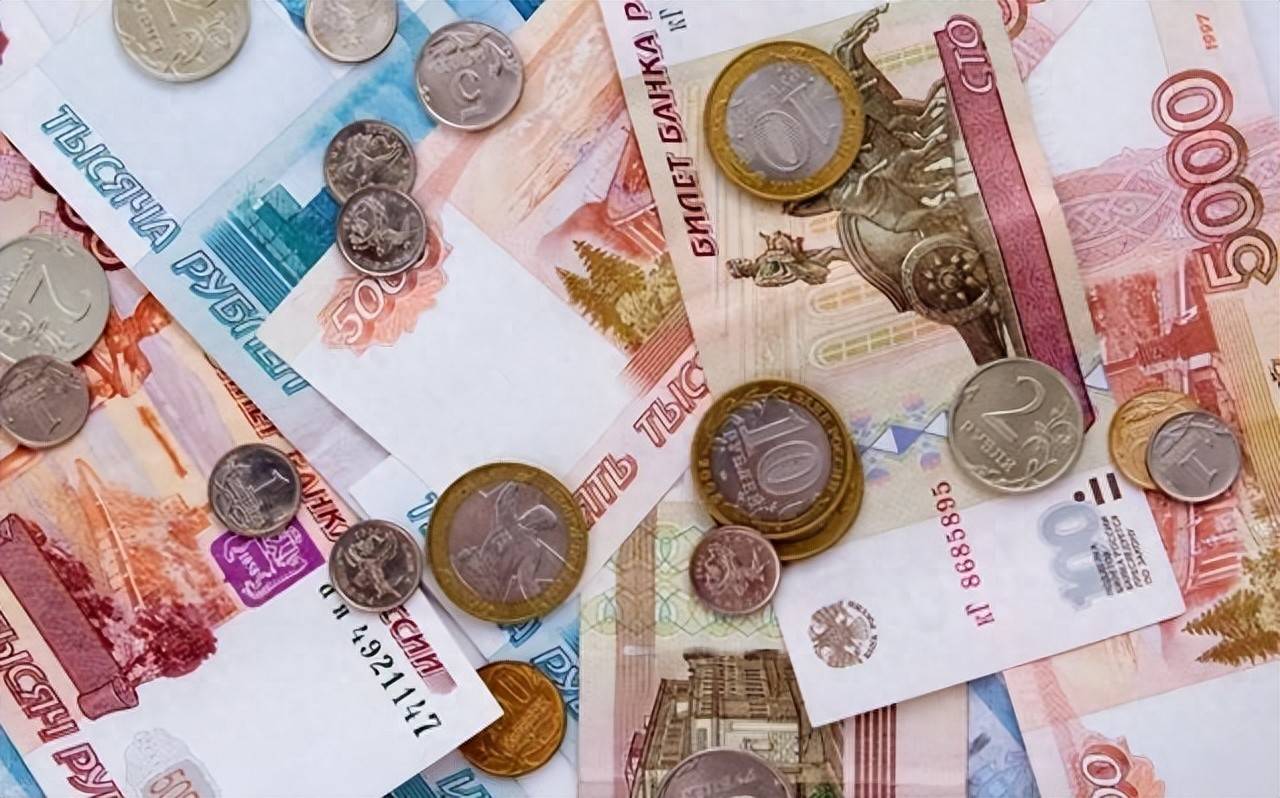
中美竞争新阶段,美国转攻为守,输的代价太沉重,后院都快管不住了!
Sou Hu Cai Jing· 2025-12-20 15:06
Group 1 - The intense phase of competition between the US and China has largely passed, with the US realizing that its previous strategies are no longer effective [1][11] - The US is considering a strategic shift to focus more on its own region, as it has exhausted many of its tactics against China, which has shown resilience and progress in various sectors [3][11] - China's semiconductor industry has made significant strides, with self-sufficiency improving and export volumes sometimes exceeding imports, indicating a strengthening of its industrial chain despite external pressures [3][5] Group 2 - The automotive sector has seen a transformation, with Chinese electric vehicle brands gaining global recognition for their technology, range, and cost-effectiveness, moving away from a low-end image [3][5] - Traditional export sectors like shipbuilding and machinery are also witnessing improvements in technological content, moving away from reliance on low-value products [5] - China's military capabilities are advancing rapidly due to a complete industrial system that supports quick development and testing of military equipment, contrasting with the US's reliance on global supply chains [5][7] Group 3 - The US's military advantage is being challenged as its manufacturing base has hollowed out, making military projects increasingly dependent on external resources, which raises risks [7][11] - The ongoing conflict in Ukraine has highlighted the vulnerabilities in US military logistics and production capabilities, prompting a reevaluation of potential conflicts with a stronger opponent like China [7][11] - China's defense spending remains relatively low at about 1.5% of GDP, suggesting that there is potential for increased military investment without compromising economic development [9][10] Group 4 - The previous dynamic of the US applying pressure while China defended is changing, with China strengthening its industrial capabilities and technological advancements [11] - The future international landscape is likely to involve prolonged competition and coexistence, with the US refocusing on its immediate surroundings while China continues its modernization efforts [12]

中美博弈收场?现实比想象严峻:美国谈不上败北,是难以继续上桌
Sou Hu Cai Jing· 2025-12-20 07:55
Core Insights - The article discusses the evolving dynamics of the US-China competition, emphasizing that the focus has shifted from a binary win/lose perspective to a more nuanced understanding of industrial resilience and technological capabilities [1][3]. Group 1: Technology and Manufacturing - The article highlights the importance of semiconductor manufacturing, noting that while export controls have raised barriers, China has made significant progress in mature processes and components, although it remains a net importer of integrated circuits [5][7]. - It emphasizes the role of advanced packaging technologies and domestic equipment in reducing systemic risks, despite existing gaps in top-tier equipment [7][11]. - The growth of China's electric vehicle exports and the integration of various components in the supply chain are presented as evidence of the country's manufacturing capabilities [9][12]. Group 2: Industrial and Military Integration - The article outlines how the civilian manufacturing sector is increasingly supporting military production, with rapid iteration cycles enabled by close collaboration among suppliers and manufacturers [11][12]. - It discusses the role of unmanned systems and electronic warfare in modern military strategies, highlighting the need for cost-effective solutions in the face of rapid technological advancements [13][14]. - The article points out that the US still holds advantages in certain advanced technologies, but its manufacturing sector faces challenges that could impact military readiness [13][14]. Group 3: Geopolitical Context and Future Outlook - The article presents a comparative analysis of defense spending as a percentage of GDP, indicating that China is building its military capabilities steadily rather than aggressively [14][15]. - It suggests that both nations are focusing on sustainable development, which may reduce confrontational actions and increase competitive strategies [16]. - The article concludes that the long-term competition will be characterized by coexistence, strategic adjustments, and deeper industrial restructuring, urging stakeholders to focus on manufacturing and engineering capabilities [16][17].
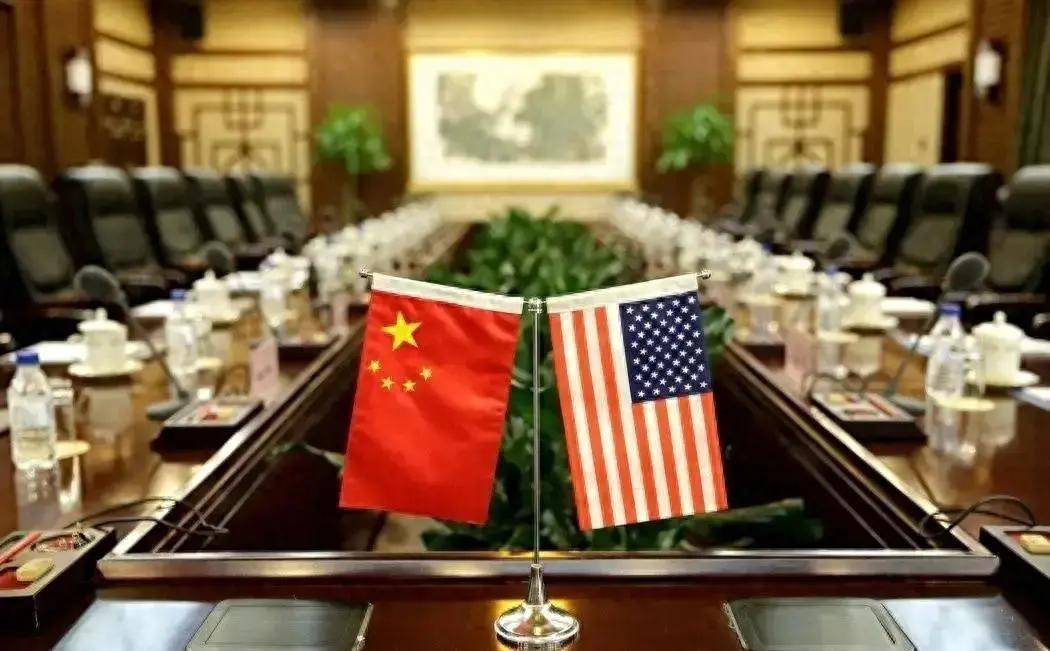
中方追回96吨锑锭,13万吨订单被消除!终于破案,要跟美国算总账
Sou Hu Cai Jing· 2025-12-20 06:13
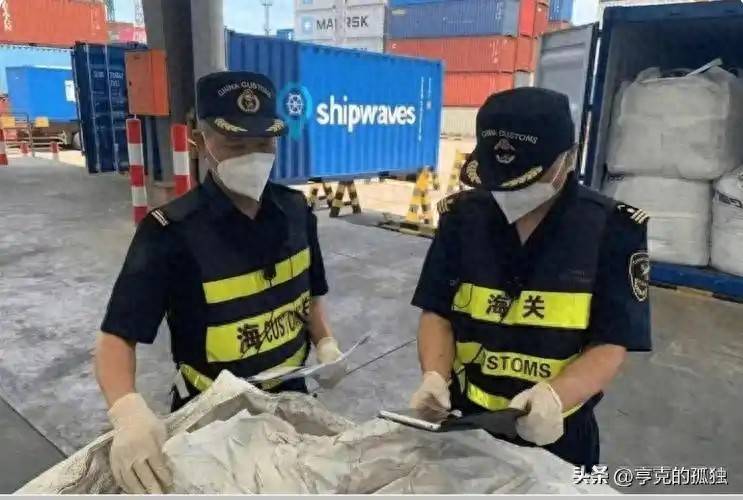
Group 1 - The core issue revolves around China's response to U.S. actions, specifically the smuggling of antimony and the cancellation of a significant wheat order, indicating a strategic defense of national resources [1][6][18] - A major smuggling case involving 166 tons of antimony was uncovered, with 96 tons successfully seized by customs, highlighting the importance of this strategic resource in military and semiconductor applications [3][5][6] - The U.S. has a limited supply of antimony, relying heavily on imports, which has led to increased illegal activities to secure this resource, particularly for military purposes [6][12] Group 2 - The U.S. recently approved a record $11.154 billion arms sale to Taiwan, which has raised concerns about escalating tensions in the Taiwan Strait and the implications for U.S.-China relations [8][12] - The arms sale is perceived as a political maneuver by the U.S. to exploit Taiwan economically while simultaneously supporting pro-independence sentiments, further complicating the geopolitical landscape [12][13] - Following the arms sale announcement, China canceled a wheat order of 132,000 tons from the U.S., valued at over $24 million, signaling the economic repercussions of U.S. military actions [17][18]
基民懵了!这个板块刚被ETF狂买超300亿元 而火爆的军工竟被悄然抛售
Mei Ri Jing Ji Xin Wen· 2025-12-20 05:39
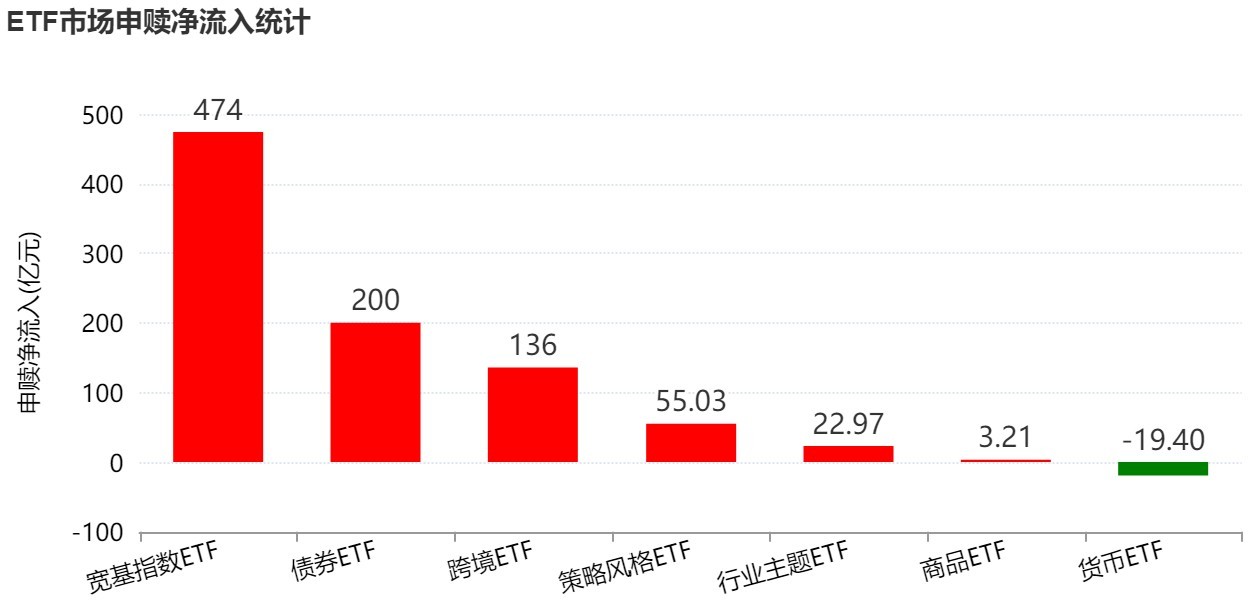
Core Viewpoint - The stock indices showed mixed performance this week, with significant inflows into ETFs, particularly those related to the CSI A500, indicating investor confidence in sectors aligned with China's economic transformation [1][2][10]. Inflows and Market Performance - Total trading volume in the Shanghai and Shenzhen markets reached 8.69 trillion yuan, with the Shanghai index closing at 3890.45 points, up 0.03%, and the Shenzhen index at 13140.21 points, down 0.89% [2]. - The combined net inflow into stock ETFs and cross-border ETFs was 688.11 billion yuan, with broad-based index ETFs seeing a net inflow of 474 billion yuan [2][5]. Sector-Specific ETF Trends - The CSI A500-related ETFs experienced a net inflow of 326 billion yuan, reflecting strong investor interest in this index as it aligns with the ongoing economic restructuring [5][10]. - Communication, securities, and insurance ETFs attracted significant capital, with net inflows of 12.12 billion yuan, 12.05 billion yuan, and 10.79 billion yuan, respectively [12][15]. Outflows from Specific Sectors - Conversely, military-related ETFs faced substantial outflows, with the military leader ETF and military ETF seeing reductions of 26.84 billion and 7.54 billion shares, respectively, resulting in net outflows of 18.78 billion yuan and 9.35 billion yuan [15][21]. Future Outlook - Analysts suggest that the current economic structure adjustment in China is creating opportunities in industries aligned with new productive forces, making the CSI A500 ETFs an attractive option for investors looking to capitalize on these trends [10][24].
终于破案,96吨稀金被追回,13万吨订单被消除!开始跟美国算总账
Sou Hu Cai Jing· 2025-12-19 21:51
Group 1 - A significant smuggling case involving 166 tons of antimony ingots was thwarted, with 96 tons successfully recovered by customs [3][13][15] - The Shenzhen Intermediate People's Court sentenced the main perpetrator to 12 years in prison, highlighting the severity of the crime [3][19][22] - Antimony is a critical material for manufacturing thermal imaging devices and is essential in the semiconductor industry, making it a strategic resource for national security [5][17] Group 2 - The Chinese government has implemented export controls on antimony and is now approving certain export licenses for rare earth elements, indicating a structured approach to resource management [24][26][38] - Rare earth elements are crucial for various high-tech applications, including military equipment, and the U.S. heavily relies on imports from China for these materials [28][31][32] - The recent export control measures reflect China's strategy to manage its resources while ensuring compliance from legitimate exporters [38] Group 3 - Following the U.S. approval of a $111 billion arms sale, China responded by canceling a 132,000-ton wheat order, signaling its capability to leverage trade as a countermeasure [40][42][46] - The cancellation of the wheat order, while minor in terms of China's overall grain production, serves as a strategic signal to the U.S. regarding the consequences of its actions [44][54] - China's actions demonstrate its resolve to protect its strategic resources and assert its position in international trade negotiations [53][56]

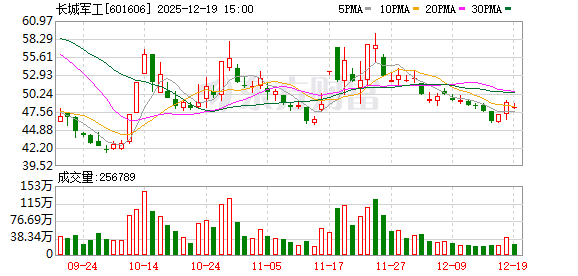
长城军工:2025年第二次临时股东会决议公告
Zheng Quan Ri Bao· 2025-12-19 15:17
证券日报网讯 12月19日晚间,长城军工发布公告称,公司2025年第二次临时股东会审议通过《关于取 消监事会暨修订的议案》等多项议案。 (文章来源:证券日报) ...