
农业

Search documents
越南自2026年1月起生效的重要经济政策
Shang Wu Bu Wang Zhan· 2026-01-01 16:46
Group 1: New Economic Policies in Vietnam - From January 2026, several important new economic policies will take effect in Vietnam, including the Special Consumption Tax Law, Advertising Law, land use fee reductions, minimum wage increases, and a technology transfer mechanism for railway projects [1] Group 2: Special Consumption Tax Law - The new Special Consumption Tax Law, passed on June 14, 2025, aims to increase fiscal budget revenue, adjust consumption behavior, and guide the market towards sustainable development [2] Group 3: Advertising Law Adjustments - The amended Advertising Law, passed on June 16, 2025, focuses on administrative reform, reducing compliance costs for businesses, and enhancing the efficiency of advertising activities in a digital economy context [3] Group 4: International Financial Center Court Law - The National Assembly has passed the International Financial Center Court Law, establishing the court's functions, structure, and procedures, which is a significant legislative achievement [4] Group 5: ODA and Foreign Loan Regulations - New regulations on Official Development Assistance (ODA) and foreign loan transfer mechanisms have been introduced to enhance flexibility and expand access to preferential funding, supporting development investments [5] Group 6: Price Management Mechanism - The amended Price Law focuses on expanding regulatory scope, protecting consumers, and improving market transparency, which is essential for macroeconomic stability [6] Group 7: Macro-Economic Stability and Sustainable Development - The National Budget Law emphasizes maintaining macroeconomic stability and sustainable development, incorporating transparency and social oversight into the fiscal budget framework [7] Group 8: Railway Investment Prioritization - The Railway Law designates railways as a priority investment area, introducing mechanisms to encourage private sector participation in railway infrastructure development [8] Group 9: Statistical Law Adjustments - The amended Statistical Law aims to improve economic and social governance by reducing compliance costs and enhancing data transparency [10] Group 10: Land Use Fee Reductions - A resolution allows for reduced land use fees when converting agricultural land to residential use, aimed at alleviating financial burdens on families and meeting housing demands [11] Group 11: Agricultural Land Tax Policy - A new policy extends the tax exemption period for agricultural land use, encouraging production scale expansion and enhancing agricultural competitiveness [12] Group 12: Minimum Wage Increase - The minimum wage has been set between 3.7 million and 5.31 million VND per month, aimed at ensuring worker income and purchasing power [12] Group 13: Railway Technology Transfer Mechanism - A new decree establishes a special mechanism for technology development and transfer in the railway sector, promoting local capabilities and reducing reliance on foreign technology [13] Group 14: New Accounting Standards - The new accounting standards issued by the Ministry of Finance aim to align with international standards, enhancing financial transparency and financing capabilities for businesses [14] Group 15: Corporate Tax Incentives for Electronics Manufacturing - New standards for corporate tax incentives for electronics manufacturing companies have been introduced, aimed at reducing costs and encouraging investment in high-tech sectors [15]
重磅!俄远东放大招:全球最高优惠开闸,世界资本抢疯了
Sou Hu Cai Jing· 2026-01-01 10:33
Core Viewpoint - Russia's Far East is launching an International Advanced Development Zone aimed at attracting Chinese investment, featuring zero tax rates and a commitment to maintain policies for fifteen years [1][3]. Group 1: Investment Incentives - Companies will not pay federal and local corporate income taxes for ten years starting from their first profit, with additional benefits for investments over 500 million rubles, including low social insurance rates [3]. - The "fifteen-year stability clause" ensures minimal changes in tax burdens and regulatory rules, addressing foreign investors' concerns about policy risks [3]. - The new development zones are strategically located along the China-Russia border, with over 80% of foreign investment in the Far East coming from China, and a projected bilateral trade volume of 1.7 trillion rubles in 2024 [3]. Group 2: Economic Strategy - The Far East has historically relied on energy and mineral exports, and the new zones require businesses to engage in high value-added industries to reduce this dependency [5]. - The development of Arctic shipping routes enhances the Far East's geographical value, aiming to transform it into a manufacturing and logistics hub for the Asia-Pacific market [5]. - This initiative is part of Russia's broader "turn to the East" strategy, especially in light of ongoing Western sanctions, with a focus on deepening economic ties with China [5]. Group 3: Agricultural Focus - Agriculture is prioritized in the development zones, with plans for grain transport terminals and processing clusters to convert agricultural potential into export products [7]. - For Chinese investors, engaging in the entire supply chain from upstream planting to downstream logistics offers greater influence and stable returns [8]. - The expected influx of Chinese projects in agriculture and machinery manufacturing is anticipated to yield tangible upgrades in the short term [8]. Group 4: Challenges and Considerations - Despite the attractive policies, the Far East faces long-standing issues such as population outflow and weak infrastructure, which may hinder the realization of industrial prosperity [8]. - The effectiveness of the targeted "policy dividends" in truly revitalizing the Far East remains uncertain and depends on the overall business environment and supporting capabilities [8].

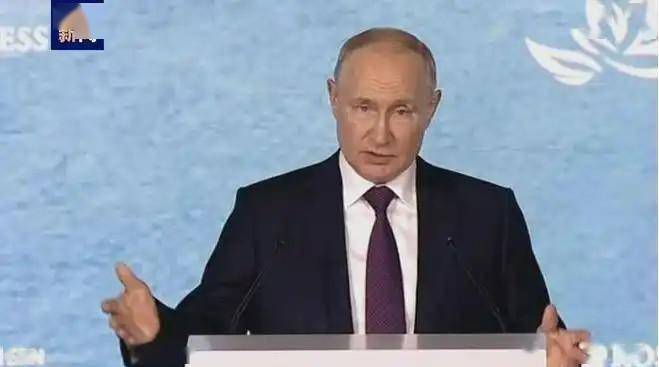
中俄农业合作试验示范区将成为俄国际超前发展区试点项目——访俄罗斯远东和北极发展部长切昆科夫
Xin Lang Cai Jing· 2026-01-01 08:29
Core Viewpoint - The establishment of International Advanced Development Zones in Russia's Far East aims to attract foreign investment, particularly from China, by offering significant tax and regulatory incentives [1][2]. Group 1: Investment Opportunities - China is identified as the largest source of investment in Russia's Far East, with the region welcoming international partners to invest under the new International Advanced Development Zone framework [1][3]. - The International Advanced Development Zones will provide a range of benefits, including a 10-year zero income tax rate, lower insurance rates, land and infrastructure usage rights, and the ability to import labor without quotas [1][2]. - Companies must invest at least 500 million rubles to enter these zones, focusing on high value-added products or specific government-approved projects [2]. Group 2: Agricultural Cooperation - The China-Russia Agricultural Cooperation Demonstration Zone in the Primorsky Krai will serve as a pilot project for the International Advanced Development Zone, aiming to create an industrial cluster that includes agricultural processing plants and logistics facilities [2]. - The total investment from China’s Jiahua Beidahuang Agricultural Holdings in agricultural cooperation projects has exceeded 4 billion rubles, encompassing agriculture, processing, and logistics [3]. Group 3: Future Development Plans - Russia plans to unify its incentive systems in the Far East and Arctic regions by 2027, streamlining existing support mechanisms to facilitate investment under a single regulatory framework [3].
山东解锁“点绿成金”密码
Zhong Guo Xin Wen Wang· 2026-01-01 06:12
岁末寒冬,在山东东营黄河三角洲湿地,万鸟翔集的"鸟浪"与静谧入海的黄河交织成景。摄影爱好 者李延庆按下快门,将这一幕定格,"几年前来拍照,偶尔还会遇到雾霾、枯水。现在这里是'蓝天常 在、候鸟为伴',镜头里的山东越来越上镜"。在他的镜头中,不仅记录下光影变幻,更见证了山东"十 四五"时期生态环境的蝶变。 "鸢都"潍坊建成全国首个"零碳港口","煤城"枣庄千亩塌陷区变良田,"泉城"济南精细管控道路扬 尘,烟台推进美丽海湾扩面增长……"十四五"以来,山东推动高颜值生态与高质量发展同频共振,交出 一份"含绿量"十足的答卷。 "减法"攻坚:从"雾锁楼台"到"常态蓝天" "记得2020年初,天空还像蒙了一层灰纱。现在站在阳台上就能清晰拍到海岸线。"谈及空气质量变 化,日照市生态环境局岚山分局大气科科长杨恩说,岚山区是山东4000万吨钢铁产能的承载区,辖区内 橡塑、木材加工等传统企业数量众多,持续巩固空气质量改善成果难度极大。 近年来,依托空气质量监测网络和智慧管控平台,岚山区严格监管工业源、移动源和扬尘源污染, 对钢铁、石化、港口等行业开展深度治理。该区环境空气质量综合指数、PM2.5、PM10等指标连续四 年稳定达到国 ...
中山交出“十四五”发展答卷 预计2025年GDP将突破4200亿元
Xin Lang Cai Jing· 2026-01-01 00:18
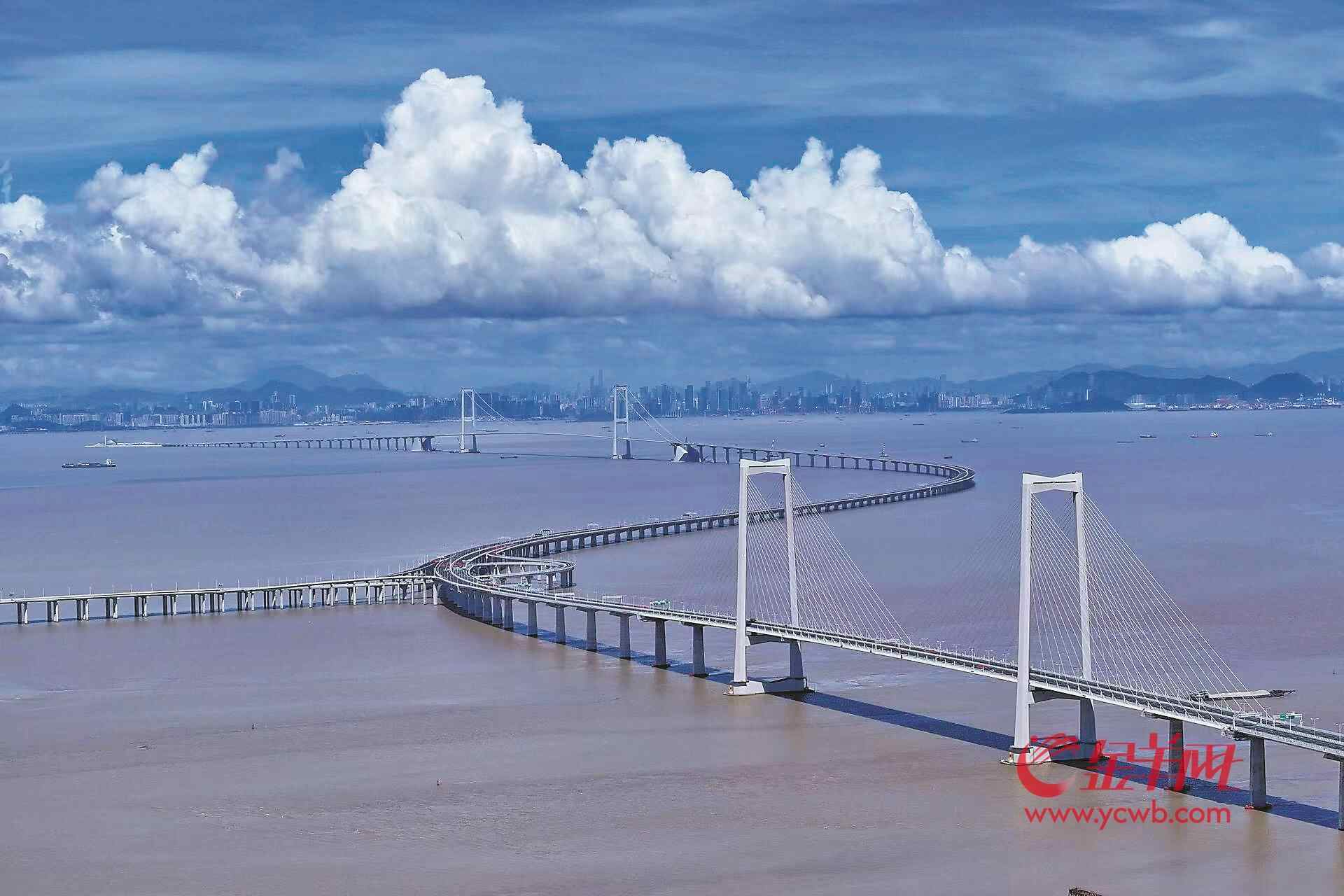
Core Insights - The "14th Five-Year Plan" period has seen significant economic and social development in Zhongshan, with GDP expected to exceed 420 billion yuan by 2025, and a total of 740,000 business entities, marking a 60% increase over five years [2][3] - Zhongshan is actively integrating into the Guangdong-Hong Kong-Macao Greater Bay Area, enhancing its strategic advantages and infrastructure [3][4] Economic Development - Zhongshan's GDP has crossed the thresholds of 350 billion and 400 billion yuan, with a projected growth to over 420 billion yuan by 2025 [2] - The number of business entities has increased to 740,000, reflecting a 60% growth over five years [2] - The total scale of the ten major industrial clusters has surpassed 700 billion yuan, with industrial investment expected to double by 2024 compared to 2021 [2] Infrastructure and Transportation - The completion of the Shenzhen-Zhongshan Link has resulted in an average daily traffic of 88,000 vehicles and over 200,000 passengers, facilitating regional connectivity [4] - Zhongshan has established five new air and cross-city bus routes, serving over 4.8 million passengers [4] - The city has constructed seven expressways and 21 trunk roads, achieving a road network density of over 18 kilometers per 100 square kilometers, ranking among the top in the province [4] Industrial Transformation - Zhongshan has launched 87 new policies since 2022 to address land inefficiencies, resulting in the reclamation of over 52,000 acres of low-efficiency industrial land [5] - The city has built over 23 million square meters of factory space, with a utilization rate exceeding 83%, and attracted investments exceeding 200 billion yuan [5] - R&D expenditure has consistently exceeded 10 billion yuan for three consecutive years, with a growth rate of over 20% for two years [6] Social Development - Zhongshan has implemented the "High-Quality Development Project" to enhance urban-rural coordination, with 12 towns ranked among the top 500 in national economic performance [7] - The income disparity between urban and rural areas has narrowed to a ratio of 1.4:1, maintaining the best record in the province for 11 consecutive years [7] - The city has improved living conditions by renovating over 60,000 rural houses and achieving 100% compliance with provincial standards for beautiful and livable villages [7] Public Services and Safety - Zhongshan has developed a comprehensive social governance system, successfully creating a modernized city governance model [8] - The city has added 289,000 urban jobs and introduced the "Mom Job" employment model, which has been promoted nationwide [8] - Educational and healthcare services have been enhanced, with the addition of 120,000 public school places and several new hospitals [8]
跃马扬鞭正当时(社论)
He Nan Ri Bao· 2025-12-31 23:29
Group 1 - The year 2026 marks the beginning of the "15th Five-Year Plan," which is a critical phase for the development of Henan province, emphasizing the need for strategic planning and execution to achieve success [3] - The provincial government has effectively released domestic demand potential, optimized the industrial system, and made significant progress in integrating into the national unified market, leading to improved governance and enhanced public welfare [2] - Key industrial clusters such as equipment manufacturing, modern food, and new materials have emerged, contributing to a robust economic landscape in Henan, with notable achievements in agricultural production and infrastructure development [2] Group 2 - The future five years are seen as a key stage for Henan to leverage its advantages, enhance innovation, deepen reforms, and promote high-quality development while focusing on consumer and investment potential [3] - The province aims to strengthen agricultural development, promote rural revitalization, and ensure ecological sustainability through green and low-carbon transitions [3] - There is a strong emphasis on improving people's livelihoods and addressing risks in key areas, showcasing a commitment to overcoming challenges and achieving ambitious goals [3]
通胀与通缩的两端:中美经济的不同挑战
Sou Hu Cai Jing· 2025-12-31 11:00
Group 1: U.S. Inflation Challenges - The U.S. inflation rate reached 2.9% in August 2025, the highest since January of the same year, with a monthly increase of 0.4% in the Consumer Price Index (CPI) [3] - Food prices surged by 0.6% in a single month, marking the largest monthly increase in nearly three years, while oil prices rose by 1.9% [3] - 72% of the CPI components are experiencing price increases exceeding the Federal Reserve's 2% target, indicating a broadening inflationary trend [3] Group 2: Factors Driving U.S. Inflation - U.S. tariffs on key sectors like semiconductors and pharmaceuticals have led to cost increases for manufacturers, with some experiencing a 2%-5% rise in costs due to tariffs [6] - The labor market is tightening, with immigration policies causing labor shortages in sectors like agriculture, leading to price increases for fresh produce [6] - Internal divisions within the Federal Reserve complicate responses to inflation, with differing views on maintaining high interest rates versus considering preventive rate cuts [6] Group 3: China's Deflationary Pressures - China's CPI growth has remained near zero since 2023, with the GDP deflator index negative for eight consecutive quarters, indicating persistent deflationary pressures [9] - Despite a 5% actual GDP growth, the negative GDP deflator suggests that economic growth is not reflected in nominal terms, leading to a cold perception among businesses and consumers [9] - The Producer Price Index (PPI) has experienced over 30 months of negative growth, contrasting with previous periods where PPI was negative but CPI was positive [9] Group 4: Structural Issues in China's Economy - Weak housing prices and income expectations are creating a negative feedback loop that suppresses consumption and home buying, further dragging down prices [12] - The monetary supply (M2) has increased by approximately 20% from October 2022 to December 2024, yet price indicators remain low, indicating a blockage in the monetary policy transmission mechanism [13] - The real estate market's downturn is causing credit contraction in the private sector, leading to reduced investment and fiscal stress for local governments [14] Group 5: Comparative Policy Responses - The Federal Reserve's focus is on controlling inflation without triggering a recession, constrained by political pressures and rising costs from tariffs [16] - China's policy approach is shifting towards repairing the internal economic cycle and expanding domestic demand, moving away from traditional investment-driven growth [17] - The contrasting economic conditions in the U.S. and China are leading to increased global financial market uncertainty and reshaping global trade dynamics [17]
美方承认犯下大错!特朗普之前真的没想到,中国敢跟美国这么打
Sou Hu Cai Jing· 2025-12-31 10:03
Group 1 - The core viewpoint of the articles highlights the misjudgment of the U.S. regarding China's economic resilience and strategic capabilities, particularly in the context of trade tariffs imposed by the Trump administration [2][6][20] - The U.S. underestimated China's ability to respond to tariffs, leading to a significant miscalculation in the trade negotiations, as evidenced by China's immediate countermeasures [4][10][22] - The trade war has revealed a shift in the global economic landscape, with China enhancing its technological independence and market resilience, making U.S. pressure tactics ineffective [6][18][20] Group 2 - The articles emphasize that the U.S. trade policies aimed at protecting domestic industries inadvertently stimulated China's technological advancements and self-sufficiency [6][10][16] - The trade conflict has led to a re-evaluation of the U.S. strategy, as internal pressures from market volatility and rising costs prompted a shift towards dialogue and reduced tariffs [10][11][22] - China's strategic response to the trade war has strengthened its global influence and highlighted the importance of multilateral cooperation over unilateral actions [13][18][22] Group 3 - The articles indicate that the U.S. trade strategy was based on outdated assumptions about China's economic structure and capabilities, failing to account for China's shift from an export-driven to a consumption-driven economy [8][14][20] - The trade war has resulted in a realignment of global trade patterns, with China diversifying its export markets and minimizing reliance on the U.S., thus reducing the impact of tariffs [14][18][20] - The lessons learned from this trade conflict are expected to influence future U.S.-China interactions, promoting more rational and cooperative dialogue [22]

跨周期调节发力 一大批重磅政策提前落地
Yang Shi Wang· 2025-12-31 08:08
国家发展改革委组织下达2026年提前批"两重"建设项目清单和中央预算内投资计划,共计约2950亿元,与此同时,批复或核准广州新机场、四川大渡河 丹巴水电站等重大项目,总投资近4000亿元。 国家创业投资引导基金也正式启动运行,由超长期国债出资1000亿元,并采取"子基金+直投"方式,吸引地方和社会资本共同出资,拿出真金白银支持 新质生产力。预计形成超万亿投资规模。 央视网消息:为落实中央经济工作会议部署的重点任务,12月31日上午,国家发展改革委举行新闻发布会,发布一系列重磅政策举措,全力做好今明两 年政策衔接,加快推动消费、投资、产业等领域系列政策出台实施。 记者了解到,国家发展改革委已提前下达明年部分"两重"建设项目清单和中央预算内投资计划。 国家发展改革委表示,"两重"建设方面,强化"两重"性质、坚持自上而下、注重软硬结合,共安排约2200亿元,支持城市地下管网、高标准农田、三北 工程、有效降低全社会物流成本等领域的281个项目,进一步突出"两重"建设的战略性、前瞻性、全局性。 "两新"政策优化实施,优化了制度设计和实施方式,首批625亿元资金快速下达,更精准更普惠,让更多消费者和经营主体享受政策红利。 ...

“十四五”时期广州新增城镇空间417平方公里 居全省第一 半数以上区经济总量破3000亿元
Nan Fang Ri Bao Wang Luo Ban· 2025-12-31 07:42
在风貌品质提升方面,广州抢抓十五运会举办机遇,完成291个城市品质提升项目,打造奥体中心周边 等17个精致街区,完成2.5万栋农房风貌品质提升。统筹推进美丽圩镇、和美乡村建设,857条村入选省 典型村培育名单,数量居全省首位。精心打造17条新乡村示范带,每条带都完成10公里以上的精品路段 风貌提升,大力培育首批5个片区组团,推动乡村从"点上开花"向"连片发展"大步迈进。注重传承岭南 的农耕文脉,率先开展农耕文化本底调查,识别出文化资源2199条,发掘保护了3项国家级重要农业文 化遗产。农民丰收节、派潭"村晚"、"村BA"篮球赛这些带着浓浓"村"味的活动影响力越来越大,推动 乡村从"塑形"到"铸魂"。 下一步,广州将接续"青山半入城、六脉皆通海"的自然历史文化本底,塑造"新青山新六脉"城市新名 片。整合提升越秀山、白云山、华南国家植物园、火炉山、龙眼洞、凤凰山、帽峰山等生态资源,构筑 最具人气与活力的城央连片生态游憩空间,打造城央生态公园。以东濠涌、沙河涌、车陂涌、乌涌、南 岗河、永和河等为重点,沿城市河涌构筑从白云山—帽峰山到珠江的生态廊道,促进河涌沿线周边区域 生态价值转化,营造云山珠水城市新图景。 为促进 ...