
创新药

Search documents
2025 创新药及供应链年度创新白皮书,分化加速,行业回归平台与产品价值
动脉智库· 2026-01-04 05:32
Policy Guidance - The policy environment has shifted from encouraging innovation to systematic and precise guidance on "how to innovate," providing a supportive framework for projects with original innovation capabilities[9] - Over 300 national and local policies related to innovative drugs and supply chains were issued from January to October 2025, with a notable increase in policy density in October alone[18] - The National Medical Products Administration (NMPA) has published over 80 technical guidelines covering various stages from R&D to post-marketing monitoring, focusing on patient-centered approaches and unmet clinical needs[20] Capital Market Trends - The total financing amount in the innovative drug and supply chain sector reached $3.914 billion in the first ten months of 2025, slightly down from 2024 but over 60% of the total for 2023[28] - Capital is increasingly concentrated in later-stage projects (B round and beyond), with B, C, and D rounds collectively accounting for 39% of financing activities[30] - The number of IPOs in the innovative drug sector increased to 19 in the first ten months of 2025, indicating a recovery compared to the previous year[45] Pipeline Competitiveness - 2025 is marked by significant clinical and commercial breakthroughs in China's innovative drug sector, with domestic ADC and bispecific antibody products receiving approvals and showcasing leading clinical data at international conferences[10] - The emergence of new technologies such as CAR-T and TIL therapies is accelerating, with policies supporting their standardized development and addressing accessibility and cost challenges[2] M&A and BD Activities - Over 87 M&A activities occurred globally in the innovative drug sector in 2025, with multinational corporations focusing on acquiring cutting-edge technologies[54] - Domestic M&A activity has slowed compared to 2024, with a focus on internal integration and strategic enhancements by local companies[54]
华创医药投资观点&研究专题周周谈·第157期:2025年度医药业绩前瞻-20260104
Huachuang Securities· 2026-01-04 05:22
Investment Rating - The report maintains a "Recommended" rating for several companies in the healthcare sector, including Weili Medical, Zhend Medical, Aohua Endoscopy, and others [33]. Core Insights - The report highlights a shift in the innovative drug sector from quantity to quality, emphasizing the importance of differentiated products and internationalization for future profitability [11]. - The medical device sector is experiencing a recovery in bidding volumes, particularly in imaging equipment, and is expected to benefit from government subsidies for home medical devices [11][19]. - The life sciences service sector is showing signs of recovery, with increasing demand driven by both domestic and international markets [23]. - The pharmacy sector is poised for growth due to the acceleration of prescription outflow and an improving competitive landscape [24]. Summary by Sections Market Review - The report notes a 2.02% decline in the CITIC Medical Index, underperforming the CSI 300 Index by 1.44 percentage points, ranking 27th among 30 sectors [7]. Innovative Drugs - The innovative drug sector is expected to see a significant increase in the number of products launched, with projections of over 30 products by 2027, and a revenue share from innovative products expected to exceed 50% by 2025 [15]. Medical Devices - The report identifies a recovery in bidding for imaging devices and highlights the potential for domestic companies to increase market share through product upgrades and international expansion [19][20]. Life Sciences Services - The life sciences service sector is anticipated to benefit from a recovery in overseas demand and an increase in domestic industrial demand, with a focus on mergers and acquisitions to strengthen market positions [23]. Pharmacies - The pharmacy sector is expected to benefit from the acceleration of prescription outflow and an improved competitive landscape, with recommendations to focus on leading pharmacy chains [24]. Traditional Chinese Medicine - The report emphasizes the importance of basic medicines and state-owned enterprise reforms, suggesting a focus on companies like Kunming Pharmaceutical and Kangyuan Pharmaceutical [27]. Medical Services - The report recommends focusing on companies with national expansion capabilities in the medical services sector, particularly those in traditional Chinese medicine and ophthalmology [26]. Blood Products - The blood products sector is expected to see growth due to relaxed approval processes for plasma stations and an increase in product offerings [12].
华创医药周观点:2025年度医药业绩前瞻 2026/01/04
华创医药组公众平台· 2026-01-04 03:38
Market Overview - The CITIC Pharmaceutical Index decreased by 2.02%, underperforming the CSI 300 Index by 1.44 percentage points, ranking 27th among 30 primary industries [8] - The top ten stocks with the highest gains this week include Duorui Pharmaceutical, Maillande, and Xiangyu Medical, while the top ten stocks with the largest declines include *ST Changyao and Shuyupingmin [8][37] Overall View and Investment Themes - The domestic innovative drug industry is transitioning from quantity logic to quality logic, emphasizing differentiated and internationalized pipelines, with a focus on products that can generate profits [11] - In the medical device sector, there is a notable recovery in bidding volumes for imaging equipment, and the home medical device market is benefiting from subsidy policies [11] - The CXO and life sciences services sector is expected to see a rebound in overseas investment and a bottoming out of domestic investment, indicating a potential upturn in the innovation chain [11] - The specialty raw materials pharmaceutical industry is anticipated to experience a new growth cycle, with a focus on the impact of patent expirations on new product volumes [11] Specific Industry Insights Innovative Drugs - The company has significantly increased its pipeline, with the number of innovative products rising from 3 to 18 since 2022, and plans to launch an average of 5 innovative products annually over the next three years [15][16] - The revenue share from innovative products is expected to exceed 50% by 2025, driven by a robust pipeline and strategic partnerships [15][16] Medical Devices - The orthopedic market is projected to grow due to aging demographics and increased surgery penetration, with domestic companies benefiting from the acceleration of local replacements [17] - The IVD market, particularly in chemiluminescence, is expected to grow rapidly, with domestic brands increasing their market share through competitive pricing and improved product offerings [18] Life Sciences Services - The life sciences services sector is recovering, with demand expected to rise in both domestic and overseas markets, driven by increased investment in biopharmaceuticals [24] - The industry is characterized by low penetration rates and a trend towards domestic substitution, with significant opportunities for growth through mergers and acquisitions [24] Traditional Chinese Medicine and Medical Services - The traditional Chinese medicine sector is expected to benefit from policy changes and an aging population, with a focus on unique therapeutic areas and high-dividend stocks [26][31] - The medical services sector is anticipated to improve due to anti-corruption measures and the expansion of commercial insurance, enhancing the competitiveness of private healthcare providers [26] Investment Recommendations - The company recommends focusing on the pharmacy sector due to the acceleration of prescription outflow and the optimization of competitive dynamics, suggesting that the pharmacy sector is poised for recovery [25] - In the medical device sector, attention is drawn to companies that are well-positioned to benefit from domestic substitution and technological advancements [19]

财经早餐 | 特朗普:美大型石油公司将进入委内瑞拉
Xin Lang Cai Jing· 2026-01-04 00:25
Industry News - In 2025, multiple types of commercial rockets will be launched, significantly boosting China's space industry, with plans for manned lunar missions and the Chang'e 7 mission to search for water ice on the Moon [2] - By 2025, China has approved 76 innovative drugs for market, surpassing the 48 approved in 2024, marking a historical high. The total amount of authorized transactions for innovative drugs is expected to exceed $130 billion, with over 150 transactions [2] - As of January 3, 2026, the box office for the New Year holiday period has surpassed 700 million yuan, with films like "Zootopia 2," "Avatar 3," and "Kill the Messenger" leading the box office [2] - Tujia, a global apartment and homestay booking platform, reported a 1.6 times year-on-year increase in homestay orders during the New Year holiday, with Chengdu, Guangzhou, and Chongqing being the top three cities for orders [2] Company News - iMoutai announced that from January 4 until before the Spring Festival, the maximum quantity of its Feitian 53% vol 500ml Guizhou Moutai liquor that can be purchased per person per day will be adjusted to 6 bottles [4] - Luxshare Precision issued a clarification regarding recent rumors about the company, stating that its core business is progressing smoothly and there are no abnormal situations affecting normal operations and development [4] - BMW China responded to the price reduction of 31 models, stating that it is not a price war and that dealers set the final selling prices [4]
北京“AI+医疗健康”再上新台阶
Xin Lang Cai Jing· 2026-01-03 23:23
Core Insights - Beijing's recent policies on "AI + healthcare" are expected to enhance AI diagnostic capabilities in community health centers and provide opportunities for companies like Eagle Eye Technology to collaborate with medical institutions [1][2] Group 1: Policy Overview - The two policies are the "Action Plan for Supporting the Development of AI Applications in Healthcare (2026-2027)" and "Several Measures to Support the Innovative Development of AI Industry in Healthcare (2026-2027)" [1] - The Action Plan aims for widespread application of AI technology in the entire healthcare process by 2027, ensuring better medical services for the public [1] - The Measures focus on clinical needs, data governance, support systems, and policy guarantees to establish a robust AI industry support system in healthcare by 2027 [1][2] Group 2: Industry Advantages - Beijing has a complete AI industry chain and is home to numerous leading tech R&D companies, as well as the highest number of tertiary hospitals and national medical centers in China [2] - The establishment of a national AI application pilot base in Beijing by 2025 will focus on precision diagnosis and biopharmaceutical manufacturing [2] Group 3: Implementation in Community Healthcare - Community health centers, like the Ganjiaokou Community Health Service Center, are actively seeking AI assistance to improve diagnostic capabilities, particularly in areas like lung nodule assessment and eye disease evaluation [3] - AI-assisted evaluation of eye diseases is already being implemented in 48 community healthcare institutions in Haidian, facilitated by Eagle Eye Technology [3] Group 4: Data Governance and Collaboration - The new policies emphasize the importance of data governance and the creation of high-quality data sets to support AI development [4] - Measures include accelerating the construction of a comprehensive health information platform and establishing data desensitization and labeling standards to ensure data security and promote data circulation [4][5] - The policies encourage deep collaboration between enterprises and medical institutions to better understand clinical needs and optimize AI algorithms [4][5]
【财经早报】商业航天,利好!
Zhong Guo Zheng Quan Bao - Zhong Zheng Wang· 2026-01-03 22:58
Industry News - In 2025, China is set to achieve multiple breakthroughs in manned spaceflight, deep space exploration, and commercial aerospace, with a record 92 launches planned for the year, marking a significant milestone for the country's space ambitions [1] - The number of approved innovative drugs in China reached 76 in 2025, significantly surpassing the 48 approved in 2024, with a total transaction value of over $130 billion in licensing deals, also a record high [2] - The artificial intelligence industry is transitioning from a "model-driven" approach to a "data-driven" model, as evidenced by the successful trading of a "bodily intelligence dataset" in Jiangsu Province [2] Company News - Luxshare Precision announced that it is currently operating normally and is not affected by any unusual circumstances, addressing recent rumors that have caused market confusion [4] - Xiaomi reported delivering 410,000 cars in 2025, with its factory in Yizhuang receiving 130,000 visitors for tours and experiences [4]


创新药2025:突破与阵痛 |《财经》特稿
Sou Hu Cai Jing· 2026-01-03 09:32
Core Insights - The Chinese innovative drug sector is poised for significant growth, with the National Medical Insurance Administration announcing that new drugs approved in May 2025 will be reimbursed by January 2026, indicating a rapid support for innovative drugs [2][3] - The 2025 National Basic Medical Insurance Drug List includes 114 new drugs, with an 88.19% success rate in negotiations, highlighting the government's commitment to supporting innovative drug development [2][5] - The global market for innovative drugs is also expanding, with record-breaking business development transactions, such as the $11.4 billion deal between Innovent Biologics and Takeda, and a potential $12 billion collaboration between Hengrui Medicine and GSK [2] Group 1: Policy and Support - The Chinese government is providing comprehensive support for innovative drug development through policies that facilitate research, market entry, clinical application, and multi-tiered payment systems [3][10] - The 2026 implementation of the innovative drug directory reflects a careful selection process, with only 19 innovative drugs included, indicating strict criteria to meet various stakeholder needs [5][10] - The CAR-T therapy, a prominent innovative drug, has been included in the 2025 innovative drug directory, although its high cost remains a barrier for basic medical insurance coverage [5][6] Group 2: Market Dynamics - The commercial success of innovative drugs is heavily reliant on a mature payment system, which is crucial for ensuring accessibility to high-value therapies like CAR-T [7][10] - In the global CAR-T market, Gilead leads with significant sales, while Chinese companies like Legend Biotech are leveraging partnerships to expand their market presence [8][9] - The disparity in sales between innovative drugs in China and their global counterparts is evident, with the top-selling innovative drug in China generating only 44 million yuan, significantly lower than leading global products [9][12] Group 3: Financial Viability - Despite the growth in innovative drug approvals, many companies continue to face financial losses, underscoring the challenges of achieving profitability in the sector [11][25] - The investment landscape for innovative drugs has shifted, with a focus on sustainable growth and the need for companies to demonstrate potential for future profitability [27][30] - The success of companies like BeiGene, which has achieved significant market capitalization and revenue through strategic product development, highlights the importance of long-term investment strategies in the innovative drug space [19][23]


突然,集体暴涨!特朗普,发出威胁
Qi Huo Ri Bao· 2026-01-03 02:05
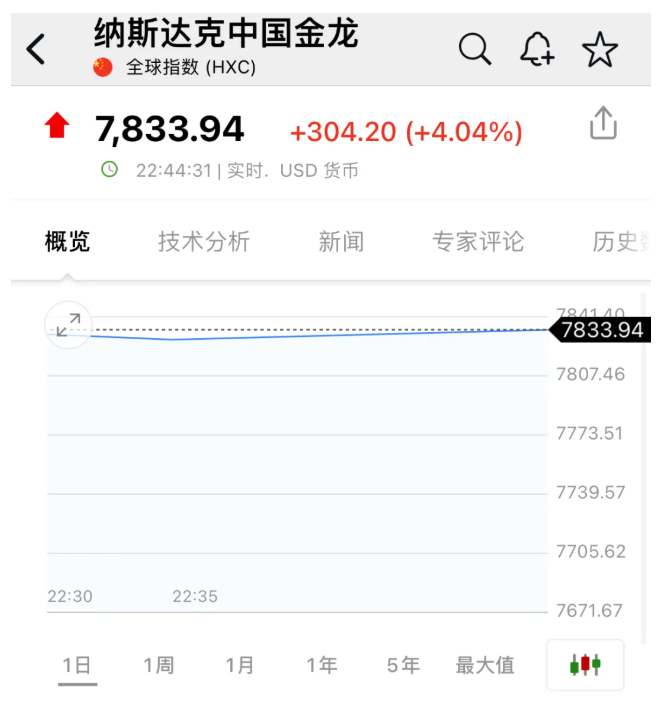
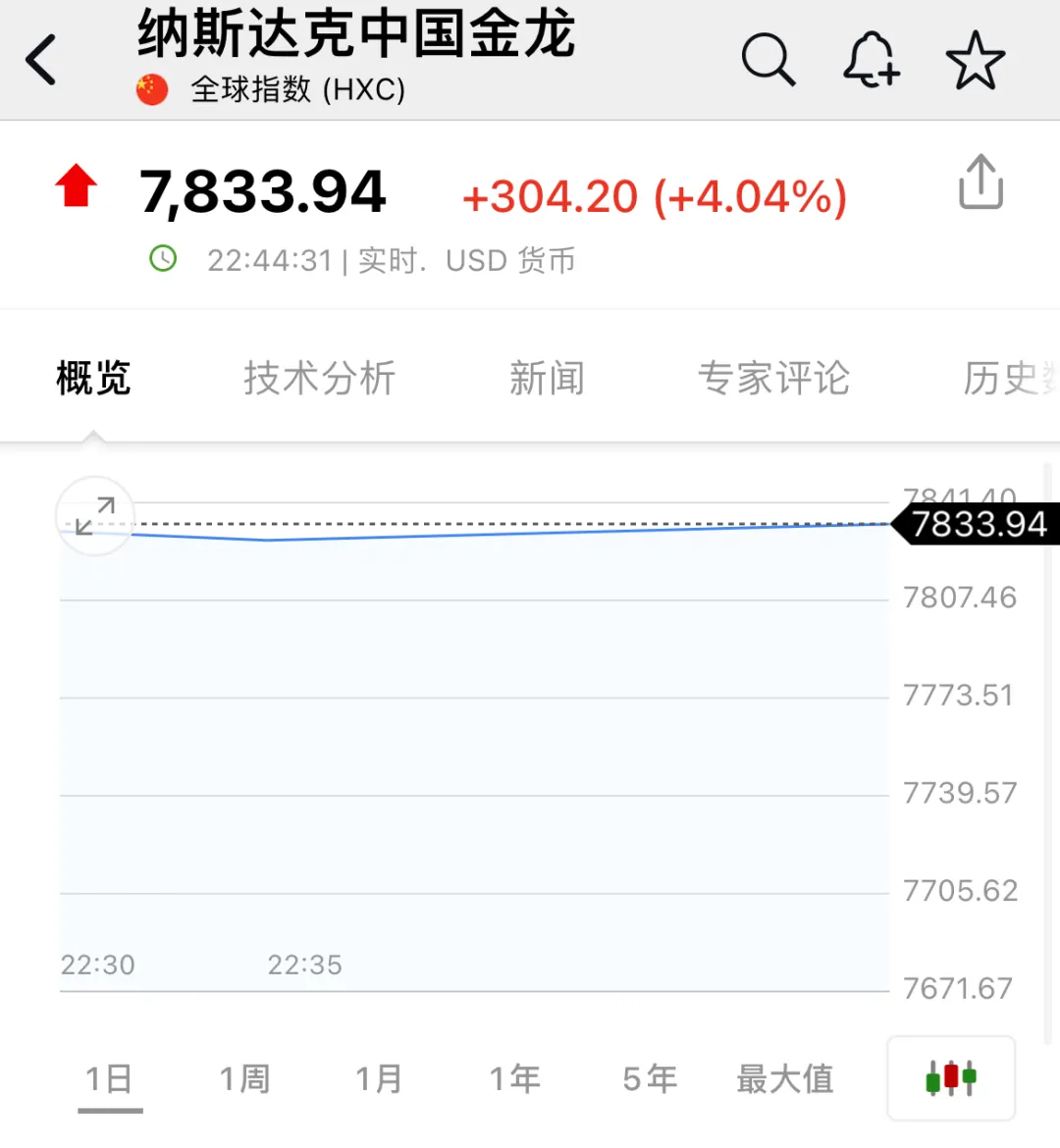
Market Performance - On January 2, US stock indices opened higher, with the Dow Jones up 0.19%, S&P 500 up 0.58%, and Nasdaq up 1.03% [1] - By the end of the trading day, the Nasdaq closed down 0.03%, while the S&P 500 rose 0.19% and the Dow increased by 0.66% [3] - The Nasdaq China Golden Dragon Index surged 4.38%, with notable gains in Chinese stocks such as Baidu up 15% and Alibaba up over 6% [4][6] Sector Performance - Semiconductor stocks saw significant gains, with ASML rising nearly 9% and Micron Technology up over 10%, both reaching historical highs [3] - The solar energy sector also performed well, with GCL-Poly Energy up over 22% [7] - The innovative drug sector showed strength, with companies like Innovent Biologics and Hengrui Medicine rising over 5% [6] Investment Outlook - Goldman Sachs predicts a 38% upside potential for the Chinese stock market by the end of 2027, citing factors such as improved domestic policies and a favorable investment environment [10] - Analysts suggest that the A-share market is likely to experience a "spring rally," supported by recent positive market sentiment and increased trading volumes [11][12] - The market is expected to benefit from a stable external environment, with reduced geopolitical risks and improved liquidity conditions [14] Economic Indicators - Recent data indicates a recovery in A-share trading volumes, with daily trading amounts rising from 1.6 trillion yuan to over 2 trillion yuan [12][13] - Analysts note that the market's risk appetite is increasing, with expectations for a strong start to the new year [16]
突然,集体暴涨!特朗普,发出威胁→
Qi Huo Ri Bao· 2026-01-03 00:24
Market Overview - On January 2, US stock indices opened higher, with the Dow Jones up 0.19%, S&P 500 up 0.58%, and Nasdaq up 1.03% [1] - The Philadelphia Semiconductor Index saw significant gains, with ASML rising over 7% and Micron Technology up nearly 6% [1] - Chinese concept stocks surged, with the Nasdaq Golden Dragon China Index soaring 4%, and notable gains in Baidu (up 11.35%) and others [1] Performance Summary - By market close, US indices showed mixed results; Nasdaq fell 0.03%, while S&P 500 rose 0.19% and Dow Jones increased by 0.66% [3] - Notable tech stocks had varied performances, with ASML and Micron reaching historical highs, while Tesla and Microsoft dropped over 2% [3] - The Nasdaq Golden Dragon China Index closed up 4.38%, with Baidu gaining 15% and other major Chinese stocks also performing well [3] Sector Highlights - Semiconductor stocks like Hua Hong Semiconductor and SMIC saw significant increases, with Hua Hong up over 9% [5] - The innovative drug sector also performed well, with notable gains in companies like Innovent Biologics and Hengrui Medicine [5] - The solar energy sector experienced a boost, with GCL-Poly Energy rising over 22% [5] Future Market Outlook - Goldman Sachs predicts a 38% upside potential for the Chinese stock market by the end of 2027, citing factors like easing core risks and favorable regulatory environments [6] - Analysts expect a "spring market" in A-shares, driven by improved market sentiment and increased trading volumes [7][8] - The A-share market has shown signs of recovery, with the Shanghai Composite Index breaking a previous downtrend and trading volumes rising above 2 trillion yuan [9][10] Investment Sentiment - Analysts note that the current market environment is more favorable compared to previous periods, with expectations of continued liquidity and supportive macro policies [10][11] - The anticipated "spring rally" is supported by historical trends and positive macroeconomic signals, with a focus on sectors like commercial aerospace and military [12][13]
超30家A股公司“预喜” 释放2025年业绩预增信号
Shang Hai Zheng Quan Bao· 2026-01-02 23:33
Core Insights - Over 30 A-share companies have released positive performance forecasts for 2025, indicating expected year-on-year growth in their annual results [1][2] Group 1: Company Performance Forecasts - Transfar Zhilian expects a net profit of 540 million to 700 million yuan for 2025, representing a year-on-year increase of 256.07% to 361.57% [2] - Luxshare Precision anticipates a net profit of approximately 16.518 billion to 17.186 billion yuan for 2025, with a growth rate of 23.59% to 28.59% [3] - Zijin Mining forecasts a net profit of about 51 billion to 52 billion yuan for 2025, an increase of approximately 59% to 62% compared to the previous year [4] - Tinci Materials projects a net profit of 1.1 billion to 1.6 billion yuan for 2025, with a growth rate of 127.31% to 230.63% [5] Group 2: Industry Trends - The electronics sector has the highest concentration of companies reporting positive forecasts, driven by innovations in smart manufacturing and AI technology [3] - The new energy sector continues to show strong demand, particularly in lithium-ion battery materials, contributing to significant profit growth for companies like Tinci Materials [5][6] - The healthcare and biotechnology sectors are also represented by new entrants like Baiao Saitu, which expects a revenue of approximately 1.351 billion yuan for 2025, reflecting a year-on-year increase of 37.75% [6]