烘焙

Search documents
当面包开始“奶茶化”
3 6 Ke· 2026-01-08 04:17
Core Insights - The trend of "milk tea-ification" in the baking industry reflects a shift towards incorporating popular milk tea ingredients like taro and glutinous rice into baked goods, appealing to younger consumers [2][3][5] - This trend is not merely a superficial addition of ingredients but represents a deeper strategy to attract young consumers by merging the successful elements of milk tea with traditional baked products [2][12] Industry Trends - The baking industry is experiencing a significant transformation, with products now featuring a variety of ingredients that were previously exclusive to milk tea, such as taro and glutinous rice, becoming central to baked goods [3][5][7] - The introduction of diverse fillings in baked products, such as cheese, cream, and various sweet and savory ingredients, is becoming a key selling point, with consumers increasingly favoring items that are rich in fillings [8][11] Consumer Behavior - Despite a general trend of consumption downgrade, consumers are willing to spend more on innovative and high-quality baked goods, indicating a shift in spending habits towards frequent, enjoyable food experiences [20][22] - The rise in prices for popular baked items, such as bagels and ciabatta, reflects a willingness among consumers to pay for perceived value and quality, with average prices increasing significantly [20][24] Product Innovation - The concept of "doing addition" in product development is prevalent, where traditional baked goods are enhanced with unexpected ingredients, creating new flavor profiles and experiences for consumers [12][14][17] - Localized adaptations of products, such as ciabatta incorporating regional flavors, demonstrate the industry's responsiveness to consumer preferences and the desire for unique culinary experiences [14][17] Market Dynamics - The baking sector is witnessing a rise in average customer spending, driven by a growing demand for quality and health-conscious products, with an annual growth rate of 8% to 10% in customer spending on baked goods [24][26] - The phenomenon of "milk tea-ification" is reshaping consumer perceptions of baked goods, leading to a broader acceptance of innovative and cross-category products in the food market [19][26]

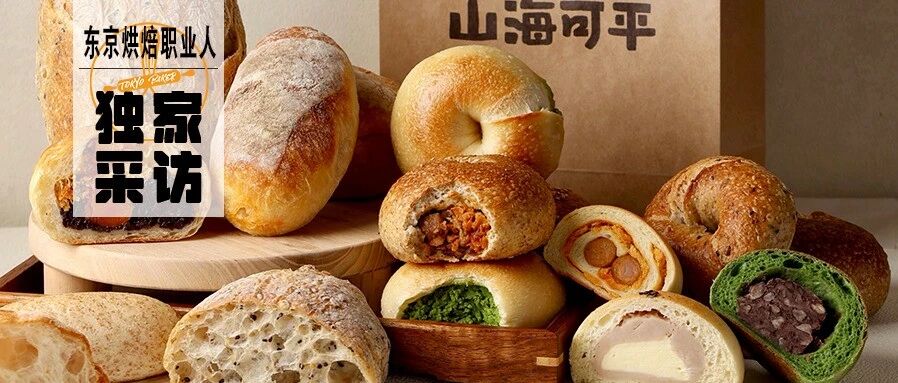
【独家专访】“难吃的面包”也能天天卖空?「山海可平」靠“不走寻常路”圈粉8W+!
东京烘焙职业人· 2026-01-07 08:33
Core Viewpoint - The article highlights the unique approach of a bakery named "Shanhai Keping" in Suzhou, which markets its products as "bad-tasting" yet achieves high customer retention and profitability by catering to health-conscious consumers [1][3][34]. Group 1: Business Model and Strategy - The bakery focuses on creating low-sugar, low-oil bread options that appeal to fitness enthusiasts and health-conscious individuals, diverging from traditional sweet and rich bakery products [9][15]. - The founder, Shao Ye, transitioned from e-commerce to baking, leveraging his experience in health food to develop a niche market for healthier bread alternatives [7][12]. - The bakery's product line is intentionally limited, featuring around 15 varieties that emphasize wholesome ingredients and nutritional value, such as rice bread and ciabatta [16][18]. Group 2: Market Positioning and Customer Engagement - The bakery's marketing strategy includes a strong emphasis on content creation, sharing personal fitness journeys and product development processes on social media platforms to build a loyal customer base [28][31]. - Shao Ye engages directly with customers to gather feedback, forming a "user co-creation" model that ensures products meet the specific dietary needs of his target audience [25]. - The store's unique branding as a provider of "bad-tasting" bread has attracted a niche clientele, particularly those who prioritize health over traditional taste [13][34]. Group 3: Product Development and Innovation - The bakery employs a slow fermentation process and innovative flavor combinations to enhance the taste of its products while maintaining health standards, such as using natural sweetness from dried fruits [22][20]. - New product launches are carefully timed and tested, with a focus on quality over quantity, ensuring that each item meets the founder's high standards before being introduced to the market [32][34]. - The ciabatta series has become a bestseller, showcasing the bakery's ability to blend traditional bread-making techniques with modern health trends [16][18].
卷口味不如卷体验,烘焙品牌开始把门店做成“艺术馆”
东京烘焙职业人· 2026-01-07 08:33
Core Insights - The article discusses the trend of baking brands transforming their stores into art galleries, enhancing customer experience beyond just food sales [1][3] - This shift indicates a new competitive phase in the baking industry, focusing on experiential offerings rather than just product flavors [3][12] Group 1: Consumer Behavior Changes - Consumers, especially younger demographics, seek diverse experiences when visiting stores, valuing unique designs that serve as photo opportunities [8] - The ambiance of a gallery-like space provides a brief escape from daily routines, enhancing emotional value and overall experience [8][14] Group 2: Market Dynamics - Flavor innovation in baking has become challenging, leading to increased product homogeneity and competition [11][12] - Creating a well-designed experiential space offers a higher barrier to imitation, making it a key differentiator in a crowded market [11][12] Group 3: Brand Image and Customer Loyalty - Artistic store designs convey a sophisticated brand image, allowing for product premiumization and increased customer spending [13][14] - A comfortable environment encourages longer customer stays, potentially increasing average transaction values and fostering brand loyalty [13][14] Group 4: Future Directions - Brands must balance artistic presentation with product quality to avoid disappointing customers after initial impressions [16] - Competition will extend beyond traditional bakeries to include cafes and bookstores that also create inviting customer spaces [17] - Emphasizing the baking process and enhancing customer engagement through interactive experiences will be crucial for maintaining customer interest [18]
营商服务送上门 首店审批“零跑腿”
Xin Lang Cai Jing· 2026-01-06 19:29
Core Insights - The opening of the first Northeast store of the well-known new Chinese bakery brand, Luxihe River, in Tiexi Wanxianghui has demonstrated the strong consumer power in Shenyang, ranking first in sales among over 600 stores across more than 50 cities within three days of opening [1] Group 1: Store Opening and Services - The opening process was described as "smooth," with no need for lengthy approval processes, thanks to the establishment of the First Store Economic Service Station, which provides dedicated services for new stores [1][2] - The service station, led by the Tiexi District Business Bureau, integrates various approval departments and offers multiple service options, including online and on-site assistance, ensuring efficient handling of business needs [2] Group 2: Economic Impact and Consumer Confidence - The Tiexi Wanxianghui project is projected to achieve retail sales exceeding 3.3 billion yuan in 2024, making it the top-performing Wanxianghui project in the country [3] - The successful opening of new stores, including the record-breaking sales of 520,000 yuan in a single day by the first Domino's Pizza store in Northeast China, reflects the growing consumer confidence in the Shenyang market [3] Group 3: Business Environment and Future Prospects - The establishment of the service station has strengthened the confidence of the mall's management in attracting new stores, as it provides transparent and proactive support for businesses unfamiliar with the Northeast market [5] - Shenyang has been designated as a national pilot city for "three new" consumption (new formats, new models, new scenarios), which is expected to attract more new brands and stores to the city [5]
短保破局者卡尔顿:以 “营养美一顿” 穿越烘焙行业 “三国杀”
东京烘焙职业人· 2026-01-06 08:33
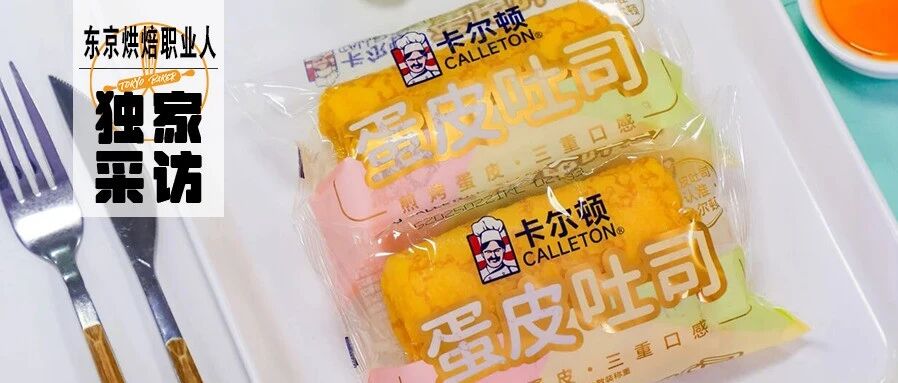
Core Viewpoint - The article discusses the competitive landscape of the baking industry, highlighting the "short shelf life baking" strategy of Carlton, which focuses on fresh, nutritious, and convenient baked goods to meet evolving consumer demands [3][5][14]. Group 1: Market Trends and Challenges - The baking industry is experiencing a "three-way battle" among fresh baking, frozen baking, and pre-packaged products, emphasizing efficiency, experience, and cost [3][14]. - Carlton identified a market gap in traditional long-shelf-life products, which often compromise on taste and convenience due to preservation methods [7][8]. - The company has successfully implemented deoxidizers in its products to enhance freshness and taste, establishing short-shelf-life baking as a new industry trend [8][17]. Group 2: Product Development and Innovation - Carlton's product development follows a "differentiated deep cultivation" principle, focusing on unique offerings or significant upgrades to existing products [10][11]. - The company emphasizes a demand-driven approach to new product development, ensuring that products address specific consumer needs such as low sugar, high protein, and convenience [24][26]. - Successful products like the egg skin toast and baked cakes have undergone a comprehensive process from demand capture to market validation, resulting in annual sales exceeding 100 million [27][29]. Group 3: Brand Positioning and Consumer Engagement - Carlton's brand positioning as a "nutritional baking solution provider" aligns with the health-conscious trends among consumers, differentiating it from traditional baking brands [13][21]. - The company aims to resonate with younger consumers by focusing on aesthetics, taste, fun, and values, creating a lifestyle connection beyond just food [17][18]. - Carlton's commitment to transparency in ingredients and clean labels reflects a response to consumer demands for healthier and more understandable food options [39][41]. Group 4: Competitive Strategy and Future Outlook - Carlton views competition as an opportunity for recognition and aims to maintain its market leadership through continuous innovation and quality improvement [45][46]. - The company plans to leverage a dual growth strategy focusing on clean labels and product innovation to ensure sustainable growth over the next three years [49][50]. - Carlton aspires to lead the industry back to a focus on product nutrition and quality, promoting a healthier and more consumer-centric baking landscape [50].
10元以下的面包,买不到了吗?
Si Chuan Ri Bao· 2026-01-05 21:38
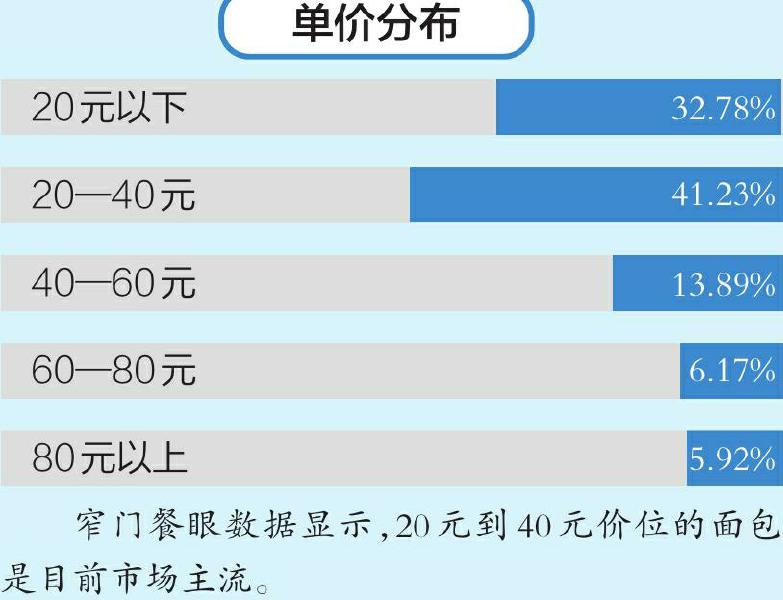
Core Insights - The current market trend shows that bread prices are increasing, with a significant portion of consumers expressing dissatisfaction over the rising costs, particularly for items priced above 20 yuan [4][6] - The majority of bread sold in the market falls within the 20 to 40 yuan price range, indicating a shift in consumer preferences towards mid-range products [2][6] Price Distribution - 32.78% of bread is priced below 20 yuan - 41.23% of bread is priced between 20 and 40 yuan - 13.89% of bread is priced between 40 and 60 yuan - 6.17% of bread is priced between 60 and 80 yuan - 5.92% of bread is priced above 80 yuan [1][6] Market Dynamics - The rising prices are attributed to the increasing social value associated with bread, where consumers are willing to pay more for aesthetically pleasing and unique products [7] - High-quality ingredients and rising operational costs, including rent and marketing, are contributing factors to the price increases [7][8] Industry Trends - The baking industry is experiencing significant growth, with projections indicating that the retail market size will reach 662.15 billion yuan by 2025, reflecting a 153.72% increase from 2020 [8] - Despite the trend towards higher-priced items, there remains a stable demand for affordable bread, suggesting that lower-priced options will continue to exist in the market [8]
回望新消费:风停了,猪会摔下来
虎嗅APP· 2026-01-05 13:28
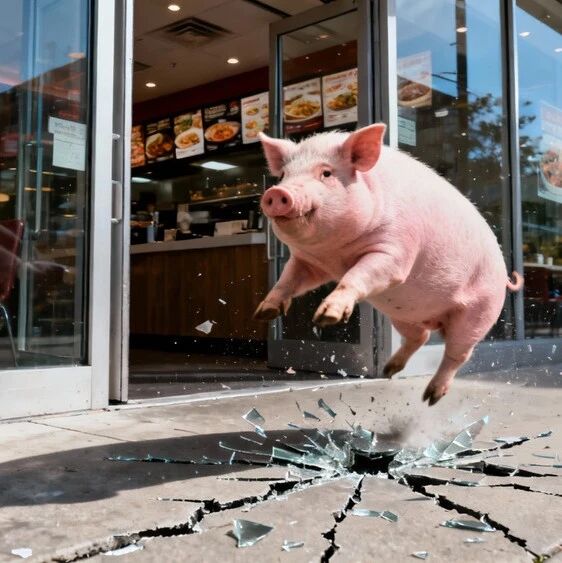
Core Viewpoint - The article discusses the dramatic shift in the new consumption sector from a period of rapid growth and high valuations to a phase of significant decline and business failures, emphasizing that while some brands thrived, many others collapsed under unsustainable business models and market conditions [5][24]. Group 1: Market Trends and Brand Performance - In 2021, the new consumption sector experienced a frenzy with 842 financing events totaling over 900 billion yuan, leading to inflated valuations for brands with minimal sales [11]. - By 2025, many once-prominent brands like墨茉点心局 and 钟薛高 faced severe operational challenges, with墨茉点心局 reducing its stores from a nationwide presence to just 29, primarily in its home city of Changsha [6][8]. - The consumer market in 2025 is undergoing a harsh selection process, with a significant number of previously sought-after unicorns facing closure and valuation drops [8]. Group 2: Reasons for Business Failures - The rapid decline of brands can be attributed to several factors: high operational costs, severe product homogeneity, and a faster-than-expected consumer downgrade [19]. - The cost of maintaining storefronts in high-rent areas is unsustainable for low-margin products like 30 yuan noodles, leading to financial strain [19]. - The oversaturation of similar products in the market has made it difficult for brands to differentiate themselves, resulting in a loss of consumer interest [19]. Group 3: Survivors and Their Strategies - Brands like 蜜雪冰城 have emerged as winners by maintaining a cautious approach to capital and focusing on sustainable business practices, such as building their supply chains [21][23]. - Traditional brands like 泸溪河 have also thrived, with over 600 stores nationwide, demonstrating resilience against the backdrop of newer, capital-driven brands [21]. - The article highlights a shift in consumer behavior, where repeat purchases are essential for business sustainability, contrasting with brands that relied heavily on initial consumer interest without fostering loyalty [23][24].
从“记录世界烘焙脉搏”到“解读世界烘焙脉搏”
东京烘焙职业人· 2026-01-05 08:33
Core Insights - The article emphasizes the evolution of the baking industry in China, highlighting the transition from being mere recorders and sharers of information to becoming decoders and connectors within the industry ecosystem [1] Group 1: Industry Trends - The potential for a leading global B2B brand in egg tarts is identified, with a focus on product development and brand co-creation as key strategies [2] - Hema, a supermarket brand, is noted for its rapid growth in the baking sector, reflecting new retail strategies that could serve as a reference for industrial baking [4] - The article discusses the importance of stability and emotional value in brand development, showcasing insights from 58 brand leaders [7] Group 2: Brand Innovations - Dingdong Maicai, an online fresh produce giant, has successfully entered the baking market, achieving over ten million in sales by leveraging its fresh food DNA [9] - The rise of Mr. Stone's Oven as a chain brand is highlighted, balancing artisanal quality with stable scalability [11] - Various boutique brands are mentioned, showcasing unique approaches to customer engagement and brand identity [12] Group 3: Consumer Preferences - The article notes a shift in consumer values, where baking brands must clearly define their purpose and the values they represent, moving away from a one-size-fits-all approach [13] - The growth of e-commerce in baking is discussed, with insights from leading e-commerce brand founders on navigating the market [14] Group 4: Product Development - The article outlines a variety of new recipes and techniques for 2025, emphasizing the connection between technological advancements and product innovation [19] - The rise of domestic butter brands and the potential of local cream products are highlighted as significant trends in the industry [22][24] - The article discusses the importance of local flour brands in reducing dependency on imports, marking a significant shift in the baking supply chain [26] Group 5: Competitive Landscape - The article reports on the competitive dynamics within the baking industry, including the impact of live-streaming e-commerce and the emergence of niche brands [16] - Insights into the success of brands like Keyan Keso, which gained popularity through a single product, are shared [18] Group 6: Industry Recognition - The achievements of the Chinese baking team in international competitions, including a historic fourth place at the World Pastry Cup, are celebrated [33][35] - The article highlights the increasing recognition of Chinese bakers on the global stage, with Chinese chefs being invited as judges in international competitions [41] Group 7: Future Outlook - The company plans to enhance industry information channels and explore new formats for brand storytelling in 2026, aiming to deepen connections within the baking community [44] - The article concludes with a forward-looking statement about the continued exploration of global baking trends and the importance of community feedback [45]
蛋液经常刷,你真的会刷对了吗?学会这些装饰方法,给面包做个美容!
东京烘焙职业人· 2026-01-03 08:33
作为 一枚 小研发,日常思考除了 如何把面包揉的完美、 如何将发酵把握的更准确 以外,想的最多的问题就是 如何让产品更好吃,更漂亮、更 有食欲? 烤后装饰很重要,不过 烤前的最后一步常常容易被忽视。 不要小瞧烤前刷的一层薄薄的液体,你用什么刷亮你的面包? 全蛋、蛋黄、蛋清、牛奶等等, 用不同的液体刷面,对面包有什么影响呢?他们可以互相替代吗? 我做了对比测试。让面包变得更漂亮,更美味。 饰面 是为面包加上一些点缀,通常在整形和二次发酵完成之后,为面包涂上一层液体,改变表皮烘烤后的口感、质感和外观。 上图可以明显的看出来 饰面的面团 (右)与 未饰面的面团 (左)之前的区别。 饰面面团(右)拥有光泽感,而且颜色更深。 今天的面包实验室,用了8种液体来刷面包,看看做出来的成品,哪一个最闪亮? 1、全蛋 2、蛋黄 3、蛋黄+牛奶 4、蛋清 5、牛奶 6、色拉油 7、豆浆 8、黄油 图片中实验结果是与未饰面的成品(图左)对比。 # 1、全蛋: 表皮呈现金棕色,光泽和烘烤的颜色会很漂亮,香气会缓缓散发出来,看起来很好吃。 # 2、蛋黄: 测试对象:小餐包 所有面包均在 相同条件 下完成(搅拌、发酵、烘烤时间、烘烤温度等 ...

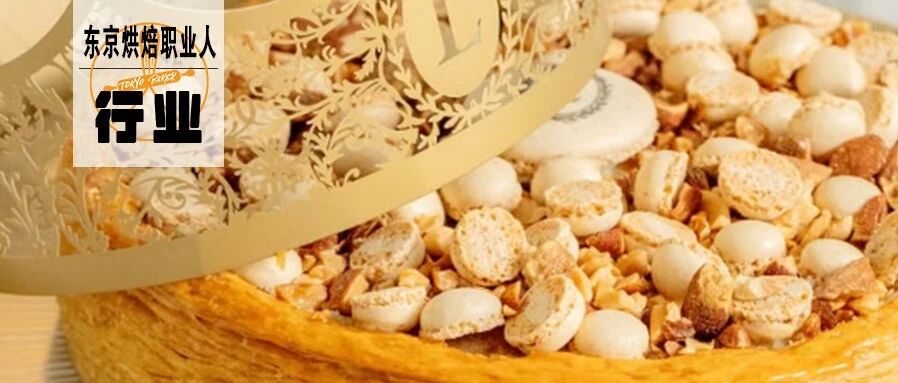
国王饼重度爱好者集合!全网最全新年国王饼创意清单,一次看够!
东京烘焙职业人· 2026-01-02 08:32
Core Insights - The article presents a curated list of 30 creative King Cakes from popular bakeries around the world, aimed at inspiring readers for the New Year celebrations [1] Group 1: Unique Flavors and Ingredients - The "至日款" features almond cream infused with verbena and Amalfi candied lemon, providing a comforting winter treat [3] - The "生命之树款" combines apple flesh with cardamom and rich almond cream, offering a complex flavor profile whether served warm or at room temperature [3] - The "琥珀蜜韵款" incorporates aged rum into the filling, enhancing the almond cream with deep floral notes [4] Group 2: Innovative Designs and Textures - "Blvck Paris - Sweets" presents a unique black King Cake with a charcoal-infused crust and rich almond cream filling, symbolizing tranquility and strength [13] - "Park Hyatt Paris" features a delicate leaf-shaped design with a smooth almond cream filling and amaretto-flavored almond paste, showcasing craftsmanship [31] - "galetgalet" offers a rustic texture with a hoof-like pattern and a filling that includes citrus jams from Corsica, enhancing the overall flavor experience [35] Group 3: Collaborations and Special Editions - "Brach Madrid Restaurant" includes a custom porcelain figurine inspired by the Venetian "Masquerade" series, adding a unique touch to the King Cake [12] - "LADUREE PARIS OFFICIEL" collaborates with the Paris National Opera for a luxurious King Cake, blending festive themes with high-end pastry [33] - "Jean-Paul Hévin" introduces the "King Kaspar Cake," inspired by one of the three wise men, featuring layers of almond cream made with Cameroonian and Peruvian cocoa [48] Group 4: Regional Inspirations - "Estelle by Alain Ducasse" showcases a classic French pastry with a design that highlights elegance, using Hokkaido wheat for the crust [40] - "Maison Gibley" offers an ice cream King Cake with a filling of apple tart, cream cheese, and salted caramel ice cream, reflecting a blend of flavors [58] - "Cafe Kitsune" merges almond and matcha in a visually striking cake, presenting a delightful taste experience [54]