美妆

Search documents
欧莱雅(OR):欧莱雅25Q3业绩加速增长,战略收购开云美妆夯实奢华美妆版图
Haitong Securities International· 2025-10-23 12:15
Investment Rating - The report maintains a positive outlook on L'Oréal, indicating an "Outperform" rating for the stock over the next 12-18 months [19]. Core Insights - L'Oréal's sales growth momentum significantly strengthened in Q3 2025, driven by the "Beauty Stimulus Plan" and successful new product launches, achieving sales of €32.80 billion for the first nine months, with a like-for-like growth of 3.4% [2][8]. - The company announced a strategic acquisition of Kering Beauté for €4.0 billion, which includes the niche fragrance brand Creed and licenses for Balenciaga and Bottega Veneta, enhancing its luxury portfolio [5][11]. Summary by Sections Financial Performance - In Q3 2025, L'Oréal's sales reached approximately €8.05 billion, with a like-for-like growth accelerating to 4.2%, up from 3.5% in Q1 and 2.4% in Q2 [2][8]. - The "Beauty Stimulus Plan" contributed approximately 170 basis points to growth in Q3, an increase from 150 basis points in the first half of the year [2][8]. Divisional Performance - The Professional Products Division saw a 9.3% growth, driven by the strong performance of Kérastase and the acquisition of Color Wow [3][9]. - The Consumer Products Division experienced a notable rebound, particularly in North America, with growth exceeding 20% for Mixa in Europe and successful expansion of 3CE in Southeast Asia [3][9]. - The L'Oréal Luxe Division continued to outperform the market, especially in North Asia, while the Dermatological Beauty Division showed balanced growth across its major brands [3][9]. Regional Growth - Sales in Europe grew by 4.1%, with strong performances in Spain, Portugal, Germany, Austria, Switzerland, and Italy [4][10]. - North America experienced a 1.4% growth, with a cumulative growth of 3.1% for the first nine months after IT system adjustments [4][10]. - The SAPMENA–SSA region led with a 12.2% growth, with online channels acting as a key growth driver [4][10]. Strategic Developments - The acquisition of Kering Beauté is seen as a strategic highlight, expected to enhance L'Oréal's position in the luxury beauty market and potentially double Creed's sales [5][11]. - Key executive changes were announced to facilitate the integration of the acquired brands, including the establishment of a 50/50 joint venture focused on health and longevity services [5][11].
2025欧洲公司注册大变天,中国企业还能顺利出海吗?
Sou Hu Cai Jing· 2025-10-23 11:36
Core Insights - The trend of "going global" for enterprises has become a central theme in the business landscape, with European markets emerging as a significant choice for Chinese companies due to ongoing EU dialogues on rare earths and a surge in new energy factory constructions [1][2] Market Opportunities - The EU's unified market encompasses a vast consumer base of 450 million, allowing companies to register in one EU country and gain access to 27 countries, acting as a "convenient pass" for business expansion [4] - The EU has introduced tax incentives specifically for the new energy and technology sectors, with some parks offering a three-year exemption from corporate income tax [5] Policy Benefits - A unified electronic registration platform will be launched by the EU in 2025, significantly reducing company registration time from weeks to days [6] - Countries like France and the Netherlands are simplifying their registration processes, allowing businesses to register first and complete paperwork later, enabling quicker market entry [6] Industry Fit - Chinese enterprises have clear advantages in new energy and cultural export sectors, which align well with the strong demand in European markets. Registering a local company in Europe is becoming essential for Chinese firms to integrate into the local market and collaborate with European businesses [7] Country-Specific Insights - **Germany**: Known for its manufacturing strength, requires a minimum registered capital of €25,000 and emphasizes the need for a local operational address. It offers a fast-track approval process for innovative companies [8] - **France**: The main company type is SARL, with a minimum registered capital of just €1, though a recommendation exists for Chinese nationals to contribute €100-€1,000. France has market advantages in beauty, consumer goods, and new energy sectors [10] - **Netherlands**: Features a very low registration capital requirement of €0.01 and a quick registration process that can be completed within a week. It offers tax incentives for cross-border profit repatriation, making it attractive for multinational companies [12][13] Registration Requirements - Essential documents include proof of identity for shareholders and directors, address verification, and company core documents such as articles of association and proof of registered capital [15][19][20] - Specific requirements vary by country, such as the need for a local secretary in France and a rental agreement for operational addresses in Germany [24] Compliance and Planning - Accurate information disclosure is crucial, with a 100% accuracy requirement for shareholder and beneficial owner information to avoid penalties [28] - Tax compliance should be planned in advance to leverage available tax incentives, particularly for green energy and technology companies [28] Conclusion - The European market in 2025 presents both policy advantages and compliance challenges. Companies must choose the right registration location and follow the correct procedures to seize opportunities and achieve sustainable growth [29]


老牌国货美妆自然堂港股IPO解码:3年砸超70亿营销,依旧难破增长困局
Hua Er Jie Jian Wen· 2025-10-23 10:17
Core Viewpoint - The well-known domestic beauty brand, Chando, has initiated its IPO process, marking a significant step towards its market expansion despite recent underwhelming performance in revenue growth and profitability [1][4]. Group 1: Financial Performance - In 2024, Chando reported a revenue of 4.601 billion yuan, reflecting a year-on-year growth of 3.58%, while its net profit decreased by nearly 40% to 190 million yuan [2][5]. - Chando's revenue is significantly lower compared to its competitors, with Proya and Shiseido achieving revenues of 10.778 billion yuan and 6.793 billion yuan respectively in 2024 [2][5]. - Chando's revenue in 2024 was approximately 80% of Beitaini's revenue, which reached 5.7 billion yuan [6]. Group 2: Online Channel Transformation - Chando's slow transition to online sales channels is a critical factor in its performance, with online sales accounting for less than 70% of its revenue, compared to over 80% for Proya [3][10]. - The online channel's contribution to Chando's revenue increased from 59.7% in 2022 to 68.8% in 2024, indicating a gradual but insufficient shift [10]. - In contrast, Proya's online revenue share surged from 70.01% in 2020 to 93.07% in 2023, showcasing a successful adaptation to market changes [8]. Group 3: Marketing and Brand Strategy - Chando has invested heavily in marketing, with total expenditures reaching 7.568 billion yuan from 2022 to 2024, which is significantly higher than the industry average [3][21]. - The marketing expense ratio for Chando was 59% in 2024, compared to an average of 47.78% for its peers, indicating a higher cost burden [21][23]. - Chando is focusing on launching new brands to drive growth, with the brand "Pofenyan" showing promising results, generating 121 million yuan in revenue in 2024, a growth of over 90% [20]. Group 4: Future Outlook - Chando plans to enhance its marketing efforts through collaborations with KOLs and increased advertising on major e-commerce and social media platforms [23]. - The company aims to open more offline flagship stores to strengthen its market presence, with new stores planned in major cities [13][16]. - The effectiveness of Chando's marketing investments and its ability to adapt to changing consumer preferences will be crucial for its future growth [23].
多家美妆品牌卷入“苏丹红”事件 丽人丽妆产品火线“锁货”
Nan Fang Du Shi Bao· 2025-10-23 09:26
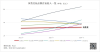
Core Viewpoint - The recent detection of Sudan Red in various skincare products has raised significant consumer concerns, leading to responses from multiple brands and potential implications for the beauty industry [2][4]. Group 1: Detection and Response - A video by "Dad Evaluation" revealed the presence of Sudan Red in several skincare products, with one sample showing a concentration of 1170 ppm [2]. - Following the video, multiple brands, including Huaxizi and Yuru, have acknowledged the issue, with some initiating product testing and temporarily removing affected items from sale [4][7]. - The National Medical Products Administration has classified Sudan Red as a banned ingredient in cosmetics since 2021, highlighting the regulatory implications for brands involved [2]. Group 2: Brand Impact and Financials - Yuru, a brand under the publicly listed company Liren Lizhuang, has experienced declining revenues from 32.42 billion in 2022 to an expected 17.28 billion in 2024, indicating financial pressure [8]. - The brand's performance is critical as it has been positioned as a key growth area for the company, particularly with its saffron-based product line [8]. - Huaxizi has faced previous controversies, including a legal case related to public relations, which may affect its reputation and consumer trust in light of the current Sudan Red issue [9].

LVMH或售Fenty Beauty,开云抛售美妆业务:巨头为何集体“逃离”?
Guan Cha Zhe Wang· 2025-10-23 03:54
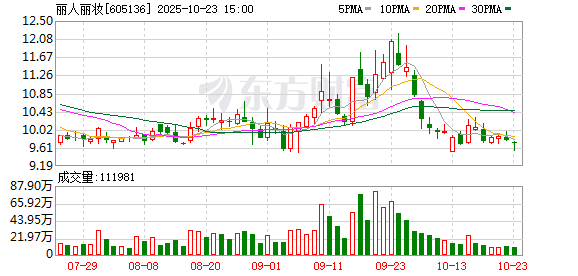
Core Viewpoint - LVMH is exploring the sale of its 50% stake in Fenty Beauty, collaborating with investment bank Evercore for this process [1][4] Group 1: Company Overview - Fenty Beauty was co-founded by singer Rihanna and LVMH's Kendo Brands in 2017, with both parties holding equal shares [1] - The brand has gained popularity on social media, known for its inclusive range of beauty products, including 40 foundation shades [1] - In 2024, Fenty Beauty is projected to generate approximately $450 million in net sales, with a market valuation estimated between $1 billion and $2 billion [4] Group 2: Kendo Brands and Market Adjustments - Kendo Brands, established in 2010, focuses on creating and acquiring innovative beauty brands and has previously launched brands like Ole Henriksen Skin Care [4] - Recently, Kendo Brands sold its vegan makeup brand KVD Beauty to Windsong Global, as the brand faced challenges amid changing beauty trends [6] - KVD Beauty's revenue significantly declined to tens of millions after a reduction in marketing investment [8] Group 3: Industry Trends and Strategic Moves - The luxury beauty market is experiencing a slowdown, prompting companies to reassess their business strategies [14] - LVMH's beauty segment, including perfumes and cosmetics, reported a slight revenue decline of 1% in the first half of 2025, indicating a shift from rapid growth to a more challenging phase [12][14] - Kering Group's recent strategic partnership with L'Oréal, involving a €4 billion acquisition of its beauty business, reflects a broader trend of luxury brands adjusting their beauty portfolios [8][12] Group 4: Financial Performance - LVMH's financial report for 2024 shows a 2% decline in total revenue, with the perfumes and cosmetics segment experiencing a 2% growth [9] - In contrast, Kering's beauty business has seen a significant strategic shift, with L'Oréal's third-quarter same-store sales growth at only 4.2%, below analyst expectations [12][13]

毛戈平官宣!国货美妆高端出海驶入“快车道”
Zhong Guo Ji Jin Bao· 2025-10-22 15:49
Core Insights - MAOGEPING, a high-end Chinese beauty brand, has officially launched its first store in Hong Kong's Harbour City, marking a significant step in the brand's international expansion [2] - The brand's entry into Hong Kong is part of a broader trend of Chinese beauty brands seeking to expand globally, moving away from intense domestic competition [2][4] Industry Trends - The current wave of Chinese beauty brands going overseas is characterized by a focus on "branding" and "premiumization," contrasting with previous reliance on cross-border e-commerce platforms [4] - In 2024, Chinese cosmetic brands are projected to account for 55.2% of the market share, surpassing international brands for the first time, indicating a shift in market dynamics [4] - The number of brands achieving over 100 million in annual sales has reached a historical high, reflecting the maturation of the Chinese beauty market [4] Market Opportunities - The export value of Chinese mass-market beauty products is expected to grow by 12% year-on-year in the first half of 2025, significantly outpacing domestic market growth [5] - The total number of registered cosmetic products in 2024 is projected to reach 2.012 million, the highest in five years, providing a strong foundation for companies looking to expand internationally [5] Strategic Approaches - MAOGEPING's strategy includes a dual-channel approach with department stores and online platforms, emphasizing the establishment of local teams for product development and marketing in overseas markets [8] - Other brands like Huazhihao and Juzhu are opting for cross-border e-commerce and social media marketing to test market responses, focusing on understanding the aesthetic preferences of overseas young consumers [8] - The challenge of localization is recognized as a critical factor for success, with brands needing to adapt to different regulations, skin types, and makeup preferences in various markets [6][8] Challenges Ahead - While opportunities for overseas expansion are growing, brands face challenges in establishing a lasting presence in mainstream markets like Europe and the U.S., including cultural differences and supply chain management [8]

欧莱雅Q3业绩再次低于预期
Xin Lang Cai Jing· 2025-10-22 13:41
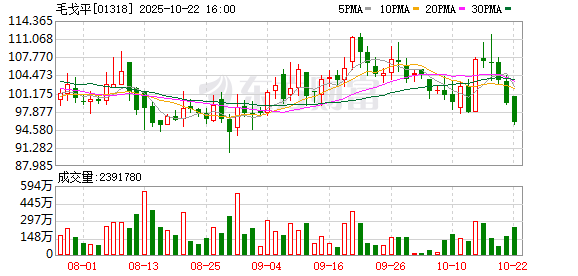
Core Viewpoint - L'Oréal is transitioning from a growth myth back to operational reality, reflecting a slowdown in the global beauty market, with two consecutive quarters of underperformance against expectations [1] Financial Performance - In Q3, L'Oréal reported sales of €10.33 billion, a 0.5% year-on-year increase, reversing a 1.3% decline in the previous quarter, but still below analyst expectations of €10.44 billion [1] - Same-store sales grew by 4.2%, an improvement from 2.4% in Q2, yet it marked the second consecutive quarter below market expectations of 4.85% [2] Market Reactions - Following the earnings report, L'Oréal's stock initially rose by 2% but quickly fell, with intraday losses reaching up to 6% [3] - Investor concerns are rising regarding the quality of L'Oréal's growth, indicating that the recovery is uneven [4] Regional Performance - North Asia emerged as a significant highlight, with Q3 same-store sales achieving a 4.7% growth, significantly surpassing analyst expectations of 3.2%, following a decline of over 11% in Q2 [5] - The Chinese market recorded moderate single-digit growth, marking the first positive growth in Q3 over two years, driven by a recovery in the high-end skincare market [6] - In contrast, North America experienced a notable slowdown, with Q3 sales down 4.3% and same-store sales only increasing by 1.4%, far below the expected 4.4% [7] Business Segment Performance - The mass cosmetics division saw a sales increase of 0.4%, with same-store sales growing by 3.8%, slightly above the previous quarter's performance [9] - The high-end cosmetics division experienced a 1.5% decline, but the drop was more than halved compared to Q2, indicating signs of recovery in high-end consumption [10] - The professional hair products division reported a same-store sales growth of 5.1%, while the skin science and beauty segment remained the fastest-growing, with sales up 6.1% and same-store sales growth of 9.3% [11] Market Outlook - Despite the recovery signals in North Asia, market reactions suggest that L'Oréal's revival has not met confidence expectations [12] - Analysts view Q3 performance as a signal of recovery from recession rather than a transition to prosperity, highlighting structural fatigue in the global cosmetics giant [14]
欧莱雅北亚重回增长轨道,收购阿玛尼是关键下一步
FBeauty未来迹· 2025-10-22 12:35
Core Insights - L'Oréal demonstrated resilience in a turbulent market with a 3.4% year-on-year sales growth to €32.807 billion (approximately ¥271.261 billion) in the first nine months of 2025, with Q3 growth accelerating to 4.9% [2] - The recovery in core markets, particularly in China and the USA, was highlighted, with North Asia achieving positive growth for the first time in two years [2][13] - Strong performance was noted across product categories, with hair care and fragrance leading the way, while makeup rebounded significantly [2][5] - E-commerce channels continued to show double-digit growth, reinforcing L'Oréal's competitive advantage in online sales [2] Financial Performance - Overall sales for the first nine months of 2025 reached €32.807 billion, with a reported growth of 3.4% [12] - By division, Professional Products led with a 7.4% comparable growth, followed by Consumer Products at 3.1%, Luxe at 2.2%, and Dermatological Beauty at 3.7% [12] - Regionally, Europe maintained a steady growth of 3.6%, while emerging markets like SAPMENA-SSA and Latin America saw significant growth rates of 11.0% and 8.2%, respectively [12][13] Market Dynamics - The North Asia region, particularly China, showed a strong recovery with a low single-digit growth in the first nine months and a mid-single-digit growth in Q3, driven by high-end cosmetics and innovative product launches [13][16] - L'Oréal's strategic focus on localized product development for Chinese consumers has been pivotal, with several brands launching tailored products [16][18] Strategic Initiatives - L'Oréal is transitioning from a brand manager to an "ecosystem builder," acquiring new brands and securing beauty and fragrance licenses from luxury brands [19][20] - The company has made significant organizational changes, focusing on talent development and key market strategies, with numerous leadership appointments reflecting a commitment to emerging markets [25][26] Product Innovation - Key product launches in 2025 included high-concentration skincare products tailored for the Chinese market, showcasing L'Oréal's commitment to innovation and local consumer preferences [16][17] - The introduction of new brands and products is part of L'Oréal's strategy to enhance its brand portfolio and meet diverse consumer needs [20][24]
自然堂要冲港股了!可看完招股书,才发现这个“老牌国货”藏隐忧
Sou Hu Cai Jing· 2025-10-22 12:31
Core Viewpoint - The well-known Chinese beauty brand, Chando, is preparing for its IPO on the Hong Kong Stock Exchange after 24 years of establishment, but its financial performance reveals significant challenges and reliance on a single brand for revenue growth [1]. Financial Performance - Chando's revenue growth from 2022 to 2024 is only 3.5%, with revenues of 4.292 billion, 4.442 billion, and 4.601 billion respectively, underperforming the industry average growth rate of 6.6% [3]. - The core brand, Chando, accounted for 94.6%, 95.9%, and 95.4% of total revenue over the same period, indicating a heavy reliance on a single brand [3]. Marketing and R&D Expenditure - Chando has spent approximately 7.5 billion on marketing from 2022 to 2024, while only investing 348 million in R&D, resulting in a marketing-to-R&D expenditure ratio of about 21:1 [5]. - In 2024, marketing expenses are projected to reach 2.717 billion, constituting 59% of total revenue, which is significantly higher than competitors like Proya and Beauté Pacifique [5]. Governance and Strategic Concerns - The company is predominantly controlled by the founding family, who hold 87.82% of the voting rights, raising concerns about decision-making and potential conservatism in strategy [8]. - Chando is pursuing a strategy of offline expansion, planning to increase retail points to 62,700 by mid-2025, despite the higher profitability of online sales [9]. Cash Flow and Financial Health - The company has experienced significant cash flow volatility, with a net outflow of 295 million in 2022 and only 65.2 million remaining in 2024, raising questions about the sustainability of its offline expansion strategy [9].
估值百亿的名人品牌仍遭抛售?
3 6 Ke· 2025-10-22 12:28
Core Insights - The overall growth of international beauty companies is slowing down in the first half of 2025, prompting them to optimize their organizations through sales and personnel adjustments to rebuild growth trajectories [1] - Major luxury groups are accelerating acquisition and divestiture activities, as evidenced by Kering Group's recent sale of its fragrance brand Creed to L'Oréal and the establishment of a long-term strategic partnership [1] Company Summaries - LVMH is reportedly exploring the sale of a 50% stake in Fenty Beauty, which has generated nearly $4.5 billion in net sales in 2024, with a valuation between $1 billion and $2 billion [2][4] - Fenty Beauty, established in 2017, has seen significant growth, achieving over €500 million in global sales in its first fiscal year and $505 million in 2018 [10] - The brand is set to enter the mainland China market in 2024, with a notable presence on Tmall, where it has garnered 1.37 million followers [6] Market Trends - The celebrity beauty brand landscape is facing challenges, with many brands struggling to maintain momentum after initial success driven by social media [12][17] - Acquisitions by larger beauty groups are becoming a more favorable exit strategy for celebrity brands, as seen with the recent $1 billion acquisition of Rhode by e.l.f. Beauty [17] - The beauty sector is experiencing a divide, with established luxury groups like LVMH and Kering reassessing their beauty divisions, potentially leading to strategic sales to optimize resource allocation [19]