水产养殖

Search documents
(活力中国调研行)探访浙江黄鱼养殖第一村:一条鱼撑起大产业
Zhong Guo Xin Wen Wang· 2025-08-06 12:34
8月6日,浙江省宁波市象山县黄避岙乡高泥村的网箱养殖基地,渔民准备捕捞黄鱼。高泥村是"浙江省 黄鱼养殖第一村",养殖黄鱼已有30多年,大黄鱼养殖面积约3000亩,年产值1.4亿元(人民币,下同), 村民平均每户年收入超30万元。中新社记者 胡丰盛 摄 8月6日,浙江省宁波市象山县黄避岙乡高泥村的网箱养殖基地,记者集体"围观"捕捞上岸的黄鱼。高泥 村是"浙江省黄鱼养殖第一村",养殖黄鱼已有30多年,大黄鱼养殖面积约3000亩,年产值1.4亿元(人民 币,下同),村民平均每户年收入超30万元。中新社记者 胡丰盛 摄 8月6日,浙江省宁波市象山县黄避岙乡高泥村的网箱养殖基地,风格旖旎。高泥村是"浙江省黄鱼养殖 第一村",养殖黄鱼已有30多年,大黄鱼养殖面积约3000亩,年产值1.4亿元人民币(下同),村民平均 每户年收入超30万元。中新社记者 胡丰盛 摄 8月6日,浙江省宁波市象山县黄避岙乡高泥村的网箱养殖基地,养殖户钱国敏介绍黄鱼养殖情况。高泥 村是"浙江省黄鱼养殖第一村",养殖黄鱼已有30多年,大黄鱼养殖面积约3000亩,年产值1.4亿元(人民 币,下同),村民平均每户年收入超30万元。中新社记者 胡丰盛 摄 ...


中国人开的日料店,气死了多少日本人?
虎嗅APP· 2025-08-06 10:42
Core Viewpoint - The article discusses the evolution and current state of Japanese cuisine, particularly in relation to the influence of Chinese chefs and the sourcing of ingredients, highlighting the challenges faced by traditional Japanese culinary practices in a globalized market [4][6]. Group 1: Japanese Culinary Certification and Market Dynamics - The Japanese Ministry of Agriculture, Forestry and Fisheries (MAFF) introduced a certification system for Japanese cuisine to combat the rise of Chinese-run Japanese restaurants, which have created fusion dishes that deviate from traditional Japanese cuisine [4][5]. - As of last year, there were only 23 certified gold-level chefs globally, with most being non-Japanese, indicating a struggle for traditional Japanese chefs to maintain their market share [5][6]. Group 2: Ingredient Sourcing and Globalization - The article highlights that while Chinese sushi restaurants may not use Japanese-sourced salmon, Japanese restaurants often rely on Norwegian salmon, which has become a staple in Japan since the 1980s [8][9]. - Japan's domestic seafood production is limited, with significant reliance on imports for various seafood, including 70% of its eel supply coming from China by 2024 [13][16]. Group 3: Economic Viability of Japanese Cuisine - Japanese restaurants in New York reportedly have a net profit margin of 12% to 15%, making them more profitable than Chinese restaurants, which have a margin below 12% [20]. - A Chinese self-service Japanese restaurant chain that went public in Hong Kong in 2022 reported a net profit margin of 15.1%, comparable to peak levels of other successful dining chains [23]. Group 4: Cultural and Culinary Value - The article discusses how Japanese cuisine has shifted focus from raw materials and cooking techniques to cultural and experiential value, allowing for significant price premiums [26][27]. - The "artisan spirit" in Japanese cuisine emphasizes the process and presentation, which has created a unique market positioning despite the reliance on imported ingredients [24][29]. Group 5: Challenges and Adaptations - The article notes instances of food fraud in Japan, such as mislabeling imported produce as locally sourced, reflecting the pressures of maintaining authenticity in a competitive market [37][39]. - The rise of Chinese culinary standards and practices in Japanese cuisine has led to a transformation in how Japanese food is prepared and marketed, often prioritizing efficiency and scalability over traditional methods [29][30].
农业行业周报:建议关注饲料的回升周期和养殖的边际改善-20250806
Shanxi Securities· 2025-08-06 08:52
Investment Rating - The report maintains an investment rating of "A" for the agriculture sector, suggesting a focus on the recovery cycle of feed and marginal improvements in breeding [1]. Core Insights - The agriculture sector has shown a decline of 2.97% in the past week, with the animal health, food and feed additives, fruit and vegetable processing, aquaculture, and seeds sub-industries performing the best [1][22]. - The report highlights a potential recovery in the feed industry due to the decline in upstream raw material prices and improvements in the breeding sector, particularly for Haida Group, which is expected to see an upward trend in its operational fundamentals [2][4]. - The report emphasizes that the current market may be overly pessimistic about the impact of rising pig production capacity on profitability, while it overlooks the positive effects of declining raw material costs and potential macro demand recovery in 2025 [3]. Summary by Sections Swine Breeding - As of August 1, 2025, the average prices for external three yuan pigs in Sichuan, Guangdong, and Henan were 13.70, 16.04, and 14.38 yuan per kilogram, reflecting increases of 0.74%, 3.22%, and 1.77% respectively [2][31]. - The average pork price was 20.60 yuan per kilogram, down 1.29% from the previous week, while the average wholesale price for piglets was 27.00 yuan per kilogram, up 3.85% [31]. - The report suggests that the swine breeding industry is expected to enter a profitability cycle starting from Q2 2024, although the average debt reduction rate indicates a long road ahead for the industry [3]. Poultry Breeding - The weekly price for white feather broilers was 6.83 yuan per kilogram, up 1.94%, while the price for broiler chicks rose significantly by 33.16% to 2.57 yuan per chick [46]. - The report notes that the breeding profit for broilers is currently negative at -0.43 yuan per chick, and egg prices have decreased by 2.70% to 7.20 yuan per kilogram [46]. Feed Processing - In June 2025, the total industrial feed production in China was 27.67 million tons, a slight decrease of 0.1% month-on-month but a year-on-year increase of 6.6% [55]. - The report indicates that the production of compound feed, concentrated feed, and additive premix feed saw year-on-year growth of 6.6%, 3.4%, and 8.7% respectively [55]. Aquaculture - As of August 1, 2025, the prices for sea cucumbers, shrimp, and bass remained stable at 90.00 yuan per kilogram, 320.00 yuan per kilogram, and 50.00 yuan per kilogram respectively [64]. - In freshwater products, the price for grass carp was 16.70 yuan per kilogram, down 0.30%, while crucian carp saw a slight increase of 0.09% to 22.99 yuan per kilogram [64]. Crop and Grain Processing - As of August 1, 2025, soybean prices were stable at 3926.32 yuan per ton, while corn and wheat prices slightly decreased to 2402.75 yuan and 2440.50 yuan per ton respectively [75]. - The report highlights a significant increase in the price of enoki mushrooms, which rose by 37.78% to 6.20 yuan per kilogram [75].



仅有 500 万人口的挪威,为什么能成为全球最大的三文鱼出口国?| 声动早咖啡
声动活泼· 2025-08-06 08:20
Core Viewpoint - Norwegian salmon, specifically Atlantic salmon, has become a global culinary favorite due to its unique flavor and appealing orange-red color, with China emerging as a significant growth market for this product [2][3]. Group 1: Market Growth and Export - In the first half of this year, Norway's salmon exports to China doubled compared to the same period last year, making China the largest growth market for Norwegian salmon [3]. - Norway has become the world's largest exporter of salmon, holding nearly half of the global market share [3]. - Salmon accounts for 70% of Norway's total seafood export value, making it a crucial pillar of the Norwegian economy [11]. Group 2: Historical Context and Technological Development - The salmon industry in Norway was small-scale in the 1970s, primarily supplying local communities, but has since evolved significantly [3]. - Norway pioneered salmon farming technology in the 1960s, leading to a dramatic increase in production, with output rising from negligible amounts to over 1 million tons between 1971 and 2011 [6]. - Currently, 70% of global salmon production comes from aquaculture, highlighting the importance of farming techniques in meeting demand [4]. Group 3: Marketing Strategies and International Expansion - In the 1980s, Norway faced a surplus in salmon production, prompting efforts to expand into international markets, particularly Japan, where salmon sushi became popular [8]. - The Norwegian Seafood Council has actively promoted Norwegian salmon in China, establishing partnerships with local supermarkets and launching branding initiatives to enhance product recognition [11]. Group 4: Environmental Concerns - The rise of salmon farming has led to challenges for wild salmon populations, with significant declines noted in the wild North Atlantic salmon numbers, dropping from over 1 million in the early 1980s to about 500,000 [14]. - The Norwegian government has implemented regulations to assess the impact of sea lice on farmed salmon and to reduce the use of antibiotics in aquaculture [14].
“夜宵顶流”小龙虾的行业之变
Bei Ke Cai Jing· 2025-08-06 06:39
Group 1 - The small lobster industry has experienced a complete cycle from explosive growth to rational market return, driven by breakthroughs in breeding and farming technology, the rise of prepared dishes and seasonings, and the development of e-commerce and delivery services [1][2][3] - The industry is undergoing a transformation towards high-quality development, characterized by a "淘汰赛" (elimination competition) among enterprises [2] - The number of small lobster enterprises in China has reached 16,852, with 60.5% established between 2015 and 2020, and 25.22% in the last five years [3][4] Group 2 - The small lobster market has seen a decline in demand and prices, leading to adjustments in production and sales strategies, with a shift from scale expansion to refined operations [6][9] - The production area for small lobsters in China reached 30.5 million acres in 2024, with a year-on-year growth of 3.39%, and the total output reached 3.45 million tons, up 9.07% [6][7] - The market for small lobsters is transitioning to a more mature and stable growth phase, with consumers becoming more rational in their purchasing behavior [9][10] Group 3 - The prepared small lobster dishes have significantly changed the processing industry landscape, with their market share rising from less than 10% to 25% in a few years [11][12] - The online sales of prepared small lobsters have increased significantly, with some brands experiencing a doubling in sales [12][19] - The small lobster processing sector is facing intense competition, with over 200 processing companies in China, primarily concentrated in five provinces [19][20] Group 4 - The small lobster seasoning market is becoming increasingly competitive, with many brands entering the space, leading to price wars and reduced profit margins for smaller brands [21][22] - The importance of a robust supply chain is recognized as essential for ensuring product quality and market responsiveness [23][24] - The implementation of standards for small lobster cooking techniques aims to improve product quality and enhance brand recognition in the market [25][26] Group 5 - The small lobster market is expected to see total growth and structural optimization, transitioning from extensive expansion to high-quality competition [26]
盐碱地里养海鲜 柳树林下养金蝉 因地制宜、科学种养助增收
Yang Shi Wang· 2025-08-06 03:28
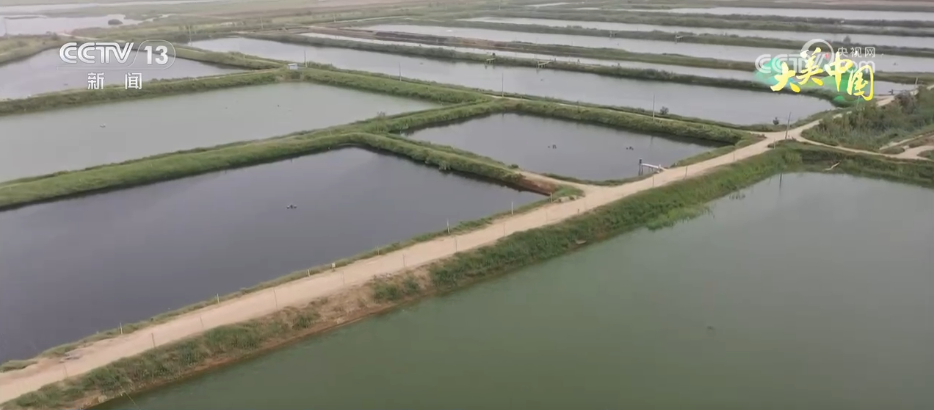
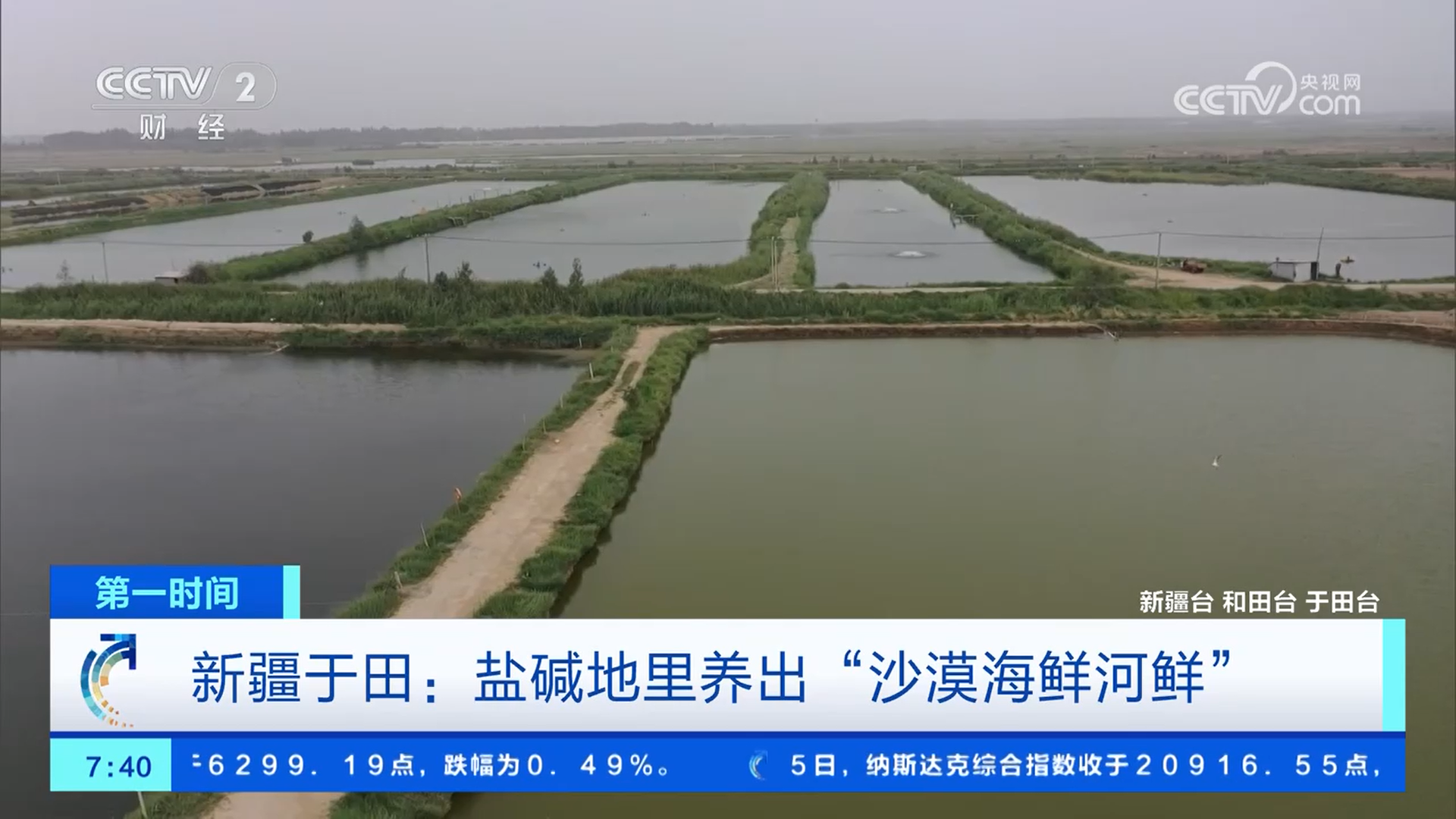
Group 1 - The innovative "seafood river fresh land farming" model in Yutian County, Xinjiang, allows local residents to consume seafood and river products cultivated in saline-alkali land [1] - The aquaculture base in Yutian County is located in the core area of a 100,000-acre saline-alkali land management project and is the largest aquatic production base in the Hotan region, producing over 800 tons of four major fish species, 15 tons of South American white shrimp, and 10 tons of Chinese mitten crabs annually through technical cooperation with research institutions [3] Group 2 - The peak season for cicada harvesting is currently underway in Anqiu City, Shandong, where thousands of cicadas are served daily in local restaurants, primarily sourced from artificial breeding [4] - In a cicada breeding base in Huiqu Town, Anqiu City, cicadas emerge from the soil at night and climb trees, showcasing a unique breeding environment [6] - The harvested cicadas are cleaned, frozen, and sold at approximately one yuan each to nearby restaurants or shipped to buyers outside the region, with the cicada farming integrated with vegetable cultivation to achieve dual income [8]
好玩又好吃! 8月8日,来江门新会看这场钓虾竞技!
Nan Fang Nong Cun Bao· 2025-08-06 02:30
Core Viewpoint - The upcoming "Shrimp Fishing Championship" in Jiangmen Xinhui on August 8 aims to promote the local shrimp industry and enhance its brand influence through a unique cultural event that combines competition and family engagement [2][10][35]. Industry Development - Xinhui has a rich agricultural background, known as a "land of fish and rice," and the shrimp industry has flourished in recent years, becoming a pillar of local agriculture and driving the growth of related upstream and downstream industries [9][10]. - The event is designed to attract attention from the Guangdong-Hong Kong-Macao Greater Bay Area, focusing on family-oriented activities to create immersive consumer experiences and expand the brand's reach to the Pearl River Delta urban agglomeration [12][14]. Event Structure - The competition features two categories: a professional group for skilled anglers and a family group aimed at creating a fun experience for parents and children [12][17]. - Participants in the professional group will compete for prizes based on the quantity of shrimp caught within a 40-minute timeframe, while family participants only need to catch 15 shrimp to enter a raffle for additional prizes [17][20]. Participant Incentives - All participants in the professional group will receive a gift box of Xinhui Ganpu tea, with the top three winners also receiving trophies and a maximum of 500 yuan in farm consumption vouchers [19][20]. - Family group participants can win various prizes, including farm tickets and food vouchers, and the first 100 spectators will receive ice cream vouchers [20][21]. Cultural Integration - The event will take place at the Changsheng Chenpi Garden, which integrates shrimp fishing with the cultivation and processing of Xinhui Chenpi, offering a comprehensive experience that includes cultural exploration and culinary delights [26][28]. - The event will also announce the 2024 recommended list of Xinhui Chenpi gardens, serving as a guide for consumers interested in experiencing and purchasing authentic Xinhui Chenpi [32][33].

学用结合,壮大乡村富民产业
Ren Min Ri Bao· 2025-08-06 02:16
Core Insights - The article highlights the efforts of a village cadre, Xun Ran, in promoting the farming of Australian blue crayfish as a means to boost local economic development and improve villagers' incomes [1][2][3] Group 1: Background and Initiatives - Xun Ran, with a background in food quality and safety, was appointed as an assistant to the village party secretary in September 2023, coinciding with the introduction of blue crayfish farming in the village [2] - The village collaborated with neighboring villages to establish a 100-acre crayfish farming base, aiming to promote this initiative among local farmers to enhance their income [2][3] Group 2: Challenges and Solutions - Initial resistance from villagers was encountered due to concerns about the viability and marketability of blue crayfish, as many were accustomed to traditional farming methods [3][6] - Xun Ran recognized the need to address villagers' fears about profitability and market access, leading to the proposal of a "base + farmer" management model and securing buyback agreements with external companies [6][7] Group 3: Implementation and Results - By providing technical support and establishing a clear sales strategy, Xun Ran successfully encouraged villagers to adopt blue crayfish farming, resulting in increased confidence and participation [7][8] - As of May 2024, the farming initiative had expanded to over 700 acres, with 30 local farmers signing supply and sales agreements, demonstrating the project's growing acceptance and success [8][9] Group 4: Training and Development - The article discusses the establishment of a mentorship program in Ma'anshan City to support young village cadres, addressing challenges in adapting to rural environments and enhancing practical skills [9] - Initiatives include training sessions, on-the-job learning opportunities, and a clear pathway for career advancement to retain talented young leaders in rural areas [9]
国联水产与海洋壹号基金达成战略合作
Zheng Quan Shi Bao Wang· 2025-08-05 10:26
人民财讯8月5日电,8月5日,国联水产(300094)与海洋壹号基金举行"资本赋能,产融共赢"战略投资 签约仪式。海洋壹号基金通过近1亿元规模资本注入,将强化链主核心竞争力,加速技术升级与产品创 新,巩固国联水产在精深加工领域的领先优势,并延伸产业链价值,向更高附加值环节拓展。 ...

从“白碱滩”到“鱼虾塘” 沙漠边缘飘“鲜”香 生态富民闯出乡村振兴新路
Yang Shi Wang· 2025-08-05 08:39
Core Viewpoint - The innovative "seafood land farming" model in Yutian County, Xinjiang, transforms previously barren land into productive aquaculture, providing local residents with access to seafood and creating a new path for ecological restoration and income generation [1][13]. Group 1: Aquaculture Development - The aquaculture base in Yutian County spans 1,240 acres and includes 43 ponds, cultivating over ten species such as grass carp, South American white shrimp, and Chinese mitten crabs, with sales extending to surrounding counties and regions like Tibet and Qinghai [3][5]. - The base is the largest aquatic production facility in the Hotan region, producing over 800 tons of four major fish species, 15 tons of South American white shrimp, and 10 tons of Chinese mitten crabs annually, making "desert seafood" a sought-after market commodity [5]. Group 2: Challenges and Solutions - A significant challenge in the aquaculture development was the high mortality rate of seedlings, primarily due to long transportation times from the eastern coastal regions and the stark differences in water quality between coastal and local saline-alkali environments [7]. - To address this, a 700 square meter greenhouse was constructed to create a specialized "acclimatization workshop" for seedlings, featuring large water storage and breeding tanks to improve survival rates [9]. Group 3: Economic Impact - The development of the aquaculture industry has not only satisfied local culinary desires but also provided new income opportunities for residents, transforming former farmers into "aquaculture technicians" and improving their livelihoods [11].