信息服务业

Search documents
中国经济数据观丨一组数据见证中国经济韧性活力
Xin Hua Wang· 2025-10-20 07:31
中国经济 数据观 组数据见证 中国经济韧性活力 初步核算,2025年前三季度 国内生产总值 1015036亿元 按不变价格计算,同比增长 5.2%0 分季度看 5 4% 54% 53% 5.2% 4.8% 4.7% 4.6% 二季度 三季度 四季度 二季度 三季度 2024年一季度 2025年一季度 分产业看 第一产业增加值58061亿元,同比增长 3.8%o 第二产业增加值364020亿元,增长4.9%o 第三产业增加值592955亿元,增长 5.4%o 2025年前三季度 我国货物贸易进出口 33.61万亿元 同比增长 4% 9 2025年前三季度 全国固定资产投资 (不含农户) 371535亿元 同比下降0.5% 高技术产业中,信息服务业,航空、航天器及 设备制造业,计算机及办公设备制造业投资 同比分别增长33.1%、20.6%、 7 10/2 O ルー、二季度分别增长 1.3%、 4.5% 到三季度增长 6% 我国进出口已连续 8个季度 实现同比增长 三个季度进出口规模均在 10万亿元以上,保持了历史较高水平 0 I 65 740 2025年前三季度 社会消费品零售总额 365877亿元 同比增长4. ...


前三季度中国项目投资保持同比增长
Zhong Guo Xin Wen Wang· 2025-10-20 07:21
Core Insights - In the first three quarters, China's fixed asset investment (excluding rural households) decreased by 0.5% year-on-year, primarily impacted by real estate development investment [1] - Excluding real estate development, project investment still grew by 3.0% year-on-year [1] Investment Breakdown - Industrial investment in China increased by 6.4% year-on-year, contributing 2.1 percentage points to overall investment growth [1] - Mining investment grew by 3.7%, accelerating by 0.7 percentage points compared to January-August [1] - Manufacturing investment rose by 4.0%, contributing 1.0 percentage point to total investment growth [1] - Investment in electricity, heat, gas, and water production and supply surged by 15.3%, adding 1.1 percentage points to overall investment [1] Infrastructure and Equipment Investment - Infrastructure investment in China increased by 1.1% year-on-year, contributing 0.2 percentage points to total investment growth [1] - Private investment in infrastructure grew by 7.0%, accounting for 20.0% of total infrastructure investment, up by 1.1 percentage points from the previous year [1] - Equipment purchase investment maintained a growth rate of over 10% year-on-year, with a 14.0% increase in the first three quarters, representing 16.6% of total investment, up by 2.2 percentage points from last year [1] High-Tech Service Sector - Investment in China's high-tech service industry grew by 6.1% year-on-year, accounting for 5.3% of total service industry investment, an increase of 0.5 percentage points from the previous year [2] - Information service industry investment surged by 33.1% [2]
稳定、增长、成长!前三季度我国经济运行展现强大韧性和活力
Yang Shi Wang· 2025-10-20 04:43
Economic Growth - China's GDP for the first three quarters of the year grew by 5.2% year-on-year, demonstrating resilience and vitality in economic operations [1][3] - The GDP reached 10,150.36 billion yuan, with quarterly growth rates of 5.4% in Q1, 5.2% in Q2, and 4.8% in Q3 [3] Industrial Production - The industrial production saw a significant increase, with the value-added of large-scale industries growing by 6.2% year-on-year [5] - Manufacturing sector growth was recorded at 6.8%, with equipment manufacturing and high-tech manufacturing growing by 9.7% and 9.6% respectively [5] - Notable increases in production included 3D printing equipment (40.5%), industrial robots (29.8%), and new energy vehicles (29.7%) [5] Consumer Market - The total retail sales of consumer goods reached 3,658.77 billion yuan, reflecting a year-on-year growth of 4.5% [8] - Sales of essential and some upgraded consumer goods showed strong growth, with significant increases in home appliances (25.3%), furniture (21.3%), communication devices (20.5%), and cultural office supplies (19.9%) [8] - Service retail sales also grew by 5.2% year-on-year [8] Investment Trends - Manufacturing investment grew by 4.0% year-on-year, with high-tech industries such as information services (33.1%), aerospace equipment (20.6%), and computer equipment (7.4%) showing robust investment growth [9] - Agricultural production remained stable, with the value-added of agriculture (planting) increasing by 3.6% [10] Service Sector - The service sector's value-added grew by 5.4% year-on-year, with modern services performing well [10] - Specific growth in information transmission, software, and IT services was recorded at 11.2%, while leasing and business services grew by 9.2% [10]
前三季度项目投资保持增长,投资结构继续优化
Guo Jia Tong Ji Ju· 2025-10-20 02:38
Core Insights - The overall fixed asset investment in China for the first three quarters of the year reached 371.535 billion yuan, showing a year-on-year decline of 0.5%, primarily influenced by the real estate sector [1] - Excluding real estate development investment, project investment increased by 3.0% year-on-year [1] Group 1: Industrial Investment - Industrial investment grew by 6.4% year-on-year, contributing 2.1 percentage points to total investment growth [1] - Mining investment increased by 3.7%, while manufacturing investment rose by 4.0%, with consumer goods manufacturing up by 6.3% and equipment manufacturing up by 1.6% [1] - Investment in electricity, heat, gas, and water production and supply surged by 15.3%, contributing 1.1 percentage points to total investment growth, with renewable energy investments (solar, wind, nuclear, and hydropower) collectively growing by 13.9% [1] Group 2: Infrastructure Investment - Infrastructure investment saw a year-on-year increase of 1.1%, contributing 0.2 percentage points to total investment growth [1] - Private investment in infrastructure grew by 7.0%, accounting for 20.0% of total infrastructure investment, an increase of 1.1 percentage points from the previous year [1] - Notable growth in private investment was observed in water management (42.4%) and air transport (24.4%) [1] Group 3: Equipment Investment - Equipment purchase investment maintained a growth rate of over 10%, with a year-on-year increase of 14.0%, contributing 2.0 percentage points to total investment growth [2] - This segment accounted for 16.6% of total investment, an increase of 2.2 percentage points compared to the previous year [2] Group 4: High-Tech Service Investment - Investment in high-tech services grew by 6.1% year-on-year, representing 5.3% of total service investment, an increase of 0.5 percentage points from the previous year [3] - Information service investment experienced significant growth of 33.1% [3] Group 5: Agricultural and Related Investment - Investment in the primary industry increased by 4.6% year-on-year, with forestry investment growing by 40.0% and fishery investment by 12.9% [4] - The food processing industry saw a 14.3% increase in investment, while food manufacturing grew by 10.8% [4] - Investment in electricity and heat production and supply rose by 17.9% [4] Future Outlook - The focus will be on implementing new policy financial tools to accelerate project construction and stimulate private investment in new productivity, emerging services, and new infrastructure [4]
武汉最新百强企业揭榜,民企数量创历史新高
Sou Hu Cai Jing· 2025-10-17 09:23
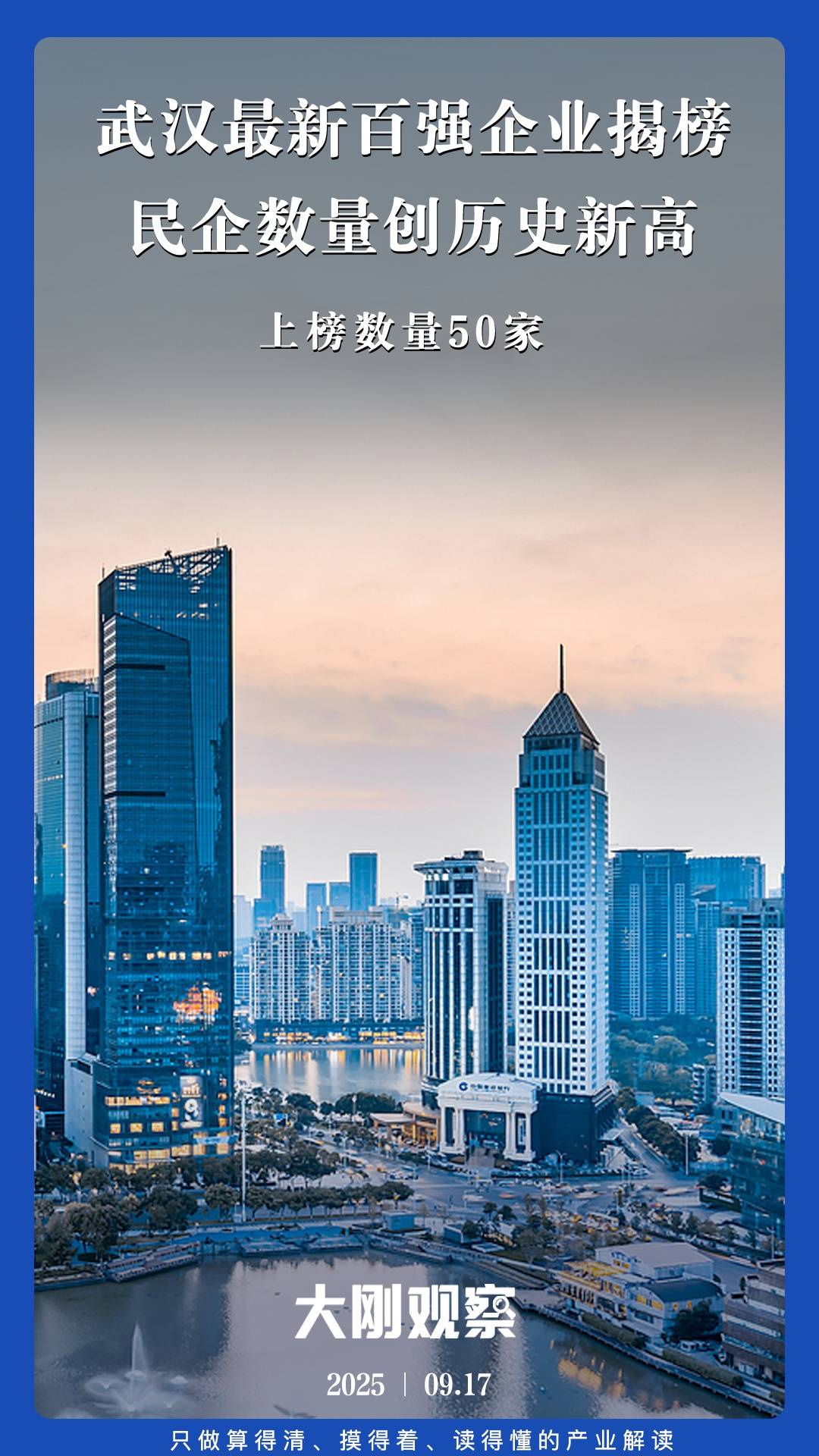
Core Insights - The 2025 Wuhan Top 100 Enterprises list shows a total asset value of 6.38 trillion yuan, a year-on-year increase of 10.1%, marking a historical high [4] - The total revenue of these enterprises exceeds 3 trillion yuan, with the revenue threshold for inclusion set at 4.738 billion yuan, slightly higher than the previous year [4] Group 1: Private Enterprises - The number of private enterprises in the Wuhan Top 100 has reached a historical high of 50 [4] - Over the past decade, the number of private enterprises in the Wuhan Top 100 has steadily increased, surpassing 30 a decade ago and exceeding 40 by 2020 [4][6] - Among the 15 new entrants this year, 13 are private enterprises, indicating a strong trend towards private sector growth [4] Group 2: Economic Contribution - The private economy's contribution to Wuhan's GDP has risen from 42.9% in 2019 to 48.4% in 2024, with the total private economy exceeding 1 trillion yuan for the first time last year [6] Group 3: Industry Structure Changes - The proportion of construction enterprises in the Wuhan Top 100 has decreased, with 17 construction firms listed this year, down by 11 from 2021 [8] - Conversely, the number of service industry enterprises has increased, with 58 service firms listed this year, up by 10 from 2021 [9] - The information service sector, representing technology-intensive enterprises, includes 6 firms this year, with Yikaton (Hubei) Technology Co., Ltd. being the first company from Wuhan Economic Development Zone to be listed on the US stock market [10] Group 4: International Expansion - The number of enterprises with overseas revenue has increased to 40, up by 7 from the previous year, with overseas revenue growing by 57.76% [12] - 12 enterprises have expanded their overseas asset layout, primarily in construction engineering, trade logistics, and optoelectronic information sectors [12] - Yikaton (Hubei) Technology Co., Ltd. has announced a partnership with Volkswagen Group to launch its first models in emerging markets like Brazil and India [12]
2025年9月PMI数据点评:生产旺季带动9月制造业PMI指数回升
Dong Fang Jin Cheng· 2025-09-30 03:08
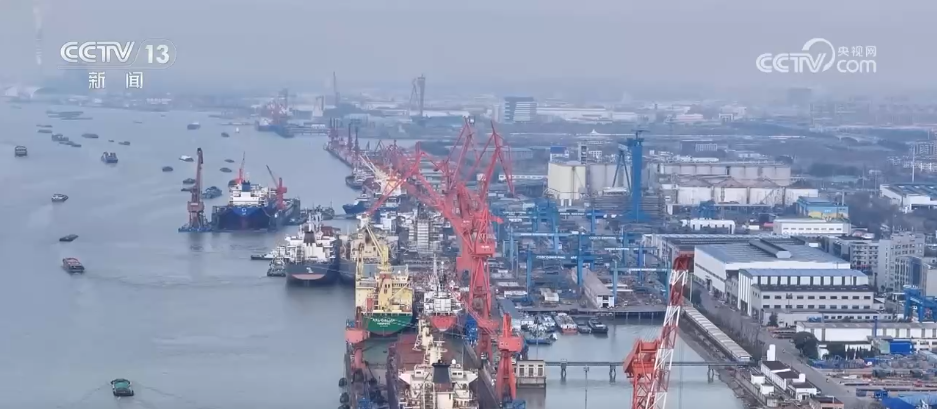
Manufacturing PMI Insights - In September 2025, China's Manufacturing PMI rose to 49.8%, an increase of 0.4 percentage points from August, exceeding market expectations[1] - The New Orders Index increased by 0.2 percentage points to 49.7%, while the Production Index surged by 1.1 percentage points to 51.9%, marking a six-month high[2] - Seasonal recovery, improved consumer demand due to policy incentives, and positive outcomes from the China-US trade talks contributed to the PMI increase[2] Price and Economic Trends - The Producer Price Index (PPI) is expected to narrow its year-on-year decline to approximately -2.3% in September, influenced by last year's lower base[3] - The Manufacturing PMI for high-tech sectors stood at 51.6%, while the Equipment Manufacturing PMI rose significantly by 1.4 percentage points to 51.9%[4][5] - The Consumer Goods Manufacturing PMI also increased by 1.4 percentage points to 50.6%, supported by government subsidies and stable export growth[5] Service and Construction PMI - The Services PMI decreased to 50.1%, down 0.4 percentage points from August, reflecting seasonal trends and the impact of the upcoming Mid-Autumn Festival[6] - The Construction PMI was at 49.3%, up 0.2 percentage points, but remained in contraction territory due to a cooling real estate market and weak infrastructure investment[7] Economic Outlook - The overall macroeconomic environment shows slight improvement, with a projected GDP growth rate of around 4.7% year-on-year for Q3, a decrease of 0.5 percentage points from Q2[7] - Looking ahead, the Manufacturing PMI is expected to slightly decline to approximately 49.6% in October, influenced by high tariffs and ongoing adjustments in the real estate market[8]
从亮眼数据透视中国经济韧性与活力 有信心实现全年目标任务
Yang Shi Wang· 2025-09-30 02:30
央视网消息:国家发展改革委9月29日举行新闻发布会,发布会上相关负责人介绍,8月份,我国经济运行总体平稳,有信心实现全年目标 任务。 商务部欧洲司副司长王宇鹏称:"其中,瑞典、丹麦对华投资额均超过50亿美元,位居欧洲国家的前列。北欧企业普遍看好中国经济发展 的前景,看重中国超大规模市场的潜力。" 商务部:去年中国与北欧贸易额达531.7亿美元 商务部9月29日举行专题新闻发布会,商务部相关负责人介绍,2024年中国与北欧国家的贸易额达到531.7亿美元,增长8.5%。 今年1至8月,中国与北欧5国的贸易额达到379.6亿美元,同比增长7.1%,增速是同期中欧贸易的两倍多。北欧企业持续加码在华投资,截 至目前,北欧5国累计对华直接投资超过了150亿美元。 国家发展改革委新闻发言人李超介绍,从供给侧看,生产平稳增长,制造业、服务业的重点领域增势良好。从景气程度看,工业企业利润 明显改善。从需求侧看,以旧换新相关商品零售额继续保持较快增长,服务消费潜力不断释放,信息服务业,航空、航天器及设备制造业等投 资较快增长,有力支撑产业升级发展。 国家发展改革委新闻发言人李超称:"下一步,我们将持续加强经济监测预测预警,做好 ...
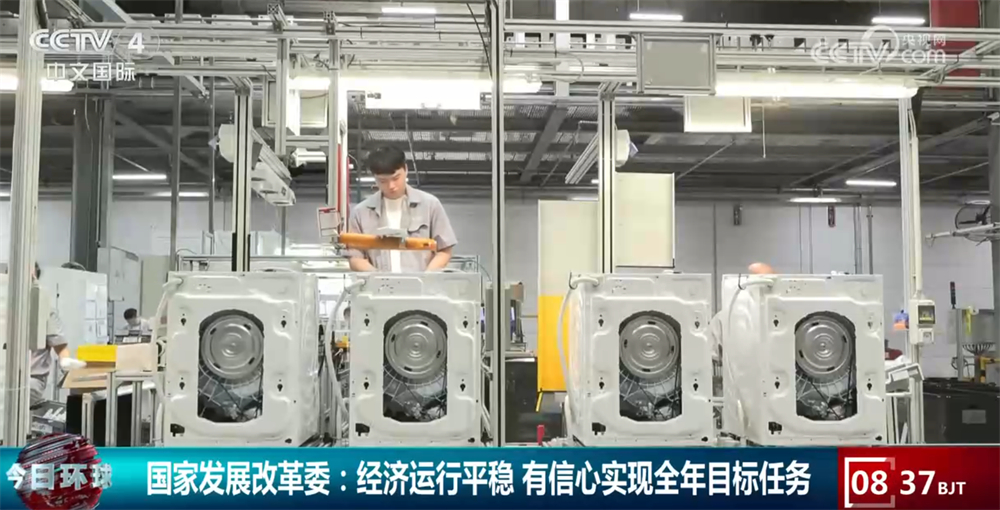
国家发展改革委:有信心实现全年目标任务
Xin Hua Cai Jing· 2025-09-29 08:27
Core Viewpoint - The National Development and Reform Commission (NDRC) expresses confidence in maintaining stable and healthy economic development, with expectations to achieve annual targets despite facing external challenges [1][2]. Economic Performance - Industrial profits have shown significant improvement, with profits of large industrial enterprises turning from a year-on-year decline of 1.7% in the first seven months to a growth of 0.9% in the first eight months. Monthly growth shifted from a decline of 1.5% in July to a growth of 20.4% in August [1]. - Consumer demand remains resilient, with retail sales of new energy vehicles increasing over 20% year-on-year in the first eight months. Service retail sales grew by 5.1% during the same period [1]. - Investment in manufacturing increased by 5.1% in the first eight months, with notable growth in specific sectors: information services (34.1%), aerospace and equipment manufacturing (28.0%), and computer and office equipment manufacturing (12.6%) [1]. - Foreign trade showed positive trends, with total goods import and export value increasing by 3.5% year-on-year in August, marking three consecutive months of growth in both exports and imports. Exports to countries involved in the Belt and Road Initiative rose by 12.8% [1]. Future Outlook - The NDRC acknowledges ongoing risks and challenges in the economic environment and emphasizes the need to solidify the foundation for economic recovery. Future macroeconomic policies will be implemented as necessary to adapt to changing circumstances [2].
上海杨浦交出“十四五”成绩单:五年累计征迁改造旧住房42.1万平方米,全区民生财政投入增长了50.2%
Guo Ji Jin Rong Bao· 2025-09-26 08:48
Core Viewpoint - The Yangpu District has made significant progress in urban development and innovation during the "14th Five-Year Plan" period, focusing on improving living conditions, enhancing public services, and fostering a robust innovation ecosystem [1][2][3][4][5][6] Urban Development and Living Conditions - Yangpu has accelerated urban renewal efforts, achieving the renovation of 42.1 million square meters of old housing, benefiting over 20,000 households [1] - The district aims to create a "15-minute community life circle" and integrate concepts like all-age friendliness and park cities into urban planning [1][2] Public Services and Social Welfare - There has been a 50.2% increase in public budget spending on people's livelihoods, rising from 43.5% to 52.3% [2] - The district has built 14 new schools, adding 7,070 new student places, and established a high-level medical alliance to improve healthcare accessibility [2] Innovation and Economic Development - Yangpu is focusing on enhancing its innovation capabilities by collaborating with universities and research institutions, resulting in 18 national science and technology awards and over 40% of municipal awards originating from the district [3] - The district is developing a modern industrial system centered on the digital economy, with key sectors including artificial intelligence, smart manufacturing, and creative design [3][4] Talent and Investment Attraction - Yangpu is actively promoting the free flow of talent, capital, technology, and data, establishing itself as a high-level talent hub [4] - The Shanghai Technology Exchange has facilitated over 14,000 technology transactions, amounting to over 76 billion yuan in transaction value [4] Economic Contributions - Yangpu contributed over 320 billion yuan to the information services sector, accounting for one-fifth of the city's total revenue [5] - The tax revenue from the top 100 enterprises in the district increased from 3.011 billion yuan to 6.294 billion yuan from 2020 to 2024, marking a 109% growth [5][6]
新城市志|第二座5万亿之城来了,中国城市格局怎么变
Xin Lang Cai Jing· 2025-09-20 06:17
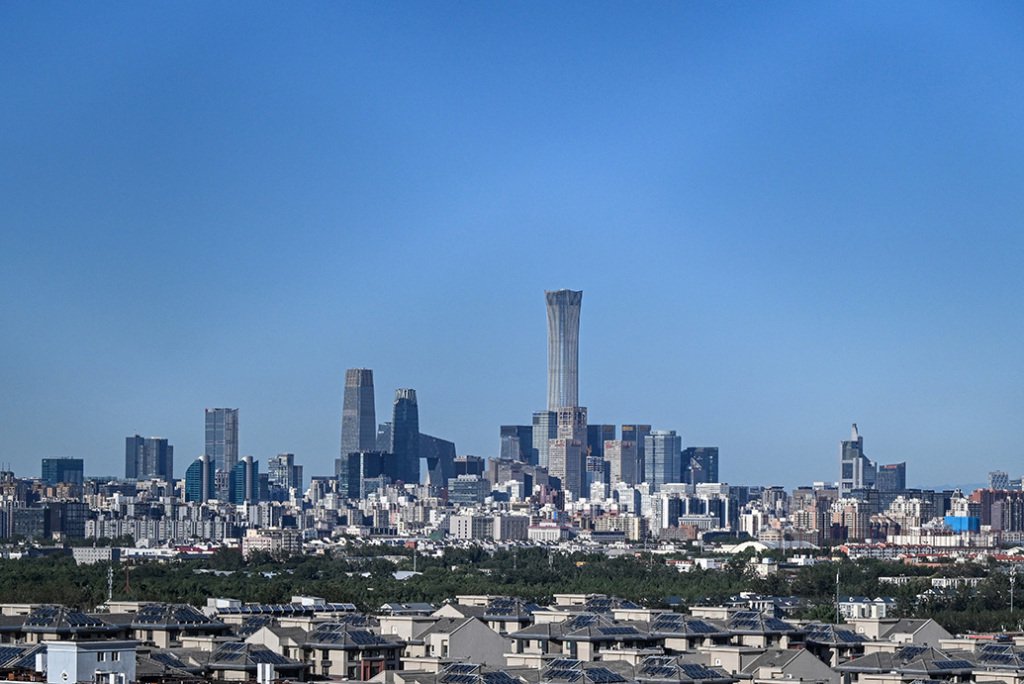
Core Insights - Beijing is set to become the second city in China to surpass a GDP of 5 trillion yuan, following Shanghai, marking a significant milestone in the urban economic landscape of China [1][14] - The achievement is attributed to long-term high-quality development and continuous optimization of the economic structure, with a projected GDP of 49,843.1 billion yuan in 2024, reflecting a growth of 5.2% year-on-year [3][14] Economic Growth and Structure - Beijing's economic growth is driven by the optimization of its industrial structure, with the information service industry emerging as the largest pillar, contributing significantly to GDP [4] - The financial sector in Beijing has assets exceeding 220 trillion yuan, accounting for about half of the national total, with a growth rate of 7.6% in 2024 [5] - The city has seen a robust increase in technology innovation, with over 2,400 AI companies and a core AI industry scale surpassing 300 billion yuan [5] Consumption and Investment - Consumer spending has been stimulated by various events, with an expected market total consumption exceeding 3 trillion yuan by 2025 [6] - Fixed asset investment is projected to surpass 1 trillion yuan, indicating strong investment activity in the city [6] Regional Development and Collaboration - The "Beijing-Tianjin-Hebei coordinated development" strategy has been pivotal in driving regional economic growth, with over 4,000 Beijing-based enterprises establishing operations in Xiong'an New Area [7][8] - Transportation infrastructure improvements have facilitated better connectivity within the region, enhancing economic interactions [9] Future Outlook - The competition among cities is shifting from total economic volume to quality, with a focus on technological innovation, industrial upgrades, and regional collaboration as key competitive advantages [14][15] - The number of trillion-yuan cities is expected to increase, with cities like Tangshan and others on the verge of breaking into the trillion-yuan GDP club [15]