
茶饮

Search documents
海底捞才是星巴克的soulmate
3 6 Ke· 2025-09-18 09:17
Group 1: Starbucks China Business Sale - The sale of Starbucks' China business is nearing completion, with potential bidders including Boyu Capital, Carlyle Group, EQT, and Sequoia China, with a decision expected by the end of October [1] - The bidders are all financial investors, following the precedent set by McDonald's China sale, but local consumer giants may have better operational experience and financial strength [1] - The potential for local consumer giants, such as Alibaba, Meituan, Tencent, and Haidilao, to take over Starbucks China is highlighted, suggesting they could be more suitable buyers [1] Group 2: Haidilao's Position - Haidilao, despite being a hotpot chain, shares a similar business core with Starbucks as both operate social spaces rather than just food service [2] - Haidilao's recent business expansion efforts, including selling bread and launching community stores, indicate its evolution into a "startup incubator" [3] - The need for growth is pressing for Haidilao, as its revenue and net profit declined in the first half of 2025, with a revenue of 20.703 billion yuan, down 3.7% year-on-year [5] Group 3: Market Dynamics - The overall restaurant consumption market is experiencing a downturn, affecting high-ticket items like hotpot, while new tea drinks are thriving [6] - New tea drink brands have seen significant growth, with companies like Gu Ming and Mi Xue Ice City going public and achieving high stock price increases [6] - Haidilao's attempts to create new brands have not yet achieved significant scale, with other restaurant income only contributing 2.9% to total revenue [6] Group 4: Strategic Opportunities - The sale of Starbucks presents Haidilao with an opportunity to quickly enter the tea drink market, leveraging Starbucks' established brand and store network [12] - Haidilao's strengths in local innovation and commercial real estate negotiations could address Starbucks' current challenges, such as rising rental costs and competition [4] - The combination of Haidilao and Starbucks could enhance negotiation power in commercial real estate, potentially leading to better lease terms and store placements [15] Group 5: Challenges in Acquisition - The estimated valuation for Starbucks' China business is between $5 billion and $6 billion, which poses a significant financial challenge for Haidilao [16] - Haidilao would likely need to form a consortium with financial investors to complete the acquisition, complicating decision-making due to a fragmented ownership structure [17] - Starbucks' management desires to retain brand control while selling a majority stake, which may conflict with Haidilao's operational ambitions [17][18]

瓶装超级植物茶再成爆款 喜茶已推出7款山姆限定瓶装
Zheng Quan Ri Bao Wang· 2025-09-18 08:45
Core Insights - The launch of the bottled super plant tea product "Kale Cucumber" by Heytea has generated significant consumer interest and sales momentum [1][2][3] - The product is inspired by Heytea's in-store super plant tea series and features a unique combination of kale, cucumber, dietary fibers, and classic green tea and matcha [1][2] - Since its introduction, "Kale Cucumber" has quickly become the top-selling new beverage at Sam's Club, with monthly sales exceeding 100,000 units [3] Product Development - Heytea began its bottled beverage line in 2020, focusing on creating differentiated products based on consumer insights from in-store offerings [1][4] - The "Kale Cucumber" product is part of a broader trend where Heytea has successfully launched several popular bottled products, including the 50% juice tea and the zero-sugar tea series [4][5] - The company emphasizes a clean ingredient profile, with "Kale Cucumber" containing 90% fruit and vegetable juice, no artificial additives, and low energy content [2][5] Supply Chain and Innovation - Heytea has developed a highly customized supply chain, achieving nearly 100% customization for in-store ingredients, which supports the quality and differentiation of its bottled products [6] - The company employs rigorous processing methods for its ingredients, ensuring the preservation of fresh flavors and smooth textures in its beverages [6]
餐饮加盟商,不再为“大牌”买单?
Hu Xiu· 2025-09-18 08:44
Group 1 - The franchise exhibition serves as an important window for entrepreneurs to observe industry trends and seek investment opportunities [1] - The number of exhibitors in the beverage sector, particularly tea and coffee brands, has significantly decreased, reflecting a shift from rapid expansion to deep adjustment in the tea beverage industry [2][4] - Major tea brands are tightening policies, with some franchisees choosing to exit the tea beverage sector due to high competition and low profitability [8][10] Group 2 - In contrast to the contraction in the beverage sector, the snack and fast food segment remains dominant, accounting for over 50% of exhibitors, with a focus on low investment and quick returns [11][12] - The snack and fast food market is projected to exceed 1 trillion yuan in 2024, with a year-on-year growth of 7.5%, making it the second-fastest growing segment in the restaurant industry [13] - Many franchisees are shifting from high-investment categories like hot pot and tea beverages to the snack and fast food sector for more stable returns [17][19] Group 3 - A noticeable trend at the exhibition is the rise of affordable self-service barbecue brands, driven by the growing "value-for-money" consumption mindset [20][22] - The self-service barbecue segment has seen a significant increase in popularity, with related search terms on social media platforms rising by 115.51% year-on-year [23] - However, operational challenges exist, including high food waste and the need for stable customer flow, which can impact profitability [25][28] Group 4 - The perception of "brand worship" is diminishing, with franchisees no longer willing to pay a premium for well-known brands, recognizing that a big name does not guarantee profitability [29][31] - High initial investments associated with major brands are leading franchisees to consider alternative, lower-cost options that offer quicker returns and greater operational flexibility [32][34] Group 5 - There is a growing consensus among brands to reduce initial investment costs for franchisees, with many adopting strategies to lower franchise fees and support the reuse of existing equipment [35][37] - Flexible fee structures are emerging, with some brands significantly reducing upfront franchise fees and focusing on revenue-sharing models [39][40] - The overall market trend is shifting from impulsive investments to calculated operations, emphasizing the sustainability and profitability of individual stores [42]

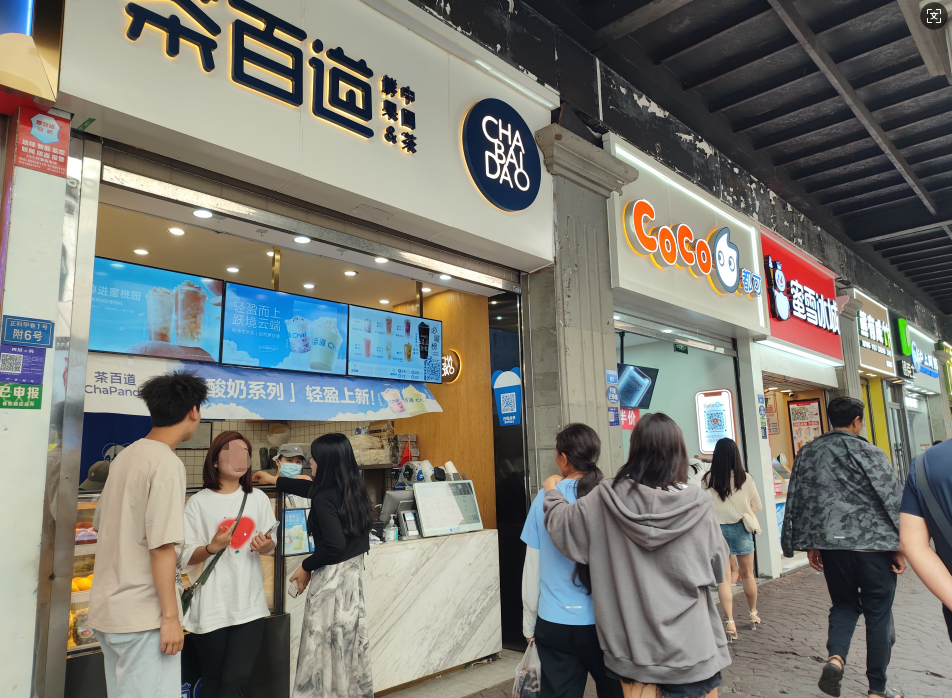
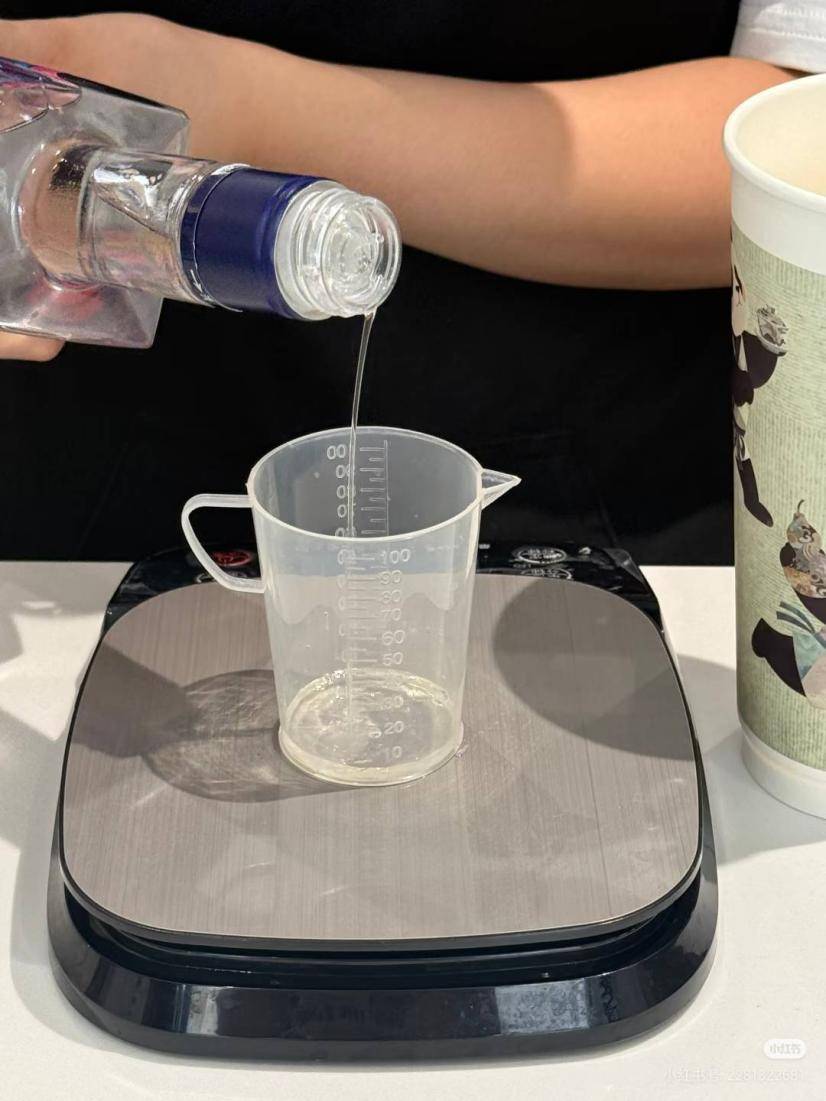
年轻人成白酒消费主力,茶百道泸州老窖联名白酒奶茶“醉步上道”开售
Sou Hu Cai Jing· 2025-09-18 07:04
Core Viewpoint - The return of the classic drink "Drunk Step on the Road" by the tea brand Cha Baidao, in collaboration with Luzhou Laojiao, highlights the growing trend of combining traditional liquor with modern beverages, catering to the increasing demand from younger consumers for a "slightly tipsy" experience [1][3][5] Group 1: Product Launch and Features - "Drunk Step on the Road" achieved nearly 120,000 cups sold on its first day of re-launch [1] - The drink combines real Luzhou Laojiao liquor with milk tea, maintaining a focus on quality by using genuine liquor in each cup [3] - Each serving contains approximately 3 grams of white liquor, with a total caloric content of about 174 kilocalories, appealing to health-conscious consumers [3] Group 2: Market Trends and Consumer Insights - The Chinese liquor industry report indicates that over 60% of liquor consumption is now driven by the younger demographic, particularly those aged 18-35 [5] - The rise of the "slightly tipsy economy" reflects a shift in consumer preferences, with Cha Baidao's reintroduction of "Drunk Step on the Road" aligning with these market trends [5] - The management emphasizes the importance of effective new product launches and lifecycle management of classic products, leveraging supply chain advantages to balance quality and cost [5]

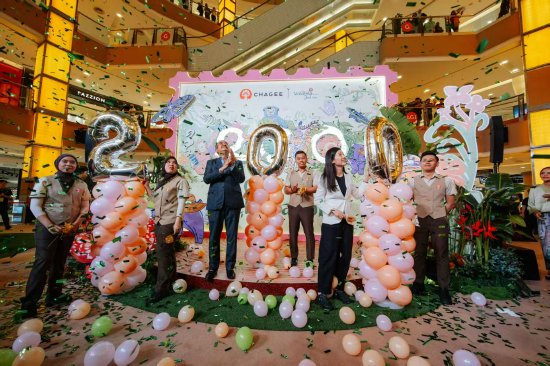
霸王茶姬将落子马来西亚,美国市场再开新店
Xin Lang Ke Ji· 2025-09-18 06:54
Core Insights - Bawang Tea Ji is set to open its 200th store in Malaysia, expanding its presence in major cities across the country [1] - The company has formed a strategic partnership with the hotel giant, Lian Da Group, to open more stores in Malaysia [1] - Bawang Tea Ji has made a donation of 50,000 MYR (approximately 85,000 RMB) to the Malaysian Nature Society to support conservation projects for the endangered Malayan tapir [2] - The company has launched a new product, "Yinshan Matcha," in collaboration with the Malaysian National Textile Museum [2] - Bawang Tea Ji's second store in North America has opened in the Del Amo Fashion Center in Los Angeles County, one of the top ten shopping centers in the U.S. [2] - The company's second-quarter financial report indicates that its overseas GMV reached 235.2 million RMB, marking a year-on-year increase of 77.4% and a quarter-on-quarter increase of 31.8% [2] Expansion Strategy - Bawang Tea Ji has established a significant footprint in Southeast Asia, entering markets such as Malaysia, Singapore, Thailand, Indonesia, Vietnam, and the Philippines [2] - The partnership with Lian Da Group aims to leverage the latter's expertise in managing high-end hotels and resort developments to facilitate further store openings [1] Social Responsibility - The donation to the Malaysian Nature Society will fund two projects aimed at protecting the Malayan tapir, which is facing extinction [2] - The food bank initiative will provide sustenance for rescued tapirs, while the migration box project will ensure safe transportation for tapirs from high-risk areas [2]
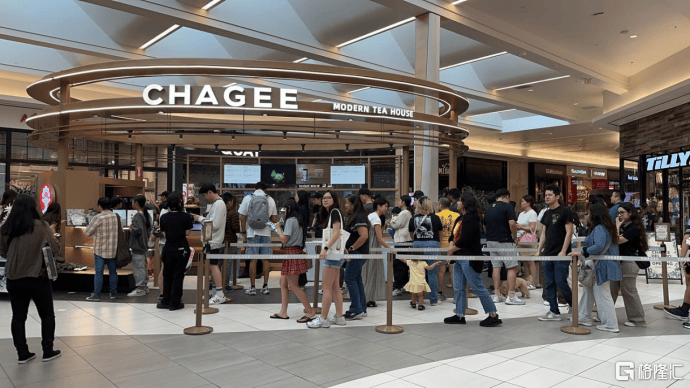
霸王茶姬(CHA.US)在美国再开新店,选址全美前十大购物中心
Sou Hu Cai Jing· 2025-09-18 03:59
Core Insights - Bawang Chaji opened its second store in North America on September 12, 2025, in Del Amo Fashion Center, Los Angeles, which was well-received by local residents with over 100 people queuing by 8:30 AM on opening day [1] - The store is strategically located in one of the top ten shopping centers in the U.S., near popular brands like Apple, H&M, ZARA, and Starbucks [1] Company Developments - In 2025, Bawang Chaji has been active in the U.S. market, having gone public on NASDAQ in April and opening its first U.S. store in Los Angeles in May, selling over 5,000 cups of tea on the first day [3] - The company announced the hiring of Emily Chang as Chief Business Officer for North America and Aaron Harris as Chief Development Officer for North America, both of whom have extensive experience in major companies [3] - Emily Chang previously held significant positions at WPP, McCann Worldgroup, Starbucks China, and InterContinental Hotels Group, while Aaron Harris has a strong background in the restaurant industry, having worked at Dutch Bros Coffee and Popeye's Louisiana Kitchen [3]
“菌子新品”火出圈,用做菜的思路做奶茶?
3 6 Ke· 2025-09-18 01:44
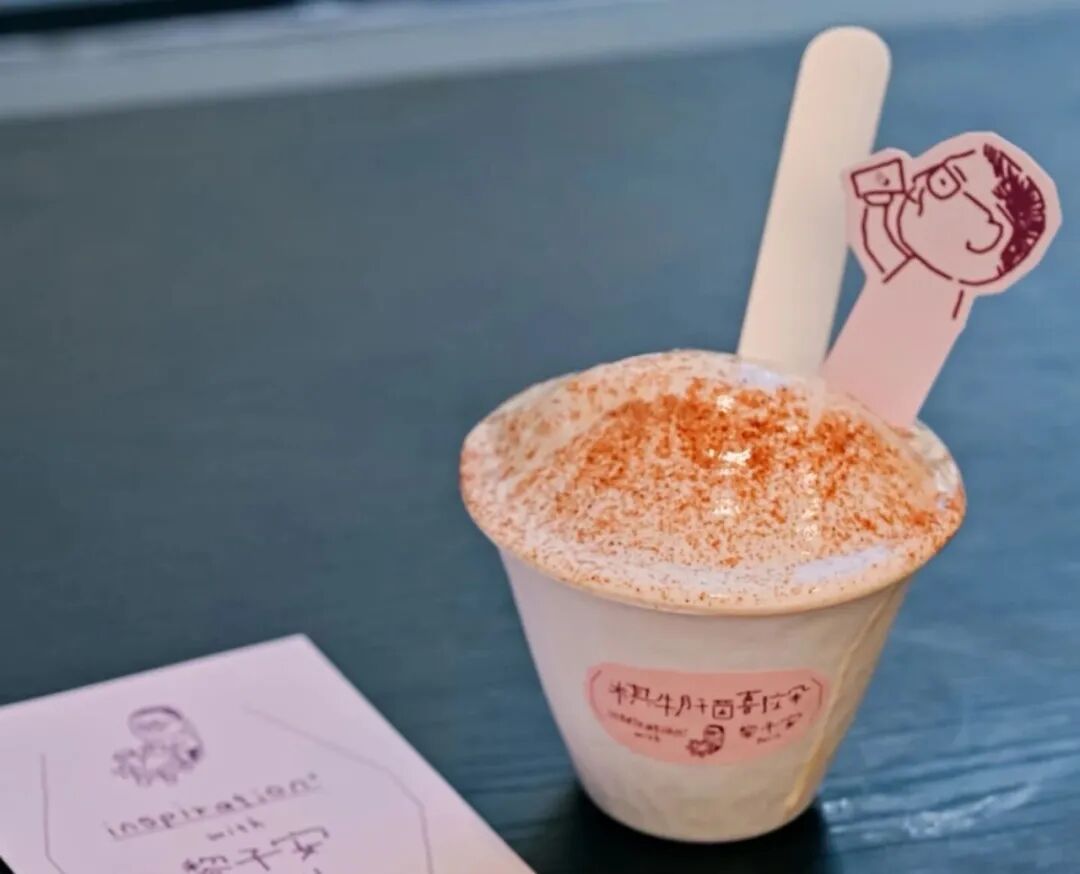
Core Insights - The article highlights the emergence of creative beverages in the market, with brands like Heytea and Cha Baidao launching innovative products that quickly gain popularity and sell out [1][6][17] - The trend indicates a shift in consumer preferences towards unique and visually appealing drinks, moving away from traditional offerings [6][17] Group 1: Product Innovations - Heytea's collaboration with celebrity chef Li Zi'an resulted in the launch of "Mushroom Ice Cream," which combines flavors of pu-erh tea, mushrooms, and soy sauce, leading to high consumer interest [1][4] - Cha Baidao's "Drunken Milk Tea" sold 120,000 cups on its first day of re-release, showcasing the demand for creative alcoholic beverages [16] - Other brands like A-Ma Handmade and Four Leaf Coffee are also introducing unique products, such as "Delicious Douzhi Milk Tea" and mushroom coffee, respectively, indicating a broader trend in the industry [1][4][12] Group 2: Consumer Engagement - Social media feedback on new products like Heytea's ice cream has been overwhelmingly positive, with consumers describing the experience as "magical" and "harmonious" [4][6] - The limited availability of these creative drinks has created a sense of urgency among consumers, leading to long queues and high demand [4][12] - The trend of integrating local flavors into beverages, such as using traditional ingredients like douzhi, is generating significant consumer curiosity and engagement [12][14] Group 3: Market Trends - The article suggests that the beverage industry is moving towards a "productism" phase, where the focus is on creating high-quality, innovative drinks rather than merely chasing marketing trends [17] - Brands are increasingly prioritizing the quality and uniqueness of their products, indicating a shift in strategy from rapid expansion to sustained creative output [17] - The rise of creative beverages reflects a broader consumer desire for healthier and more exciting drinking experiences, positioning these products as essential rather than optional in the market [17]
对话泰国首家独角兽创始人:从孤儿到30亿美元CEO的逆天改命
3 6 Ke· 2025-09-18 01:44
Group 1 - The core story revolves around the life and entrepreneurial journey of Li Fashun, the founder of Flash Express, highlighting his rise from a challenging childhood to becoming a successful entrepreneur in Thailand's logistics industry [1][2][3] - Flash Express was established in 2017 with the aim of revolutionizing the Thai logistics market by offering free pick-up services and operating 365 days a year, quickly capturing the market share [11][12] - Within four years, Flash Express achieved a valuation of $2.1 billion, delivering 700 million packages annually and employing 100,000 staff, making it Thailand's first unicorn [2][3] Group 2 - The company has expanded its business model beyond logistics to include marketing and financial services, collaborating with Chinese brands to facilitate their entry into the Thai market [3][18] - During the COVID-19 pandemic, Flash Express faced significant operational challenges, including high costs for safety measures and employee absences, leading to a temporary shutdown of a major distribution center [13][15] - After the pandemic, the company rebounded, achieving a revenue of 17 billion Thai Baht in 2021 and doubling its business volume, emphasizing the importance of corporate values and respect for employees [15][16] Group 3 - The company has adopted a unique organizational structure that maximizes cultural strengths, employing Thai nationals in local roles while utilizing Chinese expertise in technology and operations [16][17] - Flash Express has developed a comprehensive ecosystem that includes logistics, warehousing, and financial services across multiple Southeast Asian countries, positioning itself as a key player in the region [21][22] - The founder believes that the next decade will be crucial for Chinese brands expanding into Southeast Asia, aiming to incubate 100 successful brands in the region [18][19]
对话泰国首家独角兽创始人:从孤儿到30亿美元CEO的逆天改命
暗涌Waves· 2025-09-18 01:34
Core Viewpoint - The article highlights the remarkable journey of Li Fashun, the founder of Flash Express, showcasing his resilience and innovative strategies that led to the company's rapid growth and success in the Thai logistics market, ultimately achieving a valuation of $2.1 billion within four years [4][5]. Group 1: Company Background and Growth - Flash Express was founded in 2017 with the aim of revolutionizing the Thai logistics industry by offering free pick-up services and operating 365 days a year, which quickly established it as the market leader [14]. - Within four years, Flash Express delivered 700 million packages and employed 100,000 staff, becoming Thailand's first unicorn [4][5]. - The company has expanded its services beyond logistics to include marketing and financial services, collaborating with Chinese brands to enhance its supply chain capabilities [5][21]. Group 2: Challenges and Resilience - During the COVID-19 pandemic, Flash Express faced significant operational challenges, including high costs for safety measures and a workforce crisis due to employee infections, leading to a temporary shutdown of a major distribution center [16][18]. - The company compensated customers with 250 million Thai Baht (approximately 50 million RMB) during this period, demonstrating a commitment to customer service and corporate values [18]. - After the crisis, Flash Express rebounded with a 2021 revenue of 17 billion Thai Baht, delivering 600 million packages, showcasing its ability to adapt and thrive under pressure [18]. Group 3: Strategic Partnerships and Future Outlook - Li Fashun emphasizes the importance of localizing operations and understanding market dynamics, which has been crucial for Flash Express's success in Southeast Asia [9][21]. - The company aims to support the expansion of Chinese brands into Southeast Asia, viewing the next decade as a golden opportunity for such ventures [21][22]. - Flash Express is positioned to leverage its established logistics network and local expertise to facilitate the entry of Chinese brands into the Southeast Asian market, aiming to incubate 100 successful brands in the coming years [21][22].

飞书:让AI真落地 推动餐饮行业数智化
Zheng Quan Shi Bao Wang· 2025-09-17 13:00
Group 1 - The summit focused on the transformative impact of AI on the restaurant industry, featuring key players like Yihuo Tang and Ye Ren Xian Sheng sharing their successful experiences in digital transformation [1] - Yihuo Tang's CEO highlighted the brand's use of AI technology to enhance operational efficiency, with over 8000 signed stores and a partnership with Feishu to address management challenges in areas like recruitment and supply chain [1][2] - The digital transformation strategy of Yihuo Tang includes five core elements: AI site selection model, product incubation mechanism, comprehensive marketing matrix, digital operation management, and supply chain support [1] Group 2 - Ye Ren Xian Sheng's co-founder emphasized the importance of a standardized template for scalable expansion, leveraging Feishu's tools to streamline store management and quality control [2] - The restaurant industry is shifting from "traffic-driven" growth to "efficiency-driven" growth, with a call for a focus on "AI + catering" in the next decade [2][3] - Feishu's customer success manager stated that AI is a key variable in transitioning the restaurant industry from "scale expansion" to "quality growth," addressing industry pain points related to service standardization and rapid expansion coordination [3]