化工

Search documents
江苏中部“塌陷”?通泰扬的经济困局
Xin Lang Cai Jing· 2026-02-22 07:49
Core Insights - The article discusses the economic performance of three cities in Jiangsu Province: Nantong, Yangzhou, and Taizhou, which are projected to have the slowest GDP growth rates in 2025 among the 13 cities in Jiangsu [1][15][16]. Economic Performance - Nantong's GDP is projected to be 12,801.5 billion yuan with a growth rate of 3.06%, ranking last in the province [15][16]. - Yangzhou's GDP is expected to reach 8,056.75 billion yuan with a growth rate of 3.16%, ranking third from the bottom [15][16]. - Taizhou's GDP is forecasted at 7,255.27 billion yuan with a growth rate of 3.34%, ranking fifth from the bottom [15][16]. - The combined GDP of these three cities accounts for approximately 20% of the total GDP of Jiangsu Province [15]. Industrial Structure - The three cities have a high proportion of traditional industries, with slow development in emerging sectors [17][21]. - Nantong is recognized as a leading shipbuilding industry hub, while Taizhou has a significant chemical industry that faces pressure for transformation due to environmental regulations [18][21]. - Yangzhou's tourism industry, despite its recognition, has limited economic impact due to a lack of diversified and high-value-added industries [18][21]. Historical Context - Nantong emerged as a significant industrial city in modern times but has struggled to keep pace with industrial upgrades and regional collaboration [19][21]. - Taizhou has historical ties to Yangzhou, which has affected its independent economic development and resource allocation [19][20]. Challenges - The cities face challenges such as high reliance on traditional industries, environmental pressures on the chemical sector, and limited tourism development [21][22]. - Transportation infrastructure is inadequate, particularly in high-speed rail connectivity, which hampers economic development and external investment attraction [21][22]. - Talent retention is a significant issue, with a lack of higher education institutions leading to a brain drain to more developed regions [23][24][25]. Strategic Initiatives - Yangzhou is focusing on the integrated circuit industry as a key development direction, with new projects aimed at boosting its semiconductor sector [29]. - Taizhou is prioritizing the health industry, leveraging its strengths in biomedicine to create a health industry landmark [29]. - Nantong is working to enhance its connectivity with Shanghai and the Yangtze River Delta, aiming to become a critical hub in regional integration [30][31].


中德贸易数据出炉了!德总理真没开玩笑,德国有反制美国的硬实力
Sou Hu Cai Jing· 2026-02-22 07:10
Group 1 - Germany's trade with China reached €253 billion in 2025, marking a 2.7% year-on-year increase, while trade with the US fell by 4.4% to €241.6 billion [3] - German exports to the US saw a significant decline of 9.3%, indicating that tariffs have negatively impacted core German exports such as automobiles, machinery, and chemical products [3][5] - The strong trade relationship with China is attributed to the compatibility of Chinese goods with German consumer needs, leading German companies to favor collaboration with China amid US tariffs [5][6] Group 2 - German companies are deeply embedded in the Chinese industrial chain, with significant investments in R&D and production, such as Volkswagen's new R&D center in Hefei and BASF's €8.7 billion investment in Zhanjiang [5][6] - A survey indicated that 93% of German companies in China plan to continue investing in the market, with 53% intending to increase their investments in the next two years [5][6] - The cooperation between Germany and China is characterized as a win-win relationship based on mutual needs and innovation, with both countries relying on each other for market access and technological advancements [7][8]
对美不再顺从!德国终于硬气一回,默茨带豪华团直奔中国
Sou Hu Cai Jing· 2026-02-22 05:32
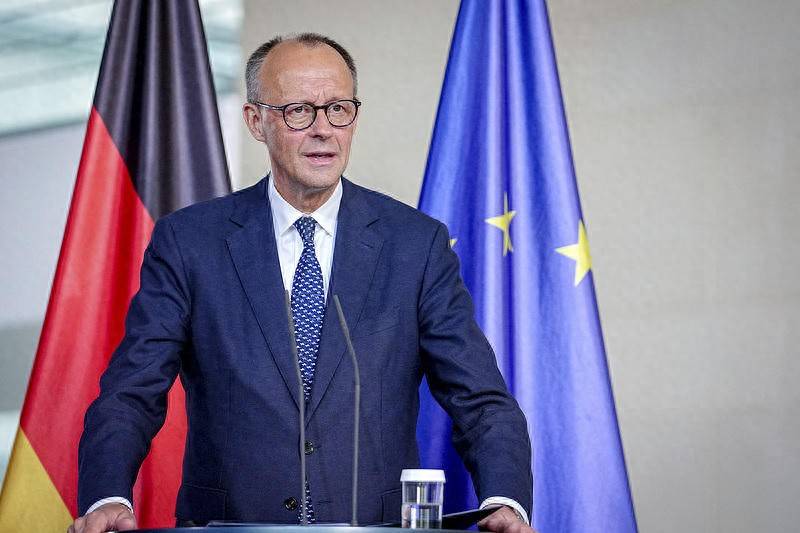
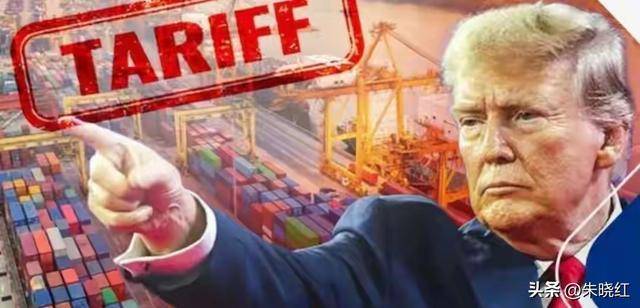
Core Viewpoint - Germany is shifting its strategic approach in response to the pressures from the U.S., particularly regarding Trump's new tariff policies, with a focus on maintaining its own economic interests and not blindly following U.S. directives [1][3][5]. Group 1: Economic Impact - Germany's economy is heavily reliant on exports, with key industries such as automotive, machinery, and chemicals being crucial for employment and tax revenue [3]. - Trump's tariff policies create a highly uncertain environment that poses a significant threat to long-term investments and stable supply chains in Germany [3][5]. - The U.S. has prioritized its own interests, selling natural gas to Europe at high prices and imposing tariffs on European goods, which has led to a decline in Germany's GDP growth and manufacturing orders [5]. Group 2: Diplomatic Strategy - Chancellor Merz's upcoming visit to China from February 24 to 27 is aimed at ensuring economic stability through pragmatic cooperation, rather than ideological alignment [7][9]. - The delegation accompanying Merz includes major German companies, indicating a strong focus on practical economic collaboration [7]. - Germany's current need for a stable market and predictable policies aligns with what China can offer, making the visit a necessity rather than an option [11]. Group 3: Domestic Challenges - Germany faces structural challenges, including slow energy transition, digitalization issues, and declining industrial competitiveness, which cannot be resolved by relying on past leadership or external figures [11][13]. - The call for former Chancellor Merkel's return reflects a desire to escape current challenges rather than addressing the need for substantial reforms [11][13]. - Merz's decision to visit China demonstrates a commitment to prioritizing Germany's core interests, focusing on industry, employment, and economic growth amidst global uncertainties [13].
板块轮动加速,但节前缩量背后有什么名堂?
Sou Hu Cai Jing· 2026-02-22 00:30
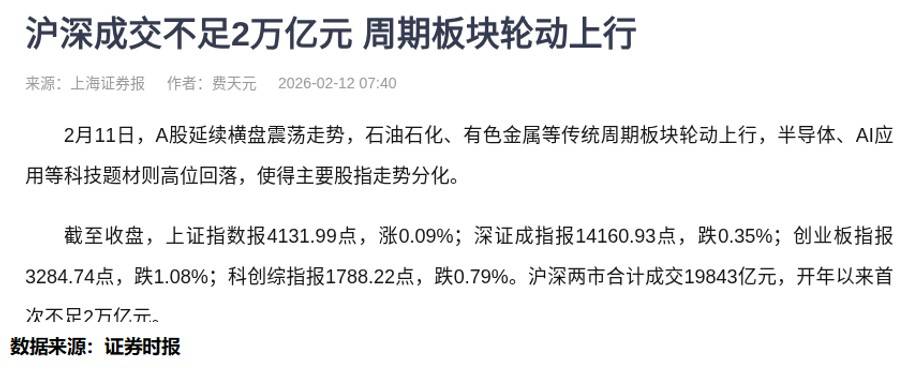
Market Overview - The A-share market is currently experiencing a sideways fluctuation, with traditional cyclical sectors like oil and non-ferrous metals showing upward movement, while technology sectors such as semiconductors and AI applications are retreating from high levels [1] - The trading volume in the Shanghai and Shenzhen markets has narrowed to below 2 trillion yuan [1] - The chemical sector is active due to changes in the supply-demand dynamics of specific products, with some stocks reaching high prices for four consecutive trading days [1] - The commercial aerospace concept has shown localized movements due to breakthroughs in key industry experiments [1] Investment Trends - Multiple institutions have observed a high probability of market style switching around the Spring Festival, with value and large-cap styles expected to dominate before the holiday, while growth and small-cap styles may perform better afterward [1] - Key focus areas include the AI industry chain, companies going overseas, and resource price increases [1] Behavioral Analysis - In a high-volatility environment, many market participants rely solely on price trends, often falling into a cycle of chasing gains and cutting losses [1] - Quantitative big data provides a new and more reliable perspective for observing core market behaviors, moving beyond subjective experience [1] Institutional Participation - Data shows that institutional funds remain actively engaged even during price adjustments, indicating core support for market continuity [5] - The behavior of institutional funds can validate the internal continuity of market trends, eliminating judgment interference caused by price fluctuations [8] Market Dynamics - During periods of price increases, some stocks experience significant adjustments, leading to misjudgments about the end of trends, which can cause participants to exit prematurely [3][11] - Weak rebounds in certain technology stocks lack institutional support, indicating low continuity in these price movements [11][14] Data-Driven Investment Insights - The use of quantitative big data allows for capturing the behavior characteristics of funds, providing a more objective and quantifiable observation dimension [14] - This approach helps participants avoid the pitfalls of traditional price-based judgments and fosters a data-centric investment recognition system [14]
人勤春早 福马奋蹄
Xin Lang Cai Jing· 2026-02-21 23:22
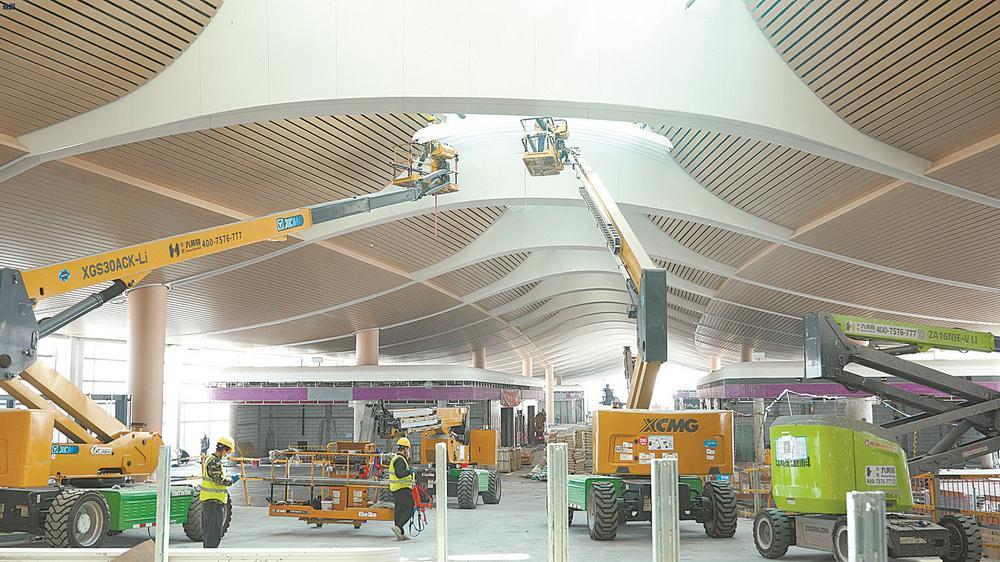
Group 1: Infrastructure Development - The construction of the second phase of Fuzhou Changle International Airport is progressing with over 500 workers on site, aiming for completion and acceptance by May 31 [7] - The project includes the installation of key structures such as the joint inspection building and public security building, which are crucial for the new terminal's operational safety [7] - A detailed construction plan has been established to focus on critical tasks such as secondary structure finishing and mechanical and electrical pipeline installation [7] Group 2: Industrial Projects - The Future Industry Accelerator project in Jinjiang has a total investment of 1.62 billion yuan, enhancing the capabilities of the national-level innovation demonstration base [3] - The construction of the Zhongsha Gulei Ethylene project, with a total investment of 44.8 billion yuan, is transitioning from installation to commissioning, with over 96% progress expected by the end of 2025 [3][4] - Nine industrial projects in Gulei Development Zone are under construction during the Spring Festival, with 3,300 workers dedicated to meeting project goals [3] Group 3: Manufacturing Operations - Fujian Great Wall Huaxing Glass Co., Ltd. operates at full capacity during the Spring Festival, producing lightweight glass packaging products with advanced automated systems [5][6] - The company utilizes three of the world's only 15 advanced bottle-making machines, achieving a daily output of over 1 million bottles [6] - The production process is highly automated, with a focus on quality control through intelligent equipment and human-machine collaboration [6] Group 4: Workforce Commitment - Over 1,450 construction and management personnel from China National Chemical Engineering Company are committed to project completion, breaking down overall goals into over 270 smaller objectives [4] - The workforce across various projects demonstrates dedication by working through the Spring Festival, ensuring continuous progress and operational efficiency [8]
美国靠不住!德国总理访华寻合作,默克尔复出引猜想
Sou Hu Cai Jing· 2026-02-21 21:01
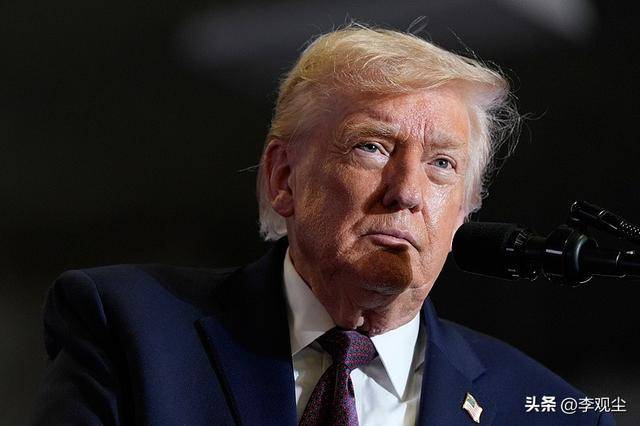
Group 1 - The core point of the article highlights Germany's shift in foreign policy due to the unreliability of the U.S. as an ally, prompting Germany to seek deeper cooperation with China to stabilize its economy [2][9][29] - German Chancellor Merz's upcoming visit to China is significant, as it marks his first official trip to China and includes a delegation of 30 business leaders from major German companies, indicating the importance of this visit for Germany [12][14][31] - The U.S. tariff policies have directly impacted Germany's export-driven economy, causing significant losses for German companies, including Volkswagen, which has faced billions in losses due to these tariffs [7][9][14] Group 2 - The article discusses the potential return of former Chancellor Merkel to politics, which has generated speculation amid dissatisfaction with the current government, but her office has denied any intentions of her running for president [4][25][27] - The narrative around Merkel's possible return reflects a desire for stability in German politics, as her previous leadership was marked by a pragmatic approach during crises [21][29] - Ultimately, the article concludes that Germany is at a critical juncture, needing to adjust its diplomatic and economic strategies, with Merz's visit to China being a pragmatic step towards achieving this goal [29][33]
美国加征关税之际,德国总理急了,下周访华求建战略伙伴关系
Sou Hu Cai Jing· 2026-02-21 08:06
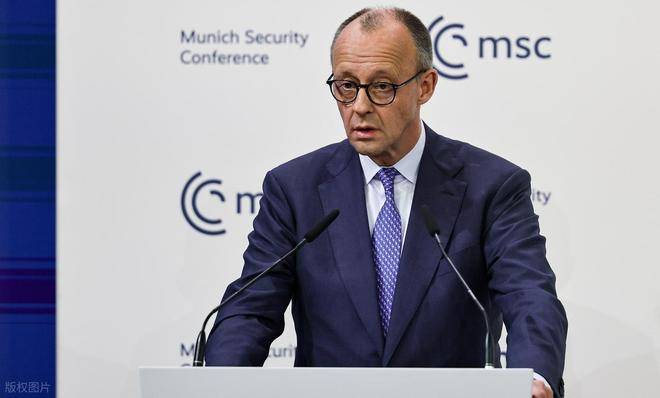
Group 1 - The core message of the news is that German Chancellor Merz plans to visit China to establish a strategic partnership, aiming to explore future cooperation between China and Europe amidst the challenges posed by U.S. tariff policies [1][6][8] - Merz's visit is a response to the adverse effects of U.S. tariffs on Germany's export-driven economy, particularly impacting key industries such as automotive, machinery, and chemicals [1][3][6] - The strategic partnership with China is seen as crucial for Germany's economic recovery, as the country seeks to diversify its markets and reduce reliance on the U.S. [3][6][8] Group 2 - The concept of a strategic partnership involves long-term cooperation in political, economic, and diplomatic fields, indicating Germany's recognition of China's key role in its future strategy [3][6] - There is a growing consensus among German businesses and the public that deepening cooperation with China is essential for economic growth and job creation [6][8] - Despite existing cooperation, challenges remain, including differing attitudes within Europe towards China and the need for dialogue to resolve any disputes [6][8] Group 3 - The U.S. tariff policy, while intended to protect domestic industries, is seen as damaging to global trade and allies like Germany, prompting a rational response through seeking partnerships with China [8] - Merz's upcoming visit is anticipated to be a focal point for global attention, with expectations for substantial cooperation outcomes and advancements in China-Europe relations [8] - The collaboration between China and Germany is positioned as a significant driver for global economic recovery and a counter to U.S. protectionism [8]
春节见闻⑩ | 贵港:南疆古郡的航运枢纽新阶段;市井经济活跃+AI重塑市民生活习惯
申万宏源研究· 2026-02-21 06:26
Group 1: Core Insights - The article highlights the transformative impact of the Pinglu Canal on the shipping landscape in Southwest China, particularly for the city of Guigang, which is positioned as a key hub in the new economic corridor [5][6][9] - Guigang is recognized for its strategic geographical advantages, being a major inland port and a center for various industries, including agriculture and emerging sectors like new energy vehicles and biopharmaceuticals [4][9] - The article discusses the vibrant local economy during the recent Spring Festival, noting increased public activity and the influence of AI on consumer habits and daily life [11][14] Group 2: Pinglu Canal Development - The Pinglu Canal, a significant infrastructure project, is set to reshape the shipping routes by providing a direct connection to the sea, reducing transportation costs by over 5.2 billion yuan annually [6][9] - The canal is expected to be completed by the end of 2026, with substantial progress already made, including the completion of key lock structures [5][6] - Guigang's role as a dual shipping hub will be enhanced, connecting the Pearl River Delta and Beibu Gulf, thus facilitating industrial growth and attracting significant investments [9][10] Group 3: Economic and Social Changes - The local economy has seen a resurgence, with a notable increase in public engagement during the Spring Festival, reflecting a more active consumer environment compared to previous years [11][12] - AI applications are becoming increasingly prevalent in daily life, influencing consumer behavior and business practices, with significant competition among AI service providers [14] - The article emphasizes the ongoing transformation in the tech industry, driven by AI advancements, which are reshaping market dynamics and competitive landscapes [14]

券商马年投资展望:这些板块不能错过
Zhong Guo Zheng Quan Bao· 2026-02-21 04:37
Market Outlook - The A-share market is expected to experience a low-volatility trend with a long-term decline in market volatility [2] - The upward trend in the stock market is not yet over, indicating further potential for growth [2] - A-shares are anticipated to maintain a fluctuating upward trend, with the importance of fundamentals increasing after a valuation adjustment [2][3] Capital Flow - The demand for asset allocation among domestic residents has been activated by profit effects, with various medium- to long-term funds entering the market, suggesting an active capital flow in 2026 [2][3] - Incremental capital is expected to cover a broader range, driven by increasing motivation among individual investors to enter the market [3] - Public funds and insurance capital are likely to continue increasing their allocation to equity assets, reshaping global capital flow logic [4] Key Investment Sectors - Key sectors to focus on include: - Non-ferrous metals, chemicals, and new energy [2] - Technology growth, manufacturing expansion, cyclical consumption transformation, and U.S. stocks [2] - New energy, non-ferrous metals, basic chemicals, oil and petrochemicals, non-bank financials, military industry, and machinery [3] - AI, new energy, military industry, innovative pharmaceuticals, price increase chains, and overseas expansion chains [4] - Technology innovation themes and consumption sectors [4] - TMT and advanced manufacturing sectors, with potential shifts towards cyclical and financial sectors [4]

万亿外资巨头调仓!贝莱德调仓曝光:增持英伟达、苹果、微软等
Sou Hu Cai Jing· 2026-02-21 02:14
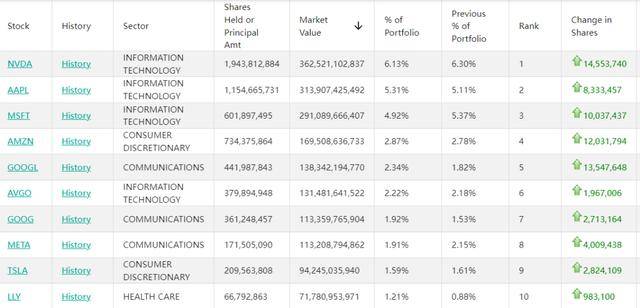
Core Insights - BlackRock, a major asset management firm, reported a total portfolio value of $5.92 trillion for Q4 2025, reflecting a 3.67% quarter-over-quarter increase [1] - The firm added 247 new stocks to its portfolio while liquidating 165 stocks during the same period [1] - The top ten holdings accounted for 30.41% of the total portfolio value [1] Group 1: Major Stock Movements - The top five stocks purchased by BlackRock included Google-A, Google-C, Eli Lilly, Micron, and Apple [1] - The top five stocks sold were SPDR S&P 500 ETF CALL, ServiceNow, MicroStrategy, AT&T, and Kellanova [1] Group 2: Technology Sector Focus - BlackRock's top ten holdings are heavily weighted in technology, including Nvidia, Apple, Microsoft, Amazon, Google-A, Broadcom, Google-C, Meta, Tesla, and Eli Lilly [2] - Nvidia saw a 0.75% increase in shares held, totaling approximately 1.94 billion shares valued at about $362.52 billion, making it the largest holding at 6.13% of the portfolio [2][4] - Apple shares increased by 0.73%, with approximately 1.15 billion shares valued at about $313.91 billion, representing 5.31% of the portfolio [2][4] - Microsoft holdings increased by 1.70%, totaling around 601.90 million shares valued at approximately $291.09 billion, accounting for 4.92% of the portfolio [2][4] - Amazon's holdings rose by 1.67%, with about 734.38 million shares valued at approximately $169.51 billion, making up 2.87% of the portfolio [2][4] Group 3: New Investments in Materials and Chemicals - BlackRock has diversified into new materials and chemicals, with new positions in Solstice Advanced Materials valued at approximately $838 million and Qnity Electronics valued at around $1.3 billion [6] - In the electric vehicle sector, BlackRock significantly increased its holdings in NIO and Xpeng, while slightly reducing its position in Li Auto [6] - NIO shares were increased by 337,590 to 5.58 million shares, reflecting a 153% increase in holdings valued at approximately $2.85 million [6] - Xpeng shares were increased by 77,980 to 2.87 million shares, with a total value of approximately $5.82 million [6] - Li Auto shares were reduced by 61,400 to 826,200 shares, with a total value of approximately $1.40 million [6]