油气

Search documents
【新华解读】我国油气市场化改革取得重要进展 “管住中间”迎来首个部门规章
Xin Hua Cai Jing· 2025-10-16 00:48
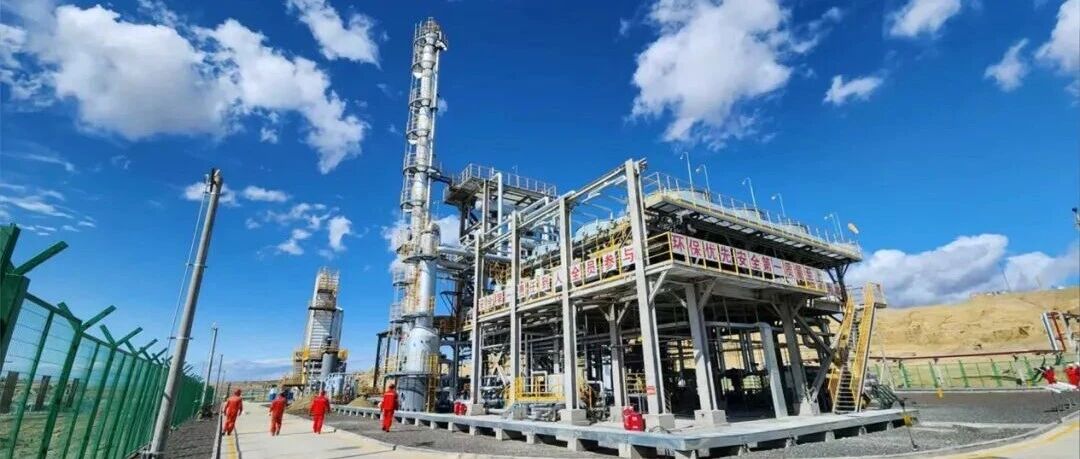
Core Viewpoint - The recent release of the "Regulatory Measures for Fair Access to Oil and Gas Pipeline Facilities" marks a significant milestone in China's oil and gas market reform, enhancing the legal framework for pipeline regulation and aiming to create a fair and transparent industry environment [1][2]. Group 1: Regulatory Changes - The new regulatory measures elevate the status from normative documents to departmental regulations, increasing the authority and deterrent effect of regulatory work [2][3]. - The revised measures introduce specific penalties for violations, standardizing enforcement actions and reducing discretionary power, which aims to enhance regulatory effectiveness [2][3]. Group 2: Market Structure and Operations - The regulatory framework addresses key challenges in the current oversight system, focusing on establishing fair access, improving service provisions, ensuring contract security, and standardizing information disclosure [3][4]. - The definition of "fair access" is clarified, requiring pipeline operators to provide services to eligible users in a non-discriminatory manner [3][4]. Group 3: Information Transparency - The new measures categorize information disclosure into "proactive disclosure" and "disclosure upon request," balancing the need for transparency with the protection of sensitive operational data [3][4]. - Pipeline operators are mandated to develop user registration procedures and service acceptance criteria, promoting accessibility and reducing barriers to entry [3][4]. Group 4: Capacity Allocation - The measures require pipeline operators to create detailed guidelines for capacity allocation, ensuring fair distribution based on various operational factors [4]. - The response time for capacity service requests has been reduced from 15 working days to 5, streamlining the process for users [5]. Group 5: Future Outlook - The regulatory body plans to monitor the implementation of the new measures closely and refine regulatory requirements based on practical experiences in pipeline access [5].

埃克森美孚(XOM.US)收缩欧洲战线 掌门人盛赞特朗普能源方针
Zhi Tong Cai Jing· 2025-10-13 13:00
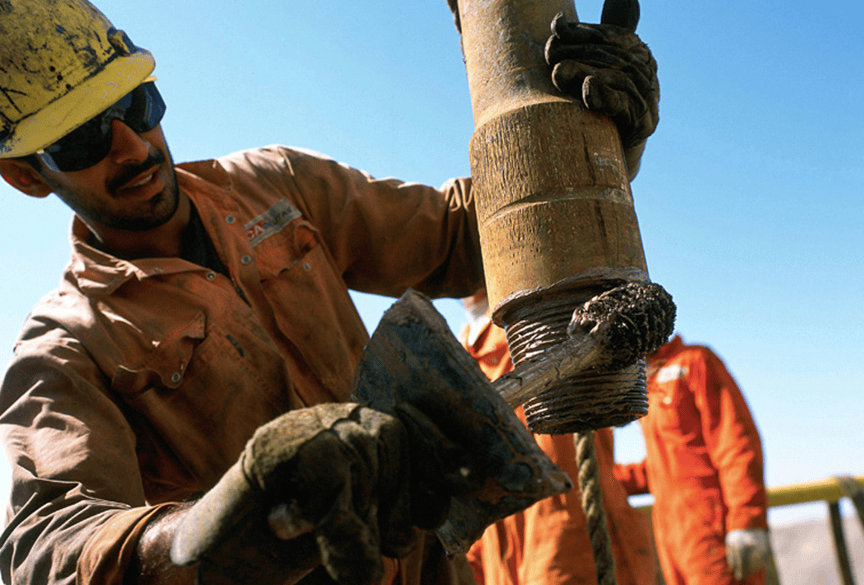
Core Viewpoint - ExxonMobil's CEO Darren Woods criticizes EU energy policies while praising former President Trump's energy approach, indicating a strategic shift in the company's investment focus away from Europe [1] Group 1: Criticism of EU Policies - Woods argues that EU regulations on climate and human rights are hindering business progress and imposing unrealistic solutions [1] - He previously condemned the EU's Corporate Sustainability Due Diligence Directive, labeling it as having a "devastating" impact on the industry [1] Group 2: Support for US Policies - Woods highlights that Trump's policies foster a more balanced discussion on energy, recognizing the importance of economic growth and public welfare [1] Group 3: Concerns about US Shale Production - Despite political backing, ExxonMobil expresses concerns over the anticipated slowdown in US shale oil production [1] - Woods notes that overcoming the current 10% recovery rate limitation in shale reservoirs could reverse this trend [1] Group 4: Return to Iraq - ExxonMobil has signed an agreement related to the Majnoon oil field in Iraq, but Woods acknowledges that significant work remains to make the project effective [1]

反转!从反诉对峙到双双撤案,*ST新潮美国子公司控制权尘埃落定?
Mei Ri Jing Ji Xin Wen· 2025-10-13 05:19
Core Viewpoint - The control dispute over *ST Xinchao (Xinchao Energy SH600777) may be nearing its conclusion as the company announced the termination of three lawsuits in the U.S. related to its overseas assets, indicating a potential resolution of the control struggle between the new controlling shareholder "Yitai System" and the former management [1][2][6]. Group 1: Lawsuit Developments - On October 12, *ST Xinchao announced that three lawsuits in the U.S. have been terminated due to the withdrawal of the plaintiffs and counter-plaintiffs, with no negative impact on the company's financial performance [3][5]. - The lawsuits were initiated by former directors after a board reshuffle in July 2025, which saw the new management attempt to assert control over the U.S. subsidiary [4][6]. - The rapid resolution of these lawsuits, from initiation in early August to termination in early October, suggests a significant shift in control dynamics within the company [6][8]. Group 2: Control of Overseas Assets - The new board of directors convened on October 9, the same day the lawsuits were withdrawn, to approve the replacement of directors at the U.S. subsidiary, indicating a swift consolidation of control over core assets [7][8]. - With 99.99% of *ST Xinchao's assets located in the U.S., controlling the U.S. subsidiary is crucial for the company's operational integrity and future prospects [8][9]. - The transition of control from the previous management to the new board has been marked by a stark contrast in cooperation, with the former management reportedly uncooperative during the handover process [7][9]. Group 3: Future Outlook - Despite the resolution of the control dispute, *ST Xinchao faces ongoing challenges, including a risk of delisting due to an audit report that could not express an opinion on the company's financial statements for 2024 [8][9]. - The new management has committed to improving internal governance and addressing issues highlighted in previous audit reports to enhance the quality of financial reporting [9].

中国加速与海合会能源合作,锁定长期供应应对全球动荡
Sou Hu Cai Jing· 2025-10-12 10:53
Core Insights - China's energy cooperation with Gulf Cooperation Council (GCC) countries has deepened significantly in recent years, driven by global energy market volatility and US-China trade tensions, with long-term procurement agreements solidifying energy ties and ensuring energy security [1][6][12] Energy Supply Agreements - In April 2025, China National Offshore Oil Corporation (CNOOC) signed a five-year LNG supply agreement with Abu Dhabi National Oil Company (ADNOC) to supply 500,000 tons annually starting in 2026 [3] - ADNOC also reached agreements with two other Chinese companies for long-term LNG contracts, effectively reducing market volatility risks for Chinese buyers amid increasing US sanctions on Iranian oil [3][6] - China's imports from GCC countries in 2023 included approximately 201 million tons of crude oil and 18 million tons of LNG, accounting for one-third and one-quarter of its total imports, respectively [5] Strategic Diversification - Iraq, as China's third-largest crude oil supplier, is expected to double its production to 500,000 barrels per day by 2030, enhancing China's crude oil imports from Iraq beyond the current 1.2 million barrels per day [4] - The long-term contracts with GCC countries serve as a strategic hedge against external pressures, reducing reliance on sanctioned nations [6][12] Broader Energy Network - China is expanding its energy strategy beyond GCC countries by collaborating with ASEAN nations to build a more extensive Asian energy network, enhancing traditional and clean energy cooperation [7] - The first trilateral summit in May 2025 among China, GCC, and ASEAN focused on strengthening energy supply chains and investing in new energy sources [7] Clean Energy Collaboration - Cooperation in clean energy is accelerating, with GCC countries aiming to diversify their economies and reduce oil dependency, as seen in Saudi Arabia's Vision 2030 and UAE's Net Zero 2050 strategy [8] - China has become a key partner in the energy transition for GCC countries, with significant investments in renewable energy projects [8] Bilateral Trade Growth - In 2024, bilateral trade between China and the UAE surpassed $100 billion, reflecting extensive economic ties beyond energy [10] Geopolitical Considerations - The geopolitical landscape poses challenges, with regional instability and external pressures impacting China's energy strategy, necessitating a balance between economic interests and geopolitical considerations [13]


能源贸易风云突变!中俄合作提速,欧美关税加码后局势升温
Sou Hu Cai Jing· 2025-10-11 22:41
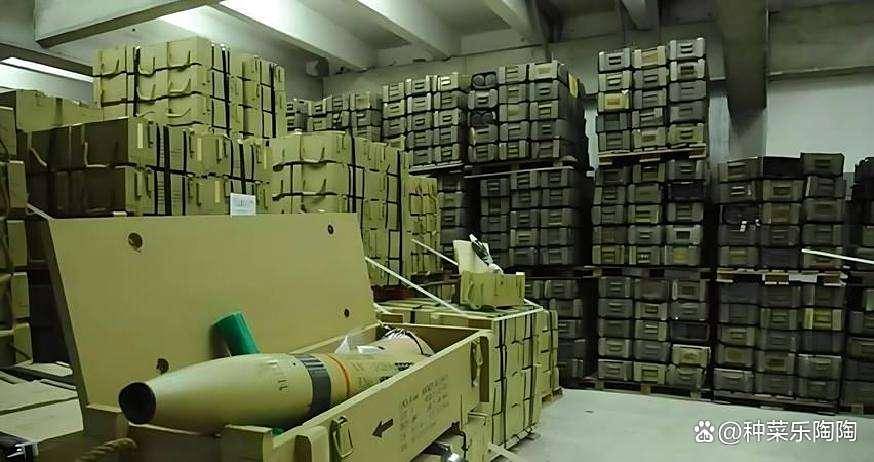
Group 1 - The EU is facing challenges in energy and trade dynamics, with increasing reliance on alternative suppliers and changing payment methods in energy trade [1][9] - In 2023, sanctions aimed at cutting off Russian oil and gas have led to supply shortages and increased operational pressures in factories [3][7] - China has implemented export controls on critical materials like gallium and germanium, impacting the supply chain for industries reliant on these resources [3] Group 2 - The U.S. has raised tariffs on Chinese electric vehicles to 100%, affecting the supply chain and highlighting the difficulty of replacing certain materials in the short term [5] - Despite tariffs, trade routes have adapted, with Southeast Asia becoming a transit hub for materials, and China maintaining a dominant position in battery and critical mineral supplies [5][11] - The shift in energy trade is evident as China has significantly increased its imports of Russian crude oil, accounting for about 40% of Russia's total exports by 2024 [7][11] Group 3 - The payment methods in energy trade are evolving, with the Chinese yuan gaining traction in transactions with Russia, surpassing the dollar in some exchanges [9] - European countries are struggling with energy costs, leading to a resurgence in coal usage and increased subsidies for consumers [9] - The trade relationship between China and Russia has strengthened, with bilateral trade exceeding $240 billion in 2023 and continuing at high levels into 2024 [11] Group 4 - The electric vehicle sector is under scrutiny, with the EU launching anti-subsidy investigations and imposing temporary tariffs, yet orders remain strong due to competitive pricing [13] - Chinese companies are expanding their manufacturing footprint internationally, with factories established in Thailand and Hungary, adapting to tariff challenges [13] - The integration of battery technology and charging networks is becoming a competitive advantage for Chinese firms, as they set standards that are difficult for the U.S. and EU to match [15]
华为韩硕:资源行业智能化转型 AI助力核心生产系统重构
Zhong Guo Jing Ji Wang· 2025-10-11 09:18
Core Insights - The resource industry is undergoing a significant transformation driven by artificial intelligence (AI), impacting various sectors from mining to refining [1][2] - The transition involves a shift from AI as an auxiliary tool to becoming a core driver of production systems, enhancing efficiency and decision-making [3][5] - The integration of AI is crucial for meeting national energy security and carbon reduction commitments, positioning the resource industry at a historical turning point [1][2] AI Integration in Production - AI applications have evolved from basic tasks like visual monitoring to complex decision-making processes in core production systems [3][5] - In the steel industry, AI is redefining traditional processes such as blast furnace operations, leading to significant cost savings and efficiency improvements [3][4] - The oil and gas sector is leveraging AI for exploration and extraction, enhancing operational efficiency and reducing project timelines [4][5] Infrastructure Development - The resource industry is adopting a unique "use-driven construction" approach to digital infrastructure, contrasting with other sectors that follow a "build first" model [7][9] - Companies are focusing on creating a robust digital foundation that supports AI applications, ensuring data flows freely and efficiently [6][9] - New technologies are being developed to address specific challenges in resource extraction, such as improving network coverage and reducing operational costs [8][9] Economic Impact and Future Outlook - The shift towards AI-driven operations is expected to yield significant economic benefits, with companies already experiencing improved returns on investment [10][11] - The deployment of autonomous mining vehicles is a clear indicator of AI's growing role in the industry, with projections of substantial increases in efficiency and cost savings [10][11] - The transition from pilot projects to widespread adoption of AI solutions marks a critical phase in the resource industry's evolution, paving the way for scalable innovations [11][12] Collaborative Ecosystem - Companies are building collaborative ecosystems to enhance AI infrastructure and application development, bridging the gap between technology and industry needs [12][13] - The focus is on creating middleware platforms that facilitate the integration of AI capabilities with industry-specific knowledge, lowering barriers to implementation [12][13] - This collaborative approach aims to accelerate the resource industry's digital transformation and establish a new intelligent operational paradigm [12][13]
资源行业智能化转型,AI助力核心生产系统重构
Zhong Guo Jing Ji Wang· 2025-10-11 07:05
Core Insights - The resource industry is undergoing a transformative change driven by the integration of artificial intelligence (AI) into core production processes, moving beyond auxiliary applications to redefine traditional operations [1][2][4]. Group 1: AI Integration in Resource Industry - AI applications have evolved from simple tasks like visual monitoring and automated inspections to core decision-making processes in high-value and complex operations [2][3]. - In the steel industry, AI is redefining traditional processes such as blast furnace smelting, optimizing parameters to reduce costs significantly [2]. - In the oil and gas sector, AI is enhancing exploration and extraction processes, improving efficiency and reducing project timelines [3]. Group 2: Digital Infrastructure Development - The resource industry is adopting a unique "use-driven construction" approach to digital infrastructure, contrasting with the "build first, use later" model seen in finance and internet sectors [5][6]. - Companies are focusing on creating a robust digital foundation that supports AI applications, addressing challenges like extreme environments and data collection difficulties [5][6]. Group 3: AI Value Creation and Implementation - The integration of AI into production processes is not merely additive; it fundamentally reconstructs the operational logic of the resource industry [4][8]. - Companies are developing tailored solutions to enhance safety and efficiency, such as intelligent networks and real-time optimization technologies [7][8]. Group 4: Economic Impact and Future Projections - The shift towards AI-driven operations is expected to yield significant economic benefits, with companies already experiencing improved efficiency and reduced costs [9][10]. - The deployment of autonomous mining trucks is a clear indicator of AI's growing role, with projections suggesting a substantial increase in their numbers by 2025 [10][11]. Group 5: Collaborative Ecosystem for AI Development - Companies are focusing on building a collaborative ecosystem that integrates AI infrastructure with industry-specific applications, facilitating a seamless transition to intelligent operations [12]. - The development of middleware platforms is crucial for bridging the gap between AI capabilities and practical applications in the resource sector [12].
港口库存量处于高位 液化石油气空单继续持有
Jin Tou Wang· 2025-10-11 02:17
News Summary Core Viewpoint - The recent EIA natural gas report indicates a significant increase in U.S. natural gas inventories, while geopolitical developments and sanctions against Iran are impacting the LNG market dynamics [1][2]. Group 1: EIA Natural Gas Report - As of the week ending October 3, U.S. natural gas inventories totaled 36,410 billion cubic feet, an increase of 800 billion cubic feet from the previous week [1] - Year-on-year, inventories rose by 230 billion cubic feet, reflecting a 0.6% increase, and are 1,570 billion cubic feet above the five-year average, marking a 4.5% increase [1] Group 2: Geopolitical Developments - Citigroup analysts reported that BP unexpectedly won an arbitration case against U.S. LNG supplier Venture Global, which could positively influence BP's efforts to recover from previous setbacks [1] - BP and other companies accused Venture Global of selling LNG cargoes on the spot market for profit instead of fulfilling contractual obligations following the outbreak of the Russia-Ukraine conflict [1] - The U.S. has announced additional sanctions against Iran, targeting over 50 individuals, entities, and vessels believed to assist in Iran's oil and LPG sales and transportation [1] Group 3: Market Analysis - Hualian Futures noted that international oil prices remain weak due to OPEC+ production increases, with LNG prices lower than LPG, and shipping costs for liquefied gas in a normal range [1] - Domestic LPG supply is below levels seen in the past two years, while port inventory levels are at mid-range for recent years [1] - Chemical demand has shown a week-on-week rebound, but overall demand remains subdued, with gasoline consumption at a four-year low and restaurant consumption growth declining [1] Group 4: Strategy and Recommendations - Hualian Futures suggests a cautious approach, recommending to observe the market for now due to high inventory levels and low demand [1] - Zhonghui Futures indicates that the oil price center is shifting downward, with Saudi Arabia lowering CP prices, leading to a bearish outlook on costs [2] - The supply side remains relatively ample, with factory inventories rising and downstream chemical demand showing some recovery [2]
受地缘政治与OPEC+产量政策博弈影响,9月油价宽幅震荡 | 投研报告
Zhong Guo Neng Yuan Wang· 2025-10-11 01:05
Core Insights - In September 2025, the average price of Brent crude oil futures was $67.6 per barrel, a month-on-month increase of $0.3 per barrel, while the WTI crude oil futures averaged $63.6 per barrel, a decrease of $0.4 per barrel [2][3] - Geopolitical tensions, including the U.S. attack on Venezuelan vessels and ongoing conflicts involving Israel and Russia, have contributed to fluctuations in oil prices, alongside OPEC+'s decision to extend production increases [2][3] Oil Price Review - Brent crude oil futures closed at $67.0 per barrel at the end of September, while WTI crude oil futures closed at $72.4 per barrel [2] - The U.S. significantly increased its crude oil exports, leading to a reduction in inventory levels, despite seasonal refinery maintenance impacting demand [2][3] Supply and Demand Dynamics - OPEC+ announced an extension of production increases for October and November, with a collective reduction target extended until the end of 2026 [3] - Major energy agencies project an increase in global oil demand, with estimates for 2025 ranging from 74,000 to 130,000 barrels per day [3] Industry Policy Developments - A joint announcement from seven ministries in China outlined a plan to stabilize growth in the petrochemical industry, emphasizing strict controls on new refining capacity [4][5] - The plan aims to optimize supply-side conditions in the refining and chemical sectors, amidst global uncertainties [5] Price Forecasts - The expected price range for Brent crude oil in 2025 is between $65 and $75 per barrel, while WTI crude oil is projected to be between $60 and $70 per barrel [5] Recommended Stocks - Key investment recommendations include China National Offshore Oil Corporation (CNOOC), China Petroleum, Satellite Chemical, and CNOOC Development [6]



MOFs技术荣膺2025诺贝尔化学奖,产业领跑者蓝壳洁能迎来蝶变时刻
DT新材料· 2025-10-10 16:04
Core Viewpoint - The article highlights the significant advancements and commercialization potential of Metal-Organic Frameworks (MOFs) materials, particularly in carbon capture and utilization (CCUS) technologies, positioning the company as a leader in this emerging field [2][4][9]. Group 1: MOFs Materials and Nobel Prize Recognition - MOFs materials have been awarded the 2025 Nobel Prize in Chemistry, recognizing their revolutionary applications in carbon capture, gas separation, and water harvesting [2]. - The recognition signifies a global consensus on the immense potential of MOFs, described as "target function editable" materials that can address major global challenges [2]. Group 2: Industrial Applications and Collaborations - The company has partnered with China National Petroleum Corporation to leverage MOFs technology in industrial gas separation, focusing on decarbonization processes in oil fields [4]. - A significant breakthrough includes the establishment of the world's largest MOFs slurry method carbon capture and utilization project, which has processed 32 million cubic meters of associated gas [6][8]. Group 3: Innovations in Material Synthesis and Gas Separation - The company has developed a hundred-ton MOFs industrial synthesis facility, significantly reducing production costs and overcoming barriers to commercialization [5]. - A novel MOFs slurry method for gas separation has been created, achieving energy consumption for CO₂ capture as low as 0.8-1.0 GJ/t CO₂, which is 50% lower than traditional amine methods [6][7]. Group 4: Commercialization and Strategic Investments - The company has successfully implemented the first domestic MOFs carbon capture project in Xinjiang, utilizing industrial waste heat for gas separation [8]. - Strategic investment from the CCI Fund has accelerated the commercialization of MOFs gas separation technology, reinforcing the company's position in the market [8]. Group 5: Future Directions and Technological Leadership - The company aims to contribute to China's carbon peak goals by innovating in CO₂ capture and methane separation technologies, anticipating rapid growth in the CCUS sector over the next decade [9]. - The development of ethane separation technology using oil-based MOFs is expected to support the petrochemical industry's transition to high-value chemical production [9][10].