茶饮

Search documents
古茗(01364):财报点评:25H1收入及业绩端高增,单店GMV增长超20%
East Money Securities· 2025-09-10 11:42
Investment Rating - The report assigns an "Add" rating for the company, marking its first coverage [5]. Core Insights - The company reported a significant revenue increase of 41.2% year-on-year for the first half of 2025, reaching 5.66 billion RMB, with adjusted profit rising by 42.4% to 1.09 billion RMB [4][5]. - The total GMV for the first half of 2025 was 14.1 billion RMB, reflecting a growth of 34.4%, with average monthly GMV per store increasing by 20.6% to 228,000 RMB [4]. - The company opened 1,570 new stores in the first half of 2025, a 105.2% increase, bringing the total number of stores to 11,179, indicating a strong expansion strategy [4]. Financial Performance - The gross profit for the first half of 2025 was 1.79 billion RMB, maintaining a gross margin of 31.5% [4]. - The adjusted core profit for the same period was 1.14 billion RMB, showing a 49.0% increase year-on-year [4]. - The company expects net profit for 2025 to reach 2.615 billion RMB, with a projected PE ratio of 18 times [5]. Growth Projections - Revenue is projected to grow from 8.79 billion RMB in 2024 to 17.33 billion RMB by 2027, with a compound annual growth rate (CAGR) of 16.90% [6][11]. - The net profit is expected to increase from 1.48 billion RMB in 2024 to 2.98 billion RMB in 2027, with a notable growth rate of 76.89% in 2025 [6][11]. Market Position - The company has established a leading self-owned cold chain storage and logistics system, with 22 warehouses and a cold storage capacity exceeding 61,000 cubic meters [4]. - Approximately 75% of the stores are within a 150 km radius of the warehouses, allowing for efficient cold chain delivery services [4].
茶饮“五剑客”,半年狂揽316亿
创业邦· 2025-09-10 10:31
Core Viewpoint - The article discusses the significant revenue growth of five major tea beverage brands in China, collectively referred to as the "Five Swordsmen," driven by the ongoing competition in the food delivery market, resulting in increased sales and profits for these companies in the first half of 2025 [5][8]. Revenue Growth - The five tea beverage companies, including Nai Xue's Tea, Mi Xue Ice City, Gu Ming, Ba Wang Tea Ji, and Cha Bai Dao, achieved a total revenue of approximately 316 billion yuan, an increase of 73 billion yuan compared to the previous year, representing a year-on-year growth of 30.12% [5][8]. - Mi Xue Ice City remains the largest player with a revenue of 148.75 billion yuan, growing by 39.3% year-on-year, while Gu Ming experienced the fastest growth at 41.2%, reaching 56.63 billion yuan [8][10]. Profitability - The five brands collectively recorded a net profit of 55.6 billion yuan, an increase of 13.76 billion yuan from the previous year, marking a year-on-year growth of 32.89% [15][18]. - Mi Xue Ice City reported the highest profit of 26.93 billion yuan, with a year-on-year increase of 42.9%, while Gu Ming's profit surged by 121.5% to 16.25 billion yuan [15][18]. Market Dynamics - The article highlights that the tea beverage sector is particularly well-suited for the food delivery model due to stable output and competitive pricing, which encourages impulsive purchases [10][11]. - The growth in revenue is attributed to both increased sales of materials and the opening of new stores, with Mi Xue Ice City and Gu Ming exemplifying this dual approach [11][18]. Future Strategies - As the food delivery competition is expected to normalize, companies are focusing on improving operational efficiency at individual stores and exploring opportunities in both overseas and lower-tier markets [22][26]. - Ba Wang Tea Ji is looking to expand internationally, having recently entered the Philippine market, while Mi Xue Ice City is increasing its presence in lower-tier cities, with 57.6% of its stores located in these areas [23][26].

突发!网红“柴怼怼”等人被温州警方带走,已立案侦查
Mei Ri Jing Ji Xin Wen· 2025-09-10 07:58
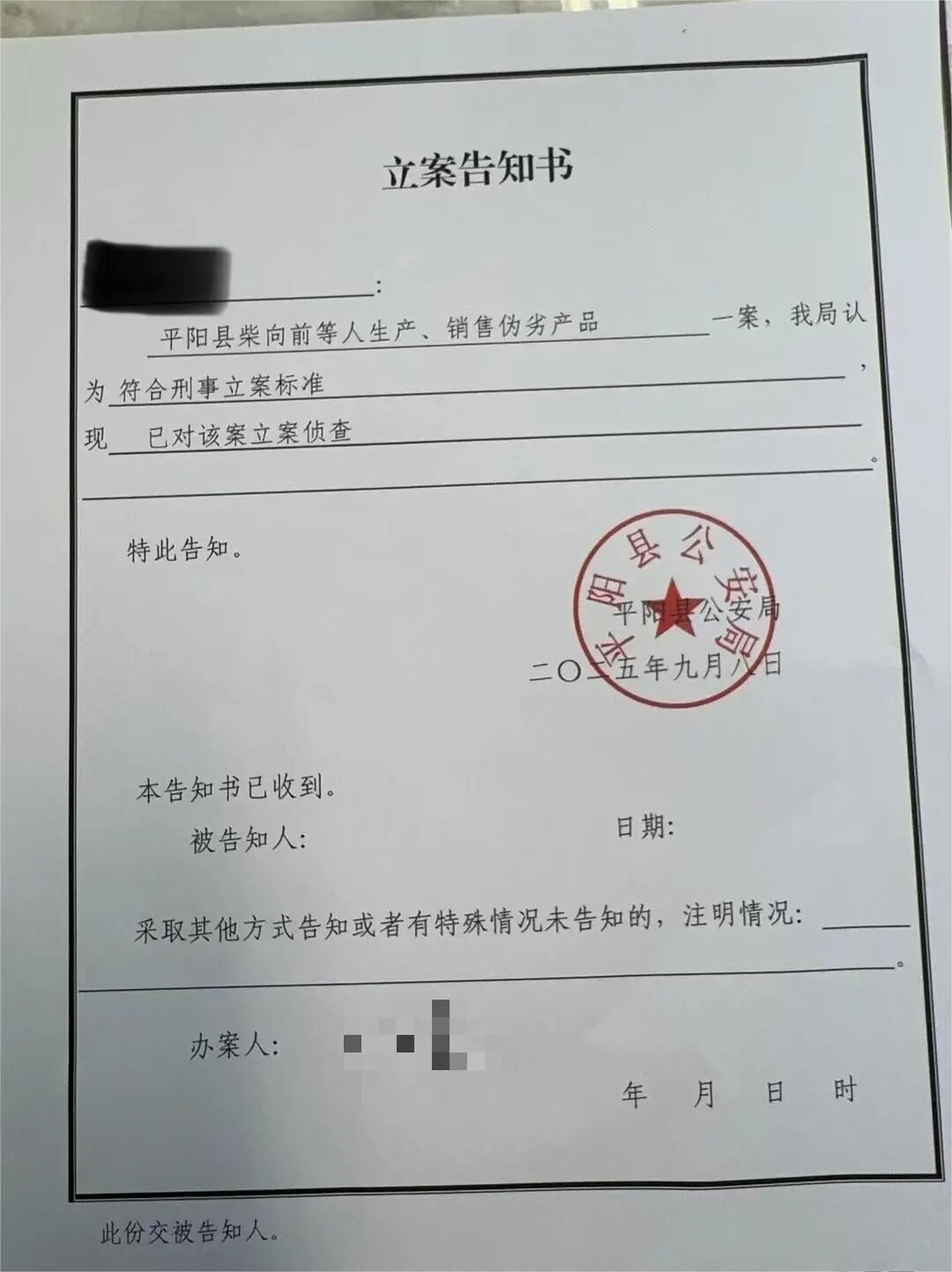
Group 1 - The influencer "Chai Dui Dui" (real name Chai Xiangqian) and associates are under investigation by the Pingyang County Public Security Bureau for allegedly producing and selling counterfeit products [1] - Multiple consumers have reported issues, leading to the police investigation, confirming the situation [1] - A consumer named Ms. Zhang is involved in two civil lawsuits against companies associated with "Chai Dui Dui," with hearings scheduled for September 11 [2] Group 2 - Ms. Zhang claims to have spent 3,596 yuan on "Qi Shi Tea" based on false health claims, leading to health complications and hospitalization [2] - She also alleges that after paying 8,000 yuan to join a wine sales program, she faced issues with refunds and product delivery [2] - Ms. Zhang is seeking triple compensation and 3,000 yuan for emotional distress in her lawsuits [3] Group 3 - The Pingyang County Market Supervision Administration previously fined the company associated with "Chai Dui Dui" 220,000 yuan for false advertising and selling unlabelled products [3] - The company has faced multiple legal challenges, including a defamation lawsuit from a competitor, "Pang Dong Lai," for disparaging remarks made by "Chai Dui Dui" [3][5] - The company has been penalized for advertising containing false content, resulting in fines totaling 6,000 yuan [7]
“李逵”阿嬷手作来京开店排大队,“李鬼”品牌连夜改门头
Mei Ri Jing Ji Xin Wen· 2025-09-10 06:43
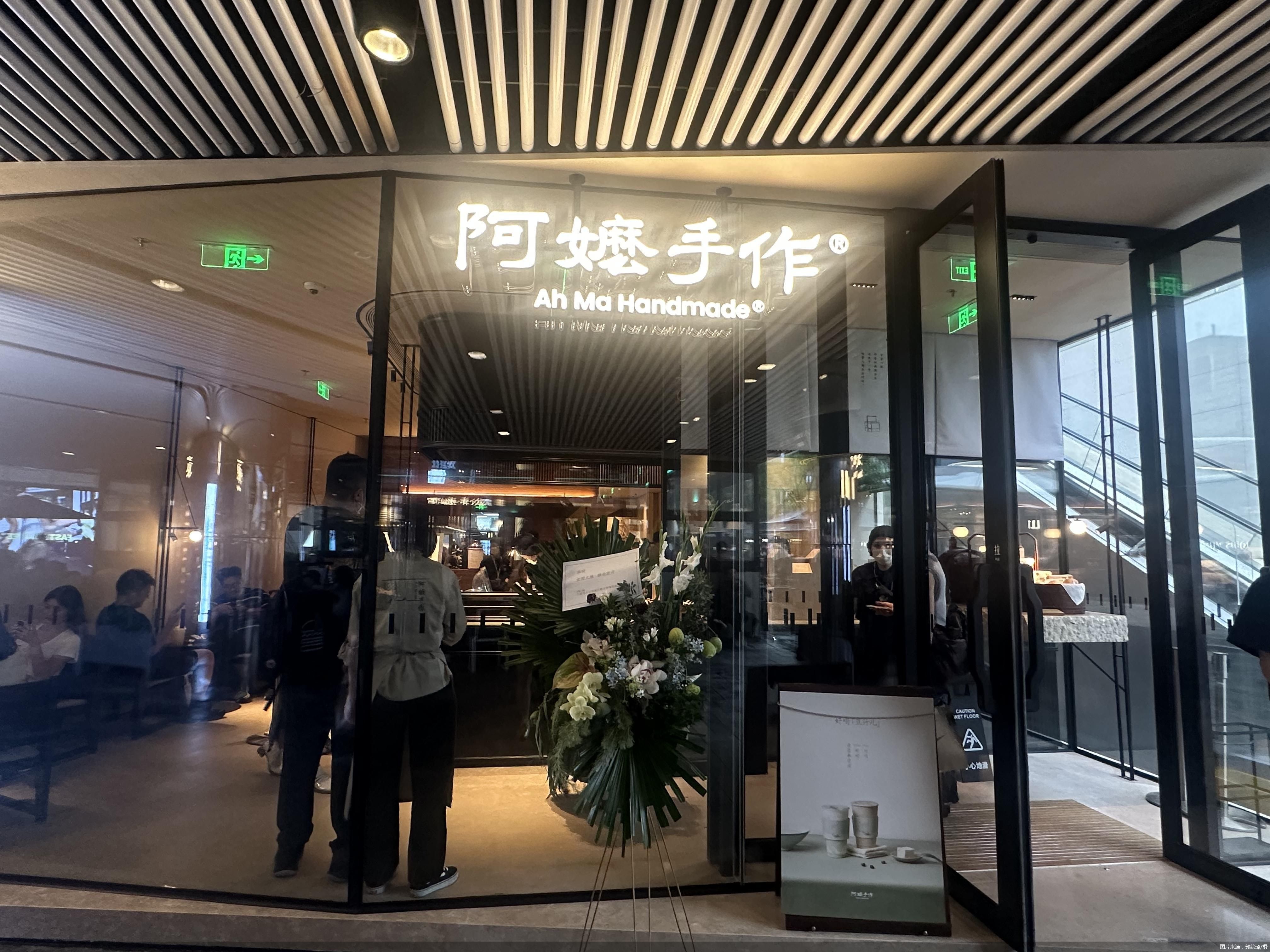
Group 1 - The core viewpoint of the article highlights the expansion of the Guangxi tea drink brand "A-Ma Handmade" into Beijing, marking its entry into the northern market after establishing 60 stores in the south since its founding in 2018 [1] - The new store in Sanlitun, Beijing, has experienced significant customer demand, with long queues during its trial operation, indicating a strong market interest [1] - The presence of a similarly named brand "Deng's A-Ma Handmade" nearby, which has five locations, raises concerns about brand identity and potential confusion among consumers [1] Group 2 - The article points out the ongoing issue of brand imitation in the milk tea market, citing examples like "Deer Horn Alley" and "Tea Yan Yue Se" that have faced similar challenges [1] - It emphasizes the need for "A-Ma Handmade" to focus on brand building and protection to avoid the pitfalls experienced by other brands in the industry [1]
北美接棒东南亚,成新茶饮出海新热土
Hu Xiu· 2025-09-08 00:14
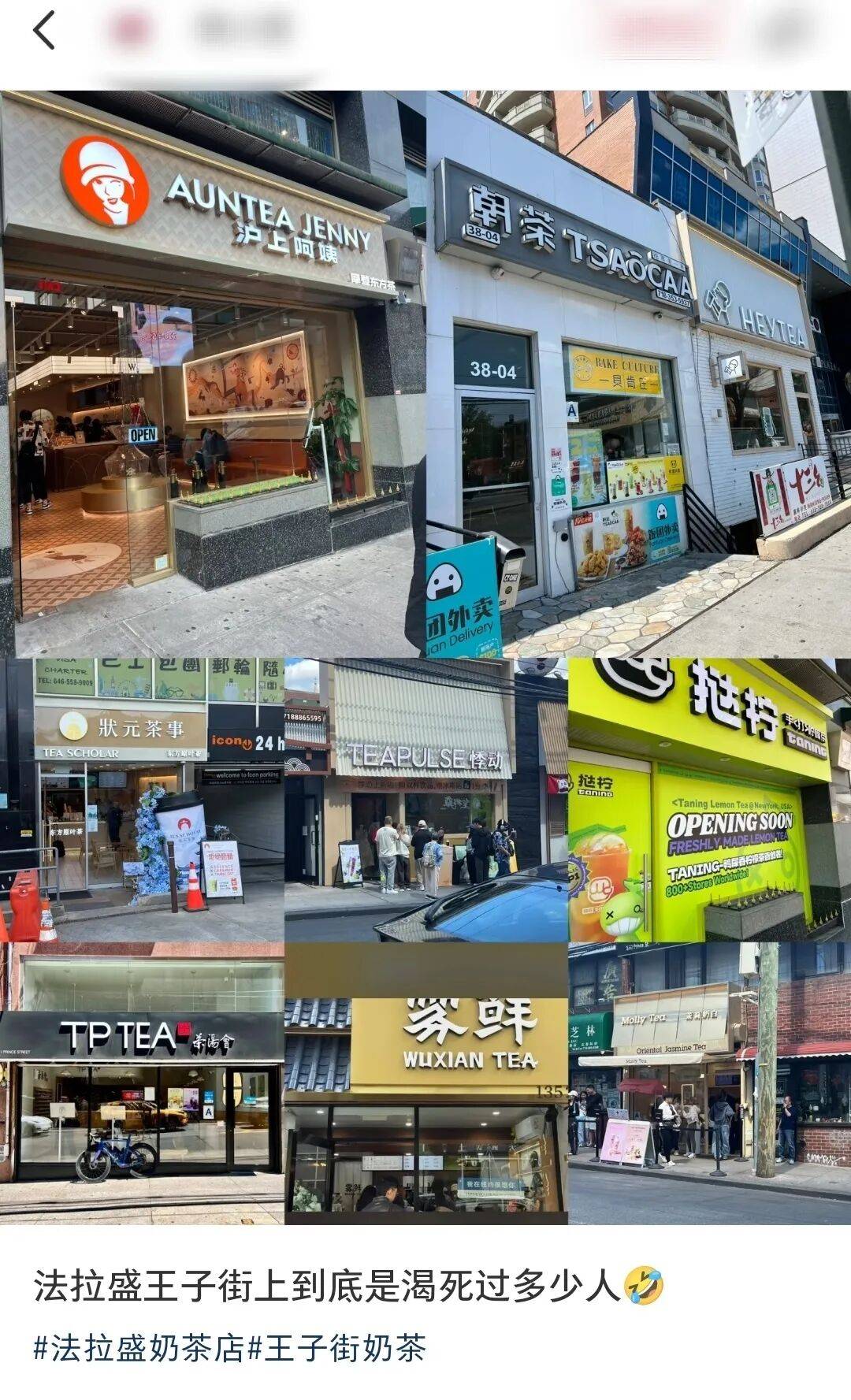
Core Insights - The article discusses the rapid expansion of Chinese new tea brands into the North American market, highlighting the potential for growth and the shift from Southeast Asia to North America as a new target for these brands [1][11][10]. Market Expansion - Since 2025, many new tea brands have entered the North American market, with Heytea leading the way by opening its 35th store in the U.S. [1][2]. - The U.S. new tea market is experiencing significant changes, with multiple brands entering the space, including Jasmine Milk White and Bawang Tea Ji [3][4]. - The rapid expansion of brands like Heytea, which had only 2 stores a year ago, indicates a notable acceleration in market penetration [2][5]. Sales Performance - Heytea's New York store achieved over 3,500 cups sold on its opening day, with daily sales stabilizing above 2,000 cups [5]. - Jasmine Milk White's New York store reported monthly revenue exceeding $570,000, setting a record for overseas stores [6]. - Bawang Tea Ji and Hu Shang A Yi also saw impressive sales, with Bawang Tea Ji selling over 5,000 cups on its opening day [7]. Market Dynamics - The North American market is seen as a blue ocean opportunity for new tea brands, especially as Southeast Asian markets show signs of saturation [11][12]. - The average price per cup in the U.S. ranges from $6 to $10, significantly higher than in China, providing a lucrative revenue opportunity [13]. - Consumer acceptance of new tea drinks in the U.S. is growing, with many local consumers showing interest in fresh and healthy options [14][16]. Competitive Landscape - The U.S. market currently has around 8,000 bubble tea shops, with no single brand holding more than 5% market share, indicating a fragmented market ripe for new entrants [18]. - The lack of dominant brands allows Chinese tea companies to compete on a more level playing field, emphasizing local marketing and product quality [19]. Challenges and Strategies - High operational costs in the U.S. pose a significant challenge, with initial investments for small stores reaching $500,000 and larger stores nearing $1 million [23]. - Many brands are opting for a franchise model to mitigate risks and leverage local expertise for quicker market entry [25][26]. - Initial market entry often focuses on areas with high Chinese populations, which serve as testing grounds for broader market acceptance [27][32]. Future Outlook - The current market window for new tea brands in North America is seen as critical, with potential saturation expected within the next two to three years [20][21]. - Brands are encouraged to develop localized products to better cater to American consumers, moving beyond a simple replication of their domestic offerings [30][33].
外卖补贴热度退去,茶饮增长何以为继?
Sou Hu Cai Jing· 2025-09-07 16:22
Core Insights - The tea beverage industry must seek new growth avenues as reliance on delivery subsidies diminishes [2][4] - Despite the external challenges, several tea brands reported significant growth in their financial results, contrasting with the declining profits of major delivery platforms [5][6][10] Group 1: Impact of Delivery Subsidies - The delivery subsidy war has significantly boosted user demand for tea brands, with Luckin Coffee reporting a 31.6% year-on-year increase in average monthly transaction customers, reaching 91.7 million [5][6] - Luckin Coffee's GMV for Q2 reached 14.2 billion yuan, a 46.2% year-on-year increase, while net income rose to 12.359 billion yuan, marking a 47.1% increase [6] - Other brands like Gu Ming also experienced substantial growth, with a 121.5% year-on-year increase in net profit, reaching 1.625 billion yuan [8] Group 2: Challenges Post-Subsidy - The sustainability of high order volumes for tea beverages is in question as delivery subsidies fade, raising concerns about the operational viability of newly opened stores [4][18] - Brands like Nayuki Tea have faced declines in revenue, with a 14.4% year-on-year drop, despite a significant contribution from delivery orders [10] - The rapid expansion of store numbers has led to increased competition and operational challenges, as seen with Ba Wang Tea Ji, which reported a 1.5% decline in GMV [10][21] Group 3: Market Dynamics and Strategies - The delivery subsidy war has intensified competition among major platforms, with significant investments from JD, Meituan, and Alibaba to attract consumers [13][15] - Tea brands have adopted various strategies to leverage seasonal demand, including launching new products and optimizing supply chains [12][18] - The industry is exploring new growth avenues, such as expanding product lines and international markets, with brands like Luckin and Mi Xue Bing Cheng leading overseas expansion efforts [22][24][25]




首店开业高峰等近2小时 黄牛溢价超30% 阿嬷手作如何流量变“留量”?
Bei Jing Shang Bao· 2025-09-07 14:25
Core Insights - The opening of the first store of the popular tea brand "阿嬷手作" in Beijing has generated significant consumer interest, with nearly 400 orders waiting to be processed during the trial operation, leading to a wait time of nearly two hours [1][5][8] - The brand is planning to expand further in Beijing and other cities, including a unique courtyard concept store in the Huamao shopping area, indicating its ambition for growth [1][9] - The brand faces challenges from counterfeiters and imitation brands, which could dilute its market presence and consumer trust [9][11] Company Overview - 阿嬷手作's first store opened in Beijing's popular Sanlitun area, featuring a "handmade workshop" design and a staff of around 60 [2][5] - The store offers a range of products, including signature items and a city-exclusive drink priced above 20 yuan, which is slightly higher than in its original market [2][8] - The brand has been operational since March 2018, starting in Nanning, and has since expanded to major cities like Shanghai, Shenzhen, and Guangzhou [8][9] Market Response - The initial response to the store has been overwhelmingly positive, with many consumers eager to try the brand, although some have expressed concerns about the ordering process and long wait times [5][8] - The pricing strategy has sparked discussions on social media, with some products priced higher than competitors, leading to mixed perceptions of value among consumers [8][12] Competitive Landscape - The tea beverage market in Beijing is highly competitive, with established brands already holding significant market share, making it challenging for new entrants like 阿嬷手作 to maintain initial consumer interest [16][17] - The brand's unique selling proposition lies in its handmade quality and cultural connection, which it must leverage to differentiate itself from competitors and avoid market saturation [12][18] Future Strategies - To convert initial consumer interest into long-term loyalty, 阿嬷手作 needs to enhance its product offerings, optimize the ordering experience, and build a robust membership system to foster customer engagement [18] - The brand should focus on maintaining product quality and innovating its offerings to keep the consumer experience fresh and appealing [18]
美国AI独角兽禁令:不准世界范围任何中国公司使用Claude;美国基金又投了一位中国00后丨Going Global
创业邦· 2025-09-07 10:29
Key Points - The article discusses significant events in the international expansion of various companies, highlighting trends and developments in the global market [2][3]. Group 1: Company Developments - TikTok Shop in the US has hired Autumn Communications as its public relations agency, with sales in the US increasing by 120% year-on-year as of mid-June [5][8]. - TikTok Shop's gross merchandise volume (GMV) in Indonesia reached $6.2 billion, a 39% increase year-on-year, while the US remains the largest market with $9 billion [10]. - Temu has captured 15.98% of the Mexican e-commerce market, surpassing competitors like Mercado Libre and Amazon [10][11]. - AliExpress is preparing a high-profile brand export project, aiming to launch before the Double 11 shopping festival, with aggressive growth targets [14]. - Meituan's food delivery service Keeta plans to pilot in Brazil in October, targeting a market worth $12 billion with an expected annual growth rate of 20% [15][17]. - Baidu has launched the "SnapEat AI" app for fitness tracking overseas, utilizing AI to provide nutritional information from food images [19]. - Bawang Tea has opened its first stores in the Philippines, expanding its international presence to seven markets [20][22]. - TOP TOY has opened its first store in Japan, achieving sales of over 11 million yen on the first day [25]. Group 2: Industry Trends - AI is increasingly becoming a partner for small and medium enterprises, with 63% of global SMEs adopting AI in trade [27]. - New cross-border e-commerce policies in China have eliminated the registration requirement for overseas warehouses, enhancing operational efficiency by 35% [28]. - The US AI startup Anthropic has banned Chinese companies from using its services, citing legal and security risks [30][32]. - Mercado Livre is entering the pharmaceutical retail sector in Brazil through the acquisition of a pharmacy, aiming to leverage its logistics network [35]. - The Mexican government plans to increase tariffs on Chinese goods, particularly in the automotive and textile sectors, to protect local businesses [37]. - The largest Korean fashion e-commerce platform, MUSINSA, is entering the Chinese market with plans to open over 100 stores by 2030 [38][40]. - B&Q, the UK's largest home and garden retailer, is opening its platform to Chinese sellers, creating new opportunities for cross-border e-commerce [42][43].

迷你 Labubu 二手市场价格回落;雀巢中国与瑞幸共同研发新品;缺席“外卖大战”的霸王茶姬业绩受挫丨品牌周报
36氪未来消费· 2025-09-07 07:26
Group 1: Nestlé Leadership Change - Nestlé's former CEO Laurent Freixe was dismissed due to a violation of the company's code of conduct related to a romantic relationship with a subordinate [3] - Philipp Navratil, who has over 20 years of experience at Nestlé, has been appointed as the new CEO, effective immediately [3] - Navratil previously led Nestlé's coffee business, which generates nearly 200 billion yuan in sales and accounts for over 22% of the company's total revenue [3] Group 2: Challenges in Greater China - Nestlé's Greater China region reported a 6.5% decline in profits, amounting to a loss of 1.5 billion yuan, and a 1.8% drop in sales for the first half of 2025 [4] - The company's growth strategy in this region is shifting from channel-driven distribution to consumer demand-driven sales, while also reducing inventory [4] - The coffee business in China is a focal point, with ongoing collaboration with Luckin Coffee to enhance product development [4] Group 3: Bubble Mart's Mini Labubu Price Drop - The resale price of the Mini Labubu toy has decreased by 10% to 30% within a week of its launch, with the most popular "L" version dropping nearly 30% [7] - The rapid price decline is attributed to oversupply and consumer dissatisfaction with product quality [7][8] - Bubble Mart's production capacity has increased significantly, with plush product output exceeding ten times that of the previous year [8] Group 4: Bawang Tea's Performance - Bawang Tea reported a 23% decline in monthly GMV, the only negative growth among six listed tea brands [9] - The company is facing challenges from intensified price wars on delivery platforms, impacting customer retention [10] - Despite a strong expansion with 2042 new stores, the rapid growth has led to internal competition, diluting sales performance [10] Group 5: MaxMara's Pricing Strategy - MaxMara maintains prices in China that are over twice those in Europe, leading to consumer backlash and a thriving gray market [11] - The brand's pricing strategy aims to create a high-end image, but risks could arise from regulatory changes and increased competition [11][12] - Chinese consumers are increasingly price-sensitive, seeking value and transparency, which could challenge MaxMara's pricing model [12][13] Group 6: H&M's Expansion in China - H&M has opened two new stores in Shenzhen, including its largest flagship store in Southern China [19] - The brand is adapting to the Chinese market by enhancing its product offerings and entering new e-commerce platforms [20] - H&M's strategy focuses on maintaining affordability while transitioning towards a more fashionable and quality-oriented brand image [21] Group 7: Kweichow Moutai's Stock Performance - Kweichow Moutai regained its position as the highest-priced stock in A-shares, closing at 1476.1 yuan per share [23] - The stock's fluctuation was influenced by a brief surge in the price of another company, which was later corrected [23] Group 8: Elliott's Investment in PepsiCo - Elliott Investment Management has acquired a stake worth $4 billion in PepsiCo, becoming one of its largest investors [24] - The firm has proposed five major reform initiatives aimed at optimizing the beverage business and enhancing accountability [25] Group 9: GAP's Entry into Beauty Market - GAP announced its entry into the beauty market, testing products in 150 Old Navy stores [26] - The initiative aims to expand its product range and attract a broader customer base [26]

中国公司全球化周报|中国电信与阿里巴巴合作,服务中国企业出海/霸王茶姬正式进入菲律宾市场
3 6 Ke· 2025-09-07 01:14
Company Developments - China Telecom and Alibaba have reached a strategic cooperation agreement to jointly serve Chinese enterprises going global, focusing on cloud and AI infrastructure, e-commerce services, and social value innovation [2] - Bawang Tea has officially entered the Philippine market with three stores opening in the Manila metropolitan area, selling over 23,000 cups in the first three days, marking its seventh international market [2] - KUKA Home plans to invest approximately 1.12 billion yuan to build a self-owned base in Indonesia, expecting an annual revenue of about 2.52 billion yuan upon completion [3] - Stone Technology has achieved the number one global market share in both cleaning robots and vacuum robots for the first half of 2025, with shares of 15.2% and 20.7% respectively [3] - Alibaba's AliExpress is preparing a high-profile brand export project, inviting top global brands to participate, with aggressive growth targets set [3] - Gaode Map has launched ride-hailing services in Canada, New Zealand, Switzerland, and the UAE, expanding its international presence [4] - Xiaomi aims to make 2025 the year for the international expansion of its home appliances and new retail, with plans for automotive exports by 2027 [4] - JD Industrial has signed agreements with two Brazilian companies to enhance the digital supply chain services in the region [5] - BYD has reported that seven out of eight roll-on/roll-off ships are now operational, with significant sales in multiple countries [5] - Proton, supported by Geely, has launched its first electric vehicle factory in Malaysia, with an investment of approximately 138 million yuan [5] Investment and Financing - UBTECH has secured a strategic financing credit line of $1 billion to establish a super factory in the Middle East [6] - Laimu Technology has completed several rounds of financing exceeding 100 million yuan, focusing on the European and American markets for smart lawn mowers [6] - Ruijian Pharmaceutical has raised over 300 million yuan in B-round financing, with plans to accelerate clinical development of Parkinson's treatment products [7] - Ronovo Surgical has completed a D-round financing of $67 million, aiming to expand its modular surgical robot platform globally [7] - Sierra Medical has raised over 100 million yuan to accelerate the development of its ophthalmic products and expand its market presence [8]