
家电制造

Search documents
道指开盘涨0.04%,标普500涨0.3%,纳指涨0.5%
Xin Lang Cai Jing· 2025-07-29 13:38
诺和诺德大跌21.6%,这家丹麦制药巨头下调全年销售额和利润预期。惠而浦大跌12.9%,这家家电企 业Q2业绩不及预期。生物技术公司Sarepta Therapeutics涨35.7%,公司获FDA批准恢复基因疗法Elevidys 用于杜氏肌营养不良症(DMD)治疗。大全新能源涨4.7%,光伏行业迎来情绪范式转变,小摩看好。 ...
美的集团董事长方洪波:以丹纳赫为镜,锻造企业韧性
首席商业评论· 2025-07-29 06:44
Core Viewpoint - The article discusses the challenges faced by Chinese enterprises in a highly competitive environment characterized by homogenization, price wars, and rising costs, emphasizing the need for a systematic methodology to navigate these challenges and achieve sustainable growth [1][5]. Group 1: The Need for Systematic Methodology - The concept of "cost reduction and efficiency enhancement" has shifted from a strategic choice to a survival necessity for enterprises [1]. - The high failure rate of mergers and acquisitions highlights the urgency for Chinese companies to adopt a comprehensive approach to overcome cyclical challenges [1]. Group 2: The Danaher Model - The book "The Danaher Model" dissects the success strategies of Danaher, known as the "king of mergers and acquisitions," showcasing the Danaher Business System (DBS) as a key driver of its success [1][10]. - Danaher's approach to mergers evolved from opportunistic acquisitions to a strategy focused on industry upgrades, demonstrating that a company's boundaries are defined by its core capabilities rather than capital [7][11]. Group 3: Midea Group's Implementation - Midea Group began learning from international best practices, specifically the Toyota Production System, but found limited success until adopting the DBS framework [3]. - Midea established its own Midea Business System (MBS) to enhance operational efficiency, achieving significant improvements in factory performance and efficiency, with an average annual increase of approximately 15% [4][3]. Group 4: Globalization and Local Adaptation - Midea's global strategy involves establishing 17 R&D centers and 22 manufacturing bases, focusing on local needs while integrating global resources [8]. - The article emphasizes the importance of balancing localization and integration in a globalized business environment, as demonstrated by Midea's efforts to create a "second home market" [8][10]. Group 5: Lessons for Chinese Enterprises - The Danaher Group serves as both a mirror and a measuring stick for Chinese companies, illustrating the importance of adhering to fundamental principles such as process efficiency and factual respect [11]. - The article concludes that embracing change, maintaining common sense, and undergoing global refinement are essential for Chinese enterprises to navigate future uncertainties [11].




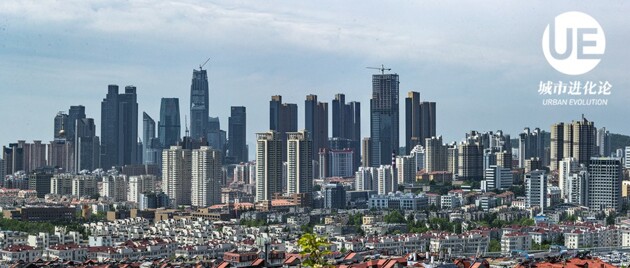
进入冲刺时刻,“北方第三城”离上位有多远?
Mei Ri Jing Ji Xin Wen· 2025-07-28 15:53
Core Viewpoint - The economic competition among major Chinese cities, particularly Qingdao, Ningbo, and Tianjin, is intensifying as Qingdao aims to improve its GDP ranking by 2025, with a focus on industrial and service sector growth [1][6][10]. Economic Performance - Qingdao's GDP for the first half of 2025 reached 858.73 billion yuan, showing a year-on-year growth of 5.3% [1]. - Ningbo's GDP was 886.1 billion yuan with a growth rate of 5.1%, while Tianjin's GDP was 870.66 billion yuan, also growing at 5.3% [2][6]. - The gap between Qingdao and Tianjin has narrowed to 11.9 billion yuan, a reduction of approximately 10 billion yuan compared to the previous year [6]. Strategic Planning - Qingdao is designated as a "strong leader" in Shandong's three-year action plan aimed at achieving high-quality, low-carbon development by 2025 [6][10]. - The plan emphasizes the need for Qingdao to enhance its economic position among major cities in China [6]. Industrial Development - Qingdao's manufacturing sector is showing signs of recovery, with a significant increase in industrial output, particularly in advanced manufacturing [12][14]. - The city aims for manufacturing value-added to account for approximately 29% of its GDP by 2025 [12]. - In the first half of 2025, Qingdao's industrial output grew by 7.7%, outperforming both Ningbo and Tianjin [14]. Service Sector Growth - The service sector in Qingdao accounted for 64.6% of the GDP, contributing 62.7% to economic growth in the first half of 2025 [17]. - The city is focusing on developing productive service industries, which are crucial for supporting manufacturing and enhancing overall economic efficiency [19][20]. Competitive Landscape - Historically, Qingdao has faced challenges in maintaining its economic ranking, having been surpassed by cities like Chengdu and Wuhan since 2011 [6][7]. - Experts suggest that Qingdao should benchmark against Ningbo, particularly in terms of business environment and private sector activity [10].
延保卡在手,保修却成空?德州消费者置疑格力售后服务
Qi Lu Wan Bao Wang· 2025-07-28 09:12
Core Viewpoint - The article highlights a consumer's frustration with Gree's after-sales service regarding warranty claims for air conditioners, raising questions about the accountability of companies in honoring promotional warranties [1][2][4]. Group 1: Consumer Experience - A consumer named Mr. Zhang faced issues with Gree's after-sales service when trying to claim a warranty for air conditioners purchased in 2017, which included extended warranty cards [1]. - Despite having physical proof of the extended warranty, Gree's customer service claimed that the warranty was not recorded in their system, leading to confusion and dissatisfaction [2]. - The consumer was advised to contact the original seller for warranty issues, but after eight years, he found it difficult to reach the seller [2]. Group 2: Company Accountability - Gree's customer service stated that the extended warranty cards were a promotional activity by the seller and not directly linked to Gree, raising concerns about the company's responsibility in such cases [2][3]. - The article questions the reliability of physical warranty cards when the company's electronic records do not match, suggesting a disconnect between consumer expectations and corporate practices [4]. - The lack of clarity regarding the relationship between Gree and the service provider, 盛世优创, further complicates the situation, as Gree did not confirm whether the service provider was an official partner [3].

家电 美国大型零售商专家会议
2025-07-28 01:42
Summary of Conference Call on Home Appliances and Retail Industry Industry Overview - The conference focused on the home appliances and retail industry in the United States, particularly the performance of tool categories, outdoor power equipment (OPE), and home appliances during the first half of 2025 [1][3][16]. Key Points and Arguments Sales Performance - Tool categories showed strong growth with hand tools increasing by 3.54% in May and 2.48% in June, while electric tools grew by 6.48% in May and 2.35% in June [3][4]. - OPE sales declined, with handheld devices dropping 14.46% in May and 5.68% in June, and riding equipment decreasing by 23.18% and 9.10% respectively [4]. - Home appliances experienced a surge in sales due to anticipated tariff increases, with refrigerators up 10.83% and washing machines up 17.12% in May, but saw a decline in June [4][16]. Tariff and Cost Implications - Procurement costs have risen by approximately 10%, leading retailers to increase overseas sourcing to mitigate tariff impacts, resulting in a final store price increase of only about 3% [1][5][6]. - New tariffs on goods from Vietnam have increased from 10% to 20%, raising import costs significantly [7]. - A new round of price increases is anticipated due to rising supplier and procurement costs, with tariffs expected to rise to 15%-20% for Vietnam and Indonesia [8]. Inventory and Market Outlook - As of June 2025, inventory levels have increased significantly, with tool inventory up by about 18% and home appliance inventory up by 15% in preparation for the fourth quarter sales peak [18]. - The overall outlook for the fourth quarter remains optimistic, particularly for electric tools, which are closely tied to the real estate market [19]. Supplier Dynamics - The core supplier, Techtronic Industries (TTI), has maintained strong performance, contributing significantly to procurement shares [20]. - The Nuoki brand has increased its market share in electric tools from 41% to 45% between February and June 2025 [21][22]. - The Giant Star company has captured over 60% of the market share in tool cabinets, with plans to shift production to Thailand to address capacity constraints [23]. Challenges and Adjustments - The Daya company faced challenges in sales due to adverse weather conditions affecting lawn growth, leading to a strategic shift towards promoting the Muray brand [24][25]. - The overall market for lithium battery products has seen positive growth, while traditional brands like Honda have experienced significant declines [25]. Future Projections - The U.S. real estate market is expected to rebound following the resolution of tariff uncertainties and potential interest rate cuts, which could drive demand for tools and appliances [16][17]. - The anticipated recovery in the real estate market is expected to enhance sales, particularly for electric tools, which have a replacement cycle of 3-5 years [19]. Additional Important Insights - The impact of customs policies remains relatively stable, with suppliers often underreporting costs to navigate tariff implications [13][14]. - The interplay between Section 232 tariffs and counterpart tariffs continues to complicate the cost structure for imported goods [12]. - The overall sentiment in the retail market remains cautious but optimistic, with expectations of a strong sales season in the fourth quarter of 2025 [19].
家电周报:国补第三批资金690亿已下达,大疆官宣首款扫地机-20250727
Shenwan Hongyuan Securities· 2025-07-27 11:14
Investment Rating - The report maintains a positive outlook on the home appliance sector, particularly highlighting the white goods segment as undervalued with high dividend yields and stable growth potential [5]. Core Insights - The report emphasizes the impact of government subsidies, with the third batch of 690 billion yuan allocated to support the consumption of old appliances, which is expected to stimulate demand in the home appliance market [4][11]. - The introduction of DJI's first robotic vacuum cleaner, ROMO, marks a significant entry into the market, indicating competitive dynamics in the home appliance sector [12]. - The report notes a general increase in sales volume across various appliance categories, with a particular focus on air conditioners and kitchen appliances, despite a decline in average selling prices [2][3][30][34][36]. Summary by Sections Air Conditioning Data - Online sales of air conditioners reached 9.18 million units in June 2025, a year-on-year increase of 27.9%, while offline sales were 1.032 million units, up 40.4% [2][30]. - The average online price decreased by 5.6% to 2,429 yuan per unit, and the offline average price fell by 2.5% to 4,031 yuan per unit [2][30]. Kitchen Appliance Data - Sales of range hoods increased, with online sales at 565,000 units (up 13.7%) and offline sales at 180,000 units (up 32.8%) in June 2025 [3][34]. - The average online price for range hoods decreased by 2.0% to 1,662 yuan, while the offline price increased by 4.8% to 4,674 yuan [3][34]. - Dishwasher sales also saw growth, with online sales at 192,000 units (up 8.9%) and offline sales at 49,000 units (up 24.3%) [3][36]. Industry Dynamics - The home appliance sector underperformed compared to the CSI 300 index, with the sector index remaining flat while the CSI 300 rose by 1.7% [4][6]. - Key companies such as Marsman and Lek Electric showed significant gains, while others like Huaxiang and Supor faced declines [4][8]. Investment Highlights - The report identifies three main investment themes: 1. White goods benefiting from favorable real estate policies and government incentives [5]. 2. Export-oriented companies like Ousheng Electric and Dechang Co. that are seeing stable income growth [5]. 3. Core component manufacturers like Huaxiang and Sanhua Intelligent Control, which are expected to benefit from increased demand in the white goods sector [5].




5G黑灯工厂:中国智能制造新篇章,机器人时代职场如何蜕变?
Sou Hu Cai Jing· 2025-07-27 04:02
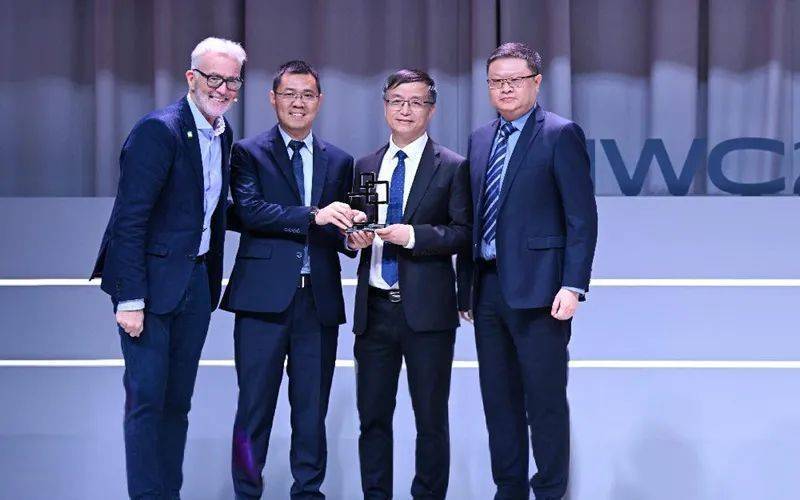
Core Insights - The emergence of the 5G-A smart dark factory, a collaboration between China Unicom, Gree Electric, and Huawei, is redefining traditional manufacturing processes and setting a direction for future industry development [1][3] - The factory boasts an impressive annual production capacity of 12 million air conditioners, achieving fully automated operations without human intervention, which has significantly increased production efficiency by 86% [3][4] - The factory's success has garnered international recognition, winning two awards at the Global Mobile Awards in 2025 for "Best Dedicated Network Solution" and "Best Mobile Economy Innovation" [1] Group 1 - The Gree Electric high-lan port factory exemplifies the concept of a "dark factory," showcasing complete automation and intelligence from raw material intake to finished product delivery [3] - Huawei's deterministic IP network solution addresses the challenges of traditional industrial control systems, ensuring stable control of production sites over long distances with latency fluctuations kept within 30 microseconds [3][4] - The integration of 5G-A networks, RedCap terminals, and management platforms in Gree's factory provides a comprehensive model for intelligent upgrades that can be replicated by other enterprises [4] Group 2 - The Chongqing Changan Automobile factory, developed in collaboration with China Unicom and Huawei, has become Asia's largest unmanned factory, producing up to 280,000 vehicles annually with a new car rolling off the line every 60 seconds [4] - The rise of intelligent factories is transforming job roles, with engineers operating robots earning annual salaries of up to one million, and workers being liberated from hazardous environments [6] - The global influence of China's intelligent manufacturing solutions is expanding, allowing engineers to control machinery remotely with minimal latency, enhancing production efficiency and resource utilization [6]

“把握发展机遇,合力克服挑战”(《习近平谈治国理政》大家读)
Ren Min Ri Bao· 2025-07-25 20:30
Group 1 - The BRICS cooperation mechanism has become an important platform for emerging market countries and developing nations to unite and collaborate, playing a significant role in promoting reforms of the Bretton Woods system, which historically benefited developed countries [2] - The expansion of BRICS from five to ten countries in 2024, with Indonesia joining in 2025, will result in BRICS countries accounting for over 50% of the global population and approximately 30% of global GDP at market exchange rates, contributing over 50% to global economic growth and exporting over 25% of global energy [1] - China's development experience, scientific technology, and talent training are continuously empowering the global South, as evidenced by successful projects like the China-Brazil Earth Resources Satellite program, which has produced six satellites and brought significant technological advancements to Brazil [2] Group 2 - China's cooperation with global South countries focuses on mutual development rather than one-way aid, exemplified by the Hisense South Africa Industrial Park, which has created over 6,000 jobs and has a production capacity of 1 million TVs and 500,000 refrigerators annually [3] - The interest of many countries in joining the BRICS cooperation mechanism reflects a growing desire among global South nations to collaborate and benefit from China's development model, which emphasizes respect and mutual benefit [1][2] - A united and self-reliant global South is expected to inject more certainty into world peace and development, contributing significantly to the progress of humanity [3]
中国智能制造崛起:华为黑灯工厂,机器人主宰生产线,重塑未来职场
Sou Hu Cai Jing· 2025-07-25 12:45
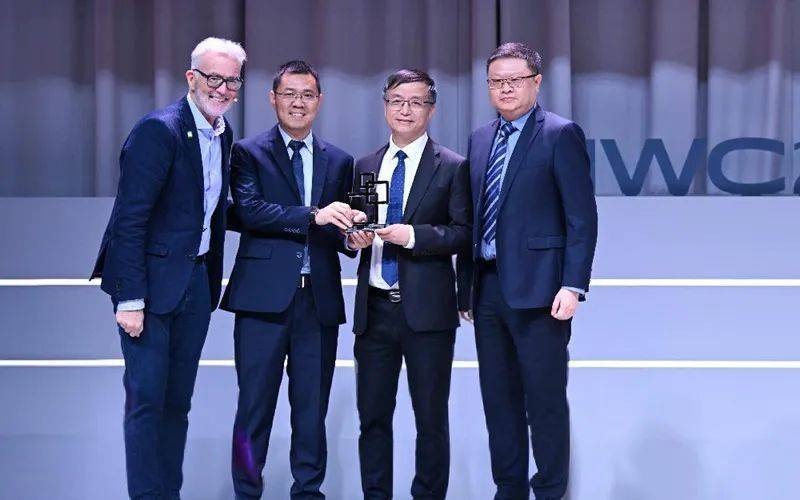
Core Insights - The emergence of a 5G-A smart "dark factory" in China, capable of producing 12 million air conditioners annually without any on-site workers, signifies a transformative shift in the manufacturing industry [1][3] - This factory, a collaboration between China Unicom, Gree, and Huawei, has been recognized globally, winning two prestigious awards at the 2025 Global Mobile Awards in Barcelona [1] Group 1: Smart Factory Concept - The "dark factory" concept represents a fully automated and intelligent production model, where operations from raw materials to finished products are conducted without human intervention [3] - Gree's Zhuhai factory exemplifies this model, achieving an annual production of 12 million split air conditioners with zero defects and an 86% increase in production efficiency [3] Group 2: Technological Innovations - Huawei's deterministic IP network solution addresses the challenges of traditional industrial control systems, ensuring low latency and stable control over production processes even across vast distances [3] - The integration of 5G-A networks, RedCap terminals, and management platforms in Gree's factory has led to comprehensive automation in equipment, logistics, and quality inspection [4] Group 3: Impact on Workforce - The rise of smart factories is reshaping job roles, with engineers operating robots earning up to one million annually, and workers being liberated from hazardous tasks [6] - The ability to control machinery remotely with minimal latency enhances productivity and allows skilled engineers to work from various locations, optimizing resource utilization [6] Group 4: Global Influence - The Chinese model of smart manufacturing is gaining international traction, showcasing the potential for factories to be located in areas with lower energy costs while maintaining high operational efficiency [6] - The emergence of new job opportunities, such as AI trainers and digital twin engineers, reflects the industry's evolution towards safer and more valuable employment [6]
南财快评|吸引英才来粤发展,广东人才底座不断夯实
2 1 Shi Ji Jing Ji Bao Dao· 2025-07-25 07:14
Group 1 - The "Million Talents Gather in Guangdong" initiative has successfully attracted over 1 million recent college graduates to work and start businesses in Guangdong by mid-July 2023, reinforcing the province's modern industrial talent base [1][2] - The initiative was launched in early 2023 during the provincial high-quality development conference, with a commitment to absorb 1 million graduates, involving collaboration between provincial authorities and national ministries [1][2] - The initiative includes large-scale recruitment events across multiple cities, effectively addressing the information asymmetry between job seekers and employers [1][2] Group 2 - Guangdong is leveraging AI technology to enhance job matching efficiency, offering services such as AI resume diagnostics and simulated interviews [2] - The province is providing substantial financial support for graduates, including free accommodation and transportation subsidies for job seekers in cities like Guangzhou and Shenzhen [2] - The focus is not only on employment but also on retaining talent through career development opportunities in Guangdong's robust economy and innovative enterprises [2][3] Group 3 - Major manufacturing companies and tech giants in Guangdong, such as BYD, GAC Group, Gree, and Huawei, are participating in the recruitment drive, with over 1.2 million quality job positions being dynamically recruited [3] - A total of 62.5 million job postings have been made available through the "Yue Employment" app, with significant positions for various educational backgrounds, including over 26,000 positions with annual salaries exceeding 100,000 yuan [3] - The manufacturing sector is the largest employer of graduates, with a notable increase in the proportion of graduates entering this field from 14.72% in 2020 to 19.21% in 2025, highlighting Guangdong's role as a manufacturing powerhouse [3]