
宠物疫苗

Search documents
1月多数疫苗品种批签发均同比下降,兽药VPI指数连续3个月环比下行:动保行业1月跟踪报告
Huachuang Securities· 2026-02-23 00:45
Investment Rating - The report maintains a "Recommendation" rating for the veterinary medicine industry, expecting the industry index to outperform the benchmark index by more than 5% in the next 3-6 months [80]. Core Insights - In January, the majority of vaccine varieties saw a year-on-year decline in batch approvals, with the Veterinary Product Index (VPI) dropping 1.8% month-on-month, marking three consecutive months of decline [2][3]. - The report highlights that the overall performance of the animal vaccine and veterinary medicine sector has been affected by high base effects from the previous year, low breeding sentiment, and the timing of the Spring Festival impacting stocking rhythms [10][57]. - The report emphasizes the importance of innovation in driving performance, noting that companies demonstrating product, marketing, or capital operation innovations have shown better financial results [71][72]. Summary by Sections Vaccine Batch Approvals - In January, most vaccine products experienced a year-on-year decline in batch approvals. For pig vaccines, the majority saw declines, with only pseudorabies and blue ear vaccines showing increases of 13.1% and 30.2%, respectively. Other vaccines like foot-and-mouth disease and porcine circovirus vaccines saw declines ranging from 20% to 50% [9][10]. - In the poultry vaccine segment, the H5N1 trivalent vaccine and Marek's vaccine saw declines of 13.8% and 25.9%, respectively, while the newcastle disease vaccine remained flat [9][10]. Veterinary Raw Materials - The VPI index averaged 66.16 in January, down 1.8% from December, with a continued downward trend observed in the prices of most raw materials. For instance, the price of florfenicol dropped by 4.5% month-on-month, while amoxicillin saw a slight increase of 0.7% [57][58]. - Year-on-year comparisons show that while some products like tylosin and tilmicosin have seen significant price increases, amoxicillin has dropped by 28.8% [58][57]. Investment Recommendations - The report suggests focusing on undervalued companies with improvement logic, highlighting that the ongoing industry competition has led to a market environment where only innovative companies are likely to thrive. Recommended companies include Zhongmu Co., Ltd., Reap Bio, and others [71][73].
普莱柯20260203
2026-02-04 02:27
Summary of the Conference Call Company Overview - The conference call focused on **普莱柯 (Pulaike)**, a company in the **animal vaccine industry**. The discussion highlighted the company's performance in 2025 and its outlook for 2026. Key Points and Arguments Industry Context - The animal vaccine industry has faced pressure due to fluctuations in the breeding sector and internal competition, leading to a challenging environment for many companies [1][3]. - Despite these challenges, leading companies with strong R&D capabilities have managed to achieve significant growth [1]. Financial Performance - In 2025, 普莱柯 achieved a net profit of approximately **1.176 billion to 1.95 billion** CNY, representing a year-on-year growth of **90% to 110%** [3][4]. - The company reported a nearly **50% increase** in profits during the first three quarters of 2025, driven by the release of poultry vaccine production capacity and rapid growth in the pet business [1][3]. Cost Management and Efficiency - The company has focused on cost reduction and efficiency improvements, resulting in a significant decrease in operating expenses and an increase in net profit margins [1][4][5]. - Sales expense ratios have been continuously declining, indicating effective cost control measures [5][28]. Product Development and Market Strategy - The company plans to continue its focus on high-quality, efficient growth, with expectations to maintain growth in poultry and pet products in 2026 [6][37]. - New product lines, including the **H9 series** and **cash cow series**, are expected to contribute to future growth [11][23]. Market Trends and Pricing - The pricing war in the industry has shown signs of easing, particularly for certain vaccine products, although competition remains intense [10][8]. - The company anticipates that while there may still be pressure on pricing, the overall margin for leading companies remains favorable due to their competitive advantages [10]. Sales Channels and Growth - The company has established a robust distribution network, covering **25 provinces** and over **8,000 pet hospitals** [14][15]. - The pet product segment is experiencing growth rates of over **30%**, with non-medical products seeing even higher growth [15]. Future Outlook - For 2026, the company aims to achieve a net profit target of over **2 billion** CNY, with expectations of returning to historical highs [6][7]. - The poultry vaccine segment is projected to grow by **15% to 20%**, while the pet product segment is expected to exceed **50% growth** [20][37]. Research and Development - The company is actively working on new vaccine projects, including a **African Swine Fever vaccine**, with clinical trials expected to commence soon [31][32]. - The company has made significant investments in R&D to enhance its product offerings and maintain competitive advantages [32]. Challenges and Risks - The company faces ongoing challenges from industry competition and potential impacts from disease outbreaks in livestock, which could affect sales [30][19]. - The overall market environment remains volatile, with external factors influencing the breeding sector's profitability [30]. Additional Important Information - The company has implemented a more refined management approach to sales expenses, linking spending directly to sales outcomes [28]. - There is a strategic focus on expanding international business and product registrations in various countries, aiming for significant growth in export revenues [24]. This summary encapsulates the key insights from the conference call, providing a comprehensive overview of 普莱柯's current status and future prospects in the animal vaccine industry.

一文读懂中国宠物经济地图|这些地方搞定了1.2亿“毛孩子”的幸福生活
Nan Fang Nong Cun Bao· 2026-01-20 10:02
Core Insights - The pet economy in China is rapidly expanding, with the market expected to exceed 811.4 billion yuan by 2025, and the urban pet population reaching 120 million [2][6]. Group 1: Industry Overview - The pet economy has evolved from mere companionship to a lifestyle, creating a vast ecosystem around the entire lifecycle of pets [5][6]. - The geographical distribution and specialization within the pet industry have developed into a national framework, with significant contributions from various regions [6][7]. Group 2: Regional Highlights - Liaoning Anshan is emerging as a major hub for pet breeding, supplying over 60% of the national pet dog and cat population, with an industry scale exceeding 10 billion yuan [18][19][20]. - Hebei and Shandong are recognized as the primary pet food production areas, with a projected 14% increase in pet food shipment volume by 2025 [30][31]. - The Yangtze River Delta is positioned as the "universe center" for pet supplies, leveraging its supply chain advantages and manufacturing capabilities [49][50]. Group 3: Emerging Trends - The pet vaccine sector is witnessing significant growth, with companies like Princely and Jinhe Bio reporting substantial revenue increases, indicating a burgeoning market for pet health products [78][86]. - The smart pet products market is projected to surpass 10.2 billion yuan, driven by advancements in AI and e-commerce integration [91][92]. - The "pet+" trend is gaining traction, with services like pet transportation and photography experiencing exponential growth, reflecting a shift towards emotional spending in pet ownership [106][108]. Group 4: Infrastructure and Services - Guangzhou Baiyun Airport has become the first pet-friendly airport in China, facilitating easier travel for pet owners [120][129]. - The development of pet-friendly cities and services is on the rise, enhancing the overall experience for pet owners and their pets [116][118].



国泰海通 · 晨报260106|周期破晓见曦,成长擎画新篇
国泰海通证券研究· 2026-01-05 12:55
Livestock Farming - In the first half of 2026, pig prices are expected to remain low, leading to continued low profits in the industry [4] - The pig farming sector is undergoing capacity adjustments driven by policies and cycles, with ongoing capacity reduction [4] - Debt levels are decreasing, and costs are declining, making it important to focus on cost improvements and growth-oriented pig farming enterprises [4] Poultry Farming - The white chicken supply chain is experiencing deep price declines, and it will take time for supply and demand to return to balance [5] - Yellow chicken prices may see slight recovery, with attention on the promotion of native chicken varieties boosting yellow chicken consumption [5] Beef Farming - The beef farming cycle is long, and the fragmented supply side is significantly influenced by smallholder behaviors [6] - Low prices from 2022 to 2024 are driving capacity reduction, with expected declines in slaughter volumes from 2025, leading to sustained price increases [6] Post-Farming Cycle - Feed sales are anticipated to grow, with an increase in industry concentration among leading companies [7] - In 2026, the livestock inventory is expected to remain high, with industry prosperity continuing upward, particularly in the first half of the year [7] - Demand for animal health products may be pressured by low farming profits, with a focus on new products like African swine fever vaccines and pet vaccines [7] Crop Farming - Grain prices are expected to stabilize and trend upward, emphasizing the importance of food security [8] - The seed industry is seeing revitalization and innovation in varieties [8] - Opportunities in specialty crops such as blueberries and mushrooms are noteworthy [8] - The demand for plant extraction products is growing due to the trend towards natural health [8] Pet Industry - The pet market is thriving, with strong consumer spending and an increasing willingness to pay for pet-related products [9] - By 2025, the industry may face challenges in scaling revenue due to competition, leading to increased marketing expenditures that could impact short-term profit margins [9] - Companies with comprehensive capabilities in production, sales, and research are rare and may gain competitive advantages, with a focus on the growth of domestic brands and price increases [9]

“宠物+”融合发展,撬动万亿消费市场
Bei Jing Shang Bao· 2026-01-04 23:09
Group 1 - The core viewpoint of the articles highlights the rapid growth of the pet economy, which has transitioned from a niche market to a significant driver of consumer spending, with pet-related products and services becoming essential in various sectors such as home cleaning, health, and entertainment [1][4][8] - Pet consumption is increasingly characterized by "humanization of pet needs" and "petification of human products," leading to innovative products like pet-specific vacuum cleaners and smart pet devices, which are becoming popular among urban pet owners [3][5] - The demand for pet health products is surging, with prescription pet food sales expected to grow by 290% by 2025, and other health-related products also showing significant growth, indicating a shift towards more health-conscious pet ownership [5][6] Group 2 - The pet economy is reshaping household consumption patterns, with pet-related spending becoming a key variable in driving traditional consumer goods growth, as evidenced by government initiatives targeting the pet market [4][6] - The trend of "pet as family member" is leading to increased spending on high-value items such as pet pharmaceuticals and health supplements, with average monthly spending on pet nutrition reaching 85 yuan, a 30% increase year-on-year [6][7] - There is a notable regional variation in pet consumption, with urban areas like Beijing showing higher average spending and a preference for premium pet products, reflecting a nationwide trend towards more refined and functional pet care [7][8]


“宠物+”融合发展 撬动万亿消费市场
Bei Jing Shang Bao· 2026-01-04 09:23
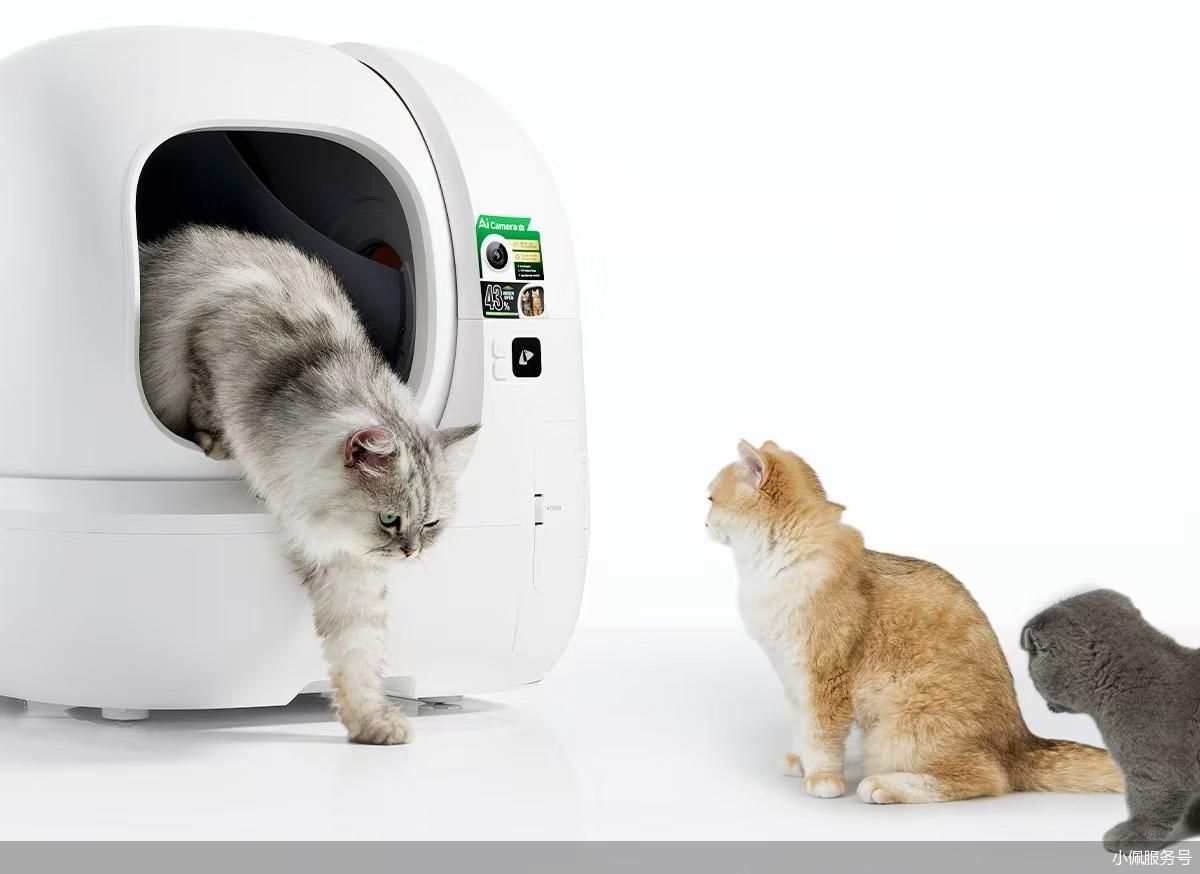
Group 1 - The core viewpoint of the articles highlights the rapid growth of the pet economy, transforming pet consumption from a marginal activity to a significant driver of consumer spending, with projections indicating that by 2025, pet ownership will influence various sectors including home cleaning, health, and entertainment [1][3][4] - Pet consumption is characterized by a trend of "humanization of pet needs" and "petification of human products," leading to increased sales of pet-specific appliances such as vacuum cleaners and smart litter boxes, with a notable 65% growth in pet hair vacuum sales in Beijing by 2025 [3][4] - The demand for ornamental pets is rising, as evidenced by a 52% growth in aquarium sales in Beijing, indicating a shift towards pets as companions for visual enjoyment [4] Group 2 - The pet health sector is emerging as the primary growth driver in pet consumption, with pet prescription food sales expected to increase by 290% and therapeutic products by 80% by 2025, significantly outpacing traditional categories [5][6] - The perception of pets is evolving from mere animals to family members, leading to a surge in high-value products such as pet pharmaceuticals and health supplements, with average monthly spending on pet nutrition reaching 85 yuan, a 30% increase year-on-year [6][7] - The pet consumption market is experiencing a shift towards "refined" consumption, with consumers in different cities showing similar preferences for high-quality pet products, indicating a nationwide trend towards functional and health-oriented pet care [7][8] Group 3 - The development of smart technology is expected to create new opportunities and challenges in the pet economy, as the growing pet owner demographic and rising spending levels will lead to more niche markets and opportunities [8]
年度策略报告姊妹篇:2026年农林牧渔行业风险排雷手册-20251230
ZHESHANG SECURITIES· 2025-12-30 11:17
Group 1 - The core view of the report emphasizes a structural transformation in the capital market, focusing on rebuilding confidence and addressing external demand pessimism [3][4] - The investment logic suggests a shift from cyclical growth to cyclical value, with a resilient cycle expected in 2026, highlighting the value attributes of leading companies [9] - Key assumptions include a gradual decrease in the breeding sow inventory and proactive capacity control by pig companies, which may lead to reduced supply pressure and potential price recovery for pigs in 2026 [8] Group 2 - The report identifies specific companies to focus on, such as leading low-cost and high-certainty firms like Muyuan Foods and Wens Foodstuffs, as well as high-growth smaller pig companies [7] - The report outlines potential risks, including the possibility of breeding sow inventory not decreasing as expected, which could lead to an oversupply of pigs and downward pressure on prices [8] - The report also discusses the beef market, indicating that if the import impact continues, it could lead to downward pressure on beef prices, affecting the profitability of beef companies [16][24] Group 3 - In the poultry sector, the report highlights that the yellow chicken market may see price increases if breeding stocks continue to decline, while the white chicken market is expected to recover as macroeconomic activities improve [25][26] - The report emphasizes the importance of consumer demand in the poultry market, noting that weak demand could lead to price declines and pressure on company performance [27][32] - The report suggests that the animal health sector will benefit from the recovery of livestock profitability, with a focus on companies that have strong R&D capabilities and product pipelines [33][36] Group 4 - The grain sector is expected to see upward price trends due to adverse weather conditions affecting crop yields, with a focus on companies involved in seed production and transgenic varieties [40][41] - The report warns of potential risks in the seed industry, including weak demand for new varieties, which could lead to price declines and increased pressure on seed companies [44][45] - The report highlights the importance of monitoring government policies regarding the commercialization of new seed varieties, as delays could impact market expectations [46][48] Group 5 - The report provides a risk assessment for recommended stocks, such as Muyuan Foods and Wens Foodstuffs, indicating potential risks related to pig output and price declines [50][56] - The report emphasizes the need for continuous monitoring of key indicators, such as breeding sow inventory and market prices, to assess the performance of the companies in the livestock sector [56]


11月多数疫苗产品批签发同比继续下滑,兽药原料药价格指数持续弱势:动保行业11月跟踪报告
Huachuang Securities· 2025-12-22 13:14
Investment Rating - The report maintains a "Recommendation" rating for the animal health industry, indicating an expectation of the industry index outperforming the benchmark index by more than 5% in the next 3-6 months [3][80]. Core Insights - In November, the majority of vaccine products saw a year-on-year decline in batch approvals, with only the diarrhea vaccine showing a positive growth of +25.8%. Other vaccines, such as foot-and-mouth disease and pseudorabies vaccines, experienced declines ranging from -4.3% to -66.7% [8][9]. - The Veterinary Product Index (VPI) for raw materials has shown a continuous decline for two consecutive months, with a current index of 67.23, down 1.1% from the end of November. However, it is still up 2.1% year-on-year [51][55]. - The report highlights a significant differentiation in company performance within the industry, with successful companies demonstrating innovation in products, marketing, and capital operations [69][71]. Summary by Sections Vaccine Batch Approvals - In November, most vaccine products saw a decline in batch approvals compared to the previous year, with notable decreases in various pig vaccines. The only exception was the diarrhea vaccine, which increased by +25.8% [8][9]. - Cumulatively from January to November, several vaccine types, including the circular virus vaccine and the diarrhea vaccine, showed positive growth, with the circular virus vaccine increasing by +14.8% [9][10]. Veterinary Raw Material Prices - The VPI index has decreased for two consecutive months, with a current value of 67.23, reflecting a 1.1% drop from November's end. The prices of various raw materials, such as tylosin and florfenicol, have also seen declines [51][55]. - The report notes that the market sentiment for veterinary raw materials is cooling due to low demand and a lack of strong market support, leading to a weak operational state expected in the short term [55][69]. Investment Recommendations - The report suggests focusing on undervalued companies with improvement logic, highlighting that companies with innovative capabilities are likely to perform better in the current market environment [69][71]. - Specific companies recommended for attention include Zhongmu Co., Ltd., Reap Bio, Kexin Bio, and others, which are expected to benefit from the ongoing market dynamics [71].
大鹏缺席最新“小巨人”名单,坝光首个产业载体入驻率不高
Nan Fang Du Shi Bao· 2025-12-17 02:37
Core Viewpoint - Shenzhen leads the nation with 347 enterprises selected in the Ministry of Industry and Information Technology's seventh batch of "specialized, refined, unique, and innovative" small giant enterprises, while Dapeng New District has only 6 such enterprises, indicating a lag in nurturing quality SMEs despite high industrial contribution to GDP [1][5]. Group 1: Dapeng New District Overview - Dapeng New District has fewer enterprises and well-known companies compared to traditional strong districts in Shenzhen, but it possesses high-potential development areas like the Baguang area, which was designated as a key growth zone for Shenzhen's International Biological Valley [2]. - The Baguang area was initiated for substantial construction in early 2016, aiming to become a significant growth engine for the region [2]. Group 2: Current Industrial Landscape - After nearly a decade of development, the Baguang area appears underdeveloped, with many industrial spaces remaining vacant and key projects like the Baguang Cultural Center and Sports Center not yet operational [3][6]. - The first industrial project, Biological Garden, has been operational for three years but has low occupancy rates, with many buildings remaining empty [8][10]. Group 3: Project Delays and Challenges - The Baguang Medical Technology Park, which was expected to be a significant development in the medical device sector, remains largely undeveloped three years after its groundbreaking ceremony, with visible signs of neglect [11][12]. - The Dapeng New District has reported a total of 78 projects in the Baguang area, with 57 completed and 8 under construction, but delays in key projects like the Baguang Industrial Incubator and Innovation and Entrepreneurship Park have been noted, with completion pushed to mid-2026 [18]. Group 4: Government Responses and Future Outlook - The Dapeng New District's Technology and Industrial Information Bureau indicated that the region has only 6 "small giant" enterprises, attributing the low number to the area's focus on tourism and a lack of existing enterprises [14]. - The Dapeng New District's Business Bureau reported the addition of 97 enterprises through investment attraction over the past three years, highlighting efforts in various sectors including biomedicine and low-altitude economy [16].
业景气前瞻-宠物食品、宠物保健专家交流
2025-12-03 02:12
Summary of Key Points from the Conference Call Industry Overview - The domestic pet food market is highly competitive, with domestic brands holding over 70% market share, including brands like Guobao, Royal Canin, Xianlang, and NetEase Tiancheng [1][4] - The pet food market is experiencing intensified price competition, with major brands engaging in price wars to capture market share, which is squeezing the survival space for smaller brands [1][5] - Online sales channels have become mainstream, contributing to 80% of brand sales, while offline channels help capture loyal customers [1][10] Market Trends - Domestic companies are expected to adopt international strategies, including establishing overseas factories to expand their global market presence [1][4] - The pet health product market is projected to exceed 15 billion yuan (factory price) and nearly 30 billion yuan in retail sales by 2025, with a trend towards more refined and personalized products [1][11] Competitive Landscape - Guobao is a leading player with significant supply chain advantages, controlling meat and grain sourcing and reducing costs through overseas factories [1][8] - Zhongchong operates a multi-brand strategy and has made extensive investments in raw materials and supply chains, showing strong growth potential [1][8] - The market is divided into four tiers, with Guobao and Royal Canin leading, followed by Xianlang and emerging brands like NetEase Tiancheng [4][8] Pricing Dynamics - Economic conditions have led to decreased consumer willingness to spend, prompting brands to engage in aggressive pricing strategies [5][6] - Major players are expected to continue using price wars to gain market share while maintaining strict quality control to avoid losing consumer trust [6][5] Channel Strategy - Brands face challenges in balancing online and offline investments, with many opting to establish online reputations before investing in offline channels [7][10] - The trend indicates that brands that can balance price and quality will stand out in an increasingly competitive market [7] Consumer Perception and Brand Trust - Consumers generally perceive imported pet health products as superior to domestic ones, which affects the market dynamics [13] - Domestic brands need to improve research and development and raw material selection to enhance product quality and consumer trust [13][16] Regulatory and Trade Challenges - The U.S. tariff policies pose significant challenges for Chinese brands, leading to increased uncertainty and pressure on smaller enterprises [17][18] - Chinese brands are responding by establishing overseas factories to mitigate tariff impacts and enhance competitiveness [21] Future Outlook - The pet industry is expected to see significant growth by 2026, particularly in pet healthcare, pet health products, and pet food sectors [19] - The market for pet food is projected to reach 120 to 150 billion yuan (factory price) and 280 to 300 billion yuan in retail sales, with a growing share of high-end products [19] Emerging Trends and Opportunities - Emotional consumption products and niche markets for exotic pets are experiencing rapid growth, with significant potential for local brands [22][23] - The pet funeral service sector is emerging as a high-profit area, although it requires strong empathy and faces regulatory challenges [23]