特斯拉Model S/X

Search documents
「华舟魔」三强之一,加速迈向物理AI
雷峰网· 2026-03-25 10:05
Core Viewpoint - The article discusses the recent $100 million funding round for Qianzhou Zhihang, emphasizing its strategic shift towards physical AI and the development of advanced technologies in autonomous driving and general physical AI [2][3][4]. Group 1: Funding and Strategic Shift - Qianzhou Zhihang completed a Series D funding round of $100 million, with investors including leading domestic automotive manufacturers and various investment funds [2]. - The company plans to enhance its research in world models and reinforcement learning, which are crucial for advancing physical AI technologies [3][4]. Group 2: Importance of Physical AI - AI can be categorized into digital AI, which processes information, and physical AI, which interacts with the physical world. The latter is still in its early stages, particularly in autonomous driving [4][5]. - The CEO of Qianzhou Zhihang highlighted that autonomous driving is the best entry point for physical AI, with the potential for significant opportunities in the next 5-10 years [5][6]. Group 3: Technological Development - The company aims to leverage structured data from autonomous driving to develop a robust world model, which is essential for understanding physical interactions in complex environments [7][9]. - The integration of world models and reinforcement learning is seen as a solution to the challenges faced in the unpredictable physical world, allowing for proactive decision-making in autonomous systems [9][10]. Group 4: Market Position and Production Scale - Qianzhou Zhihang has achieved a production scale of over 1 million vehicles equipped with its autonomous driving system, positioning itself among the top players in China's intelligent driving sector [12][13]. - The company plans to expand its model offerings significantly by 2026, with a focus on urban navigation assistance (NOA) capabilities [13][14]. Group 5: Competitive Landscape - The competitive landscape includes major players like Huawei and Momenta, each adopting different strategies to penetrate the market. Qianzhou Zhihang focuses on maximizing the efficiency of single-chip solutions for urban NOA [16][17]. - The company aims to target the price segment of 100,000 to 200,000 yuan, which represents a significant portion of the Chinese new energy vehicle market [17][18]. Group 6: Technological Integration and Future Plans - Qianzhou Zhihang's approach emphasizes standardization and compatibility across different vehicle models, allowing for rapid adaptation and deployment of its technologies [20][21]. - The company plans to showcase its latest technological advancements at the Beijing Auto Show in April 2026, highlighting its transition from L2 to L4 autonomous driving and general physical AI [24].

中国机器人在跳舞,美国机器人在发论文
芯世相· 2026-03-10 04:31
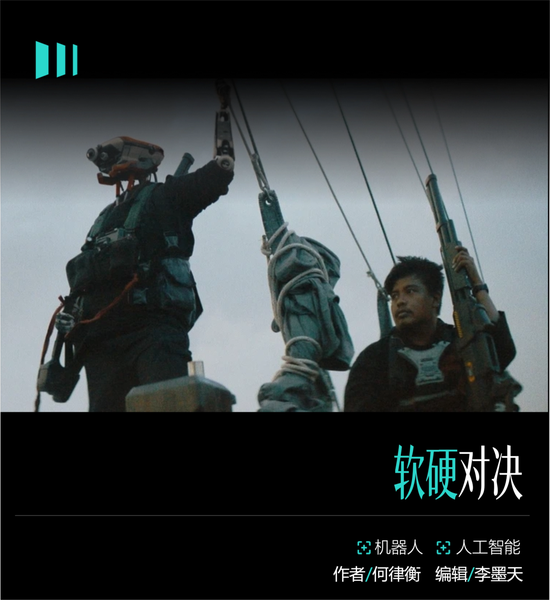
Core Viewpoint - The article discusses the contrasting approaches of China and the United States in the development of humanoid robots, highlighting China's focus on hardware and manufacturing capabilities, while the U.S. emphasizes software and AI algorithms [9][12][25]. Group 1: Industry Overview - The past year has seen significant advancements in the robotics industry, particularly in China, where robots have gained popularity and visibility through various public performances [5]. - In contrast, the U.S. robotics sector appears less vibrant, with fewer public demonstrations and a focus on software development rather than hardware production [9][12]. Group 2: Hardware vs. Software - China's robotics industry is primarily hardware-driven, with companies showcasing their manufacturing prowess through various robotic applications, including industrial tasks [12][18]. - The U.S. focuses on software development, with companies like Google and NVIDIA working on AI models and algorithms that enhance robotic capabilities, emphasizing the understanding of physical rules rather than just data processing [15][19]. Group 3: Supply Chain Dynamics - The supply chain for humanoid robots is heavily influenced by the automotive industry, with many suppliers transitioning from electric vehicle components to robotics, indicating a strong interconnection between these sectors [18][24]. - Chinese companies are leveraging their manufacturing strengths to provide essential components for humanoid robots, while U.S. firms contribute advanced software and AI technologies [19][24]. Group 4: Future Outlook - The article suggests that the competition in the humanoid robotics space may mirror the dynamics seen in the electric vehicle market, with Chinese companies potentially dominating certain segments [23][26]. - As both countries continue to develop their respective strengths, the gap in technology and capabilities in humanoid robotics is expected to narrow, leading to increased competition [25][26].


中国机器人在跳舞,美国机器人在发论文
Xin Lang Cai Jing· 2026-02-26 13:22
Core Viewpoint - The article discusses the contrasting development paths of the robotics industry in China and the United States, highlighting China's focus on hardware and the U.S.'s emphasis on software, suggesting a competitive landscape in the robotics sector. Group 1: Industry Overview - The popularity of robots in China has significantly increased, with various performances showcased during the Spring Festival, while the U.S. robotics industry appears relatively quiet [2][27]. - Despite fewer robots in the U.S., there are numerous robotics companies, including World Labs and Physical Intelligence, focusing on data synthesis and model development [4][29]. - NVIDIA has developed the Isaac platform specifically for humanoid robots, indicating a strong push in software development for robotics in the U.S. [6][31]. Group 2: Hardware vs. Software - China is primarily focused on hardware development, with robots already being utilized in factories, while the U.S. is concentrating on software, producing numerous algorithms and patents [6][31]. - The long-term goal for humanoid robots is versatility, requiring both human-like physical capabilities and advanced software algorithms to understand the physical world [8][33]. - The hardware aspect of robots includes components like joints, which are crucial for complex operations, while the software is essential for understanding physical rules [9][36]. Group 3: Supply Chain Dynamics - The supply chain for robotics in China is heavily influenced by the automotive industry, with many suppliers transitioning to provide components for humanoid robots [16][41]. - Companies like Tesla leverage China's manufacturing capabilities for hardware while maintaining software development in the U.S., creating a symbiotic relationship between the two countries [17][42]. - The integration of automotive technology into robotics is evident, with components like batteries and control systems being shared between electric vehicles and humanoid robots [13][40]. Group 4: Future Outlook - The article suggests that the competitive landscape in robotics may mirror that of the electric vehicle industry, with Chinese companies potentially dominating the humanoid robot market in the future [24][49]. - The rapid advancement in software capabilities in China is narrowing the gap with U.S. companies, indicating a potential shift in competitive dynamics [23][48]. - Elon Musk has expressed concerns about the rising competition from Chinese companies in the humanoid robot sector, indicating a recognition of the shifting landscape [24][49].

对话智能房车 Pebble 创始人杨秉锐:怎么用苹果的方式造房车?
晚点Auto· 2026-02-05 06:19
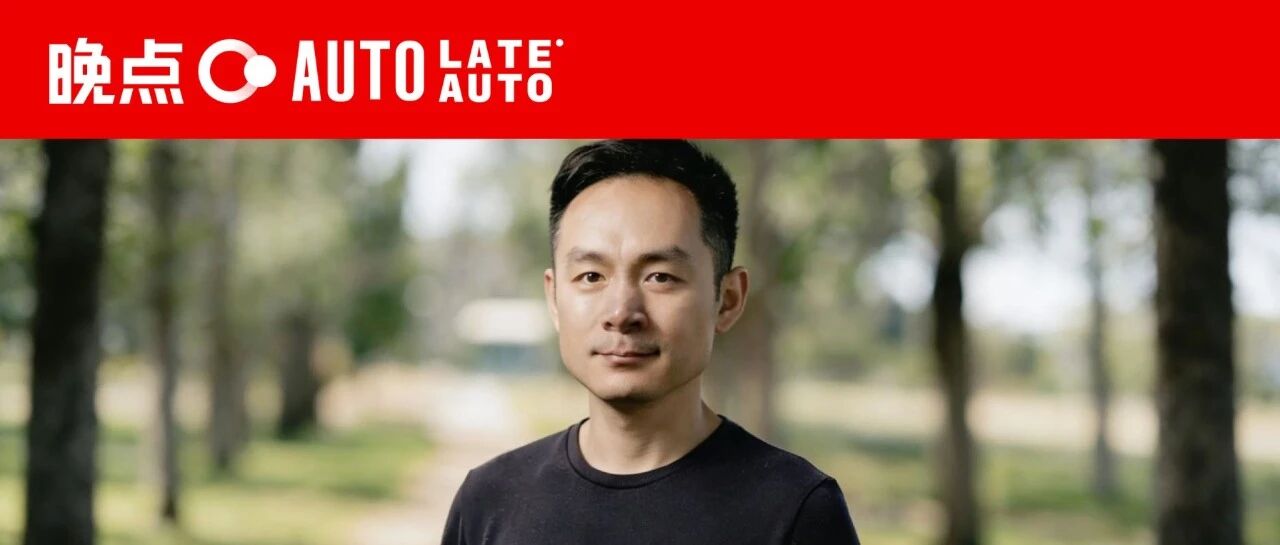
Core Viewpoint - Pebble is the first company to mass-produce and deliver smart RVs, aiming to revolutionize the RV industry by integrating advanced technology and user-friendly features into their products [1][2]. Group 1: Company Overview - Pebble's first product, Pebble Flow, is a fully electric trailer RV equipped with a 45kWh battery and dual motor system, allowing it to operate autonomously and significantly improving user experience [2][5]. - The company has already delivered hundreds of units and is experiencing positive user feedback, particularly regarding its automated features like the Magic Hitch [5][6]. - Pebble aims to establish itself as a high-end brand before expanding into the mass market, similar to Tesla's strategy with its Model S/X [3][10]. Group 2: Market Context - The RV market in the U.S. is valued at approximately $25 billion annually, with only about 10% of American households owning an RV, indicating significant growth potential [3][14]. - Competition is increasing with new entrants like Lightship and KEPLO, but Pebble's first-mover advantage and established user base position it favorably in the market [3][10]. Group 3: Product Features and Innovations - Pebble Flow features a unique design that allows for easy towing and parking, with automated systems that reduce the time and effort required for setup [6][9]. - The RV is designed with a focus on energy efficiency, utilizing a high-voltage battery system that allows for extended use without the need for frequent recharging [7][15]. - The interior design maximizes space efficiency, with multifunctional areas that enhance usability without compromising comfort [9][8]. Group 4: Competitive Advantage - Pebble's team possesses a strong internal drive and commitment to product excellence, which contributes to its rapid production and delivery capabilities [13][30]. - The company leverages a global supply chain, sourcing components from China while maintaining assembly in the U.S., which enhances efficiency and cost-effectiveness [16][17]. - Pebble's focus on user experience and addressing common pain points in traditional RVs sets it apart from competitors who may not prioritize these aspects [6][19]. Group 5: Future Plans - The company plans to expand its product line and develop a comprehensive maintenance network across the U.S. by 2026, while also exploring new product innovations [31][30]. - Pebble's long-term vision is to create a scalable living platform centered around energy and smart technology, moving beyond just selling RVs [31].
汽车零部件、机器人主线周报:特斯拉ModelS/X产线切换为机器人,理想入局人形赛道-20260201
Soochow Securities· 2026-02-01 09:53
Investment Rating - The industry investment rating is "Overweight," indicating an expected outperformance of the industry index relative to the benchmark by more than 5% over the next six months [51]. Core Insights - The automotive parts sector saw a weekly decline of 5.74%, ranking 4th within the SW automotive sector, while the robot sector declined by 6.16%, with a year-to-date performance of +0.48% [2][24]. - Key developments include Tesla's transition of the Model S/X production line to Optimus manufacturing and Li Auto's entry into the humanoid robot market [34]. - Investment recommendations focus on identifying structural opportunities in the automotive parts sector and certainty opportunities in the robotics sector, particularly with the anticipated release of Optimus V3 [2][46]. Summary by Sections Automotive Parts Sector Weekly Review - The SW automotive parts index is down 5.74% this week, with a year-to-date increase of 2.85%, ranking 4th among automotive sectors [2][11]. - The latest trading day PE (TTM) for the SW automotive parts sector is at 82.67% historical percentile, while the PB (LF) is at 77.62% [22]. - Notable stock movements include significant gains for Xingyu Co. (+11.19%) and Beite Technology (+3.75%) [2][40]. Humanoid Robot Sector Weekly Review - The humanoid robot index decreased by 6.16% this week, with a year-to-date increase of 0.48% [24]. - The latest trading day PE (TTM) for the humanoid robot sector is at 66.92% historical percentile, and the PB (LF) is at 77.19% [33]. - Key events include the announcement of Tesla's production shift and Li Auto's entry into humanoid robotics [34]. Core Coverage Stock Tracking - Key stocks in the automotive parts sector include Fuyao Glass, Top Group, and Xingyu Co., with notable performance and strategic developments [40][44]. - New strategic partnerships and performance forecasts indicate potential growth for companies like New Spring Co. and Blue Dai Technology [44]. Investment Recommendations - For the automotive parts sector, focus on companies with strong product offerings and those expanding into high-value markets, particularly in Europe, North America, and Southeast Asia [46]. - In the robotics sector, prioritize companies benefiting from advancements in technology and manufacturing synergies, with recommendations for Top Group and Junsheng Electronics [46].
马斯克,被曝大动作!打造“科技巨无霸”
Xin Lang Cai Jing· 2026-01-31 05:11
Core Viewpoint - Elon Musk is exploring the potential merger of SpaceX and Tesla, along with a strategic partnership with xAI, aiming to create a "super ecosystem" in the technology sector that integrates rocket launches, satellite networks, electric vehicles, social media, and generative AI technology [1][2]. Group 1: SpaceX Developments - SpaceX is considering a public offering (IPO) in June 2026, aiming to raise approximately $50 billion, which could value the company at around $1.5 trillion, making it the largest IPO in history [2][7]. - By the end of 2025, SpaceX is projected to have completed over 300 Falcon 9 rocket launches and launched more than 10,000 Starlink satellites, with a record 170 launches in 2025 [3][8]. - The cost of launching Falcon 9 rockets has been reduced to below $1,500 per kilogram, with expectations to drop to $200 per kilogram post-2030, facilitating the commercialization of space computing [3][8]. Group 2: Tesla Financial Performance - Tesla reported a revenue of $94.827 billion for 2025, marking a 3% year-over-year decline, and a net profit of approximately $3.8 billion, down about 46% [4][9]. - In 2025, Tesla produced approximately 1.655 million electric vehicles and delivered 1.636 million, achieving record delivery numbers in the Asia-Pacific market [4][9]. Group 3: Tesla's Robotics and Energy Business - Tesla's energy storage capacity reached 46.7 GWh in 2025, a year-over-year increase of 48.7%, with the fourth quarter alone contributing 14.2 GWh, marking historical highs [4][9]. - The third-generation humanoid robot is set to be released in Q1 2026, featuring significant upgrades and a production plan that aims for an annual capacity of 1 million units by the end of 2026 [5][10].

马斯克,被曝大动作!打造“科技巨无霸”
证券时报· 2026-01-31 05:06
Core Viewpoint - Elon Musk is exploring the integration of his companies Tesla, SpaceX, and xAI to create a "super ecosystem" in the technology sector, potentially merging rocket launches, satellite networks, electric vehicles, social media, and generative AI technology [1]. Group 1: SpaceX and Tesla Integration - SpaceX is considering a merger with Tesla and a strategic partnership with xAI, which could lead to a comprehensive technological ecosystem [1]. - Musk is also contemplating using SpaceX's next-generation Starship to transport Tesla's humanoid robots to the Moon and Mars [3]. - SpaceX is expected to conduct an IPO in June 2026, aiming to raise approximately $50 billion, which would value the company at around $1.5 trillion, making it the largest IPO in history [3]. Group 2: SpaceX's Launch and Cost Efficiency - By the end of 2025, SpaceX plans to complete over 300 Falcon 9 rocket launches and has already launched more than 10,000 Starlink satellites [4]. - The cost of launching Falcon 9 rockets has been reduced to below $1,500 per kilogram, with projections to drop to $200 per kilogram post-2030, facilitating the commercialization of space computing [4]. Group 3: Tesla's Financial Performance - In 2025, Tesla reported annual revenue of $94.827 billion, a 3% decline year-over-year, marking the first annual revenue drop in the company's history [7]. - Tesla's global electric vehicle production reached approximately 1.655 million units in 2025, with deliveries totaling 1.636 million units, achieving record high deliveries in the Asia-Pacific market [7]. - Tesla's energy storage capacity reached 46.7 GWh in 2025, a 48.7% increase year-over-year, with the fourth quarter alone contributing 14.2 GWh, marking historical highs [7]. Group 4: Humanoid Robot Development - Tesla plans to release the third generation of its humanoid robot in Q1 2026, featuring significant upgrades and a design that closely resembles a human [8]. - The production line for Tesla's humanoid robots will be established at the Fremont factory, with plans to start mass production by the end of 2026, targeting an annual capacity of 1 million units [8].

新浪财经隔夜要闻大事汇总:2026年1月31日
Sou Hu Cai Jing· 2026-01-30 23:18
Market - On January 31, U.S. stocks closed lower, but all three major indices recorded gains for January. The Dow Jones, Nasdaq, and S&P 500 all fell, with the Dow and Nasdaq down for the week, while the S&P 500 rose. In January, all three indices saw increases. Trump's nomination of Kevin Warsh to replace Powell as Federal Reserve Chairman is viewed as a relatively hawkish choice, leading to a sharp drop in gold and silver prices. Analysts suggest the sell-off may be due to profit-taking and multiple factors overlapping. Market uncertainty surrounds Warsh's future policy direction, as his appointment requires Senate confirmation, which may spark controversy. Additionally, the market is assessing tech earnings, with U.S. wholesale inflation in December exceeding expectations [1][2]. - Among the top 20 stocks by trading volume on January 31, SanDisk saw a cumulative increase of over 140% in January, driven by chip demand. Tesla rose 3.32%, with capital expenditures expected to more than double by 2026. Nvidia fell 0.72%, but was up 1.84% for the week, linked to its collaboration with Mercedes-Benz on autonomous taxi services. Microsoft continued its downward trend, down 7.65% for the week despite exceeding expectations in its Q2 earnings, attributed to slowing Azure growth. SanDisk rose 6.85%, with a 142.75% increase in January due to the AI boom driving chip demand. Other stocks like Micron and AMD experienced varying degrees of gains and losses, while Applovin suffered due to a new Google project [2]. Company - Apple’s artificial intelligence team is experiencing a wave of departures, with several researchers leaving for Meta and Google. This includes the loss of a Siri executive and at least four other researchers in recent weeks. The departures highlight ongoing turmoil within Apple's AI department, raising concerns about its competitiveness and employee dissatisfaction regarding outsourced technology [1]. - Google has launched an AI model called "Project Genie," which can create interactive digital worlds from simple prompts. This innovation has led to significant declines in the stock prices of video game companies such as Take-Two Interactive, Roblox, and Unity Software. The model's ability to simulate real-world environments may disrupt traditional game development, although there are concerns about potential job losses in the industry [2]. - American Express reported a 13% increase in fourth-quarter profits, reaching $2.46 billion, primarily driven by high-net-worth customers significantly increasing their spending on luxury goods, dining, and travel. The company’s performance aligns with analyst expectations, and it plans to raise its quarterly dividend while providing guidance for 2026 [3]. - Tesla's stock rose 4.1% as the company shifts focus towards robotics, with capital expenditures expected to more than double to approximately $20 billion by 2026. This investment will primarily support the development of autonomous driving technology and humanoid robots, indicating a strategic pivot in Tesla's business operations [7].
今日新闻丨半固态电池、激光雷达车型跨入10万级!零跑A10开启盲订!极石ADAMAS定价99.88万元!
电动车公社· 2025-11-21 17:22
Group 1 - The new Changan Qiyuan Q05 has been launched with a price range of 79,900 to 109,900 yuan, offering six models [1][2] - The vehicle features a compact SUV design with dimensions of 4435/1855/1600mm and a wheelbase of 2735mm [4] - Interior design includes a small wrap-around cockpit, leather seats, and advanced connectivity with Haier appliances, along with high-end features like a "queen seat" for the passenger side [6] Group 2 - The new Tesla Model X/S has been launched, priced at 882,900 yuan for Model X and 942,900 yuan for Model S [2][12] - Both models feature minor updates with improved comfort and slightly enhanced range, with Model S offering a CLTC range of 720km [14][16] - Despite higher prices and no significant advantages over domestic competitors, Tesla continues to demonstrate strong sales performance [16] Group 3 - The new Lantu Dreamer Mountain River has been launched at a price of 709,900 yuan, positioned as a high-end MPV [17][18] - The vehicle features a luxurious interior with a 50-inch IMAX screen and advanced driving technology, including Huawei's ADS 4 [22] - Lantu has achieved cumulative sales of over 150,000 units, establishing itself in the high-end MPV market [26] Group 4 - The MG4 semi-solid state version has been launched at a limited-time price of 99,800 yuan, expected to start deliveries in December [4][28] - The vehicle adopts a minimalist design and features a dual-spoke steering wheel with advanced connectivity options [30] - It is the first mass-produced model with semi-solid state batteries, offering improved winter range and safety [32] Group 5 - The new Volkswagen Passat ePro and the new generation of the Volkswagen Tayron L plug-in hybrid models have been unveiled [33][40] - These models are part of Volkswagen's strategy to enhance its electric and hybrid offerings in the Chinese market [40] Group 6 - The Leap A10 has been officially launched and is now available for blind booking, featuring a design that includes a closed front grille and laser radar [41][43] - The vehicle promises a CLTC range of 500km and a fast charging time of 16 minutes from 30% to 80% [45] - Leap has set ambitious sales targets, aiming for 1 million units next year, with the A10 expected to play a key role in achieving this goal [47] Group 7 - The Jishi ADAMAS has been launched with a starting price of 998,800 yuan, featuring a design similar to the Jishi 01 [48][50] - The vehicle includes luxurious interior features and advanced technology, with a focus on the Middle Eastern market for initial sales [54]

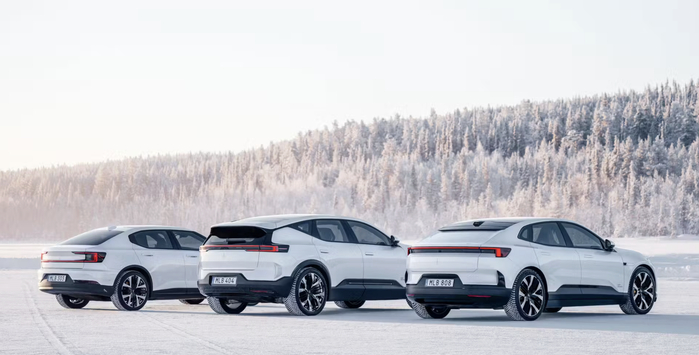
极星危局,纳斯达克启动“退市倒计时”
Tai Mei Ti A P P· 2025-11-12 10:17
Core Viewpoint - Polestar, once hailed as a "Tesla challenger," is facing significant challenges as it receives a delisting warning from Nasdaq due to its stock price falling below $1 for 30 consecutive trading days, necessitating a recovery within 18 months to avoid forced delisting [2][3]. Company Overview - Polestar is a high-end electric vehicle brand under Geely Holding Group, which went public via a SPAC merger in June 2022 with a valuation of nearly $20 billion [3]. - The company has struggled to meet its ambitious delivery targets for 2024, particularly in key markets like the U.S. and China, leading to a decline in stock price [3][4]. Financial Performance - Polestar has reported significant losses from 2020 to 2024, totaling $5.19 billion, with annual losses increasing from $485 million in 2020 to an estimated $2.05 billion in 2024 [7]. - Despite backing from Geely and Volvo, the company faces high operational costs and cash flow pressures, raising concerns about its ability to achieve profitability [7]. Market Position and Challenges - In the high-end electric vehicle market, Polestar competes against established brands like Tesla, Audi, and Porsche, which have stronger brand recognition and technological advantages [6]. - The company's pricing strategy has been criticized, particularly for its Polestar 2 model, which struggles to compete with more affordable options like the Tesla Model 3 [6]. Strategic Initiatives - Polestar is focusing on cost reduction, product line optimization, and enhancing synergies with strategic partners Volvo and Geely to navigate its current challenges [4]. - The company has secured a $200 million equity investment from existing investor PSD Investment Limited, controlled by Geely's founder, to bolster its financial position [3]. Future Outlook - Over the next 18 months, Polestar must demonstrate the viability of its high-end electric vehicle narrative by achieving product breakthroughs, effective cost control, and flexible financing strategies to ensure cash flow stability [8].