菜子油

Search documents
卡尼访华,加拿大农业省焦急等待消息
Xin Lang Cai Jing· 2026-01-14 22:45
Group 1 - Canadian Prime Minister Carney's visit to China from January 14 to 17 focuses on economic and trade relations, highlighting China as Canada's second-largest trading partner and the world's second-largest economy [1] - According to data from China's Customs, the value of goods imported from Canada decreased for the first time since 2020, with a 10.4% decline to $41.7 billion in 2025 compared to the previous year's historical high [1] - The decline in imports is significant as it mirrors the impact of the COVID-19 pandemic in 2020, when imports dropped by 22.3% [1] Group 2 - Saskatchewan Premier Scott Moe and others are advocating for the removal of tariffs on electric vehicles to encourage China to lift restrictions on Canadian agricultural products [2] - Reports indicate that Canada and China may negotiate to lower tariffs, but no agreement was reached before Carney's departure, and significant breakthroughs during the visit are unlikely [2] - Former Canadian diplomat Philippe Reaume emphasized the intrinsic value of the visit, noting that it reflects a broader reassessment of economic and security arrangements among nations, including Canada and China [2]
多位内阁要员随行,聚焦政治经贸议题,加拿大总理访华“修复关系”
Huan Qiu Shi Bao· 2026-01-13 22:28
Group 1 - Canadian Prime Minister Carney's visit to China from January 14 to 17 is the first by a Canadian Prime Minister in eight years, highlighting the importance of improving bilateral relations [1][4] - The visit aims to reactivate a long-dormant strategic partnership, with expectations for discussions on political and economic issues [3][4] - Carney's government is focused on diversifying trade relationships to reduce dependence on the U.S., with China seen as a crucial new trade partner [4][6] Group 2 - A delegation of Canadian cabinet ministers will accompany Carney, indicating a strong emphasis on political and economic discussions during the visit [3] - Polls show that over 54% of Canadians support closer trade ties with China, reflecting a growing recognition of the need for market diversification [6][7] - Experts anticipate that the visit may result in some agreements or commitments for future cooperation, although immediate breakthroughs are unlikely [5][8] Group 3 - The visit is viewed as a potential starting point for addressing existing trade disputes, particularly concerning tariffs on agricultural products and electric vehicles [7][8] - Recommendations from Australian media suggest that Canada should adopt a patient and pragmatic approach to improve relations with China, learning from Australia's experience [9] - The visit is expected to send a positive signal about the importance of international communication and cooperation amid rising unilateralism [9]


“意义重大”,加拿大媒体期待总理卡尼访华修复关系
Huan Qiu Shi Bao· 2026-01-08 22:47
Group 1 - Canadian Prime Minister Mark Carney is set to visit China to discuss trade, energy, and security issues, marking the first visit by a Canadian Prime Minister since 2017, with significant implications for Canada-China relations [1][3] - The visit comes at a time when Canadian agricultural producers are facing challenges due to China's imposition of counter-tariffs on Canadian canola oil, pork, and seafood, as well as an anti-dumping investigation into canola seeds [3][4] - Carney aims to shift Canada's economy from reliance on a single trade partner to a more resilient economy, establishing new partnerships in energy and trade to attract investment and create opportunities for Canadians [3][4] Group 2 - Saskatchewan's Premier Scott Moe expressed optimism about Carney's visit, hoping it will advance discussions on canola issues and diversify Canada's market engagement with China [4][5] - Security expert Wesley Walker noted the complexity of Carney's mission, suggesting that the current geopolitical climate makes this an opportune time for the visit, with expectations for tangible outcomes to address the gap since the last visit in 2017 [4] - The visit is also seen as an effort to reduce Canada's trade dependency on the U.S., which accounts for 75.9% of Canadian exports, significantly more than China, highlighting the need for predictability in Canada-China relations [4]
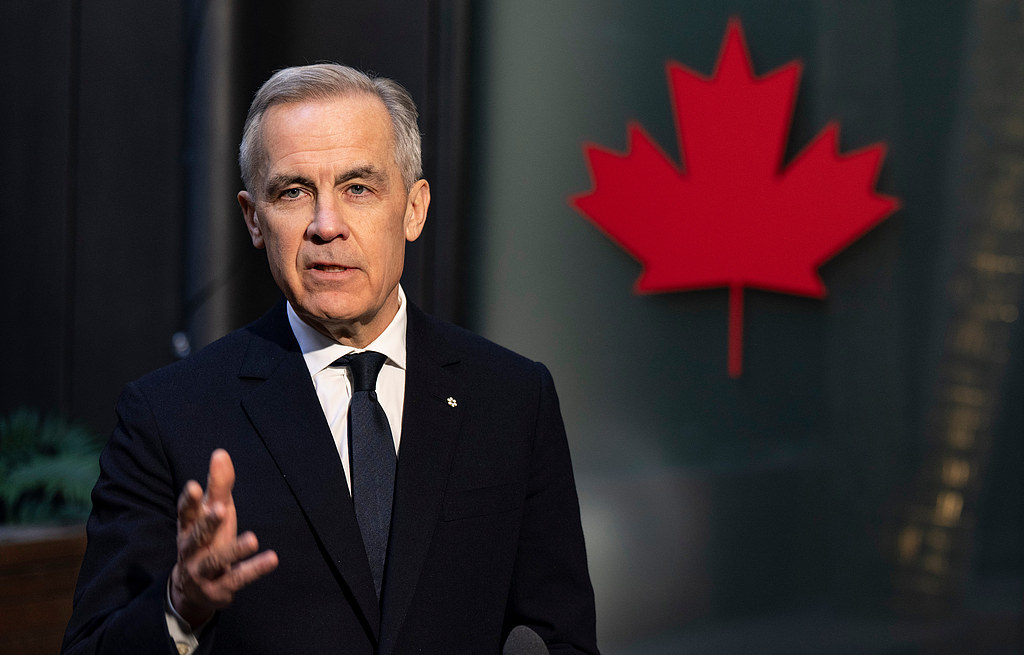
加拿大财长办公室:将评估对华电动车、钢铝关税是否适用
Sou Hu Cai Jing· 2025-09-05 13:57
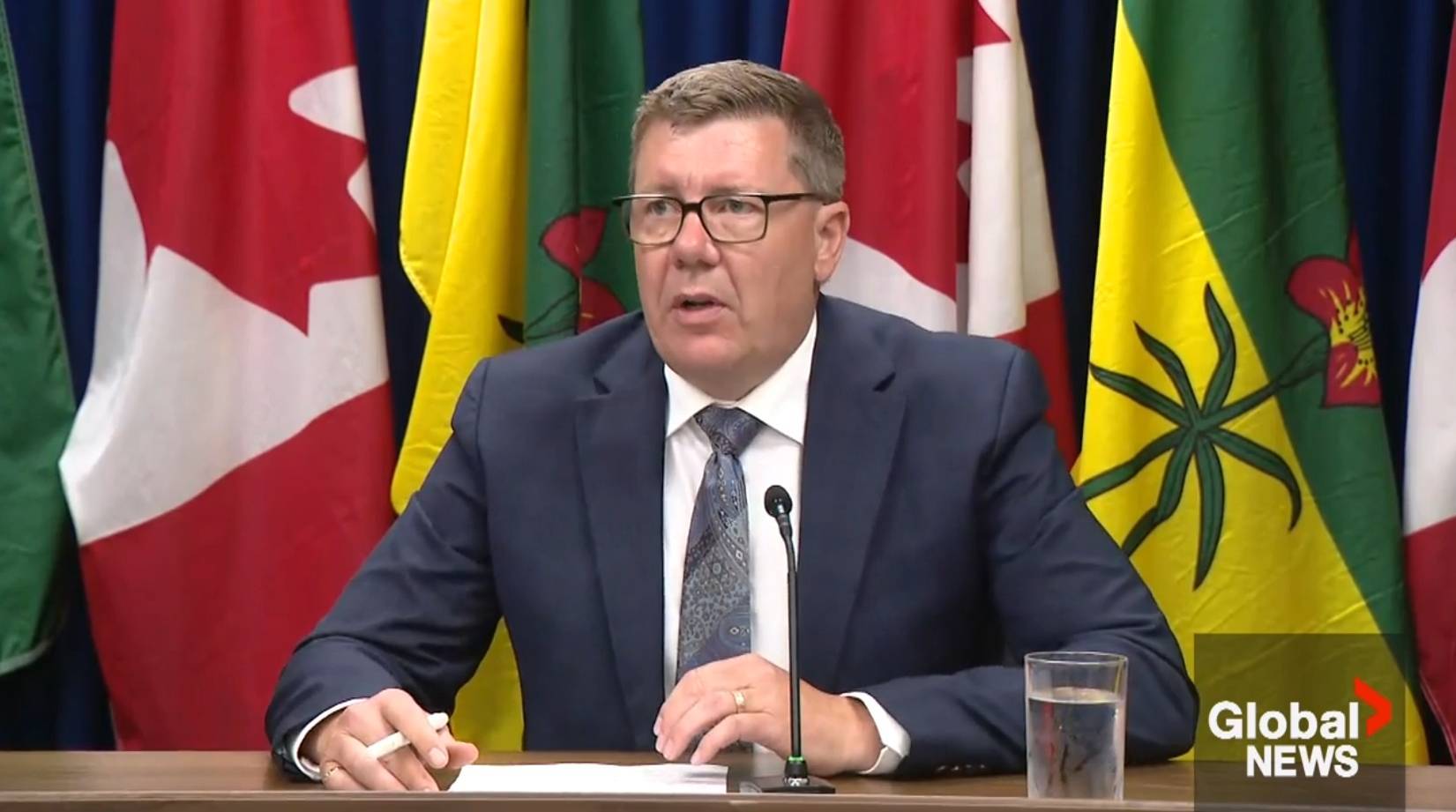
Core Viewpoint - Canada is reviewing tariffs imposed on Chinese electric vehicles, steel, and aluminum, following a year of significant trade tensions between Canada and China, particularly regarding canola products [1][2]. Group 1: Tariff Review and Government Actions - The Canadian government has initiated a review of the tariffs on Chinese electric vehicles, steel, and aluminum to assess the current tax rates' validity [1]. - The review is expected to officially start next month, with updates to be provided at appropriate times [1]. - Since the implementation of these tariffs, the import volume of the affected products has significantly decreased [1]. Group 2: Trade Delegation to China - A parliamentary secretary will accompany a trade delegation to China, indicating a potential shift in the Canadian government's approach to trade relations with China [2][8]. - The delegation, led by Saskatchewan Premier Scott Moe, aims to negotiate the canola import guarantee issue and foster dialogue for a closer trade relationship [3][6]. - This visit marks the first time in six years that a Canadian provincial leader has led a delegation to China [6]. Group 3: Broader Trade Implications - The Saskatchewan government is seeking to address not only canola but also tariffs on other Canadian products such as peas, pork, and seafood during the visit [6]. - The Canadian government is also taking measures to protect jobs in the canola industry and plans to announce additional support for Canadian producers [8][10]. - There is an acknowledgment from Canadian officials that there is still room for growth in trade with China, particularly in the agricultural sector [10].
加拿大反对党领袖放话:面对中美,我们太软弱
Sou Hu Cai Jing· 2025-08-22 04:08
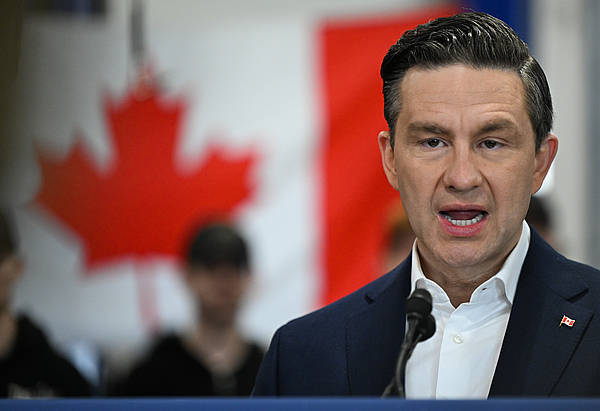
Group 1 - The Conservative Party leader Pierre Poilievre criticized Prime Minister Justin Trudeau for being "too weak" in dealing with the U.S. and China, claiming that Canada should adopt a "strong stance" [1][3] - Poilievre accused Trudeau of failing to protect Canadian interests, highlighting that despite concessions made to the U.S., such as the cancellation of the digital services tax, Canada still faced increased tariffs [1][3] - The Canadian government stated that the average tariff rate imposed by the U.S. on Canadian goods remains one of the lowest among its trade partners, despite significant impacts from tariffs on specific sectors like lumber, steel, aluminum, and automobiles [1][4] Group 2 - China has imposed significant tariffs on Canadian products, including a 100% tariff on canola oil and oilseed meal, and a 25% tariff on Canadian seafood and pork [3][4] - The Chinese Ministry of Commerce initiated an anti-dumping investigation into Canadian pea starch, citing a significant increase in imports at prices below domestic sales, which has harmed local industries [4] - The Canadian government is discussing support measures for farmers affected by the trade tensions, as China is a major market for Canadian canola, accounting for over 50% of its exports [4][5]
加拿大这下求锤得锤!260亿的大单,中国说丢就丢了,“大赢家”浮出水面,中方果断下单5万吨
Sou Hu Cai Jing· 2025-08-21 02:45
Group 1 - China has placed an order for 50,000 tons of Australian canola seeds, marking the first purchase since 2020, with a price of less than $600 per ton including shipping [1] - This order signifies a thaw in trade relations, as Australia is the second-largest exporter of canola seeds, and traders anticipate more orders to follow [1] - Canadian farmers are facing significant challenges due to the loss of China as a major customer, with the Canadian government’s actions leading to increased tariffs on Canadian canola seeds [3][5] Group 2 - The Canadian government’s decision to impose a 100% tariff on Chinese electric vehicles has resulted in retaliatory measures from China, including high tariffs on Canadian agricultural products [3][5] - The Canadian Canola Council has acknowledged that the market for Canadian canola seeds has effectively closed, leading to financial distress for farmers [3][5] - Australia is poised to capitalize on the situation, with plans to export 150,000 to 250,000 tons of canola seeds to China once trade agreements are finalized [5][7] Group 3 - The trade dispute has escalated, with Canada facing potential losses of up to 1 billion Canadian dollars in the canola industry due to the ongoing tensions with China [7] - The political responses from Canadian officials have been criticized as insufficient, with farmers expressing frustration over the lack of effective solutions to the trade issues [5][7] - The situation highlights the harsh realities of international trade, where market dynamics prioritize economic interests over political alliances [7]
中国就加拿大钢铁进口限制向WTO起诉,“中加贸易争端再升级”
Sou Hu Cai Jing· 2025-08-15 19:06
Group 1 - Canada has implemented steel tariff quota measures and imposed discriminatory tariffs on products containing "Chinese steel components," leading China to file a lawsuit at the WTO on August 15 [1][5] - The trade dispute between China and Canada has escalated, with China recently announcing temporary anti-dumping measures on Canadian canola seeds [1][5] - The Canadian government has been facing challenges in its trade relations with China since the previous Trudeau administration imposed tariffs on Chinese electric vehicles and steel products [1][3] Group 2 - Canada has expanded its steel tariff quota and tightened existing quotas, imposing additional taxes on imports exceeding the quota, particularly targeting products containing Chinese steel [3][5] - In 2024, the bilateral trade volume between China and Canada is projected to be approximately CAD 120 billion, with significant steel import and export figures [3] - The Chinese Ministry of Commerce has criticized Canada's actions as unilateralism and trade protectionism, which disrupts the stability of global steel supply chains [5]

反倾销,中方对加拿大进口油菜籽征收保证金
Huan Qiu Shi Bao· 2025-08-12 22:57
Group 1 - The Chinese Ministry of Commerce has preliminarily determined that imported canola seeds from Canada are being dumped, leading to the implementation of a temporary anti-dumping measure with a deposit rate of 75.8% [1] - The decision is seen as significant, indicating that China does not require Canadian canola seeds, and it is effective from this Thursday [1] - The Ministry's actions aim to protect the domestic canola industry from the impact of low-priced dumped products, following extensive consultations [2] Group 2 - In addition to the anti-dumping investigation on canola seeds, China has also imposed a 100% tariff on Canadian canola oil and meal since March [1] - The recent measures are expected to increase pressure on the Canadian government to address trade tensions with China, as Canada has previously announced tariffs on Chinese steel and aluminum products [2] - China has initiated anti-dumping investigations on Canadian pea starch and has identified dumping in brominated butyl rubber, which will also incur deposits [2]
X @外汇交易员
外汇交易员· 2025-08-12 07:11
Trade Actions - The Ministry of Commerce initiates an anti-dumping investigation into imported pea starch from Canada [1] - The dumping investigation period spans from January 1, 2024, to December 31, 2024 [1] - The industry damage investigation period covers January 1, 2021, to December 31, 2024 [1] - China to impose 100% tariffs on Canadian canola oil, oilseed cake, and peas starting March 20, 2025 [2] - China to impose 25% tariffs on aquatic products and pork from Canada starting March 20, 2025 [2]
中方出手!对加拿大部分商品加征关税;住宅层高最新标准出炉……来看周末要闻
证券时报· 2025-03-09 15:08
Macroeconomic News - The State Council's Tariff Commission announced a 100% tariff on certain imported goods from Canada, including canola oil, oilcake, and peas, effective March 20, 2025 [1] - Canada plans to impose a 100% tariff on Chinese electric vehicles starting October 1, 2024, and a 25% tariff on Chinese steel and aluminum products from October 22, 2024, which China views as discriminatory and a violation of WTO rules [1][2] - The Ministry of Commerce of China expressed strong dissatisfaction with Canada's unilateral measures and initiated an anti-discrimination investigation, concluding that Canada's actions constitute discriminatory restrictions [2][3] Industry and Company News - Eastroc Beverage announced a revenue of 15.839 billion yuan for 2024, a year-on-year increase of 40.63%, and a net profit of 3.327 billion yuan, up 63.09% [13] - The company plans to distribute a cash dividend of 2.5 yuan per share, totaling 1.3 billion yuan [13] - Eastroc Beverage also announced plans to issue H-shares and list on the Hong Kong Stock Exchange [14] Real Estate and Urban Development - The Minister of Housing and Urban-Rural Development stated that the minimum height standard for residential buildings will be adjusted to no less than 3 meters [9] - The ministry is working on reforms to stabilize the real estate market, including the acquisition of existing residential properties and improving foundational systems for real estate development and sales [10] - Urban renewal projects will include old residential areas built before 2000, with a focus on improving living conditions and community facilities [11] Financial and Securities - The U.S. non-farm payrolls increased by 151,000 in February, falling short of the expected 160,000 [6] - Nasdaq plans to offer 24-hour trading on its stock exchange, pending regulatory approval, aiming to enhance trading flexibility [8] Investment Strategies - CITIC Securities highlighted the growth potential in the humanoid robot market, suggesting that companies involved in drive control systems could see significant opportunities as humanoid robots begin mass production [19] - Haitong Securities noted a recent phase of foreign capital returning to the Chinese market, particularly favoring technology stocks [20]