银元

Search documents
浅谈国际金银价格蒸蒸日上会给银元市场带来的变化?
Sou Hu Cai Jing· 2025-10-23 10:47
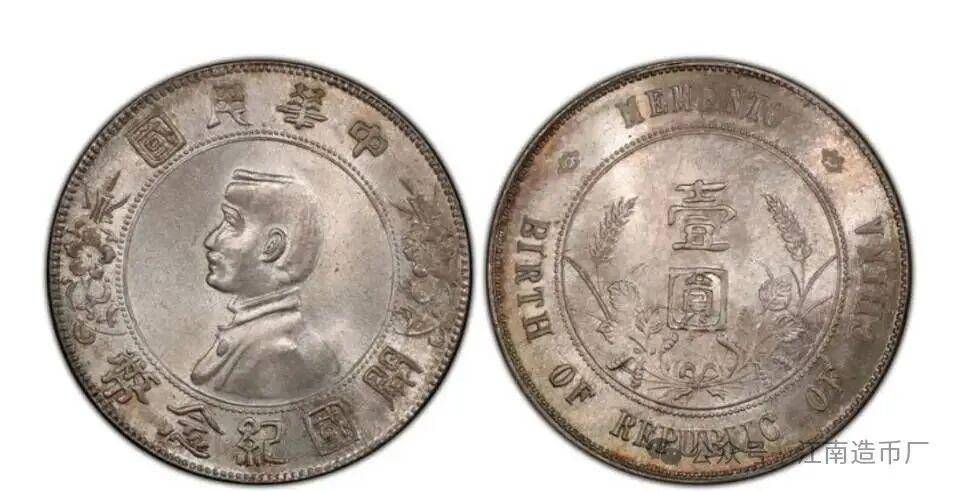
Group 1 - The current international market for gold and silver is experiencing significant price increases, which will inevitably impact the domestic silver dollar market [1] - Rising gold prices may attract some investors to shift their funds from the silver dollar market to the gold market, potentially leading to a decrease in the capital available for silver dollars and exerting pressure on their prices [1] Group 2 - For silver dollars with a high material value, such as common silver dollar varieties, their prices may see upward movement due to rising silver prices [3] - High-end silver dollars, which possess greater historical, cultural, and artistic value, are less affected by fluctuations in gold prices, as their prices are more dependent on scarcity and collectible value [3] Group 3 - Market trading may exhibit a divergence where high-end silver dollar prices increase while common silver dollar prices remain stable or show weak growth [3] - Rare varieties like warlord coins and original shiny silver coins may continue to attract investors and collectors, leading to price increases despite rising gold prices, while ordinary family heirloom silver dollars may not experience significant price changes due to average condition [3]

人民币推行受阻,陈云出手稳定大局,毛主席称意义不下于淮海战役
Sou Hu Cai Jing· 2025-06-11 03:51
Core Viewpoint - The article discusses the challenges faced in promoting the Renminbi (RMB) in 1949, particularly in Shanghai, where the currency was struggling against the dominance of silver dollars and speculative practices by capitalists [1][3][9]. Economic Context - In the first half of 1949, the Communist Party gained a significant advantage in the civil war, liberating most cities, but the economic transition was fraught with difficulties due to the strong resistance from the bourgeoisie [3]. - The economic turmoil was exacerbated by rampant speculation and manipulation of currency by capitalists, leading to severe inflation and instability in daily life for the populace [5][15]. Challenges to RMB Adoption - Prior to the liberation of Shanghai, the city experienced extreme price fluctuations due to capitalist speculation, which hindered the normal functioning of the economy [5]. - The RMB was nominally recognized but not actively used in transactions, with silver dollars maintaining a dominant position in the market [7][8]. Government Response - Chen Yun emerged as a key figure in addressing the economic crisis, proposing a combination of political and economic strategies to promote the RMB [4][9]. - On June 10, 1949, a coordinated crackdown on speculation was initiated, targeting the Shanghai Stock Exchange, which was a hub for currency manipulation [11]. Measures to Stabilize the Economy - Chen Yun implemented a series of measures to gradually replace silver dollars with RMB, including the introduction of physical bonds to back the currency's value [17]. - The People's Bank introduced a new savings model that allowed citizens to store physical goods instead of currency, mitigating concerns over currency devaluation [20]. - The Shanghai government also ensured that essential goods were made available in the market, mandating that all transactions be conducted in RMB, thereby forcing the conversion of silver dollars into RMB for purchases [21]. Outcomes - These measures effectively reduced speculative activities and facilitated the rapid circulation of RMB, stabilizing the market [19][23].