
Jing Ji Guan Cha Bao

Search documents
今日看点|2025金融街论坛年会将举行;国内油价预计将迎年内第九次下调
Jing Ji Guan Cha Bao· 2025-10-27 01:01
Group 1 - The 2025 Financial Street Forum Annual Conference will be held from October 27 to 30 in Beijing, focusing on the theme of "Global Financial Development under Innovation, Transformation, and Restructuring" with over 400 key guests from more than 30 countries and regions [1] Group 2 - Domestic fuel prices are expected to see their ninth reduction of the year, with the new pricing window opening on October 27. This year has seen a total of twenty pricing adjustments, resulting in a decrease of 480 yuan per ton for gasoline and 460 yuan per ton for diesel compared to the end of last year [2] Group 3 - On October 27, a total of 15 companies will have their restricted shares unlocked, amounting to 2.39 billion shares with a total market value of 25.564 billion yuan. Notably, Xiamen Bank, Arrow Home, and Waigaoqiao have the highest unlock volumes [3] Group 4 - One company has disclosed its stock repurchase progress, with Tian Di Digital announcing a repurchase plan not exceeding 178,100 yuan [4]



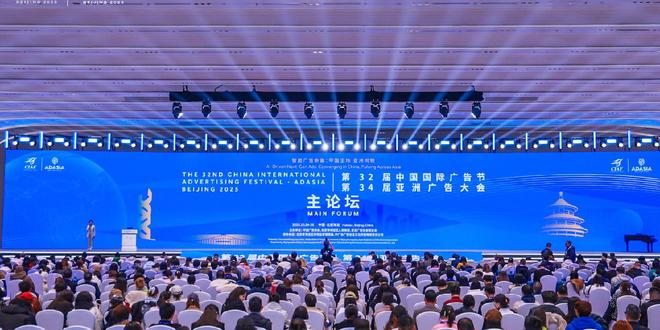
聚焦AI新趋势,赋能行业新增长 ——2025第32届中国国际广告节 & 第34届亚洲广告大会主论坛在北京海淀成功举办
Jing Ji Guan Cha Bao· 2025-10-26 21:05
Core Insights - The 32nd China International Advertising Festival and the 34th Asian Advertising Conference were successfully held in Beijing, focusing on the theme "Intelligent Advertising New Chapter: China Main Stage, Asia in Sync" [2] - The event aimed to showcase innovative achievements and future trends in the advertising industry, emphasizing the integration of technology and culture [2] - Key industry leaders discussed the strategic upgrade and value reshaping of brands in the AI era, highlighting the importance of AI in transforming the entire advertising value chain [2][3] Group 1 - The event served as a high-end dialogue platform for global advertising professionals, outlining the future development of the advertising industry under the influence of artificial intelligence [3] - AI is recognized as a core force driving comprehensive restructuring in the industry, affecting creative generation, communication strategies, and value measurement [3] - The advertising industry is expected to focus more on the deep integration of technology and humanities, exploring sustainable growth paths and enhancing global ecological collaboration [3]

主权财富基金投资模式谋变
Jing Ji Guan Cha Bao· 2025-10-26 10:51
Core Insights - The investment strategies of global sovereign wealth funds are evolving, with a significant shift towards alternative assets and a focus on ESG factors [2][10][11] Group 1: Investment Trends - Sovereign wealth funds' assets under management have increased from $3 trillion in 2008 to approximately $13 trillion currently, with the number of funds growing from fewer than 30 to over 100 [2] - There is a notable increase in the allocation of sovereign wealth funds towards alternative assets such as private equity, infrastructure, and commodities, reflecting a pursuit of excess returns and enhanced risk tolerance [2][10] - Sovereign wealth funds are increasingly integrating ESG factors into their investment decision-making frameworks, actively investing in clean energy and environmental protection sectors [2][4] Group 2: Changing Funding Sources - The funding sources for sovereign wealth funds, particularly those from oil-rich nations, have diversified from primarily relying on commodity exports to include foreign exchange reserves, fiscal surpluses, and state-owned asset revenues [4][10] - The role of these funds has evolved from merely preserving national wealth to supporting national development, promoting industrial transformation, and fostering technological innovation [4][10] Group 3: Investment Challenges - Gaining investment from sovereign wealth funds is challenging, as they conduct thorough due diligence, focusing on team stability, past performance, and adherence to international standards in risk management and transparency [8][9] - There is a growing emphasis on aligning ESG principles between Chinese companies and sovereign wealth funds, which may have differing expectations regarding environmental standards [9] Group 4: New Investment Models - Sovereign wealth funds are moving towards new collaborative investment models, including strategic partnerships and joint ventures, to address the complexities of large-scale projects [10][12] - Some sovereign wealth funds are transitioning from being limited partners (LPs) to becoming general partners (GPs), actively participating in the management of investments to guide companies in national infrastructure and development projects [12]
曾年入百万的房产中介,如今兼职跑外卖
Jing Ji Guan Cha Bao· 2025-10-26 05:35
Core Viewpoint - The real estate brokerage industry is facing significant challenges due to a slowdown in transaction volumes, leading many agents to seek additional income through part-time jobs such as food delivery [3][6][14]. Group 1: Real Estate Brokerage Industry - In the rising phase of the real estate market, new agents in first-tier cities earned between 100,000 to 200,000 yuan annually, while experienced agents made over 500,000 yuan, and some luxury property specialists earned millions [3][5]. - The income of real estate agents has generally declined in recent years due to a slowdown in transaction volumes, with some agents reporting annual earnings dropping below 200,000 yuan [6][12][14]. - The commission structure varies significantly among different brokerage firms, with top agents earning around 30,000 yuan from a 100,000 yuan commission, while newcomers may only take home a few thousand yuan [14]. Group 2: Part-Time Work Trends - Many real estate agents, like Zhang Biao, have taken on part-time jobs such as food delivery to supplement their income, especially when their primary business is slow [5][9][10]. - The part-time food delivery work is seen as a stable but low-paying option, with agents earning around 3,000 to 4,000 yuan monthly from this side job [8][9]. - The trend of agents taking on part-time work has become common, with some opting for delivery services due to their familiarity with local neighborhoods, which provides a competitive advantage [6][9]. Group 3: Market Dynamics and Future Outlook - The real estate market is experiencing a significant downturn, with transaction volumes and agent commissions decreasing, leading to a more competitive environment where only the most experienced agents thrive [12][14]. - The industry is witnessing a division where top firms are capturing market share from smaller companies, and experienced agents are better positioned to succeed in the current climate [14][15]. - The integration of AI and digital tools in the brokerage industry may provide new opportunities for agents, particularly in stable segments like second-hand housing and rental markets [15].

贵州百灵前三季度净利润大降35%,实控人姜伟背负17亿诉讼
Jing Ji Guan Cha Bao· 2025-10-26 05:15
Core Viewpoint - Guizhou BaiLing reported a significant decline in net profit by 35.60% in the first three quarters of 2025, alongside a lawsuit against its actual controller, Jiang Wei, involving claims of approximately 1.76 billion yuan [1][4]. Financial Performance - In the first three quarters of 2025, Guizhou BaiLing achieved revenue of 2.102 billion yuan and net profit of 57 million yuan, representing year-on-year declines of 24.28% and 35.60%, respectively [1][3]. - The company experienced a revenue drop of 31.77% and a net profit decline of 40.73% in the first half of 2025, with over 80% of revenue coming from traditional Chinese medicine products, which saw a 37.07% decrease [2][3]. - Despite a year-on-year increase in revenue and net profit in Q3, the overall performance for the first three quarters remains significantly below expectations [1][3]. Lawsuit and Its Implications - Jiang Wei, the actual controller of Guizhou BaiLing, is facing a lawsuit from Huachuang Securities for a total of approximately 1.76 billion yuan related to a previous financial rescue plan and stock pledge disputes [4][5]. - The lawsuit could potentially impact the company's equity structure, as Jiang Wei's shares in Guizhou BaiLing are nearly 100% pledged [6][4]. - The background of the lawsuit involves Jiang Wei's investments exceeding 2 billion yuan in local ecological agriculture and tourism projects, which led to liquidity issues prompting the financial rescue plan [7].

五千年中华文明第一城:说良渚遗址
Jing Ji Guan Cha Bao· 2025-10-26 03:43
Core Insights - The article highlights the significance of the Liangzhu site, known as "China's First City," due to its extensive archaeological findings, including large city sites, high-status burial grounds, altars, and exquisite jade artifacts, which date back 5,300 to 4,300 years [1][7]. Archaeological History of Liangzhu - The discovery of the Liangzhu site began 90 years ago in 1936 when archaeologist Shi Xinger identified ancient artifacts, leading to extensive excavations that revealed a rich cultural heritage [2][3]. - The Liangzhu culture was formally named in 1959, with ongoing archaeological work clarifying its characteristics, including distinctive pottery and jade artifacts [3][4]. Characteristics of Liangzhu Culture - Liangzhu culture is marked by its advanced jade craftsmanship, with over 7,000 jade items discovered, including ritual objects and burial goods, reflecting a complex social structure and belief system [11][12]. - The site features a sophisticated urban layout, including a central palace area, city walls, and a water management system, indicating a highly organized society [7][8]. Decline of Liangzhu Culture - The decline of Liangzhu culture, which thrived for over a millennium, is attributed to both natural disasters, such as flooding, and social factors, including internal strife and external pressures [13][14][15]. - Evidence suggests that after the culture's decline, remnants of the population may have migrated to other regions, leading to the emergence of new cultural identities, such as the Qianshanyang culture [16][17].
专访 | 尹稚:优化重大生产力布局不是平均化发展
Jing Ji Guan Cha Bao· 2025-10-26 02:50
Core Points - The Fourth Plenary Session of the 20th Central Committee of the Communist Party of China emphasized optimizing regional economic layout and promoting coordinated regional development [1] - The session highlighted the need to leverage the combined effects of four major strategies to enhance productivity layout and regional development [2][3] - The integration of regional economic layout with land spatial systems was introduced, emphasizing their mutual support for high-quality development [3] - The focus on regional linkage development aims to address regional imbalances and improve the quality of life across different areas [3][6] Summary by Sections Highlights of the Plenary Session - The session underscored the importance of the "four strategies" working together to optimize productivity layout, which was less emphasized in the previous "14th Five-Year Plan" [2] - The integration of economic layout and land spatial systems is a new focus, highlighting the need for strategic planning in development and land use [3] Regional Development Strategies - The emphasis on regional linkage development aims to resolve issues of uneven development, focusing on improving the quality of life rather than merely balancing economic indicators like GDP [3][6] - The concept of "growth poles" is crucial, with priority given to developing advantageous regions to drive overall economic growth [5] Future Predictions and Trends - There will be more planning for urban clusters and metropolitan areas, with a focus on enhancing their roles in national development strategies [8] - The central government may take a more significant role in funding major infrastructure projects, which could lead to more effective regional development outcomes [8]
损害孩子大脑,拉低智商的6个毒习惯:家长再难,也要帮孩子戒掉
Jing Ji Guan Cha Bao· 2025-10-26 01:25
Core Viewpoint - The article discusses six harmful habits that can negatively impact children's brain development and intelligence, emphasizing the importance of addressing these habits early on to support healthy growth and learning. Group 1: Sleep and Technology - Insufficient sleep affects children's memory, attention, and emotional processing abilities, with a recommendation of 9-11 hours of sleep for children aged 6-12 [5][6] - Over-reliance on electronic devices can impair the development of the prefrontal cortex, leading to decreased attention, planning, and self-control [7][10] Group 2: Physical Activity and Diet - Lack of physical activity can lead to decreased learning efficiency and motivation, while regular exercise promotes the growth of brain neurons and enhances learning capabilities [12][13] - Excessive consumption of sugary snacks can hinder the regeneration of neurons in the hippocampus, which is crucial for learning and memory [16][17] Group 3: Hands-On Activities and Emotional Environment - Children need opportunities to engage in hands-on activities to stimulate brain development; overprotective parenting can stifle this growth [19][20] - Frequent yelling and emotional stress can elevate stress hormones in children, negatively affecting their memory and attention [23][26] Group 4: Conclusion - Addressing these six harmful habits with love and wisdom is more effective than any educational toys or expensive tutoring, leading to healthier brain development and better future learning outcomes [27][28]
上汽销量反超比亚迪,真实“含金量”如何
Jing Ji Guan Cha Bao· 2025-10-25 11:09
Core Viewpoint - The Chinese automotive market is experiencing a shift, with SAIC Motor Corporation regaining its position as the top-selling automaker in September, surpassing BYD. This change highlights the competitive dynamics between traditional fuel vehicles and new energy vehicles, raising questions about the underlying value of SAIC's sales growth compared to BYD's consistent performance in the electric vehicle sector [1]. Group 1: SAIC's Sales Performance - In September, SAIC Motor's sales reached 439,700 units, a year-on-year increase of 40.39%, while BYD sold 396,200 units [1]. - SAIC's joint venture segment, particularly SAIC-GM, showed significant recovery, with September sales of 49,400 units, up 124.38% year-on-year [2]. - The overall sales of SAIC-GM from January to September totaled 381,000 units, reflecting a 36.7% year-on-year growth [2]. Group 2: Joint Venture Contributions - SAIC-GM's recent product launches, including the Buick Electra L7, have contributed to its sales resurgence [2]. - SAIC Volkswagen also reported sales of 94,000 units in September, a slight increase of 0.09% year-on-year, with a notable recovery in its main fuel vehicle series [2]. Group 3: Self-owned Vehicle Segment - The self-owned vehicle segment of SAIC, which includes brands like MG and Roewe, accounted for over 60% of total sales, but profit contributions remain lower than those from joint ventures [3]. - In September, the total sales of MG and Roewe reached 93,700 units, marking a year-on-year increase of 72.36% [4]. Group 4: Strategic Shifts in Self-owned Brands - MG has shifted its strategy towards entry-level electric vehicles, with the new MG4 model achieving over 45,000 pre-orders within 24 days of its announcement [4]. - Roewe's new model, the Roewe M7DMH, launched at a competitive price, has driven a 37% increase in sales for the brand [5]. Group 5: New Brand Developments - The new smart electric brand, Shangjie, launched its H5 model with a pre-sale price starting at 159,800 yuan, aiming to compete in the market [6]. - The H5 model has already received over 160,000 pre-orders, indicating strong initial interest [7]. Group 6: Market Challenges and Future Outlook - Despite the positive sales figures, challenges remain for SAIC's self-owned brands, including the need for differentiation in a competitive market and effective marketing strategies [7]. - The performance of the new generation of models, such as the Zhiji LS6, will be crucial for the brand's future success, with over 52% of orders coming from traditional fuel vehicle users [8].


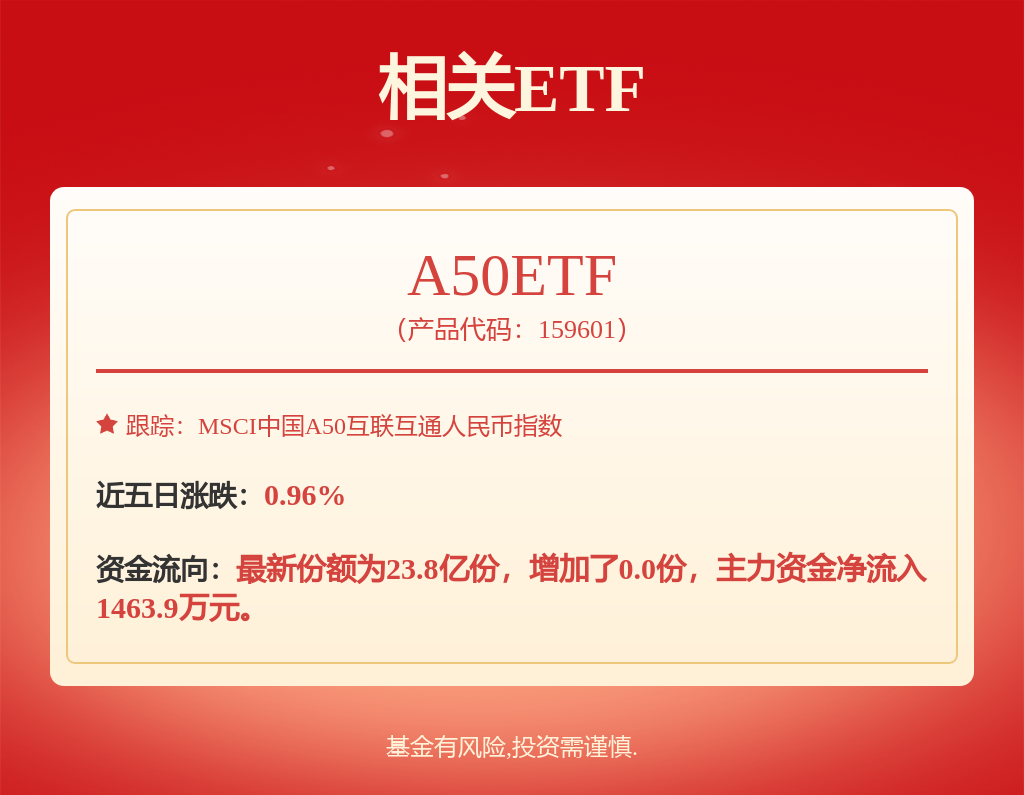
2025年1—9月全国吸收外资5737.5亿元人民币
Jing Ji Guan Cha Bao· 2025-10-25 11:09
Core Insights - In the first nine months of 2025, the number of newly established foreign-invested enterprises in China reached 48,921, marking a year-on-year increase of 16.2% [1] - The actual utilization of foreign capital amounted to 573.75 billion RMB, reflecting a year-on-year decrease of 10.4% [1] - In September alone, the actual utilization of foreign capital saw a year-on-year growth of 11.2% [1] Industry Analysis - The manufacturing sector attracted 150.09 billion RMB in foreign investment, while the service sector received 410.93 billion RMB [1] - High-tech industries accounted for 170.84 billion RMB in foreign investment, with significant growth in e-commerce services (155.2%), aerospace equipment manufacturing (38.7%), and medical instruments manufacturing (17%) [1] Source Country Insights - Foreign investments from Japan, UAE, the UK, and Switzerland increased by 55.5%, 48.7%, 21.1%, and 19.7% respectively, including data from free port investments [1]