
Guan Cha Zhe Wang

Search documents
康师傅进入“魏宏丞时代”:创始人三子接棒,职业经理人时代落幕
Guan Cha Zhe Wang· 2025-12-18 12:30
Core Viewpoint - The leadership transition at Master Kong marks a return to family management after a decade of professional management, with Wei Hongcheng set to take over as CEO in 2026, following the retirement of Chen Yingrang in 2025 [1][4]. Company Announcement - Master Kong's announcement signifies the end of a managerial era, as the company returns to family leadership with Wei Hongcheng, the third son of founder Wei Yingzhou, stepping into the CEO role [4]. - The transition follows a series of strategic moves, including Wei Yingzhou's retirement to a senior advisory role in 2019 and the appointment of his sons to key positions within the company [4]. Leadership Profile - Wei Hongcheng, 43, holds degrees from Imperial College London and Harvard Business School, and has experience at Blackstone and PepsiCo before joining Master Kong in 2015 [5]. - He has been credited with effective strategic decision-making in the beverage segment, contributing to steady revenue and profit growth during his tenure [5]. - Wei Hongcheng currently holds 5 million shares and 1.385 million stock options in the company, with an estimated total compensation of approximately 9.37 million yuan for 2024 [5]. Performance Challenges - Master Kong's performance has been under pressure, with a reported revenue of 80.651 billion yuan in 2024, reflecting a minimal year-on-year increase of 0.3% [8]. - The company experienced a revenue decline of 2.7% in the first half of 2025, with total revenue of 40.092 billion yuan, and a net profit increase of 20.5% to 2.271 billion yuan [8][10]. - The beverage segment, which contributes nearly 70% of total revenue, saw a decline of 2.6% in sales, marking the first drop in beverage sales since 2021 [10][11]. Market Dynamics - The convenience food market is facing challenges due to changing consumer habits, with a shift towards delivery services impacting sales of instant noodles and packaged beverages [8][12]. - The company reported a 2.5% decline in instant noodle sales in the first half of 2025, with various product categories experiencing mixed performance [13]. - The overall market for instant noodles is under pressure, with a need for innovation to meet evolving consumer demands [14]. Strategic Outlook - The transition to family management is seen as a potential advantage for long-term strategic execution, as Wei Hongcheng takes over amid declining revenues and shrinking distribution channels [17]. - The ability of the new CEO to identify new growth opportunities within the existing framework established by previous leadership will be crucial for Master Kong's future [18].



“是时候赶超中国了”,但欧洲从业者越想越不对劲…
Guan Cha Zhe Wang· 2025-12-18 11:06
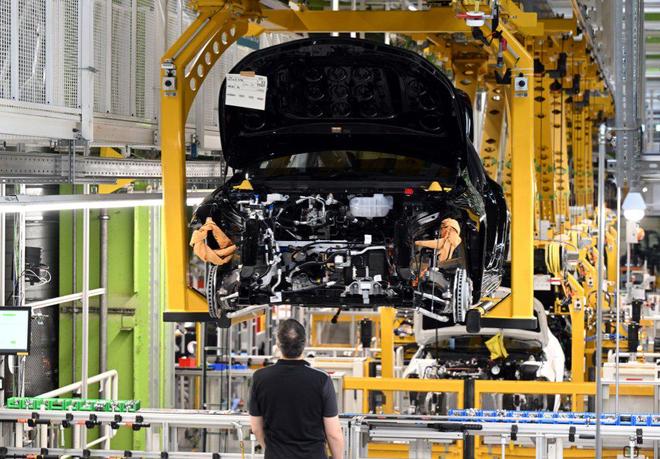
【文/观察者网 王恺雯】在欧洲汽车行业承压之际,欧盟委员会当地时间12月16日发布汽车产业一揽子 方案,提议放宽2035年"燃油车禁令"相关要求。 路透社18日援引分析人士和专家观点指出,欧盟新的方案或为欧洲传统车企争取更多时间,以缩小与中 国车企的差距,但从长远来看,未来依然属于电动汽车。 欧盟在2023年决定,从2035年起全面禁售会导致碳排放的新的燃油轿车和小型客货车。但在欧洲汽车行 业协会的不断游说下,欧盟公布的最新方案将2035年新车"零排放"目标调整为较2021年"减排90%"。 报道指出,欧盟此举是为了帮助欧洲车企更好地与发展迅速的中国对手竞争。 新方案允许欧盟在2035年后继续销售插电式混合动力汽车、增程式电动汽车,甚至是传统内燃机车辆。 同时提议设立新的小型纯电动车类别,并对在欧洲制造的车型给予额外积分。 行业分析师指出,欧盟的新方案"基本满足"欧洲车企游说的诉求。 "(欧盟)委员会已允许欧洲汽车业进行选择,并获得了竞争的机会,"战略咨询公司Grant Thornton Stax的董事总经理菲尔·邓恩(Phil Dunne)说。他表示,希望欧洲汽车产业能凭借具有成本竞争力的电 动汽车"赶上中 ...
二十年“沉浮”与“重逢”:MANGO重返中国,一场迟到的“体验”革命
Guan Cha Zhe Wang· 2025-12-18 10:37
(文/霍东阳 编辑/张广凯) 西班牙快时尚品牌MANGO又回线下了。 深圳海岸城门店已经建起围挡,据悉,门店将于12月25日正式启幕,MANGO还在社交媒体上发出了围挡打卡活动。据社交媒体上网友发布的内容可以发 现,该门店围挡上标注的是"新形象呈现 全国首家"。 MANGO官方账号则在11月22日发布了一条"重逢倒计时"。两年前,这个曾经在中国拥有约200家门店的品牌几乎全面撤离了中国的线下市场,仅保留了山 东烟台一家门店作为象征性存在。 2023年,MANGO明确表示不再把中国市场作为优先关注的对象,转而重点发力美国和印度。有媒体认为,这几乎是宣告了MANGO在中国市场的战略性放 弃。 但2025年末,MANGO的高调"重逢"似乎意味着品牌对中国市场又有了新的打算。 而今,MANGO带着全新的形象店设计谨慎回归。 作为最早进入中国市场的快时尚品牌之一,MANGO在华二十余年的发展轨迹既见证了国际品牌在中国市场的早期辉煌,也因战略失误陷入长期困境。 2002年,MANGO以先行者的姿态进入中国市场,比其主要竞争对手Zara早了整整四年。 在最初的拓展阶段,MANGO选择了以代理商为主的轻资产模式,并快速铺开网 ...
万宁撤出内地:一场长达二十年的“水土不服”
Guan Cha Zhe Wang· 2025-12-18 10:33
Core Viewpoint - Mannings, a well-known health and beauty retail chain in Hong Kong, announced the closure of all its offline stores in mainland China by January 15, 2026, marking the end of its retail story in the region after over 20 years of operation [1][4] Group 1: Company Strategy and Market Position - Mannings' conservative and slow strategic approach has led to its disadvantage in market scale, making it difficult to transition from a regional brand to a national brand, with only about 100 stores remaining in mainland China by 2025 [2] - The brand's entry into mainland China in 2004 was significantly delayed compared to competitors like Watsons, which entered in 1989, resulting in missed opportunities during a booming retail period [1][2] - Mannings' ambitious goal of adding 300 stores within three years, announced in 2014, ultimately failed, leading to a lack of scale and brand presence in the market [1][2] Group 2: Market Challenges and Competition - The rise of online channels has significantly diverted foot traffic from Mannings' physical stores, while new beauty retail formats have attracted younger consumers with unique experiences and product selections [3] - Mannings has struggled to replicate its successful business model from Hong Kong in mainland China due to regulatory constraints and a lack of a clear market positioning, resulting in a blurred brand image [2][3] - The company's attempts to innovate through digital marketing and new store formats have not yielded significant results, failing to reverse the declining trend in its mainland operations [3][4] Group 3: Financial Performance and Strategic Decisions - Mannings has consistently operated at a loss in mainland China, relying on financial support from its parent company, DFI Retail Group, which has shifted focus towards its Hong Kong and Macau operations [4] - The decision to exit the mainland market aligns with DFI's broader strategic adjustments, as the health and beauty segment's growth is primarily driven by the Hong Kong market, marginalizing mainland operations [4] - The closure of Mannings' mainland stores is indicative of a broader trend in the retail industry, signaling the end of an era for traditional beauty retail models that depend solely on physical presence and product display [4]

现场直击!封关后的海南传来这些好消息
Guan Cha Zhe Wang· 2025-12-18 09:48
Group 1 - Hainan Free Trade Port officially launched its island-wide customs closure on December 18, marking a significant milestone in its development [1] - The first batch of international vessels, including "De Fu 1200," "Hua Shun Oil 698," and "Hong Jin Shuo," received ownership certificates from the Hainan International Ship Registration Authority, becoming the first international ships registered at "China Yangpu Port" [3] - Siemens Energy became the first Fortune 500 company to establish operations in Hainan, with the project manager receiving the business license for Siemens Energy (Hainan) Co., Ltd. [4] Group 2 - The first five foreign nationals received work and residence permits in Hainan, with the process streamlined to allow completion within four days [6] - The first batch of "zero tariff" petrochemical raw materials, totaling 179,000 tons and valued at nearly 400 million yuan, arrived at Yangpu, allowing companies to save approximately 10 million yuan [7] - The first batch of processed goods, including 3,300 boxes of chocolate from Hainan, passed through the "second line port" at Haikou Meilan Airport, benefiting from tax exemptions due to a 30% value-added processing requirement [8] Group 3 - Hainan Refining and Weida Chemical completed the customs clearance for the first batch of goods eligible for tax exemptions due to cumulative processing value, significantly reducing procurement costs for Hainan Refining and lowering polyethylene costs by 400 yuan per ton for Weida Chemical [9] - Sanya Phoenix International Airport processed its first batch of "zero tariff" imported goods, including scientific equipment from Germany and Hong Kong, with total tax reductions amounting to approximately 128,000 yuan and 182,100 yuan respectively [11]
“杨大炮”1.59亿港元控“仙股”,为1919资本化铺路?
Guan Cha Zhe Wang· 2025-12-18 09:43
Core Viewpoint - The acquisition of a controlling stake in Yiyuan Wine Industry by Yang Lingjiang, founder of 1919, marks a significant move in the liquor distribution sector, allowing for potential integration of high-margin wine production into 1919's operations [1][2]. Group 1: Acquisition Details - Yang Lingjiang acquired 73.63% of Yiyuan Wine Industry for approximately HKD 159 million (around RMB 144 million) [1]. - Yiyuan Wine Industry's stock had been trading below HKD 1 since the second half of 2022, indicating a favorable acquisition cost for Yang [1]. - The acquisition is defined as a personal investment by Yang and does not involve direct asset injection or business merger between 1919 and Yiyuan [1]. Group 2: Strategic Implications - The acquisition is expected to enhance 1919's profitability by integrating Yiyuan's high-quality wine into its sales network, transitioning from a liquor retailer to a comprehensive liquor service provider [2]. - Yiyuan Wine Industry, established in 1997, has faced challenges, including a significant revenue decline of 46.8% in 2024, leading to a net loss of RMB 41.02 million [2]. - Analysts believe that Yang's involvement will lead to strategic business model adjustments and potential further capital actions [2][3]. Group 3: Market Positioning - Yiyuan's status as a publicly listed company provides a platform for capital integration, facilitating Yang's broader international market ambitions [3]. - The acquisition aligns with the trend of Chinese liquor companies expanding their operational elements overseas, including capital and management [4]. - Yang Lingjiang's proactive approach and past decisions have positioned 1919 to navigate industry cycles effectively, enhancing its market presence [4][5]. Group 4: Future Prospects - The transaction is viewed as mutually beneficial, allowing 1919 to strengthen its supply chain while providing Yiyuan with access to 1919's extensive distribution network [7]. - Yang's acquisition of Yiyuan Wine Industry is likely to be a strategic move to incorporate the wine segment into his expanding liquor business portfolio [7].

电动巴士订单排满明年,比亚迪计划在巴西扩建
Guan Cha Zhe Wang· 2025-12-18 09:12
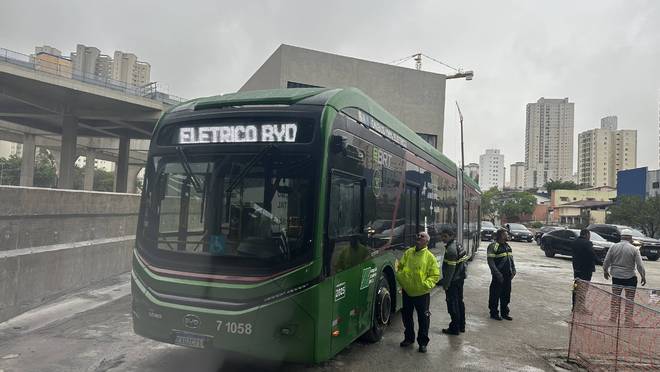
Core Viewpoint - BYD plans to build a "giant" chassis factory in Brazil within the next three years to meet the surging demand for electric buses, significantly increasing its production capacity from approximately 600 units to a maximum of 7,000 units annually [1][5]. Group 1: Production Capacity Expansion - The new factory will replace the current operations in Campinas, which are spread across multiple leased buildings, and will have a total area of about 180,000 square meters compared to the current 7,000 square meters [6]. - BYD aims to double its current production capacity in the short term by establishing a temporary factory near Campinas within 4-6 months [5]. - The new factory is expected to achieve full production capacity of 6,000 to 7,000 chassis per year and will also consider the production of electric trucks [5][6]. Group 2: Market Demand and Orders - Since 2015, BYD has been assembling electric bus chassis in Campinas, and it expects to produce about 1,200 chassis in 2026, which is double the total production of the first ten years in Brazil [2]. - The company has received nearly full-year orders and is currently focused on expanding capacity while fulfilling existing orders [2][4]. - The growth in electric bus orders reflects a trend of fleet renewal, particularly in São Paulo, where operators are updating buses that have exceeded their service life during the pandemic [4]. Group 3: Export Potential - The new factory project is also aimed at supporting export operations, with BYD viewing Brazil as a natural manufacturing hub for exporting electric buses to neighboring South American markets, especially the Southern Common Market [8]. - There is potential for future exports to Africa, although any expansion beyond South America will occur after production and logistics integration is completed [8]. Group 4: Historical Context and Business Development - BYD's entry into the Brazilian market began with commercial vehicles before moving to passenger cars, adapting to local conditions by shifting from importing complete vehicles to local chassis assembly [9]. - The company has expanded its business in Brazil to include special electric trucks and battery-related businesses, such as solar panels and energy storage [9]. - In 2023, BYD introduced passenger car production in Brazil, taking over a former Ford factory in Camaçari, with an initial investment of 5.5 billion reais (approximately 7.1 billion yuan) and an expected creation of up to 20,000 jobs [9][11].

华为云城市峰会在乌兰察布召开,当地已吸引67个数据中心项目
Guan Cha Zhe Wang· 2025-12-18 09:04
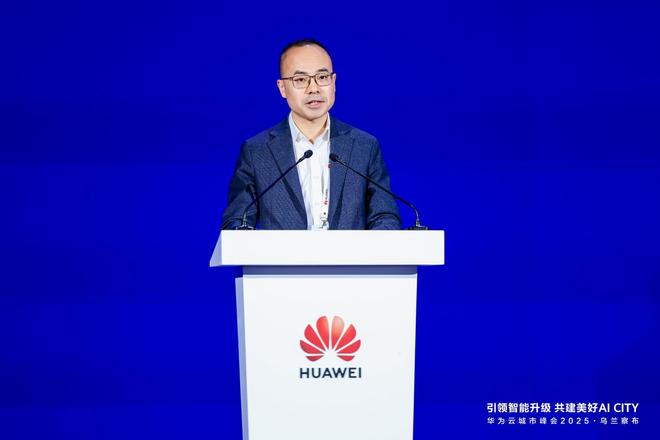
人工智能正以前所未有的速度重塑全球经济。在这场变革的核心,发展的驱动力正从"数据驱动"转 向"Token驱动"。城市如何应对这一挑战? 12月16日,"引领智能升级 共建美好AI CITY"华为云城市峰会2025·乌兰察布隆重举行。峰会汇聚行业 专家、企业领袖、生态伙伴,与会各方聚焦城市从"能源输出地"向"AI生产力输出地"转型的关键路径, 共同探讨以AI技术加速"Token之都"建设,为"草原云谷"的数字经济发展注入全新动能。 内蒙古自治区政务服务与数据管理局副局长刘钧毅在致辞中指出,乌兰察布是自治区数字经济发展的重 要增长极,本次峰会是推动城市智能化转型、发展新质生产力的重要实践。他提出四点希望:一是共 筑"AI CITY"新基座,提升数字治理能级;二是共拓"数实融合"新空间,赋能产业智能升级;三是共 育"数字人才"新生态,夯实长远发展根基;四是共创"协同发展"新格局,凝聚各方合作合力,共同谱写 内蒙古数字经济高质量发展新篇章。 内蒙古自治区政务服务与数据管理局副局长 刘钧毅 乌兰察布市人民政府副市长柴悦发表致辞,他表示乌兰察布紧抓"东数西算""京蒙协作"等战略机遇,将 算力产业作为数字经济"头号工程"持 ...
价值1亿越南盾!熊孩子掰断老爹50块三星SSD
Guan Cha Zhe Wang· 2025-12-18 08:04
近日,越南的一位网友在社交媒体"脸书"上曝光了一起让无数硬件爱好者心碎的"惨案"。12月16日,一位名为"Dũng Hoàng"的越南网友在社交媒体上哭诉, 家中10岁的儿子将自己囤积的一整箱(50块)三星固态硬盘全部掰坏了。 Dũng Hoàng还随文配上了一张令人触目惊心的照片:桌面上整齐地码放着几十块被严重弯曲的SSD。他在帖文中绝望地写道,自己刚刚进货了一整盒三星 SSD,正准备在硬件价格上涨的行情下销售,结果被10岁的儿子拿去当成了玩具,直接经济损失可能高达1亿越南盾(在当前汇率下约合人民币2.9万元)。 面对一片狼藉,这位网友崩溃地自嘲称自己是"世界上最惨的爸爸",并控诉道:"真是个逆子,不揍他一顿都说不过去。" 在国际存储价格持续上扬的背景下,这位网友的经历显得格外引人注目。日前,金士顿数据中心SSD业务经理Cameron Crandall在一档博客节目中警告称, 未来30天NAND Flash短缺将明显加剧,SSD价格将在当前基础上进一步上涨。他直言道,这波涨价幅度在其任职金士顿的29年里前所未见。 他表示,NAND价格自2025年第一季度以来已暴涨246%,其中约70%的涨幅集中在最近60天 ...
降息预期拉满,摩根大通从美联储抽走3500亿美元买美债
Guan Cha Zhe Wang· 2025-12-18 08:03
摩根大通方面未对此事置评,也未披露其国债投资组合的期限结构,以及通过利率互换合约管理风险的 具体规模。 (原标题:降息预期拉满,摩根大通从美联储抽走3500亿美元买美债) 【文/羽扇观金工作室】 据英国《金融时报》当地时间12月17日报道,自2023年以来,摩根大通已从其美联储账户中撤出近3500 亿美元现金,并将其中大部分投入美国国债,以试图对冲降息可能带来的利润侵蚀风险,为利率下行周 期提前布局。 行业数据追踪机构BankRegData数据显示,资产规模超4万亿美元的摩根大通,已将其在美联储的账户 余额从2023年末的4090亿美元,大幅削减至今年第三季度的630亿美元。 同期,摩根大通的美国国债持有量从2310亿美元增至4500亿美元,这一操作可使其在美联储降息预期下 提前锁定较高收益率,为后续利率下行做好准备。 这一资金转移反映出,作为美国最大的银行,摩根大通正为一段轻松盈利时期的终结做准备。在此前的 盈利期内,银行将现金存入美联储即可获得利息,同时却只需向多数储户支付近乎为零的利息。 摩根大通美联储现金储备与持有美国国债走势图 《金融时报》 2022年至2023年初,美联储将其基准联邦基金利率目标区 ...
