Guan Cha Zhe Wang

Search documents
中邮保险举牌四川路桥,年内举牌四次
Guan Cha Zhe Wang· 2025-12-19 01:34
Core Viewpoint - China Post Insurance increased its stake in Sichuan Road and Bridge by purchasing 114,300 shares, raising its total holdings to 435 million shares, which is 5.00% of the company's total equity. This move is part of a long-term investment strategy to support the company's sustainable development [1]. Group 1: Company Performance - Sichuan Road and Bridge reported a revenue of 73.281 billion yuan for the first three quarters of the year, reflecting a year-on-year growth of 1.95% [1]. - The net profit attributable to shareholders for the same period was 5.3 billion yuan, showing an increase of 11.04% year-on-year, with a significant rise of 59.72% in the third quarter alone, amounting to 2.52 billion yuan [1]. - The company announced a cash dividend of 3.284 billion yuan for the 2024 fiscal year, which represents 50.02% of the net profit attributable to shareholders [2]. Group 2: Investment and Shareholder Returns - Sichuan Road and Bridge has a shareholder return plan for 2025-2027, committing to distribute at least 60% of the annual net profit to shareholders in cash [2]. - A mid-term dividend of 278 million yuan is expected to be distributed in mid-2025, emphasizing the company's commitment to sharing operational success with investors [2]. Group 3: Insurance Sector Insights - China Post Insurance reported an insurance business revenue of 151.311 billion yuan and a net profit of 9.129 billion yuan for the first three quarters, ranking second among non-listed life insurance companies in terms of premium income and net profit [2]. - Despite a 17.66% increase in premium income, China Post Insurance faced a 15.57% decline in net profit, indicating challenges in profitability [2]. - The company experienced a rise in the comprehensive surrender rate to 1.84%, with some products exceeding a 21% surrender rate, alongside a low investment return rate of 0.31% [2][3].

出行观|L3级自动驾驶将进入生活,但行业仍需“谨慎乐观”
Guan Cha Zhe Wang· 2025-12-18 23:49
Core Viewpoint - The approval of L3-level conditional autonomous driving vehicles marks a significant milestone in China's autonomous driving technology, transitioning from testing to mass production [2][3] Group 1: Product Approval - The Ministry of Industry and Information Technology approved two models with L3-level conditional autonomous driving capabilities: Changan Automobile's Deep Blue SL03 and BAIC Group's Arcfox Alpha S6 [2] - The Deep Blue SL03 features Changan's self-developed "Tianshu Intelligent" system, while the Arcfox Alpha S6 is equipped with Huawei's QianKun Intelligent Driving ADS system [2] - This approval indicates that L3-level autonomous driving technology is moving from "test tracks" to "mass production" [2] Group 2: Conditional Nature of L3 - L3 is classified as "conditional autonomous driving," meaning the vehicle can perform all driving tasks under specific conditions, but the driver must be ready to take control when requested [4] - The operational limits for these L3 vehicles include specific urban areas, road types, speed limits, and scenarios, as outlined in the Ministry's announcement [4][5] - For instance, the Deep Blue SL03 can operate in congested traffic on highways and urban expressways at a maximum speed of 50 km/h, while the Arcfox Alpha S6 can do so at up to 80 km/h [4] Group 3: Regulatory and Management Framework - The approval of L3 products necessitates the establishment of a management and regulatory framework to address issues such as traffic responsibility, insurance, and policy integration [6] - The process of validating and refining standards, regulations, and policies will be crucial as L3 vehicles are introduced on the roads [6] - This approval is seen as a "constrained advancement," acknowledging technological progress while setting clear operational boundaries for future advancements in autonomous driving [6] Group 4: Future Outlook - A cautious optimism is suggested regarding the impact of L3 product approval on transportation and industry dynamics, emphasizing the importance of not overestimating its current capabilities [7] - The future of autonomous driving in China will depend on both technological capabilities and the patience to progress step by step [7]

“禁了大疆,美国无人机压根救不了火”
Guan Cha Zhe Wang· 2025-12-18 15:58
而站在这些议员对面的是一群美国一线执法工作人员,他们在日常工作中非常依赖"质量可靠"的大疆设 备来扑灭火灾、处理交通事故…… 美国康涅狄格州洛基希尔的消防局副局长马克·詹蒂莱(Mark Gentile)直言,使用大疆无人机让他可以 站在0.25英里(约合400米)外看清目标,而美国制造的无人机"在实际消防工作中,对我们来说毫无用 处"。 北达科他州伯利县警长办公室拥有5架大疆无人机,该团队负责人吉姆·赫尔姆(Jim Hulm)称赞 说,"大疆的设备对我们帮助很大,质量非常可靠"。 【文/观察者网 王一】距离美国国会此前对中国无人机制造商大疆创新设定的12月23日安全审查最后期 限只剩下几天,一些美国议员又跳出来炒作所谓的"安全威胁",要求特朗普政府加紧审查并封禁大疆无 人机。 一名美国消防员正架设大疆无人机。 彭博社 "大疆的设备对我们帮助很大,质量非常可靠" 美国彭博社18日报道称,美国特朗普政府面临一项关键期限——他们必须在23日前决定大疆是否构成国 家安全威胁,而这一决定可能导致美国各地警察和消防部门正在使用的数千架无人机被迫停飞。 美国国会去年通过了一项法案,要求美国政府必须在今年12月底前完成对大疆 ...


国盾量子董事长吕品去世,警方通报:已排除案件
Guan Cha Zhe Wang· 2025-12-18 15:04
截至本公告披露日,吕品先生不持有公司股票,亦不存在应当履行而未履行的股份锁定承诺。 吕品先生的逝世不会导致公司董事会成员人数低于法定人数,不会影响公司董事会的正常运作。公司经营管理团队正常履职,公司将根据有关法律法规和 《公司章程》的规定,尽快完成董事补选及董事长选举的相关工作,并及时履行信息披露义务。 18日,国盾量子发布公告称,公司董事长吕品先生不幸逝世。 吕品先生于2025年5月起担任公司董事长,并担任战略与投资委员会主任委员、薪酬与考核委员会委员。公司及公司董事会对吕品先生的逝世表示沉痛哀悼 并向其家属表达深切慰问。 18日早些时候,合肥市公安局高新技术开发区分局发布警情通报: 2025年12月18日13时许,我局接报警称,吕某(男,46岁)在望江西路与孔雀台路交叉口某公司一办公室内失去意识。接警后,民警立即到场处置。经120 现场确认,吕某已无生命体征。经公安机关勘查调查,已排除案件。 警方提示:请广大网民不造谣、不传谣、不信谣,共同营造清朗网络空间。 新黄河大鱼财经从数个权威信源处获悉,上述通报中提到的吕某即为国盾量子董事长吕品。该媒体多次联系国盾量子公司董秘,截至发稿无回应。 Wind显示,吕品 ...

小米、TCL、海信等集体加入速卖通,国产电视机出海转向新主场
Guan Cha Zhe Wang· 2025-12-18 14:02
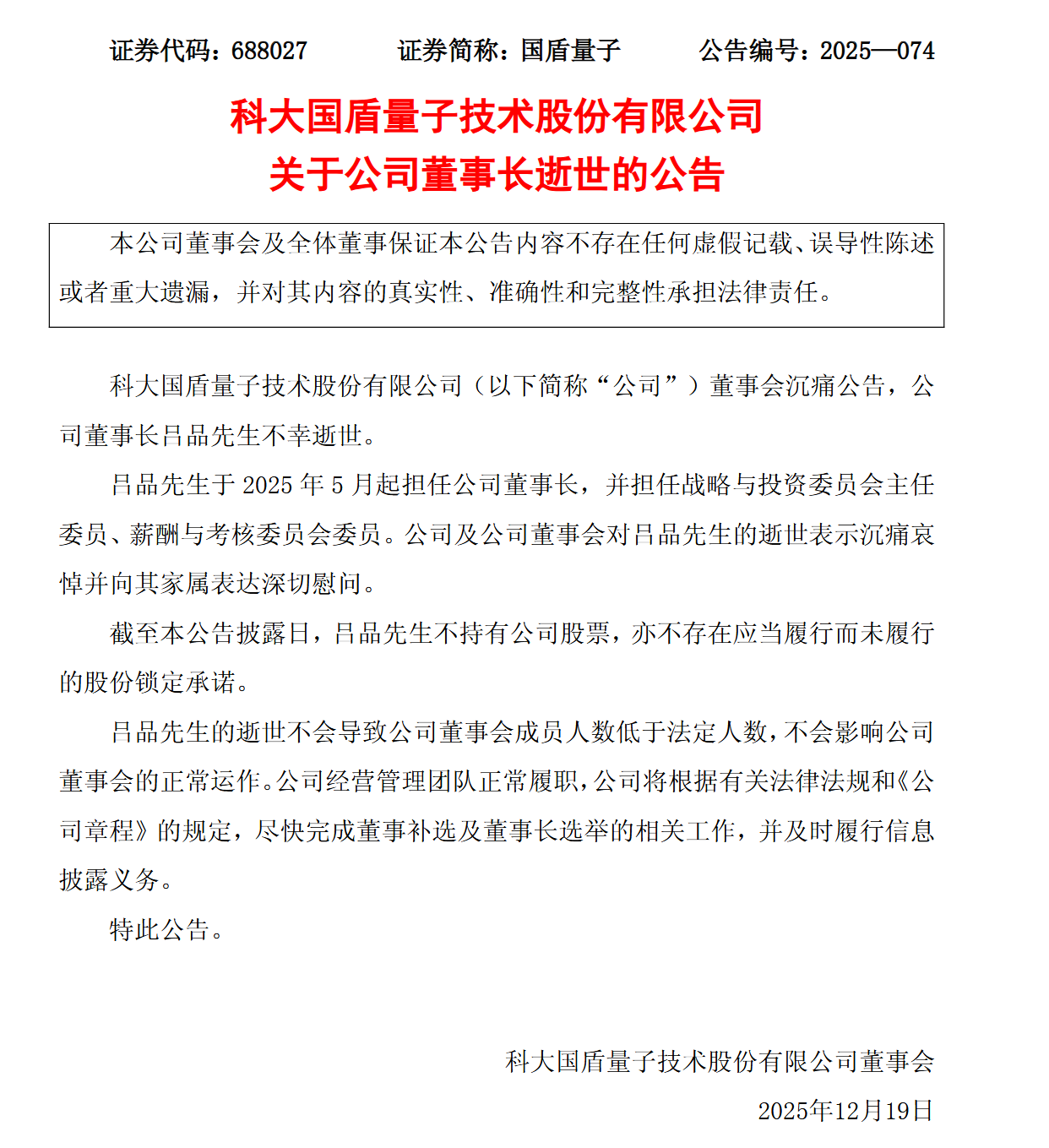
12月18日,一则来自跨境电商平台速卖通的数据引发关注:过去一年,国产电视机在该平台的销售额同 比激增300%,成为大家电品类中增速最快的"明星"。 小米、TCL、海信、创维、康佳这五大国产电视巨头,已集体将速卖通列为出海战略的核心阵地。其 中,小米电视更是在今年"海外双11 & 黑五"大促期间,一举登上速卖通欧洲市场电视品类销售额榜首 的宝座。 最具里程碑意义的信号出现在2025年"黑五"开卖首日。据知名应用分析平台Sensor Tower数据,当日, 速卖通在欧洲多国App下载量超过亚马逊。 2025"黑五"开卖首日,速卖通在欧洲下载量超过亚马逊 这并非偶然的销售脉冲,而是中国品牌依托跨境电商平台,系统性挑战全球电商巨头亚马逊、重塑海外 市场格局的一个缩影。其背后,是平台战略的升级、品牌诉求的转变与全球贸易环境的演变。 业内人士指出,作为"出海四小龙"中唯一能在品牌出海赛道与亚马逊正面竞争的平台,速卖通此次在亚 马逊核心市场实现下载量反超,标志着速卖通开始向亚马逊的核心主场发起挑战,也吸引了各大知名品 牌将速卖通视为新主场。 本文系观察者网独家稿件,未经授权,不得转载。 国产家电品牌出海并非新鲜事,但过去 ...





“咖啡界安踏”崛起?瑞幸又盯上蓝瓶%Arabica
Guan Cha Zhe Wang· 2025-12-18 13:57
Core Viewpoint - Luckin Coffee, China's largest coffee chain, and its major investor, Dazhong Capital, are considering acquiring Blue Bottle Coffee from Nestlé to enhance brand image and enter the high-end coffee market [1][3] Group 1: Acquisition Considerations - Discussions regarding the acquisition are in early stages, and a formal offer may not be made [1] - Besides Blue Bottle Coffee, Luckin and Dazhong are also evaluating the acquisition of %Arabica's operations in China [1] - Blue Bottle Coffee, founded in 2002, is known for its fresh coffee beans and minimalist design [1][2] Group 2: Market Presence - Blue Bottle Coffee has 15 stores in mainland China, with locations in Shanghai, Shenzhen, and Hangzhou [2] - %Arabica has 116 stores in mainland China and Hong Kong, making China its largest market [2] Group 3: Financial Performance - Luckin Coffee has shown remarkable recovery post-financial scandal, with 29,214 stores globally and a net revenue of 15.287 billion yuan in Q3 2023, a 50.2% year-on-year increase [3] - The net profit for the same quarter reached 1.278 billion yuan [3] Group 4: Strategic Implications - Acquiring Blue Bottle or %Arabica could help Luckin fill a gap in the high-end market and enhance brand value [3] - Nestlé is reportedly evaluating the future of Blue Bottle Coffee, including potential sale options, as part of a strategic shift under its new CEO [4][5] Group 5: Challenges and Market Dynamics - The acquisition poses challenges due to the cultural differences between Luckin's fast service model and the slow culture of hand-brewed coffee [5] - The domestic coffee market is facing intense price competition, raising questions about the financial rationale behind acquiring a brand with average profitability [5] - The evolving coffee market landscape indicates a shift towards higher value and broader market opportunities for local brands like Luckin [5]
复星医药收购绿谷制药,14亿豪赌阿尔茨海默病市场
Guan Cha Zhe Wang· 2025-12-18 13:53
Core Viewpoint - The acquisition of Green Valley Pharmaceutical by Fosun Pharma is a strategic move to gain control over the Alzheimer's drug "Jiuyiqi" (Mannose Sodium Capsules), which has faced regulatory challenges and production halts, reflecting both potential opportunities and significant risks in the CNS disease market [1][3][4]. Company Summary - Fosun Pharma plans to invest approximately 1.412 billion RMB to acquire a 53% stake in Green Valley Pharmaceutical, which will be consolidated into Fosun's financial statements post-acquisition [1]. - The core asset of this acquisition is the drug "Jiuyiqi," which has been halted from commercial production due to regulatory issues, specifically the expiration of its drug registration certificate in November 2024 [1][4]. - Green Valley's revenue for the first three quarters of 2025 was only 102 million RMB, with a net loss of 67.61 million RMB, indicating a significant decline in its financial health [1][4]. Industry Summary - The Alzheimer's drug market is characterized by high unmet clinical needs, with approximately 17 million patients in China and projected social costs reaching 3.2 trillion RMB by 2030 [9]. - "Jiuyiqi" has been surrounded by controversy regarding its efficacy and regulatory compliance, leading to a halt in its production and a rise in black market activity due to supply shortages [4][5]. - The acquisition is part of Fosun's broader strategy to enhance its portfolio in the CNS disease sector, which includes investments in diagnostic and therapeutic technologies [6][7].
小米、TCL、海信等集体加入速卖通,销售额同比激增300%
Guan Cha Zhe Wang· 2025-12-18 13:47
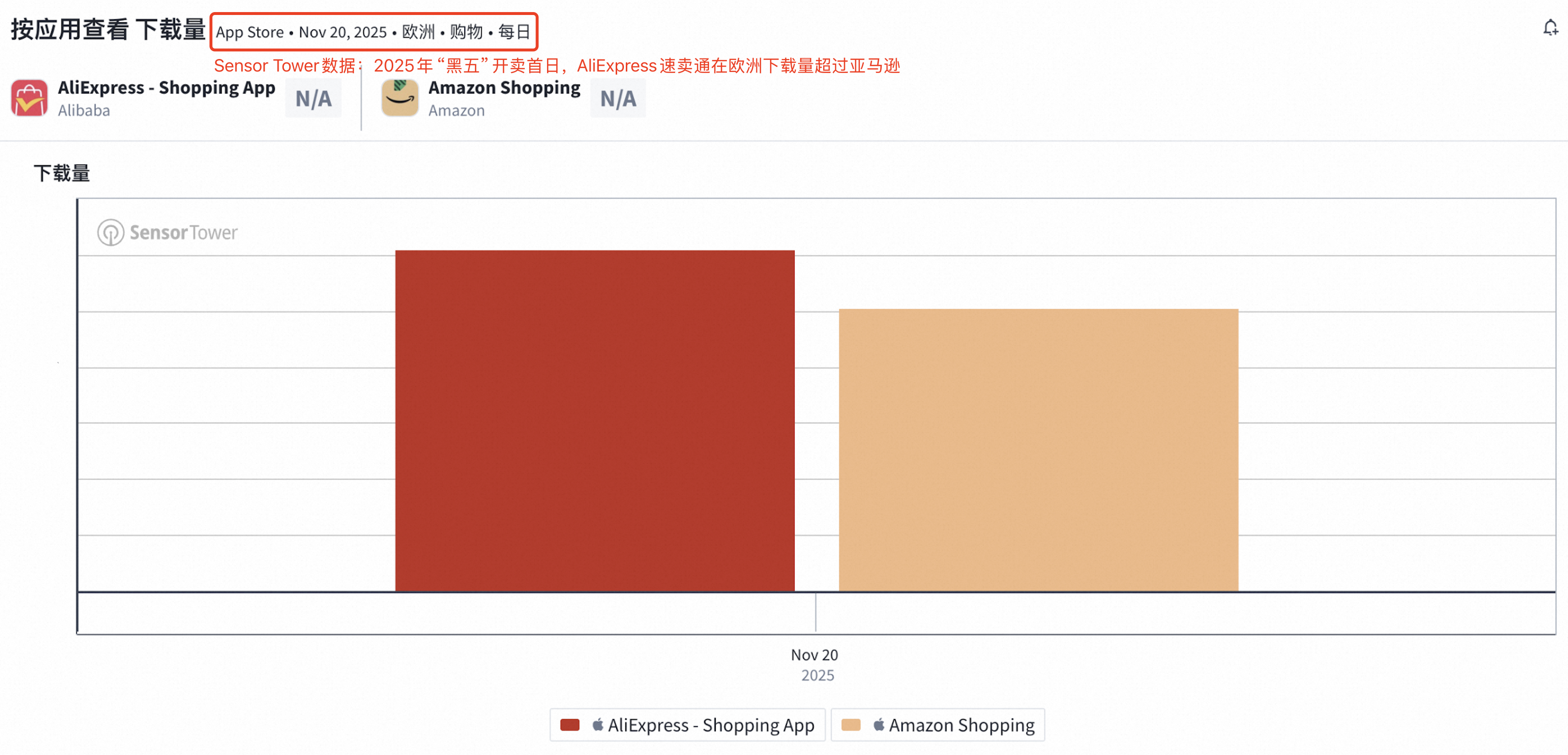
12月18日,一则来自跨境电商平台速卖通的数据引发关注:过去一年,国产电视机在该平台的销售额同比激增300%,成为大家电品类中增速最快的"明 星"。 小米、TCL、海信、创维、康佳这五大国产电视巨头,已集体将速卖通列为出海战略的核心阵地。其中,小米电视更是在今年"海外双11 & 黑五"大促期 间,一举登上速卖通欧洲市场电视品类销售额榜首的宝座。 这并非偶然的销售脉冲,而是中国品牌依托跨境电商平台,系统性挑战全球电商巨头亚马逊、重塑海外市场格局的一个缩影。其背后,是平台战略的升级、 品牌诉求的转变与全球贸易环境的演变。 国产家电品牌出海并非新鲜事,但过去多以B2B贸易或为国际品牌代工为主,难以直接触达消费者并建立品牌认知。早期的跨境电商常与"低价""小商品"标 签绑定。 为了打破这一固有印象并争夺高价值市场,2025年,速卖通推出了"超级品牌出海计划",承诺用一半成本为品牌商家带来全新增量,吸引了一批天猫品牌与 亚马逊大卖加入。该计划可为品牌提供"Brand+"专属频道和商品标签、并通过网红合作等多种海外营销方式,帮助国产品牌在海外建立心智。 本文系观察者网独家稿件,未经授权,不得转载。 尤其针对电视机这类高客 ...
同仁堂99%高纯南极磷虾油内不含磷虾油?老字号再陷贴牌风波
Guan Cha Zhe Wang· 2025-12-18 13:41
Core Viewpoint - Beijing Tongrentang Health Pharmaceutical Co., Ltd. is facing a significant public relations crisis due to a product labeled as "99% high-purity Antarctic krill oil" that was found to contain zero phospholipids, raising serious concerns about product authenticity and quality control [1][3][5] Group 1: Incident Overview - The Shanghai Consumer Protection Committee conducted a market inspection revealing that the krill oil product, marketed with claims of "Chilean imported raw materials" and "1 capsule ≈ 100 krill," failed to meet the phospholipid content standards, showing a result of zero [1][3][5] - The manufacturer, Anhui Habao Pharmaceutical Co., admitted that the product did not contain Antarctic krill oil, while the distributor, Beijing Tongrentang (Sichuan) Health Pharmaceutical Co., avoided responsibility during discussions with the consumer protection committee [1][5][6] Group 2: Historical Context - This incident is not the first controversy for Tongrentang, with previous issues including the "honey scandal" in 2018 and other product quality concerns in subsequent years, highlighting ongoing challenges in quality control under a private label manufacturing model [2][11][12] Group 3: Financial Performance - Tongrentang's financial performance has been declining, with a reported revenue of 18.597 billion yuan in 2024, a 4.12% increase, but a net profit of 1.526 billion yuan, marking an 8.54% decrease, the first negative growth in five years [13][15] - The company's operating costs rose significantly, with a 10.70% increase in 2024, primarily driven by rising raw material costs, leading to a decline in gross margins across various product lines [15][16] Group 4: Brand Management Challenges - The brand is facing a trust crisis, compounded by frequent quality issues and a complex market presence with multiple entities using the Tongrentang name, leading to consumer confusion [12][16] - The company is under pressure to unify its brand and improve quality control while addressing historical issues and restoring consumer trust [16]


华为袁远:中国是数据大国,但数据语料建设仍面临关键挑战
Guan Cha Zhe Wang· 2025-12-18 13:34
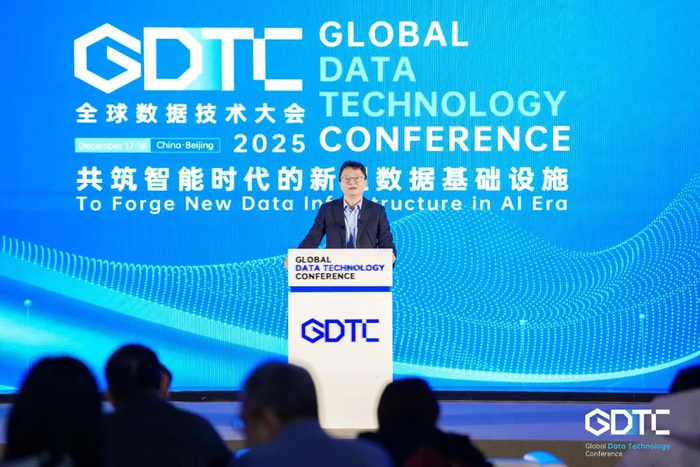
Core Insights - The 2025 Global Data Technology Conference (GDTC) was held in Beijing, focusing on building advanced data infrastructure to unlock data value in the AI era [1][3] - Huawei's Vice President and President of the Data Storage Product Line, Yuan Yuan, highlighted the challenges in China's data corpus construction, including a low data retention rate of only 2.8% and a data sharing rate of less than 25% [1][4] Group 1: Data Challenges - China is a global data powerhouse, yet it faces significant challenges in data corpus construction, such as a data retention rate of only 2.8% [4] - The scarcity of high-quality data is evident, with China's model training data volume being only about 10% of that of leading Western countries [4] - Data sharing remains insufficient, with many urban and enterprise data still stored in "silos," leading to a data sharing rate of less than 25% [4] - The global annual data breach count has reached an alarming 47.16 billion records, posing significant risks across industries [4] Group 2: Recommendations for Data Infrastructure - At the city level, it is recommended to leverage urban hub roles to create advanced storage centers that promote the aggregation, governance, and trusted circulation of public and industry data [4][5] - At the industry level, building data sharing collaboration platforms is essential to transition from fragmented data use to intelligent integration, enhancing high-quality industry knowledge bases [5] - At the enterprise level, companies should focus on building AI data lakes to strengthen data sharing, management, and agile usage, exemplified by the integration of diverse data types for autonomous driving [5] Group 3: Future Directions - Continuous technological innovation is crucial for advanced data infrastructure development, with plans to enhance AI data lake capabilities and address data collection, storage, governance, and utilization issues [6] - The company aims to improve and open-source end-to-end AI toolsets to enrich the AI tool ecosystem in China, emphasizing the importance of practical tools for sustainable intelligent capabilities [6] - Research will focus on compliance governance, secure data flow, and cross-border auditing in the context of trusted data cross-border flow [6]