Zhong Guo Jing Ying Bao

Search documents
看病、育儿负担持续减轻 国家卫健委:住院预交金额度全国下降超20%
Zhong Guo Jing Ying Bao· 2025-12-27 00:19
Core Viewpoint - The National Health Commission of China is implementing a series of policies aimed at improving healthcare accessibility, affordability, and convenience for the public by 2025, focusing on pediatric services, childcare support, and reducing medical costs [1]. Group 1: Pediatric Services - By 2025, all 4,845 secondary and tertiary public hospitals in China will provide pediatric services, addressing the structural gap in pediatric healthcare [2]. - The establishment of a national pediatric medical collaboration network aims to enhance the overall quality of pediatric services, especially during peak seasons for pediatric illnesses [2]. - Efforts to improve the pediatric workforce include incentive policies and training programs to address the shortage of pediatricians [2]. Group 2: Childcare Services - The average price of full-day childcare services has decreased by nearly 30%, alleviating the financial burden on families [3]. - By 2025, the number of childcare slots per thousand population is expected to reach 4.73, with over 890,000 new affordable childcare slots created, exceeding the initial target of 660,000 [3]. Group 3: Medical Cost Reduction - The initiative "No Need to Run for Blood Fee Reduction" has been fully implemented, allowing blood donors to manage fee reductions electronically, with over 20,000 cross-province applications processed [4]. - Starting from March 31, 2025, outpatient prepayment has been eliminated in public hospitals, and the prepayment amount for inpatient care has been reduced to the average personal payment level for the same disease, with an average reduction exceeding 20% [5]. - By November, approximately 9 billion yuan in outpatient prepayments had been refunded to about 14 million individual accounts [5]. Group 4: Service Accessibility - Psychological and sleep clinics have been established in 333 cities and 87 districts, with service volumes increasing by 17% and 39% respectively compared to the same period in 2024 [6]. - Over 200 mutual recognition projects for inspection and testing results have been implemented across all provinces, enhancing service accessibility [6]. - The National Health Commission has conducted 23 health knowledge dissemination events in 2025, aiming to improve public health literacy [6].
北京首农食品集团财务公司董事长赵兵: 金融支持农业新质生产力
Zhong Guo Jing Ying Bao· 2025-12-27 00:19
Core Viewpoint - The introduction of "new quality productivity" in agriculture represents a significant trend in modern agricultural development, emphasizing the integration of advanced technology and innovative management to enhance production efficiency, product quality, and sustainability [1] Group 1: Agricultural Technology and Innovation - The Shou Nong Cuihu Factory in Beijing exemplifies advanced agricultural technology, featuring a 200,000 square meter greenhouse with innovations such as soilless cultivation, drip irrigation, and fully automated harvesting [2] - Shou Nong Food Group has established a complete industrial ecosystem covering breeding, cultivation, processing, distribution, and retail, ensuring stable supply and quality safety for urban consumers [3] Group 2: Financial Support for New Quality Productivity - The financial company of Shou Nong Food Group is committed to supporting the cultivation of new quality productivity through targeted financial services, including project loans tailored to specific technological needs [5] - Significant financial backing includes a 1.5 billion yuan credit support for the dairy breeding sector and 700 million yuan for advancements in pig breeding technology, highlighting the company's role in driving agricultural modernization [5] Group 3: Technological Leadership - Shou Nong Food Group maintains a leading position in breeding technology, with its duck breeding techniques recognized globally and its chicken breeding ranking among the top three worldwide [4] - The company has achieved breakthroughs in cell-cultured meat technology and launched the first high-melatonin functional dairy product in China, showcasing its commitment to innovation in the food industry [4]
国内超30家博物馆发布“闭馆”通知 专家称应提升假日经济配合度
Zhong Guo Jing Ying Bao· 2025-12-27 00:10
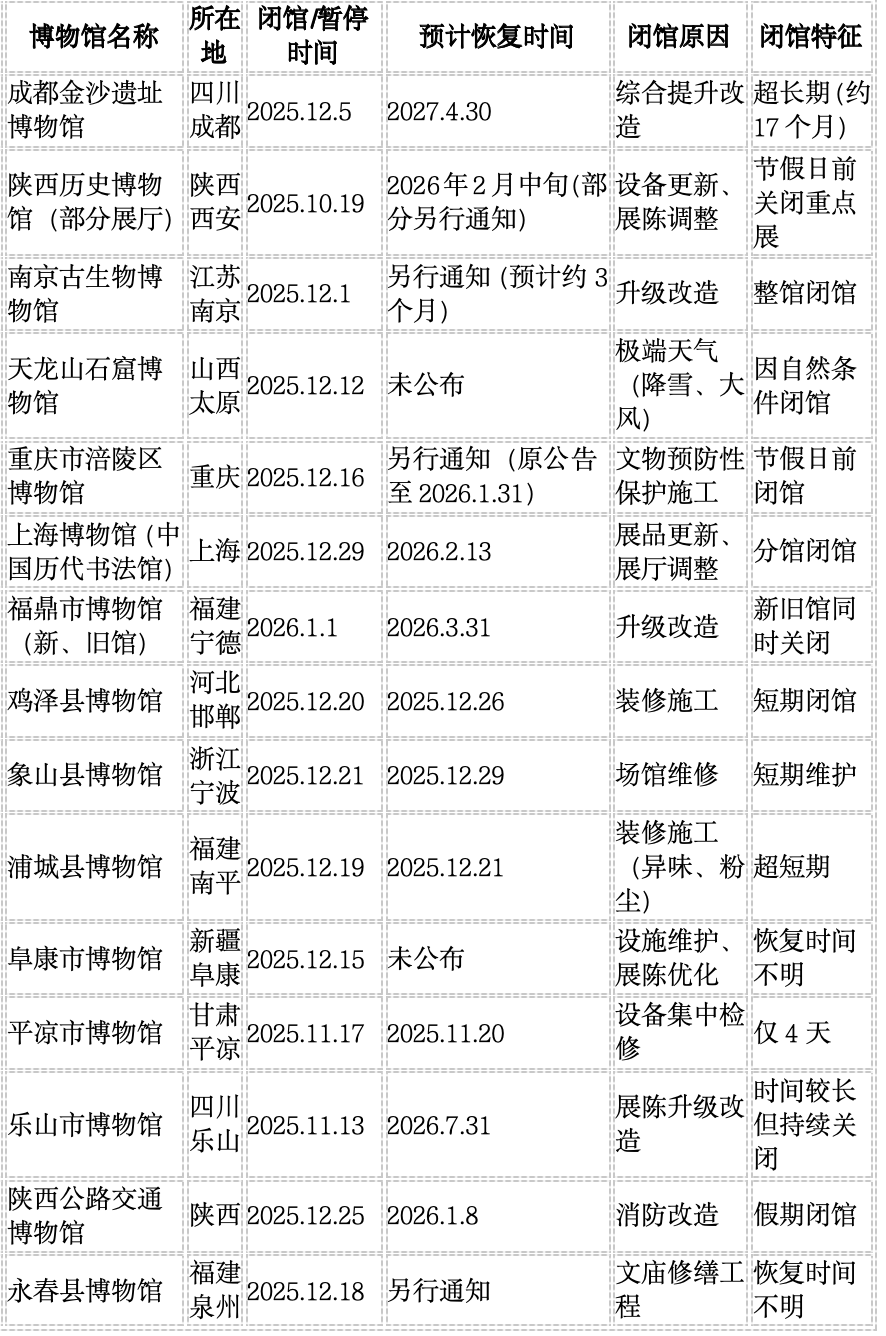
Core Viewpoint - Over 30 museums in China have announced temporary closures or suspensions due to renovations or other reasons, which may impact the holiday economy, particularly during major holidays [1][3]. Group 1: Museum Closures - The longest closure is for the Chengdu Jinsha Site Museum, which will be closed from December 5, 2025, to April 30, 2027, for comprehensive upgrades [4][5]. - The Shaanxi History Museum will undergo equipment updates and partial exhibition adjustments from October 19, 2025, to mid-February 2026 [5][6]. - The Nanjing Paleontology Museum plans to close for approximately three months starting December 1, 2025, for upgrades [5][6]. Group 2: Reasons for Closures - Various reasons for closures include comprehensive upgrades, equipment updates, and maintenance due to extreme weather conditions [4][5][6]. - Specific museums like the Chongqing Fuling District Museum are closing for preventive protection of cultural relics from December 16, 2025, to January 31, 2026 [5][6]. - The Shanghai Museum's Chinese Calligraphy Museum will be closed from December 29, 2025, to February 13, 2026, for exhibition updates [6][7]. Group 3: Short-term Closures - Several museums have announced short-term closures, such as the Hebei Handan City Jiz County Museum, which will close for renovations from December 20 to December 26, 2025 [7][8]. - The Zhejiang Ningbo Xiangshan Museum will be closed from December 21 to December 29, 2025, for maintenance [7][8]. - The Fujian Quanzhou Yongchun County Museum will close for repairs starting December 18, 2025, with the reopening date to be announced [9].

*ST长药连续3年财务造假拟被罚4100万元,或被强制退市
Zhong Guo Jing Ying Bao· 2025-12-26 23:56
Core Viewpoint - *ST Changyao has been found to have committed financial fraud for three consecutive years, leading to potential penalties and the risk of forced delisting from the stock market [1][2] Group 1: Financial Misconduct - *ST Changyao received an administrative penalty notice from the China Securities Regulatory Commission for false reporting in annual reports for 2021, 2022, and 2023 [1] - The company inflated its operating revenue by CNY 215 million, CNY 284 million, and CNY 234 million for the years 2021, 2022, and 2023, respectively, which accounted for 9.12%, 17.57%, and 19.51% of the disclosed operating revenue for those years [2] - The total profit was inflated by CNY 56 million, CNY 63 million, and CNY 44 million for the same years, representing 35.62%, 88.23%, and 6.42% of the disclosed profit totals [2] Group 2: Penalties and Consequences - The total proposed penalties amount to CNY 41 million, with *ST Changyao facing a fine of CNY 10 million, and the former actual controller, Luo Ming, facing a fine of CNY 5 million [2] - Other executives may face fines ranging from CNY 1 million to CNY 3 million, with Luo Ming potentially facing a lifetime ban from the securities market and another executive facing a 10-year ban [2] - The company has indicated that its stock may be subject to forced delisting due to significant legal violations [2] Group 3: Business Operations - *ST Changyao's main business operations include pharmaceuticals and photovoltaic products [1]


长城魏牌高端化“变阵”
Zhong Guo Jing Ying Bao· 2025-12-26 20:31
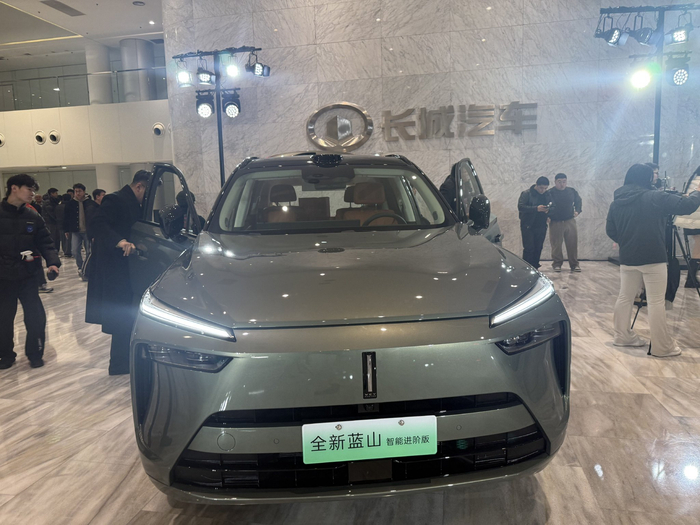
Core Viewpoint - The frequent changes in leadership at the high-end brand WEY under Great Wall Motors reflect the complexities of operating an automotive brand, with the new CEO Zhao Yongpo aiming to leverage his extensive experience to enhance the brand's market position and product offerings [3][5][7]. Leadership Changes - Zhao Yongpo has taken over as CEO of WEY, succeeding Feng Fuzhi, who served for only eight months. This marks the ninth CEO since the brand's establishment in 2016 [3][5]. - Feng Fuzhi's tenure was characterized by efforts to expand the direct sales channel, but he faced significant pressure, leading to his departure [5]. - Zhao Yongpo has over 20 years of experience within Great Wall Motors and has been involved in the development of WEY from its inception [6]. Brand Development and Market Position - WEY has experienced a "high-open, low-walk, and recovery" trajectory since its establishment, with a peak sales figure of 139,000 units in 2018, followed by a decline due to delays in transitioning to electric vehicles [7]. - The brand has recently seen a resurgence, with sales of 89,000 units from January to October 2025, representing a year-on-year increase of 93.94% [7]. - Future product strategies include launching new models based on a new platform by 2026, aiming to cover various powertrain options [7]. Direct Sales Strategy - The establishment of a direct sales model is seen as crucial for enhancing brand perception and user experience, with over 500 direct service points planned across more than 130 cities by November 2025 [8][9]. - The direct sales approach allows for better control over user touchpoints and service standards, which is essential for building a high-end brand image [9][10]. - However, the rapid expansion of direct sales outlets poses challenges, as seen in the case of other companies like Li Auto, which took over six years to reach a similar number of stores [9][10]. Challenges in Expansion - The process of establishing high-quality direct sales outlets is complex and time-consuming, involving multiple stages from site selection to team training [10]. - The competition for prime retail locations in key commercial areas is intense, often requiring brands to wait for suitable opportunities [10]. - Great Wall Motors has invested over 2 billion yuan in its direct sales system, highlighting the commitment to overcoming the challenges of brand management in the automotive sector [10].

年末车企“兜底”购置税 新能源车市缓冲跨年
Zhong Guo Jing Ying Bao· 2025-12-26 20:31
Core Viewpoint - The impending adjustment of the new energy vehicle (NEV) purchase tax policy from full exemption to a 50% reduction starting January 1, 2026, is prompting major car manufacturers to implement strategies to stabilize sales and manage consumer expectations during this transitional period [2][3]. Group 1: Company Responses - Major car manufacturers such as GAC Group, Seres, and Xpeng Motors are introducing purchase tax "bottom line" or equivalent subsidy schemes to offset the cost changes resulting from the policy shift, aiming to maintain sales momentum and capitalize on the limited time window before the policy change [2][3]. - GAC Group has extended its purchase tax subsidy policy until the end of 2025, allowing customers who complete orders by December 31, 2025, to receive a subsidy of up to 15,000 yuan if their vehicle delivery is delayed due to company reasons [4]. - Seres and Xpeng Motors are also implementing similar subsidy strategies, with Seres offering tax subsidies for specific models and Xpeng focusing on new products to lower the transaction threshold during the policy transition [4]. Group 2: Market Dynamics - The combination of policy changes and corporate subsidies is beginning to show effects, with November's NEV retail sales reaching 1.354 million units, a year-on-year increase of 7% [5]. - Despite the positive short-term effects, the market is still in a transitional phase, with a decline in retail sales observed in early December, indicating that the demand recovery may be temporary rather than indicative of a long-term trend [5]. - The overall automotive market is expected to achieve growth beyond initial forecasts for 2025, driven by policies such as trade-in subsidies and NEV purchase tax exemptions, with production and sales figures showing significant year-on-year increases [6][7]. Group 3: Future Considerations - The shift from a policy-driven market to one reliant on endogenous growth remains a critical challenge for car manufacturers post-policy adjustment [3]. - The potential for diminishing returns from frequent subsidies raises concerns about consumer dependency on temporary discounts, which could lead to increased volatility in demand around policy changes [3]. - The automotive industry may face intensified price competition in early 2026, particularly affecting smaller manufacturers, necessitating a focus on technological and service differentiation rather than solely price competition [8].




控股杭州众硅 “中微模式”或改写半导体设备市场格局
Zhong Guo Jing Ying Bao· 2025-12-26 20:31
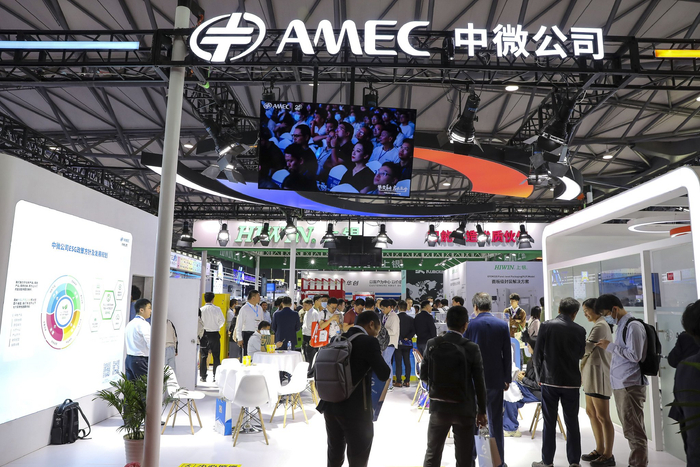
Core Viewpoint - The semiconductor equipment leader, Zhongwei Company, is advancing its "platformization" strategy by planning to acquire a controlling stake in Hangzhou Zhonggui Electronic Technology Co., thereby enhancing its product line and market competitiveness in the semiconductor equipment industry [3][5][10]. Group 1: Acquisition Details - Zhongwei Company is set to acquire a controlling stake in Hangzhou Zhonggui through a share issuance, with stock suspension expected for no more than 10 trading days starting December 19, 2025 [3][5]. - The acquisition is seen as a necessary step for integrating the semiconductor equipment supply chain, filling the gap in wet processing equipment, and achieving a complete solution for semiconductor manufacturing [3][6][11]. Group 2: Strategic Implications - The acquisition will enable Zhongwei Company to transition from a single equipment supplier to a platform-type semiconductor equipment enterprise, enhancing customer loyalty and market competitiveness [3][5][11]. - By integrating dry and wet processing equipment, Zhongwei Company aims to provide a comprehensive process solution, thereby increasing its value proposition to customers [6][11]. Group 3: Financial Performance - In the first three quarters of 2025, Zhongwei Company reported revenues of 8.063 billion yuan, a year-on-year increase of approximately 46.40%, with etching equipment revenue at 6.101 billion yuan, up 38.26% [8][9]. - The revenue from LPCVD and ALD equipment surged by 1332.69% year-on-year, driven by increased demand and a low base effect from the previous year [9]. Group 4: Market Context - The domestic demand for CMP equipment is urgent as local wafer fabs accelerate advancements in processes of 14nm and below, with current domestic wet equipment market share being less than 10% [6][8]. - The acquisition aligns with the broader trend of semiconductor companies pursuing platformization to break international monopolies and enhance competitive advantages through integrated solutions [10][11]. Group 5: Investment Strategy - Zhongwei Company's previous investment in Hangzhou Zhonggui, where it held a 12.04% stake, laid the groundwork for this acquisition, allowing for a controlled risk environment and facilitating strategic integration [7][8]. - The shift from financial investment to controlling acquisition reflects a reassessment of the strategic value of wet processing equipment, aiming to accelerate the domestic production of CMP equipment [8][12]. Group 6: Ecosystem Development - Zhongwei Company's investments in various semiconductor companies are not merely financial but are aimed at building an industrial ecosystem that enhances supply chain security and fosters innovation [12][13]. - By securing stakes in key component suppliers, Zhongwei Company aims to mitigate supply chain risks and enhance its competitive position in the semiconductor industry [13].

粤芯半导体冲刺创业板 累计未弥补亏损近90亿元
Zhong Guo Jing Ying Bao· 2025-12-26 20:18
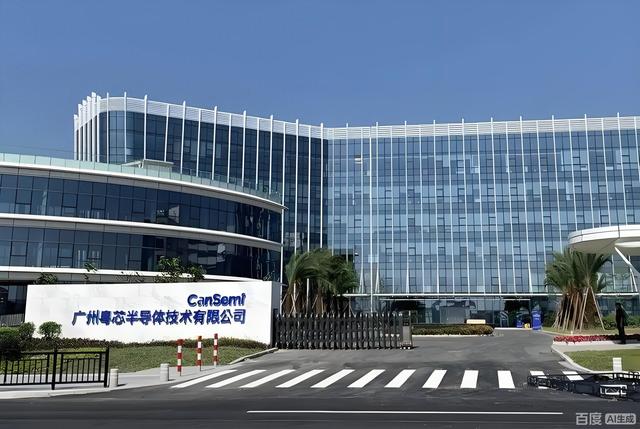
粤芯半导体技术股份有限公司(以下简称"粤芯半导体")IPO有了新进展。 近日,深交所发行上市审核信息公开网站显示,粤芯半导体IPO审核状态更新为"已受理",粤芯半导体 将募资75亿元用于12英寸集成电路模拟特色工艺生产线项目(三期项目)、特色工艺技术平台研发项 目、基于65nm逻辑的硅光工艺及光电共封关键技术研发项目等。 粤芯半导体是"广东强芯"工程的核心项目,是广东省首个量产的12英寸晶圆制造平台。粤芯半导体的发 展速度可以用迅猛来形容,"从无到有到量产" 仅用18个月便实现。 天使投资人、资深人工智能专家郭涛对《中国经营报》记者表示,粤芯半导体进行IPO,意在抓住半导 体国产替代机遇,借助资本市场加速产能扩张与技术升级。当前政策支持与市场景气度高,粤芯半导体 凭借本土化优势有望抢占份额,但也面临技术迭代和国际竞争的挑战。 中经记者 陈佳岚 广州报道 营收大幅反弹但仍巨亏 粤芯半导体成立的时间并不长,其2017年在广州成立,是专注模拟芯片制造的12英寸芯片制造公司,也 是粤港澳大湾区第一家实现量产的12英寸芯片制造企业,其代工服务涵盖了12英寸混合信号、高压显示 驱动、图像传感器、电源管理、功率分立器件等多 ...

模组出货领跑全球 中国蜂窝物联网产业全面爆发
Zhong Guo Jing Ying Bao· 2025-12-26 20:13
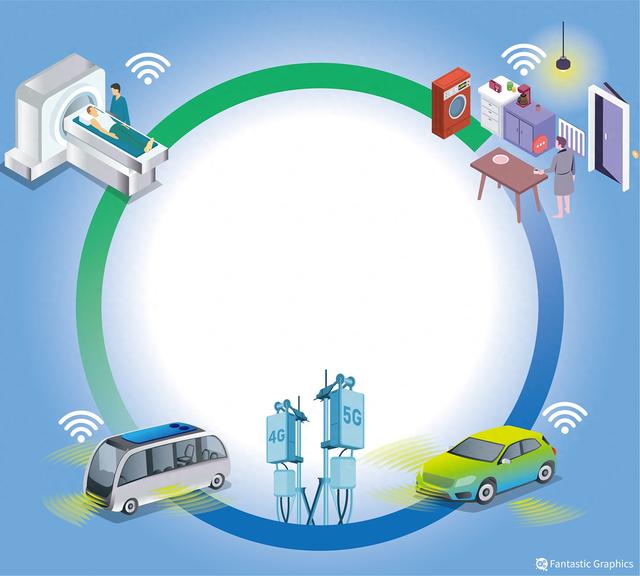
Core Insights - The Chinese IoT industry is experiencing strong growth, with the number of connections expected to exceed 3.5 billion this year [2] - The global cellular IoT module shipments are projected to grow by 10% year-on-year by Q3 2025, with China showing a 7% increase driven by smart meters and POS terminals [2][3] - The development of IoT communication technology in China is rapidly advancing from 5G to 6G, satellite networks, and quantum communication [3] Industry Overview - Cellular IoT, also known as mobile IoT, allows devices to connect to the internet using mobile communication networks, facilitating ubiquitous connectivity [4] - As of June 2025, China's three major telecom operators are expected to have developed 2.831 billion mobile IoT terminal users [4] - The development of mobile IoT in China can be divided into three stages: technological foundation, commercial breakthrough, and scale explosion, with the commercial launch of 5G in 2019 marking a significant turning point [4][5] Market Dynamics - The growth of China's cellular IoT is driven by a combination of policy support, technological advancements, and market demand [5][6] - The Cat-1 bis technology has emerged as a mainstream choice for mid-speed IoT applications, with its global shipment share expected to approach 50% by Q3 2025 [5] - The demand for digital transformation in traditional industries, along with the need for upgrading devices like smart meters and POS terminals, is fueling market growth [6] Competitive Landscape - China has established a complete industrial chain for cellular IoT, with competitive companies emerging in chip design, module manufacturing, and application deployment [7] - Key players in the chip design sector include Aojie, Unisoc, and Shanghai Yixin, which are recognized for their advancements in the Cat-1 bis field [7] - The module industry is led by companies like Quectel, China Mobile, and Rida, with Rida achieving a remarkable 73% year-on-year growth [7][8] Future Outlook - The industrial internet market in China is expected to exceed 1 trillion yuan by 2025, becoming a significant driver for overall IoT growth [8] - The transition from a "selling connectivity" model to a "selling computing power" model is seen as a crucial challenge for the industry [9][10] - The commercialization of RedCap technology is anticipated to further enhance the capabilities of IoT applications, with significant growth expected in sectors like industrial inspection and smart factories [10] Challenges - Despite the positive growth indicators, the industry faces challenges such as reliance on imported core technologies and price sensitivity in the market [9] - The competition in the Cat-1 bis module market is intensifying, leading to a decline in average selling prices (ASP) and creating a "revenue without profit" scenario for many small and medium-sized manufacturers [9] - The need for collaboration across the industry to enhance technological routes, service capabilities, and global compliance is essential for sustaining growth [11]


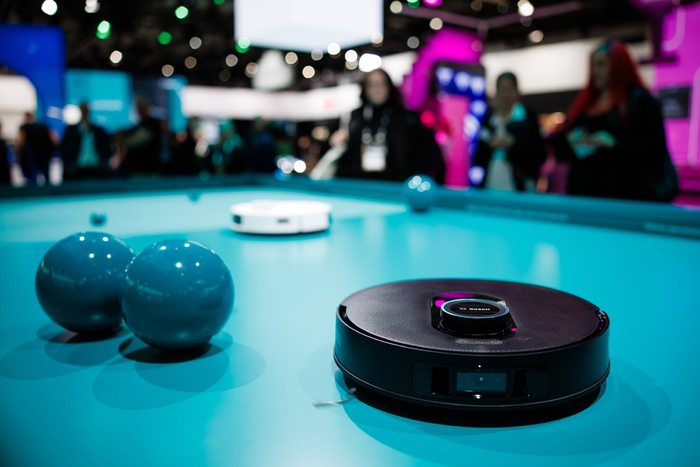
毛利率连年下滑 乐动机器人如何向港股讲新故事?
Zhong Guo Jing Ying Bao· 2025-12-26 19:30
Core Viewpoint - The surge in robot companies seeking to list in Hong Kong reflects a growing interest in the sector, with approximately 30 companies having submitted applications this year. Ledong Robotics, a leader in visual perception technology, is facing challenges with declining profit margins and is betting on smart lawn mowers as a new growth avenue [2][3]. Company Overview - Ledong Robotics is primarily focused on two business segments: visual perception products, which are expected to account for 94% of total revenue in 2024, and smart lawn mowers, projected to contribute 5% [2]. - The company provides critical perception and navigation solutions to robot manufacturers, with core products including various types of LiDAR and visual sensor modules [2]. Market Dynamics - The global smart robot market is projected to grow from 158.3 billion yuan in 2020 to 369 billion yuan in 2024, with a compound annual growth rate (CAGR) of 23.6%. The visual perception technology segment is expected to grow from 13.6 billion yuan in 2020 to 28.5 billion yuan in 2024 [3][4]. - Ledong Robotics holds a 1.6% market share in the highly fragmented visual perception market, with its products expected to be used in over 6 million smart robots by 2024 [4]. Financial Performance - Revenue for Ledong Robotics is projected to grow from 234 million yuan in 2022 to 467 million yuan in 2024, with a CAGR of 41.4%. However, net losses are also expected to decrease from 73.1 million yuan in 2022 to 56.5 million yuan in 2024 [4][5]. - The company's gross margin is declining, from 27.3% in 2022 to an anticipated 19.5% in 2024, attributed to a pricing strategy aimed at maintaining market share [4][5]. Competitive Landscape - The company faces increasing competition from major players entering the market with advanced technologies. For instance, Hesai Technology has significantly increased its LiDAR delivery volumes in the robot sector [5][6]. - Ledong Robotics' customer base includes seven of the top ten home service robot companies globally, but the revenue contribution from its largest customer has decreased from nearly 30% in 2022 to 15% in 2024 [6]. Growth Strategy - To counteract the pressures on its core business, Ledong Robotics is pursuing a dual strategy: reinforcing its technology in visual perception and investing in smart lawn mowers as a secondary growth line [7]. - The smart lawn mower market is expected to grow significantly, with projections indicating a market size reaching several billion dollars by 2029 [7][8]. Recent Developments - The new lawn mower business has shown rapid growth, with revenue expected to reach 23.3 million yuan in 2024 and 77.5 million yuan in the first half of 2025, with gross margins improving from 33.6% in 2024 to 45.6% in 2025 [8]. - However, this segment also faces challenges, including potential anti-dumping investigations by the EU that could impact competitiveness [8]. IPO and Future Plans - The upcoming IPO aims to raise funds for enhancing visual perception technology, expanding brand presence, optimizing production capacity, exploring investment opportunities, and supplementing working capital [10]. - The ability of Ledong Robotics to maintain its market share and successfully grow its lawn mower business will be critical for its future trajectory [10].