
Zhong Guo Jing Ying Bao

Search documents
彩妆品牌合伙人离职、超八成收入来自韩束 上美股份如何解决结构难题?
Zhong Guo Jing Ying Bao· 2026-01-20 00:19
Core Viewpoint - The recent departure of Gu Mai, a partner of NAN beauty under Shangmei Co., has raised concerns about the company's reliance on a single brand and its overall business strategy in the beauty industry [1][2]. Group 1: Company Overview - Shangmei Co. has a diverse portfolio of brands, including skincare and maternal and infant products, but over 80% of its revenue still comes from the Han Shu brand [1][4]. - As of the first half of 2025, Han Shu generated revenue of 33.44 billion yuan, accounting for 81.4% of the total revenue, with a year-on-year increase of 14.3% [4][6]. - Other brands under Shangmei, such as newpage, Yiyezi, and Hongse Xiaoxiang, contributed significantly less, with revenues of 3.97 billion yuan, 0.89 billion yuan, and 1.59 billion yuan, respectively [4]. Group 2: Market Position and Challenges - The company has a strong presence on Douyin, with over 90% of its revenue coming from online channels, primarily from Douyin, indicating a high sensitivity to platform traffic [1][5]. - The departure of Gu Mai, who had expertise in the Tmall channel, highlights a gap in Shangmei's strategy, as the brand has struggled to gain traction on Tmall despite its strong performance on Douyin [2][5]. - The brand NAN beauty, launched in September 2025, has not shown significant growth in its follower count on platforms like Xiaohongshu, indicating challenges in brand performance [2]. Group 3: Financial and Operational Insights - Shangmei's marketing expenses remain high, with sales and distribution costs accounting for 56.9% of total revenue in the first half of 2025, although this is a slight decrease from 57.6% in the previous year [6]. - The company has been exploring new growth avenues, but the success of these initiatives remains uncertain [7]. - The recent controversy surrounding Han Shu's products, which were found to contain questionable ingredients, has negatively impacted the company's stock price, which fell from 85.3 HKD to 57 HKD before recovering slightly to 73.95 HKD [6].
IMF:预计2025年中国经济增长5.0%
Zhong Guo Jing Ying Bao· 2026-01-20 00:16
2026年1月19日,国际货币基金组织(IMF)发布2026年首份《世界经济展望》(WEO)更新报告。报 告预测,2026年全球经济增长预计将保持在3.3%,较2025年10月的预测值上调0.2个百分点;预计2027 年经济增速将放缓至3.2%。 对中国经济增长预期,IMF预计,中国经济在2025年和2026年将分别增长5.0%和4.5%。相较2025年10月 《世界经济展望》,上述预测值分别上调了0.2个和0.3个百分点。 (文章来源:中国经营报) ...
还清月供2.7万的房贷后 京城“零负债人群”想去创业
Zhong Guo Jing Ying Bao· 2026-01-20 00:12
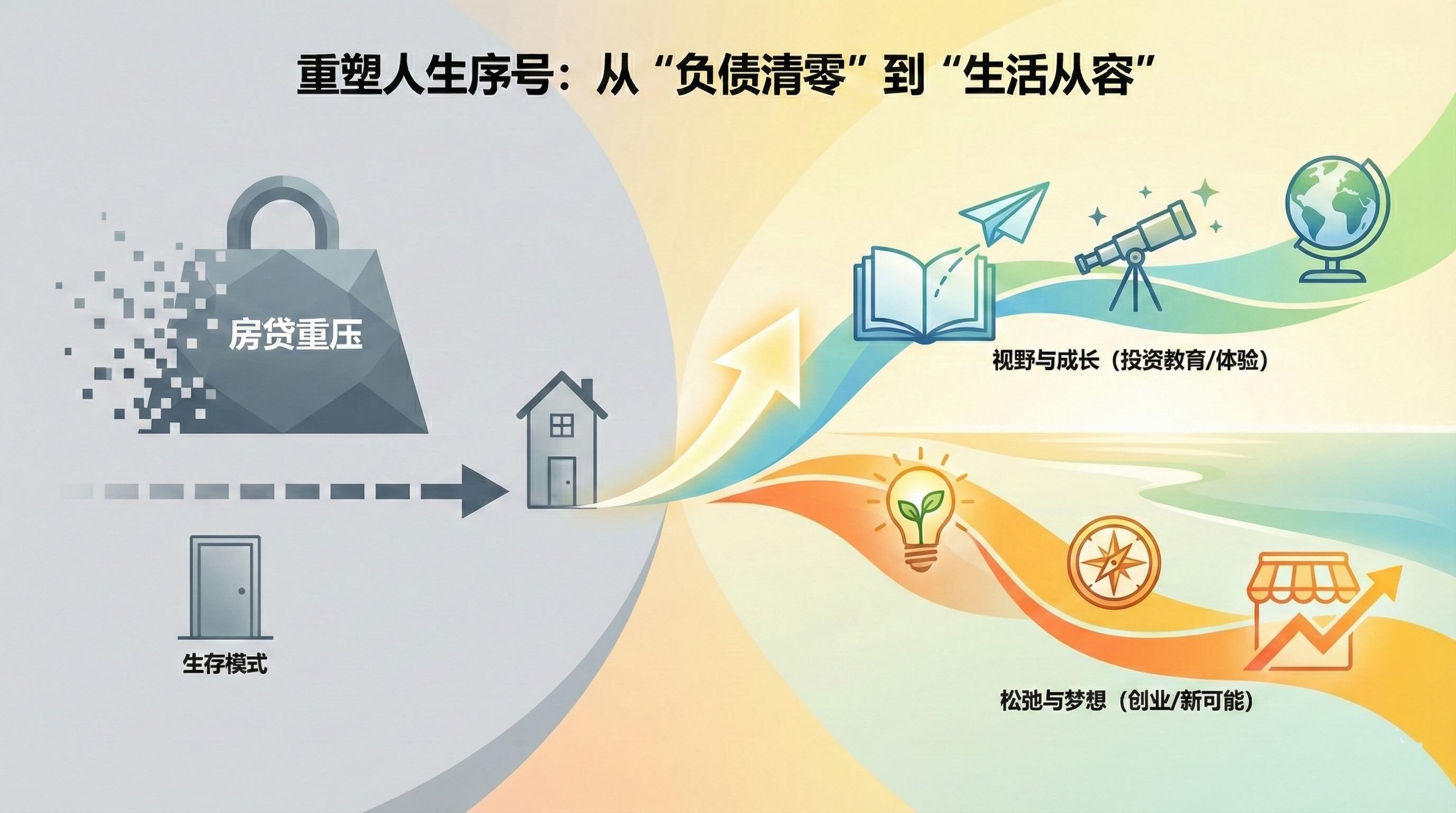
Core Insights - The article discusses the impact of mortgage repayment on personal finances and lifestyle choices, highlighting how the absence of mortgage pressure allows families to invest more in children's education and experiences [2][3][4]. Group 1: Financial Impact of Mortgage - The interviewee, Wang Jing, emphasizes that for a decade, his income was primarily allocated to mortgage repayments, which limited his family's financial flexibility [2]. - After paying off the mortgage in 2025, Wang Jing and his family felt a significant relief, prompting them to reconsider their lifestyle and financial priorities [2]. - The article notes that the financial burden of a mortgage directly affects spending habits, as seen in Wang Jing's previous reluctance to invest in quality educational experiences for his children [3]. Group 2: Shifts in Investment and Lifestyle Choices - With the mortgage cleared, Wang Jing redirected funds towards his children's extracurricular activities, spending around 70,000 to 80,000 yuan annually on classes like swimming and piano [3]. - The decision not to invest in a "school district house" reflects a shift in priorities, focusing on quality of life rather than property investment [3]. - The article highlights a broader trend where families are re-evaluating their financial strategies and lifestyle choices in light of changing economic conditions, particularly in the real estate market [7]. Group 3: Psychological and Social Effects - The absence of mortgage pressure is linked to a more relaxed lifestyle, allowing individuals to enjoy leisure activities without financial stress [4][6]. - The article illustrates how the removal of mortgage obligations can lead to a more carefree approach to work and parenting, as seen in the experiences of another interviewee, Chu Jie, who feels less constrained by financial pressures [6]. - The narrative suggests that the psychological relief from mortgage repayment can lead to a more open-minded approach to future financial decisions, including potential entrepreneurship [6][7].


累计成交513亿 胶版印刷纸期货首次交割顺利完成
Zhong Guo Jing Ying Bao· 2026-01-19 23:55
中经记者 郝亚娟 夏欣 上海、北京报道 2026年1月19日,上海期货交易所(以下简称"上期所")胶版印刷纸期货首个合约OP2601顺利完成 交割,交割量46手,合计1840吨,交割金额近760万元。 自2025年9月10日,胶版印刷纸期货上市以来,交易运行平稳,企业参与度持续提升,各业务流程 衔接顺畅,市场功能逐步发挥。截至2026年1月15日,累计成交30.95万手,总成交金额513.87亿元。 截至2026年1月15日,胶版印刷纸期货厂库仓单重量合计2840吨。 上期所相关负责人表示,将继续以服务实体经济为使命,以高度的责任感,加强统筹协调,切实履 行市场监管和风险防范的职责,同时密切关注市场声音,不断优化交割流程,持续提升期现市场的贴合 度,确保胶版印刷纸期货的稳健运行和功能发挥。 (责任编辑:康博) ...
对年薪50万“断舍离” 前地产人找到职业新支点
Zhong Guo Jing Ying Bao· 2026-01-19 23:51
Group 1 - The real estate industry is experiencing significant fluctuations, leading some professionals to switch careers for less stressful jobs with lower pay but more learning opportunities [1][2] - A former real estate professional, Li Shun, has opted for part-time work as a way to pursue entrepreneurship while accepting a lower income of around 6,000 yuan per month [2] - The National Bureau of Statistics reported that the real estate sector employs approximately 10.12 million people, covering key roles such as development, sales, and property management [2] Group 2 - Another former real estate worker, Lü Tingting, transitioned to a government job after nearly 20 years in the industry, accepting a significant pay cut from over 500,000 yuan annually to 5,000 yuan per month [4] - Lü Tingting proactively left her position to secure a reasonable compensation package, indicating a strategic approach to career transition amid industry challenges [4] - Both individuals express a commitment to continuous learning and adapting to new industries, highlighting a trend of professionals seeking stability and growth outside of real estate [4]

上交会首设防务展 长三角抱团掘金“一带一路”安全装备市场
Zhong Guo Jing Ying Bao· 2026-01-19 15:32
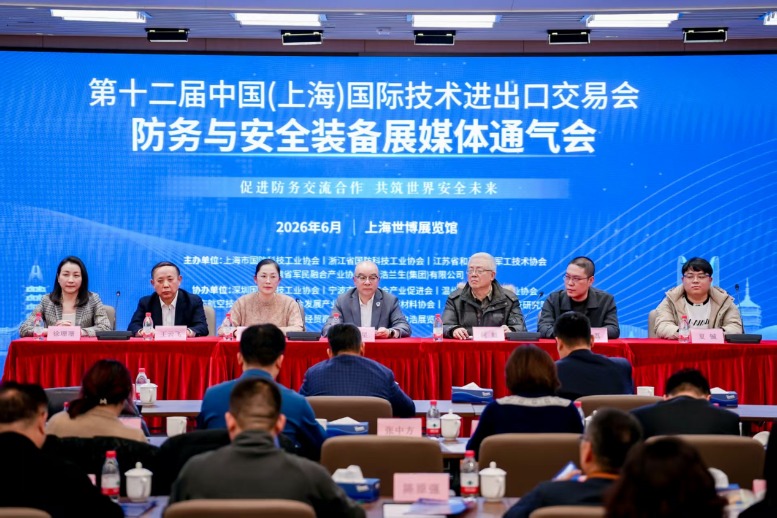
Core Insights - The Shanghai International Technology Import and Export Fair (SITIEF) is evolving to include a new Defense and Security Equipment Exhibition in June 2026, reflecting the growing trend of using technology trade to enhance international security cooperation [2][3][4] Group 1: Event Overview - The SITIEF has been successfully held for eleven sessions since its inception in 2013, becoming a significant platform for innovation resources from nearly 30 countries and regions [2] - The upcoming Defense and Security Equipment Exhibition will feature over 200 leading enterprises and cover an exhibition area of 10,000 square meters [4][5] Group 2: Strategic Goals - The exhibition aims to promote innovation integration, enhance security resilience, and leverage regional advantages to support domestic products and technologies in international markets [6][8] - It will focus on facilitating practical cooperation through precise supply-demand matching and organizing various trade and technology exchange activities [7] Group 3: Industry Trends - The global defense security market is increasingly driven by technology, military-civil integration, and regional collaboration, with the Asia-Pacific region being a rapidly growing market for defense equipment and technology [8] - The exhibition will showcase cutting-edge technologies in aerospace, artificial intelligence, and renewable energy, aligning with the rising demand for intelligent, unmanned, and networked security systems [5][8]
工信部:2025年我国废旧动力电池综合利用量将超40万吨
Zhong Guo Jing Ying Bao· 2026-01-19 14:41
Core Viewpoint - The rapid development of China's new energy vehicle (NEV) industry is leading to significant growth in production and sales, with a projected comprehensive utilization of over 400,000 tons of used power batteries by 2025, reflecting a year-on-year increase of 32.9% [1] Industry Summary - China's NEV production and sales are expected to reach 16.626 million and 16.49 million units respectively by 2025, marking year-on-year growth of 29% and 28.2% [1] - NEVs are projected to account for 47.9% of total new car sales in the country by 2025 [1] - The recycling and utilization system for used power batteries has made significant progress, with leading companies achieving international advanced levels in the recovery rates of lithium, cobalt, and nickel [1] Future Projections - The country is anticipated to enter a phase of large-scale retirement of power batteries, with an estimated generation of over 1 million tons of used batteries by 2030 [1]

广州白云新城核心区首发新规项目云樾和鸣
Zhong Guo Jing Ying Bao· 2026-01-19 14:41
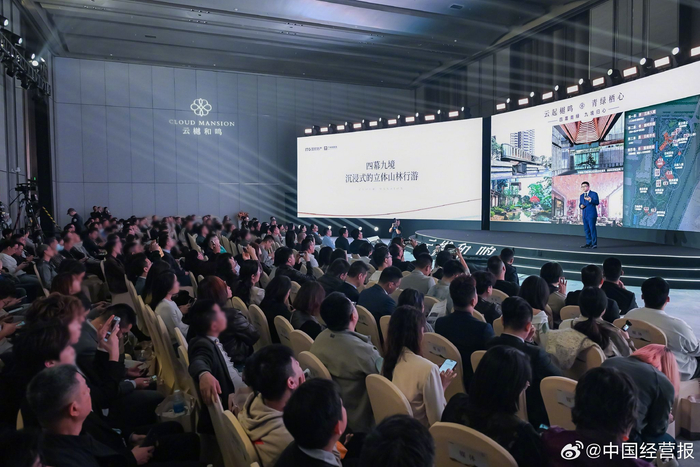
Core Viewpoint - Guangzhou is accelerating the construction of a new model for real estate development, focusing on the "Four Goods" initiative, which includes good houses, good communities, good neighborhoods, and good urban areas. The aim is to enhance residential product design and supply, guiding the market towards a consensus on the standards for "good houses" [1][2]. Group 1: Project Launch and Market Response - The "Yun Yue He Ming" project, developed by Guotai Real Estate and Greentown China, is the first new regulation project launched in the core area of Baiyun New Town, symbolizing a strategic response to the demand for quality living [1]. - The president of the Guangzhou Real Estate Industry Association emphasized that the current market confidence is being rebuilt from the scarce supply of quality offerings, and "Yun Yue He Ming" is seen as a significant project that meets the aspirations for a better life [1][2]. Group 2: Policy and Quality Standards - The Guangzhou Housing Policy Research Center has introduced twenty specific measures in response to national calls for "good house" construction, raising quality standards across the entire supply chain, including building materials and construction techniques [2]. - The "Yun Yue He Ming" project exemplifies the industry's transformation under these new regulations, aiming for long-term value that can lead the market and withstand economic cycles [2]. Group 3: Design and Features of the Project - The project emphasizes a holistic approach to living, integrating nature, architecture, and lifestyle, with a focus on creating harmony between people and the natural environment [2]. - Architectural features include a 9-meter high double-layer community entrance, fully covered walkways, and high-ceilinged lobbies, designed to cater to diverse family needs with precision [2]. - The project offers residential units ranging from approximately 100 to 138 square meters, with a focus on maximizing views and ensuring unobstructed sightlines through careful architectural orientation [2]. Group 4: Industry Trends - The real estate industry is transitioning from a phase of extensive expansion to one that prioritizes quality, experience, and cultural significance as core competitive advantages [3]. - The shift from "scale" to "quality" marks a turning point in the industry, with projects like "Yun Yue He Ming" driving deeper engagement in product refinement and enhancing the overall living experience [3].
国家统计局:2025年年末我国每百户家庭家用汽车拥有量达52.9辆
Zhong Guo Jing Ying Bao· 2026-01-19 14:00
Group 1 - The core viewpoint of the article highlights the increase in household car ownership in China, reaching 52.9 cars per hundred households by the end of 2025, which is an increase of 1.7 cars from the previous year [1] - The large-scale equipment renewal policy is accelerating the pace of industrial upgrades, leading to rapid growth in related industries [1] - In 2025, the added value of the equipment manufacturing industry above designated size is expected to grow by 9.2% compared to the previous year, which is an acceleration of 1.5 percentage points, and its share is expected to rise to 36.8% [1]
鲍威尔“调查门”搅动全球市场 美元信用承压驱动资本流向重构
Zhong Guo Jing Ying Bao· 2026-01-19 14:00
Core Viewpoint - The criminal investigation into Federal Reserve Chairman Jerome Powell, linked to overspending on the Fed's headquarters renovation, has raised concerns about the independence of the Federal Reserve and the stability of the global financial system [1][2]. Group 1: Impact on Financial Markets - The investigation has led to increased market uncertainty, with a shift in capital towards safer assets, as evidenced by a drop in the dollar index and a surge in gold prices, which recently surpassed $4600 [1][8]. - The VIX fear index's fluctuations indicate that market expectations are becoming unstable, potentially leading to chaotic financial transactions [2][4]. Group 2: U.S. Monetary Policy and Dollar Credibility - The investigation reflects deeper issues regarding the independence of the Federal Reserve and the potential for presidential interference in monetary policy, which could undermine confidence in the dollar [2][3]. - If inflation in the U.S. spirals out of control, investors may reassess asset pricing based on Federal Reserve policies, further destabilizing the dollar's status as a global reserve currency [3][4]. Group 3: Capital Flows and China's Financial Market - The investigation has prompted a re-evaluation of capital flows, with international funds increasingly directed towards China, driven by the country's stable economic policies and growth potential [6][7]. - China's financial system is evolving, with a focus on creating a robust financial infrastructure that enhances its attractiveness to global investors [7]. Group 4: Asset Price Volatility - The current volatility in asset prices, particularly in the stock and gold markets, is closely tied to the dollar's international reserve status, with potential implications for future market stability [8][9]. - Ordinary investors are advised to maintain sustainable cash flow and wait for appropriate entry points in the market, rather than chasing high prices [9].