Qian Zhan Wang

Search documents
前瞻全球产业早报:DeepSeek否认8月下旬发布R2
Qian Zhan Wang· 2025-08-14 11:27
Group 1 - The Chinese government has allocated 188 billion yuan in special bonds to support equipment upgrades across various sectors, leading to a total investment exceeding 1 trillion yuan [2] - Zhejiang province is implementing a high-quality development action plan focusing on AI in healthcare, brain-computer interfaces, and new drug development, aiming to enhance interdisciplinary research and global impact [3] - DeepSeek's anticipated release of the DeepSeek R2 model has been denied by internal sources, indicating potential misinformation in the market [4] Group 2 - UTree Technology emphasizes the importance of computing power for humanoid robots, particularly in large-scale cluster computing, and discusses the need for proximity to centralized computing centers to minimize latency [5] - TSMC plans to phase out 6-inch wafer production over the next two years, consolidating its 8-inch wafer capacity to improve efficiency [6] - Nearly 100 ZhiYuan robots have been deployed at Fulin Precision Industry Co., marking a significant milestone in global smart manufacturing [7] Group 3 - Xiaomi has appointed several executives to strengthen its presence in the African market, indicating a strategic focus on regional growth [8] - AliExpress has upgraded its logistics facility in Dongguan, becoming the first fully automated cross-border logistics park, enhancing domestic transport efficiency by up to 6 hours [9] - Didi has invested in the autonomous vehicle company New Stone, expanding its logistics delivery capabilities [9] Group 4 - The White House confirmed that Nvidia and AMD will pay 15% of their revenue from sales in China to the U.S. government, a move that may extend to more companies in the future [10] - Microsoft is intensifying its efforts to recruit AI talent from Meta, offering substantial salaries to secure key engineers and researchers [10] - SoftBank plans to issue 100 billion yen in subordinated bonds to fund AI development, capitalizing on favorable market conditions [11] Group 5 - OpenAI has introduced new response modes for ChatGPT, including "automatic," "fast," and "deep thinking," catering to different user needs [12] - Apple has denied allegations from Elon Musk regarding favoritism towards OpenAI in its App Store, asserting its commitment to fair practices [13] - Pfizer and Astellas announced positive results from late-stage trials of their bladder cancer treatment, paving the way for regulatory submissions [13] Group 6 - Advent International is acquiring Israeli software company Sapiens for $2.5 billion, offering a significant premium to shareholders [14] - Sensor technology company "ZhenDian ZhiGan" has completed an angel round of financing, raising nearly 10 million yuan [15] - "LianGuangYuanHe" has secured 400 million yuan in Series A financing, indicating strong investor interest in the sector [15] Group 7 - A-shares and Hong Kong stocks have shown positive performance, with major indices recording gains, reflecting a favorable market sentiment [17]



【行业深度】洞察2025:全球及中国办公椅市场规模及竞争格局(附市场规模、竞争格局等)
Qian Zhan Wang· 2025-08-14 06:58
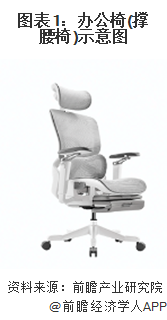
Core Insights - The global office chair market is experiencing steady growth, with a projected market size of approximately $14.04 billion in 2023 and expected to reach $14.76 billion in 2024, driven by the rise of remote work and increased penetration in emerging markets [8][11] - China holds a significant position in the global office chair market, accounting for over 60% of the market share, with a projected market size of approximately 10.185 billion yuan in 2024 [11][12] - Zhejiang Province is a key region for the office chair industry in China, with a demand scale estimated at 377 million yuan in 2024, largely driven by urbanization and the expansion of office spaces [12] Market Characteristics - Office chairs are defined as various types of chairs designed for convenience during work, with ergonomic designs and multi-dimensional adjustments being key features [1][2] - The office chair market is segmented into narrow and broad definitions, with narrow definitions focusing on ergonomic chairs that provide lumbar support and broad definitions including all types of office chairs [1][2] Competitive Landscape - The global office chair market features three main types of competitors: high-end foreign office furniture companies, domestic companies like Yongyi Co., which have a strong export presence, and competitive domestic manufacturers [16] - The concentration ratio (CR3) for the global office chair market is 21.11%, with the top three companies holding market shares of 12.36%, 4.72%, and 4.03% respectively [16] - In China, the CR3 is 10.91%, with the leading companies holding market shares of 4.60%, 4.47%, and 2.36% [16]

奔驰CEO警告:如果欧盟执意在2035年起全面禁售新燃油车,欧洲汽车工业将会“崩溃”【附新能源汽车行业市场分析】
Qian Zhan Wang· 2025-08-14 03:54
Core Viewpoint - The transition to electric vehicles (EVs) in the global automotive market is accelerating, but traditional automakers face significant challenges, particularly in Europe, where a potential ban on new internal combustion engine vehicles by 2035 could lead to market instability and a decline in the automotive industry [2][3]. Group 1: Challenges Facing Traditional Automakers - Mercedes-Benz CEO Ola Källenius warns that a strict EU ban on new fossil fuel vehicles could cause the European automotive industry to "collapse" [2]. - Källenius highlights multiple challenges for European automakers, including weak demand, increased external competition, and low EV sales [2]. - The slow development of charging infrastructure, high electricity prices, and tax burdens are hindering consumer willingness to purchase electric vehicles [2]. Group 2: Performance of Luxury Brands - In the first half of 2025, major German luxury car brands (Mercedes-Benz, BMW, Audi) experienced declines in both sales and profits, with Mercedes-Benz's net profit dropping by 55.8% [2]. Group 3: Growth of the New Energy Vehicle Market - The global new energy vehicle market reached a size of $505.27 billion in 2023, with China contributing 63% of this market share, and the penetration rate increasing from 5.4% in 2020 to 40.3% by November 2024 [3]. - In 2022, China's new energy vehicle sales surged to 6.887 million units, a year-on-year increase of 93.4% [6]. - From 2012 to 2023, China's new energy vehicle sales grew from 12,800 units to 9.495 million units, demonstrating rapid development [6]. Group 4: Impact of Policy Changes in China - Following the reduction of subsidies in 2020, China's new energy vehicle sales increased nearly tenfold over four years, leading to the rise of domestic leaders like BYD and NIO [7]. - China's new energy vehicle sales now account for over 70% of the global total, with a penetration rate rising from 5.4% to 40.9% [7]. Group 5: Global Trends in Electric Vehicle Development - The shift towards electric vehicles is seen as an irreversible trend, with countries worldwide beginning their transitions following China's lead in becoming the largest market for new energy vehicles since 2015 [9].

中国唯一“没有机场”的省会,正在疯狂建地铁
Qian Zhan Wang· 2025-08-14 01:46
Core Insights - Xi'an is a unique city in China's urban transportation landscape, often referred to as the "provincial capital without a civil airport," and is developing its metro system as a vital artery for modern growth [1] - The total length of Xi'an's metro has increased from 158 kilometers in 2019 to over 400 kilometers by 2024, making it the tenth largest metro system in China [2] - The collaboration between Xi'an Metro and Hong Kong MTR has raised questions about the strategic intentions behind this partnership, especially given the broader challenges facing China's metro industry [2] Industry Overview - The Chinese metro industry is currently facing a "high investment, low return" dilemma, with 26 out of 28 metro companies reporting losses after subsidies in their 2024 financial reports [2][4] - Xi'an Metro reported revenues of 3.362 billion yuan in 2024 but incurred a net loss of 526 million yuan, indicating a shift from profit to loss compared to the previous year [4][11] - The operational costs of metro systems are significantly high, with construction costs averaging 700-800 million yuan per kilometer, and operational costs driven primarily by labor and energy expenses [5][7] Financial Performance - The financial performance of major cities' metro systems shows that most are heavily reliant on government subsidies to remain operational, with Xi'an's losses expected to exceed 2.8 billion yuan without financial support [11][12] - The revenue structure of metro companies is primarily based on ticket sales, which are limited by low pricing policies, and commercial operations, which are still in their infancy [8][11] Strategic Initiatives - The partnership with Hong Kong MTR is seen as a critical attempt for Xi'an Metro to explore market-driven revenue generation mechanisms [12][20] - Hong Kong MTR's successful business model, which integrates property development with metro operations, serves as a potential blueprint for Xi'an to enhance its commercial viability [13][16] - Xi'an Metro has the opportunity to leverage its rich cultural heritage and high passenger flow to develop unique commercial offerings that align with local characteristics [21][23] Market Potential - The current commercial landscape around Xi'an Metro stations is underdeveloped, with limited coverage and a lack of diverse offerings, indicating significant untapped potential [22][24] - Recommendations for enhancing commercial development include creating a tiered commercial system that caters to different passenger demographics and optimizing the use of underground space [22][24] - The integration of cultural elements into commercial offerings could differentiate Xi'an Metro from other systems and enhance its appeal to both locals and tourists [23][24] Conclusion - The transition from a reliance on government subsidies to a self-sustaining operational model is crucial for Xi'an Metro's future success, necessitating innovative strategies that combine transportation and commercial development [24][26] - The evolution of Xi'an's metro system reflects broader trends in urban development in China, emphasizing the importance of integrating transportation planning with economic and social needs [26]

前瞻全球产业早报:京东称不会参与外卖“恶性内卷”
Qian Zhan Wang· 2025-08-13 13:58
Group 1 - CATL confirmed the suspension of mining operations at its Yichun lithium project after the mining license expired on August 9, with no clear timeline for resumption [2] - The world's first smart robot 4S store opened to the public during the World Robot Conference in Beijing [3] - Taobao's flash sales surpassed Meituan for the first time, with daily order volumes exceeding 100 million during promotional events [4] Group 2 - Yushun announced participation in the first World Humanoid Robot Games, with multiple teams using its hardware [5] - Former Honor CEO Zhao Ming denied rumors of joining Zhijie Auto [6] - Swire Properties launched a private AI assistant, TK Mates, for personalized fashion advice [7] Group 3 - Shenzhen Huaqiang stated that prices of most electronic components have reached a bottom after two years of decline [8] - Huawei's QianKun autonomous driving system has been installed in over 1 million vehicles [9] - Xiaomi's founder Lei Jun emphasized the strong capabilities of the YU7 standard version, seeking to rename it to Pro or Max [10] Group 4 - Huawei plans to open-source UCM in September 2025, contributing to mainstream inference engine communities [11] - JD Group's CEO Xu Ran stated the company will not engage in "malicious internal competition" amid ongoing subsidy wars [12] - Ford announced a $5 billion investment to produce new electric vehicles, including a mid-size electric pickup truck [13] Group 5 - Samsung is developing advanced packaging technology for large-scale chip system integration to compete with Intel and TSMC [14] - Elon Musk's xAI plans to take legal action against Apple for alleged anti-competitive practices regarding the App Store [15] - NVIDIA launched new tools and models to accelerate the development of robotic solutions [16] Group 6 - Citigroup's CEO is in Mexico discussing the potential IPO of its local retail unit, Banamex [17] - Mercedes-Benz's CEO criticized the EU's ban on internal combustion engines, warning it could lead to a collapse of the European car market [18] - OpenAI has reinstated the GPT-4o model for Plus subscribers following user feedback [19] Group 7 - "Ronghe Yuanchu" completed over 100 million B-round financing with investments from multiple firms [20] - "Daimon Robotics" secured angel funding led by China Merchants Venture Capital [21] - Shanghai Leju Technology announced B++ round financing exclusively from Kunlun Capital [22]
2025年全球功能性护肤品行业发展现状及趋势概况
Qian Zhan Wang· 2025-08-13 09:09
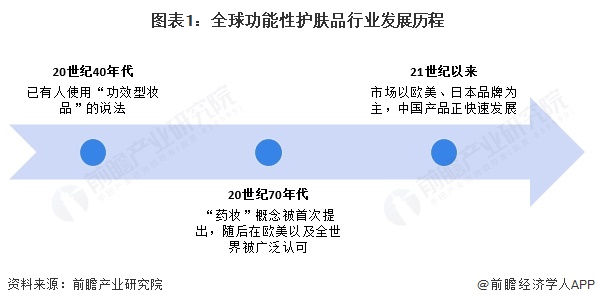
Core Insights - The global functional skincare market is projected to reach approximately $180.5 billion in 2024, with China accounting for about 27% of the global skincare market [6][8]. - The market for functional skincare products is expected to grow at a compound annual growth rate (CAGR) of 5%, potentially exceeding $240 billion by 2030 [10]. Industry Overview - The concept of "functional cosmetics" emerged in the 1940s, with the term "pharmaceutical cosmetics" introduced in the 1970s by dermatologist Albert Kligman, leading to widespread acceptance in Western countries [6]. - The functional skincare market is currently dominated by brands from Europe, Japan, and the United States, with significant players including L'Oréal, Estée Lauder, and Shiseido [3]. Market Competition - The global functional skincare market exhibits a moderate level of concentration, with numerous brands competing, although leading companies like L'Oréal and Estée Lauder hold significant market shares [4]. - China's Betaini has a notable competitive advantage in the dermatological skincare segment [3]. Future Projections - The global functional skincare market is expected to grow at a faster rate than the overall skincare market due to the increasing prevalence of sensitive skin issues in major countries [10].


叫板“非洲手机之王”传音!小米密集任命多位非洲市场高管,雷军:加大在非洲投入【附智能手机行业市场分析】
Qian Zhan Wang· 2025-08-13 09:01
Group 1 - Xiaomi is intensifying its strategic efforts in the African market through significant personnel adjustments and resource allocation, appointing Liu Shequan as the General Manager for the Africa region [2] - Since the establishment of the Africa regional department in 2019, Xiaomi's business has expanded to cover 16 countries, including Egypt, South Africa, and Nigeria, with a commitment to increase investment in the continent [2] - In Q1 2025, Xiaomi's shipments in Africa reached 2.6 million units, a 32% year-on-year increase, with market share rising to 13%, making it one of the fastest-growing brands in the region [2] Group 2 - Transsion, known as the "King of African Phones," has seen its market share decline, with Q1 2025 shipments dropping to 9 million units, a 5% decrease, while Xiaomi has emerged as the third-largest brand with a 13% market share [3] - The competition between Xiaomi and Transsion is driven by Xiaomi's focus on cost-effective models and AIoT ecosystem, leveraging smartphones to build an ecological barrier [3] - Despite a global decline in smartphone shipments, Africa remains a growth market, with Transsion and Xiaomi being key players in the global smartphone landscape [3] Group 3 - Xiaomi's strategy in Africa goes beyond hardware sales, focusing on building localized teams and enhancing after-sales networks while replicating its "hardware + internet" model from China [7] - Transsion, while still holding a significant market share, faces challenges due to a lack of product innovation and ecological shortcomings, which will be critical in responding to Xiaomi's competitive pressure [7]



【投资视角】启示2025:中国医美注射材料行业投融资及兼并重组分析(附投融资事件、产业基金和兼并重组等)
Qian Zhan Wang· 2025-08-13 07:12
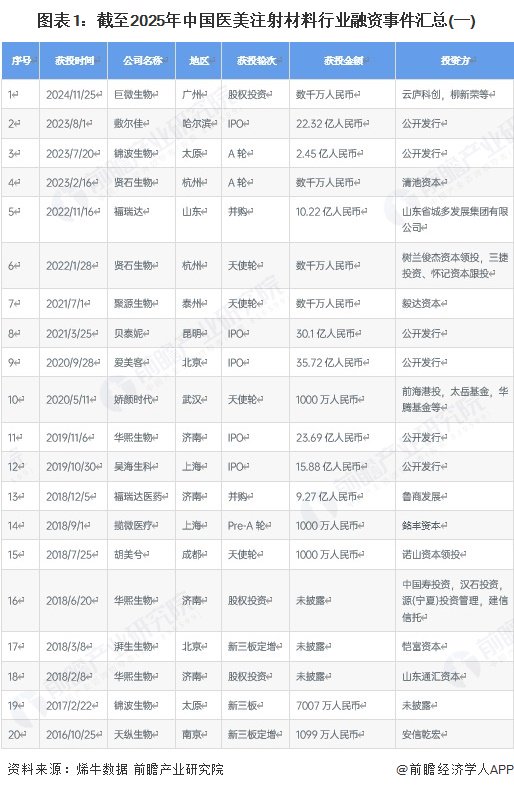
Summary of Key Points Core Viewpoint - The investment and financing landscape of the medical beauty injection materials industry in China is relatively mature, with a significant number of investment events and a focus on scientific research and technology services. Group 1: Financing Status - As of June 2025, there have been 39 investment events in the medical beauty injection materials industry, indicating a mature investment environment [2][4]. - The majority of financing events are concentrated in Shandong and Jiangsu provinces, with Shandong having 8 events and Jiangsu 7 events [4]. Group 2: External Investment Layout - Representative companies in the medical beauty injection materials industry have engaged in numerous external investment events, primarily focusing on scientific research and technology services, which account for approximately 58% of their investments [14][13]. - Other sectors of investment include manufacturing (18%) and wholesale and retail (8%) [14]. Group 3: Mergers and Acquisitions - The level of mergers and acquisitions in the medical beauty injection materials industry is relatively low, with notable participation from real estate companies. For instance, Lushang Development acquired 100% of Shandong Furuida Pharmaceutical Group in 2018 to enter the medical beauty sector [16].


2025年中国生物医药材料中游产品市场现状——冠状动脉支架 药物洗脱支架占主导地位【组图】
Qian Zhan Wang· 2025-08-13 05:14
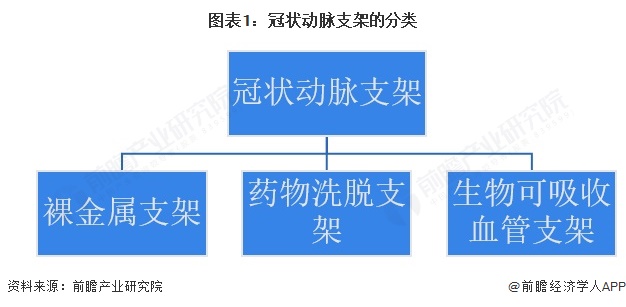
Core Insights - The coronary artery stent market in China is projected to reach approximately $7.0 billion by 2024, with a year-on-year growth of 6.4% [5][6]. Market Overview - In 2023, 8.368 million patients were hospitalized for coronary heart disease, with 1.901 million undergoing PCI (Percutaneous Coronary Intervention), where stent placement accounted for 81.2% of these procedures [3][6]. Product Structure - Drug-eluting stents (DES) dominate the market, expected to account for 69% of market revenue in 2024. The increasing prevalence of hypertension and diabetes due to aging populations and lifestyle changes is driving demand for DES [7][6]. Development Trends - **Material Innovation**: New alloy materials such as platinum-chromium and nickel-titanium are increasingly used due to their superior mechanical properties and biocompatibility. Biodegradable materials like polylactic acid and polycaprolactone are also being adopted to mitigate long-term foreign body reaction risks [11]. - **Functional Innovation**: Improvements in drug carriers for drug-eluting stents enhance drug release efficiency, reducing the risk of late thrombosis. Smart stents integrating sensors can monitor physiological parameters in real-time and adjust drug release accordingly [11].


方便面与饮料市场遇冷!康师傅上半年少卖了11亿元,网友:人们消费升级,都买品质外卖了【附康师傅企业分析】
Qian Zhan Wang· 2025-08-13 03:53
Core Insights - The company reported a mixed performance for the first half of 2025, with revenue declining by 2.7% to approximately 40.092 billion yuan, while net profit increased by 20.5% to 2.271 billion yuan [2] Revenue and Profit Analysis - The core business of instant noodles continues to struggle, with sales down by 2.5% to 13.465 billion yuan in the first half of 2025, and high-priced instant noodle sales plummeting by 7.2% to 5.092 billion yuan [2] - The beverage segment also faced challenges, with revenue decreasing by 2.6% to 26.359 billion yuan, driven by declines in tea beverages (down 6.3% to 10.67 billion yuan), packaged water (down 6.0% to 2.377 billion yuan), and juice (down 13.0% to 2.956 billion yuan) [4][5] Market Trends and Consumer Behavior - The decline in the instant noodle market is attributed to two structural changes: the rise of food delivery services and the increasing health consciousness among consumers [3][4] - The food delivery market in China reached 1.1 trillion yuan in 2022, with a compound annual growth rate exceeding 20% from 2018 to 2022, indicating a significant shift in consumer eating habits [3] - Consumers are increasingly prioritizing health and quality, leading to a decline in demand for traditional fried instant noodles, which are often viewed as unhealthy [4] Cost Management and Profitability - Despite revenue declines, the company achieved profit growth due to effective cost management, including a decrease in raw material prices and reduced marketing expenses [5] - The company's net profit growth is seen as a result of strategic asset sales and a focus on high-margin businesses, although this "cost-cutting" approach may not be sustainable in the long term [5] Industry Outlook - The company's financial performance reflects broader changes in the fast-moving consumer goods industry, where convenience is no longer the sole priority, and businesses must redefine their value propositions to meet evolving consumer demands [7]