Hu Xiu

Search documents
印度“梭哈”造船业,还找上了日韩
Hu Xiu· 2025-10-02 09:56
Core Viewpoint - The Indian government has announced a shipbuilding support plan totaling 700 billion rupees (approximately 8 billion USD) aimed at revitalizing the shipbuilding industry and positioning India among the top ten shipbuilding nations by 2030 and the top five by 2047 [1][10]. Industry Overview - The Indian shipbuilding industry has historically developed slowly since independence, with a significant decline in its global market share from 3.7% in 2011 to less than 0.2% in 2024 [3][4]. - Despite some growth in the early 2000s, the industry remains heavily reliant on foreign technology and lacks the capability to build high-tech vessels such as VLCCs and LNG carriers [4][13]. Government Initiatives - The support plan includes several components aimed at enhancing the shipbuilding sector: - Shipbuilding Financial Assistance Scheme (SBFAS) providing direct financial support totaling 247.36 billion rupees (approximately 19.8 billion RMB) [8]. - Maritime Development Fund (MDF) to improve financing channels with a total of 200 billion rupees (approximately 16 billion RMB) allocated for investment and 50 billion rupees (approximately 4 billion RMB) for interest incentives [8][9]. - Shipbuilding Development Scheme (SbDS) aimed at promoting shipbuilding clusters with a budget of 199.89 billion rupees (approximately 16 billion RMB) [9]. - Establishment of a National Shipbuilding Mission to streamline the implementation of the plan and improve legal frameworks [9]. Economic Impact - The shipbuilding upgrade plan is expected to create 3 million jobs and attract 4.5 trillion rupees into the maritime sector [10]. - The government is also seeking to attract foreign investment and technology from countries like Japan and South Korea to bolster domestic capabilities [10][11]. Challenges Ahead - Despite the ambitious plans, significant challenges remain, including India's limited comparative advantages and technological capabilities in shipbuilding [12][13]. - The financial commitment of 600 billion rupees for the shipbuilding sector is considered insufficient compared to other countries' investments in similar industries [15].
游戏出海新风口:小游戏杀疯,乙游陷低谷
Hu Xiu· 2025-10-02 08:38
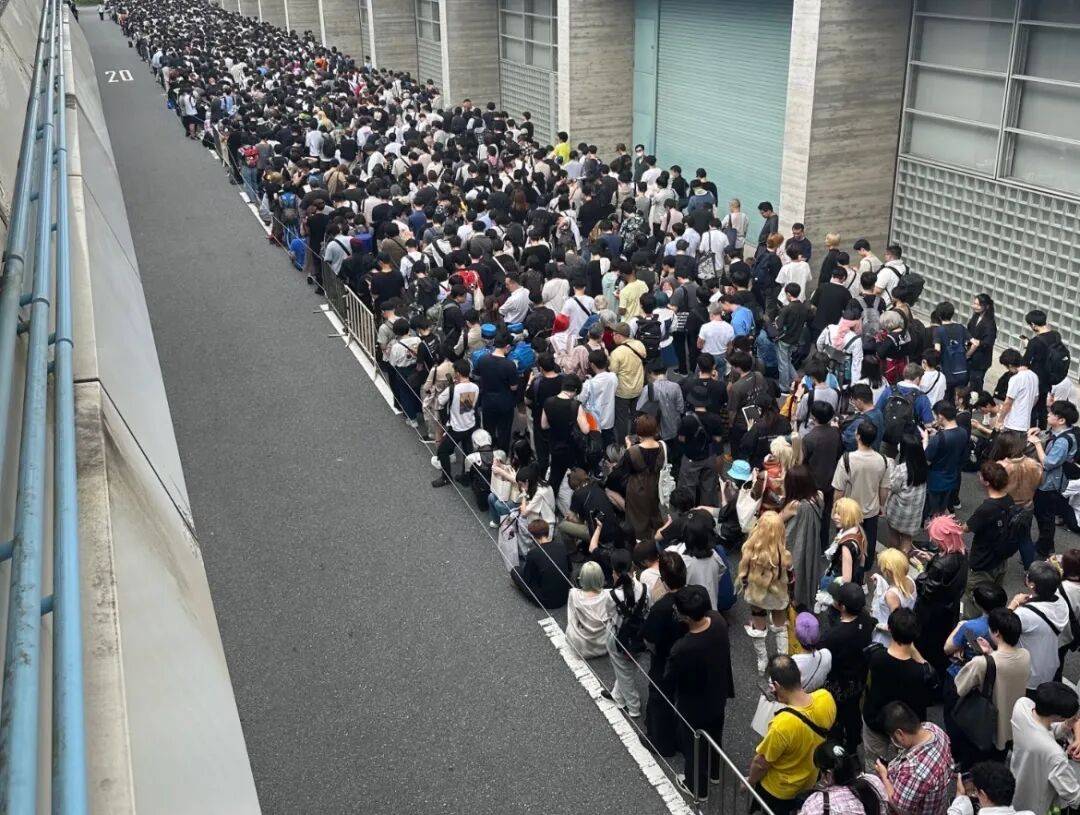
Group 1 - The Tokyo Game Show 2025 opened on September 25 in Chiba, Japan, attracting significant attention and long queues for popular games [1] - Chinese games have gained notable popularity overseas, with titles like "Black Myth: Wukong" winning prestigious awards and Tencent's "Delta Force" mobile game registering over 10 million users within four days of its global launch [10][11] - The gaming industry is witnessing new trends in overseas expansion, with a surge in the popularity of "mini-games" in the SLG (Strategy and Simulation Games) sector [12] Group 2 - "Whiteout Survival," a mini-game, achieved over $3.3 billion in cumulative revenue within two years of its overseas launch, showcasing a new trend in the SLG market [13][15] - The game has a retention rate of 42% and a monthly retention rate of 8%, significantly higher than the average for SLG games [15] - The success of "Whiteout Survival" is attributed to its innovative gameplay that combines light and traditional SLG elements, appealing to a broader audience [20][25] Group 3 - The female-oriented game "Love and Deep Space" achieved significant success, generating nearly 6 billion RMB in revenue globally, with 64% coming from the Chinese market [38] - Despite its success, the game has seen a 73% decline in revenue in the 34th week of 2025 compared to the previous week, indicating potential issues with gameplay engagement [42] - The decline in interest may be due to a lack of updates and engaging content, as well as competition from other entertainment forms like K-pop [44][48] Group 4 - The overseas revenue of Chinese self-developed games reached $18.557 billion in 2024, accounting for nearly 40% of the domestic market's actual sales revenue [55] - Major players like Tencent, NetEase, and DianDian Interactive are leading the market, with Tencent focusing on localization and industrialization through numerous investments [56][57] - The gaming industry is experiencing a significant increase in the number of Chinese companies in the global market, with 32 Chinese publishers making it to the top 100 global mobile game publishers list [66][67]


美国不会真要开始强军了吧?
Hu Xiu· 2025-10-02 08:06
Core Viewpoint - The recent gathering of U.S. military generals at Quantico, led by Secretary of Defense Hegseth and President Trump, signals a potential shift in U.S. national security strategy, focusing on military culture and domestic order rather than external threats [1][2][12]. Group 1: Military Culture and Standards - Hegseth emphasized the importance of high physical standards for military personnel, advocating for uniform standards regardless of gender, and criticized the current state of military appearance [2][8]. - The concept of "warrior ethos" was highlighted as essential to military identity, with a call to eliminate political correctness and "woke culture" from the armed forces [3][6]. - Hegseth's proposed cultural revolution aims to restore a spirit of risk-taking and decisiveness within military ranks, countering decades of perceived decline [3][4][9]. Group 2: Leadership Changes and Military Structure - Hegseth indicated that recent leadership changes were based on a need for a shift away from past policies, with more changes anticipated [4][19]. - The military's increasing resemblance to a corporate structure has led to an overemphasis on management skills at the expense of combat readiness, with reports indicating that administrative burdens hinder operational effectiveness [5][6][9]. - The potential merging of military commands and a reduction of U.S. forces in Europe are being considered as part of a broader strategic realignment [19][20]. Group 3: Domestic Security Focus - Trump framed the military's role in domestic security as a response to social unrest, asserting that military intervention is necessary to restore order in cities controlled by Democratic leadership [11][20]. - The deployment of active-duty troops to urban areas is positioned as a fundamental aspect of national security, with Trump labeling the situation as an "internal war" [11][12]. - The shift towards prioritizing domestic security raises constitutional concerns regarding the use of military forces for law enforcement purposes [20]. Group 4: Strategic Realignment - Reports suggest that the Pentagon is drafting a new national defense strategy that may shift focus from deterring China to addressing threats closer to home, potentially reducing military presence in Europe [12][17]. - The historical context of U.S. military strategy indicates a transition from global engagement to a more localized approach, reflecting changing geopolitical dynamics [15][16]. - The challenges posed by economic decline, political correctness, and immigration are seen as critical factors influencing the current military and political landscape [20].
在互联网上漂流的我们
Hu Xiu· 2025-10-02 07:53
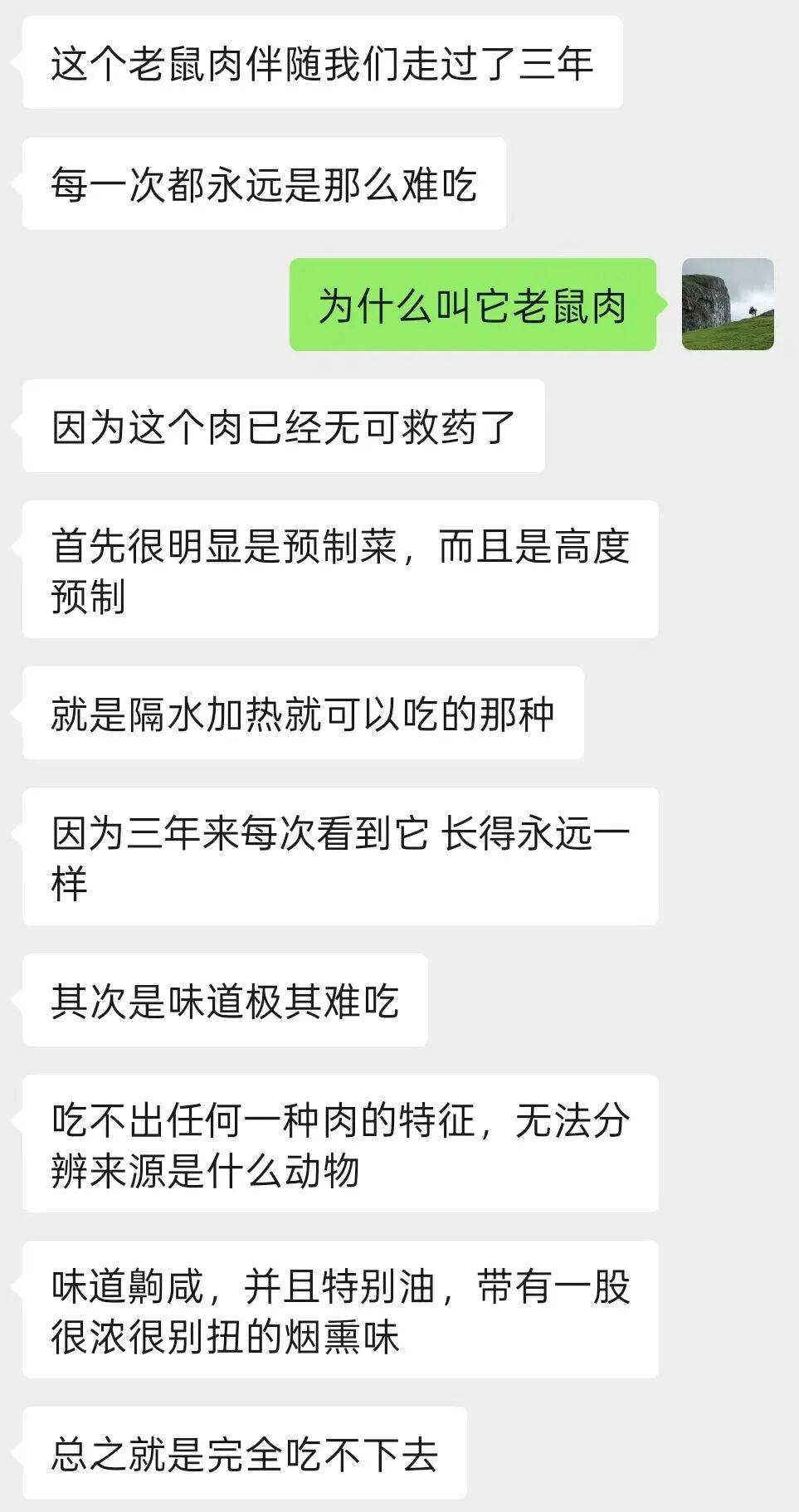
上一篇文章《上海学生创建菜品目录,保住了"吐槽权"》的留言区,不少读者就说,恐怕这个菜品目录很快就要从大众点评网上消失了。 果然,我今天再去看,发现"南洋模范中学食堂"只剩下10个"网友推荐"菜品和20个"其他菜品"。而之前是七八十个菜品。 "西红柿炒番茄""502粽子""辣蒸僵尸鱼"这些讽刺性的菜品仍然在列,但学生心目中"最具代表性的高杀伤力菜品",不见了。比如,原来排名第一的"烟熏 油焖老鼠肉"就没了。好在一位同学在和我聊天时记录了他对这道"经典菜品"的个人体验,可以作为历史存档: 也许这只是一次轻度的信息消失,因为,我还是在网页的"问答"角落发现了这道菜的痕迹。2021年12月6日,有网友问:"烟熏老鼠肉是真老鼠肉吗,不会 拿牛肉冒充吧?"当月,有两位网友予以回答:"是的,请放心。""货真价实。" 但就基本面而言,这个极为罕见的上海学生在校园餐问题上公开且幽默地发声的案例,就此中止了。 "这个老鼠肉伴随我们走过了三年,每一次都永远是那么难吃。为什么叫它老鼠肉?因为这个肉已经无可救药了。首先很明显是预制菜,而且是高度预 制,就是隔水加热就可以吃的那种,因为三年来每次看到它,长得永远一样。其次是味道极其难吃 ...
盯上AI版抖音的奥特曼,先得搞定皮卡丘
Hu Xiu· 2025-10-02 07:20
Core Insights - The launch of AI-driven short video applications by Meta and OpenAI marks the beginning of a new era in social media, reminiscent of the "AI version of TikTok" [3][6][51] - OpenAI's Sora 2 model and its standalone application have generated excitement and criticism, with users eager to explore its innovative features [5][8][40] - Meta's Vibes aims to enhance user creativity and engagement, but faces skepticism regarding its effectiveness compared to TikTok [28][29][37] Group 1: OpenAI's Sora 2 - OpenAI has released Sora 2, an upgraded video model that better adheres to physical world rules and can generate audio simultaneously [7][8] - The Sora application allows users to create videos featuring themselves and friends, utilizing a feature called "Cameo" for deepfake-like experiences [15][21][49] - User experience with Sora 2 has been described as impressive, with realistic motion and visual fidelity [21][22] Group 2: Meta's Vibes - Meta's Vibes is designed to help users find creative inspiration and share AI-generated videos, integrating with existing platforms like Instagram [28][29] - Despite its potential, Vibes has been criticized as a "garbage machine" for AI content, reflecting a broader skepticism about AI-generated media [37][38] - Meta's advertising revenue from short videos is significant, with projections indicating continued growth in this area [29][30] Group 3: Industry Implications - The emergence of AI video applications raises questions about content quality, user engagement, and potential monetization strategies for both OpenAI and Meta [45][49][52] - The competition between OpenAI and Meta in the AI video space could reshape the landscape of social media and advertising [30][51] - Concerns about computational resources and copyright issues are likely to challenge the scalability of these AI applications [52][53]


核心干将被“立案审查”:警示宗馥莉?
Hu Xiu· 2025-10-02 07:07
Core Viewpoint - The investigation of Yan Xuefeng, a key member of Wahaha Group, raises concerns about the internal power dynamics and potential challenges facing the company's leadership under Zong Fuli's new policies [1][6]. Group 1: Investigation and Leadership Changes - Yan Xuefeng is under investigation by the Hangzhou Discipline Inspection Commission for suspected violations, which has implications for his role in the company [1]. - The investigation is linked to recent changes in Wahaha's bottled water business, which Zong Fuli is overseeing [1][6]. - Yan Xuefeng is a significant figure within Wahaha and has been closely associated with Zong Fuli, making his investigation a critical event for the company's future [1][6]. Group 2: Business Operations and Financial Impact - The restructuring of Wahaha's bottled water business involves transferring sales operations from Zhejiang Wahaha Drinking Water Co., Ltd. to Hangzhou Xun'er City Trading Co., Ltd., effectively making the former a subcontractor [2][3]. - This transition has resulted in a significant reduction in revenue and profits for Zhejiang Wahaha Drinking Water Co., Ltd., as it no longer holds sales rights for bottled water [3][4]. - The processing fee for bottled water has been lowered to 2.75 yuan per barrel, while the price for pure water has increased from 6.5 yuan to 7 yuan per barrel, further impacting profitability [3]. Group 3: Internal Dynamics and Future Challenges - The changes in the bottled water business reflect a complex internal interest structure within Wahaha, indicating potential conflicts and challenges ahead [5][6]. - Yan Xuefeng's investigation signifies a public escalation of internal power struggles, posing a serious test for Zong Fuli's leadership and her efforts to balance various interests within the company [6].
加盟快招——中产返贫的最快途径?
Hu Xiu· 2025-10-02 07:01
Core Insights - The article highlights the alarming trend of "fast recruitment" schemes, particularly in the context of investment scams targeting individuals, especially mothers, leading to significant financial losses [1] Group 1: Fast Recruitment Schemes - "Fast recruitment" refers to a method of quickly attracting investors, collecting funds, and then disappearing, often under the guise of franchise opportunities [1] - These schemes are increasingly recognized as a major financial pitfall, surpassing traditional risks like loans and home purchases in terms of wealth loss [1] Group 2: Impact on Individuals - The article mentions a specific case where a mother lost 400,000 yuan due to such a scheme, illustrating the personal impact of these scams [1] - Similar stories are frequently shared in live streams by food bloggers, indicating a widespread issue within the community [1]
他们为何不愿放弃农村户口?
Hu Xiu· 2025-10-02 06:55
Core Viewpoint - The article discusses the challenges and opportunities of rural revitalization in China, emphasizing the importance of integrating traditional agricultural civilization with modern development to achieve sustainable rural growth [10][11][21]. Group 1: Urbanization and Its Impact - Since the reform and opening up, China's urbanization has accelerated, with the urban population reaching 943.5 million by the end of 2024, marking a 67% urbanization rate [1][2]. - Urbanization has led to a reconfiguration of rural social and economic structures, resulting in issues such as rural decline, cultural disintegration, and ecological degradation [4][8]. Group 2: The Role of Rural Areas - Rural areas are fundamental to China's social structure, supporting political, economic, cultural, and ethical functions [5][6]. - The modernization process in China is not a mere replication of Western models but is rooted in traditional Chinese culture, highlighting the need for rural development [6][10]. Group 3: Challenges of Rural Revitalization - Rural revitalization faces multifaceted challenges, including economic, systemic, and governance issues, which hinder sustainable development [3][21]. - The household registration system has historically restricted population mobility, creating a dual structure that benefits urban residents while limiting rural development [5][7]. Group 4: Modernization of Agricultural Civilization - The revitalization of rural areas requires the modern transformation of agricultural civilization, which is essential for sustainable development [10][11]. - The integration of traditional agricultural values with modern elements is crucial for the success of rural revitalization strategies [11][12]. Group 5: Practical Models for Rural Revitalization - Three main models for rural revitalization are identified: government-led, enterprise-led, and collaborative models involving both government and enterprises [15][19]. - The government-led model often faces challenges due to the short-term focus of local officials, while the enterprise-led model may struggle with policy instability and profit concerns [16][18]. Group 6: Key Pathways for Sustainable Rural Revitalization - Sustainable rural revitalization must align with employment strategies, land reform, and cultural integration to address the complexities of rural development [21][23]. - The need for a balanced approach to land use and the promotion of cultural values in rural areas is emphasized to ensure long-term success [24][25].
中国年轻人得了“首尔病”?
Hu Xiu· 2025-10-02 06:49
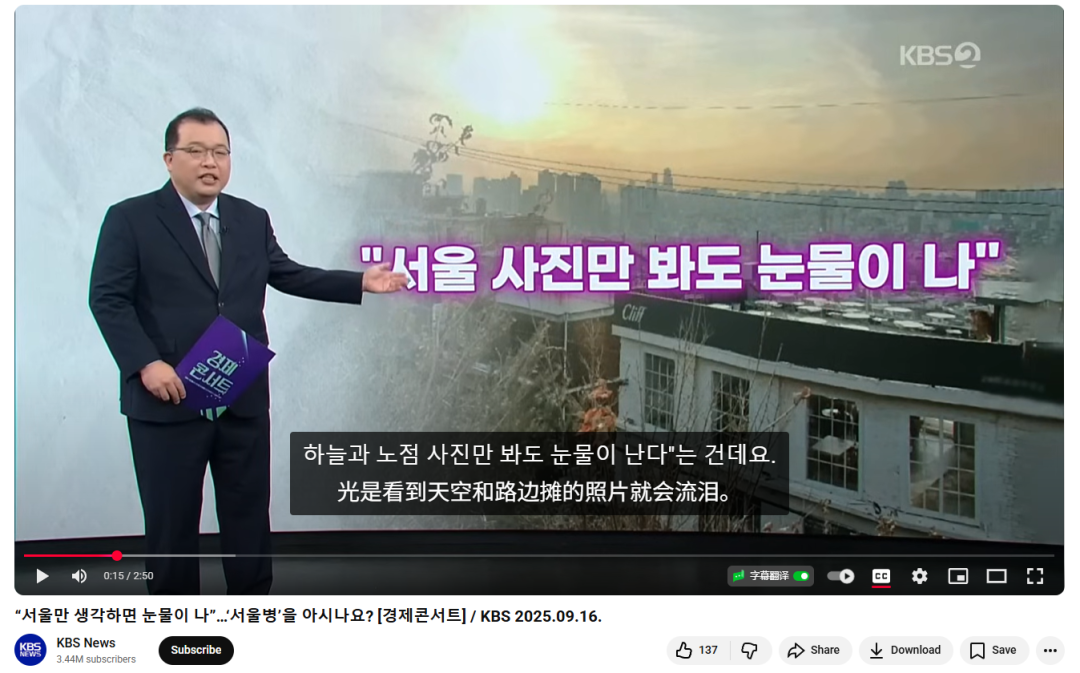
Core Viewpoint - The concept of "Seoul Syndrome" has emerged among young Chinese travelers, indicating a deep emotional attachment to Seoul after visiting, often leading to feelings of nostalgia and longing for the city [1][4][5]. Group 1: Media Coverage - KBS reported on "Seoul Syndrome," linking it to the rising enthusiasm of Chinese tourists visiting South Korea, showcasing emotional reactions such as crying at the airport upon departure [3][4]. - MBC attributed the phenomenon to the influence of K-pop and the broader Korean Wave, suggesting that any experience in Korea is documented and shared by enthusiastic Chinese tourists [4]. - SBS expanded the definition of "Seoul Syndrome" to include both tourists and students, indicating a longing for the idealized aspects of Korean society and culture after returning to their mundane lives in China [4][5]. Group 2: Cultural Context - The term "Seoul Syndrome" is not a creation of Korean media but has roots in the experiences of Korean pop culture enthusiasts who feel a connection to Korea through their idols [8][9]. - The phenomenon has been compared to other cultural syndromes, such as "Paris Syndrome," where tourists experience a stark contrast between their romanticized expectations and the reality of the destination [15][16]. Group 3: Social Media Influence - The initial popularity of "Seoul Syndrome" was driven by emotional videos shared on social media, particularly one featuring a swing in Han River Park, which resonated with many viewers [11][13]. - The term has since been co-opted for humorous content, leading to a dilution of its original meaning and a shift towards a more sarcastic interpretation among the general public [11][15]. Group 4: Economic Implications - The media's portrayal of "Seoul Syndrome" is seen as a strategy to boost South Korea's tourism industry, especially with the upcoming visa-free travel for Chinese group tourists [4][20]. - Critics argue that instead of creating a false narrative of cultural admiration, South Korean media should focus on practical measures to improve the experience for Chinese tourists, such as reducing negative portrayals and fostering a more welcoming environment [20].
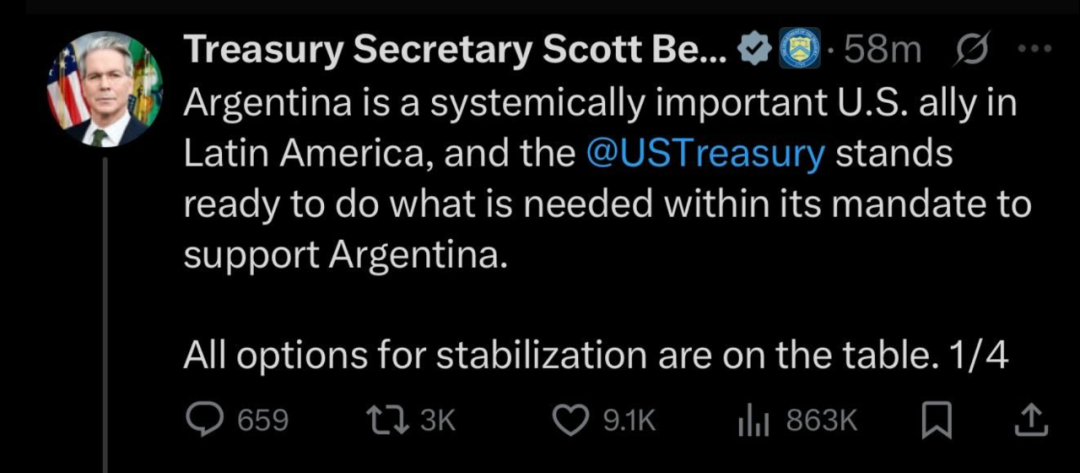
信心一日还魂记
Hu Xiu· 2025-10-02 06:10
Group 1 - The core theme of the article revolves around the concept of "confidence" in the economy, likening it to a play titled "Waiting for Confidence," suggesting that confidence is elusive yet crucial for economic recovery [1][2][3] - Confidence is described as a vital yet abstract element that drives economic actions and decisions, transforming uncertainty into actionable expectations [4][5] - The article emphasizes that confidence cannot be artificially created through policies or data alone, as it exists in the collective consciousness of individuals [8][9] Group 2 - The case of Argentina is presented as an example of how confidence can be artificially stimulated, highlighting recent market reactions to U.S. support measures amid economic turmoil [10][11][12] - Specific financial instruments, such as a $20 billion currency swap line, are discussed as tools that can provide a temporary boost to market confidence [16][17] - Historical references to past crises, such as the 1994-1995 Mexican crisis, illustrate that confidence can be restored through strategic interventions, even if they are perceived as short-term fixes [21][22] Group 3 - The article concludes that while confidence is a complex and intangible concept, it can be observed through market signals and behaviors, indicating that the underlying risks remain high despite temporary recoveries [26][28][29] - The ongoing political and economic challenges in Argentina underscore the importance of maintaining investor confidence, as any signs of instability can lead to rapid declines in market sentiment [29][30][31]