Hu Xiu

Search documents
下一个张一鸣或许就在这份名单里
Hu Xiu· 2025-09-25 06:46
Core Insights - The article discusses the emergence of a new generation of entrepreneurs in the AI sector, emphasizing their unique characteristics and the opportunities presented by the current technological wave [1][4][6] Group 1: AI Entrepreneurship Landscape - The current AI wave is characterized by a lower barrier to entry compared to traditional industries like semiconductors, requiring understanding of the industry and rapid iteration rather than extensive resources [2][4] - The concept of "AI-native" companies is introduced, which refers to businesses that fundamentally rely on AI for their existence, rather than merely adding AI features to existing products [2][3] Group 2: Characteristics of Young Entrepreneurs - Young entrepreneurs are noted for their speed and adaptability, often pivoting their business models within three months and achieving significant revenue growth in a short time [2][4] - They possess a unique mindset that allows them to embrace new technologies without the burden of past experiences, leading to innovative and disruptive ideas [4][5] Group 3: Investment Focus - Investment firms are increasingly focusing on young entrepreneurs, recognizing their potential to drive future technological and industrial directions [4][5] - The article highlights the importance of identifying and supporting these young leaders, as they are seen as the key to unlocking transformative innovations in the AI space [5][6] Group 4: Call to Action - The article announces the recruitment for the "Top 20 AI Leaders Under 30" list, inviting eligible AI-native entrepreneurs to apply or be nominated [7][8]


聊聊张雪峰
Hu Xiu· 2025-09-25 06:33
Group 1 - The core issue highlighted is the information gap in education and employment, which allows individuals like Zhang Xuefeng to profit from providing insights that should ideally be public services [2][3] - The lack of transparency regarding employment data from educational institutions is a significant concern, as it leads to the emergence of private entities that fill this gap, potentially at a societal cost [2][3] - The existence of these information service providers is sustained as long as educational institutions do not disclose relevant employment data, indicating a persistent demand for such services [3] Group 2 - Zhang Xuefeng's approach may inadvertently raise admission scores for popular majors, creating a more competitive environment that could disadvantage students seeking information services [5][6] - The challenge of relying on short-term information for long-term career decisions is emphasized, as trends in job markets can shift significantly over time [7][8] - The importance of independent analysis and critical thinking in career choices is stressed, suggesting that families should encourage exploration of interests rather than solely focusing on current market trends [8][9]
中国算力弯道超车,可能吗?
Hu Xiu· 2025-09-25 06:26
Core Viewpoint - China is leveraging its computing power to catch up with Nvidia, focusing on large-scale clusters to enhance performance despite individual card performance still needing improvement [1] Group 1 - China's strategy involves using super large-scale clusters to optimize performance, which is a different approach compared to Nvidia [1] - Although individual card performance is still lagging, the overall strategy aims to create a competitive edge in the market [1]
短剧江湖真相:日进斗金的平台,咬牙求生的工作室
Hu Xiu· 2025-09-25 06:20
Group 1 - The short drama market is expected to exceed 50 billion yuan, with Red Fruit achieving over 170 million monthly active users and monthly revenue surpassing 500 million yuan by 2025 [2][5][28] - Red Fruit's success is attributed to its free viewing model, which disrupts traditional paid models in the industry [4][5] - The platform's revenue-sharing mechanism ensures a baseline payment to creators, allowing for significant earnings, with over 10 copyright holders earning more than 10 million yuan in a single month [6][28] Group 2 - The industry is experiencing a divide, with Red Fruit thriving while many production companies struggle due to a focus on high-quality content that does not align with market demands [3][10] - Traditional production companies face challenges as they attempt to apply their established practices to the short drama market, which operates under different dynamics [9][24] - The rise of AI dynamic short dramas presents a new opportunity, with production costs significantly reduced and efficiency increased through AI technology [14][16][18] Group 3 - Rural dramas are emerging as a viable option, with low production costs and a focus on relatable content for underserved markets, demonstrating the importance of targeting specific audience needs [19][21][22] - Traditional long video platforms are struggling to adapt to the short drama format, often hindered by their established operational models [23][25] - The competitive landscape is shifting towards ecosystem and business model competition rather than content quality alone, requiring companies to reassess their strategies [33][34][35]
特朗普航空的前世今生
Hu Xiu· 2025-09-25 06:14
1989年,特朗普航空带着金色涂装、柚木内饰、真皮座椅和镀金水龙头起飞,像极了一场关于财富的空中广告。 但凡事越奢华,越需要底气。而它的底气,不在于航空,而在于镜头。 从第一天起,它就不是一门生意,而是一种秀场——看似金碧辉煌,实则摇摇欲坠。 特朗普的航空篇章,正是这样一出高空赌局——从"快线之主"到"私人象征",一路跌宕,一路斑驳。 它的运营方式甚至有些"无票登机"的阴影成分:旅客可以走进航站楼排队上飞机,不一定提前订票。到后来,它已成为东北走廊最为重要的空中通道之 一。 Eastern Air Lines Shuttle的机票 1988年,Eastern资金链告急、运营压力加大。对此,那条shuttle被剥离、打包出售。 于是,唐纳德·特朗普同志——那位当时还在房地产和镁光灯中左右横跳的纽约富商,看上了这个包裹。他不想再只做曼哈顿天际线的国王,他要让自己 的名字也在天上飞。 1989年,他以约3.65亿美元的代价,接过了这条满是债务的快线业务,把它刷上自己的名字,改名为——Trump Shuttle。 一、准备入场:快线领域的死角里的机会 在美国东北走廊的纽约—华盛顿—波士顿之间,有一种航线叫做"shut ...

您好,我是傻叉CEO
Hu Xiu· 2025-09-25 06:01
Group 1: Entrepreneurial Journey - The initial entrepreneurial experience highlighted the lack of knowledge and resources, leading to a realization that being a CEO without understanding the business landscape can be naive [1][2] - The first project, Building Radar, aimed to automate the collection of construction project information, demonstrating a clear market need and validating the concept with minimal costs [3][4] Group 2: Challenges in Market Adaptation - The attempt to replicate the German model in China faced significant challenges due to a lack of understanding of local market dynamics and customer needs, leading to poor engagement from potential clients [5][6] - The failure to recognize competition and market signals resulted in a misguided focus on the product rather than on creating real value for users [8][9] Group 3: Lessons Learned - The experience underscored the importance of aligning business goals with user needs and the necessity of adapting products to fit local market conditions rather than directly importing foreign models [17][20] - The realization that entrepreneurship should focus on solving user problems rather than merely pursuing the title of CEO or founder [21][22] Group 4: Future Directions - The shift towards industrial big data indicated a pivot from the original business model, emphasizing the need for adaptability and collaboration in new ventures [14][15] - The understanding that successful market entry requires a comprehensive approach that considers cultural, structural, and technological differences between markets [18][19]
新书出版:聊聊和每个人都相关的商业趋势
Hu Xiu· 2025-09-25 06:01
作为消费投资人,作为商业世界的观察者和研究者,我有十多年的消费领域投资经验,在各大平台开设 内容栏目,新书《趋势红利:新商业增长机会》是本人超过十年研究经验的阶段性总结。 ...
芯片国产替代,国产算力的曙光——光刻机、超节点
Hu Xiu· 2025-09-25 06:01
Group 1 - Alibaba announced an investment of 380 billion to advance AI infrastructure, indicating a significant demand for computing power in the future [1] - The article raises questions about whether domestic computing power can meet the explosive demand of the super AI era [1] - It discusses the current state of domestic computing power and highlights potential future developments worth anticipating [1]
谷歌广告跌倒,亚马逊吃饱
Hu Xiu· 2025-09-25 05:35
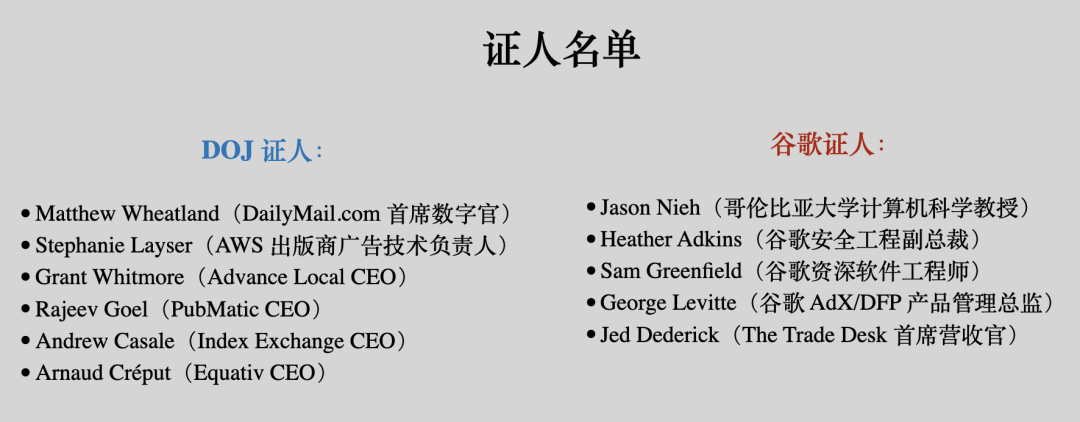
Core Points - The Google advertising monopoly case has entered the "remedial phase," where the court will determine how to rectify the identified anti-competitive behaviors [1][3] - The presiding judge, Leonie Brinkema, will decide on several key issues regarding the future of Google's advertising practices and market structure [4][5][6][7] Group 1: Remedial Phase Details - The remedial phase aims to ensure the market is free from anti-competitive behaviors, correcting past actions and preventing future manipulation [4] - Key decisions include whether to dismantle Google's core assets, specifically AdX and DFP, or to impose regulatory changes to limit their power [5] - The court will also consider if Google can continue to profit from its dominant position and how to prevent the re-emergence of similar monopolistic structures [6][7] Group 2: Timeline and Case Background - The remedial phase is expected to last until the end of September or early October, followed by a briefing period that could extend to late October or early November [8] - The case against Google can be divided into two main lines: the search engine market and the advertising technology market, with the latter being the focus of the current proceedings [9][10] Group 3: Industry Reactions and Lawsuits - Following the court's ruling on Google's monopoly, there has been a surge in lawsuits from both competitors and media publishers, indicating a shift in industry sentiment against Google [24][27] - Companies like OpenX and PubMatic have initiated lawsuits against Google, claiming unfair practices that have harmed their businesses [30] - Media organizations, previously reliant on Google, are now also pursuing legal action, alleging that Google has reduced their advertising revenues without their knowledge [33][34] Group 4: Potential Outcomes and Market Dynamics - The court may opt for a compromise solution rather than a complete breakup of Google's advertising business, focusing on structural adjustments and regulatory limitations [43][44] - Amazon is positioned to capitalize on any shifts in the advertising landscape, expanding its advertising capabilities and potentially becoming a major competitor to Google [49][50][55] - The transition of advertising budgets from Google to Amazon is not guaranteed, as the competition for advertising dollars remains intense and complex [61][62]

上海的生育率“低于”韩国?别被数据误导了
Hu Xiu· 2025-09-25 05:29
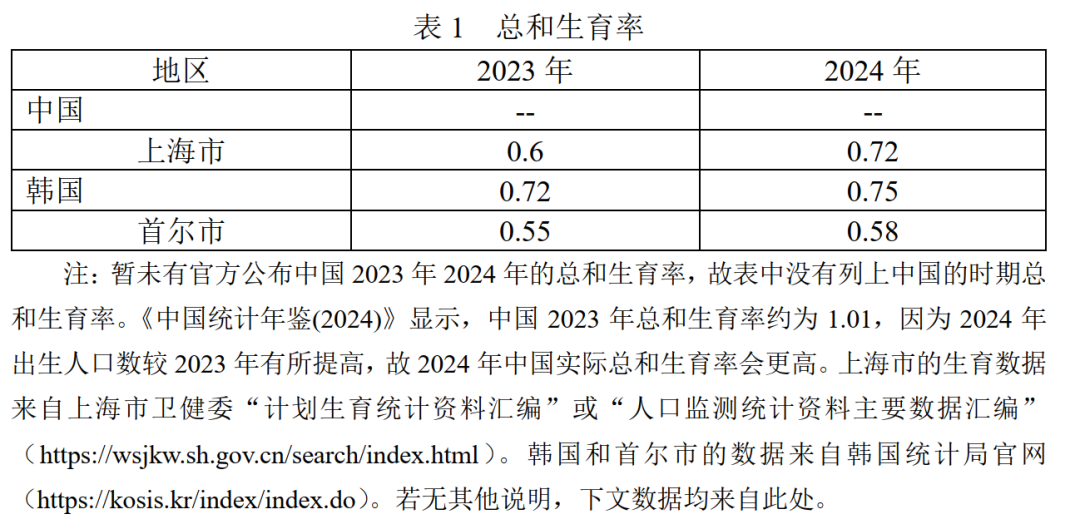
Core Viewpoint - The article discusses the comparison of fertility rates between Shanghai and South Korea, questioning the validity of such comparisons given the differences in demographic and social contexts [1][2]. Group 1: Fertility Rate Comparison - The total fertility rate (TFR) for Shanghai's registered population in 2024 is 0.72, while South Korea's is 0.75, indicating a lower rate for Shanghai [1]. - In 2023, Shanghai's TFR was even lower at 0.60 compared to South Korea's 0.73, reinforcing the conclusion that Shanghai's fertility rate is lower [1]. - The article argues that comparing the TFR of South Korea as a whole with that of Shanghai's registered population is not appropriate due to differing demographic contexts [2][3]. Group 2: Factors Influencing Fertility Rates - Shanghai's low fertility rate is attributed to two main factors: a low level of multi-child births and delayed childbirth [4]. - In contrast, Seoul has a high proportion of multi-child births but a lower overall TFR, primarily due to a high percentage of individuals without children, indicating a different underlying issue in South Korea [5]. - Data from the 2020 census shows that the average number of children born to women in Shanghai is below 1.4 across all age groups, with significant declines in younger age brackets [6]. Group 3: Average Childbearing Age - The average childbearing age for registered women in Shanghai in 2024 is 32.58 years, lower than Seoul's 34.61 years and South Korea's overall 33.69 years [8]. - Between 2020 and 2024, the average childbearing age in Shanghai increased by approximately 0.84 years, indicating a trend of delayed childbirth [8][9]. Group 4: Adjusted Fertility Rates - Research indicates that conventional TFR metrics can be distorted by changes in childbearing age, leading to lower apparent fertility rates during periods of delayed childbirth [9]. - Adjusted TFR calculations for Shanghai show values of 0.735 and 0.911, which are higher than Seoul's adjusted rates of 0.604 and 0.688, suggesting that Shanghai's low TFR is significantly influenced by the tempo effect of delayed marriage and childbirth [9].