Hu Xiu

Search documents
给你上门修电脑的师傅,是怎么把200块的活收到2000的?
Hu Xiu· 2025-10-10 23:49
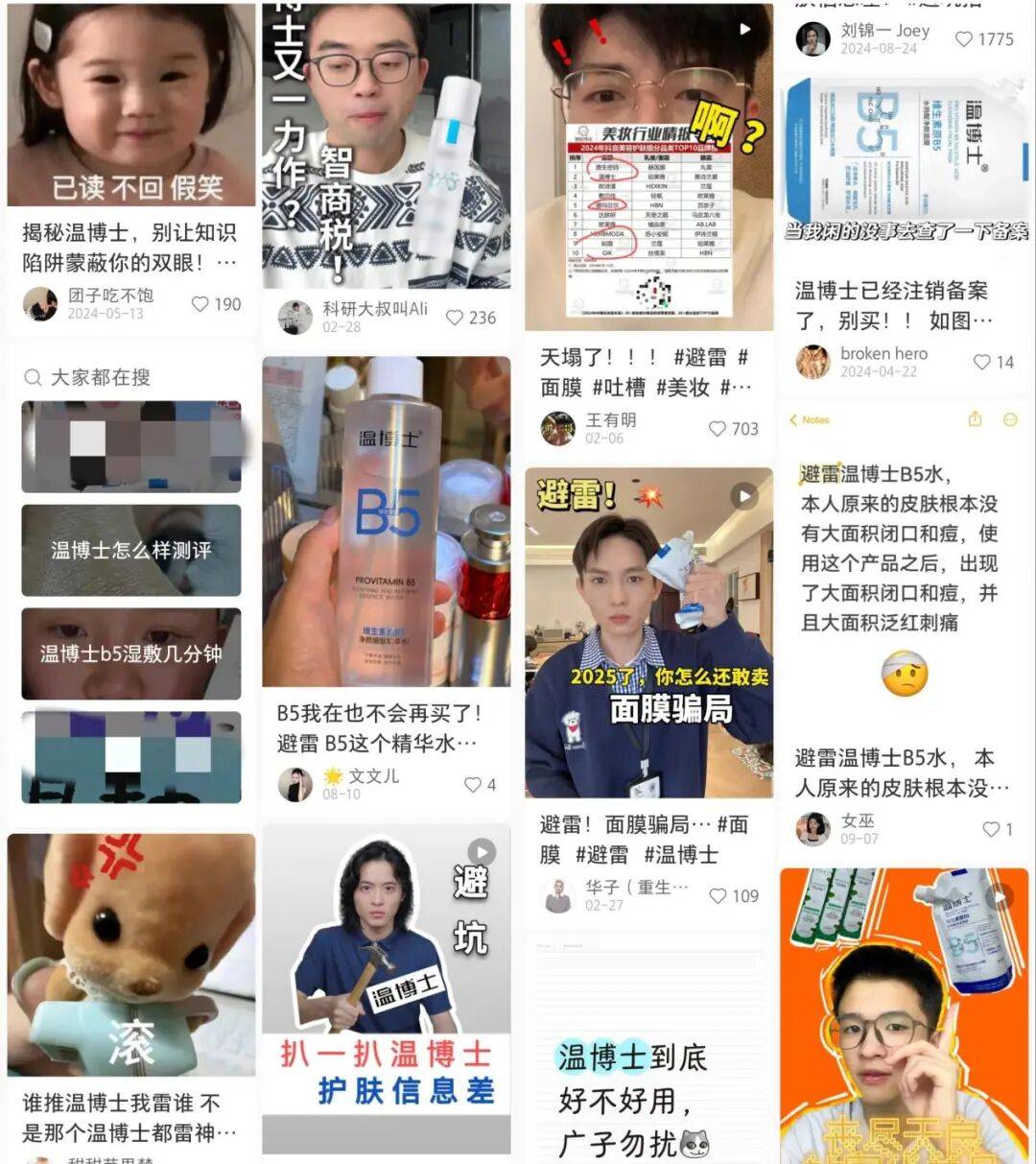
最近看到一张聊天截图,差点给世超直接送走。 有网友找师傅上门修个电脑,最后居然掏了 2719 元? 两千七啊兄弟们,这价格都够我搞三台打 LOL 的主机了。差评数码群也是炸开锅,差友们纷纷表示想转行了——算一下时薪一万五,谁不心动? 一个个听起来很牛逼对吧?编程!重调!高科技! 但"CPU 电压编程重调"翻译人话就是进 BIOS,把 CPU 电压恢复默认。 因为 CPU 电压可以调节,电压高了能超频,但不对了也会无法启动。所以 CPU 出问题了,就得尝试恢复一下默认电压。 这套操作在老师傅手里,一根烟都抽不完。你要是愿意捣鼓,网上看点视频也是分分钟解决。 话不多说,咱先分析一下这离谱的账单。 上门费 30 + 检测费 79,这些倒是合理,毕竟师傅跑腿、检查也辛苦。 但后面的项目,就越看越不对劲了: 1T 硬盘修复 320 元; 正版 Win11 系统 980 元; CPU 电压编程重调 750 元; BIOS 硬件兼容性重调 560 元。 至于"BIOS 硬件兼容性重调",说白了就是调个启动顺序,改个内存频率。 这事的难度对师傅来说,相当于你帮你奶重启了一下路由器。 这两个 5 分钟的活收 1310 元,时薪 ...

追忆管金生:“拓荒者”的未竟事业
Hu Xiu· 2025-10-10 23:49
Core Viewpoint - The passing of Guan Jingsheng, known as the "father of securities" in China, has evoked deep reflections within the financial community, highlighting his significant contributions to the development of China's capital markets and his legacy as a mentor to younger generations [1][10][11]. Group 1: Guan Jingsheng's Legacy - Guan Jingsheng was a pioneer in China's capital markets, having founded the first securities company in Shanghai, Wangguo Securities, and played a crucial role in establishing the Shanghai Stock Exchange [31]. - He founded Jiuzong Shanhe Fund in 2016, focusing on equity investment and aimed at serving the real economy, reflecting his commitment to "creating wealth for the country" [2][18]. - His mentorship was characterized by practical advice and a focus on risk management, which influenced many in the industry, including Chen Haiming, who recalled Guan's emphasis on understanding market dynamics and the importance of risk awareness [14][15]. Group 2: Jiuzong Shanhe Fund Operations - Jiuzong Shanhe Fund has established over 40 funds since its inception, with nearly 30 still active, focusing on sectors such as biomedicine and high-end manufacturing [24][27]. - The largest fund under Jiuzong Shanhe is the Shanghai Jiuzong Shanhe Investment Center, with a total investment of 500 million yuan [25]. - The fund's investment strategy includes a focus on new technologies and materials, with notable investments in companies like Xinghua Henghui and Kuitedi, reflecting its commitment to innovation [28][29]. Group 3: Future Vision and Goals - Guan Jingsheng envisioned Jiuzong Shanhe Fund as a platform for new capital to drive economic transformation, advocating for a model that integrates new thinking, technology, and capital [20][21]. - The fund aims to create a parallel fund structure that includes government guidance, listed companies, and high-quality limited partners, targeting a diverse range of investment opportunities [22]. - Guan's aspirations for the fund included establishing a low-carbon benchmark in Shanghai and becoming a leading taxpayer among private financial institutions [22][23].

中国生育密码:南北看文化,东西看钱包
Hu Xiu· 2025-10-10 23:49
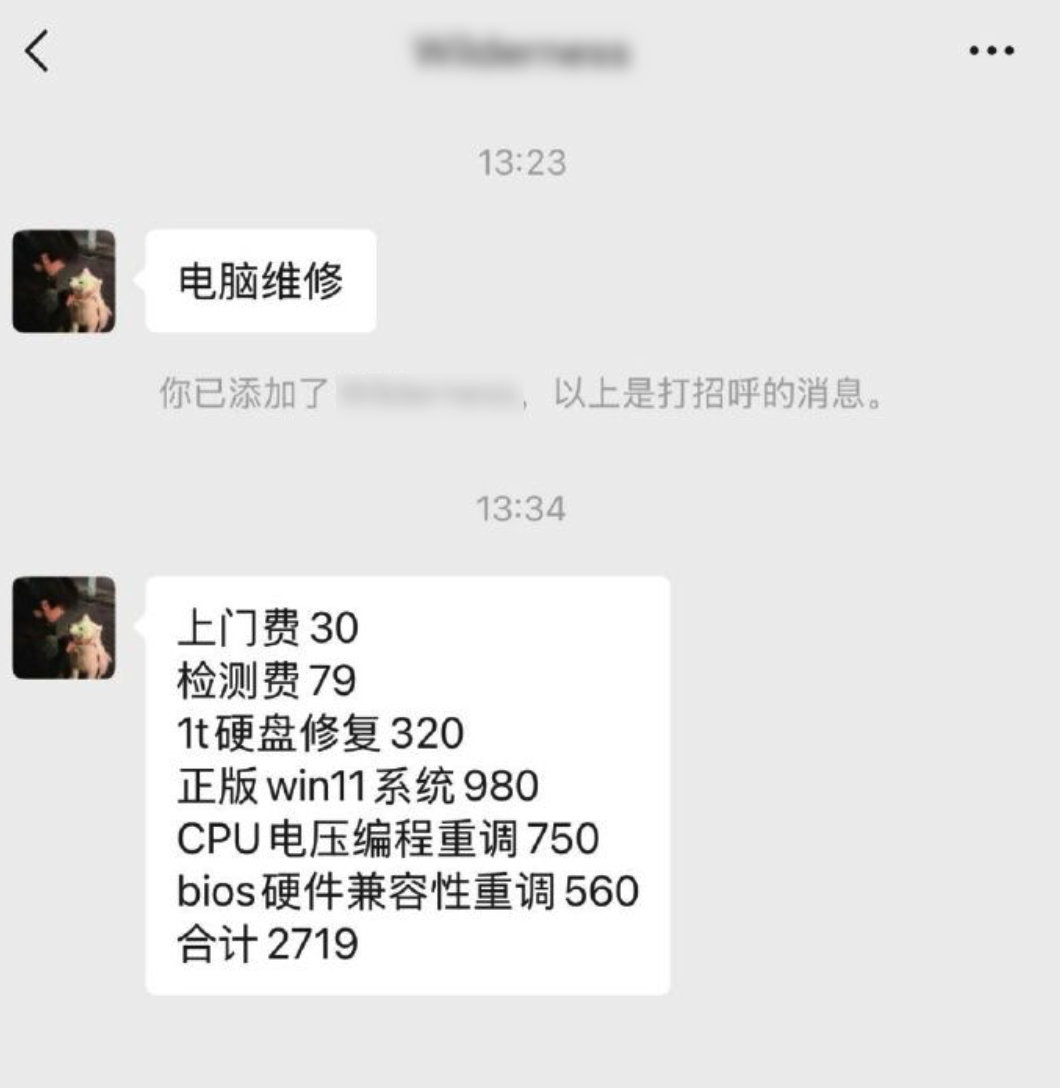
Group 1: Cultural and Economic Differences - The article highlights the cultural differences in China, particularly the North-South contrast in dietary preferences, transportation methods, and personality traits, as well as the East-West economic development disparities [1][2] - The Eastern coastal regions are significantly ahead in economic openness, industrial modernization, urbanization, and international integration compared to the Western inland areas, which face geographical and historical constraints [2] Group 2: Fertility Intentions - The research indicates a clear North-South divide in ideal number of children and an East-West difference in intended number of children, reflecting the influence of cultural and socio-economic factors on demographic behaviors [4][5] - Ideal number of children is measured by asking respondents about their perception of the ideal family size, while intended number of children focuses on individual plans for future childbirth, influenced by economic realities and personal circumstances [6][7] Group 3: Methodology and Findings - The study employs a multilevel regression and post-stratification (MRP) method to estimate county-level fertility intentions, addressing the challenge of data representation at smaller geographic scales [10][11] - The results reveal that the differences in ideal and intended number of children within provinces are comparable to those between provinces, suggesting that key factors affecting fertility intentions operate at more micro geographic or social scales [13]
宗馥莉,放下了
Hu Xiu· 2025-10-10 23:49
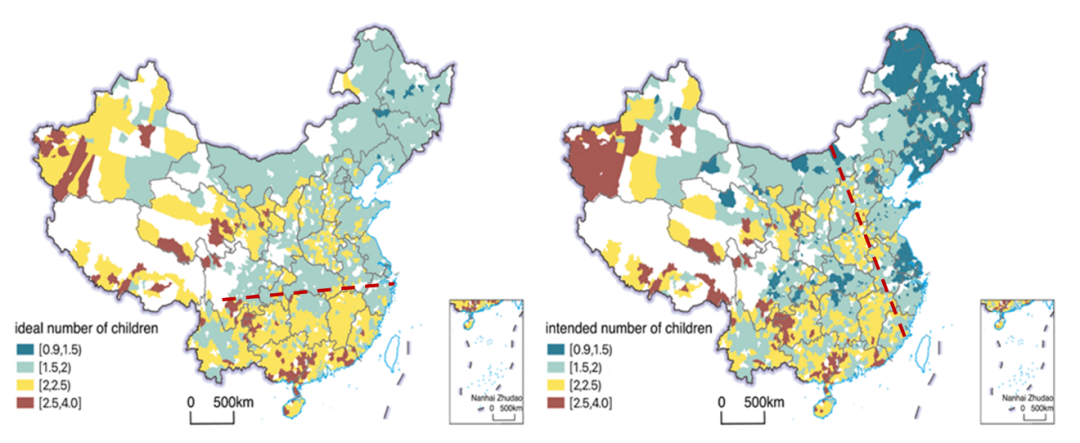
"Kelly总(宗馥莉)对内改革了组织体系,劝退或调整了多位此前身居要职的老人;对外,大幅度改革 经销商体系,削减了一些合作多年却未达标(宗馥莉过去一年经销商新标准)或连续经营不善的经销 商。"10月10日晚,一位知情人士向虎嗅透露。 当晚,有消息称宗馥莉辞去了娃哈哈董事长等职位。 虎嗅第一时间向娃哈哈核实,确认消息属实。虎嗅了解到,宗馥莉辞去了包括董事长、公司法人在内的 关键职务,这一辞职动作发生于9月,截至10月10日,该动作已经通过了娃哈哈董事会。 自宗馥莉于2024年8月29日正式出任娃哈哈董事长、公司法人、总经理——自此算起,宗馥莉名义上正 式掌舵娃哈哈的时间为1年14天。而此前虎嗅获悉,自2023年开始其父宗庆后已经让宗馥莉"实际上参与 公司重大决策",当时宗馥莉以副总经理身份开启了一系列改革。 也就是说,经过一年多"副王"和一年多"实王"两段岁月,不到三年,宗馥莉走完了得到、又交出娃哈哈 最高权柄的权力全周期。 "她试图在这段时间,深度改革娃哈哈,她触动了一些人的利益。"一位此前与虎嗅深度交流的娃哈哈经 销商和一位熟悉娃哈哈的人士共同表示。在今年早些时候,该熟悉娃哈哈人士透露,宗馥莉在内部推进 ...
微软广告,终于找到了接盘侠
Hu Xiu· 2025-10-10 23:29
Core Insights - Microsoft has announced the closure of its Demand Side Platform (DSP) Invest by February 28, 2026, and has partnered with Amazon to transfer its advertising clients to Amazon's DSP [2][3][4] - Microsoft will retain its Supply Side Platform (SSP) Monetize, which will join Amazon's Certified Supply Exchange (CSE) program, allowing it to become a core supply source for Amazon's DSP [4][11][19] Group 1: Microsoft’s Advertising Strategy - Microsoft initially aimed to build a complete programmatic advertising stack, including both DSP and SSP, but has shifted focus towards a "conversational advertising experience" driven by AI [5][7] - The advertising revenue for Microsoft reached $3.4 billion in Q2 2025, marking a 9.2% year-over-year increase, indicating a strong position in the global advertising market [6] - The DSP business has not been a significant growth driver for Microsoft, with a market share of only 6% to 8%, making it less competitive compared to major players like Google and Amazon [9][10] Group 2: Partnership with Amazon - Microsoft chose Amazon as the partner for its DSP business due to the lack of viable alternatives, as competitors like The Trade Desk and Google posed strategic challenges [15][17] - Amazon's extensive media inventory and data capabilities make it a suitable partner for Microsoft, allowing for enhanced advertising efficiency and targeting [17][21] - The collaboration allows Microsoft to leverage Amazon's shopping intent data, improving ad targeting and conversion rates for advertisers [20][21] Group 3: Implications for the Advertising Ecosystem - The integration of Microsoft's Monetize into Amazon's CSE will enhance the demand for ad inventory, potentially increasing fill rates and transaction prices for media publishers [22] - However, joining the CSE requires adherence to Amazon's standardized rules and pricing models, which may limit flexibility for SSPs and media publishers [24][25] - The shift towards a more closed and platform-driven advertising ecosystem raises concerns about the diminishing neutrality and independence of programmatic advertising [31][32][33]


人民币明明被低估,为啥汇率不“疯”?
Hu Xiu· 2025-10-10 23:29
Core Viewpoint - The article discusses the undervaluation of the RMB in terms of real purchasing power and highlights the dominance of the RMB in international physical trade, despite its limited role in global settlement [1][2]. Group 1: RMB and International Trade - The RMB has become the primary currency in international physical trade, but this trade only accounts for 5% of international settlements, indicating that financial transactions are more significant [2]. - The article suggests that the U.S. has faced challenges due to its financial practices, which have led to a decline in its industrial capabilities and a reliance on foreign manufacturing [3][4]. Group 2: U.S. Financial Practices - The U.S. has historically used financial strategies, such as aggressive interest rate hikes, to maintain its economic dominance, which has adversely affected its manufacturing sector [8]. - The article argues that the U.S. financial system is unsustainable, as it relies on continuous global financial crises to sustain high growth rates [12][14]. Group 3: RMB Internationalization - The offshore RMB market has remained stable, fluctuating between 1.5 to 2 trillion, while foreign reserves have consistently been around 3 trillion, raising questions about the management of RMB internationalization [19]. - The article posits that if desired, foreign reserves could exceed 6 trillion, and increasing the offshore RMB scale to around 10 trillion is a conservative estimate [20]. Group 4: Manufacturing Focus - The article emphasizes that the primary goal should be to dominate global manufacturing, suggesting that the current dollar dominance is beneficial for this strategy [24]. - It highlights that the approach is not about immediate victories but rather about strategically undermining foreign manufacturing at the right moment [23].
宗馥莉辞职原因曝光:将独立经营“娃小宗”
Hu Xiu· 2025-10-10 23:23
Core Viewpoint - Zong Fuli has resigned from her positions at Wahaha Group, including legal representative, director, and chairman, to independently operate her brand "Wawaizong" due to trademark compliance issues [1][2][3]. Group 1: Resignation Details - Zong Fuli officially resigned on September 12, 2023, and the resignation was confirmed by Wahaha Group [1][2]. - The resignation was part of a broader strategy to address compliance issues related to the use of the "Wahaha" trademark [3][5]. Group 2: Brand Transition - Starting from the 2026 sales year, Wahaha Group plans to transition to the new brand "Wawaizong" due to unresolved historical issues that pose legal risks [4][5]. - The decision to change the brand was influenced by the need for unanimous consent from all shareholders for the use of the "Wahaha" trademark, which has become increasingly complex [5]. Group 3: Corporate Structure - Zong Fuli controls over 210 companies, with more than 200 currently operational, including Wahaha Commercial Co., Ltd. and Hangzhou Wahaha Group Co., Ltd. [8]. - Wahaha Group was established in February 1993 with a registered capital of approximately 5.26 billion RMB, with Zong Fuli holding a 29.4% stake [9].
千亿手术市场,正在“换刀”
Hu Xiu· 2025-10-10 14:04
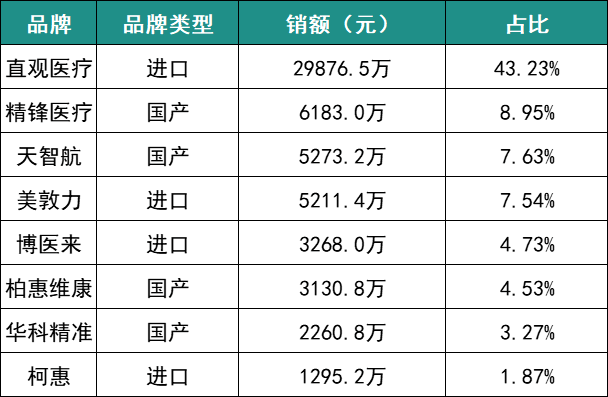
Core Insights - The dominance of Intuitive Surgical's da Vinci surgical robot system in the U.S. market is being challenged by the rise of domestic surgical robot companies in China, leading to a more competitive landscape [1][2] - The market share of domestic laparoscopic surgical robots in China is projected to grow significantly, indicating a shift from foreign dominance to a more balanced competition [4][5] Market Overview - The global surgical robot market is expected to reach approximately $18.074 billion in 2023 and $20.4 billion in 2024, with a compound annual growth rate (CAGR) of 23.75% over the next five years [6] - The Chinese surgical robot market is anticipated to grow to approximately 9.59 billion yuan in 2024, with a CAGR of 34.5%, reaching 11.03 billion yuan by 2025 [8] Competitive Landscape - By the first quarter of 2025, the number of imported and domestic brands in the top eight sales positions in China is expected to be equal, with two out of the top three brands being domestic [9] - Despite the increasing presence of domestic brands, imported brands still hold a significant market share, with 70.18% compared to 29.82% for domestic brands [10] Technological Advancements - Domestic surgical robot companies are making strides in technology, with a notable increase in the number of approved products and market entries [41][42] - The introduction of AI and remote surgical technologies is expected to enhance the capabilities of domestic surgical robots, potentially increasing market penetration [60][63] Financial Performance - Domestic companies like Tianzhihang have reported significant revenue growth, with a 114.89% increase in revenue in the first half of 2025 compared to the previous year [32][33] - However, many domestic companies are still operating at a loss, indicating challenges in achieving sustainable profitability [46][50] Challenges and Opportunities - The reliance on imported core components poses a significant challenge for domestic surgical robot manufacturers, as these components account for 70%-80% of the total cost [35] - The ongoing U.S.-China trade tensions have created opportunities for domestic brands to capture market share by offering more cost-effective alternatives to imported systems [24][26] Policy Support - Recent government policies have begun to support the integration of surgical robots into healthcare systems, with reimbursement rates for surgical robot procedures being established in various provinces [73][74] - The promotion of a "product + service" model by local governments aims to enhance the competitiveness of domestic surgical robot companies [68] Conclusion - The future of domestic surgical robots in China will depend on technological advancements, innovative business models, and effective policy support to transition from merely entering the market to establishing a strong foothold [75]


盘点十年暑期档:票房乏力,电影公司洗牌,真的没人看电影了吗?
Hu Xiu· 2025-10-10 14:04
Core Insights - The summer box office has seen a significant decline over the past decade, with past hits like "Monster Hunt" and "Wolf Warrior 2" now overshadowed by the current struggles of films like "Nezha" and "Fengshen" [1] - Despite star-studded casts, there is a noticeable lack of audience engagement and ticket sales, raising questions about the current state of movie-watching habits [1] - The article prompts an investigation into who is profiting in the film industry, from major companies to renowned directors, amidst the declining box office performance [1] Industry Trends - Historical box office successes have not translated into current performance, indicating a shift in audience preferences and market dynamics [1] - The decline in ticket sales suggests a potential disconnect between film production and audience demand, highlighting a need for industry adaptation [1] Financial Implications - The article implies that the financial health of the film industry may be at risk due to decreasing box office revenues, necessitating a reevaluation of investment strategies [1] - The profitability of major players in the industry remains uncertain, as the article questions who is truly benefiting from the current market conditions [1]
“厦门帮”求生记
Hu Xiu· 2025-10-10 13:58
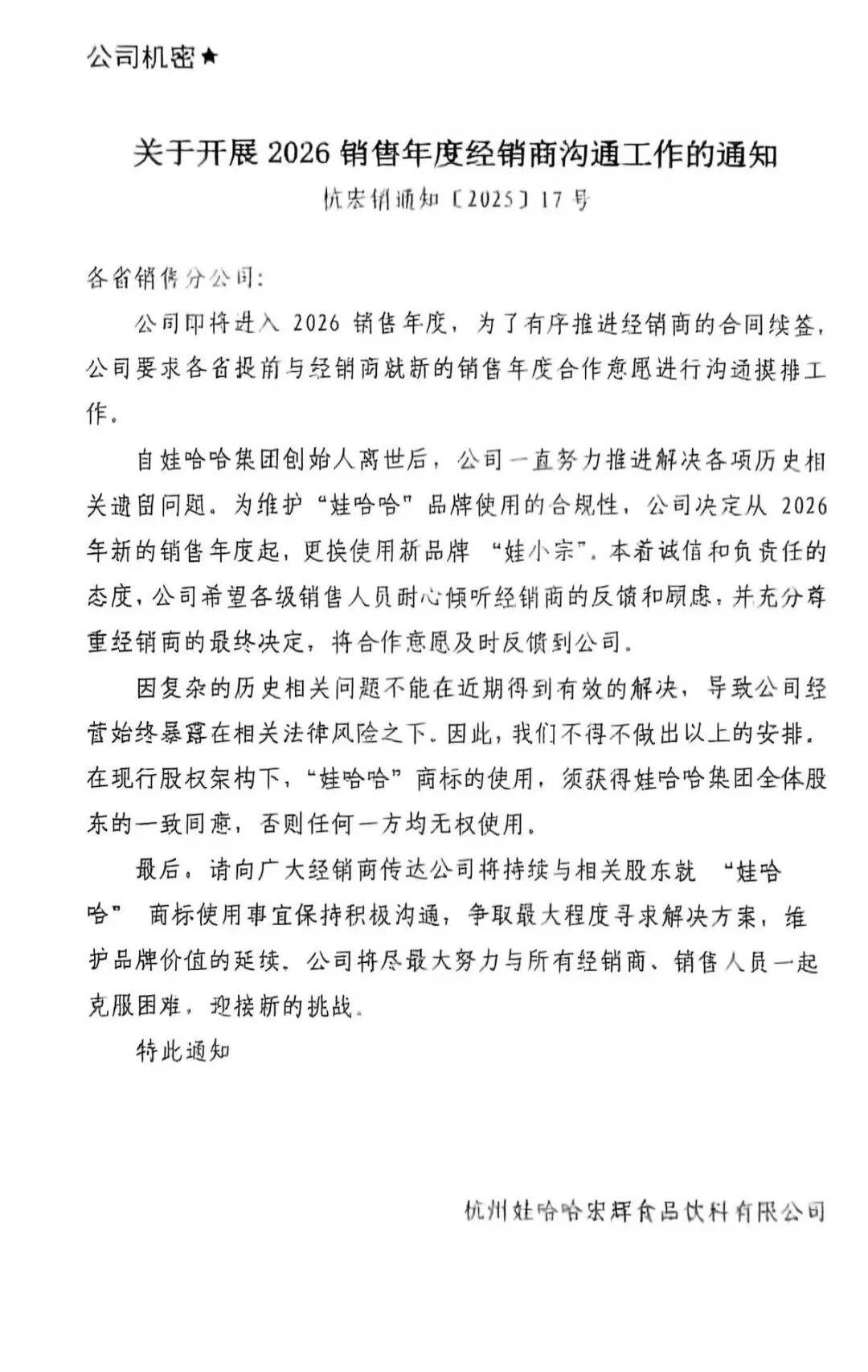
Core Insights - The "Xiamen Gang" has become a prominent name in the beauty industry, with many brands looking to adopt its strategies for channel and content operation [1][2] - The Xiamen Gang consists of companies deeply rooted in Xiamen, focusing on beauty and health, known for producing high-margin products and creating replicable white-label hits [1][2] - Despite the initial success, many brands attempting to replicate the Xiamen Gang's strategies in other regions have faced challenges and failures [3][4] Group 1: Industry Trends - The beauty industry is experiencing intense competition, prompting both established and emerging brands to learn from the Xiamen Gang's live-streaming e-commerce tactics [2] - The Xiamen Gang's approach has led to significant sales, with brands like 温博士 and VC achieving sales of 5 billion and 3.5 billion respectively in early 2024 [9] - However, rising traffic costs and stricter platform regulations have made it difficult for many white-label brands to maintain profitability [10][11] Group 2: Challenges and Transformations - The Xiamen Gang is undergoing significant changes, with leading companies like 海尼 and 跑红 focusing on brand transformation and reducing reliance on aggressive traffic spending [5][32] - Many workshop-style studios are diversifying into new sectors like education and health, seeking to replicate past successes in less competitive markets [6] - The shift in consumer behavior and increased scrutiny from platforms have led to a decline in the lifecycle of white-label products, with many failing to sustain sales momentum [16][17] Group 3: Brand Development and Strategy - The Xiamen Gang is increasingly prioritizing brand development, hiring brand consultants and reducing reliance on traffic-driven models [5][35] - Companies are investing in product quality and supply chain improvements, with some establishing their own research and development facilities [40][41] - The focus is shifting towards creating compelling content and leveraging KOC (Key Opinion Consumers) to enhance brand visibility and consumer trust [27][31] Group 4: Market Position and Future Outlook - Despite the challenges, there is a strong determination within the Xiamen Gang to establish respected brands, moving away from the "quick profit" mentality [46][47] - The transition to brand-focused operations is seen as a long-term strategy, with companies willing to invest in building a sustainable business model [46][47] - The Xiamen Gang's ability to adapt and innovate in response to market changes may lead to the emergence of successful beauty brands in the future [47]