Tai Mei Ti A P P

Search documents
从“人拉肩扛”到“数据驱动”:供应链为何成为数字化的关键战场?|2025 ITValue Summit 数字价值年会
Tai Mei Ti A P P· 2025-09-18 08:10
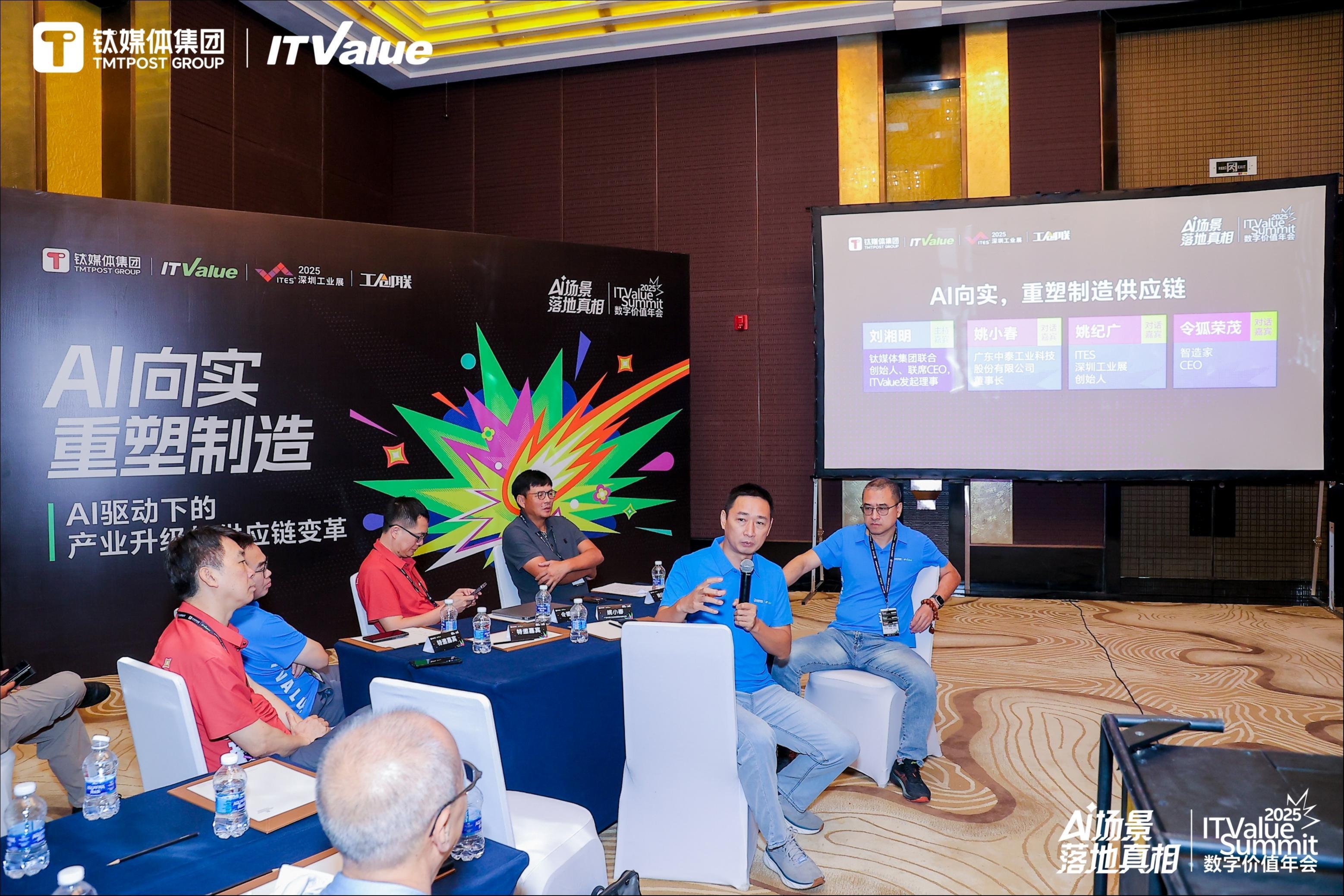
Core Insights - Many small and medium-sized enterprises (SMEs) face challenges in realizing the return on investment (ROI) from their digital transformation efforts, despite having implemented various systems and automation equipment [3] - Approximately 90% of manufacturing enterprise data remains "asleep," particularly in SMEs, due to a lack of unified data and business process standards, leading to data silos and inefficient business collaboration [3][4] - The digitalization of supply chains is evolving from merely moving procurement processes online to achieving end-to-end collaboration and optimization through data integration [3] Group 1: Challenges in Digital Transformation - Enterprises often have multiple systems (e.g., SAP, PLM, MES) but struggle with data integration, resulting in data silos that hinder effective decision-making [4] - The absence of standardized business and data processes is a fundamental issue, as many companies jump into system implementation without proper design [4] - The "sleeping data" problem is exacerbated by the lack of a centralized data management system and effective edge data processing capabilities [5] Group 2: Solutions and Innovations - Companies are leveraging AI technologies to break down data barriers and enhance data sharing and value realization [4][5] - AI is being applied to improve supply chain transparency, responsiveness, and risk management, with successful case studies demonstrating proactive measures against price increases and stock shortages [6] - The development of platforms like "Procurement Butler" aims to streamline non-standard procurement processes, making them as simple and controllable as online shopping [6] Group 3: Future of AI in Manufacturing - 2025 is anticipated to be a pivotal year for AI applications, particularly in generative AI and large model technologies, although the manufacturing sector's approach differs from that of the internet industry [7] - The focus in manufacturing AI is on "small data" and "scenario closure," rather than the pursuit of large models, emphasizing practical applications over theoretical advancements [7] - Ultimately, the effectiveness of systems and AI in manufacturing will be measured by improvements in supply chain stability, speed, and intelligence [7]


倒闭、亏损与收缩,跨境电商迎来大洗牌
Tai Mei Ti A P P· 2025-09-18 08:10
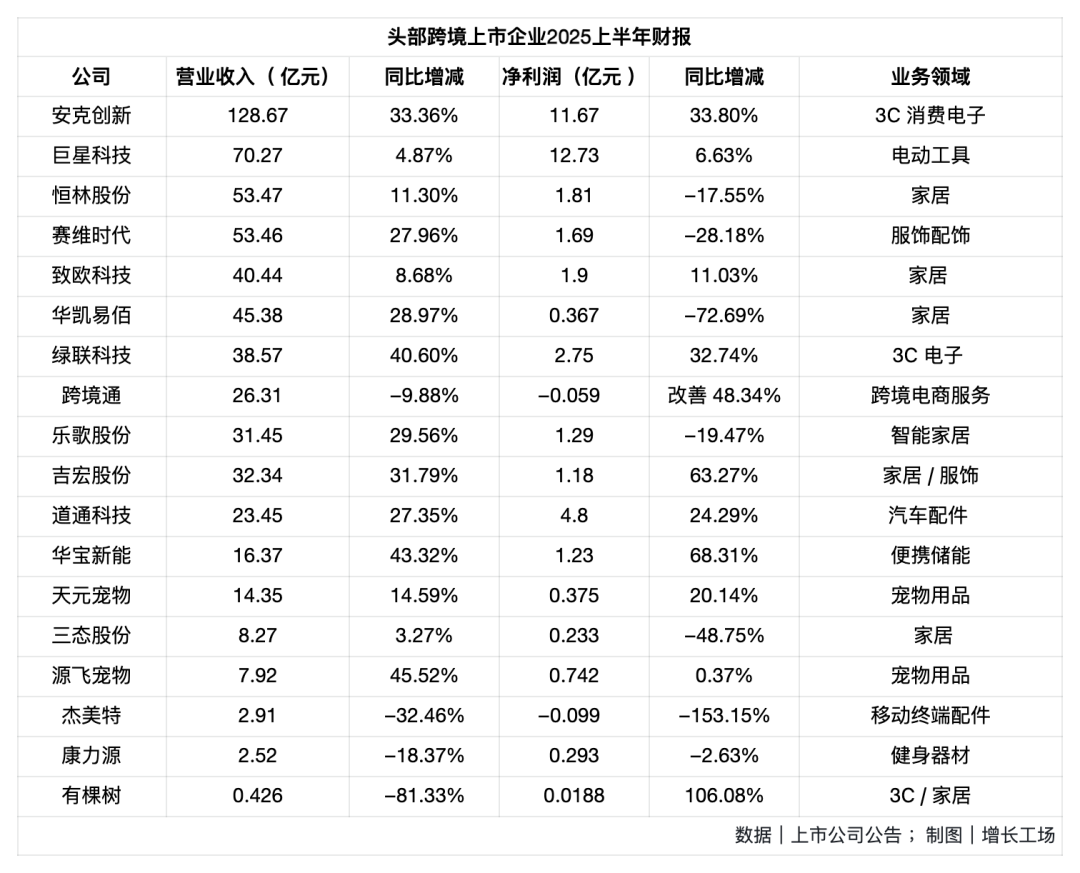
Core Insights - The cross-border e-commerce industry is undergoing significant restructuring, with many established companies facing bankruptcy and operational challenges due to rising costs and changing policies [2][10][24]. Group 1: Company Closures and Financial Struggles - Several long-standing cross-border companies, such as Yongsheng Electric and Xunda Electric, have recently announced their dissolution, highlighting a trend of closures in the industry [2][4]. - Yongsheng Electric, a Hong Kong-funded enterprise with over 55 years of history, abruptly declared its dissolution, with employees still working just days before the announcement [3]. - Xunda Electric, another veteran company, also announced its closure in August, marking the end of a significant player in Shenzhen's manufacturing landscape [4]. - Among publicly listed cross-border companies, 38% reported a decline in net profits, with 5 companies experiencing revenue drops and 3 companies reporting losses [7]. Group 2: Financial Performance of Listed Companies - A report on 18 leading cross-border listed companies revealed that 7 companies saw a decline in net profits, while 5 experienced revenue decreases [7]. - Notable financial data includes: - Anker Innovation: Revenue of 12.867 billion, up 33.36%, net profit of 1.167 billion, up 33.80% [8]. - Giant Star Technology: Revenue of 7.027 billion, up 4.87%, net profit of 1.273 billion, up 6.63% [8]. - Huakai Yibai: Revenue of 4.538 billion, up 28.97%, net profit of 36.7 million, down 72.69% [8]. - The company with the largest decline in net profit was Jiemite, which reported a revenue of 291 million, down 32.46%, and a net loss of 9.9038 million, down 153.15% [8]. Group 3: Rising Costs and Market Challenges - The cross-border e-commerce sector is facing increased customer acquisition costs and heightened competition, leading to further profit margin compression for sellers [13][15]. - Advertising costs on platforms like Amazon have risen significantly, with the cost-per-click (CPC) expected to increase from $0.73 in 2023 to $0.84 in 2024, representing a 15.1% rise [14]. - TikTok's advertising costs have also surged, with a current cost of $6.21 per thousand impressions, reflecting a year-on-year increase of 12.28% [16]. - The cancellation of the $800 tariff exemption has led to a 25% increase in customs costs for sellers, further straining their financial viability [17]. Group 4: Market Dynamics and Future Outlook - Despite the challenges, the number of new entrants in the cross-border e-commerce sector remains high, with 13,400 new companies registered this year, a 140.81% increase compared to the previous year [22]. - The market is increasingly favoring larger sellers who can leverage their resources to withstand rising costs, while smaller and mid-tier sellers are being forced out or pushed into niche markets [24][25]. - The industry is entering a phase of "survival of the fittest," where market share is consolidating among a few dominant players, further squeezing the space for smaller sellers [25].
万字长文 | AI落地的十大问题
Tai Mei Ti A P P· 2025-09-18 05:24
Core Viewpoint - The year 2025 is seen as a critical juncture for the practical application of enterprise-level AI, transitioning from experimental tools to essential components of business operations, despite challenges in scaling and execution [1][5]. Group 1: AI Implementation Challenges - Companies face significant gaps between AI technology awareness and practical application, with discrepancies in understanding and goals between management and execution teams [8]. - A majority of AI projects (90%) fail to meet expectations, with 70% of executives reporting unsatisfactory results, primarily due to viewing AI merely as a tool rather than a collaborative partner [16][18]. Group 2: Data Quality and Management - Data quality issues span the entire data lifecycle, affecting AI implementation outcomes, with many CIOs questioning the value of accumulated data [31][33]. - The Hong Kong Hospital Authority has accumulated nearly 6 billion high-quality medical data points over 30 years, emphasizing the importance of structured data for effective AI application [36]. Group 3: AI Reliability and Interpretability - As AI becomes more widely adopted, ensuring the reliability and interpretability of AI technologies is crucial, particularly in high-stakes environments like finance [21][24]. - The "model hallucination" issue, where AI generates incorrect information, poses significant challenges for trust and compliance in sectors requiring high accuracy [23][28]. Group 4: Scene Selection for AI Projects - Companies often struggle with selecting appropriate AI application scenarios, caught between the allure of technology and practical business needs [44]. - The case of Yixin demonstrates how AI can transform financial services by providing tailored solutions to underserved markets, highlighting the importance of aligning technology with user needs [46][48]. Group 5: Knowledge Base Development - A dynamic and continuously updated knowledge base is essential for maximizing the value of AI applications, moving from static information storage to knowledge-driven processes [78][80]. - The Eastern Airlines' approach to knowledge management illustrates the shift towards integrating AI into operational processes, enhancing efficiency and service quality [83]. Group 6: Human-Machine Collaboration - The evolution of AI agents from simple task executors to collaborative participants in complex business scenarios is critical for digital transformation [87]. - Companies like Midea are leveraging AI to enhance production efficiency and redefine operational models, demonstrating the potential of AI in driving business innovation [89][91]. Group 7: Talent Acquisition and Development - The competition for AI talent is intensifying, with a significant mismatch between the demand for skilled professionals and the available talent pool, highlighting the need for strategic talent management [97][99].

自洽的“半成品”,Meta首款AI+AR眼镜初登场便翻车
Tai Mei Ti A P P· 2025-09-18 04:19
Core Insights - Meta has invested over $60 billion in the XR market, dominating the MR headset and AI glasses sectors with over 70% market share [1] - At the Meta Connect 2025 event, multiple new products were launched, including the Ray-Ban Meta Display and Oakley Meta Vanguard, with a focus on enhancing user experience through advanced features [3][8] Product Launches - The Ray-Ban Meta Display, priced at $799, features a display for messaging and video calls, but faced technical issues during the demonstration [3][19] - The Ray-Ban Meta Gen 2 offers improved battery life and video capabilities, supporting 3K video recording and lasting up to 8 hours, with a starting price of $379 [4][6] - The Oakley Meta Vanguard, designed for sports, includes a 12MP camera and supports 3K video recording, priced at $499, and is set to ship on October 21 [8][9] Market Performance - The collaboration with Ray-Ban has resulted in over 300% year-on-year sales growth for Meta's smart glasses, with the previous model achieving over a million units sold [4][21] - The introduction of the Ray-Ban Meta Display is seen as a transitional product, with analysts predicting limited sales due to its high price and lack of revolutionary features [19][21] Competitive Landscape - Meta faces increasing competition from companies like Apple and Amazon, which are expected to launch their own AI glasses in the near future, potentially challenging Meta's market dominance [21] - The need for a balance between price and technological experience is emphasized as crucial for the future of the AR glasses market [21]


绚星发布四套智能生产力解决方案,以可量化ROI助力企业AI落地 | 科技前线
Tai Mei Ti A P P· 2025-09-18 02:57
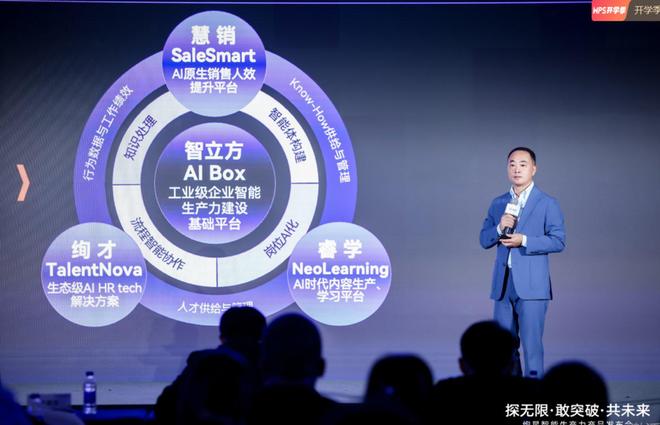
Core Insights - Xuanxing Smart Technology has launched four AI product matrices aimed at enhancing organizational management, talent management, job empowerment, and sales efficiency, integrating AI into business processes to create quantifiable value [2] - The company, formerly known as Yunxuetang, has served over 2,500 major clients and successfully listed on NASDAQ in August 2024 [2] - Despite global corporate investments in AI exceeding $300 billion, only 5% of projects are scalable and generate financial value, highlighting common anxieties in AI transformation such as unclear direction, difficult ROI verification, and inadequate talent development [2] AI Product Matrix - The AI product matrix includes: - "Zhili Fang" as a foundational platform for productivity, optimizing job-level AI assistant efficiency [3] - "Xuan Cai" as an AI-driven HR Tech solution to enhance recruitment matching and efficiency [3] - "Rui Xue" focusing on training, which has shown significant improvements in understanding speed and conversion rates for frontline sales [3] - "Hui Xiao" targeting sales departments, providing real-time feedback and guidance, resulting in reduced training costs and improved customer identification accuracy [3] Market Insights - According to a report by Sullivan, the penetration rate of AI talent training in 2024 is projected to be only 2.7%, but it is expected to rise to 24.3% by 2030 due to increasing corporate demand [4] - The report emphasizes that intelligent productivity can address common challenges in digital transformation, such as inefficient cross-department collaboration and insufficient knowledge retention, by integrating industrial-grade AI, big data, and automation technologies [4]
夹缝中的棋局:长城汽车的出海方法论
Tai Mei Ti A P P· 2025-09-18 01:40
Core Viewpoint - The establishment of Great Wall Motors' factory in Brazil marks a significant step in the company's "ecological going global" strategy, emphasizing deep localization and integration into local markets rather than merely exporting vehicles [2][3][4]. Group 1: Factory Establishment and Strategic Importance - Great Wall Motors' factory in Brazil has officially commenced production, with an annual capacity of 50,000 vehicles, serving as a strategic hub for the Latin American market [2]. - The factory represents a shift from previous export-oriented strategies to a more complex and challenging approach focused on local integration and cultural adaptation [2][4]. Group 2: Ecological Going Global Strategy - The "ecological going global" strategy involves a comprehensive approach that includes R&D, production, supply chain, distribution, and service, aiming to create a complete value chain [4][5]. - This strategy seeks to address cultural and consumer behavior differences in various markets, moving beyond simple trade to establish brand recognition and local relevance [4][5]. Group 3: Market Opportunities and Challenges - The global automotive market is characterized by mature markets (North America, Europe, Japan, South Korea) that are difficult to penetrate, leading Great Wall Motors to focus on emerging markets like Latin America, the Middle East, and Southeast Asia [7][8]. - In Brazil, the automotive market presents a strong demand due to insufficient public transportation, making it a critical area for growth despite potential challenges such as policy uncertainty and infrastructure issues [8]. Group 4: Long-term Strategy and Development Philosophy - Great Wall Motors emphasizes a long-term approach to development, prioritizing trust and sustained relationships with customers over short-term gains [13][14]. - The company aims to balance domestic and international sales, targeting a near 1:1 ratio in the next three years, reflecting a commitment to both markets [14]. Group 5: Technological Adaptation and Product Strategy - The company adopts a multi-powertrain strategy, allowing for flexibility in different markets based on local energy policies and infrastructure [10][12]. - This modular approach to technology enables Great Wall Motors to quickly adapt to varying market demands and regulatory environments, positioning itself for long-term success [12].


探路者19.3亿定增:稳健财务下的“补流”迷局与地产商的资本游戏 | 深度
Tai Mei Ti A P P· 2025-09-18 00:17
Core Viewpoint - The company, Tanshan (探路者), has announced a plan to raise 1.93 billion yuan through a private placement, which has raised significant market skepticism due to its financial stability and the vague purpose of the funds [2][21]. Financial Status - Tanshan's financial condition is robust, with operating cash flows of 202 million, 409 million, and 225 million yuan from 2022 to 2024, totaling 836 million yuan in net inflow [3][4]. - The company has substantial cash reserves, with 827 million yuan in cash and 139 million yuan in financial assets, totaling nearly 1 billion yuan [4]. - Tanshan's debt burden is minimal, with short-term loans of only 10 million yuan and long-term debt of 100 million yuan, resulting in an asset-liability ratio of 20.55%, significantly lower than industry averages [4][7]. Fundraising Details - The proposed fundraising of 1.93 billion yuan is intended solely for "supplementing working capital," which is unusual given the company's strong financial position [2][21]. - The placement price of 7.28 yuan per share is significantly lower than the market price of 9.22 yuan at the time of the announcement, raising concerns about potential harm to minority shareholders [2][21]. Control Structure - Following the completion of the fundraising, the controlling shareholder, Li Ming, is expected to increase his stake from 13.68% to 33.60%, significantly consolidating his control over the company [3][19]. - The actual control of Tanshan appears to be shifting towards Huang Tao, the second-generation leader of Century Jinyuan Group, who has been quietly increasing his influence over the company [3][15]. Market Reactions and Speculations - The market has expressed doubts regarding the necessity and transparency of the fundraising, especially given the lack of specific project plans associated with the raised funds [2][21]. - Potential uses for the raised funds include enhancing the chip business, facilitating asset operations, or supporting other companies controlled by Huang Tao [20][21]. Regulatory Considerations - The recent amendments to the regulations by the China Securities Regulatory Commission emphasize that raised funds should be used for specific projects related to the main business, raising questions about the compliance of Tanshan's fundraising plan [4][21].


储能板块迎来爆发,摩根大通看好的“V型反转”能否成为现实?
Tai Mei Ti A P P· 2025-09-17 10:19
Core Viewpoint - The energy storage sector is experiencing a resurgence, driven by significant stock price increases of leading companies like CATL and Sungrow, alongside supportive government policies and growing global demand for energy storage solutions [1][4][5]. Market Performance - On September 15, CATL's A-shares rose by 9.14% and Hong Kong shares by 7.44%, while Sungrow's A-shares increased by 2.66%, reaching historical highs [1]. - The energy storage sector index saw a daily increase of over 2% on September 17, with CATL's A-shares climbing 6.7% to a market cap of 1.72 trillion yuan [1]. Government Policy - The National Development and Reform Commission and the National Energy Administration released the "New Energy Storage Scale Construction Special Action Plan (2025-2027)", aiming for a new energy storage capacity of 180 GW by 2027, with direct project investments of approximately 250 billion yuan [4]. - The plan aligns with industry expectations, especially after the cancellation of the "mandatory storage" policy, which previously required new renewable energy projects to include a certain percentage of energy storage [4][5]. Industry Growth Projections - As of June 2023, China's new energy storage capacity surpassed 100 GW, with conservative estimates predicting a cumulative capacity of 236 GW by 2030 and an ideal scenario exceeding 291 GW, indicating a compound annual growth rate of over 20% [4]. - Morgan Stanley's report suggests that actual installed capacity could reach 215 GW by 2027, close to the conservative estimate for 2030 by CNESA [5]. Recent Trends - Despite a nearly 40% year-on-year decline in new energy storage installations in June, July, and August, August saw a nearly 30% increase compared to the previous month, with a significant rise in new installations on the power generation side [6]. - The report emphasizes the importance of the new policy in clarifying the role of energy storage in the market, which could lead to a "V-shaped recovery" for the industry [6]. Risks and Challenges - The energy storage sector faces skepticism regarding its commercial viability, with experts highlighting that the current pricing mechanisms and business scenarios do not support market operations [8]. - Concerns about the sustainability of high investment models in energy storage have been raised, as the market may not support large-scale, high-cost projects reliant solely on price differentials [8][9]. - The competitive landscape is intensifying, with significant price reductions and profit margin pressures, leading to potential industry consolidation and the risk of many companies exiting the market [10].


瑞立科密冲刺上市:政策市场双轮驱动,核心技术填补国内空白
Tai Mei Ti A P P· 2025-09-17 10:11
Core Viewpoint - The article highlights the significant role of active safety systems in the automotive industry's transition towards electrification and intelligence, emphasizing the importance of domestic production for industry autonomy and global competitiveness [2][8]. Company Overview - 瑞立科密 has evolved from a follower to a leader in the domestic commercial vehicle active safety system market over 20 years, establishing itself as a key player in the industry [2][4]. - The company is one of the few in China capable of developing various active safety systems, including ABS, ESC, EBS, EPB, and ECAS, covering mainstream technical routes in braking safety for commercial vehicles, passenger cars, and motorcycles [3][4]. Market Position - 瑞立科密 has maintained the top position in the production and sales of ABS and other braking systems for ten consecutive years, with market shares of 24.00%, 23.72%, and 27.92% for ABS, ESC, and EBS in the commercial vehicle sector, respectively [3][4]. - The company has established strategic partnerships with major domestic vehicle manufacturers, including FAW Jiefang, Dongfeng Group, and SAIC, and has begun exporting to Europe and the United States [4][6]. Financial Performance - The company reported revenues of 1.326 billion yuan, 1.760 billion yuan, and 1.977 billion yuan for 2022, 2023, and 2024, respectively, with net profits of 96.96 million yuan, 236 million yuan, and 269 million yuan during the same period [4][6]. - The active safety system business accounted for 74.24%, 82.37%, and 82.49% of the company's main business revenue from 2022 to 2024, indicating a strong focus on this segment [4]. Technological Advancements - 瑞立科密 has developed core technologies in active safety systems, breaking the international monopoly held by companies like ZF, Knorr, Bosch, and Continental, thus contributing to the domestic automotive industry's self-sufficiency [6][7]. - The company has achieved significant technological milestones, including the development of various advanced control technologies and has been recognized with numerous patents and industry awards [7][8]. Market Opportunities - The global automotive industry is shifting towards emerging markets, with significant growth potential in new energy vehicles, as evidenced by a compound annual growth rate of 47.03% in China's new energy vehicle production from 2015 to 2024 [8][9]. - New regulations mandating the installation of electronic stability control systems and electronic braking systems in commercial vehicles are expected to create a market space of approximately 3 billion yuan, which 瑞立科密 is well-positioned to capitalize on [9]. Future Outlook - The company plans to leverage its upcoming IPO to enhance its research and development capabilities and strengthen its market position in the global automotive intelligent electronic control system sector [9].

机器人行情会迎来新的风口吗 投资热潮与技术突破
Tai Mei Ti A P P· 2025-09-17 08:29
Core Insights - The humanoid robot industry is experiencing a surge in investment and technological breakthroughs, with total financing exceeding 26 billion yuan since early 2025, similar to the investment frenzy triggered by ChatGPT [1][3] - Tesla's CEO Elon Musk anticipates the production of 5,000 Optimus humanoid robots this year, with the potential for Optimus to account for 80% of Tesla's value, which currently stands at 1.24 trillion dollars [1][3] Industry Overview - According to Merrill Lynch, global shipments of humanoid robots are projected to increase from 2,500 units last year to 18,000 units by 2025, and reach 3 billion units by 2060 [3] - Bloomberg data indicates that over half of the future mass-produced humanoid robots will come from Chinese companies [3] Company Highlights - DroidUp, founded in 2021, is one of the early entrants in the bipedal robot sector in China, with a team that has over 20 years of experience in dynamic walking and cross-modal learning research [3] - The company completed a 100 million yuan Series A financing round in 2024 and launched the modular humanoid robot "Walker 2," which is based on bionic tendon-driven technology [3] - In July of this year, DroidUp released the "Walker 3" humanoid robot, which stands approximately 1.7 meters tall, weighs around 38 kilograms, and features a bionic tendon drive technology that reduces weight by over 20% and energy consumption by 50%, with a dynamic endurance of 6 hours [3] Production and Safety Focus - The company emphasizes the need to address application scenarios during the mass production of humanoid robots, prioritizing safety, stability, and reliability [4] - Core research and development are conducted in Shanghai, while a subsidiary in Zhengzhou is responsible for addressing mass production challenges, with plans to scale production from hundreds of units this year to 2,000-5,000 units next year [4]