
Tai Mei Ti A P P

Search documents
迎驾贡酒谁来接班?儿子离任后七旬董事长提拔儿媳
Tai Mei Ti A P P· 2025-12-17 01:14
Core Viewpoint - The leadership transition at Yingjia Gongjiu is underway as the founder's son steps down, and the daughter-in-law is promoted, raising questions about the company's future direction and performance amidst a challenging market environment [1][3]. Company Leadership Transition - Ni Yongpei, the 73-year-old chairman and founder of Yingjia Gongjiu, has not disclosed any retirement plans, leading to speculation about succession [2][3]. - Ni Qing Shen, the chairman's son, left the core management team in 2017 and has not held any executive positions since, prompting the promotion of his wife, Zhang Dandan, to a key leadership role [3][4]. - Zhang Dandan, now the vice chairman of Yingjia Gongjiu, has a significant stake in the company, holding 8.76% of shares, and has been involved in various managerial roles within the group [4]. Company Performance and Market Position - Yingjia Gongjiu has been recognized as the "second best" in Anhui's liquor industry, competing closely with other major brands like Gujing Gongjiu and Kuozi Jiao [2][5]. - The company has shifted its focus to mid-to-high-end products, with revenue from these segments reaching 5.713 billion yuan, accounting for over 80% of total revenue [5]. - Despite achieving a strong market position, Yingjia Gongjiu's revenue for the first three quarters of the year was 4.516 billion yuan, a decline of 18.09% year-on-year, with net profit dropping by 24.67% [5][6]. Competitive Landscape - The white liquor market is becoming increasingly competitive, with major brands like Moutai and Wuliangye penetrating the Anhui market, challenging Yingjia Gongjiu's traditional stronghold [6]. - The company's performance has been affected by intensified competition, with both in-province and out-of-province revenues declining significantly [6]. - Yingjia Gongjiu's stock price has also suffered, dropping 24.17% over the year, making it the worst performer among the "Four Flowers of Anhui" liquor companies [6]. Strategic Initiatives - To counteract declining sales, Yingjia Gongjiu has intensified its efforts in product distribution, focusing on the sales of bulk and unbranded liquor, which have shown better performance compared to lower-end packaged products [7]. - The company has set ambitious sales targets, aiming for 7.6 billion yuan in revenue by 2025, but faces challenges in achieving these goals amid a downturn in the white liquor market [6][7].

三年减少1亿张,年轻人正在抛弃信用卡
Tai Mei Ti A P P· 2025-12-16 11:57
Core Insights - The credit card market in 2025 is undergoing a significant contraction, with a total issuance of 707 million cards, down from a peak of 807 million in 2022, indicating a loss of nearly 100 million cards in three years [1][2] - The industry is experiencing a "structural collapse," particularly among state-owned banks, with notable declines in card issuance and increased non-performing loan rates [2][3] - The shift in consumer behavior is evident, with younger generations showing a high rate of card cancellations and a significant portion of the population opting not to hold credit cards at all [1][12] Market Dynamics - The total number of credit cards has decreased significantly, with a drop of 1 million cards in just six months, reflecting a broader trend of declining loan volumes and transaction amounts [1][2] - Major banks are closing credit card centers, with 63 centers shutting down in the year, indicating a shift from centralized operations to localized management [3][4] - The average customer acquisition cost for credit cards has risen to nearly 300 yuan, while the profit generated from low-efficiency customers is less than 50 yuan per year, leading to unsustainable business models [4][5] Risk Exposure - Non-performing loan rates have surged, with major banks reporting rates above 3%, and smaller banks facing even higher rates, indicating a significant risk exposure in the credit card sector [4][5] - The trend of selling off bad debts is increasing, with banks like Minsheng and Huaxia listing substantial amounts of non-performing credit card loans, reflecting the industry's struggle with asset quality [5][6] Strategic Shifts - Leading banks like China Merchants Bank are redefining their credit card strategies, focusing on integrating credit cards into broader retail banking ecosystems rather than merely as credit tools [6][7] - Banks are moving towards a model that emphasizes customer engagement and value creation, with a focus on enhancing customer experience through integrated services [12][14] - The industry is witnessing a transformation from traditional credit card offerings to more tailored products that meet specific consumer needs, such as lifestyle and essential services [15][16] Consumer Behavior - Younger consumers are increasingly rejecting traditional credit card offerings, with 37% of those born in the 1990s actively canceling cards and 42% of those born in the 2000s never having held a card [1][12] - The shift in consumer preferences is leading to a decline in card usage, with many opting for alternative payment methods that offer greater convenience [12][13] - The traditional incentives for credit card acquisition, such as promotional gifts, are losing effectiveness, prompting banks to rethink their marketing strategies [12][15]

人形机器人的2025:一半是迷雾森林,一半是星辰大海
Tai Mei Ti A P P· 2025-12-16 08:03
Core Viewpoint - The humanoid robot industry is experiencing significant investment and interest, with projections suggesting that humanoid robots could become as common as computers and smartphones in households within the next two decades. However, there are contrasting opinions regarding the feasibility and practicality of these robots, with some industry leaders expressing skepticism about their commercial viability and technological readiness [2][3][9]. Investment Trends - In the first nine months of 2025, global investments in humanoid robots reached approximately $7 billion, driven particularly by the Chinese market, marking a 250% increase compared to the same period last year [3]. - Major companies like UBTECH have reported significant order volumes, with UBTECH's cumulative order amount reaching 1.3 billion yuan [9]. Technological Challenges - The VLA (Vision-Language-Action) model, widely used in humanoid robot training, faces limitations due to the need for dynamic, three-dimensional data, which is scarce and complex to obtain [5][6]. - Critics argue that the reliance on language as an intermediary in the VLA model leads to information loss and inefficiencies, suggesting a shift towards a "World Model" that directly connects visual input to actions [8]. Market Dynamics - There is skepticism regarding the authenticity of reported large orders, with concerns that many are framework agreements or intention orders rather than binding contracts, which could lead to inflated market expectations [10][12]. - The industry is witnessing a surge in companies entering the humanoid robot space, with over 150 firms established, many of which are seeking capital to sustain operations amid unclear technological and commercial pathways [17]. Future Outlook - Despite current technological uncertainties, there is a strong belief in the potential of humanoid robots to integrate into everyday life, with predictions of significant advancements in the next few years [14][15]. - The investment return cycle for humanoid robots is expected to be short, with some analysts estimating a payback period as brief as 36 weeks, particularly in household service applications [15]. Industry Developments - Companies like Yuzhu Technology and Zhiyuan Robotics are preparing for capital market engagements, with Yuzhu Technology expected to submit an IPO application soon [16][17]. - The market for humanoid robots is showing signs of volatility, with some startups already ceasing operations, indicating potential challenges ahead for the industry [19].



智慧物流2025质变:AI 驱动下,从规模竞赛转向价值深耕
Tai Mei Ti A P P· 2025-12-16 06:18
Core Insights - The Chinese smart logistics industry is undergoing a profound transformation, shifting from scale expansion to full-chain optimization, with a projected market size of 965.5 billion yuan by 2025, driven by policy support and technological advancements [2][3] Technological Advancements - Artificial intelligence, particularly large model technology, is becoming the core engine for efficiency improvements in logistics, evolving from "point intelligence" to "global intelligence" and aiming for "autonomous decision-making" [3][5] - Companies like Yunda and JD Logistics are implementing advanced AI models and automation systems, leading to significant cost reductions and efficiency gains in operations [5][11] Market Dynamics - The smart logistics market is characterized by a "dual-track" system: one focused on low-cost automation for small and medium-sized enterprises, and the other on high-speed, high-intelligence solutions for large hubs [10][14] - Cost pressures are driving the demand for affordable automation solutions, while leading companies are investing in high-precision technologies to enhance service quality and operational efficiency [10][11] Competitive Landscape - The competition is expanding beyond domestic markets to include international growth, green sustainability, and after-sales service networks, which are becoming essential for long-term competitiveness [14][19] - Companies are diversifying into high-value sectors such as cold chain logistics and cross-border e-commerce, seeking to build strong barriers in specialized markets [11][13] Sustainability Initiatives - The push for green logistics is becoming a core competitive component, with significant growth in the sales of new energy logistics vehicles and a focus on reducing carbon footprints [16][18] - Companies are adopting renewable energy solutions and circular packaging to enhance their ESG ratings and ensure sustainable supply chain operations [18][19] Future Outlook - The industry is expected to evolve towards customized applications and integrated digital solutions, moving from individual to collective applications, with a focus on enhancing resilience and certainty in operations [20]

年终盘点:谁会成为中国的"Nano Banana"?
Tai Mei Ti A P P· 2025-12-16 05:46
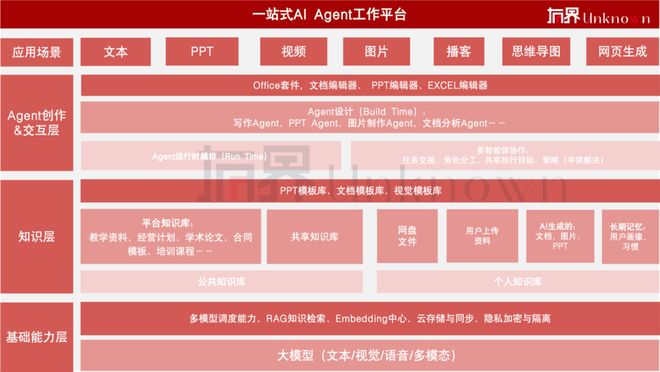
Core Insights - The AI industry is witnessing a significant transformation with the integration of Agents into workflows, marking a shift from traditional tools to more collaborative and intelligent systems [1][18] - Major companies are rapidly developing multi-modal AI tools, creating a competitive landscape where the focus is on comprehensive capabilities rather than isolated functionalities [2][19] - The evaluation of AI Agents is based on three key standards: multi-modal generation capability, knowledge base integration, and human-AI collaboration [5][6] Group 1: Industry Developments - The release of Nano Banana has disrupted the creative tools market by fundamentally changing how designers work, showcasing AI's scalable output capabilities [1] - In the international market, tools like Microsoft Copilot and Google Gemini have established a multi-modal office and creative tool ecosystem, while domestic players like Baidu and Tencent are also making significant strides [2] - The emergence of a competitive landscape is evident as companies strive to define the next generation of creative and office scenarios, with a focus on who will become the "Chinese Nano Banana" [2][19] Group 2: Agent Evaluation Criteria - The evaluation framework for AI Agents includes three levels: the ability to produce complete workflows, form data loops, and continuously accumulate knowledge and memory [2][3] - The first standard is the ability to generate multi-modal content, moving from single-point solutions to comprehensive task management [5][6] - The second standard focuses on the integration of knowledge bases, which allows for the systematic accumulation and application of data across various tasks [5][6] Group 3: Product Comparisons - A comparative analysis of five leading domestic AI Agents reveals a generational divide, with only two companies advancing to the third stage of capability [2][7] - GenFlow3.0 stands out as the only platform with full multi-modal creative capabilities, while others like Quark and WPS are in the second tier, lacking certain functionalities [9][10] - The compatibility of these platforms with Office systems is crucial, with GenFlow3.0 achieving native-level compatibility, enabling seamless integration into existing workflows [11][12] Group 4: Future Directions - The AI application landscape is evolving towards a "淘汰赛" (elimination round) where competition will be based on comprehensive product capabilities rather than just model parameters [18][19] - The ultimate goal for AI Agents is to become partners in the creative process rather than mere tools, emphasizing the need for deep integration into complex work environments [20][21] - The next generation of Agents must focus on reconstructing three core capabilities to transition from being simple tools to long-term collaborative partners in the workplace [21][22]



马斯克奥斯汀亮剑无人车,中国L3火线落地:中美自动驾驶决战前夜
Tai Mei Ti A P P· 2025-12-16 05:46
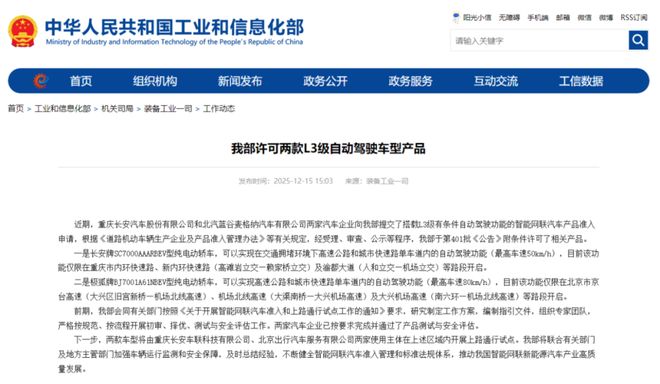
文 | 山自 特斯拉CEO埃隆·马斯克最近在社交媒体上发布了一条简讯:"车内无人测试正在进行中"。不到24小 时,特斯拉股价应声上涨3.6%,达到2025年新高。 在同一时间轴的另一端,中国工业和信息化部正式批准了长安和极狐两款L3级自动驾驶车辆的上路试 点,划定重庆和北京的特定区域作为测试场地。 奥斯汀试验场:特斯拉的"无人赌注" 特斯拉在奥斯汀的完全无人测试车队规模虽小,但意义重大。这个由不到30辆车组成的小型车队已累计 发生了7起上报事故,数据引发了行业专家的担忧。 卡内基梅隆大学自动驾驶安全研究员菲利普·库普曼直言不讳:"带安全员的小规模车队,事故应少于7 起。"特斯拉选择不公开事故详细经过,引发了对透明度的质疑。 在奥斯汀进行的测试标志着特斯拉Robotaxi商业化迈出了关键一步。投资者看好特斯拉能够将现有车辆 快速转化为无人出租车,打造"车辆制造+出行服务"双重盈利模式。 中国汽车标准化研究院总工程师孙航透露,获得批准的车型必须通过严格的三级验证体系,包括企业安 全能力评估、第三方机构测试和专家评审。 中国的审批标准不仅关注车辆本身的性能,还强调网络安全、功能安全及应急处置能力。这种"制度先 行" ...

合资品牌的2025:用品牌溢价换喘息的一年
Tai Mei Ti A P P· 2025-12-16 05:23
Core Insights - The Chinese automotive industry is undergoing a significant transformation, moving from a "market for technology" model to a "brand for survival" approach as foreign joint venture brands face declining market shares and increased competition from local manufacturers [2][20] - The year 2025 is characterized as a turning point for joint venture brands, which are now prioritizing survival over growth by leveraging their brand equity to maintain market presence [3][20] Market Performance - In 2025, the overall market for joint venture brands in China has seen a decline, with monthly retail shares for German brands dropping from 18.4% at the beginning of the year to around 14% by year-end, and Japanese brands hovering between 11% and 13% [6][20] - The market share of joint venture brands fell from nearly 28% at the start of the year to about 22% by the end, indicating a broader trend of decline across the sector [6][20] Pricing Strategies - Joint venture brands have adopted a "one-price" model to combat declining sales, which involves sacrificing brand premiums for market share, leading to significant price reductions across various models [10][12] - The average prices of several key brands have decreased significantly, with Volkswagen's average price dropping by 15.37% and Honda's by 18.54% [11] Localization Efforts - There is a notable shift towards localization in management and product development, with foreign brands increasingly empowering local teams to make decisions that cater to the Chinese market [17][20] - The transition to local management is evident, with several key appointments of Chinese executives in leadership roles across major automotive brands [18][19] Technological Adaptation - Joint venture brands are increasingly adopting local technologies and solutions, such as Huawei's smart solutions, to meet the demands of Chinese consumers for advanced features in electric vehicles [14][15] - The focus has shifted from traditional automotive engineering to integrating smart technology and user-friendly interfaces, reflecting changing consumer priorities [14][15] Long-term Implications - The current strategies employed by joint venture brands are seen as a survival tactic rather than a sustainable growth strategy, raising questions about their long-term competitiveness in the evolving market [13][20] - The shift in valuation from brand equity to survival costs indicates a fundamental change in how these brands will operate in the future, as they must adapt to new consumer expectations and market dynamics [20]



阿里发布通义万相2.6系列视频生成模型,上线国内首个角色扮演功能 | 钛快讯
Tai Mei Ti A P P· 2025-12-16 05:22
Core Viewpoint - Alibaba has launched the next-generation Wanxiang 2.6 model, which is the first video model in China to support character role-playing, enhancing video creation capabilities significantly [1][2]. Group 1: Model Features - Wanxiang 2.6 supports audio-visual synchronization, multi-shot generation, and sound-driven functionalities, making it the most comprehensive video generation model globally [1]. - The model has improved video quality, sound effects, and instruction adherence, achieving a maximum video length of 15 seconds, which is the highest in China [2]. - It can generate videos featuring single or multiple characters and objects, automatically performing multi-shot transitions to meet professional film-level requirements [2][3]. Group 2: Technical Innovations - The model integrates multiple innovative technologies for multi-modal joint modeling and learning, capturing emotional, postural, and visual features from input reference videos [3]. - It extracts acoustic features such as voice tone and speech rate to ensure consistency across visual and audio elements during the generation phase [3]. Group 3: User Experience - Users can convert simple prompts into multi-shot scripts, creating coherent narrative videos while maintaining consistency in key information across shots [4]. - The character role-playing feature allows ordinary users to perform in cinematic-quality visuals, enabling quick generation of narrative videos with minimal input [4]. - Wanxiang 2.6 can also be utilized for advertising design and short film production, allowing users to act as directors by inputting creative prompts [4]. Group 4: Accessibility and Applications - The model is now available for all users on the Wanxiang official website, with enterprise users able to access the model API through Alibaba Cloud [5]. - The Wanxiang model family supports over ten visual creation capabilities, including text-to-image, image editing, text-to-video, and video editing, widely applied in AI comics, advertising design, and short video creation [5].
告别“挖矿”逻辑:OpenAI前联合创始人Ilya揭示AI下半场的新赛点
Tai Mei Ti A P P· 2025-12-16 04:36
Core Insights - Ilya Sutskever, a prominent figure in deep learning and former chief scientist at OpenAI, has raised concerns about the future of AI development, suggesting that the "Scaling Law" era is nearing its end, necessitating a shift from resource competition to paradigm innovation in AI research [1][5][12] Group 1: AI Development Phases - The development of AI can be divided into two distinct phases: the exploration era (2012-2020) characterized by innovative research, and the scaling era (2020-2025) where increased computational power and data led to linear improvements in model performance [6][7] - The current path of relying on increased computational resources is reaching its limits due to the scarcity of high-quality data, which has been largely exhausted [8] Group 2: Limitations of Current AI Models - Despite achieving high scores in benchmark tests, AI models exhibit a "high scores, low utility" paradox, where they perform well on familiar tasks but struggle with complex, unseen real-world applications [2][4] - The existing training mechanisms are plagued by "reward hacking," leading to models that excel in specific evaluations but lack genuine understanding and reasoning capabilities [3][4] Group 3: Future Directions and Safety Concerns - As the industry is forced to return to a research-focused approach, a key breakthrough will involve enabling AI to learn continuously, which introduces significant safety risks [9] - The potential for AI systems to merge expertise instantaneously raises concerns about loss of control, prompting the need for incremental deployment strategies to calibrate AI behavior through real-world feedback [10] Group 4: Human-AI Interaction and Future Outlook - Sutskever warns against a utopian vision where humans rely entirely on omnipotent AI assistants, suggesting that this could lead to a loss of understanding and agency [11][12] - To maintain a participatory role in the AI era, humans must integrate with AI technologies, ensuring that cognitive capabilities are shared and that human involvement remains central [12]
美股 AI 投资到底有没有泡沫
Tai Mei Ti A P P· 2025-12-16 02:46
Core Viewpoint - The healthy development of the AI industry requires abandoning "bubble anxiety" and "scale worship," focusing on core technology from a long-term perspective, and promoting practical commercialization [1] Group 1: Structural Bubble - The debate over the AI bubble in the U.S. is fundamentally about the imbalance between high investment and low returns, which manifests differently across hardware, software, and applications [2] - Nvidia, as a key player in the "computing power arms race," has seen its AI chip business revenue surge by 210% year-on-year in Q3 2025, with a gross margin of 78%, but its stock price and valuation are increasingly showing signs of a bubble [2][3] - Major tech companies like Microsoft, Amazon, and Google are expected to double their capital expenditures to over $470 billion by 2026, with nearly 60% directed towards Nvidia, amplifying the risk of over-investment in the industry [3] Group 2: Real Value - The current NASDAQ expected P/E ratio of 26 is relatively moderate compared to the 80 during the 2000 internet bubble, indicating that not all U.S. AI investments are a bubble [7] - Companies like Nvidia and Google have established strong positions in AI chips and large models, making their investments technically reasonable [7] - The revolutionary potential of AI for scientific research and industrial upgrades is real, as evidenced by initiatives like the "Genesis Plan" launched by the Trump administration [7] Group 3: Rationality and Overheating - In contrast to the U.S., China's AI investment is characterized by "excessive rationality and insufficient heat," with a lower overall bubble risk but some local areas needing caution [8] - Chinese companies are avoiding the U.S. path of "stacking computing power" and are making steady progress in domestic chip replacement [9] - However, there are signs of bubble risks in certain sectors, with some startups blindly following trends without core technology, leading to resource waste [9]
