Tai Mei Ti A P P

Search documents
【钛晨报】事关煤炭清洁高效利用,六部门最新部署;腾讯成立AI Infra部,Vincesyao出任“CEO/总裁办公室”首席AI科学家;教育部:严禁向任...
Tai Mei Ti A P P· 2025-12-17 23:32
结合煤炭行业发展现状和潜力,在此前重点领域能效标杆水平和基准水平的基础上,将燃煤发电供热煤 耗、煤制天然气等纳入范围。对标国内外煤炭清洁高效领域先进水平,以及国家、地方现行政策、标准 中先进能效指标值和最严格污染物排放要求,完善煤炭清洁高效利用标杆水平。参考国家现行标准中的 准入值或限定值,以及国家政策文件明确的相关指标,科学确定煤炭清洁高效利用的基准水平。煤炭清 洁高效利用重点领域标杆水平和基准水平将视行业发展和标准制修订情况进行动态调整,强化标杆水平 引领作用和基准水平约束作用。 【钛媒体综合】国家发展改革委联合工业和信息化部、生态环境部、住房和城乡建设部、市场监管总 局、国家能源局印发《煤炭清洁高效利用重点领域标杆水平和基准水平(2025年版)》。 鼓励和引导行业企业结合实际和长远发展,对项目实施改造升级。对新建煤炭开发利用项目和有条件的 存量项目,推动清洁高效利用水平应提尽提,力争达到标杆水平。对清洁高效利用水平低于现有基准水 平的存量项目,引导企业有序开展煤炭清洁高效利用改造,加快推动企业减污降碳,坚决依法依规淘汰 落后产能、落后工艺。对需开展煤炭清洁高效利用改造的项目,各地应在不影响电力、热力供应 ...

击穿行业天花板:马斯克的万亿商业局
Tai Mei Ti A P P· 2025-12-17 12:13
Core Insights - Elon Musk's net worth surged to $491.9 billion, with a $150 billion increase in just nine months, solidifying his position as the world's richest person [1] - SpaceX announced plans for a historic IPO with a target valuation of $1.5 trillion and a fundraising goal of $30 billion, which would set a record for the largest IPO in history [2][3] - Musk's nine companies span across space, energy, AI, and life sciences, fundamentally reshaping industry norms and pushing the boundaries of traditional business [1][11] Space Infrastructure: $1.5 Trillion IPO and Cash Flow Engine - SpaceX's IPO is expected to launch in mid-2026, with a fundraising target exceeding $30 billion, surpassing the previous record held by Saudi Aramco [2] - Starlink, SpaceX's cash flow pillar, has 7.65 million active subscribers globally, contributing 43% of subscriptions from North America and 40% from emerging markets [2] - SpaceX's projected revenue for 2025 is $15 billion, increasing to $22-24 billion in 2026, with over 80% of revenue coming from Starlink [2] Ground Ecosystem: Tesla + Robots Reshaping Manufacturing and Energy - Tesla's stock price increased by 70.1% from March to December 2025, significantly contributing to Musk's wealth increase [5] - Tesla's market valuation of $1.5 trillion is equivalent to the combined market caps of Toyota, Volkswagen, and Ford, with a focus on electric vehicles and energy solutions [6] - Tesla has delivered over 6 million vehicles by 2024, capturing 22% of the global electric vehicle market [6] Future Layout: AI + Brain-Computer Interfaces - xAI, established in 2023, aims to create a top-tier AI system and has raised over $30 billion for its development [8] - Neuralink, founded in 2016, focuses on high-precision brain-computer interface technology and plans to start human clinical trials in 2025 [9] - The Boring Company and Hyperloop are also part of Musk's future vision, aiming to enhance human efficiency and expand living boundaries [10] Conclusion - Musk's wealth and IPO ambitions represent a gamble on technology reshaping commercial boundaries, with each of his companies challenging industry ceilings [11] - The potential for Musk's wealth to reach unprecedented levels hinges on the successful execution of SpaceX's IPO, Tesla's production goals, and breakthroughs in AI and brain-computer interfaces [12]
从豪华到家用,磁流变减震器如何从“顶配”变为“标配”?
Tai Mei Ti A P P· 2025-12-17 10:09
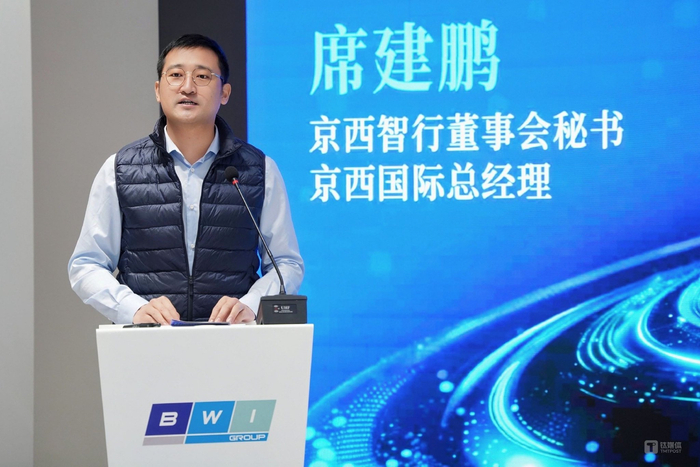
"操控与舒适难以兼得"是长久以来困扰汽车悬架发展的经典难题。然而,一项基于磁流变效应的创新技 术,以其毫秒级响应的主动调节能力正在打破这一"魔咒",让汽车既能"稳如磐石",也能"行如流 水"——它就是磁流变减震器。 技术的本质突破,是磁流变减震器走向大众市场的基石。与依赖机械阀开合来调节阻尼的传统减震器不 同,磁流变减震器内部没有复杂阀体,而是填充了特制的磁流变液。通过改变输入线圈的电流强度,瞬 间改变磁场,从而精准控制液体的粘稠度,实现对阻尼力的无级、连续、极速调节。 其优势是颠覆性的。例如,京西智行第四代磁流变减震器可实现每秒高达1000次的实时调节。这意味 着,面对颠簸路面,磁流变减震器能在车轮触地的瞬间"变软",充分吸收冲击,提升舒适性;而在车辆 高速过弯时,又能立刻"变硬",提供强力侧向支撑,保持车身稳定。这彻底解决了传统悬架顾此失彼的 难题。其阻尼力的调节范围也远超传统减震器,能为车辆提供从极致舒适到极致运动的宽广动态适应能 力,满足不同驾驶模式的需求。 真正让这项高端技术"飞入寻常百姓家"的关键,是国产化进程与规模效应的全面加速。2025年被视为磁 流变悬架的"量产元年",其标志性事件是首款搭载 ...
首批L3准入亮相:自动驾驶进入“有条件上路”阶段
Tai Mei Ti A P P· 2025-12-17 09:26
Core Insights - The issuance of L3 autonomous driving licenses in China is more frequent than expected, with several companies like Changan and BAIC receiving approval, indicating a competitive "license race" [2] - The conditions for the first batch of approved vehicles reveal a controlled testing environment, emphasizing a cautious approach to technology deployment and risk management [2][4] - China's path to L3 autonomous driving is distinct from Germany and the U.S., focusing on a gradual, controlled policy experiment over three years [2][3][6] Regulatory Framework - The regulatory journey began in November 2022 with the Ministry of Industry and Information Technology (MIIT) proposing a management framework for L3/L4 vehicles to address the "responsibility vacuum" in the industry [3] - 2023 marked a breakthrough year for testing licenses, with various companies obtaining approvals, establishing a dual-track testing model [3][6] - The approval process culminated in December 2025, with a comprehensive framework for conditional L3 vehicle production licenses [3][6] Testing Conditions - The approved vehicles, such as Changan's SL03 and BAIC's Alpha S, are restricted to specific routes and speed limits, highlighting a focus on controlled operational environments [4][5] - The vehicles are not sold directly to consumers but operated by designated companies, indicating a shift in responsibility from individual users to operators [4][5] Industry Implications - The conditions for L3 licenses signal a shift from hardware-centric competition to a focus on scenario-specific engineering capabilities and cost control [7][8] - The competition among automakers is now defined by their ability to adapt to specific driving conditions rather than merely enhancing hardware specifications [7][8] Business Model Evolution - The "car company + operating company" model serves as a buffer to explore service pricing and user acceptance within a controlled environment [9] - This model allows for the testing of autonomous driving services while gathering valuable data to inform future pricing strategies [9] Challenges Ahead - The transition to a service-oriented model faces challenges, including balancing technical costs with user value and addressing consumer perceptions regarding subscription services [10] - The long-term commercial viability of L3 technology will depend on expanding operational scenarios, clarifying legal responsibilities, and shifting consumer mindsets [10] Strategic Positioning - China's approach to L3 licensing is part of a broader strategy to establish a domestic supply chain for autonomous driving technologies, reducing reliance on foreign components [11] - The testing of L3 vehicles in controlled environments aims to generate data that can inform future standards and practices in the global automotive industry [11] Future Outlook - The issuance of L3 licenses marks the beginning of a longer journey for automakers, who must now navigate the complexities of expanding their operational scope and transitioning to service providers [12]




公关已经用AI给媒体老师算命了
Tai Mei Ti A P P· 2025-12-17 08:39
Core Viewpoint - The increasing reliance on AI in various industries, particularly in public relations and media, may lead to a decline in human cognitive and execution capabilities, resulting in a generational gap in skills and knowledge [1][3][5]. Group 1: AI and Human Interaction - The collaboration between humans and AI involves humans providing demands and ideas while AI prepares materials, leading to a semi-finished product that humans can modify [2]. - The difference between human work logic and AI collaboration lies in the execution phase, which may diminish due to AI's involvement, potentially leading to a decline in cognitive abilities over the next five to ten years [3][4]. Group 2: Concerns About Cognitive Decline - There is a pessimistic view that excessive reliance on AI will lead to a degradation of deep cognitive processes, as the brain will not engage in deep thinking when external assistance is too prevalent [5][6]. - The phenomenon of cognitive decline is already observable with the impact of short videos, which have been noted to erode critical thinking skills [5][6]. Group 3: Industry Responses and Adaptations - Some companies are considering policies to penalize employees who rely on AI for writing tasks due to the emergence of low-quality work and a perceived decline in team intelligence [7]. - There is a recognition among professionals that the overuse of AI could lead to a loss of essential skills, similar to the loss of traditional craftsmanship in various industries [6][7]. Group 4: Future Prospects - AI is expected to be regulated more effectively than short videos, allowing for better oversight and correction of misinformation [8]. - Independent deep creative capabilities in graphic and text media are likely to thrive, as these forms will gain more importance in the future media landscape [9][10]. - The stability of media jobs may increase, as relationship management and human interaction remain irreplaceable by AI [12]. Group 5: Competitive Advantage - Individuals who utilize AI for research rather than execution will likely gain a competitive edge, as they will maintain and enhance their cognitive abilities compared to peers who rely heavily on AI [13]. - The importance of cognitive development and skill retention will remain crucial for career advancement in the evolving job market [13].
“天才少女”罗福莉首秀:小米MiMo大模型,比DeepSeek更便宜、推理速度快三倍
Tai Mei Ti A P P· 2025-12-17 07:15
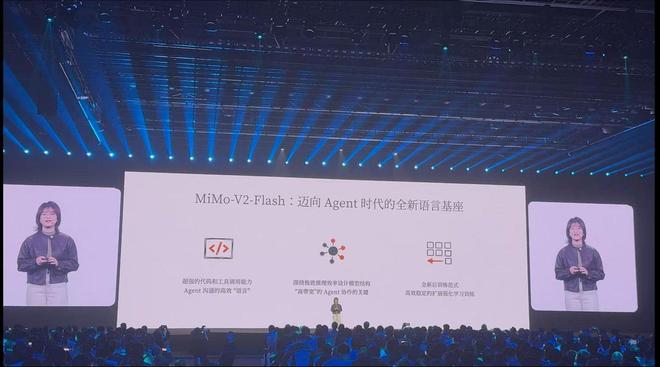
Core Insights - Xiaomi is making significant advancements in the AI large model sector, highlighted by the introduction of the MiMo-V2-Flash model, which boasts 309 billion total parameters and 15 billion active parameters, ranking among the top open-source models globally [2][3] - The company plans to invest 200 billion yuan (approximately 28.5 billion USD) in research and development over the next five years, with an expected R&D expenditure of 32-33 billion yuan (approximately 4.5-4.7 billion USD) for the current year [6] Model Development - MiMo-V2-Flash is designed to be cost-effective and faster, outperforming competitors like DeepSeek-V3.2 in inference speed by three times while being slightly cheaper [3] - The model has been open-sourced, providing developers with access to all model weights and API for integration into Web Coding IDE [5] Future AI Capabilities - The next generation of intelligent systems must evolve from merely answering questions to completing tasks, requiring enhanced memory, reasoning, and planning capabilities, as well as an Omni-modal perception ability [5] - A physical model is essential for AI evolution, enabling interaction with the real world and understanding physical laws, which current models lack [5] Financial and User Metrics - Xiaomi's global monthly active users have reached 742 million, with its AIoT platform connecting 1.04 billion devices and over 15,000 hardware partners [7] - The company has opened its CarIoT platform to the automotive industry, collaborating with major car manufacturers like BYD and GAC Toyota [7]


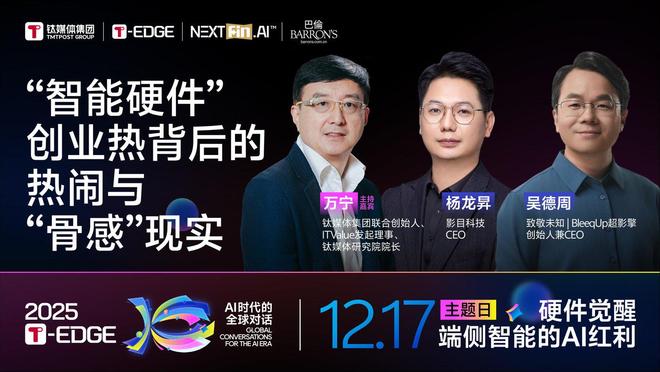
巨头插足“百镜大战”,AI眼镜的创业者们该怎么活下去|2025 T-EDGE全球对话
Tai Mei Ti A P P· 2025-12-17 06:30
2025年12月8日至21日(北京时间),钛媒体集团携手NextFin.AI、巴伦中国举办的2025 T-EDGE 全球 对话正式开启,以连续7日全球连线+贯穿2周N场闭门私享会的方式联动上海、深圳、硅谷、香港、新 加坡、日本、迪拜等全球化创新高地,汇集前沿创新思想,打造全球分布式创新盛会,展开一场【AI 时代的全球对话 Global Conversations for the AI Era】。 12月17日,「硬件觉醒,端侧智能的AI红利」主题日中,钛媒体联合创始人万宁与致敬未知|BleeqUp超 影擎创始人兼CEO吴德周以及影目科技CEO杨龙昇两位嘉宾揭秘"智能硬件"创业热背后的热闹与"骨 感"现实。 当下,AI眼镜已成为全民关注的新焦点,除了众多创业公司入局外,Meta、苹果、谷歌、阿里、小米 等巨头也纷纷加入战场。根据IDC最新发布的报告显示,对于2025年第三季度,全球范围内智能眼镜市 场出货量429.6万台,同比增长74.1%。 值得一提的是,吴德周和杨龙昇均是手机圈的老玩家,此次创业也正是看中了AI眼镜会成为"取代"手机 的下一个超级终端。不过,在中国创业,当巨头入局后,势必会引来新一轮的洗牌。 ...




瑞士信息与通信科技公司LogicStar研发代码智能体,自主修复代码漏洞 | 瑞士创新100强
Tai Mei Ti A P P· 2025-12-17 03:22
| ID | Severity | Title | Age | w/t LogicStar | | --- | --- | --- | --- | --- | | #112 | Critical | Data loss on export | 87 days | 1.5 days | | #76 | High | Payment timeout | 41 days | 2 hours | | #101 | Critical | App crashes on iOS | 103 days | | | #88 | Medium | Tooltip not showing on hover | 3 days | | | #88 | Critical | App crashes changing settings | 8 days | 4 hours | 图源LogicStar 文 | 以明科技,钛媒体APP注:自2011年以来,瑞士连续14年全球创新指数排名第一,是全 球重要的创新策源地,也是中国首个创新战略伙伴关系国,在创新发展和科技金融领域与中 国具有极佳互补性。 由Venturelab主办的"瑞士创新100强 ...

量子科技2025:“深V反转”关键一跃,从“临界点”到“赛点”
Tai Mei Ti A P P· 2025-12-17 03:22
Core Insights - Quantum technology is transitioning from laboratory research to national strategic focus, with unprecedented policy support and capital influx, but faces challenges in technology pathways and commercial viability [2][4][6] Investment Landscape - Global quantum financing experienced a "V-shaped recovery," reaching approximately 34.9 billion yuan by Q3 2025, surpassing the total of the previous two years and setting a historical high [10][18] - The U.S. quantum companies received 4.045 billion USD in funding from Q1 to Q3 2025, while China's quantum companies only secured 79 million USD, highlighting a significant funding disparity of 51 times [18][19] Policy and Strategic Initiatives - The Chinese government has prioritized quantum technology in its 15th Five-Year Plan, marking its strategic importance in future industrial development [6][7] - A strategic fund of 51 billion yuan was established to support state-owned enterprises in the quantum sector, aiming to bridge gaps in the quantum industry chain [7] Technological Advancements - Quantum computing is seen as a potential disruptor in fields like drug discovery and financial modeling, while quantum communication offers theoretically secure information transmission [8][24] - China has built the world's largest quantum communication network, with significant advancements in quantum key distribution and secure communication applications [33][45] Market Dynamics - The market for quantum technology is characterized by a stark contrast between the U.S. and China, with U.S. companies receiving substantial government contracts and funding, while Chinese companies struggle to convert technological breakthroughs into commercial success [22][24] - The Chinese quantum industry is rich in innovative startups but lacks the large-scale strategic capital necessary for significant market impact [21][48] Future Outlook - By 2030, the competition in quantum technology will likely focus on the ability to transition from theoretical research to reliable products and robust application ecosystems [3][40] - The development of quantum computing hardware and the establishment of a comprehensive supply chain will be critical for both U.S. and Chinese companies to succeed in the global quantum race [49]



中美芯片政策松动之际,苏姿丰带队低调访华
Tai Mei Ti A P P· 2025-12-17 02:16
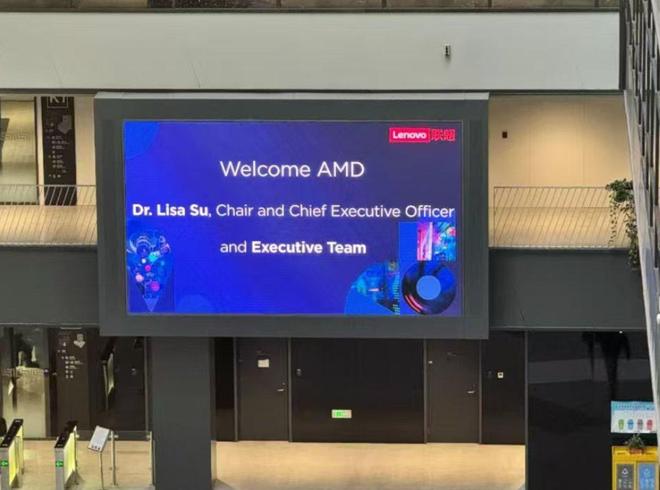
Core Viewpoint - AMD's CEO, Lisa Su, is visiting China to explore new opportunities amid a recent easing of U.S. chip export restrictions, indicating a strategic move to strengthen partnerships in the Chinese market [2][5]. Group 1: AMD's Visit and Partnerships - Lisa Su and her executive team visited Lenovo's headquarters in Beijing, marking a significant engagement with a key partner in China [2]. - The visit included a tour of Lenovo's latest products, including humanoid robots, showcasing the collaborative spirit between the two companies [2]. - This visit is notably more subdued compared to Su's previous high-profile trip to China in March, reflecting a shift in approach [2][3]. Group 2: U.S.-China Chip Export Policies - The U.S. government previously imposed export restrictions on companies like AMD and NVIDIA, requiring licenses for chip sales to China, which has impacted their revenue streams [5][6]. - Recent developments suggest a potential easing of these restrictions, with proposals for chip manufacturers to pay a tax on sales to China in exchange for export licenses [5][6]. - AMD's revenue from China is projected to account for 24% of its total revenue in 2024, highlighting the importance of the Chinese market for the company [5]. Group 3: Competitive Landscape - AMD's MI308 chip has received an export license but has not yet been shipped to China, raising questions about its market potential amid increasing competition from domestic Chinese chips [6]. - NVIDIA's market share in China has drastically dropped from 95% to 0%, indicating a significant shift in the competitive landscape for AI chips [5][6]. - The urgency for AMD to capture market share from NVIDIA is heightened by the evolving regulatory environment and the growing strength of local competitors [6].