晚点LatePost

Search documents
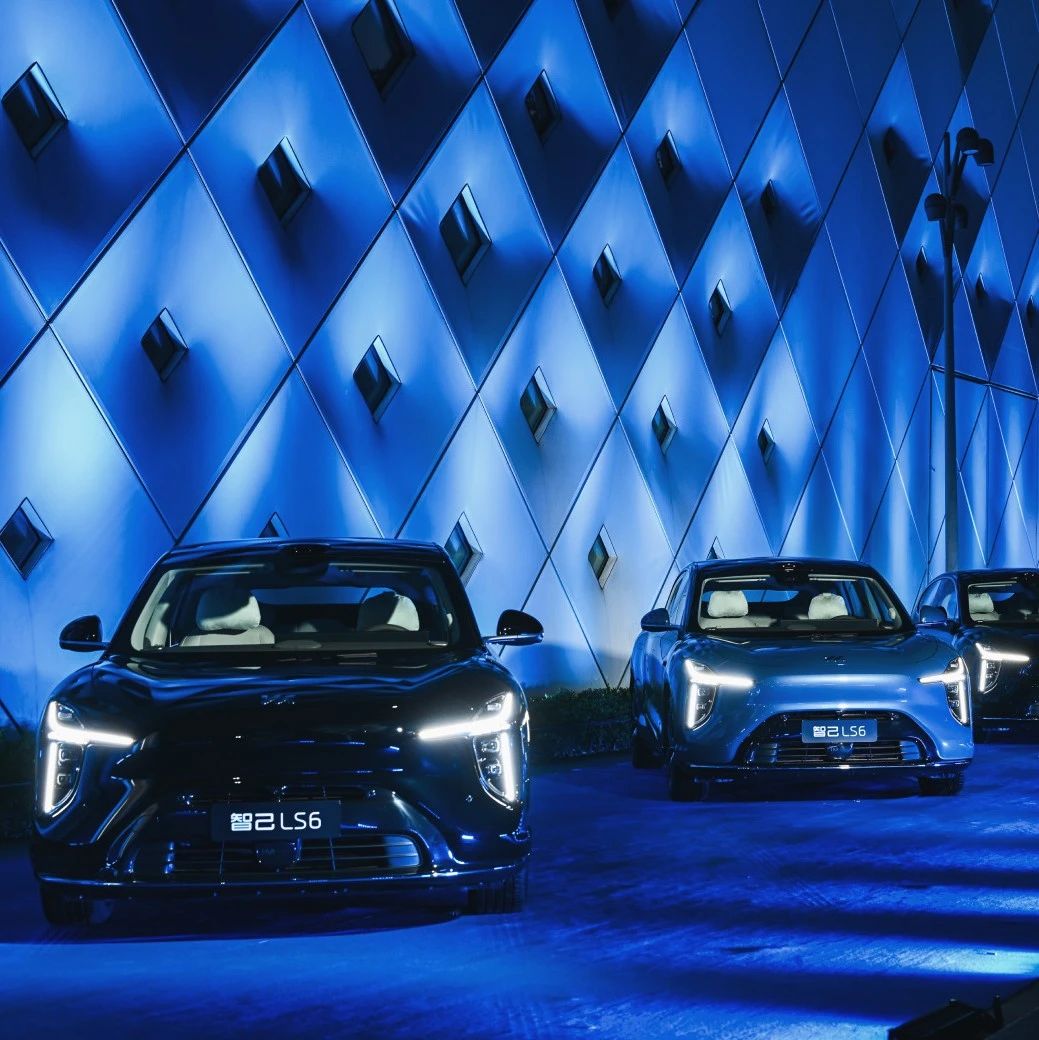
大电池增程时代来临,吹响首个号角的是智己汽车
晚点LatePost· 2025-08-21 13:45
Core Viewpoint - The new generation of Zhiji LS6 aims to break the bottleneck in the growth of new energy vehicle penetration by introducing a large battery range extender, addressing the limitations of existing range-extended vehicles and appealing to fuel vehicle users [1][4][12]. Summary by Sections Product Launch and Market Response - The new generation Zhiji LS6 was launched for pre-sale on August 15, achieving over 10,000 orders within half an hour and trending on social media platforms [2][3]. - The vehicle is available in 8 versions, with a starting price of 209,900 yuan, and features the Zhiji Star Super Range Extender, which has significantly increased foot traffic and user inquiries at dealerships [2]. Technological Innovations - Zhiji LS6 features a 66 kWh battery, providing a pure electric range of over 450 km, which is the longest among current range-extended vehicles, thus setting a new standard in the market [5][7]. - The vehicle combines electric and fuel power, achieving a total range of 1500 km, and utilizes an 800V ultra-fast charging platform that allows for a 310 km charge in just 15 minutes [7][8]. Market Dynamics and User Insights - The penetration rate of new energy vehicles has stagnated, with fuel vehicles still holding nearly half of the new car sales. There is a need for a new product category to attract fuel vehicle users [4][12]. - Research indicates that most users prefer electric driving experiences but are concerned about charging convenience. The Zhiji LS6 aims to alleviate these concerns by offering a vehicle that can meet daily commuting and weekend travel needs with minimal charging [6][7]. Competitive Positioning - Zhiji LS6 is positioned to attract users from both fuel and lower-priced electric vehicle segments, with a competitive pricing strategy that aligns with the total cost of ownership of fuel vehicles [20][21]. - The vehicle's design and features have been optimized based on user feedback and market characteristics, enhancing its appeal in both southern and northern markets [13][16]. Brand Development and Future Outlook - Zhiji has established a solid brand presence since its inception, accumulating nearly 150,000 users and achieving significant sales milestones in the competitive electric SUV market [19][21]. - The company is poised for growth as it transitions from pure electric to range-extended vehicles, leveraging its technological advancements and market positioning to capture a larger share of the new energy vehicle market [21].

有车企缺订单,小米汽车缺产能丨一分钟财报
晚点LatePost· 2025-08-21 13:45
Core Viewpoint - Xiaomi's automotive business has shown strong performance, significantly contributing to the company's overall revenue growth and profitability, while facing challenges in meeting ambitious delivery targets and managing operational efficiency [4][5][8]. Financial Performance - In Q2 2025, Xiaomi reported total revenue of 116 billion yuan, a record high for five consecutive quarters, with an adjusted net profit of 10.8 billion yuan, representing a year-on-year increase of 75.4% [4]. - The automotive segment delivered 81,000 vehicles, generating approximately 20.6 billion yuan in revenue, accounting for nearly 20% of the total revenue [4]. - The average selling price of vehicles increased by 16,000 yuan to 254,000 yuan, with a quarterly gross margin rising to 26.4% despite industry-wide price wars [4]. Delivery Goals and Challenges - Xiaomi aims to deliver 350,000 vehicles by the end of the year, requiring nearly 200,000 deliveries in the second half, averaging over 33,000 vehicles per month [5][6]. - As of July, Xiaomi had over 400,000 undelivered orders, with significant wait times for certain models, indicating strong demand but also potential risks if market conditions change [5][6]. Production Capacity and Operational Efficiency - The first phase of the Beijing factory has reached its production capacity, while the second phase, with an annual capacity of 150,000 vehicles, has not yet commenced operations [6]. - The rapid expansion of sales, delivery, and after-sales service systems poses management challenges and potential inefficiencies, as initial customer traffic has begun to decline [7]. Strategic Direction - Xiaomi's management emphasizes the importance of order fulfillment over engaging in price wars, focusing on maintaining delivery schedules and improving operational efficiency [4][5]. - The company has opened 335 automotive sales outlets in China and plans to continue expanding its retail presence while upgrading existing stores [7]. Long-term Outlook - Xiaomi's entry into the automotive market is seen as a unique success, leveraging favorable market conditions and a strong talent pool, but the company acknowledges the need for rigorous cost control and stable supply chain management to ensure long-term profitability [8].
告别极客浪漫,小鹏逼近季度盈利丨一分钟财报
晚点LatePost· 2025-08-20 02:31
Core Viewpoint - Xiaopeng Motors aims to achieve its first quarterly profit in Q4 of this year, supported by strong performance in Q2 with significant reductions in operating and net losses [5][12]. Financial Performance - In Q2, Xiaopeng reported an operating loss of 930 million yuan, a year-on-year decrease of 41.9%, and a net loss of 480 million yuan, down 62.8%, marking the best performance since its IPO [5]. - Total gross profit reached 3.17 billion yuan, a year-on-year increase of 1.8 times, with the automotive business contributing 2.42 billion yuan, up 4.6 times [6]. - The sales and management expense ratio improved to 11.9%, a decrease of 7.5 percentage points year-on-year [6]. Sales and Production - Xiaopeng's monthly sales are expected to stabilize at over 40,000 units starting in September, driven by new model deliveries [4][7]. - The average selling price per vehicle dropped to 153,000 yuan due to the introduction of lower-priced models, but it rebounded to 164,000 yuan in Q2 as new models were delivered [7]. Cash Flow and Financial Health - Xiaopeng's free cash flow exceeded 2 billion yuan in Q2, with cash reserves increasing by 2.29 billion yuan to a historical high of 47.57 billion yuan [12]. - The company expects Q3 new vehicle deliveries to range from 113,000 to 118,000 units, representing a year-on-year growth of 142.8% to 153.6% [12]. Strategic Initiatives - Starting in Q4, Xiaopeng will enter a new product cycle with the launch of the extended-range X9, aiming to enhance profitability through advanced AI-assisted driving capabilities [12]. - The collaboration with Volkswagen is seen as a key differentiator, allowing Xiaopeng to dilute initial high costs more effectively [12][13]. - The company is shifting focus from merely pursuing high-profile models to strengthening its operational efficiency and product quality [13].

年轻人反向抄底爆雷车:7 折买顶配的冒险游戏
晚点LatePost· 2025-08-20 02:31
Core Viewpoint - The article discusses the phenomenon of young consumers purchasing "exploded" electric vehicles at significantly discounted prices, highlighting a shift in consumer perception towards automotive purchases and the impact of market dynamics on pricing strategies [5][7][28]. Group 1: Market Dynamics - The electric vehicle (EV) market is experiencing a brutal price war, with companies like BYD offering substantial discounts on popular models, prompting competitors like Geely and Xpeng to follow suit [7][14]. - The emergence of "exploded" vehicles, which are models from companies that have faced financial difficulties, has led to significant price reductions, making them attractive to budget-conscious consumers [9][14]. - The article notes that the pricing strategy in the EV market is less stable compared to traditional vehicles, with configurations and features becoming the primary focus for consumers rather than brand loyalty [27][28]. Group 2: Consumer Behavior - Young consumers are increasingly willing to purchase vehicles from companies that have faced bankruptcy, viewing the products as having good value due to their features and specifications, rather than being deterred by the brand's financial issues [23][28]. - The article highlights that many buyers are motivated by the desire for high-specification vehicles at lower prices, leading them to compare their purchases against higher-priced models [14][28]. - The perception of vehicles as disposable and the willingness to change cars every few years has shifted consumer attitudes, making them less concerned about long-term brand reliability [8][25]. Group 3: Vehicle Specifications - The article provides a comparison of specifications between various models, indicating that "exploded" vehicles often offer features that rival those of higher-priced competitors, such as large batteries and advanced technology [15][14]. - For instance, the Geely Extreme 07 offers a C-class space and a large battery at a price point of 140,000 yuan, which is significantly lower than similar models from competitors [14][15]. - The article emphasizes that the current EV market is characterized by "over-specification," where vehicles are equipped with features that were previously exclusive to higher-end models [27][28]. Group 4: Sales Channels and Challenges - Following the bankruptcy of certain manufacturers, traditional sales channels have been disrupted, leading consumers to seek vehicles through non-official channels, which can complicate the purchasing process [21][18]. - The article mentions that buyers often face challenges in verifying the condition of vehicles and ensuring proper warranty coverage, as many of these transactions occur outside of established dealership networks [21][22]. - Despite the risks, many consumers are willing to navigate these challenges, believing that the potential savings outweigh the uncertainties associated with purchasing "exploded" vehicles [23][25].

晚点独家丨“豆包手机” 酝酿中,字节为大模型寻硬件载体
晚点LatePost· 2025-08-19 11:16
Core Viewpoint - ByteDance is exploring the integration of AI capabilities, super apps, and hardware terminals through its upcoming AI phone, "Doubao," which is set to be produced by ZTE and primarily tested internally before any external sales [3][4][6]. Group 1: AI Phone Development - ByteDance is developing an AI phone named "Doubao," with ZTE as the ODM manufacturer, expected to launch by the end of this year or early next year [4]. - The Ocean team, responsible for AI hardware at ByteDance, is exploring various AI devices, including the recently launched Ola Friend smart headphones and upcoming AI glasses [4][6]. - The decision to self-develop the Doubao phone came after difficulties in partnering with existing phone manufacturers, who preferred to maintain control over AI model integration [6][7]. Group 2: Strategic Goals and Historical Context - ByteDance's CEO outlined three major AI goals for 2025: exploring intelligent limits, new UI interaction forms, and enhancing scale effects, with hardware like phones being a key focus [7]. - Previous hardware attempts by ByteDance, such as the Dali smart lamp and the acquisition of VR brand PICO, faced challenges, leading to significant resource allocation shifts [7][8]. - The integration of AI capabilities into hardware is seen as crucial for the deployment of large models, particularly in the smartphone sector [8]. Group 3: Competitive Landscape - ByteDance's move into the smartphone market aims to achieve a "trinity" of AI capabilities, super apps, and hardware, similar to Google's ecosystem with its Gemini models and Pixel phones [8]. - The upcoming Google Pixel 10 series is expected to feature several AI enhancements, highlighting the competitive nature of AI integration in smartphones [8].
电商供应链的医药叙事:成本拆解、反向定制、服务穿透
晚点LatePost· 2025-08-19 07:49
Core Viewpoint - The article discusses how JD.com has been working for over a decade to penetrate the healthcare e-commerce market, which remains largely untapped compared to other consumer goods sectors. The focus is on the challenges and advancements in online pharmaceutical sales and the integration of healthcare services with e-commerce [2][3][4]. Summary by Sections Market Overview - From 2013 to 2022, the sales scale of physical pharmacies in China grew from 361.6 billion to 611.7 billion RMB, with a compound annual growth rate (CAGR) of 6.02%. In contrast, the market size of pharmaceutical e-commerce surged from 4.3 billion to 260.8 billion RMB, achieving a staggering CAGR of 57.8% [4]. - Despite the rapid growth of e-commerce, traditional pharmaceutical sales channels still dominate, indicating that the healthcare sector has not been fully penetrated by the internet [4]. Challenges in Pharmaceutical E-commerce - The complexity of compliance and supply chain management presents significant challenges for the e-commerce of pharmaceutical products. The regulatory environment is stringent, requiring extensive time for drug development and approval [5][6]. - The average time for a drug to go from development to market in China is over eight years, which includes two years of research, five years of clinical trials, and one year for approval [4][6]. JD.com's Strategy and Development - JD.com began its foray into the healthcare sector by selling health-related products and officially entered the pharmaceutical retail market in 2015 after obtaining the necessary licenses [6][7]. - The company has invested heavily in building a compliant supply chain, including specialized warehouses that meet Good Supply Practice (GSP) standards, ensuring the safe storage and delivery of pharmaceuticals [8][9]. Integration of Healthcare Services - JD.com has expanded its services beyond mere drug sales to include online health consultations and a comprehensive "medical + drug" service model, addressing the inefficiencies in traditional healthcare delivery [16][17]. - The establishment of an integrated service system allows patients to receive online consultations, lab tests, and home delivery of medications, thereby streamlining the healthcare process [18][19]. Innovations and Future Directions - The introduction of AI technologies, such as AI doctors and nutritionists, has significantly improved service efficiency and customer engagement, with AI-driven interactions showing higher conversion rates compared to human responses [29][30]. - JD.com aims to leverage its extensive user data to assist pharmaceutical companies in clinical trial patient recruitment, thereby enhancing the drug development process [24][25]. Financial Performance - In the first half of 2025, JD Health reported total revenue of 35.3 billion RMB, a year-on-year increase of 24.5%, with a significant portion of revenue coming from medical devices, nutritional supplements, and pharmaceutical sales [16].



车市大变,零跑小胜丨一分钟财报
晚点LatePost· 2025-08-19 07:49
Core Viewpoint - Leap Motor has demonstrated aggressive growth expectations by raising its annual sales target to 650,000 units, reflecting a 155.7% increase in sales in the first half of the year, and achieving its first half-year net profit of approximately 33 million yuan [4][5][6]. Financial Performance - Leap Motor's total revenue for the first half of the year was approximately 24.25 billion yuan, with a growth rate faster than sales [5]. - The gross margin increased from 1.1% in the same period last year to 14.1%, with expectations to rise to around 15% in the second half of the year [5][6]. - Operating efficiency improved significantly, with revenue increasing by 15.37 billion yuan while R&D, marketing, and administrative expenses only rose by 1.53 billion yuan [6]. Strategic Initiatives - The company has adopted a cost control strategy focused on platformization and high commonality of parts, allowing for significant cost savings and improved bargaining power [10][11]. - The B series vehicles, which are priced between 100,000 to 150,000 yuan, have achieved monthly sales of over 10,000 units, showcasing the effectiveness of their aggressive pricing and configuration strategy [11]. Market Positioning - Leap Motor aims to challenge the high-end market with the upcoming D series, priced between 200,000 to 250,000 yuan, set to be unveiled in October [12]. - The company prioritizes scale over short-term profits, with a target of 1 million annual sales as a survival line [12]. Industry Context - The Chinese automotive market is experiencing intense competition, with many companies adopting conservative growth expectations, contrasting with Leap Motor's aggressive stance [5][13]. - The rapid evolution of technology and market dynamics is pushing the industry into a high-investment, high-risk environment, where no company can feel completely secure [13][14].
取消 KPI、放暑假,凯乐石从上班开始重塑品牌丨晚点周末
晚点LatePost· 2025-08-17 12:24
Core Viewpoint - The article highlights the unique corporate culture and innovative strategies of Kailas, an outdoor sports brand founded by Zhong Chengzhan, who emphasizes a fun and engaging work environment over traditional performance metrics like KPIs [3][4][15]. Group 1: Company Culture - Kailas promotes a non-traditional work culture where employees are encouraged to engage in outdoor activities, with a monthly goal of 42 kilometers for all staff [4][9]. - The company has eliminated KPIs, allowing employees more freedom and creativity, which has led to increased job satisfaction and innovation [4][38]. - Employees participate in unique onboarding experiences, such as outdoor activities, fostering a strong connection to the brand's mission [10][12]. Group 2: Product Development and Innovation - Zhong Chengzhan is deeply involved in product development, focusing on high-performance outdoor gear that can withstand extreme conditions, such as the GT snow mountain down jacket series [16][19]. - The company has shifted its product line to emphasize professional outdoor gear, reducing casual wear to focus on high-performance items [17][22]. - Kailas has developed a unique supply chain advantage, allowing for specialized products tailored to the needs of Asian consumers, such as enhanced insulation and weather resistance [17][18]. Group 3: Market Position and Growth - Since the pandemic, there has been a surge in demand for outdoor products, leading to significant growth for Kailas, which has expanded its retail presence with 44 new stores in the past year [25][22]. - The brand is recognized as the only Chinese outdoor brand capable of providing a full range of climbing equipment from 5,000 to 8,000 meters [19][26]. - Kailas has a strong commitment to sponsoring outdoor activities and training programs, enhancing its brand visibility and community engagement [29][34].

车企承诺 “60天内付款” 满期调查:兑现有限,压力仍在转移
晚点LatePost· 2025-08-15 10:57
Core Viewpoint - The automotive industry is experiencing significant changes in payment terms and competitive dynamics, with a focus on reducing payment periods to 60 days for suppliers, but the effectiveness of these changes remains uncertain [5][7][10]. Group 1: Payment Terms and Supplier Dynamics - Many suppliers report that while automotive companies have announced a reduction in payment terms to 60 days, most are still receiving promissory notes or documents instead of cash [5][6]. - Smaller suppliers are seeing their payment terms shortened to 60 days, with some companies like BYD implementing cash payments, while larger suppliers are not experiencing significant improvements in payment terms [7][8]. - The implementation of the "60-day payment term" initiative is seen as a critical action against internal competition in the automotive industry, but many suppliers remain skeptical about its effectiveness [6][10]. Group 2: Industry Competition and Market Dynamics - The automotive industry is characterized by a lack of trust among competitors, leading to a pessimistic outlook for the future, with many believing that true change will only occur when enough players exit the market [6][10]. - The competitive pressure is shifting from automotive companies to larger suppliers, who are now required to extend payment periods to smaller suppliers, creating a new layer of competition [9][10]. - The industry is facing a price war, with companies exploring ways to enhance vehicle features without raising prices, indicating that the competition is far from over [10][16]. Group 3: Regulatory Environment and Future Outlook - The Ministry of Industry and Information Technology has initiated investigations into automotive costs and pricing, aiming to guide prices back to reasonable levels [16][17]. - Historical lessons from Japan's automotive industry suggest that government intervention and support for technological advancement can help alleviate intense competition and improve industry health [17][18]. - The current state of the Chinese automotive industry, particularly in the electric vehicle sector, is at a critical juncture, with potential slowdowns anticipated as incentives decrease [17][18].


理想的七大流程、小鹏的四条横线:车企 IPD 建设热潮下的管理焦虑
晚点LatePost· 2025-08-15 05:01
Core Viewpoint - The success of Huawei is not solely attributed to its Integrated Product Development (IPD) system, but rather, Huawei's achievements have created a myth around IPD itself [3][40]. Group 1: IPD Adoption in Automotive Industry - The Chinese automotive market is increasingly adopting IPD as a solution to its challenges, with companies like Li Auto and Xpeng leading the way in implementing these processes [4][6]. - Li Auto has established seven primary processes by 2024, including DSTE (Develop Strategy to Execute), IPD, IPMS (Integrated Product Marketing & Sales), and ISC (Integrated Supply Chain) [4]. - Xpeng's management emphasizes the importance of process and tool integration as foundational to organizational capability, with a focus on XPD (Xpeng Product Development) as a key step towards structured product development [5][6]. Group 2: Huawei's Process Management System - Huawei's process management system is often described as a "myth," with narratives surrounding its development and customer-centric design [7][8]. - Ren Zhengfei, Huawei's founder, emphasized the importance of management and service as internal capabilities that cannot be externally sourced, highlighting the need for a responsible process management system [7][8]. - Huawei's process management framework consists of three layers: Operating, Enabling, and Supporting, with a strong focus on product development through IPD [8][10]. Group 3: Automotive Business Logic - The automotive industry has unique characteristics, requiring significant investment and a complex supply chain, ultimately focusing on inputs and outputs related to sales and profits [12][13]. - Effective strategy execution in automotive companies involves long-term technological investments, mid-term branding and product development, and short-term marketing efforts [13]. Group 4: Li Auto's Process Structure - Li Auto's organizational adjustments have centralized R&D, supply chain, and sales under a unified leadership to enhance integration, while maintaining a focus on strategic development [15][19]. - The DSTE process at Li Auto incorporates strategic planning, execution, and evaluation, ensuring alignment with long-term goals [16][19]. Group 5: Xpeng's Process Development - Xpeng's process development began with IPD, focusing on product assurance and gradually expanding to include DSTE, ISC, and IPMS [24][30]. - The emphasis on horizontal processes aims to break down information silos and enhance collaboration across departments, ensuring a cohesive approach to product development [28][30]. Group 6: Case Studies of Li Auto and Xpeng - Li Auto's MEGA project faced challenges that led to organizational restructuring, integrating product development with commercial operations to ensure a closed-loop process [31][33]. - Xpeng's G9 launch encountered difficulties, prompting significant internal adjustments to enhance communication and collaboration, ultimately leading to successful product launches like the P7+ [34][35]. Group 7: Limitations of Process Management - The reliance on process management alone does not guarantee success; effective management practices must accompany process implementation to address underlying issues [36][40]. - Many companies may superficially adopt process frameworks without genuinely transforming their management practices, leading to a disconnect between processes and actual execution [38][40].