晚点LatePost

Search documents
高德如何造出全球首个地图 AI ?
晚点LatePost· 2025-08-14 09:27
Core Viewpoint - The article discusses the transformation of AI from a "dialogue tool" to an "action partner," emphasizing the importance of long-term, real, and closed-loop data in enhancing AI capabilities and applications in the mapping industry [3][11][12]. Group 1: AI Transformation in Mapping - Gaode has announced a comprehensive AI transformation, launching "Gaode Map 2025," which upgrades the map into an AI-native application based on spatial intelligence [3][4]. - The new AI capabilities allow the map to not only connect starting points and destinations but also to "see, reason, and act," evolving from a simple navigation tool to a spatial intelligent agent [4][5]. - The essence of spatial intelligence is to perceive, reason, and make decisions in three-dimensional space and time, enabling the map to understand dynamic traffic, geographical features, and user intentions [5][6]. Group 2: Data Accumulation and AI Training - Over the past 20 years, Gaode has accumulated vast amounts of data, creating a rich training ground for AI, which includes traffic patterns, road conditions, and user interactions [6][7]. - The AI system can provide real-time warnings and predictions, enhancing safety by expanding the warning time window from seconds to 1-2 minutes [6][7]. - Gaode's AI capabilities are built on a foundation of extensive temporal and spatial data, allowing for proactive risk assessment and decision-making [7][8]. Group 3: User-Centric AI Features - Gaode's AI assistant, "Xiao Gao Teacher," is designed to understand user needs and generate personalized travel plans, integrating various services seamlessly [8][9]. - The AI system emphasizes "spatiality," adapting recommendations based on the user's location, time, and context, thus enhancing the relevance of suggestions [9][10]. - The platform's AI capabilities are structured to handle both high-frequency scenarios with quick responses and more complex planning tasks that require deeper understanding [9][10]. Group 4: Strategic Vision and Future Outlook - Gaode's CEO emphasizes that the shift to spatial intelligence is not just a trend but a necessary evolution, as the company aims to connect the digital and physical worlds [11][13]. - The company views spatial intelligence as a core component of its mission to improve travel and life experiences, positioning itself as a leader in the AI-driven mapping industry [12][13]. - The future of mapping is envisioned as a dynamic, intelligent system that not only provides directions but also enhances overall travel efficiency and safety [27][28].

晚点独家丨理想撤销五大战区架构,任命新的销售业务负责人
晚点LatePost· 2025-08-14 09:27
Core Viewpoint - Li Auto is restructuring its sales and service system to enhance support for frontline experts and improve user operation capabilities centered around stores [4][6][8]. Group 1: Organizational Changes - Li Auto has dissolved its previous "Five Major War Zones" structure and will now manage 23 regions directly from headquarters [4][7]. - The new management model will adopt a "Large Region + War Zone" approach, similar to the previous provincial management system [7]. - The sales business will be led by Han Xi, who has been a key player in Li Auto's early development [8]. Group 2: Sales and Delivery Performance - In 2023, Li Auto delivered approximately 372,000 vehicles, representing a year-on-year growth of over 180% [7]. - The restructuring aims to allocate resources more effectively to sales, with a focus on local market demands and competition [7][8]. Group 3: New Departments and Leadership - Li Auto has established two new departments within the sales and service sector: Marketing and Sales Service Operations [8]. - The Marketing Department will be led by Feng Wei, while the Sales Service Operations Department will be headed by Fan Chenjie [8].

外卖大战全景:三亿杯奶茶重新分配财富与辛苦
晚点LatePost· 2025-08-13 14:34
Core Viewpoint - The ongoing competition between major food delivery platforms, particularly Meituan and Alibaba's Taobao Flash Sale, has intensified, leading to unprecedented order volumes and operational challenges for tea beverage brands and their supply chains [5][6][8]. Group 1: Competition Dynamics - On August 7, 2025, over 260 million orders were placed across Taobao Flash Sale and Meituan, more than double the previous year's figures, marking a historical high [5][6]. - The three-day promotional event at the start of autumn saw over 600 million total orders, with more than half attributed to tea and coffee beverages [6][8]. - The competition has led to a clear offensive and defensive strategy between the two platforms, with Taobao focusing on aggressive growth through subsidies while Meituan aims for efficiency and targeted user engagement [8][9]. Group 2: Operational Challenges - Many tea beverage brands faced significant operational strain, with reports of staff exhaustion and supply shortages during peak order times [5][31]. - The rapid increase in order volume has tested the supply chain efficiency, with brands struggling to maintain adequate stock levels and manage labor effectively [31][32]. - Brands have had to adapt their operational strategies, including adjusting order processing methods to cope with sudden spikes in demand [32][35]. Group 3: Financial Implications - The financial dynamics of the promotional battles have shifted, with brands increasingly reliant on platform subsidies to maintain order volumes, leading to concerns about long-term profitability [10][19]. - Major brands like Mixue and Luckin Coffee have reported significant sales increases, while smaller brands struggle to keep up with the competition and maintain profitability [26][27]. - The cost-sharing model for subsidies often places a financial burden on both platforms and brands, complicating the profitability landscape [24][25]. Group 4: Consumer Behavior - Consumer habits are shifting as promotional activities become more frequent, leading to a potential desensitization to discounts and a challenge for brands to maintain pricing power [28][29]. - The reliance on promotional events has altered consumer expectations, making it difficult for brands to revert to standard pricing without losing market share [28][29]. - The overall market for tea beverages is expanding, but the sustainability of this growth amidst aggressive discounting strategies remains uncertain [27][28].

纯电 SUV 赛道升级,理想 i8 如何突围?
晚点LatePost· 2025-08-12 08:42
Core Viewpoint - The launch of the Li Auto i8 has not met market expectations, prompting the company to quickly adjust its product strategy and pricing to better align with user demands and market conditions [3][4][10]. Group 1: Market Dynamics and User Feedback - The i8's initial release faced challenges due to complex configuration options and pricing, leading to increased user choice costs and affecting conversion rates [3][4]. - Li Auto's CEO acknowledged that user feedback indicated a desire for more straightforward configurations and reasonable pricing, which led to a rapid adjustment in strategy [3][10]. - The competitive landscape for mid-sized electric SUVs has intensified, with price competition becoming fierce, making it difficult for Li Auto to maintain its market share without diluting its brand [4][5]. Group 2: Product Strategy and Financial Health - The i8 is positioned as a key model for Li Auto's entry into the pure electric vehicle market, requiring a balance between pricing, commercial viability, and maintaining the performance of existing models [6][10]. - Li Auto has demonstrated strong financial health, achieving profitability for ten consecutive quarters and maintaining a gross margin of 22% and a net margin of nearly 10% as of Q1 2023 [11][12]. - The company has a significant cash reserve of 53.2 billion yuan, providing it with the capacity to invest in product development and market expansion [11][12]. Group 3: Design and Consumer Preferences - The i8 features a unique design language that appeals to consumers seeking innovation in a market characterized by design homogenization [13][14]. - The vehicle's spacious interior and advanced features, such as high-level driver assistance systems, cater to family users, enhancing its attractiveness in the competitive landscape [14][21]. - Li Auto's focus on user-centric design and addressing consumer pain points has positioned the i8 as a strong contender in the mid-range electric SUV market [17][22]. Group 4: Industry Trends and Future Outlook - The automotive industry is shifting from price wars to a focus on product quality and differentiation, with companies needing to redefine their competitive strategies [18][19]. - As the market matures, there is a growing emphasis on sustainable growth and high-quality offerings, which may benefit companies like Li Auto that prioritize product innovation and user experience [18][19]. - The i8's pricing strategy and design are expected to expand its potential consumer base, reducing internal competition with other models in Li Auto's lineup [22].
晚点独家丨上个周末,淘宝闪购峰值超过了美团
晚点LatePost· 2025-08-11 15:49
Core Viewpoint - Taobao Flash Sales achieved over 100 million daily orders for three consecutive days, marking a significant milestone in its competition with Meituan, especially during promotional events [2][6]. Group 1: Order Volume Comparison - On August 7, Taobao Flash Sales set a new daily order record, but Meituan still surpassed it by approximately 20 million orders [2]. - From August 7 to 9, Taobao Flash Sales' daily order volume exceeded 100 million, with its market share surpassing Meituan for the first time on August 8 and 9 [2][6]. Group 2: Order Measurement Discrepancies - The order volume metrics used by Meituan and Taobao Flash Sales differ; Meituan counts completed deliveries, while Taobao counts completed transactions, including pre-orders for the next day [3][5]. - On August 7, nearly 10% of Taobao Flash Sales' orders were pre-orders, which may inflate its order volume compared to Meituan's metrics [3]. Group 3: Promotional Strategies and Spending - Taobao Flash Sales increased its subsidies for beverage orders significantly during the promotional period, spending around 400 million yuan on August 7 alone [6]. - In July, Taobao Flash Sales spent over 10 billion yuan on subsidies across merchants, consumers, and delivery personnel, while Meituan's spending was about one-third to one-half of that amount [6]. Group 4: Competitive Landscape - Meituan's strategy shifted from aggressively increasing order volume to focusing on retaining high-value members, as indicated by a drop in average order value during intense competition [7]. - Taobao Flash Sales is positioning itself aggressively in the market, integrating various Alibaba resources to enhance its competitive edge [6][8].


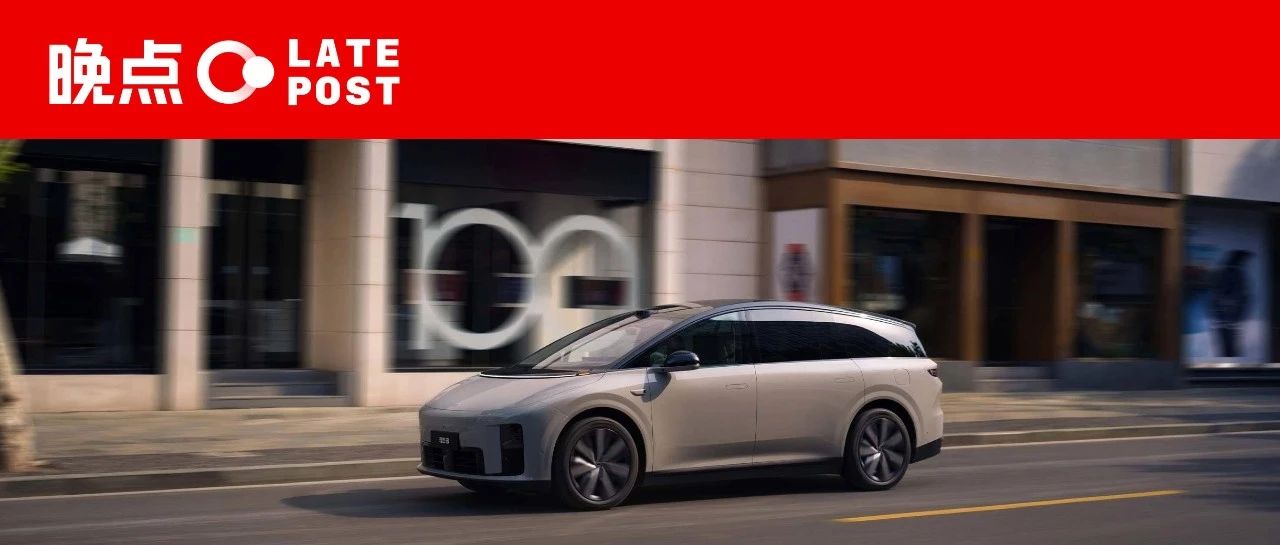
智界独立运作,华为这次能否救活智界?
晚点LatePost· 2025-08-07 11:06
Core Viewpoint - Huawei is signaling a significant increase in resource investment in its automotive brand, Zhijie, in collaboration with Chery, aiming to overcome past challenges and enhance operational efficiency [3][5][6]. Group 1: Investment and Development Strategy - Huawei and Chery plan to invest over 10 billion yuan and establish a 5,000-person R&D team for Zhijie, marking the brand's transition to a 2.0 development phase [3][5]. - The partnership aims to solidify Zhijie's position as a "pure-blood Hongmeng intelligent driving" brand, leveraging increased resources and a more efficient operational framework [5][6]. Group 2: Challenges and Adjustments - Zhijie's sales have not met expectations, with over 100,000 units delivered, ranking second within the Hongmeng intelligent driving system, but still facing competitive pressures in the Chinese EV market [6][9]. - Delivery delays for the Zhijie S7 highlighted operational inefficiencies between Huawei and Chery, prompting cash compensation to affected customers [9][10]. Group 3: Independent Operations and Management - Zhijie will operate independently under a new structure, with Huawei taking a leading role in management and strategic decision-making, while Chery supports the initiative [10][12]. - The establishment of a dedicated Zhijie New Energy Company aims to streamline operations and enhance product quality control [10][12]. Group 4: Technological Advancements - Zhijie models will incorporate Huawei's cutting-edge technologies, such as the "Giant Whale" 800V high-voltage platform and advanced driver assistance systems, enhancing performance and user experience [14][15]. - Continuous R&D investment of approximately 20 billion yuan annually by Huawei aims to maintain technological leadership in the automotive sector [15][17]. Group 5: Brand Building and Market Positioning - Despite being a new brand, Zhijie has the potential for long-term growth, as the EV market evolves and consumer decision-making shifts towards brand trust and long-term value [18][19]. - Huawei and Chery are prioritizing brand development, recognizing that strong brand equity is essential for consumer trust and market success [19][21]. Group 6: Future Product Plans - Zhijie plans to launch updated models of the Zhijie R7 and S7, enhancing features and adopting aggressive pricing strategies to compete in the market [21][23]. - The brand's product lineup is set to expand with new models, including a large SUV and the first MPV by 2026, aiming for a more comprehensive product matrix [23][24].
当资本褪去,民营体检行业陷入规模化陷阱
晚点LatePost· 2025-08-06 04:18
Core Viewpoint - The article discusses the transformation of the private health examination market in China, highlighting the shift from a "scale is king" approach to a more constrained growth model due to increasing operational costs and competitive pressures [4][5]. Market Overview - The health examination market in China has evolved significantly since 2018, with major players like Aikang Guobin and Meinian Health facing new challenges [5]. - The market size grew from 749 billion CNY in 2014 to approximately 2,922 billion CNY in 2023, with the number of health examinations increasing from 373 million to 492 million [6]. Competitive Landscape - The period around 2015 was marked by intense competition among major private health examination providers, with significant capital investment aimed at rapid expansion [7]. - Aikang Guobin and Meinian Health both experienced substantial growth in the number of examination centers, with Aikang expanding from 45 centers in 2014 to 110 in 2017, and Meinian growing from 263 centers in 2016 to 599 in 2019 [7][8]. Financial Performance - Aikang's revenue increased from 2 billion USD in 2014 to 5.6 billion USD in 2018, but its net profit margin fell from 11% to -3% during the same period, indicating rising operational pressures [15]. - Meinian's financial structure also showed a declining trend in profitability, although it managed to optimize results through acquisitions of well-performing centers [17]. Operational Challenges - The industry faces increasing operational costs due to heightened competition, leading to a potential decline in average revenue per center and overall profitability [13][19]. - The reliance on B-end clients, primarily large companies, creates a dependency that may misalign with the core service of health screening, resulting in operational pressures for both large and small examination centers [19]. Future Outlook - The article suggests that the capital enthusiasm for the health examination sector is waning, which may hinder further expansion and intensify competition among existing players [13][19].
乐道、i 系列、MONA,“蔚小理” 的中场战争与分岔路口
晚点LatePost· 2025-08-06 04:18
Core Viewpoint - The article discusses the competitive landscape of the Chinese electric vehicle market, focusing on the three new car manufacturers: Xiaopeng, NIO, and Li Auto, and their respective strategies and challenges in the evolving market [2][3][4]. Group 1: Xiaopeng Motors - Xiaopeng Motors faced significant challenges in early 2024, with sales dropping to 4,545 units in February, but rebounded dramatically with the launch of the MONA series, achieving over 20,000 units in September and 30,000 in November [3][4]. - The MONA M03 model has been a key success, with cumulative deliveries reaching 150,000 units within 10 months, making it the best-selling pure electric A-class sedan [3][4][13]. - Xiaopeng's strategy focused on targeting the C-end market, avoiding direct competition in the B-end market, which required strong cost advantages and sales capabilities that Xiaopeng lacked [14][15]. Group 2: NIO - NIO's cheapest model, the ET5, is priced at 298,000 yuan, which limits its market potential, as only 10.4% of new energy vehicles sold are in the 300,000 yuan and above category [18][21]. - NIO has built a strong service ecosystem, including battery swapping and community engagement, but this has led to high operational costs, with NIO House's monthly costs around 300,000 yuan [21][22]. - The company needs to detach its products from high service costs and focus on entering the more substantial 150,000 to 300,000 yuan market segment to drive growth [22][24]. Group 3: Li Auto - Li Auto's initial success was driven by the Li ONE, which was well-aligned with market needs, allowing the company to quickly move from MVP to PMF stages [27][28]. - The company has successfully launched multiple models, including the L9, L8, and L7, capitalizing on its established market position [28][31]. - However, Li Auto faced challenges with its new MEGA model, which did not meet sales expectations, leading to a strategic delay in the release of its pure electric series [31][32]. Group 4: Market Dynamics - The competitive landscape has shifted from a focus on growth to a more intense competition among established players and new entrants, including tech giants like Huawei and Xiaomi [4][5]. - The article introduces the 4M model (MVP, PMF, GTM, MTU) as a framework for analyzing the development of the electric vehicle market, emphasizing the importance of aligning product development with market needs [5][6][10]. - The future of the market will depend on how well companies can adapt to changing consumer demands and competitive pressures, with a focus on product features and user experience [38].



晚点独家丨90%跨境电商税之下,Temu、Shein上半年继续增长
晚点LatePost· 2025-08-05 12:15
文 丨 郑可书 沈方伟 制图 丨 黄帧昕 编辑 丨 王姗姗 美国今年对中国新加的关税暂时降回到 30% ,但特别针对中国跨境电商小额包裹设置的壁垒没 有降低——以前免税清关的小件包裹,如今要付货值 90% 或着每件 150 美元的关税。 一单一发的小包跨境快递曾经是中国跨境电商最低成本的物流渠道,而美国则是全球最大消费 市场。《晚点 LatePost》独家了解到,Shein 今年上半年商品成交额(GMV)约 270 亿美元, 同比增长率维持在 15-20%。而上线三年不到的 Temu,其上半年全球 GMV 为 350 亿美元左 右,同比增长率 50%。 据一位接近 Temu 的人士,今年 Temu 全年 GMV 目标是 1000 亿美元,超过拼多多成立第三年 的水平。Shein 去年 GMV 约为 520 亿美元,年初定下的全年 GMV 目标是 "微超 600 亿美 元"。 跨境电商规模效应已经建立,平台有了很多选择。 Shein 和 Temu 否认了与 GMV 相关的数据。 提前两个月的一场演练,给了 Temu 和 Shein 更多准备时间 今年 4 月关税战爆发前,Shein、Temu 以及平台上的商家已 ...

30 个销售阻击小米 YU7 的话术
晚点LatePost· 2025-08-05 12:15
Core Viewpoint - The article discusses the competitive landscape following the launch of Xiaomi's YU7 electric SUV, highlighting the responses from various brands and the implications for the electric vehicle market in China [5][18]. Group 1: Market Response to YU7 - Xiaomi's YU7 has seen a significant initial demand, with over 30,000 units delivered in July, despite long delivery times of up to 60 weeks for certain models [5][18]. - Competitors are actively trying to capture the overflow of orders that Xiaomi cannot fulfill, with many brands offering incentives such as deposit compensation to attract potential customers [9][18]. - The YU7's pricing, ranging from 253,500 to 329,900 yuan, positions it directly against other popular electric SUVs, including Tesla's Model Y, which has historically dominated the market [7][15]. Group 2: Sales Strategies and Tactics - Sales teams from competing brands have adopted various strategies to counter the YU7's appeal, including emphasizing their own vehicle advantages such as space, battery type, and advanced driving assistance features [12][13]. - Many sales representatives acknowledged the marketing strength of Xiaomi and the impact of its brand recognition on consumer interest [10][19]. - Competitors like NIO and Zeekr have prepared detailed comparison charts to highlight the differences between their models and the YU7, focusing on specific features and benefits [15][16]. Group 3: Consumer Behavior and Market Dynamics - The launch of the YU7 has educated consumers about electric vehicles, leading to increased foot traffic in dealerships and a shift in consumer focus towards comparing different models [18][19]. - Some consumers who initially locked in orders for the YU7 have reconsidered their choices after seeing the vehicle in person, indicating a potential mismatch between expectations and reality [20]. - The overall market for electric SUVs has seen growth, with the YU7 contributing to an increase in consumer interest and sales across the segment [18].