汽车商业评论

Search documents
油电同智,长安重新定义家轿标准
汽车商业评论· 2025-09-10 23:08
Group 1 - The fourth-generation Yidong from Changan is positioned as a global strategic model under the "New Changan" strategy, emphasizing its role as a "hexagonal warrior" with a focus on intelligent energy-saving technology [2] - The vehicle aims to surpass its joint venture competitors in five key dimensions: design, power, cabin, comfort, and safety, achieving "intelligent equality" and "technological inclusiveness" [2] - The article highlights the vehicle as a new benchmark for global intelligent sedans, inviting readers to explore its strengths [2] Group 2 - The Munich Auto Show is referenced, indicating a significant event where the dynamics between German automotive heritage and Chinese innovation are showcased [2] - The article raises questions about the future of Europe's electric vehicle ambitions, suggesting potential challenges ahead [2] - A sudden inspection at a South Korean joint venture battery site in the U.S. resulted in the detention of 475 individuals, indicating regulatory scrutiny in the industry [2]



欧洲的电动车梦,碎了吗?
汽车商业评论· 2025-09-10 05:28
Core Viewpoint - The European automotive industry's electrification efforts are facing significant adjustments due to regulatory and market pressures, as Stellantis has abandoned its goal of only selling pure electric vehicles in Europe by 2030, indicating a shift in strategy to address the risk of industry collapse [3][6][11]. Group 1: Strategic Adjustments - Stellantis has confirmed at the Munich Motor Show that it will no longer pursue the hard target of only selling pure electric vehicles in Europe by 2030, while still maintaining other operational and financial goals under the "Dare Forward 2030" strategy [6][11]. - The CEO of Stellantis, Jean-Philippe Imparato, warned that without revisions to carbon dioxide reduction regulations by the end of the year, the entire European automotive industry could face a collapse crisis [3][6][12]. - The shift from a firm all-electric goal to a more flexible approach reflects the disconnect between regulations and market realities, as 60% of European vehicle sales are below €40,000, making current electric vehicle prices and charging infrastructure inadequate [3][11]. Group 2: Market and Regulatory Challenges - The current carbon dioxide emission thresholds set for 2025 and beyond are deemed unachievable, leading to a pragmatic shift among automakers to focus on maintaining mainstream price points and stable cash flow [7][11]. - The European automotive industry is experiencing structural challenges, including rising interest rates, inflation, and uneven charging infrastructure, which are compressing the transition efficiency for entry-level and mainstream vehicles [11][12]. - The EU's regulations require a 55% reduction in passenger car CO2 emissions by 2030 compared to 2021 levels, with a complete ban on new CO2-emitting vehicles by 2035, which has led to calls for adjustments to these targets [12][16]. Group 3: Industry Response and Future Directions - The Munich Motor Show highlighted the industry's focus on more affordable electric vehicles, with new models priced below €25,000 being crucial for reviving demand [6][13]. - Stellantis is advocating for a mixed technology approach to meet emissions targets, emphasizing the need for a flexible regulatory framework that allows for a gradual transition rather than a strict all-electric mandate [16][17]. - The automotive sector is increasingly looking to collaborate with partners to enhance supply chain efficiency and fill the gap in entry-level electric vehicle offerings, indicating a shift towards practical solutions in the face of regulatory pressures [17][18].

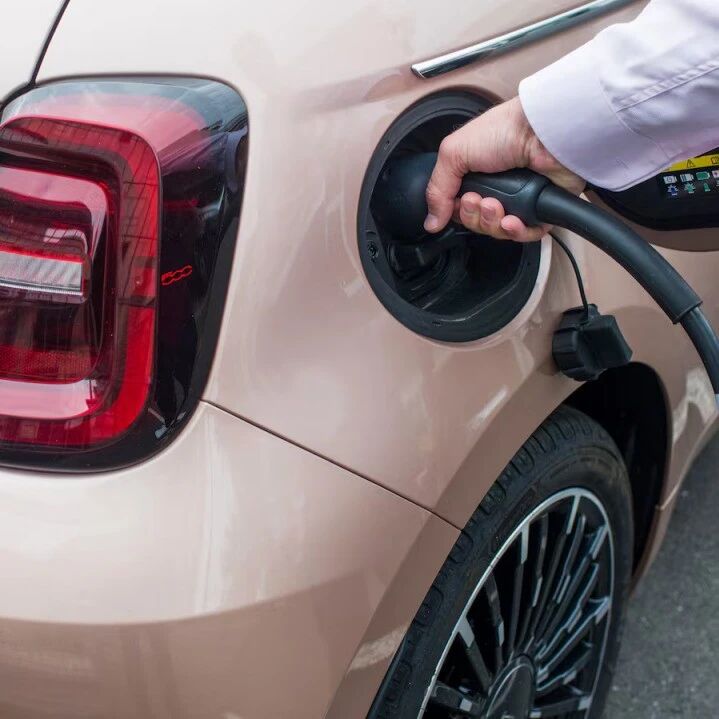
慕尼黑车展:德国分量和中国力量
汽车商业评论· 2025-09-10 05:28
Core Insights - The 2025 Munich Auto Show highlights the competition between Germany and China in the electric vehicle sector, with a significant presence of Chinese exhibitors [3][11][26] - The event showcases the rapid growth of electric vehicles in Europe, driven by EU regulations and the slower pace of local automakers in transitioning to electrification [3][26] Group 1: Event Overview - The Munich Auto Show, officially known as the IAA Mobility, emphasizes a broader theme of mobility, including electrification and smart transportation [4] - The event features two main venues: an indoor exhibition center for B2B interactions and an outdoor space open to the public [6] Group 2: Chinese Exhibitors - Chinese exhibitors dominate the show with 116 companies participating, accounting for nearly one-third of all overseas exhibitors [3][26] - Notable Chinese brands include BYD, Xpeng, and Hongqi, with plans for significant market expansion in Europe, including the introduction of multiple electric and hybrid models [11][13][20] Group 3: European Market Dynamics - The European automotive market is the third largest globally, with annual sales stable between 12 million and 14 million vehicles [3] - The penetration rate of electric vehicles in the EU is expected to exceed 20% by 2024, creating opportunities for Chinese brands to enter the market [3] Group 4: Major Automaker Highlights - Volkswagen Group introduced several new models, including the ID. Polo and ID. Cross concept cars, showcasing their scale advantages [29][31] - BMW launched the iX3, marking a new phase in their electrification strategy, with plans to release 40 new or upgraded models by 2027 [34][36] - Mercedes-Benz unveiled the GLC 400 4MATIC electric model, emphasizing its commitment to luxury and advanced technology in its electric lineup [40][42] Group 5: Competitor Analysis - South Korean automakers like Hyundai and Kia showcased their electric vehicle strategies, with multiple new models and concepts [46][49] - Japanese automakers were less prominent, with a focus on suppliers rather than vehicle manufacturers, indicating a shift in strategy in the European market [49][50]



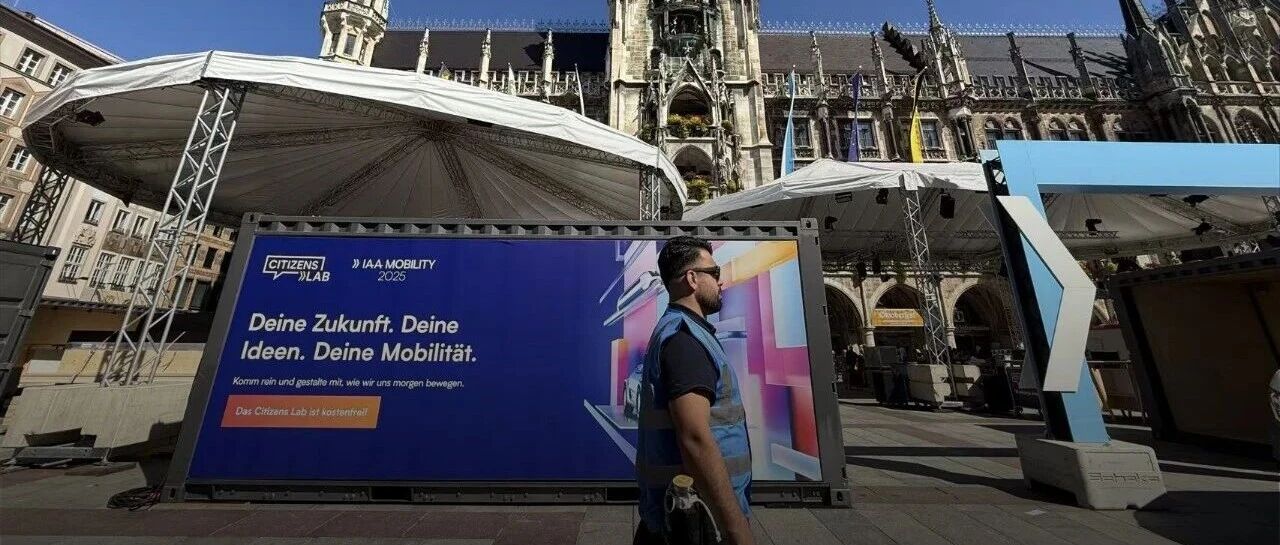
突发!韩国在美合资电池工地遭突查,475人被拘
汽车商业评论· 2025-09-09 04:00
Core Viewpoint - The recent immigration enforcement action in Georgia has led to the suspension of the $4.3 billion battery project by Hyundai-LG, significantly impacting the automotive industry in both South Korea and the U.S. [3] Group 1: Enforcement Action Details - On September 5, 2023, the U.S. Department of Homeland Security conducted a large-scale immigration enforcement operation at the HL-GA Battery Company construction site, detaining 475 individuals, primarily South Korean citizens [5][7] - The operation, named "Operation Low Voltage," aimed to address the employment of unauthorized workers and was described as one of the largest single-site enforcement actions in history [5][7] - The enforcement has led to a temporary halt in the battery project, raising concerns about compliance management and local battery sourcing capabilities [3][8] Group 2: Reactions and Implications - The South Korean government has negotiated the release of detained individuals and is working on arrangements for their return, while expressing regret over the incident [7][8] - Hyundai has stated that the detained individuals are not direct employees and will conduct compliance audits of its suppliers and subcontractors [7][11] - The incident has prompted discussions about the need for enhanced compliance mechanisms in labor verification and the importance of aligning visa types with job functions [13] Group 3: Impact on the Automotive Industry - The Georgia Metaplant is a critical site for Hyundai's electrification strategy, with the HL-GA Battery project expected to produce 30 GWh of batteries annually by early 2026 [11] - The suspension of the battery project could lead to increased costs and uncertainty in the supply chain for electric vehicle production, as the company may need to source battery cells externally [11][13] - Compliance with the Inflation Reduction Act (IRA) is crucial for tax credits, making local battery sourcing and supply chain transparency essential for the project's success [11][13]
One night in Munich
汽车商业评论· 2025-09-09 04:00
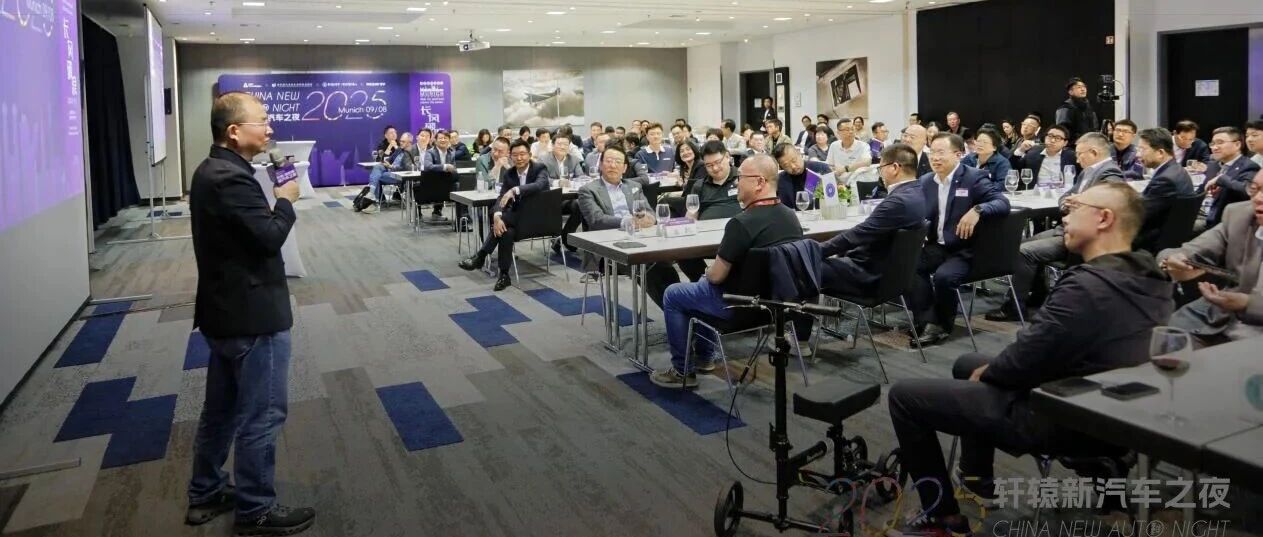
Core Viewpoint - The event "2025 Xuanyuan New Automotive Night" in Munich highlighted the importance of collaboration and integration in the global automotive industry, particularly for Chinese companies seeking to expand internationally [5][11][13]. Group 1: Event Overview - The event took place on September 8, 2023, at the Novotel Hotel in Munich, coinciding with the 2025 Munich Auto Show [3][7]. - Over a hundred automotive professionals from China and abroad attended, emphasizing the significance of cross-cultural exchange in the automotive sector [3][8]. Group 2: Key Themes and Discussions - Dr. Jia Ke emphasized the need for a collaborative ecosystem in the automotive industry, aiming to create a "5532111" layout for deeper exchanges between Chinese and foreign automotive sectors [5][11]. - The theme of the auto show was "It's all about mobility," reflecting the industry's focus on innovative mobility solutions [7]. - Chinese automotive manufacturers were prominently represented, with over ten major companies showcasing their products, including BYD and Xpeng [8][10]. Group 3: Insights from Industry Leaders - Industry leaders shared insights on the importance of emotional connection, responsibility, and cultural identity in the automotive sector [28][30]. - The need for a long-term perspective in building a global automotive brand was highlighted, with a call to move beyond stereotypes associated with Chinese automobiles [30][31]. - The event served as a platform for discussing the challenges and opportunities of Chinese automotive companies entering international markets, particularly in Europe and the U.S. [34][40]. Group 4: Market Opportunities and Strategies - The U.S. market was identified as having significant potential for Chinese automotive companies, with opportunities in hybrid vehicles, smart cabins, and affordable electric models [63][64]. - FF's experience in the U.S. market was shared, highlighting the importance of compliance, local partnerships, and innovative marketing strategies for success [67][69]. - The discussion emphasized the need for Chinese companies to adapt to local market conditions and consumer preferences while maintaining their unique cultural identity [40][41].
3亿砸场+规则松绑,超级大国为“无方向盘”开路
汽车商业评论· 2025-09-07 23:06
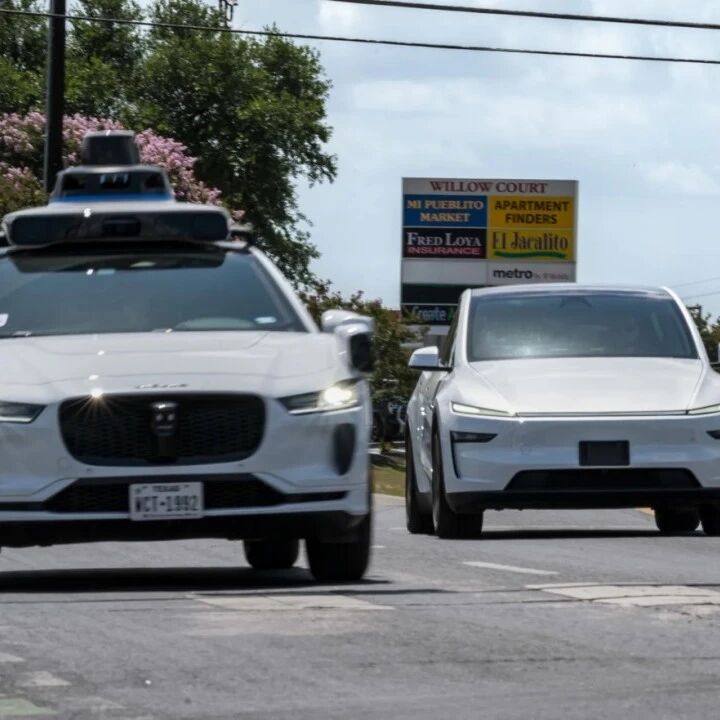
Core Viewpoint - The simultaneous acceleration of capital and regulation in the U.S. autonomous driving sector is paving the way for the commercialization of Robotaxi services, with significant investments and regulatory updates occurring concurrently [3][4][6]. Group 1: Investment and Project Details - Lucid announced a $300 million strategic investment from Uber, aimed at supporting the next-generation Robotaxi project in collaboration with Nuro, with plans to produce vehicles at its Arizona factory and launch in a major U.S. city by 2026 [3][9]. - The project aims to deploy over 20,000 vehicles within six years, focusing on integrating Nuro's L4 Driver system into Lucid's vehicles [9][10]. - The investment creates a supply-side triangle where Uber provides traffic and scheduling, Lucid offers long-range capabilities, and Nuro contributes its experience in autonomous delivery systems [9][10]. Group 2: Regulatory Changes - The U.S. Department of Transportation and NHTSA plan to propose three key updates to the Federal Motor Vehicle Safety Standards (FMVSS) in Spring 2026, aimed at modernizing regulations for vehicles without manual controls [4][6]. - Proposed updates include loosening requirements for physical gear shifters, adapting standards for defrosting and wipers for vehicles without traditional designs, and removing assumptions about driver seating and control areas [6][7]. - These regulatory changes are intended to facilitate the design and operation of Robotaxis, allowing manufacturers to innovate without being forced to include manual controls [7][14]. Group 3: Market Implications - The regulatory updates and capital investments are expected to create a clearer path for participants in the Robotaxi market, including Uber, Lucid, and Nuro, as they prepare for a competitive landscape by 2026 [14][15]. - The collaboration between Uber and Lucid complements Uber's existing partnerships, such as with Waymo, enhancing its autonomous vehicle offerings [10][14]. - The success of the Robotaxi initiative will depend on the ability to train vehicles in complex scenarios, with 2026 being a critical year for both opportunities and potential challenges in safety and economic viability [15].


印度,本田没有退路的选择
汽车商业评论· 2025-09-07 23:06
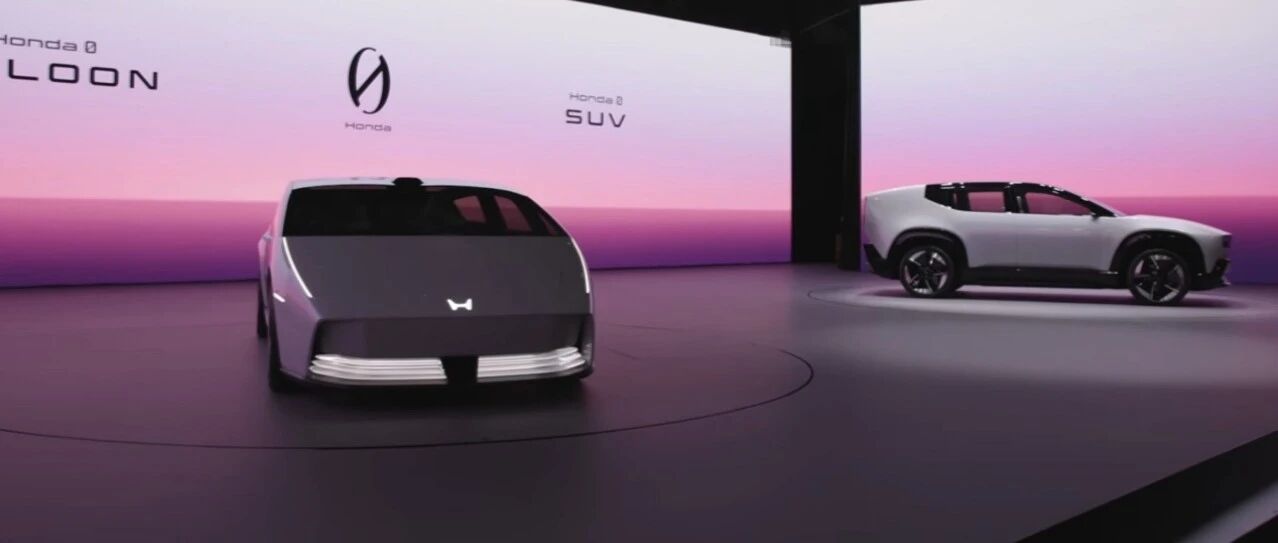
Core Viewpoint - Honda is shifting its focus to India as a strategic market due to declining sales in the US and China, establishing Honda Financial India Private Limited to provide financing services independently [4][6][31]. Group 1: Financial Performance - Honda's net profit for Q1 FY2025 was 170.4 billion yen, a 50.2% decrease year-on-year, with operating profit down 49.6% to 244.1 billion yen, resulting in a profit margin drop from 9% to 4.6% [8][9]. - The decline in performance is attributed to the impact of US tariff policies, with an estimated operating profit loss of 125 billion yen due to tariffs in Q1 FY2025 [9][10]. Group 2: Market Challenges - Honda's global sales have dropped to 3.807 million units by the end of 2024, with significant challenges in the Chinese market, where sales fell from 1.5615 million units in 2021 to 852,300 units in 2024, a cumulative decline of 45.4% [6][23]. - The US market is facing increased uncertainty due to changing tariff policies and tightening electric vehicle regulations, impacting Honda's profitability [10][11]. Group 3: Strategic Shift to India - India is now seen as a critical market for Honda, with the potential for growth in the motorcycle and automobile sectors, as the country has a low vehicle ownership rate compared to China and Western countries [31][34]. - Honda's automotive sales in India were only 132,000 units in 2024, with a market share of less than 2%, indicating significant room for growth [34][39]. Group 4: Electric Vehicle Strategy - Honda plans to invest approximately 10 trillion yen in electric vehicle and software development over the next decade, aiming for 40% of global sales to come from electric and fuel cell vehicles by 2030 [15][18]. - The company is also focusing on localizing production in India, with plans to launch a dedicated electric SUV for the Indian market by 2026 [39][40].

杨大勇,当年只有一次出牌机会
汽车商业评论· 2025-09-06 23:09
Core Viewpoint - The article discusses the recent leadership changes at Changan Automobile, highlighting the appointment of Yang Dayong as the head of the company's passenger vehicle business, specifically the Inertia and Origin brands, following the establishment of Changan as a new central enterprise in Chongqing. This shift indicates a new expectation for Changan's future direction in the automotive market, particularly in the context of electric vehicles and brand differentiation [3][4][5]. Group 1: Leadership Changes - Yang Dayong has taken over the management of the Inertia and Origin brands, which are key to Changan's passenger vehicle segment [3][4]. - The previous president, Wang Jun, was reassigned, leaving a vacancy that has now been filled by Yang Dayong, who has a long history with the company [3][4]. - The restructuring also includes other key appointments, such as Wang Xiaofei becoming the executive vice president of Changan Ford, indicating a strategic realignment within the company [4][5]. Group 2: Brand Strategy - Changan has five main brands: Inertia, Origin, Kaicheng, Avita, and Deep Blue, with Inertia and Origin focusing on traditional and new energy vehicles, respectively [5][12]. - The Inertia brand encompasses fuel and hybrid vehicles, while the Origin brand is dedicated to new energy vehicles, aiming to capture the mainstream family market [5][12]. - The article notes that the Origin A06 and Deep Blue SL03 are essentially the same vehicle with different designs, highlighting Changan's strategy to optimize product offerings [15]. Group 3: Market Position and Future Goals - Changan aims to achieve a production and sales target of 5 million vehicles by 2030, with over 60% of sales coming from new energy vehicles [19]. - The company has set a goal of selling 3 million vehicles in 2025, including 1 million new energy vehicles, indicating a strong push towards electrification [19][20]. - Yang Dayong is optimistic about achieving sales targets for the Origin brand, projecting that two of its models could collectively sell over 400,000 units annually [20][22]. Group 4: Technological and Market Insights - Yang Dayong emphasizes the continued relevance of fuel vehicles, predicting they will maintain a market share of around 35% in the future, particularly if hybrid technology can be optimized [16][17]. - The article discusses the potential for breakthroughs in hybrid electric vehicle (HEV) technology, which could revitalize the fuel vehicle market [17][18]. - Changan's strategy includes leveraging existing manufacturing capabilities at Changan Ford to enhance production efficiency and quality for new models [16].

特朗普周四的晚餐,缺了马斯克和黄仁勋
汽车商业评论· 2025-09-05 23:08
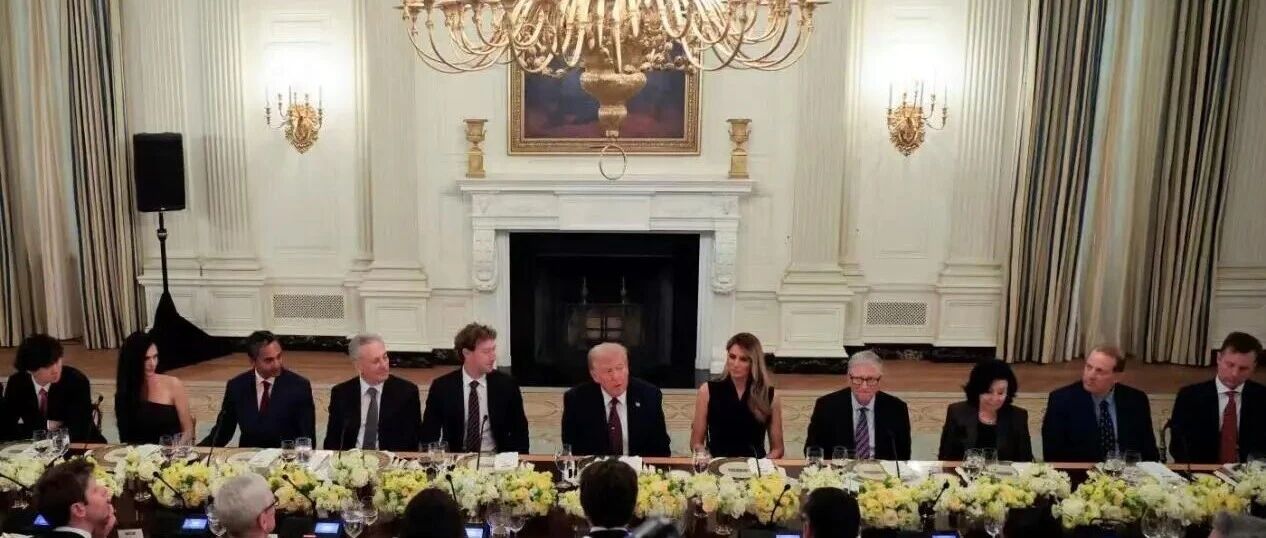
Core Points - The article discusses a recent dinner hosted by Donald Trump at the White House, attended by influential tech CEOs, focusing on the importance of AI and investment in the U.S. [7][9][12] - The dinner highlighted commitments from major tech companies to invest in the U.S., with Apple pledging to increase its investment to $600 billion [17][18][22] - The event also served as a platform for discussing the challenges faced by the tech industry, particularly regarding AI data centers and energy demands [18][19] Group 1: Dinner Details - The dinner took place in the White House's newly renovated dining hall due to inclement weather, with over twenty influential tech leaders in attendance [7][9] - Notable attendees included CEOs from Meta, Alphabet, Apple, Microsoft, and OpenAI, among others [12][18] - The atmosphere was described as warm, with attendees expressing gratitude for Trump's support of AI [18][19] Group 2: Investment Commitments - Tim Cook announced that Apple would increase its total investment in the U.S. to $600 billion [18][22] - Microsoft revealed plans to provide free Microsoft 365 Personal subscriptions to college students, which includes AI tools [18][22] - The discussion emphasized the need for federal support in expediting energy access for AI data centers [18][19] Group 3: AI Education Initiatives - A roundtable meeting on AI education was held earlier in the day, emphasizing the importance of AI skills for future employment and societal stability [20][22] - Microsoft and OpenAI announced initiatives aimed at promoting AI skills among students, with OpenAI targeting 10 million AI skill certifications by 2030 [22] - The focus on AI education reflects a broader strategy to integrate AI into the American educational system [22]





三天亏完1600万,电池上下游比卖车还惨
汽车商业评论· 2025-09-04 23:08
让 优 秀 被 发 € 175 - 6 ■ th th 16 D 扫码咨询 扫码报名 参部件年度贡献奖 中国汽公 申报第十届铃轩奖 主 流 车 企 研 发 采 购 专 家 评 选 年 度 零 部 件 推 CC . 17 作者 / 吴 静 编辑 / 黄大路 设计 / 张 萌 从身家千万,到穿仓破产,仅用了三个交易日。 2025年8月8日,周五,华南一家期货公司客户手中持有碳酸锂主力合约1750手,账户权益为1620万元。 周六周日平安无事,但是周一,8月11日,开盘后,碳酸锂期货突然直接封死涨停,账户权益骤降至700余万元,保证金使用率升至240%。 8月12日,期货公司以涨停价88840元/吨挂单集合竞价平仓,导致该客户每手净亏损11880元,总亏损不仅耗尽本金1600万元,还导致穿仓损失464万 元。 随后,"投资人做空碳酸锂期货穿仓亏完1600万本金倒欠464万"的消息就登上热搜。这一惨剧的导火索正是一则宁德时代矿产停产消息。 8月11日,宁德时代在互动平台回答投资者提问时表示,公司在宜春项目采矿许可证8月9日到期后已暂停了开采作业,正按相关规定尽快办理采矿证 延续申请,待获得批复后将尽早恢复生产。 虽然 ...