汽车商业评论

Search documents
年度营销风向标,第十二届金轩奖补充申报倒计时!
汽车商业评论· 2025-12-28 23:04
Core Viewpoint - The automotive marketing industry in China is at a crossroads, facing challenges from AI transformation, intense competition, and tightening regulatory environments, leading to difficulties in innovation, conversion, and compliance [3][4]. Group 1: Event Overview - The 12th Jin Xuan Award evaluation has entered its final phase of supplementary applications, initiated on November 20, ahead of the Guangzhou Auto Show [3][6]. - The award aims to recognize excellence in automotive marketing, with public voting scheduled for January 4, 2026, and the awards ceremony on January 23, 2026, in Beijing [6][8]. Group 2: Award Structure and Categories - The Jin Xuan Award adopts a dual-track system of "Committee Nomination + Enterprise Application," covering nearly 100 automotive brands and accumulating around 500 cases, with 68 cases passing the initial screening [6][8]. - The award includes four main categories: Creative Works, Marketing Cases, Individuals and Teams, and Public Welfare and Sustainable Development, with a total of 20 sub-items [8][10]. Group 3: Evaluation Criteria and Historical Context - The Creative Works category focuses on the evolution and breakthroughs in creative content, while the Marketing Cases category addresses personalized marketing, brand IP marketing, and AI marketing, among others [10][12]. - Since its inception in 2014, the Jin Xuan Award has recorded 1,005 cases and awarded 268 prizes, reflecting a 27% average award rate, indicating the rigorous nature of the selection process [10][15]. Group 4: Industry Impact and Value - The Jin Xuan Award serves as a comprehensive evaluation system for the automotive industry, evolving from focusing on brand and product innovation to encompassing the entire marketing ecosystem [13][16]. - Participation in the Jin Xuan Award provides companies with access to a valuable case database, enhancing brand influence and offering opportunities for resource connections and cross-industry collaborations [18][16].


独家|起底追觅造车的底牌、暗礁与野心
汽车商业评论· 2025-12-28 23:04
Core Viewpoint - The core strategy of Chasing Technology is focused on the automotive sector, with significant attention from CEO Yu Hao, who has been monitoring the car manufacturing business closely since its inception in 2013. The company aims to achieve a sales target of over 100 billion yuan to compete with its rival, Roborock Technology [3][6]. Group 1: Company Strategy and Market Position - Chasing Technology has been preparing to enter the automotive market since 2013, but officially announced its entry in August 2025, coinciding with a highly competitive market environment [3][6]. - The company plans to adopt a light-asset operation model, outsourcing vehicle manufacturing to established manufacturers while focusing on product definition and differentiation [12][13]. - Chasing Technology aims to leverage its existing sales channels from its home appliance business to market its vehicles, utilizing a network of agents rather than direct sales [14][27]. Group 2: Product Development and Launch Plans - The company has developed two prototype vehicles based on the Ideal L9 chassis, with plans to unveil a luxury SUV and a high-end electric supercar at the CES 2026 [8][9]. - Chasing Technology has established six teams focused on different vehicle types, including SUVs and sedans, to explore various market segments simultaneously [20][22]. - The company has secured over 15 billion yuan in orders during its first strategic partner conference, indicating strong initial market interest [8]. Group 3: Financial and Operational Developments - Chasing Technology has acquired management rights to three domestic car factories and is in discussions with state-owned enterprises for financial support, indicating a strategic approach to funding and production [28][30]. - The company has signed agreements with two leading domestic insurance companies to cover global after-sales risks, enhancing its operational security for overseas markets [30]. - Current profit margins for Chasing Technology are reported at around 70% gross margin and 20%-30% net margin, providing a financial cushion for its automotive ventures [27].

一场没有天花板的脱口秀,够炸!
汽车商业评论· 2025-12-27 23:05
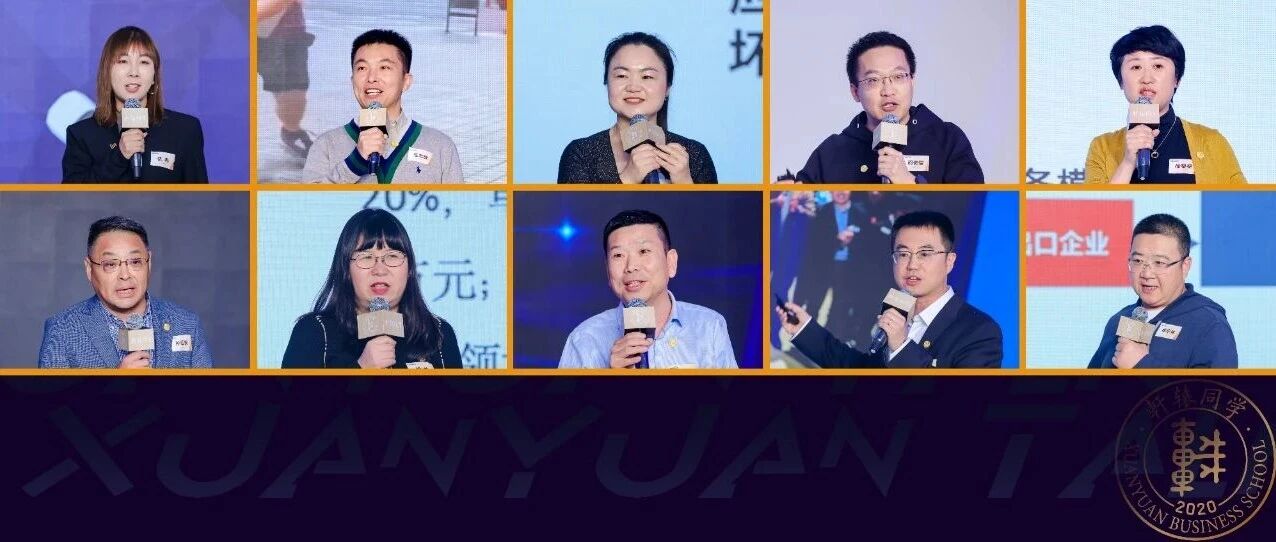
Core Viewpoint - The article emphasizes the resilience and innovative spirit of individuals in the automotive industry, showcasing their personal stories of overcoming adversity and achieving success through collaboration and belief in their capabilities [6][19][24]. Group 1: Personal Stories and Experiences - Yao Qingqing shared her journey from the challenging days of the counterfeit mobile phone industry to successfully transitioning into the automotive sector, highlighting the importance of responding positively to adversity [8][85]. - Qiu Chun recounted the struggles faced in the early days of developing electric vehicles, emphasizing the power of belief and teamwork in overcoming technical challenges and achieving milestones like listing on the Hong Kong Stock Exchange [9][31]. - Zhao Yu reflected on the lessons learned from participating in the "no-wall classroom" experience, emphasizing the integration of business and life as a core philosophy [16][93]. Group 2: Industry Insights and Trends - The automotive industry is experiencing significant changes, with increasing competition and the need for innovation, as highlighted by various speakers who shared their experiences in navigating these challenges [24][25]. - The importance of collaboration within the supply chain was emphasized, with calls for deeper partnerships among stakeholders to enhance efficiency and create value [64]. - The article notes the rising trend of electric vehicles and the need for companies to adapt to new technologies and market demands to remain competitive [62][64]. Group 3: Future Aspirations and Goals - Participants expressed a strong desire to continue their journeys of growth and exploration, with aspirations to expand their reach globally and contribute to the evolution of the automotive industry [12][59]. - The importance of maintaining a positive mindset and embracing change was a recurring theme, with speakers encouraging their peers to believe in their potential and the opportunities ahead [31][34]. - The article concludes with a collective commitment to support one another in their endeavors, fostering a sense of community and shared purpose among industry professionals [18][19].
算力够了,为什么大模型体验却没变化?
汽车商业评论· 2025-12-27 23:05
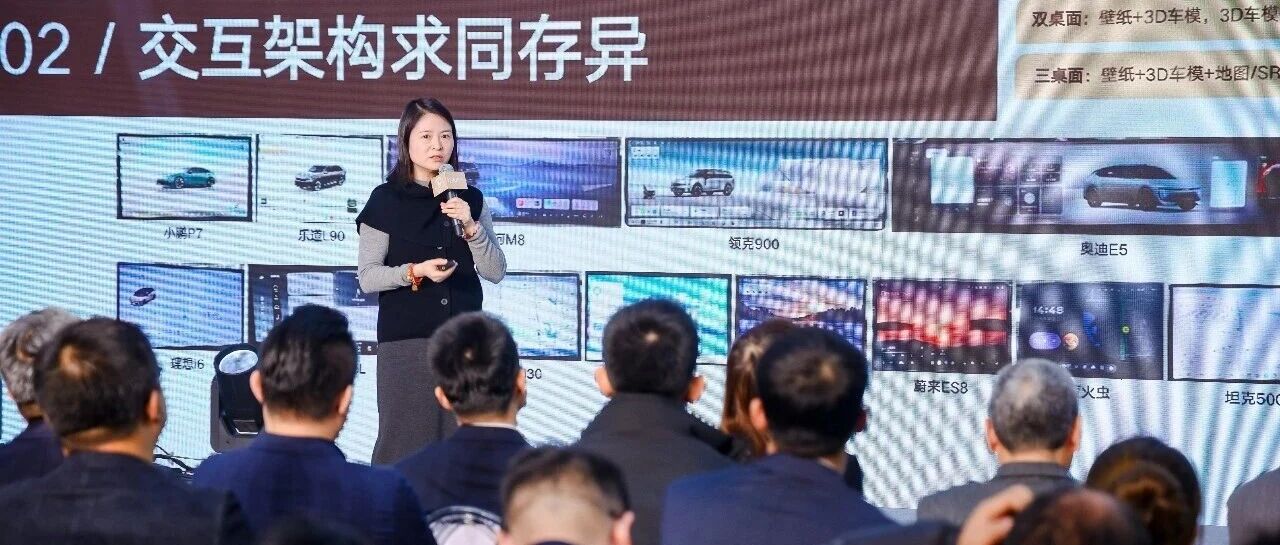
Core Insights - The article discusses the significant advancements in AI models within the automotive industry, particularly focusing on the launch of the lightweight version of the domestic AI model DeepSeek in early 2025, which has rapidly gained traction in both domestic and international markets [3] - The automotive sector is entering a new era of large-scale AI model integration, with major manufacturers like Mercedes-Benz, BYD, NIO, and SAIC accelerating their adoption of AI models since February 2025 [3] - The focus has shifted from initial testing to deeper integration of AI models into vehicle functionalities, particularly in smart cockpit experiences [3][4] AI Model Integration in Automotive - By 2025, the consensus in the industry has shifted towards the deep integration of AI models into cockpit functionalities, moving beyond basic search capabilities to more complex applications [3] - The 2026 Xuanyuan Award evaluation emphasized the importance of AI models in enhancing user experience, with a focus on generative UI, proactive perception, and multimodal interaction [4] - The evaluation revealed that while some manufacturers have made significant strides, many still lag behind in delivering substantial improvements in AI capabilities compared to the previous year [4][5] Challenges in AI Model Implementation - The distribution of computing power and performance constraints pose significant challenges, as many manufacturers allocate substantial resources to autonomous driving, limiting the available computing power for cockpit AI applications [5] - The complexity of testing AI models complicates the assessment of their effectiveness, as it is often difficult to determine whether the intelligence displayed is genuinely derived from AI models [5][42] - The industry is currently focused on enhancing the user experience through AI, but many manufacturers have yet to fully realize the potential of AI in cockpit interactions [5][42] Future Directions for AI in Cockpits - The article suggests that AI will become a native capability of operating systems in vehicles, with a shift towards integrating AI deeply into the OS architecture [6][46] - Future developments will include offline voice AI, edge-based visual language models, and memory capabilities, which are essential for creating a seamless user experience [6][46] - The evolution of AI models will also involve enhancing their analytical and planning capabilities, allowing them to serve as scene engines that can automatically orchestrate interactions and provide optimal solutions [6][47] Trends in Smart Cockpit Design - The evaluation of smart cockpit experiences highlighted several key trends, including platformization, 3D HMI exploration, and spatial interaction design [9][10][23] - Manufacturers are increasingly focusing on optimizing rear seat space and enhancing user interaction through innovative designs, such as movable screens and gesture controls [30][34] - The integration of sound zones and cross-screen interactions is becoming a priority, allowing for a more personalized and immersive user experience [30][31][33] Notable Case Studies - The article presents several innovative case studies, such as NIO's Firefly cockpit, which features unique gesture controls and personalized desktop card generation [48][49] - The use of AI-generated content, such as children's storybooks and interactive features, showcases the potential for AI to enhance user engagement in vehicles [48][57] - The development of dynamic control interfaces that adapt to different applications demonstrates the flexibility and potential of smart cockpit technologies [54]
智驾L3冲刺,车企都在赌哪条路
汽车商业评论· 2025-12-26 23:04
Core Insights - The article emphasizes the transition from L2 to L3 level autonomous driving, highlighting the importance of commercializing L3 by 2026, which represents a significant shift in responsibility from drivers to vehicle systems [5][37] - The concept of "intelligent driving equity" is gaining traction, with more affordable models incorporating advanced driver-assistance systems (ADAS) [14][15] - The evaluation of intelligent driving technologies is evolving, focusing on user experience and safety rather than merely ranking performance [9][24] Group 1: Industry Trends - The number of vehicles equipped with highway Navigation on Autopilot (NOA) has increased from 18 in 2024 to 29 in 2025, a growth of over 50%, with entry-level prices dropping below 100,000 yuan [15][16] - Urban NOA functionality has expanded from 10 to 24 models, marking a 150% increase, with entry-level models now available around 150,000 yuan [15][16] - The average takeover mileage (MPI) for intelligent driving has improved from 6.4 km to 12.1 km, indicating a nearly 100% increase in system reliability [17][19] Group 2: Evaluation Methodology - The evaluation framework for ADAS is based on Maslow's hierarchy of needs, prioritizing system performance, user comfort, and efficiency [24][26] - The assessment includes both basic and challenging driving scenarios, with 80% of the evaluation focused on common driving conditions and 20% on complex situations [27][28] - The testing route covered approximately 40 km, incorporating various driving challenges, including construction zones and parking scenarios, to assess the systems comprehensively [27][28] Group 3: Key Findings and Innovations - Leading brands such as Li Auto, Weipai, and NIO have demonstrated significant advancements in their ADAS capabilities, achieving an average of nearly 20 km before requiring driver intervention [29][31] - Li Auto's VLA (Visual Language Behavior Model) has introduced innovative features, such as understanding natural language commands for parking, enhancing user interaction with the system [33][40] - The article highlights the importance of clear communication regarding system capabilities to users, suggesting that understanding what the system can and cannot do is crucial for future iterations [10][39] Group 4: Future Directions - The industry is moving towards a hybrid approach that combines end-to-end learning with rule-based systems to enhance understanding and responsiveness in complex driving scenarios [40][42] - The debate over the reliance on high-definition maps is shifting towards a more balanced approach, emphasizing the importance of situational awareness and adaptability in driving systems [44][45] - The article notes that the introduction of stricter regulations for ADAS is expected to impact the market, pushing for safer and more reliable systems [37][39]
“幽灵刹车” 的锅,车主背?
汽车商业评论· 2025-12-26 23:04
Core Viewpoint - The article discusses the systemic risks associated with the Automatic Emergency Braking (AEB) system, particularly the phenomenon known as "phantom braking," which poses significant safety concerns for drivers and raises questions about the reliability of advanced driver-assistance systems [4][10][21]. Group 1: Technical Issues and Incidents - "Phantom braking" occurs when the AEB system mistakenly identifies harmless objects or sensor signal loss as imminent collisions, leading to sudden braking without warning [4][10]. - In December 2025, Hyundai's luxury brand Genesis recalled 483 G90 vehicles due to a paint issue that interfered with radar functionality, causing false collision warnings [6][8]. - A French driver experienced a severe accident due to phantom braking, prompting over 400 affected drivers to petition the French parliament for an investigation into the AEB system's failures [10][11]. Group 2: Legal and Regulatory Responses - The tragic case of a driver being convicted of involuntary manslaughter due to phantom braking highlights the legal implications of AEB system failures, where drivers are still held responsible for vehicle actions [11]. - Starting July 2024, the EU mandates that all new vehicles must be equipped with AEB systems, reflecting a regulatory push for enhanced vehicle safety [11][13]. Group 3: Industry Trends and Safety Statistics - AEB technology, initially developed for military applications, aims to reduce collision incidents, particularly rear-end crashes, and has been progressively adopted since its first commercial application in 2003 [15][17]. - The National Highway Traffic Safety Administration (NHTSA) predicts that the implementation of AEB systems will save at least 360 lives annually and prevent over 24,000 injuries [17][18]. - Research indicates that vehicles equipped with AEB from 2021 to 2023 saw a 52% reduction in rear-end collision rates compared to earlier models [18][20]. Group 4: Consumer Trust and Market Implications - The reliability of AEB systems is crucial for consumer trust, as unexpected braking can lead to anxiety and a sense of betrayal among drivers who expect safety from these technologies [21][24]. - The competition among automakers to introduce partially automated driving technologies may inadvertently reduce driver attentiveness and responsibility, raising concerns about overall road safety [21][24]. - The Insurance Institute for Highway Safety (IIHS) emphasizes the need for stricter protective mechanisms in AEB systems to address the significant distraction of drivers when using these features [24].


极氪“回归”吉利体系:一场顺应时势的战略会师
汽车商业评论· 2025-12-25 23:04
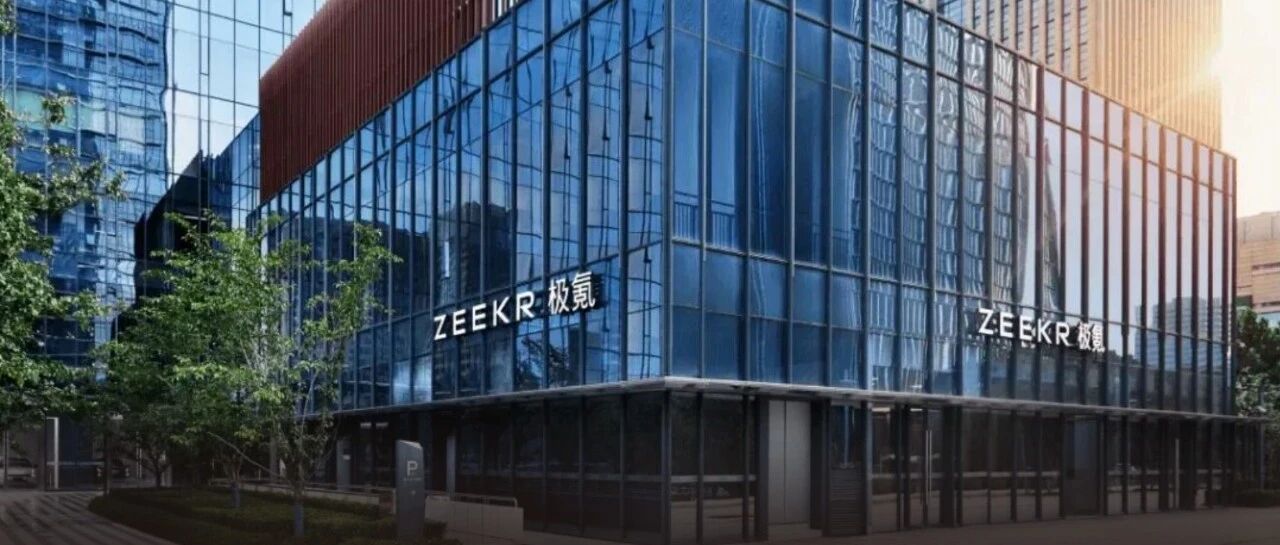
Core Viewpoint - The article discusses the strategic evolution of Geely Auto and its subsidiary Zeekr in the context of the rapidly changing electric vehicle (EV) market, highlighting the significance of Zeekr's return to Geely as a proactive move to enhance competitiveness and resource integration in a challenging environment [6][10][20]. Group 1: Zeekr's Journey and Market Context - Zeekr's stock price closed at $26.73 per share, with a total market value of $6.847 billion, marking the end of its journey on the NYSE after over a year [4]. - The return of Zeekr to Geely is seen as a meaningful response to the accelerated industry consolidation and a strategic move to adapt to the current market dynamics [6][10]. - The EV market has shifted from a policy-driven phase to a consumer-driven phase, increasing competition and reducing the marginal benefits of independent operations [10][11]. Group 2: Strategic Integration and Market Positioning - Geely's acquisition of Zeekr fills a gap in its luxury EV segment, creating a comprehensive brand matrix that includes mainstream, mid-range, and luxury markets [16][19]. - The integration allows Geely to enhance its operational efficiency and strengthen its competitive position through resource aggregation [16][19]. - Zeekr's independent brand identity is preserved while leveraging Geely's resources for sustainable growth [16][19]. Group 3: Financial Performance and Market Expectations - Geely's stock price has increased by 96.1% since the release of the "Taizhou Declaration," significantly outperforming the Hang Seng Index [11]. - Institutional investors have shown strong confidence in Geely, with an average target price of HKD 26.95, indicating a potential upside of approximately 59% from recent closing prices [10][11]. - Geely's total sales reached 2.788 million units in the first 11 months of 2025, achieving 93% of its annual target, with a revenue increase of 26% year-on-year [23][24]. Group 4: Technological Integration and Future Outlook - The integration of Zeekr's advanced technologies, such as the SEA architecture and intelligent driving systems, is expected to enhance Geely's technological capabilities and brand image [19][24]. - Geely's strategic shift from opportunistic breakthroughs to systematic capability building reflects a deep understanding of the automotive industry's cyclical nature [26]. - The return of Zeekr marks a significant milestone in Geely's ongoing strategic transformation, positioning the company for future growth in the global EV market [26].
玛莎拉蒂跌破40万,阿斯顿・马丁暴跌80万,传统豪车溢价坍塌后………
汽车商业评论· 2025-12-25 23:04
Core Viewpoint - The premium foundation of traditional luxury cars is collapsing due to the advancements in electric drive and smart technology, which are leveling the playing field among brands [4][6][24]. Group 1: Price Reductions and Market Trends - Maserati initiated a second round of price cuts in November, with the Grecale electric version dropping from nearly 900,000 to 548,000, and the fuel version falling below 400,000 [5]. - Aston Martin's 2024 DBX model saw a price reduction from 2.448 million to a range of 1.6 to 1.7 million [5]. - The competitive landscape is particularly fierce in the mid-range market (16-25 million), which is experiencing the most significant price and feature enhancements [20][22]. Group 2: User Experience and Product Trends - The UX-Audit evaluation system developed by SoCar identifies over 1,100 user demand features, establishing a multi-dimensional value system focused on user perspectives [6][11]. - The average annual improvement in scene experience for top models is around 10%, with award-winning models like the AITO M8 and Zeekr 9X achieving record-breaking scores [13][15]. - Key driving forces for improvement include urban NOA, smart cockpits, and storage/charging scenarios, with significant advancements in component integration and high-voltage fast charging technology [6][18]. Group 3: Shifts in Consumer Demands - User demand is becoming increasingly stratified, with younger users (under 28) seeking high-end configurations, while middle-class consumers (over 28) prefer cross-functional products, and affluent users focus on ultimate experiences [6][30]. - The focus is shifting from creating all-encompassing vehicles to developing specialized products that excel in 1-2 key scenarios, such as outdoor power supply and remote parking [7][26]. Group 4: Future Product Directions - Five clear product trends are emerging: seats becoming central to scenarios, the evolution of large models to specialized small models, the rise of AI and physical hybrid interaction zones, multi-modal perception advancing to semantic understanding, and design combined with AI personality forming new brand DNA [7][33][36]. - The industry is witnessing a collapse of traditional premium foundations, with brands needing to innovate in experience to maintain pricing power [24][26].

合资新困境:放弃以往驾乘体验标准,彻底学习新势力?
汽车商业评论· 2025-12-24 23:05
Core Viewpoint - The article emphasizes the importance of "completeness" in evaluating vehicles, highlighting that a well-rounded product should not have significant issues or shortcomings, which reflects its overall quality and user experience [4][7][24]. Group 1: Evaluation Criteria - The evaluation for the 2026 Xuanyuan Award is divided into four dimensions: dynamic and static experience, combined auxiliary driving and parking, intelligent cockpit experience, and scenario adaptation [4][7]. - The dynamic experience team focuses on dynamic evaluations, assessing 40 shortlisted models categorized by price and type, including sedans, SUVs, and off-road vehicles [7][9]. - The testing environment simulates real consumer driving conditions, with evaluations based on user perspectives, including acceleration limits and common driving scenarios [9][22]. Group 2: Trends and Observations - A notable trend for 2025 is the downscaling of configurations and technologies, with features like rear-wheel steering becoming available in lower-priced models [10][37]. - Vehicles priced under 200,000 yuan face challenges in balancing cost and performance, while those above this price point tend to have more discerning users, making any shortcomings more pronounced [9][28]. - The 2025 models show a shift towards more controlled performance, reducing the aggressive tuning seen in 2024 models, which were designed to appeal to younger consumers [9][31]. Group 3: Industry Challenges - Joint venture brands are experiencing confusion regarding their traditional dynamic tuning approaches, as consumer preferences shift towards lighter steering and different driving experiences [11][35]. - The article discusses the need for manufacturers to adapt to evolving consumer expectations, particularly as new customers may not have experienced high-quality vehicles [11][35]. - There is a recognition that while technology is being democratized, it does not automatically lead to improved user experience, as proper calibration and tuning remain critical [10][37]. Group 4: Off-Road Vehicle Evaluation - The article introduces a new evaluation system for off-road vehicles, focusing on their off-road capabilities and user safety, with a collaborative initiative to create a reliable off-road travel guide [50][51]. - Three off-road vehicles were selected for evaluation based on their capabilities, with the results indicating varying levels of performance across different terrains [53][58]. - The evaluation criteria include both off-road ability and user safety, with a grading system to classify vehicles based on their performance in challenging conditions [51][58].

“中国还没有严格意义上的高端品牌”
汽车商业评论· 2025-12-24 23:05
Core Viewpoint - The article discusses the challenges and strategies of WEY brand under Great Wall Motors, emphasizing the need for a strong brand identity and value proposition in the competitive high-end automotive market [4][10]. Group 1: Brand Positioning and Market Challenges - Great Wall Motors' chairman, Wei Jianjun, asserts that there are no truly high-end brands in China, indicating a saturated market where all products are labeled as high-end regardless of their actual positioning [4]. - The WEY brand, launched in 2016, has not yet met the high expectations set by its founder, highlighting the difficulties in establishing a premium brand in a competitive landscape [6]. - The automotive market is increasingly focused on safety and technology, with WEY maintaining its commitment to safety as a core value, despite the challenges posed by market trends [7][9]. Group 2: Product Innovations - The newly launched WEY Blue Mountain Intelligent Advanced Edition is positioned as the first six-seat plug-in hybrid SUV, featuring advanced technologies like the VLA large model for intelligent driving and Hi4 intelligent four-wheel drive [7][9]. - The integration of Hi4 and VLA systems aims to enhance safety and driving experience, showcasing WEY's commitment to innovation in smart and electric vehicles [9]. Group 3: Leadership and Future Directions - The new CEO, Zhao Yongpo, emphasizes the importance of establishing a brand's value proposition and societal impact as a means to create a competitive edge [10][12]. - Zhao's background in technology and engineering positions him well to lead WEY in a market that requires both innovation and a strong brand identity [12]. - Wei Jianjun's philosophy suggests that building a high-end brand is a long-term endeavor, requiring consistent effort and commitment to brand values [14].