汽车商业评论

Search documents
那边贾跃亭倾情唱《北京北京》,这边车厂跨年吸睛放大招
汽车商业评论· 2026-01-02 23:06
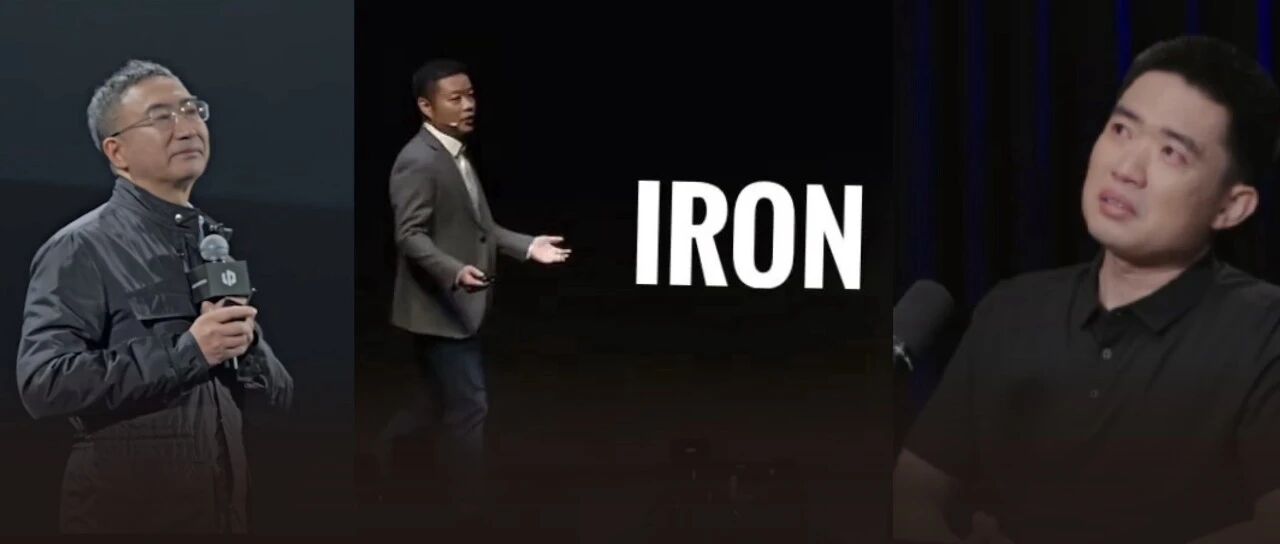
设计 | 甄 尤 美 撰文 | 王 菁 编辑 | 张 南 2025年12月,是中国车企表达欲爆棚的一个月。 一方面,作为忙碌一年的企业,他们有太多成绩希望对外传达,如不断进阶的产品科技、突飞猛进的自主研发、节节攀升的销量、到处覆盖的充 换电站,以及延伸到五湖四海的海外销售等。 另一方面,越来越懂人格化表达的他们,又希望借着圣诞节的快乐、新年夜的期盼,以一群人的身份与目标受众"站在一起",迎上情感共鸣的自然 流量。 随着新年倒计时的结束,车企们都交上了这份2025年最后的营销答卷。他们都写了什么?谁是最好的解题家? 共探新营销,共创新可能 贾跃亭倾情献唱《北京北京》 "怎么样,你想不想北京?""当然太想了,孩子和老爸老妈都还在北京呢。"远在大洋彼岸的贾跃亭用这么简单的一段对话,就狠狠地让全网打工人 和创业者共情了。 12月31日,贾跃亭在自己社交媒体平台发布了自己亲自演唱的《北京北京》,充满沧桑和情绪的声调,配以画面中从创业至今的欣喜与辛酸时 刻,甚至一次次抹泪时刻,让他的"造车梦"和FF再次回归国人视野。 这年尾,同贾跃亭的沧桑不同,雷军显得有点落寞,他选择在跨年之时直播拆车。只是因为感冒,他又宣布因个人原因 ...


“停车难”时代即将终结?
汽车商业评论· 2026-01-02 23:06
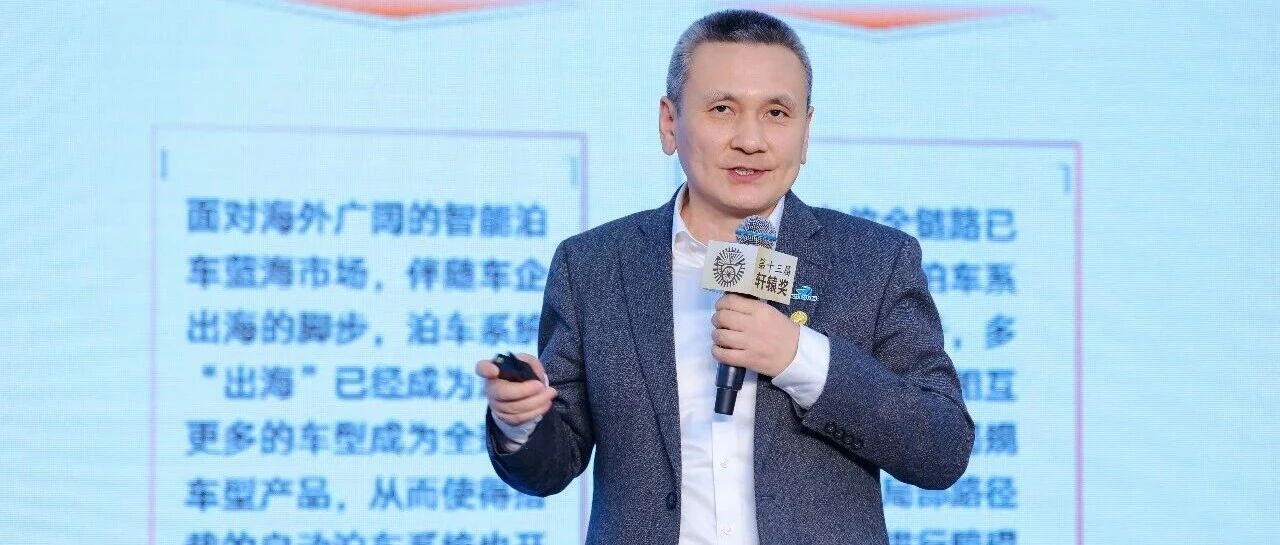
Core Insights - The article emphasizes the significant improvements in smart parking experiences compared to the previous year, driven by continuous industry efforts and the introduction of new algorithms and paradigms [4][42]. - The smart parking industry in China is entering a golden period of scaled development, with increased adoption across various vehicle segments [6][5]. Group 1: Industry Trends - The adoption rate of smart parking features in the 40 evaluated models has significantly increased compared to last year [5]. - The smart parking industry is experiencing accelerated technological iteration, expanded functional boundaries, and deepened industry chain collaboration [6]. - The changes are driven by three main factors: technological innovation, integration and enhancement of intelligence capabilities, and the expansion of application scenarios [7]. Group 2: Technological Innovations - Technological innovation is broken down into two core areas: sensors and algorithms [8]. - The introduction of multi-directional solid-state LiDAR sensors has greatly improved vehicle environmental perception and recognition capabilities, enhancing scene adaptability and safety [9]. - Algorithm advancements, such as the introduction of front-fusion BEV perception schemes and end-to-end models, have significantly expanded the horizontal and vertical perception range of parking systems [9][28]. Group 3: Integration and Intelligence - The integration and intelligence enhancement focuses on humanization and smart innovation [10]. - Humanization is achieved through richer environmental perception elements that allow systems to render full environmental information, providing users with progress displays and risk alerts [11]. - Smart innovations, such as multi-modal large models (e.g., VLA), enable synchronized voice control of the intelligent driving system, enhancing user experience [12][30]. Group 4: Application Scenario Expansion - Two major advancements in application scenarios are noted: overseas market expansion and the extension of parking system scenarios [14]. - More automakers are equipping overseas models with parking configurations, indicating a clear trend towards globalization [15]. - The full link from parking space to parking space has been established, significantly enhancing memory parking systems with support for multiple routes and dynamic planning [15][30]. Group 5: Evaluation Framework - The evaluation framework for the smart parking systems includes automatic parking and memory parking as two main categories [31]. - Automatic parking assessments cover space detection, parking efficiency, and human-machine interaction (HMI), with efficiency further detailed into comfort, speed, and reassurance [18][33]. - The first tier of models includes Toyota's Platinum 3X and Avita 07, which excel in performance across multiple dimensions [35]. Group 6: Company Overview - The company, Magic Vision, is a pioneer in applying self-developed AI models in mass production and has successfully delivered intelligent driving products globally [41]. - The evaluation results indicate significant improvements in both automatic and memory parking functionalities compared to last year, attributed to ongoing industry efforts and the introduction of new algorithms [42][44]. - Magic Vision has covered ten chip platforms, enabling it to offer more options to automakers and achieve industry-leading speeds in new model development and algorithm deployment [44].
2025车市分水岭:淘汰内卷,狂卷效率
汽车商业评论· 2026-01-01 22:57
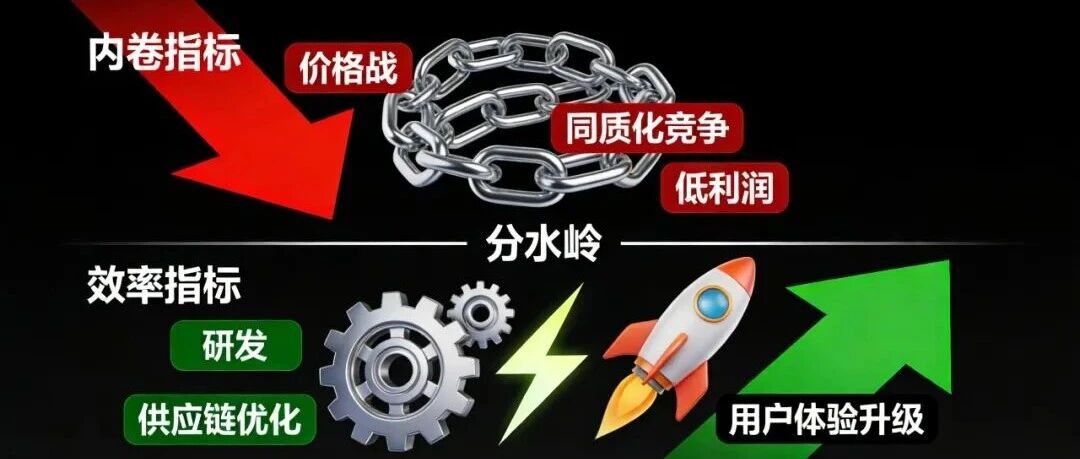
设计 | 甄 尤 美 撰文 | 吴 静 编辑 | 黄 大 路 回望十余年前,中国汽车市场那段高增长的草莽岁月,总 是会被人怀念。 那是 一个 供需彻底失衡、规则尚显粗放、红利俯拾皆是的年代, " 躺着赚钱 "并不是神话, 对于亲历者而言 , 那无疑是 一段名副其实的 "黄金 岁月"。 如今,中国汽车行业正在 "上演"相反的剧本:市场从"水大鱼大"的增量蓝海,急转直入"刺刀见红"的存量血海。曾经躺着赚钱的日子一去不返, 在极致内卷下,中国汽车人每天面对的都是关于生死存亡的考题。 过去一年,在行业增收不增利的大背景下,销量目标成功达成的车企屈指可数。 倘若多年后回顾中国汽车市场, 2025 年一定会是一个重要的分水岭。 共探新营销,共创新可能 这一年,中国汽车行业躲不过的关键词之一就是效率。在新能源市场竞争加剧、亏损式增长难以为继的背景下,车企纷纷整合品牌向行业清晰传 递了其从 "拼规模"向"拼效率"的重大转变。更重要的是,未来汽车行业的竞争将更加依赖核心技术、供应链效率与品牌协同,而非盲目扩张。 它标志着中国汽车产业告别野蛮生长的 "上半场",开启了以体系化能力、全球化视野和可可持续盈利为核心的高质量发展"下半 ...
直言、愤怒与辩解
汽车商业评论· 2026-01-01 22:57
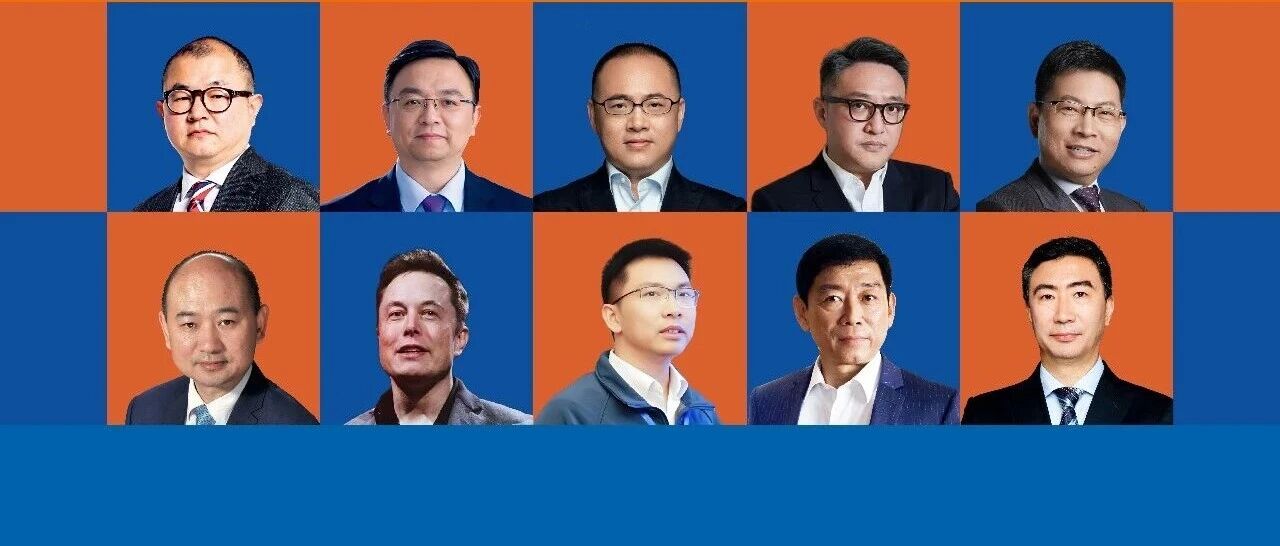
Core Viewpoint - The article discusses the current state and future of the Chinese automotive industry, highlighting the intense competition, the need for innovation, and the challenges faced by companies in establishing true high-end brands [4][5]. Group 1: Industry Insights - The Chinese automotive industry is expected to undergo a "淘汰赛" (elimination race) for at least another decade, with predictions that only about 10 major companies will survive [7]. - Companies are urged to align with leading firms in the supply chain to ensure survival during this competitive phase [7]. - The industry is experiencing a significant push for innovation driven by both aspiration and frustration, particularly in the context of advanced driving technologies [12]. Group 2: Company Perspectives - BYD's chairman emphasizes the importance of maintaining a good reputation through technology rather than engaging in cutthroat competition, even if it means sacrificing short-term growth [9][10]. - Geely's vice president criticizes the trend of imitation in automotive design, calling for a return to unique value propositions and aesthetic integrity [14]. - The chairman of JAC Motors argues that brand value is built through consistent effort rather than merely through time, as evidenced by their recent success in the luxury car market [19]. Group 3: Market Dynamics - The market for electric vehicles is becoming increasingly competitive, with a notable shift towards high-end models, yet many brands still lack the necessary brand value and recognition [29]. - Tesla's CEO critiques traditional automakers for their struggles in the electric vehicle sector, suggesting that their failure to innovate will lead to their downfall [21][22]. - The automotive industry is at a critical juncture where the true competition will begin once electric vehicle penetration exceeds 50% [17]. Group 4: Future Outlook - The year 2025 is seen as a pivotal moment for growth in the automotive sector, focusing on comprehensive advancements in electrification, intelligence, and brand strength [16][17]. - Companies like Leap Motor are setting ambitious sales targets, aiming for a significant increase in production to compete on a global scale [31][32].

贾可2026元旦献词 | 出发了,就不必再焦虑
汽车商业评论· 2026-01-01 03:09
撰文 | 贾 可 编辑 | 黄 大 路 设计 | 甄 尤 美 没有想到,这次跨年对谈,从 2025 年 12 月 31 日晚上 10 点钟,几乎一直持续到 2026 年 1 月 1 日凌晨 2 点半。感谢吴伯凡、吴声和张晓亮诸位 兄弟,给了我将近四个半小时来度过一年的最后时刻,又迎来一年开始的时间。 跨年对谈临近尾声的时候,伯凡兄问我:这个点了,还有人看吗?我说:有人看的,观看人数还在增加。 不知道有多少人从头至尾看了 2025-2026 贾可跨年对谈。但是,亲爱的朋友们,在如今这样一个喜欢心灵鸡汤、喜欢宏大叙事、喜欢格言金句、 喜欢短平快的时代,我感谢你们陪伴我们的长篇围炉夜话,而我也相信你们一定从中得到了真正有用的东西。 就我自己而言,我把自 2017 年开始的一年一度跨年对谈,当作承前启后的年度总结。我们彼此之间的思想碰撞或语言交流,被视频和文字记录下 来,成为一种"年记",作为自己没有虚度年华的一个重要证明。 共探新营销,共创新可能 实际上,我也想把这样的贾可跨年对谈当作元旦献词,献给 2026 年的《汽车商业评论》的读者们,献给轩辕同学的学员们,献给轩辕矩阵的朋友 们,或者说,献给所有辛勤工作的汽车 ...

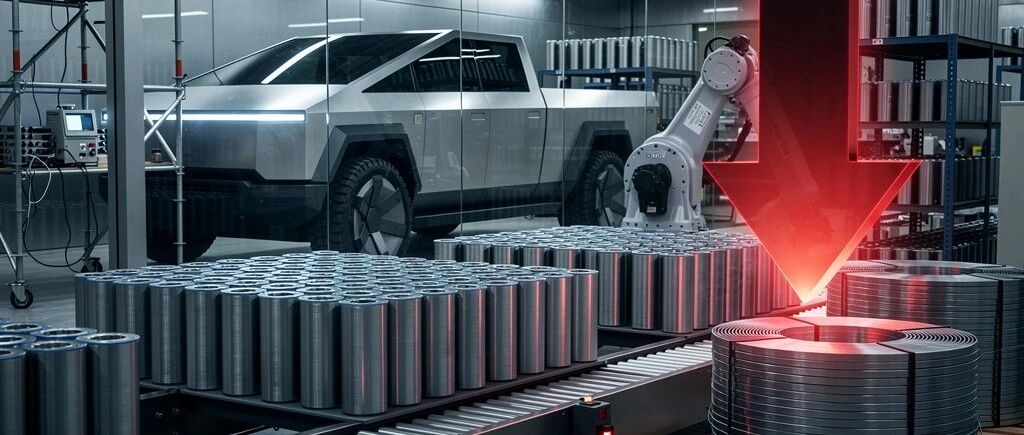
崩盘的Cybertruck、难产的4680,拖垮全球顶级供应商
汽车商业评论· 2026-01-01 03:09
Core Viewpoint - The article discusses the significant challenges faced by Tesla's 4680 battery supply chain, particularly highlighting the drastic reduction in contracts with suppliers like L&F, which saw a drop in contract value from 3.83 trillion KRW (approximately 26.7 billion USD) to 973 million KRW (about 6,776 USD), a decline of over 99% [3][5]. Group 1: Supplier Impact - L&F's stock price has dropped over 11% this week and has fallen 64% since announcing the contract with Tesla in early 2023 [5]. - LG Energy Solution, another key supplier, is facing a 30% reduction in capital expenditures due to a slowdown in global electric vehicle demand, particularly in the high-end electric pickup market [5]. - Panasonic, despite a 4.3 billion USD agreement with Tesla for lithium iron phosphate (LFP) batteries, has not yet received orders for Cybertruck 4680 battery units [5]. Group 2: Cybertruck Sales Performance - As of Q2 2025, Cybertruck's actual sales were only 5,000 units, achieving just 5% of the ambitious target of 500,000 units per year [9]. - The sales figures for the third quarter continued to decline, with a year-on-year drop of 62.6%, delivering only 5,385 units [10]. - Design flaws and high starting prices over 60,000 USD have deterred potential buyers, leading to a rapid depreciation in the vehicle's resale value [11]. Group 3: 4680 Battery Development Challenges - The 4680 battery, introduced in September 2020, was expected to revolutionize Tesla's battery technology but has faced significant production hurdles [14][17]. - The dry manufacturing process intended to reduce costs and environmental impact has proven difficult to scale, leading to production delays and technical challenges [19][20]. - In May 2024, Elon Musk issued an ultimatum to the 4680 battery development team to resolve cost and scalability issues by the end of the year [22]. Group 4: Future Prospects and Industry Opinions - Despite the challenges, Tesla is committed to overcoming the production bottlenecks of the 4680 battery by controlling the entire supply chain and optimizing production processes [25]. - Industry skepticism remains, with some experts predicting the failure of the 4680 battery project, citing Tesla's lack of expertise in battery manufacturing compared to competitors [27][28]. - The future of the 4680 battery project is uncertain, especially if it remains tied solely to the underperforming Cybertruck model [28].

重磅|中国一汽管理层再分工,两大合资车企核心新调整
汽车商业评论· 2025-12-31 03:13
Core Viewpoint - The article discusses the recent personnel changes and organizational adjustments within China FAW Group, highlighting the strategic responses to the evolving landscape of the Chinese automotive industry [12]. Group 1: Personnel Changes - Dong Xiuhui has been appointed as the new General Manager of FAW-Volkswagen, succeeding Chen Bin [3][16]. - Nie Qiang has taken over Dong Xiuhui's previous role as Deputy General Manager of FAW-Toyota [4]. - Wu Bilei will no longer serve as the Secretary of the Party Committee and Dean of the R&D Institute, focusing instead on engineering technology and supply chain management [6]. - Jiang Wenhu will lead the R&D Institute while continuing to oversee product planning, which is seen as beneficial for the Hongqi brand's next-generation products [15][14]. Group 2: Strategic Implications - The leadership changes reflect a shift where group leaders no longer directly manage subsidiary companies, raising questions about balancing operational control and oversight [13]. - The appointment of Dong Xiuhui is viewed as both an opportunity and a challenge, as FAW-Volkswagen faces pressures on sales and profitability [20][22]. - The company plans to launch 11 new models tailored for the Chinese market in 2025, with 10 being electric vehicles, indicating a strong push towards electrification [20]. Group 3: Marketing and Organizational Transformation - FAW-Volkswagen aims to elevate customer operations to a strategic core, focusing on "value marketing" and restructuring its organizational framework [22][24]. - The company is initiating deep organizational changes to enhance its marketing system and service quality, which presents both opportunities and challenges [24]. - The establishment of Jetta Automotive Technology (Sichuan) Co., Ltd. aims to enhance local decision-making and operational flexibility, marking a new phase in localized operations [26]. Group 4: Export and International Strategy - FAW-Volkswagen has achieved a historic breakthrough by exporting vehicles to the Middle East, marking a significant step in its international expansion [26][28]. - The company is committed to making overseas operations a key growth area, which introduces new challenges in becoming a leading exporter of Chinese automotive joint ventures [28]. Group 5: Challenges Ahead - Dong Xiuhui faces significant challenges with the Audi business, as the brand plans to adjust its development strategy in China, requiring careful negotiation and long-term planning [29]. - The article emphasizes the importance of talent development and organizational vitality in supporting the company's strategic transformation [24][31].


到欧洲北非去之一|走进克拉科夫,感受波兰中欧新桥头堡
汽车商业评论· 2025-12-31 03:13
设 计 | 甄尤 美 撰 文 | 丁晶 晶 编 辑 | 张 南 Editor's notes 编者按 最近几年来,以成就新汽车人为使命的轩辕同学和以"打造最强新汽车合作生态圈"为使命的世界新汽车生态协会,一直在努力促 进中国汽车产业全球化进程。 在连续进行北美考察、东南亚考察之后,2025年9月7日开始,贾可博士又率领轩辕新汽车产业欧洲北非考察团,对德国、波兰、 匈牙利、塞尔维亚、西班牙和摩洛哥进行了为期10天的商务访问。 共探新营销,共创新可能 期间,当地时间9月8日晚上,轩辕同学和世界新汽车生态协会在德国慕尼黑举行主题为"长风破浪"的2025轩辕新汽车之夜,一百 余位中外汽车人齐聚一堂( 详见2025年9月9日《汽车商业评论》微信公众号文章《One night in Munich》 )。 如今,在2025年即将结束之际,《汽车商业评论》发表此次考察相关报道,为奔波于全世界的中国汽车产业从业者提供一些有益 参考。今天刊发第一篇《到欧洲北非去之一|走进克拉科夫,感受波兰中欧新桥头堡》。敬请关注,并提出宝贵意见。 2022年9月,张家口金融控股入局,完成对京西重工 55.45% 的股权收购。历经十余年的沉淀,公 ...

零跑十年,一个“理工男”的笨功夫与长期主义胜利
汽车商业评论· 2025-12-29 23:05
Core Viewpoint - Leap Motor aims to become a world-class smart electric vehicle company, with a long-term sales target of 4 million units annually by 2030, and a goal to sell 1 million units by 2026 [4][9][30]. Group 1: Company Growth and Achievements - Leap Motor has delivered over 1.2 million vehicles and achieved nearly 600,000 annual sales, positioning itself as a leader among new car manufacturers in China [6][24]. - The company has maintained a high level of R&D personnel, with 80% of its workforce dedicated to research and development, allowing it to control 65% of vehicle costs through in-house production [16][24]. - Leap Motor's unique dual-driven model of "whole vehicle + Tier" has provided a 10% cost advantage over competitors in a price-sensitive market [16]. Group 2: Product Innovation and Strategy - The launch of the D series, including the D19 SUV and D99 MPV, reflects Leap Motor's commitment to redefining luxury in the automotive sector by offering high-quality features at competitive prices [20][22]. - The D19 features advanced technology, including a dual Qualcomm 8797 chip and a comprehensive suite of 28 high-precision sensors for enhanced driving assistance [20]. - Leap Motor emphasizes a "cost pricing" strategy, ensuring that its products deliver high value without the premium price tag typically associated with luxury vehicles [22][24]. Group 3: Global Expansion and Market Strategy - Leap Motor has established a presence in 35 countries and regions, with over 800 overseas sales and service outlets, marking its successful international expansion [26][28]. - The company has exported 60,000 vehicles in 2025, becoming the top seller among new car manufacturers in overseas markets [28]. - Leap Motor's partnership with Stellantis for global expansion represents a shift from traditional automotive strategies, leveraging established resources for rapid growth [26]. Group 4: Future Directions and Challenges - The company has outlined five strategic directions for the next decade, focusing on technological innovation, product development, ecosystem building, industrial clustering, and refined marketing management [31]. - Leap Motor acknowledges the challenges ahead in a competitive market, emphasizing the need for continuous improvement and innovation to achieve its ambitious sales targets [34].

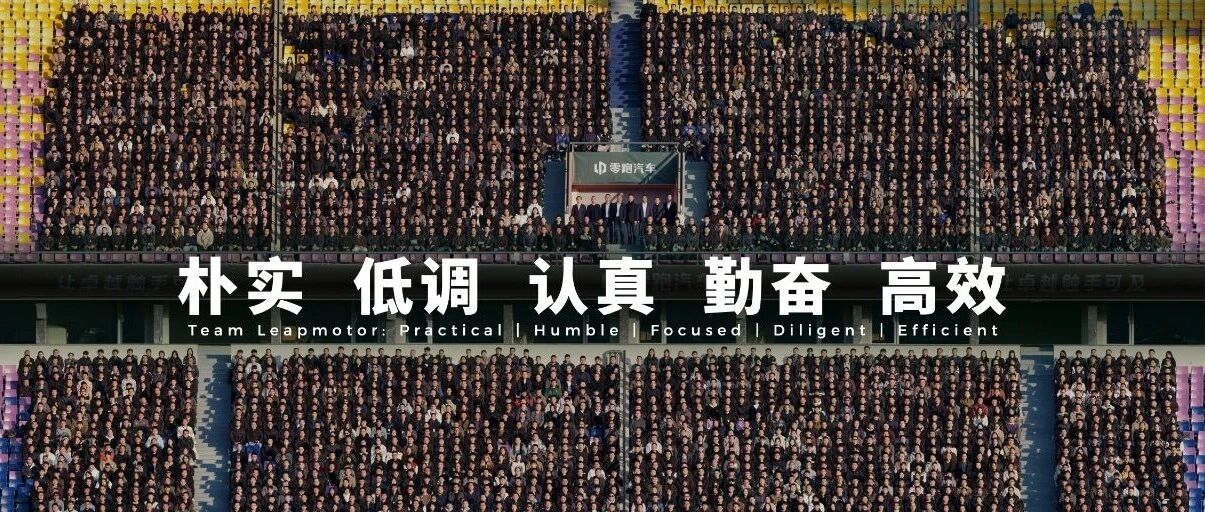
高压时代,车圈男儿泪
汽车商业评论· 2025-12-29 23:05
Group 1 - The article discusses the emotional experiences of automotive industry leaders, highlighting their struggles and triumphs over the past decade, particularly in the context of the challenges faced in the electric vehicle sector [3][5][6] - Zhu Jiangming, founder and CEO of Leap Motor, reflects on the company's journey from obscurity to becoming a recognized potential player in the global market, emphasizing the importance of support from key individuals throughout this journey [6][8] - The narrative includes instances of emotional expressions from various industry leaders, such as BYD's Wang Chuanfu and others, showcasing the intense pressures and challenges they face in the competitive automotive landscape [12][13][19] Group 2 - The article highlights the significant financial challenges in the automotive industry, particularly the high costs associated with vehicle manufacturing and the difficulties in securing funding during tough market conditions [8][26] - It notes the increasing competition within the Chinese automotive market, with numerous new energy vehicle models being launched each year, leading to price wars and reduced profit margins for manufacturers [26][27] - The emotional responses from industry leaders are framed as a reflection of the immense pressure they face, with their personal reputations closely tied to the success or failure of their companies [28][29]