36氪未来消费

Search documents
AI洪流先漫过短剧,再浸入游戏|2026前瞻
36氪未来消费· 2026-02-04 09:35
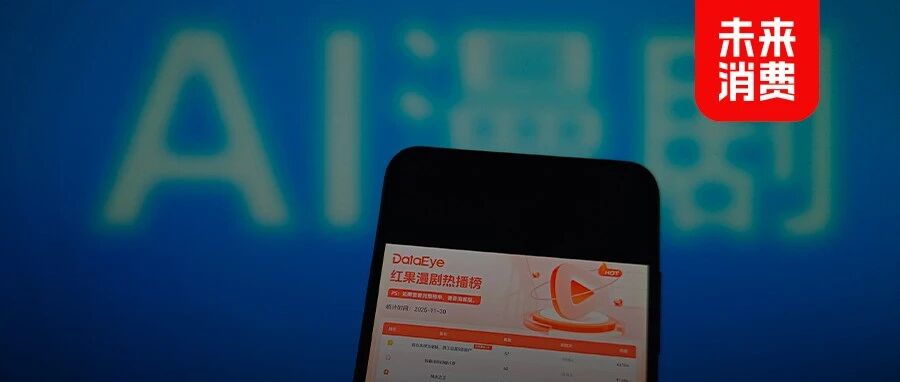
Group 1: Core Insights - The content industry is rapidly reflecting technological changes, with AI beginning to reshape it by 2025 [2][3] - Emerging content forms like AI comic dramas (漫剧) are rapidly developing, with significant financial growth, while traditional content sectors like gaming are also benefiting from AI [3][4] Group 2: AI Comic Dramas - AI comic dramas, a new content form derived from short dramas, have seen explosive growth due to AI technology, with daily consumption on Douyin surpassing 20 million yuan, a 568% increase from the previous half-year [4] - The AI comic drama industry is projected to reach a scale of 20 billion yuan by 2025, exceeding one-third of the traditional film industry [4] - The development of AI comic dramas has outpaced that of short dramas, achieving a production rate of 300 to 500 episodes per day by July 2025, comparable to traditional animation [10] Group 3: Future Expectations for AI Comic Dramas - The industry is expected to see a significant increase in both quantity and quality in the first half of 2026, with anticipation for blockbuster hits [12][13] - The emergence of high-quality content is expected to drive further demand and competition within the AI comic drama sector [14][16] - The potential for international expansion is noted, with AI comic dramas likely to have advantages in overseas markets due to lower trial costs and cultural accessibility [18][19][20] Group 4: Gaming Industry Insights - AI has permeated the entire game production process, with a notable increase in the number of games utilizing generative AI on platforms like Steam [6][22] - Major gaming companies are focusing on practical applications of AI to enhance efficiency rather than exploring fully AI-native games [23][24] - The gaming industry is currently more concerned with extending the lifecycle of existing games rather than solely developing new AI-native games [26] Group 5: IP Development in Gaming - Game IP development is seen as a crucial strategy for attracting new players and fostering long-term emotional connections with brands [27][28] - The integration of IP into games is viewed as a natural evolution, enhancing the cultural significance and emotional resonance of games [26][28]




3家消费公司拿到新钱;鸣鸣很忙上市;库迪咖啡全场9.9元时代落幕|创投大视野
36氪未来消费· 2026-01-31 09:18
Group 1 - NOWWA Coffee completed a C round financing of several hundred million yuan, attracting multiple investment institutions and has opened over 10,000 stores, becoming the fourth coffee brand in China to enter the "10,000 store club" [3] - Lingman Kuaichuang announced a strategic investment of tens of millions from AIGC software company Wanxing Technology, aimed at expanding its team and enhancing content distribution capabilities [4] - ThetaWave AI, an AI-native knowledge content platform, completed a financing of several million US dollars, with investments from GL Ventures and others, focusing on rapid knowledge acquisition [5][6] Group 2 - Mingming Henmang went public on the Hong Kong Stock Exchange, becoming the first stock in China's mass snack industry, opening at 445 HKD per share, an increase of 88.08% from the issue price, with a total market value of 959 billion HKD [7][8] - In less than nine years, Mingming Henmang has opened over 20,000 stores across 28 provinces, achieving annual sales exceeding 90 billion yuan, showcasing its dominance in the offline retail sector [9][10] - The efficiency and scale of brands like Mingming Henmang and Mixue Ice City have enabled rapid penetration into lower-tier markets, providing affordable options previously unavailable [11] Group 3 - The era of Kudi Coffee's all-products priced at 9.9 yuan is coming to an end, with new pricing strategies set to take effect, reflecting the challenges of sustaining a price war amid rising coffee bean prices and intense competition [15][16] - ByteDance has launched the official version of the Doubao mobile assistant project, with expectations for significant improvements over the first generation, while addressing privacy concerns raised by Tencent's CEO [17][18][20] - The keyword for ByteDance in 2026 is "Dare to Climb High," focusing on AI opportunities and talent investment to enhance competitiveness in the market [21] Group 4 - Heytea's "Bitter Chocolate" series has been launched nationwide, with promotional activities like buy-one-get-one-free, indicating strong consumer interest despite some feedback on sweetness [22][23] - Cha Baidao introduced a new triple berry tea series, emphasizing health and low-calorie ingredients as key marketing points amid fierce competition in the beverage industry [24][25] Group 5 - Gold jewelry prices have seen significant fluctuations, with the price per gram dropping from 1700 yuan to 1500 yuan, reflecting market volatility [26][27] - The Chinese潮玩 industry is projected to exceed 100 billion yuan in total value by 2026, with an annual growth rate of over 20% [28] - The emotional consumption market in China is growing, with companies focusing on "self-pleasure consumption" and "emotional value" marketing strategies, showing a significant increase in revenue and profit [29]

鸣鸣很忙近1000亿IPO背后:在冬天捕到大鱼的人
36氪未来消费· 2026-01-28 01:53
Core Viewpoint - The article discusses the journey of the snack retail company "Ming Ming Hen Mang" and its CEO Yan Zhou, highlighting the company's growth, strategic decisions, and market positioning in the competitive snack industry [2][9]. Company Overview - Yan Zhou co-founded "Ming Ming Hen Mang" in 2017, and the company has grown to nearly 20,000 stores by 2025, marking a significant expansion from its initial base in Hunan [8][39]. - The company went public on January 28, 2025, with a market valuation nearing 100 billion HKD, reflecting strong investor interest and a successful IPO [9]. Market Positioning - The company targets the mass consumer market, which has been underserved compared to higher-end brands like "Liangpinpuzi" and "Three Squirrels" [5]. - By focusing on affordable snacks and a pleasant shopping experience, "Ming Ming Hen Mang" aims to redefine consumer perceptions of value and quality in the snack sector [18][23]. Investment and Growth Strategy - The company secured significant funding from prominent investors, including Sequoia Capital and Tencent, which helped it navigate a challenging investment climate in the consumer sector [8][11]. - Despite initial skepticism from investors, the company demonstrated strong growth metrics, achieving a GMV of 661 billion CNY and revenue of 464 billion CNY in the first nine months of 2025 [8]. Competitive Landscape - The snack retail market has seen rapid growth, with "Ming Ming Hen Mang" facing competition from aggressive players like "Zhao Yiming Snacks," leading to a strategic merger to consolidate market presence [36][38]. - The merger allowed both brands to leverage their strengths, resulting in a combined store count exceeding 10,000, making them a leader in the snack retail industry [38]. Consumer Insights - The company emphasizes the importance of emotional value in consumer products, aiming to create a shopping environment that resonates with customers beyond just price [18][22]. - Yan Zhou's background as a real estate agent has influenced his understanding of consumer needs, particularly in lower-tier cities, where he sees significant growth potential [5][10].
时隔11年,腾讯为AI元宝再次打开紧捂的钱袋子
36氪未来消费· 2026-01-27 12:06
Core Viewpoint - Tencent has launched a new cash red envelope campaign for the Spring Festival, offering a total of 1 billion yuan in cash rewards through its AI assistant "Yuanbao," aiming to recreate the success of past promotional events and enhance user engagement with its AI products [5][8]. Group 1: Cash Red Envelope Campaign - On January 25, Tencent's AI assistant "Yuanbao" announced a 1 billion yuan cash red envelope incentive for the Spring Festival, with individual red envelopes worth up to 10,000 yuan [5]. - The campaign is reminiscent of the 2015 collaboration between WeChat and the Spring Festival Gala, which significantly boosted WeChat Pay's user base through a 500 million yuan red envelope giveaway [8]. - The red envelope strategy is characterized as a "high investment, high return" marketing activity, aimed at promoting core business areas, with Tencent focusing on AI this time [8][9]. Group 2: Introduction of "Yuanbao Pai" - "Yuanbao Pai" is a new AI social product from Tencent, currently in internal testing, allowing users to create or join social groups where the AI acts as a "social secretary" [10][12]. - The AI can participate in conversations, summarize chat records, and assist with tasks like setting reminders and answering questions, enhancing the social experience [14]. - Features such as screen sharing and audio-video integration are designed for collaborative learning and gaming, with plans for additional functionalities like watching movies and listening to music together [17][19]. Group 3: AI Strategy and Development - Tencent's AI strategy is focused on enhancing user efficiency and experience, with a commitment to steady and thoughtful development in AI products [21]. - The company has made significant organizational changes to accelerate AI development, including restructuring its team and enhancing collaboration between its AI products and core applications [23][24]. - Tencent aims to create a decentralized AI ecosystem within WeChat, allowing third-party developers to build their own AI applications while maintaining user privacy and security [26].

耐克大中华区换帅求变;中国中免约28亿元收购 LVMH 旗下 DFS;宜家入驻即时零售平台“京东秒送”|品牌周报
36氪未来消费· 2026-01-25 09:06
Group 1: Nike's Management Change and Performance - Nike has announced a management change in its Greater China region, with current head Dong Wei stepping down and Cathy Sparks appointed as the new Vice President and General Manager [3][4] - Dong Wei has been with Nike for 20 years and was recently promoted to Chairman and CEO of Nike Greater China, but the company is facing declining performance in the region, with Q2 FY2026 revenue at 14.23 billion yuan, down 17% year-on-year [4] - The decline in revenue is attributed to a drop in direct sales and digital business, with EBIT halving, down 49% year-on-year, indicating a need for strategic reform under the new leadership [4][5] Group 2: China Duty Free Group and LVMH Partnership - China Duty Free Group has reached a strategic cooperation agreement with LVMH to acquire DFS for up to $395 million, which includes retail stores in Hong Kong and Macau and exclusive rights to several brands in the Greater China region [6][7] - DFS has shown stable financial performance, with revenues of 4.1 billion yuan and 2.7 billion yuan for 2024 and 2025 respectively, making it a valuable asset for China Duty Free Group [7] - The acquisition will enhance China Duty Free Group's high-end brand supply chain, as DFS has partnerships with over 750 global brands [8] Group 3: IKEA's New Retail Strategy - IKEA has launched an instant retail service on JD.com, marking its first foray into this business model, covering 13 stores in major cities [9] - This new service aims to improve delivery efficiency and reduce consumer barriers, with a minimum purchase of 99 yuan for free delivery within a 4 km radius [9] - IKEA's sales in China have declined, with a reported revenue of approximately 11.15 billion yuan for FY2024, down 7.6% year-on-year, indicating a need for adaptation to changing consumer preferences [10] Group 4: Haidilao's New Concept Store - Haidilao has opened its first "sugar water shop" as a thematic store, integrating hot pot and dessert offerings to cater to diverse consumer needs [12] - The shop operates independently and has already achieved over 100 orders daily, indicating a successful trial of the "store within a store" model [13] Group 5: Walmart's Collaboration with Xiaohongshu - Walmart has partnered with Xiaohongshu to open a co-branded retail experience space called "Mashi Store," focusing on customer-centric shopping experiences [14] - The store features eight "interest islands," each showcasing specific lifestyle products, reflecting Walmart's ongoing transformation to attract younger consumers [14] Group 6: Financial Updates from Various Companies - Yonghui Supermarket expects a net loss of 2.14 billion yuan for 2025, marking its fifth consecutive year of losses due to store adjustments and supply chain reforms [18] - Kraft Heinz China is restructuring its sales regions to accelerate national expansion and seek new growth opportunities [19] - Nestlé is moving forward with the sale of its water business, valued at 5 billion euros, indicating a strategic shift in its portfolio [20]




从品类冠军到全生态:追觅凭什么能春晚“大满贯”?
36氪未来消费· 2026-01-24 14:22
Core Viewpoint - The partnership between追觅 and the 2026 Spring Festival Gala signifies a strategic elevation for the company, showcasing its capabilities as a representative of high-end technology in the national narrative [25][26][27]. Group 1: Partnership Significance - The collaboration is not merely a marketing opportunity but represents a systemic capability recognized by a national platform, aimed at showcasing how technology can integrate into daily life [6][9]. - This marks the first time a company is recognized as an "intelligent technology ecosystem" partner, indicating a shift in the types of brands associated with the Spring Festival Gala [6][8]. Group 2: Historical Context - The history of commercial partnerships with the Spring Festival Gala reflects the evolution of China's industrial upgrades, transitioning from material abundance to modern household needs, and now to AI and hard technology [8][9]. - The changing nature of partnerships indicates a shift from merely attracting attention to demonstrating how technology can be integrated into everyday life [9][31]. Group 3: Technological Integration - 追觅's approach is characterized by a comprehensive "full-scene intelligent technology ecosystem," which includes smart travel, home appliances, cleaning, audio-visual, and personal care, rather than focusing on a single star product [10][20]. - The technology showcased is designed to be perceived as an integral part of daily life, making it easier for the audience to understand and relate to [17][19]. Group 4: Global and Domestic Validation - 追觅 has established a presence in over 120 countries, serving more than 42 million households, indicating its global competitiveness and the robustness of its technology [15]. - The partnership with the Spring Festival Gala serves as a domestic validation of 追觅's capabilities, confirming its role in the public life of the nation [13][25]. Group 5: Future Industry Implications - The choice of 追觅 as a partner signals a shift in the industry towards recognizing comprehensive systems over individual product capabilities, marking a new competitive landscape [29][31]. - The collaboration emphasizes the importance of technology that is not only advanced but also necessary and easily integrated into everyday life, reflecting a broader trend in consumer technology [32][33].

7家消费公司拿到新钱;泡泡玛特推出甜品品牌;闻献旗下新品牌开出首店|创投大视野
36氪未来消费· 2026-01-24 14:22
Group 1 - "Xibei" completed a new round of financing, increasing registered capital from approximately 89.9 million RMB to about 102 million RMB, a growth of about 13% [3] - "WITH 1000 AI" received strategic investment from Shengbela, focusing on AI-driven automation and personalized user operations in the maternal and infant service industry [4][5] - "Today Yixiu" announced the completion of seed round financing amounting to several tens of millions RMB, with plans to launch a series of hardware and software products later this year [6] - "Noumena" secured several tens of millions RMB in Pre-A round financing, developing an AI-native marketing agent system to help brands achieve sustainable growth [7] - "Qingchuyulan" completed angel and A round financing, focusing on social experience and efficiency transformation in the AI era [8] Group 2 - "AtomForm" completed a new round of financing exceeding 100 million RMB, with a cumulative financing scale reaching several hundred million RMB, focusing on consumer-grade 3D printing solutions [10] - "Nature Select" raised over 30 million USD in a new financing round, developing the world's first 3D AI companionship application, EVE [11] - "Banmu Huatian" submitted an IPO application to the Hong Kong Stock Exchange, reporting revenues of 1.199 billion RMB, 1.499 billion RMB, and 1.895 billion RMB for 2023, 2024, and the first three quarters of 2025 respectively [12] - "Mingming Hen Mang" is set to go public, attracting a luxurious lineup of cornerstone investors and planning to issue 14.1011 million shares, raising 195 million USD [14] - "Raising a Cow" reported revenue exceeding 7 billion RMB for 2025, maintaining a steady growth trajectory with a self-sufficiency rate of over 95% for milk sources [17] Group 3 - "Pop Mart" launched a new dessert brand "POP BAKERY," expanding its product offerings into daily life scenarios [19][22] - "Wenxian" opened its first store for the high-end fragrance brand "Guibao Xiangju," aiming to integrate traditional Chinese fragrance culture into modern life [23] - "Dongbian Yaoshou" collaborated with "PANE" to launch a New Year gift box, emphasizing the relationship between hands and feet [25] - Roland Berger's report highlighted ten trends in China's consumer goods and retail industry, noting a shift towards value co-creation and the emergence of new channels [28][29] - A report by Airae revealed a significant decline in global consumer spending intentions for 2026, with a negative expectation of 18 percentage points [30]

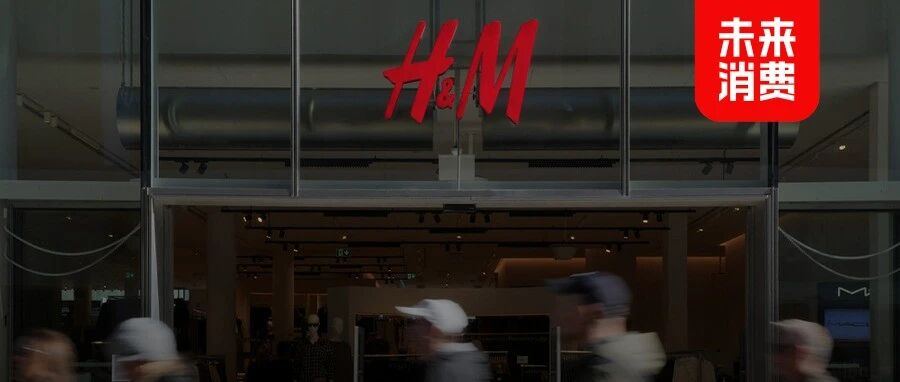
H&M在中国,加速逃离平价
36氪未来消费· 2026-01-23 05:21
Core Viewpoint - H&M is undergoing a transformation towards a more fashionable and premium positioning, exemplified by its collaboration with Chinese designer Jacques Wei, which aims to enhance brand visibility and appeal in international markets [8][10]. Group 1: Collaboration with Jacques Wei - The collaboration with Jacques Wei features a collection inspired by "horses," incorporating signature elements like beading, metal accessories, and animal prints, showcasing H&M's shift towards a more fashion-forward identity [4][8]. - Jacques Wei's brand, established in 2020, has achieved a revenue of €3 million and is present in over 30 international fashion retail channels, indicating strong market potential [7]. - The collection will primarily be sold in Japan, South Korea, and Australia, with a focus on more daring designs that perform better in overseas markets compared to practical styles favored domestically [8]. Group 2: H&M's Strategic Shift - H&M is in a critical phase of transformation, having recently returned to London Fashion Week after seven years, showcasing its 2025 Fall/Winter collection and high-end lines [9]. - The company has emphasized the term "premium" significantly more in its communications, indicating a strategic pivot towards higher-end offerings [11]. - H&M's collaboration strategy has diversified, with six partnerships launched since mid-2025, aiming to balance seasonal marketing with designer collaborations [10]. Group 3: Financial Performance - In Q3 of the 2025 fiscal year, H&M reported a 2% year-on-year increase in net sales, with a gross margin of 52.9%, up 1.8 percentage points from the previous year, and a 40% increase in operating profit [11]. - The company is reducing the SKU share of its lowest-priced products in the UK by 15%-25% and increasing the proportion of its EDITION series in China to elevate average transaction values [12]. Group 4: Future Outlook - H&M aims to continue seeking collaborations with emerging design talents like Jacques Wei, focusing on sustainable integration of high-fashion elements into everyday offerings [12].
沃尔玛的新实验:在超市里逛出“种草感”
36氪未来消费· 2026-01-22 11:08
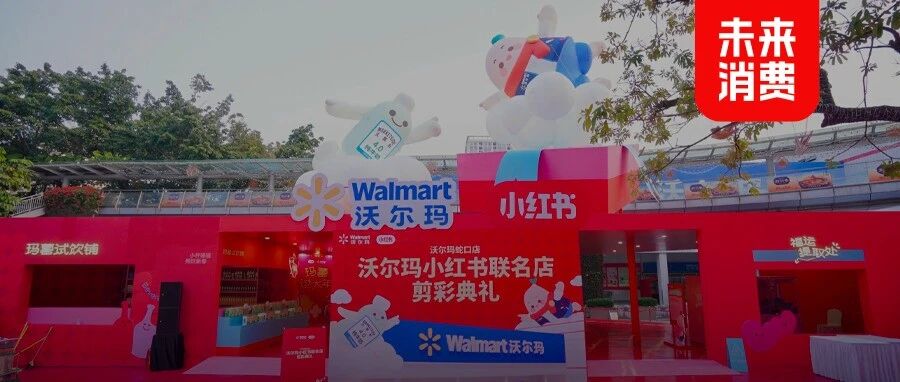
Core Insights - The article discusses Walmart's transformation into a customer-centric retail model, emphasizing a shift from a traditional big-box store to a more personalized shopping experience [4][6][17] - The collaboration with Xiaohongshu (Little Red Book) is highlighted as a significant step in this transformation, showcasing Walmart's commitment to understanding and catering to the needs of urban middle-class families and single individuals [4][6][17] Group 1: Strategic Focus - Walmart's strategy has shifted from trying to satisfy all customers to focusing on urban middle-class families and single individuals, who have specific needs and preferences [6][7] - This target demographic is characterized by their urban lifestyle, fast-paced living, and desire for quality products at reasonable prices [6][7] Group 2: Customer Understanding - To better understand its target customers, Walmart has implemented an efficient user feedback mechanism, including monitoring social media platforms like Xiaohongshu for consumer insights [8][16] - The development of products, such as a 10L beer inspired by Xiaohongshu users, demonstrates Walmart's responsiveness to customer preferences and trends [8][9] Group 3: Product Development - Walmart's private label "Wojuxian" reflects a commitment to simplicity and quality, aligning with the target customers' demand for fresh and transparent products [9][10] - Over the past year, Walmart has launched over 1,000 new products based on customer feedback, creating a responsive product development cycle [9][10] Group 4: Omnichannel Strategy - Walmart's omnichannel approach integrates online and offline experiences, positioning physical stores as essential experience centers rather than just sales points [11][12] - The community store model focuses on convenience and accessibility, addressing the daily needs of local residents [12][14] Group 5: Trust Building - Trust is identified as a critical component of Walmart's transformation, with a focus on addressing negative feedback and improving customer experiences [16][17] - The collaboration with Xiaohongshu enhances trust by providing a platform for genuine customer feedback, fostering a deeper connection between Walmart and its customers [16][17] Group 6: Industry Implications - Walmart's transformation serves as a case study for traditional retailers, demonstrating that proactive adaptation and customer engagement can create new growth opportunities in a competitive market [17] - The emphasis on understanding everyday consumer needs rather than chasing trends positions Walmart favorably for future competition [17]

专注柠檬茶14年,林里LINLEE凭什么实现高质量增长?
36氪未来消费· 2026-01-21 10:08
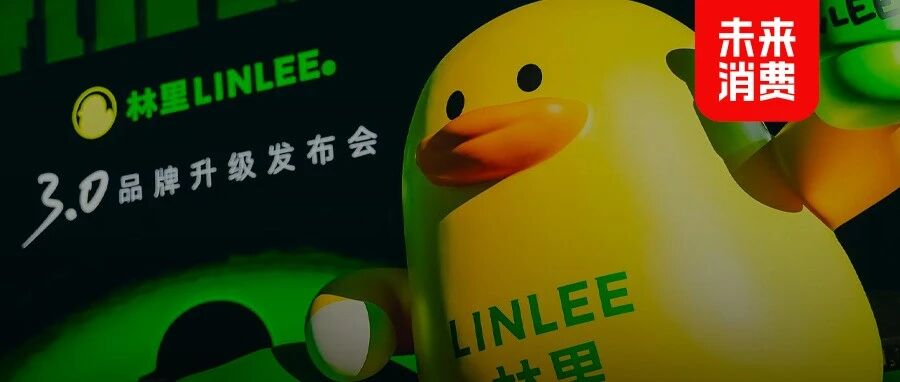
Core Viewpoint - Linlee is undergoing a significant brand upgrade from a "freshly made lemon tea brand" to a "lemon tea and lifestyle exploration brand," marking its third systematic brand evolution after 14 years since its first store opening [2][5][6]. Brand Evolution - The brand's journey began in 2012 with its first store in Zhanjiang, focusing on a niche market of scented lemon tea [9]. - Over 14 years, Linlee has transitioned through three phases: 1.0 (product validation), 2.0 (scale expansion), and now 3.0 (value enhancement) [10][11]. - In the 1.0 phase (2018-2021), Linlee focused on product quality and small street-side stores, proving the market viability of lemon tea [11]. - The 2.0 phase began in 2021 with significant investment and a rebranding effort, including a new visual identity and expansion into shopping malls [12][21]. Brand Recognition and IP Development - The brand aims to shift consumer perception from "the lemon tea that gives away little yellow ducks" to a clear association of "delicious lemon tea = Linlee" [7][14]. - The introduction of the "Linlee Duck" IP is central to the 3.0 upgrade, aiming to create a unique and recognizable brand character with its own personality and commercial value [16][17]. Market Position and Strategy - Linlee has maintained its position as the top-selling lemon tea brand in China for two consecutive years, with a projected GMV of over 27 billion by 2025 and a store count reaching 2000 [12][21]. - The brand is shifting from a focus on "handmade lemon tea" to a broader lifestyle exploration, emphasizing quality, experience, and emotional value [20][22]. Product and Visual Innovation - The 3.0 upgrade emphasizes a "fresh + light burden" experience, exploring new flavors and health benefits while maintaining a clear product matrix [22]. - Visual updates include a new color scheme and design that aligns with consumer preferences, particularly in shopping mall environments [22][25]. Supply Chain and Operational Efficiency - Linlee has invested heavily in building its supply chain since 2019, ensuring quality control and cost efficiency by partnering directly with lemon orchards and establishing its own tea factory [31][32]. - The brand's supply chain investments account for 12%-15% of revenue, focusing on raw material sourcing, production upgrades, and logistics [32][33]. Future Goals and Brand Philosophy - Linlee aims to reach 3000 stores and a GMV of 45 billion by 2026, with a focus on quality over quantity to protect franchisee interests [41]. - The brand's philosophy emphasizes long-term growth and stability, likening its development to a tree that must grow deep roots before expanding outward [41].