36氪未来消费

Search documents
春晚第一席,为什么给了追觅扫地机?
36氪未来消费· 2026-02-17 12:14
Core Viewpoint - The article highlights the significance of the Dreame vacuum cleaner being the first smart product featured in the 2026 Spring Festival Gala, symbolizing the maturity and acceptance of robotic vacuum cleaners as essential household items in modern Chinese families [3][5][12]. Group 1: Product Recognition and Market Position - The Dreame vacuum cleaner's appearance on the Spring Festival Gala marks a historic moment as the first vacuum cleaner product to be showcased, reflecting its status as a representative of new productive forces in China [3][5]. - In 2025, Dreame achieved a leading market share in 30 countries and regions globally, particularly excelling in the European market, indicating its strong international presence [9]. - The shift in the Spring Festival Gala's focus from fast-moving consumer goods to technology products mirrors the evolving consumption patterns in China, where smart home devices are becoming standard [5][9]. Group 2: Technological Advancements - Dreame has made significant technological innovations, such as the bionic mechanical arm technology that enhances corner cleaning capabilities, addressing a common pain point in traditional vacuum cleaners [14]. - The introduction of features like automatic mop replacement and AI carpet roller cover demonstrates Dreame's commitment to refining user experience and expanding the functionality of robotic vacuums [15][16]. - Dreame's continuous investment in R&D, with about 70% of its workforce dedicated to this area and over 7% of revenue allocated to R&D, has positioned it as a leader in high-speed digital motors [18]. Group 3: User-Centric Development - Dreame emphasizes user co-creation in its product development process, utilizing methods like the "Ten Steps Insight Method" and "Bubble Algorithm" to prioritize user feedback and needs [20][22]. - Over 80% of the features in Dreame's new products are derived from user suggestions, ensuring that the products resonate with consumer expectations and preferences [23]. - This user-centric approach has facilitated Dreame's successful localization in global markets, allowing it to effectively address diverse consumer needs [24]. Group 4: Cultural and Emotional Resonance - The selection of Dreame vacuum cleaner for the Spring Festival Gala underscores its alignment with contemporary Chinese lifestyles and the emotional connection it fosters with consumers [25][28]. - The article draws parallels between Dreame's emergence as a symbol of modern Chinese manufacturing and the historical context of brands that have previously marked significant cultural moments in China [27].


对话“问小团”:激烈的“AI春节档”,美团靠什么打这场仗?
36氪未来消费· 2026-02-13 04:33
Core Viewpoint - The article discusses the challenges and advancements of AI in the local life service sector, particularly focusing on Meituan's AI tool "Wen Xiaotuan" which aims to enhance user experience by providing accurate and timely information for local services [2][4][5]. Group 1: AI Product Development - Meituan's AI strategy includes three main directions: "AI at work," "AI in products," and self-developed foundational models [3]. - "Wen Xiaotuan" is designed to help users save time and money while avoiding pitfalls in local services, addressing common pain points in the consumer decision-making process [4][8]. - The tool underwent an upgrade on February 12, allowing users to ask complex questions about local services, with a focus on accuracy and user satisfaction [4][5]. Group 2: User Experience and Interaction - Users can express their needs in a natural language format, making it easier to receive relevant recommendations without the constraints of traditional search methods [17][18]. - The AI tool aims to provide a seamless experience by understanding user queries and delivering concise, actionable responses [10][13]. - The design philosophy emphasizes simplicity and directness, avoiding complex interfaces that could confuse users [11][12]. Group 3: Information Accuracy and Reliability - Meituan claims a high level of accuracy in information completeness and timeliness, estimating a score of over 95 out of 100 in these areas [6][25]. - The company has invested heavily in building a robust infrastructure for collecting and verifying local business information, which is crucial for the success of AI applications in this sector [23][24]. - The challenge of misinformation is particularly critical in local services, where incorrect data can lead to significant user dissatisfaction [6][23]. Group 4: Market Position and Competitive Advantage - Meituan's long-standing presence in the local service market provides it with a competitive edge in data accumulation and service integration [23][24]. - The company focuses on practical solutions rather than engaging in aggressive promotional tactics, aiming to build user trust through reliable service [30][31]. - The AI tool is positioned as a "life assistant," evolving from a simple search function to a more interactive and helpful service for users [17][39].

元气森林唐彬森九周年内部信:2025虽有进步,市场依旧严峻|独家
36氪未来消费· 2026-02-13 04:33
Core Viewpoint - The company has demonstrated a continuous improvement in profitability and operational efficiency in 2025, with a focus on high-quality growth and strategic resource allocation through the "three controls" strategy: controlling costs, pricing, and SKU [2][4][5]. Group 1: Financial Performance and Strategy - In 2024, the company preliminarily validated its profitability potential, while 2025 marked a critical breakthrough in achieving high-quality growth [2][4]. - The strategic focus on "controlling costs, controlling pricing, and controlling SKU" has led to improved operational quality and risk resilience [2][4][5]. - The company has made significant progress in channel development, supply chain efficiency, and core product performance, contributing to stable business operations and growth [2][7][8]. Group 2: Internal Development and Management - The company emphasizes the importance of internal capabilities, with systematic investments in core competencies leading to enhanced operational resilience [7][8]. - A robust management system has been established, optimizing budgeting, assessment, and processes to support effective decision-making and stable operations [8]. - The company recognizes that true competitiveness lies in having a stable, reliable, and continuously iterating core capability system, rather than merely innovating [8][10]. Group 3: Future Direction and Principles - The company aims to avoid reckless expansion and instead focus on its main business areas, refining its strategies and capabilities for sustainable growth [3][14]. - Key principles include returning to the essence of business, building an efficient organization, and balancing speed with quality and risk [10][11]. - The company is committed to creating valuable products for users, emphasizing the importance of user-centric values and operational excellence [11][12].
18位消费创始人和投资人这样观测潮水的方向|2026前瞻
36氪未来消费· 2026-02-10 05:49
Group 1: Consumer IP - In 2025, the consumer IP sector saw significant growth, with Pop Mart achieving a market value of 400 billion, igniting interest in the industry [2][9] - The focus on "self-owned IP" is becoming a key strategy for companies, with TOP TOY planning to split and list its brand [9][10] - The market is shifting from material consumption to cultural consumption, emphasizing the importance of emotional value in consumer products [10][12] Group 2: Offline Channels - The offline retail landscape is undergoing a transformation, with traditional supermarkets like Yonghui implementing "fat reform" to adapt to market changes [3][16] - New retail formats, such as community discount stores and near-field retail, are emerging as key growth areas, challenging traditional models [16][20] - The competition in offline retail is expected to evolve from product-centric to a focus on comprehensive operational capabilities [19][21] Group 3: Consumer + AI - 2025 is recognized as the "year of AI in consumption," with a convergence of technology maturity, user acceptance, and commercial imagination [25] - The product forms of "AI + consumption" are expected to diversify, focusing on creating emotionally engaging experiences [26][27] - AI is anticipated to play a crucial role in the development of new consumer products, particularly in the children's market [28][29] Group 4: Consumer Brands - The competition among consumer brands is shifting towards depth in consumer engagement rather than breadth of market coverage [31] - Brands are increasingly required to innovate in product development and adapt to the fragmented channel landscape [31][32] - The trend of Chinese dining brands expanding overseas is gaining momentum, with a focus on integrating into local markets [33]




语音问一问上线,小红书为何发力问搜?
36氪未来消费· 2026-02-09 13:30
Core Viewpoint - Xiaohongshu has launched a new voice search feature called "Voice Q&A," enhancing its search capabilities by allowing users to ask questions verbally, thus providing more personalized and detailed responses based on real user experiences [6][14][21]. Group 1: Product Development - The "Voice Q&A" feature allows users to ask questions in a conversational manner, improving the search experience by providing structured answers derived from real user-generated content [6][16]. - This feature is designed to address the limitations of traditional text-based searches, enabling users to express more complex and nuanced inquiries [16][35]. - Xiaohongshu aims to integrate this voice feature into various scenarios, expanding its search capabilities beyond typical lifestyle queries to include areas like healthcare and education [21][22]. Group 2: User Engagement - The introduction of "Voice Q&A" coincides with a marketing push during the Spring Festival, utilizing celebrity endorsements to promote user engagement with the new feature [11][13]. - The platform has observed a strong user demand for Q&A interactions, as evidenced by the popularity of the AMA (Ask Me Anything) format, which has fostered a culture of inquiry and response within the community [27][29]. - Xiaohongshu's community-driven approach allows it to provide answers that resonate emotionally with users, fulfilling their need for connection and shared experiences [24][25][38]. Group 3: Competitive Advantage - Xiaohongshu differentiates itself from other AI-driven search products by relying on real user experiences rather than generic knowledge bases, thus enhancing the relevance and relatability of its answers [23][24]. - The platform's extensive repository of user-generated content enables it to offer diverse and detailed responses, catering to specific user needs and preferences [30][31]. - By focusing on the emotional and experiential aspects of user inquiries, Xiaohongshu positions itself as a unique player in the search market, emphasizing the importance of human connection in information sharing [37][38].

一档女性播客走红后,意外带出一家身世不凡的奢侈品牌
36氪未来消费· 2026-02-08 03:51
Core Viewpoint - The article discusses the unique positioning of the luxury brand GIADA in China, highlighting its focus on localized female narratives and the challenges of integrating its Italian heritage with local consumer preferences [2][10]. Group 1: Brand Background and Strategy - GIADA is primarily owned by a luxury goods tycoon from Shenzhen, who established the brand in China through a joint venture rather than a traditional acquisition [4]. - The brand's expansion strategy has been conservative, focusing on maintaining relationships with high-net-worth clients rather than aggressive marketing tactics [4][5]. - The podcast "岩中花述" serves as a platform for GIADA, initially struggling to gain traction but later evolving to feature diverse female voices, which significantly increased its audience engagement [5][6]. Group 2: Audience Engagement and Content Evolution - The podcast's initial episodes featured celebrity guests but shifted to include ordinary women sharing personal stories, which resonated more with listeners [6][7]. - The show's popularity surged, with single-episode views surpassing 100,000 and subscriptions growing from tens of thousands to nearly three million [6][7]. - GIADA's CEO noted that the podcast has become an important content asset alongside the brand's clothing line, addressing the cultural translation challenges faced by European luxury brands in China [7]. Group 3: Market Insights and Consumer Behavior - The Chinese female consumer market has surpassed 10 trillion yuan, with women aged 25-45 contributing approximately 60% of this spending [7]. - The podcast's narrative aligns with the emotional needs of successful women, reflecting their struggles and aspirations, which contrasts with the fast fashion industry's focus on superficial beauty [7][8]. - The brand emphasizes quality and craftsmanship, with all products made in Italy, and aims to cultivate a deeper understanding of luxury among its consumers [8][9]. Group 4: Future Challenges and Cultural Integration - Despite its success, GIADA faces the challenge of reconciling its localized storytelling with its Italian roots, raising questions about the authenticity of its craftsmanship [10]. - The brand's exploration of cultural content continues, as seen with its educational initiatives on Western art history, which aim to enhance its cultural relevance in the market [9][10].
千问的1000万杯奶茶:阿里大发赛博鸡蛋始末
36氪未来消费· 2026-02-07 13:28
Core Viewpoint - The article discusses a recent surge in AI-driven marketing campaigns, particularly focusing on the "free tea" promotion by Qianwen, which led to overwhelming demand and system failures, highlighting the challenges and strategies in the competitive landscape of AI and consumer engagement [4][9][21]. Group 1: Event Overview - On February 6, a significant spike in orders for Qianwen's tea promotion resulted in over 2 million orders within a short time frame, leading to system crashes and operational chaos in stores [5][6]. - The promotion was characterized by a lack of preparation and communication among merchants, resulting in confusion and operational strain as they scrambled to manage the influx of orders [7][8]. - Despite the initial chaos, the promotion was deemed successful, with Qianwen reporting over 10 million orders by the afternoon of the same day, and some tea brands experiencing a daily order increase of over 200% [8][10]. Group 2: Competitive Landscape - The article notes that Alibaba's Qianwen aims to integrate various services (like Taobao, Hema, and Fliggy) into a comprehensive ecosystem, positioning itself as a super entry point for consumer needs [9][10]. - The marketing strategy employed by Qianwen, including substantial subsidies and promotions, reflects a broader trend in the industry where companies are racing to capture consumer attention amid fierce competition [15][16]. - The urgency of the campaign was partly a response to Tencent's earlier announcements of significant cash incentives, indicating a competitive pressure to attract users quickly [15][16]. Group 3: Marketing and Consumer Behavior - The promotion's success relied heavily on immediate incentives rather than organic consumer demand, raising questions about the sustainability of such marketing tactics [22][23]. - Qianwen's approach contrasts with competitors by emphasizing intelligence and reliability, aiming to shift consumer perception from merely chatting with AI to using it for practical tasks [22][23]. - The article highlights the ongoing challenge for AI models to truly understand consumer preferences, suggesting that while immediate engagement can be achieved, long-term user retention may depend on the AI's ability to adapt and learn from individual user behaviors [23][24]. Group 4: Future Implications - The article suggests that while Qianwen's promotional tactics may yield short-term gains, the long-term success will depend on the ability to foster genuine consumer habits and preferences towards AI shopping [22][24]. - There is a recognition that the current AI capabilities may not fully meet the nuanced demands of consumers, indicating a potential gap that needs to be addressed for sustained engagement [23][24]. - The competitive landscape is shifting towards marketing strategies as companies prioritize user acquisition over product perfection, reflecting a broader trend in the industry [18][19][20].

中国区业绩大涨,全球市值第二美妆公司迎来黎明前夜
36氪未来消费· 2026-02-06 13:18
Core Viewpoint - Estée Lauder is undergoing a gradual but clear recovery, as evidenced by its latest financial report showing a net sales increase of $4.229 billion (approximately 29.353 billion RMB), a year-on-year growth of 6%, and a net profit turnaround from a loss of $590 million (approximately 4.095 billion RMB) in the same quarter of the previous fiscal year to a profit of $162 million (approximately 1.124 billion RMB), marking a significant improvement of 127% [3][4]. Financial Performance - The company has achieved double-digit growth for the second consecutive quarter, with skincare, makeup, fragrance, and scalp care all showing growth, and the latter three categories returning to profitability [3]. - For the fiscal year 2026, Estée Lauder anticipates a return to positive revenue growth, projected between 0% and 3% [4]. - Over the past 12 months, the company's stock price has increased by 46.59% [4]. Strategic Initiatives - The recovery strategy, termed "Beauty Reimagined," focuses on cost-cutting measures such as layoffs, outsourcing non-core services, and divesting underperforming brands while reallocating resources to brands and products with growth potential [5]. - Deciem, a Canadian skincare group, has seen sales surpassing the total of all other skincare brands under Estée Lauder, marking a historic first for the company [5]. - The Ordinary, a key brand under Deciem, has been able to innovate products at a faster pace than traditional brands within the group, launching nine new products in the past year [6]. Brand Development - The luxury skincare brand La Mer is transitioning from a single star product to a more comprehensive high-end skincare system, with an increased pace of new product launches [7]. - Estée Lauder has significantly increased its investment in e-commerce platforms like Amazon, Shopify, TikTok, and Douyin, adopting an aggressive advertising strategy that matches advertising spend to revenue [7]. - Online sales now contribute nearly one-third of the company's total revenue, an increase of approximately 3 percentage points from 2024 [7]. Market Expansion - The company is seeking to rebalance growth by expanding in the Americas and emerging markets without sacrificing its position in the Chinese market [8]. - Estée Lauder has invested in two local Chinese brands, CODEMINT and Melt Season, and is consciously reducing its reliance on duty-free channels in China and South Korea [9]. Asset Management - The company is divesting brands such as Too Faced, Smashbox, and Dr. Jart due to declining growth potential in the competitive market [10]. - The estimated valuation for these assets is in the low nine-digit dollar range, significantly below historical acquisition costs [10]. Investor Focus - Investors are primarily concerned with the company's ability to achieve moderate sales growth without exacerbating balance sheet pressures and the timeline for a return to profitability [11]. - The recovery path is expected to require time, patience, and consistent execution [12].


从美妆到蜜薯,小红书用“真诚分享”开启全品类电商新叙事
36氪未来消费· 2026-02-06 13:18
Core Viewpoint - Xiaohongshu is evolving into an effective "connector" between quality products and consumers, leveraging its community-driven approach to enhance e-commerce opportunities beyond traditional categories like beauty and fashion [2][18][22]. Group 1: Live Streaming and E-commerce Expansion - A recent agricultural live stream on Xiaohongshu featured actress Zhao Lusi as the "agricultural recommendation officer," promoting local products like Sichuan bamboo fungus and honey sweet potatoes, which reflects the platform's shift towards a broader e-commerce narrative [3][5]. - The live stream attracted nearly 9 million viewers and sold over 820,000 orders, including 1,159 tons of fresh fruit and over 400,000 agricultural products, showcasing significant commercial potential [4][9]. - This event marks a pivotal moment for Xiaohongshu, indicating that its e-commerce capabilities extend beyond beauty and fashion to include fresh agricultural products, thus broadening its market reach [5][12]. Group 2: Unique Selling Proposition - The "zero commission" model during the live stream allowed producers to retain more profit, encouraging them to participate actively and ensuring product quality [9][20]. - The community atmosphere of genuine sharing on Xiaohongshu fosters trust, making consumers more willing to try unfamiliar local products [14][22]. - The storytelling approach used in the live stream, which highlighted the origins and production processes of the products, added emotional value and resonated with consumers, enhancing their purchasing decisions [15][21]. Group 3: Long-term Impact and Market Position - The success of the live stream is not just a one-time sales victory; it establishes a long-term mechanism for supporting farmers and promoting quality products [19][22]. - Post-live stream, products like Yibin Huangguo and Meishan Dajiao experienced significant increases in search volume, indicating a shift in consumer behavior towards these brands [20][21]. - Xiaohongshu's model demonstrates a complete and efficient ecosystem for e-commerce, capable of adapting across various categories, thus positioning itself as a vital platform for connecting quality products with consumers [22][23].

叮咚买菜被美团收购,即时零售进入巨头争战期
36氪未来消费· 2026-02-05 10:38
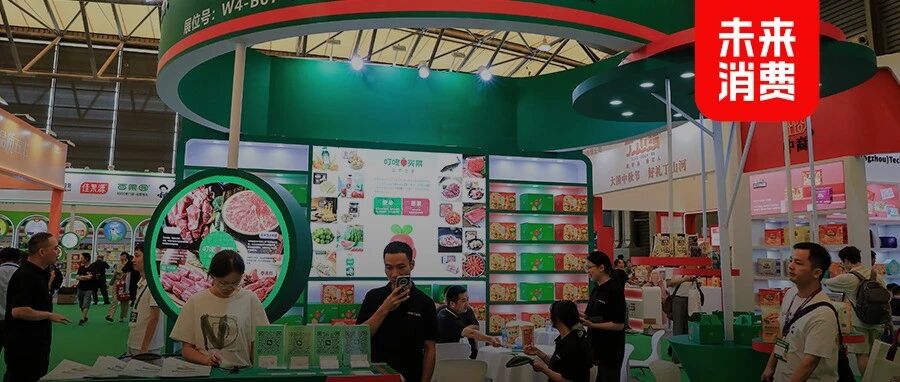
Core Viewpoint - Meituan's acquisition of Dingdong Maicai marks a significant consolidation in the local lifestyle sector, indicating the end of the era where fresh e-commerce relied on independent platforms to "burn money for scale" [3][4]. Group 1: Acquisition Details - Meituan has reached a final agreement to acquire 100% of Dingdong Maicai's China business for approximately $717 million, excluding its overseas operations [3]. - The acquisition is seen as a defensive move by Meituan to prevent Dingdong from being acquired by competitors, which could lead to intensified price wars [5]. Group 2: Market Context - The competition in instant retail is intensifying, with major players like JD and Hema also accelerating their expansion efforts [4][6]. - Dingdong Maicai's recent financial performance shows promising growth, with a GMV of 7.27 billion yuan and revenue of 6.66 billion yuan in Q3 2025, both reaching historical highs [7]. Group 3: Strategic Implications - The acquisition allows Meituan to gain a mature network and team from Dingdong Maicai, avoiding the high costs associated with early-stage investments [7][8]. - Dingdong Maicai has established a strong presence in key regions like Shanghai and the Yangtze River Delta, which are critical for market competition [8]. Group 4: Future Prospects - Dingdong Maicai's founder is reportedly pursuing a "second entrepreneurship" by developing B2B overseas business, indicating a strategic shift [8][9]. - The internal sentiment among Dingdong employees suggests concerns about potential personnel optimization following the acquisition [10].